

Tailor-made safaris. Since 1991



Trust us to find you the rarest animals, the most spectacular wildlife events, the remotest landscapes and deeply meaningful cultural encounters!
When to take your kids on safari
Every family safari conversation eventually comes down to timing. Get it right, and a single week delivers easily viewed, concentrated wildlife encounters and manageable heat for young travellers. Get it wrong, and the same landscape can mean flooded roads, dense vegetation, scattered wildlife or a school calendar that refuses to bend. For families, timing isn't a footnote to safari planning; it is the plan.
The best time for a family safari depends on lining up Africa's dry seasons with your children's school calendar. Southern Africa's dry season runs roughly May to October, while East Africa has two windows: January to March and June to October. July and August deliver the most concentrated wildlife viewing, but also the highest prices and fullest lodges. Shoulder months such as April, June and November often give families strong value and genuine wildlife viewing without peak-season crowds and costs.
This article covers both hemispheres. Northern hemisphere families, travelling from Europe, the UK and the US, work from a June-to-September summer break, a Christmas fortnight, and shorter windows around February half-term and Easter. Southern hemisphere families, travelling from South Africa, Australia and New Zealand, work from a longer December-to-January summer break and a shorter July winter break. Every seasonal reference below states which calendar it applies to.
Family safari timing at a glance
Use this quick reference to line up your children's school calendar with Africa's dry and green safari seasons before reading the regional detail below.
Southern Africa's dry season (May–October) suits most family trips
East Africa varies by destination: January–March is especially strong in northern Tanzania, while the broader June–October dry season works well across Kenya and Tanzania.
July and August bring the best sightings and the highest prices
Shoulder months April and November offer strong value for families
Book peak school-holiday safaris 12–18 months ahead of travel
School holidays and safari seasons month by month
The school holiday column below shows which Northern or Southern hemisphere break, if any, falls in that month, so you can cross-check a travel month against both your children's term dates and the safari seasons in each region.
Month | Southern Africa | East Africa | School holiday alignment | Family safari notes |
January | Green season, hot and rainy | Short dry spell, calving begins | Southern Hemisphere summer holidays | Warm start to the year in both regions |
February | Green season continues | Short dry spell, calving peaks | No major school holiday | Strong month for East Africa calving |
March | Still green, drying slowly | Long rains begin | Easter falls late March some years | East Africa turns wetter and quieter |
April | Shoulder season, drying out | Long rains, low season, some lodges close, road conditions may be difficult | Northern Hemisphere Easter break | Good Southern Africa value; lower prices, some lodges close |
May | Dry season begins | Rains easing, still low season | No major school holiday | Southern Africa opens up nicely for families |
June | Dry, cooler mornings | Dry season resumes | Southern Hemisphere winter school holidays | Good value start to the peak season |
July | Peak dry season | Dry, Mara River crossings begin | Northern Hemisphere summer holidays begin | Peak season and peak prices in both regions |
August | Peak dry season | Dry, Mara River crossings continue | Northern Hemisphere summer holidays continue | Busiest, priciest month; book far ahead |
September | Late dry season, warming | Dry, Mara River crossings still active | No major school holiday | Excellent wildlife viewing, warmer days |
October | Hot, end of dry season | Short rains begin | Northern Hemisphere October half-term | Hot for toddlers; good Southern Africa value |
November | First rains, green season starts | Short rains continue | No major school holiday | Quieter, better value, early newborn wildlife |
December | Green season, hot and rainy | Short dry spell begins | Christmas and Southern Hemisphere summer begin | Popular window despite the rain in the south |
3 things we love about shoulder-season family trips
Beyond the usual peak-versus-off-peak debate most travel guides repeat, here is why shoulder-season timing often suits families best.
Smaller crowds mean shorter waits for wildlife sightings, calmer, less rushed game drives, and more one-on-one time with guides who engage well with children.
Rates typically drop by 20–30% outside peak weeks, stretching a family budget further without giving up malaria-free options or Big 5 wildlife viewing.
Shoulder months often bring green landscapes, newborn wildlife, softer light for family photographs and comfortable temperatures for toddlers and grandparents.
How dry seasons unfold, region by region
Southern Africa's long, reliable dry season
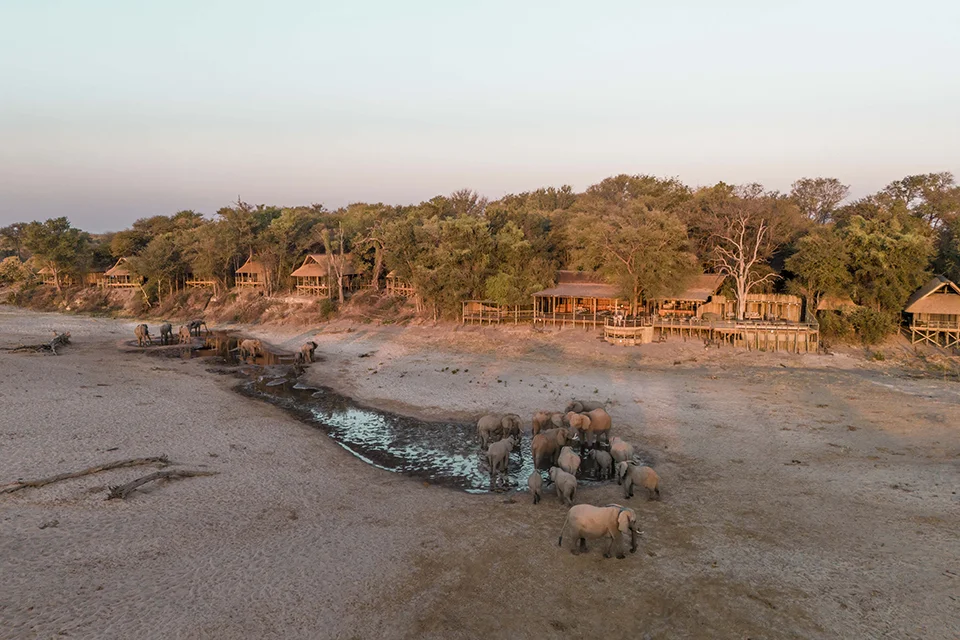
From May to October, rainfall stops almost entirely across South Africa, Botswana, Namibia, Zimbabwe and Zambia. Vegetation thins, rivers shrink to reliable waterholes, and wildlife concentrates where families can find it without long, bumpy detours.
East Africa's two distinct dry windows
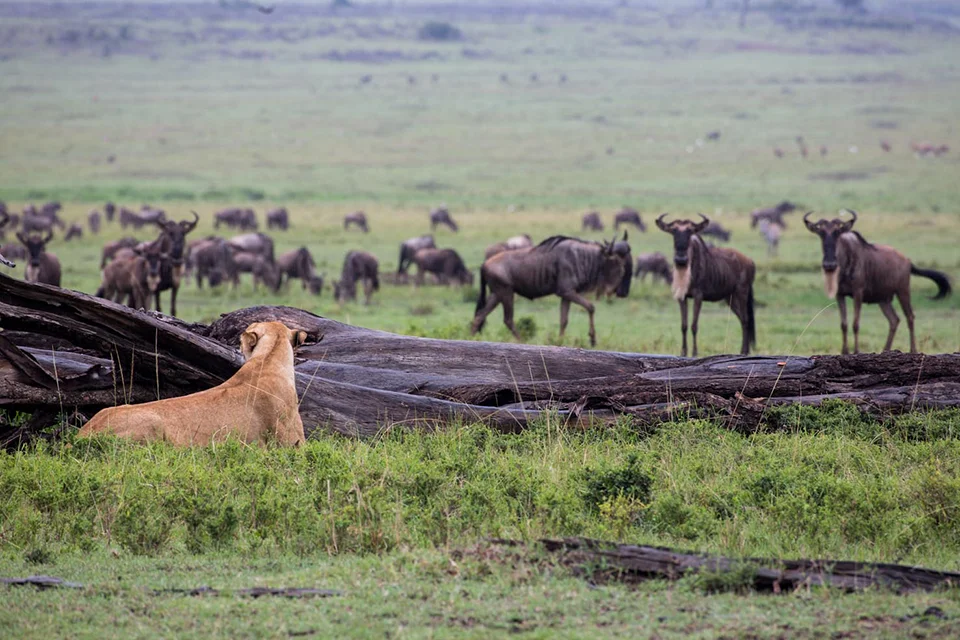
Kenya and Tanzania run on a different clock: a short dry spell from January to March, then a longer one from June to October. The Serengeti and Maasai Mara migration timing shifts yearly, so ask our safari experts before locking in dates.
The wet or green season trade-off
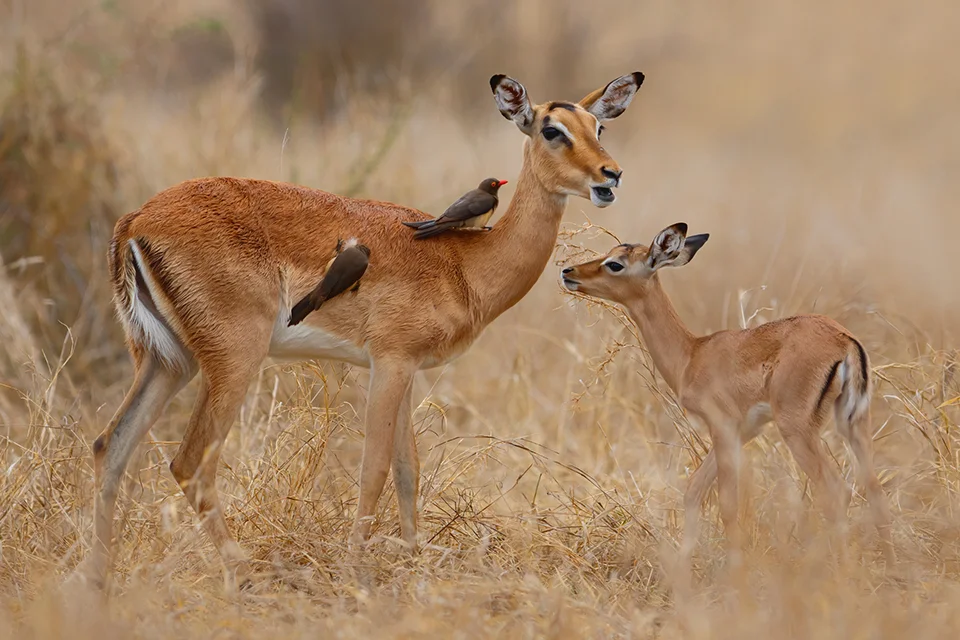
Rain thins crowds and drops prices, and newborn wildlife appears from November through into the following autumn. Roads soften and some lodges close for maintenance, so this window suits flexible families more than fixed school-holiday dates.
Our favourite family safaris
Matching school holidays to safari seasons
Northern Hemisphere summer break (Jun–Aug)
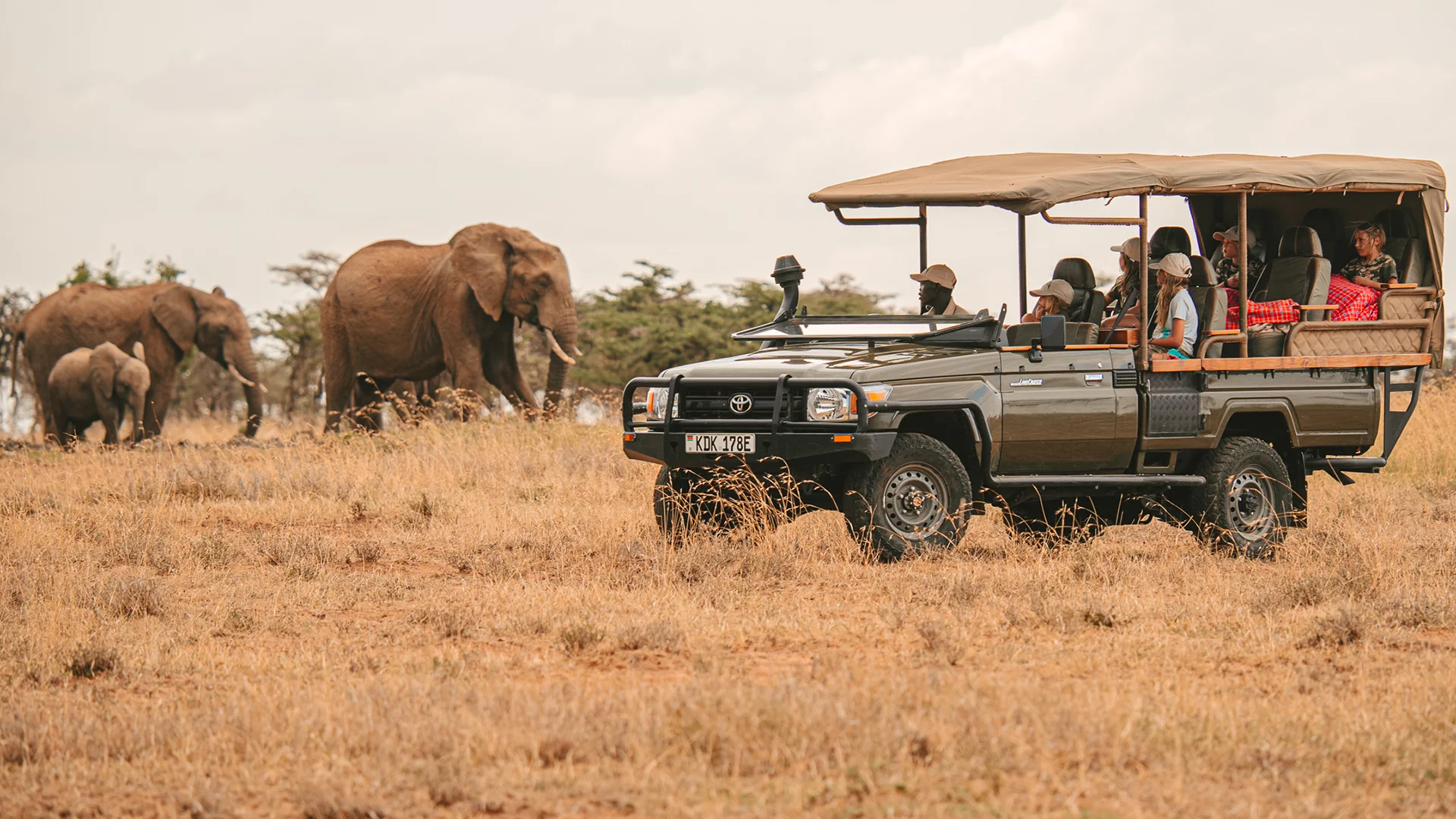
July and August are the most requested weeks for European, UK and US family travellers, coinciding with Southern Africa's peak dry season and East Africa's Great Migration river crossings. Wildlife viewing is superb, with thinning bush and reliable water points concentrating herds where children can watch them easily. The trade-off is real: family suites book out early, and prices sit at their highest. Confirm availability with our safari experts 12 to 18 months ahead.
Christmas and New Year, both hemispheres
December and early January fall within Southern Africa's green season: warm, occasionally stormy, and lush with newborn impala and wildebeest calves scattered across the bushveld. Prices rise for the festive fortnight regardless of the rain, since this window works for Northern Hemisphere families on Christmas break and Southern Hemisphere families whose main summer holiday is already under way. Afternoon storms tend to be short rather than day-long washouts, so early booking still matters.
Northern Hemisphere February and Easter breaks
February half-term, a UK and European school break, suits East Africa particularly well, landing in its short dry spell with far fewer visitors than the July peak and noticeably lower prices across Kenya and Tanzania. Easter falls awkwardly in some years, arriving during East Africa's long rains when roads can turn muddy and some lodges close for maintenance. In those years, our safari experts steer Easter-week families toward Southern Africa, where shoulder-season conditions work reliably well.
Southern hemisphere school holidays
South African, Australian and New Zealand school calendars run opposite to Europe, the UK and the US: a long summer break from December to January, and a shorter winter break in July. December and January fall in Southern Africa's green season, while the July break lines up neatly with Southern Africa's peak dry season, giving Southern Hemisphere families an easier match between term dates and prime wildlife viewing than Northern Hemisphere families often get in a single trip.
Weighing peak season against shoulder season value
What peak months actually cost families
July, August and the Christmas fortnight typically carry a 20 to 40% premium over shoulder-season rates for the same family suite or villa. For a week-long trip with two adults and two children, that premium can equal an extra domestic flight or several nights at a follow-on beach lodge, without necessarily improving the wildlife your children see, since sightings in shoulder months often remain excellent. Discuss dates carefully with our safari experts before committing to travel.
Where shoulder months quietly deliver
April, June and November sit either side of the main peaks and often retain most of the dry season's easy wildlife viewing across Southern and East Africa alike. Vegetation is usually still thin (easier to see wildlife), waterholes remain reliable as wildlife magnets, and lodges have genuine time and space for the flexible pacing that families with young children need.
Signs you have found a good-value window
Lodge prices sit noticeably below their published peak-season price for family suites.
Family suites and interlinked rooms are still available, with some flexibility to allow for convenient timing.
The season falls just before or after a major Northern or Southern school holiday.
Our local sources confirm the vegetation is still thin and water sources are reliable.
Flights and airport transfers have not yet hit their peak-season surcharge pricing.
Your chosen region is not in the middle of its single wettest month of the year.
Malaria-free reserves remain fully open and staffed, useful for younger children travelling.
Our safari experts confirm minimal risk of unusually early or late seasonal rains.
Choosing a season for younger children
Heat, distance and long game drives
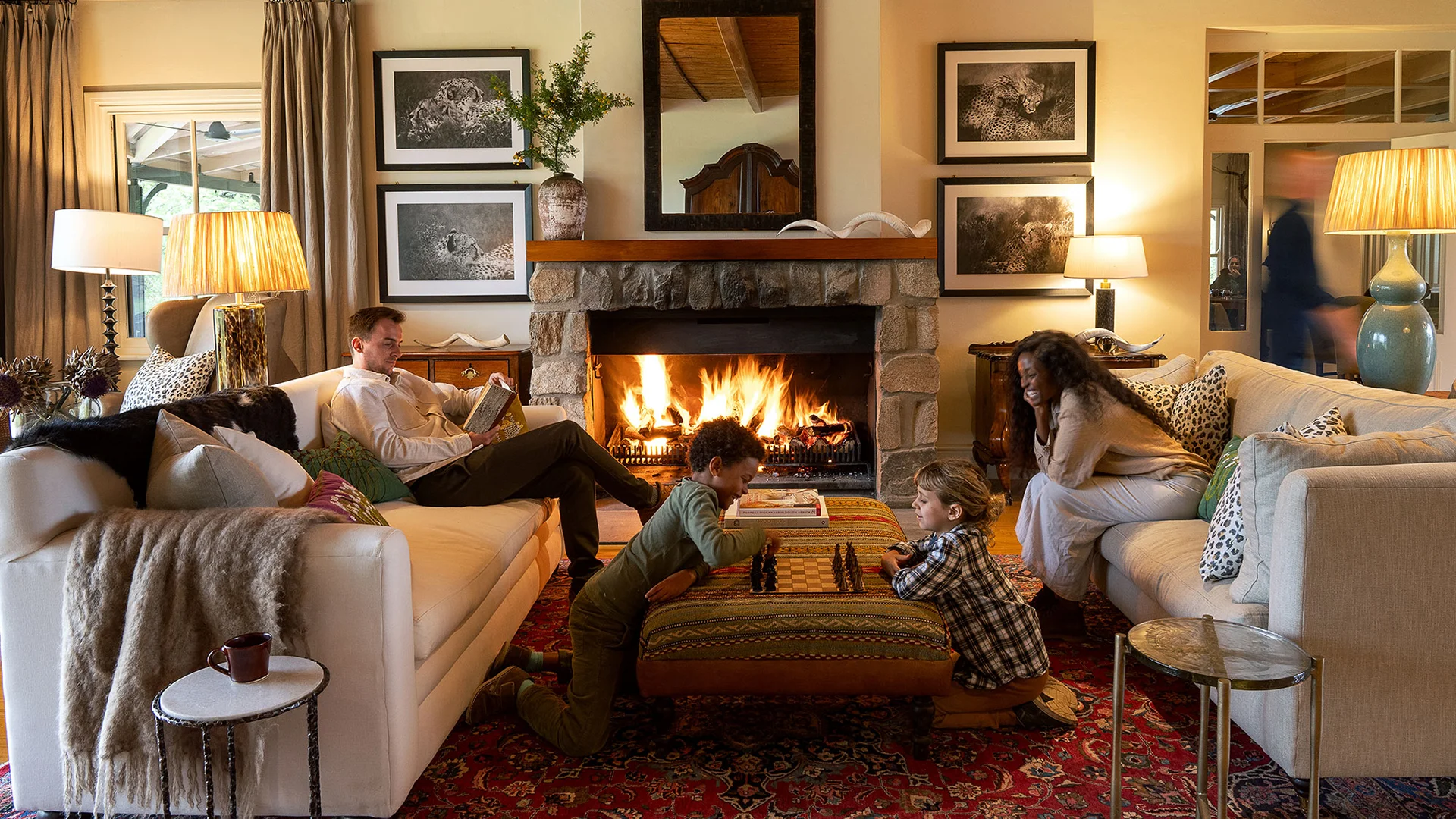
Late dry-season heat, especially September and October in Southern Africa and the tail end of East Africa's dry spells, can make midday game drives genuinely uncomfortable for toddlers and pre-schoolers. Cooler shoulder months, or lodges offering shorter morning-only drives with an early return to the pool, tend to suit very young children far better than a long, hot game drive across open, dusty terrain.
Malaria risk and seasonal timing
Because most children cannot safely take antimalarial medication until around age five, families with babies and toddlers are generally steered toward malaria-free reserves such as South Africa's Madikwe and the Eastern Cape year-round, regardless of season, rather than being asked to work around seasonal risk. Where malaria-risk regions are unavoidable for older children, the dry season carries noticeably fewer mosquitoes, significantly lowering malaria risk.
Wish you were here?
Planning your family safari calendar
How far ahead families should book
Peak school-holiday travel, particularly July, August and the Christmas fortnight, needs booking 12 to 18 months out, since family suites, interlinked rooms and exclusive-use villas are the first options to sell out at popular reserves each year. Shoulder and green-season trips are considerably more forgiving on lead time, and can often be arranged well within 6 to 9 months of departure while still securing good family accommodation and a private guide and vehicle.
Combining regions across two seasons
Because Southern and East Africa run on different dry-season calendars, a single family trip can sometimes bridge both regions in one itinerary: a malaria-free start in South Africa during its improving shoulder season, followed by East Africa's short dry spell some weeks later. Our safari experts sequence multi-country itineraries so timing works for every leg of the journey, not just the first destination on the list.
As Africa Geographic CEO Simon Espley puts it: "Travel in Africa is about knowing what, when and where to go – a few weeks too early or late, and you could miss the greatest show on Earth."
Frequently asked questions
There is no single best month, since Southern and East Africa peak at different times of year. July, August and September combine strong wildlife viewing with manageable heat across Southern Africa and East Africa's long dry spell. If crowds and cost matter more than picking one perfect month, April, June and November offer nearly as much wildlife viewing for considerably less money and far fewer other vehicles at popular sightings.
School holidays, particularly the Northern Hemisphere's July and August break and the Christmas fortnight, push lodge prices up by 20 to 40% and fill family suites many months in advance across the most popular reserves. Families who can travel during term time, or during shorter breaks such as February half-term, generally find far more availability and noticeably better rates for the same destinations, lodges, and guides.
Yes, for flexible families. Africa's green season brings newborn wildlife, dramatic but short afternoon storms rather than day-long rain, and significantly lower lodge prices and crowds at most reserves. Roads can soften and a handful of lodges close for annual maintenance during this period, so it suits families without fixed school-holiday dates more than those needing a guaranteed, specific week of travel each year.
East Africa's long rains, roughly April and May, bring the heaviest downpours, softened roads and some lodge closures, making this the trickiest general window for most travelling families. Southern Africa has no true off-limits month for a family safari, though the hottest late dry-season weeks, around September and October, suit older children and teenagers better than toddlers on long, exposed midday game drives.
It can, if the migration itself is the trip's main drawcard for older children. Mara River crossings typically occur from July to mid-October in Kenya's Maasai Mara and Tanzania's Serengeti, though exact timing shifts yearly with regional rainfall. Families chasing Mara River crossings specifically should book well ahead and stay flexible on exact dates; our safari experts track the herds' movement closely each season.
Malaria-free South African reserves such as Madikwe and the Eastern Cape work well year-round for babies and toddlers, since the destination choice matters more than seasonal timing at this young age. Cooler shoulder months and the early dry season suit short game drives and outdoor time far better than the hottest late dry-season weeks, when midday heat can be genuinely uncomfortable for very young children.
Book 12 to 18 months ahead for July, August or Christmas travel, since family suites, interlinked rooms and exclusive-use villas are the first inventory to sell out at popular reserves each year. Shoulder-season and green-season trips are considerably more forgiving on lead time, and can often still secure excellent family accommodation and a private guide and vehicle within 6 to 9 months of departure.
Yes. Because Southern and East Africa run on different dry-season calendars, a single itinerary can bridge both regions: perhaps a malaria-free start in South Africa during its improving shoulder season, followed some weeks later by East Africa's short dry spell. Our safari experts sequence these multi-country itineraries carefully, so that timing works well for every leg of the journey, not just the first stop.
Often, yes. April, June and November retain much of the dry season's thinning vegetation and reliable water points, meaning wildlife viewing generally remains strong without peak-season crowds or peak-season pricing at most reserves. The main trade-off is a slightly higher chance of an isolated rain shower, which rarely affects a full day's activities, sightings or overall visibility for a family group.
Start planning your dream safari
Our travel experts will craft a no-obligation itinerary just for you. We have crafted over 5,000 safaris since 1991. Your personal details are protected; we only use this information to contact you.
Why book your safari with us?

Deep Experience & Knowledge
Handcrafted experiential safaris since 1991.
Travel in Africa is about knowing when and where to go, and with whom. A few weeks too early/late or a few kilometres off course, and you could miss the greatest show on Earth. And wouldn’t that be a pity?

Trust & Safety

Make A Difference
We donate a portion of the revenue from every safari sold to carefully selected conservation projects that make a significant difference at ground level.
YOUR safari choice does make a difference - thank you!