

Tailor-made safaris. Since 1991



Tanzania offers unparalleled safari diversity
Why visit Tanzania?
Tanzania offers unparalleled safari experiences, including the Great Serengeti Migration, Africa's best chimpanzee trekking in Mahale, the iconic Ngorongoro Crater, Mount Kilimanjaro and the magic of the Spice Islands - Zanzibar, Mafia and Pemba.
This vast country boasts numerous national parks and reserves, rich in wildlife and cultural heritage, making it a top safari destination. Tanzania offers four distinct safari circuits, each with unique offerings and varying levels of remoteness.
Tanzania is the ideal destination for Bush-and-Beach getaways, with several easily accessible offshore islands offering white-sand beaches, warm water and enticing historical and cultural exploration opportunities.
5 Reasons We Love Tanzania
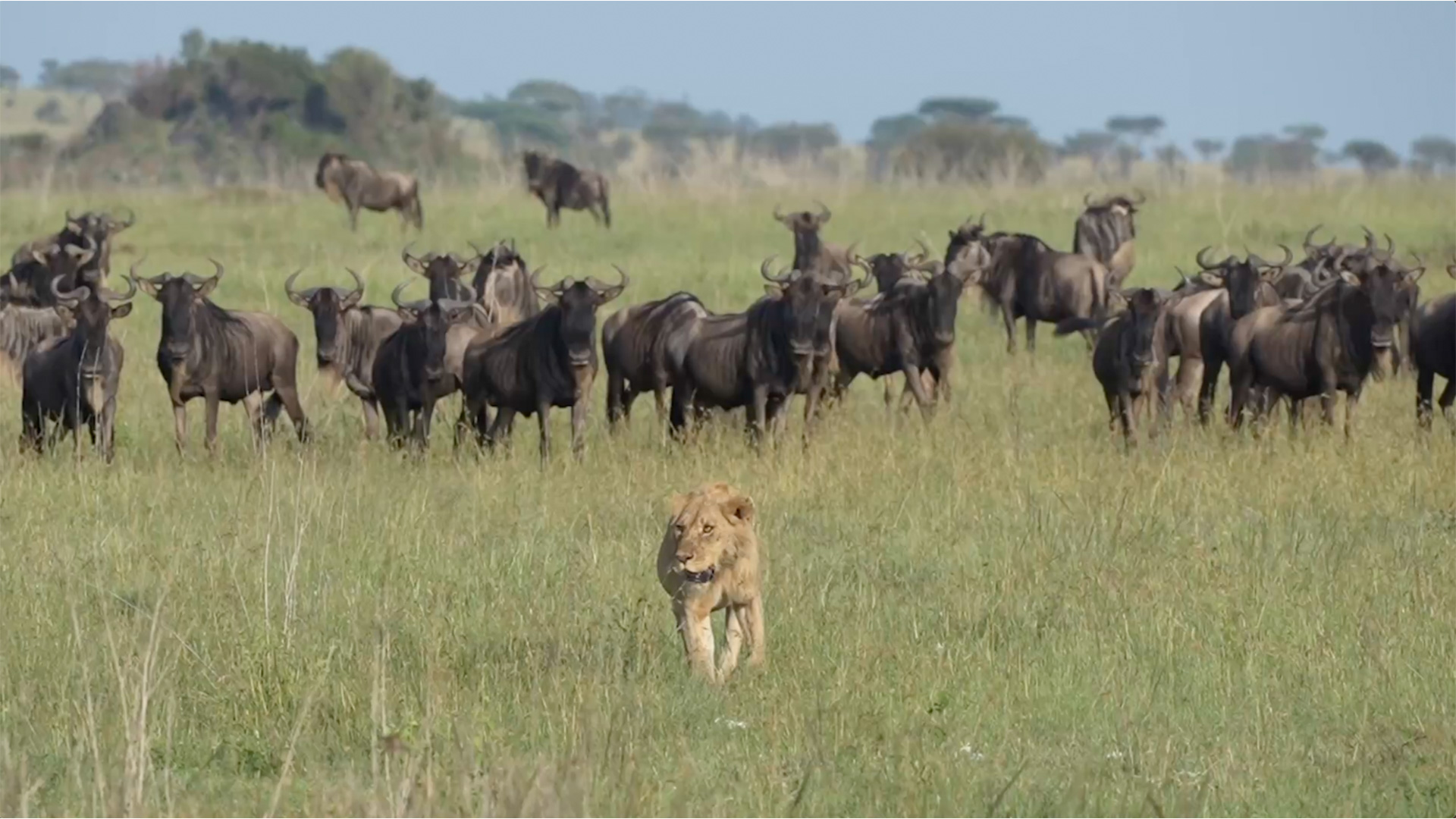
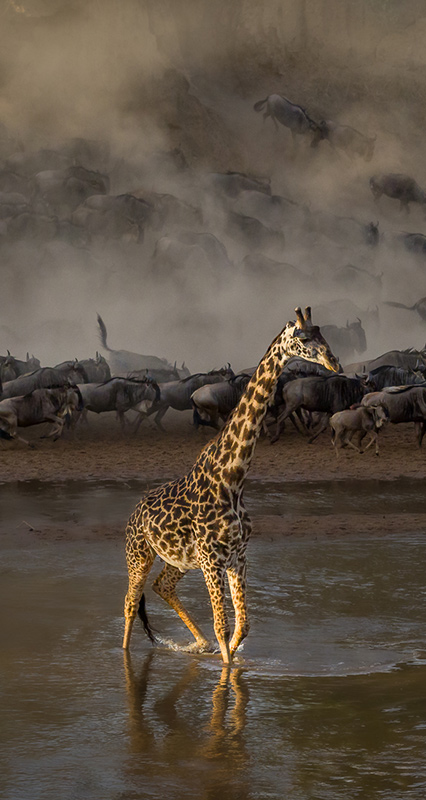
The Great Migration. The vast Serengeti hosts the Great Migration year-round! From the dramatic Mara River crossings from August to October in the north, to the birthing of thousands of young wildebeest in January and February in the south.
Off-the-charts biodiversity. From the concentrated biodiversity of the world's largest intact volcanic caldera, Ngorongoro Crater, to the chimpanzee paradise of Mahale, the vast predator-filled plains of the Serengeti, the baobab drylands of Ruaha, and the tropical Spice Islands.
Incredible Predator Sightings. A Tanzania safari always delivers excellent encounters with lions, leopards, cheetahs, hyenas and wild dogs.
Bush and Beach in One Country. Early mornings and exciting wildlife viewing can be exhausting and are best complemented by hammock time and barefoot luxury on the Spice Islands - Zanzibar, Mafia and Pemba.
Cultural encounters. Tanzania is home to more than 120 ethnic groups, some of whom welcome tourists. The most popular cultural encounters include the cattle-based Maasai, the Swahili culture of the coastal areas and the hunter-gatherer Hadzabe people who still maintain their ancient lifestyle.
Our favourite Tanzania safari ideas
All you need to know about Tanzania safaris
Tanzania's 4 safari circuits
Scroll through the maps in the gallery
Northern Safari Circuit: Classic "Big Five" sightings, the Great Wildebeest Migration, and vast, iconic landscapes. Parks: Serengeti National Park, Ngorongoro Crater, Tarangire National Park, and Lake Manyara National Park.
Southern Safari Circuit: Less crowded, rugged landscapes, and boat safaris. Parks: Nyerere National Park (formerly Selous), Ruaha National Park, Mikumi National Park, and Udzungwa Mountains National Park.
Western Safari Circuit: Remote wilderness, chimpanzee trekking, and Lake Tanganyika. Parks: Mahale Mountains National Park and Katavi National Park.
Eastern Safari Circuit: Combining Bush and Beach. Islands: Zanzibar, Mafia and Pemba
What wildlife will I see in Tanzania?
Tanzania is a vast country with a huge variety of habitats and wildlife, including:
The huge Great Migration herds of wildebeest and zebras. Tanzania offers a year-round migration experience, from the drama of Mara River crossings in the north to the calving season in the south, where predators make the most of the birth of thousands of calves.
The Big Five (rhino, lion, elephant, leopard, and buffalo) can be seen in the Serengeti and Ngorongoro Crater.
A high number of predators. Tanzania hosts significant populations of lions, cheetahs, leopards, and hyenas, as well as less commonly encountered species such as servals, brown hyenas, wildcats, and the elusive striped hyenas.
Chimpanzee trekking in the forests of Mahale, where these fellow great apes can often be seen on the white-sand beaches of Lake Tanganyika.
Whale sharks, mantas and the rarely encountered dugongs in the coastal waters off Mafia Island.
An impressive bird tally of over 1,100 species is due to the wide range of habitat types, including many endemic and rare species, which are much sought after by serious birdwatchers.
Tanzania's hotels, lodges and camps
Tanzania offers a range of luxury accommodations, from boutique city hotels to wilderness lodges and seasonal bush camps that evoke the romance and adventure of Africa’s golden safari era.
Every property we select for your handcrafted journey meets our exacting standards for comfort, character, and service. Just as importantly, each lodge is deeply committed to protecting Tanzania's wildlife, supporting local communities, and preserving the extraordinary ecosystems that make your safari possible.
Check out our Tanzania ideas above to see some of the hotels, lodges and camps with proven track records that we regularly send our guests to.
Trusted by thousands of ecstatic travellers
✔️ 5-Star Trustpilot Rating ✔️ Condé Nast Travel Specialist Award Winner
✔️ Accredited by SATSA ✔️ 5,000+ Exceptional Safaris Since 1991
Why choose Africa Geographic to plan your safari?

Been traveling with Africa Geographic for some time now, and it has always been a fantastic experience. They take really good care of me and present me with awesome destinations. This time was Selous and Ruaha National Parks in Tanzania ... Africa Geographic suggested the destination and planned it extremely well.
I cannot imagine a better way to customize a trip to Africa than with Africa Geographic ... patiently went back and forth with suggestions and itineraries until it was perfect. Our trip to Tanzania and Kenya exceeded all of our expectations. The transfers all went smoothly, and our guides were exceptional. I wish I could give 10 stars.
We booked our honeymoon safari with Africa Geographic, and it turned out to be one of the most memorable trips of our lives ... the experience felt personal and thoughtfully designed ... We would recommend Africa Geographic without hesitation to anyone looking for a safari that is personal, well‑designed, and truly special.
Wish you were here?
Frequently asked questions
Best time for wildlife safaris
The best time depends on your safari goals: whether you want to see the Great Migration or predator sightings, enjoy abundant bird life, trek for chimpanzees, or avoid the crowds. The dry season (June to October) is ideal for wildlife viewing, while the wet season (November to May) brings lush landscapes and excellent birdwatching.
A detailed breakdown:
January to March: Short dry season. The Southern Serengeti and Ngorongoro Crater are excellent in the calving season, which attracts predators.
April to May: Long rainy season. Some areas become inaccessible, but this is the greenest time of year with fewer tourists.
June to August: Dry season. The Great Migration moves through the Western Corridor of the Serengeti. Wildlife congregates around water sources, making sightings easier.
September to October: Wildlife viewing peaks, and the Great Migration reaches the Mara River crossings. Cooler temperatures make it a comfortable time to visit.
November to December: Short rainy season. Landscapes are lush, and migratory birds arrive. Wildlife is still plentiful, and crowds are fewer.
Best time for beaches - the Spice Islands (Zanzibar, Pemba and Mafia)
East Africa, being close to the equator, generally experiences warm weather with minimal seasonal temperature fluctuations, typically ranging from 20 to 40 degrees Celsius. The region observes two distinct dry seasons: January to March and June to October.
Specifically in coastal areas and islands, January and February are highlighted as prime, with hot days and the clearest sea conditions for all water-based activities. Moving into the middle of the year, June, July, August, September, and October consistently offer low rainfall and pleasant to hot weather, making these months highly favourable for relaxation and water sports across the Spice Islands.
While December is also a good time for relaxation on these idyllic islands, it's important to note that coastal East Africa can experience uncomfortably high humidity from December to March, despite the generally warm weather. The main rainy season typically occurs from April to May, with a lighter second rainy season from mid-October to December, during which rain gear is advisable.
Tanzania has varied ecosystems, and so the variety of wildlife is staggering - from chimpanzees to the Big 5 (lions, leopards, elephants, buffalo and rhinos), cheetahs, wild dogs, giraffes, hyenas, wildebeest, zebras and many more species. You will also find rare and seldom-seen species such as pangolins, aardvarks and servals. Coastal areas and islands host a range of whales, dolphins, and other marine life.
Tanzania (Serengeti National Park) | Kenya (Maasai Mara National Reserve) |
Ten times larger than the Maasai Mara | Dense wildlife in a smaller area |
Great Migration is present year-round, including river crossings in the north (August-mid-October) and peak calving on the southern plains (February–March) | Great Migration from August to mid-October, with Mara River crossings, which occur simultaneously in Tanzania's northern Serengeti during this period |
Vast, open landscapes result in more opportunities to avoid the crowds | Private conservancy system offers exclusive, crowd-free viewing. Note that river crossings occur in the main reserve and are subject to crowding |
Big 5 are present, but combine with an Ngorongoro Crater safari for higher chances of seeing rhinos | Very high likelihood of sighting the entire Big Five (especially with Laikipia and its rhino sanctuaries as an add-on) |
Best for: photographers, wilderness seekers, experienced safari-goers | Best for: first-timers, families, shorter trips |
Please get in touch with your local GP or travel clinic well before your trip to obtain professional medical advice and discuss up-to-date vaccination requirements for the areas you will visit.
Yellow fever
Tanzania is not a yellow fever country, so a yellow fever vaccine is not mandatory. However, if you are entering Tanzania from a yellow fever country (such as Rwanda), you will need to present your vaccination certificate upon entry.
Malaria
Malaria is prevalent in many parts of Tanzania, and we advise you to consult your GP before you depart about taking prophylaxis. It’s also essential to cover up in the evenings when the malaria-carrying Anopheles mosquito usually feeds. The malaria incubation period is 1-3 weeks, so if you experience any flu-like symptoms, headaches, aching joints and back or nausea and diarrhoea, it is recommended that you get tested at the earliest opportunity and let the medical people know you’ve recently travelled to Africa.
Our Tanzania safaris typically cost from US$700 per person, per night, depending on the accommodation comfort level, time of year and activities. This price usually includes accommodation, all meals, game drives, experienced guides, airport transfers, and 24/7 support from our team.
You only make your first payment when you book your holiday. Your second (last) payment is about 105 days before you travel.
Peak season bookings require 12–18 months of advance planning. Trips outside of peak season can be arranged 6–9 months ahead, with better rates and availability.
Click here to schedule a no-obligation call with one of our Safari Experts or fill in our 2-minute form with your questions. Our team of experts are here to help! Whether you’re curious about the best time to travel, want to hear first-hand about an experience or need help planning your safari.
Explore more African destinations
Start planning your dream safari
Our travel experts will craft a no-obligation itinerary just for you. We have crafted over 5,000 safaris since 1991. Your personal details are protected; we only use this information to contact you.
Why book your safari with us?

Deep Experience & Knowledge
Handcrafted experiential safaris since 1991.
Travel in Africa is about knowing when and where to go, and with whom. A few weeks too early/late or a few kilometres off course, and you could miss the greatest show on Earth. And wouldn’t that be a pity?

Trust & Safety

Make A Difference
We donate a portion of the revenue from every safari sold to carefully selected conservation projects that make a significant difference at ground level.
YOUR safari choice does make a difference - thank you!