

Tailor-made safaris. Since 1991

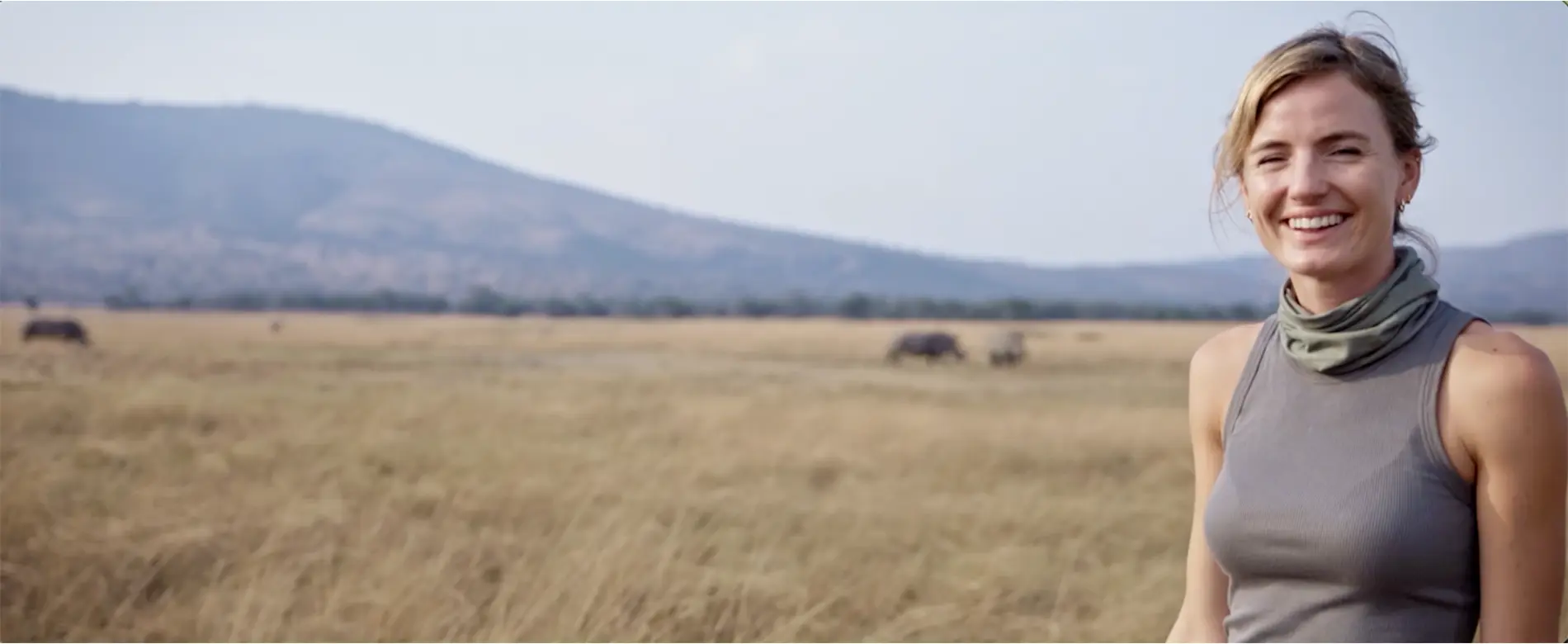
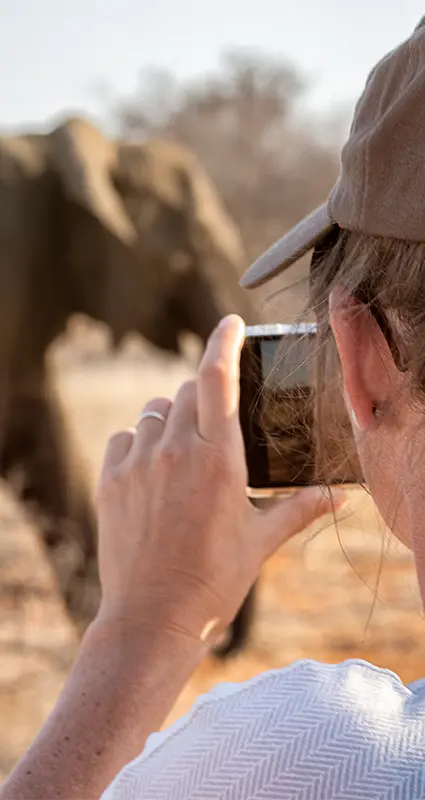


Women on an Africa safari, at a glance
Best for | Solo travellers, friendship groups, mothers & daughters, milestone trips |
Best time to go | Dry season (broadly May–October) for game viewing; varies by region |
Best regions | Kenya, Tanzania, Botswana, South Africa, Rwanda, Zambia |
Trip style | Small groups, female guides, safety-first, conservation-led, wellness-friendly |
Why Africa's safaris are being redesigned for women
Africa has always drawn travellers seeking wilderness, but a growing number of them are women, and the safari industry is finally catching up. From solo adventurers ticking off a lifelong dream to friendship groups marking a milestone birthday, women are reshaping what a safari looks like, who leads it and how it feels.
Lodges are hiring female guides and trackers, camps are building itineraries around female-led conservation projects, and Africa Geographic is designing journeys that prioritise safety, connection and genuine immersion over box-ticking. The result is a richer, more thoughtful kind of travel.
A safari made for women is not a diluted version of the classic experience; it is often a deeper one, weaving wildlife encounters together with community visits, wellness, storytelling and the quiet confidence that comes from being properly looked after. Whether you are travelling alone, with your daughters or with a circle of lifelong friends, Africa offers an extraordinary stage on which to reconnect with nature, and with yourself. This guide covers everything you need to plan a safari that is safe, meaningful and unforgettable.
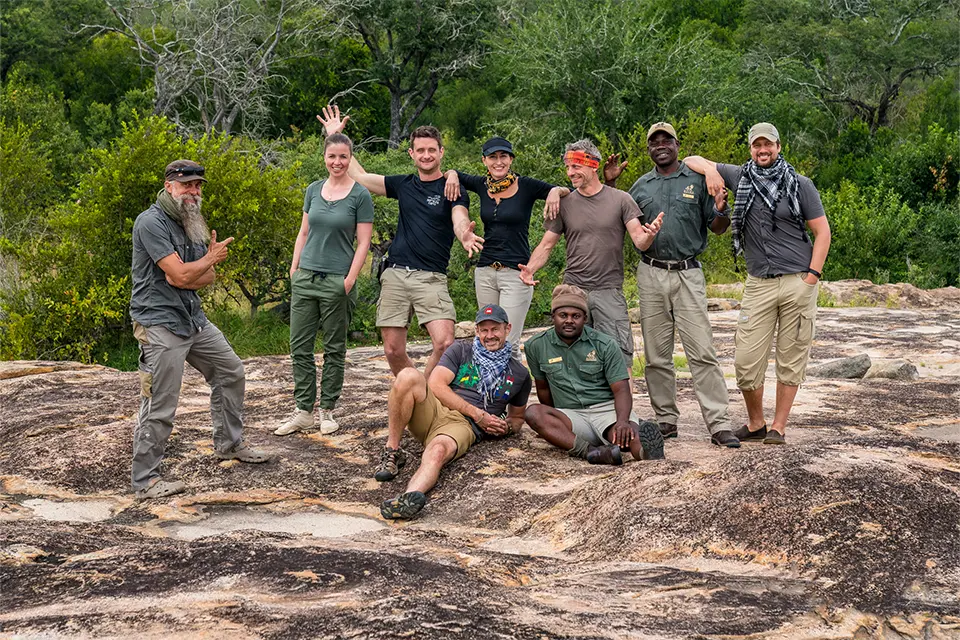
Having crafted countless awesome safaris for our female clients (solo travellers and groups) and received 5-star feedback, we thought we would share some of the best advice gathered over the years. Note that most of the Africa Geographic team are women who have travelled widely throughout Africa, so we feel qualified to provide this advice and craft your epic safari.
Five reasons we love African safaris designed for women
Female travellers and guides change the rhythm. They bring a patient, detail-rich style to the bushveld and are quick to share the stories behind the wildlife, not just the sightings themselves.
Safety is designed in, not bolted on. From airport transfers to escorted walks, Africa Geographic builds female-friendly itineraries that let you relax and be genuinely present in the moment.
The social side shines. Communal dinners, shared game drives and small camps make it easy for solo women to connect, while private options remain for those craving stillness and solitude.
Your trip does good. Many of our journeys channel spend into women-led conservation and community projects, so your holiday directly supports rangers, artisans and educators across the continent. We also donate a portion of your safari proceeds to handpicked conservation projects. Thank you
Wellness is woven through the wild. Think sunrise yoga on a deck, star-bath soaks and unhurried days that leave room to breathe, reflect and reset far from everyday noise.
About the women's safari experience
A women's safari is less a fixed product than a philosophy: travel shaped around how women actually want to explore. In practice, that means smaller groups, thoughtful pacing and guides who read the room as skilfully as they read the tracks.
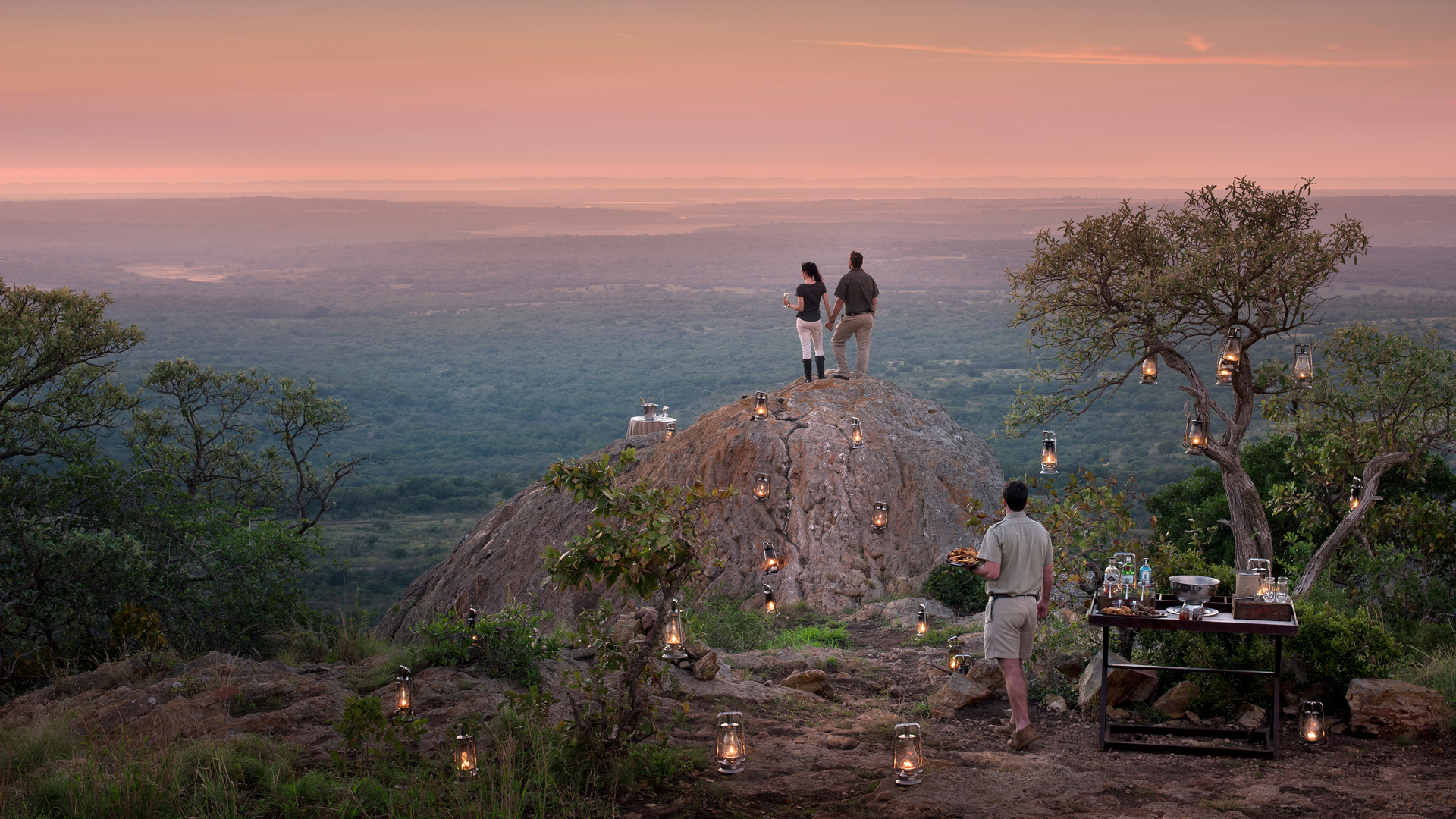
Days still revolve around the great rhythms of the bush, dawn game drives, long lazy afternoons, sundowners as the light turns gold, but there is space built in for connection and reflection. Some journeys are explicitly women-only, led by female guides and hosted at camps with female managers; others are mixed departures that simply pay closer attention to comfort, safety and inclusion.
Solo travellers are welcomed rather than surcharged into a corner, and the atmosphere tends to be warm and unpretentious. The through-line is intention: every element, from the reading list to the route, is chosen to help you feel capable, cared for and deeply connected to the wild.
Quick facts about female travel in Africa
Safaris designed for women prioritise safety, connection and immersion, not a watered-down version of the classic experience.
They suit solo travellers, friendship groups, mothers and daughters, and milestone celebrations alike.
Female guides, trackers and camp managers are increasingly leading the experience across the continent.
Kenya, Tanzania, Botswana, South Africa, Rwanda and Zambia are among the most female-friendly safari regions.
Many journeys channel spend into women-led conservation and community projects.
Trips blend wildlife with wellness, culture, photography and genuine time to reflect.
Important related topics
Check out our additional resources about women on safari:
Is Africa safe for women travelling alone? Read our safari safety guide by destination.
Wondering about fitness and mobility on safari? Learn what women should consider before booking.
Which safaris suit women over 50? Explore our recommended destinations and lodges.
Our favourite safari ideas for women
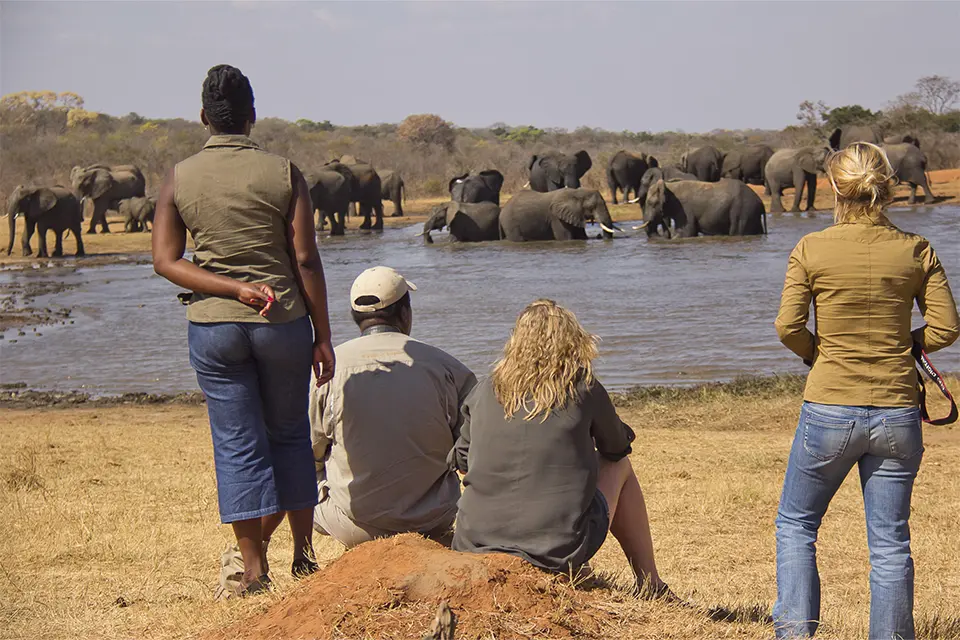
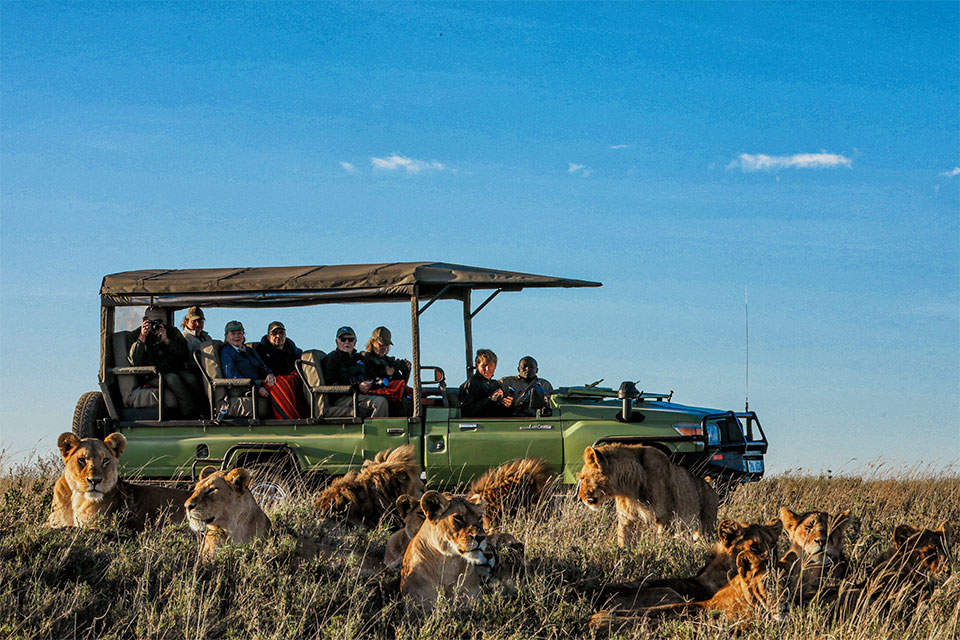
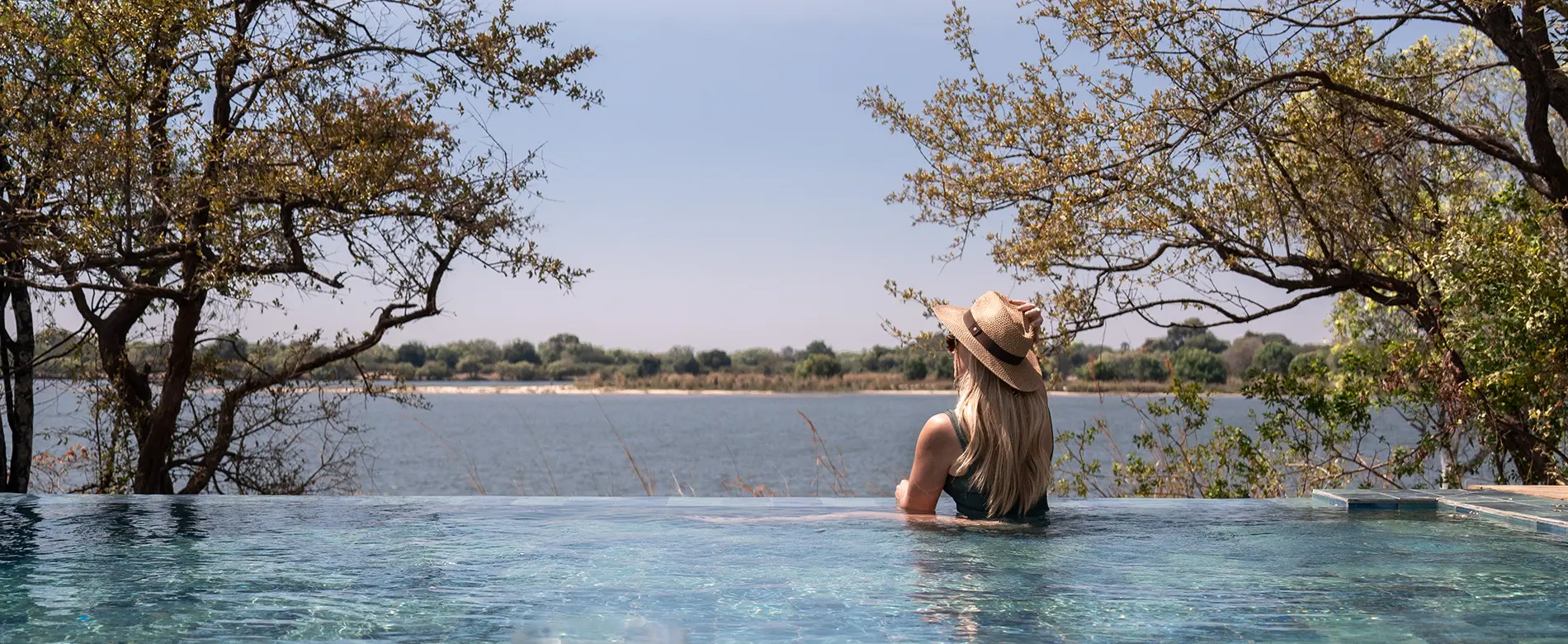
Why book with us?
Tailor-made experiential safaris - with love
"Travel in Africa is about knowing what, when and where to go - a few weeks too early/late or a few kilometres off course, and you could miss the Greatest Show on Earth. And wouldn’t that be a pity?
Our crew of passionate safari experts have lived and worked in Africa for most of their lives. Trust us to find you the rarest animals, the most spectacular wildlife events, the remotest landscapes and deeply meaningful cultural encounters!"
Simon Espley - CEO, Africa Geographic
All you need to know about women on safari
Where to find female-friendly safaris
Female-friendly safaris are spread across the continent, but a handful of regions have become especially well-suited to women travellers thanks to strong guiding, excellent camps and reliable infrastructure. When choosing, weigh up wildlife density, ease of access and the causes you would like your visit to support.
Kenya & Tanzania: iconic savannah and Big Five wildlife, the Great Migration and a mature network of women-led community projects.
Botswana: low-impact, high-end camps in the Okavango Delta are ideal for solo travellers seeking quiet luxury.
South Africa: easy to combine bush and city, with malaria-free reserves that suit first-timers and families.
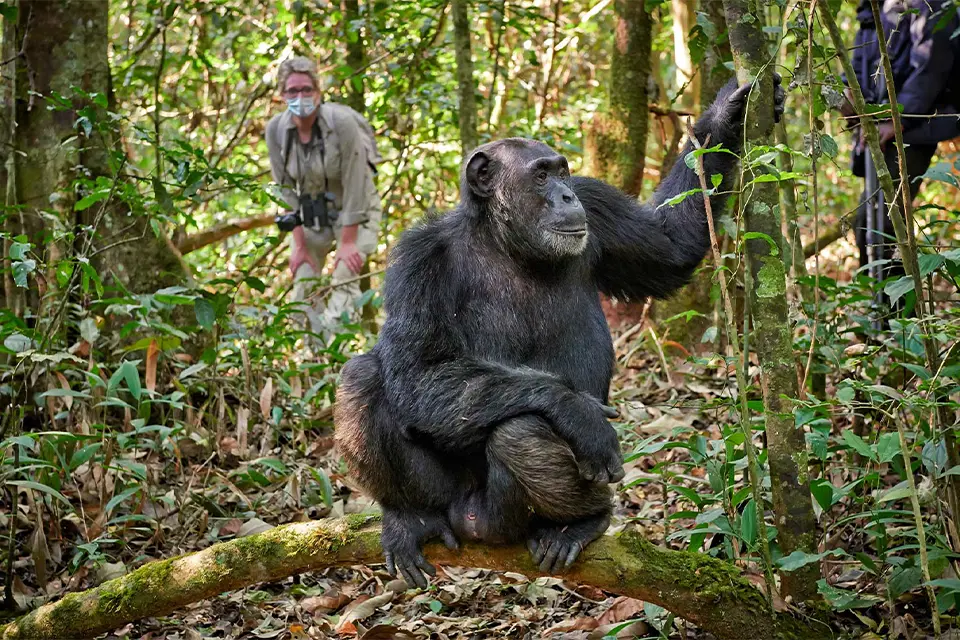
Rwanda: gorilla trekking and chimpanzee trekking paired with some of Africa's most celebrated female-focused conservation work.
Zambia: long associated with the walking safari, led increasingly by pioneering female guides.
Africa Geographic safari experts will match region to season, mobility and interests so nothing is left to chance.
Experiences our female guests enjoy
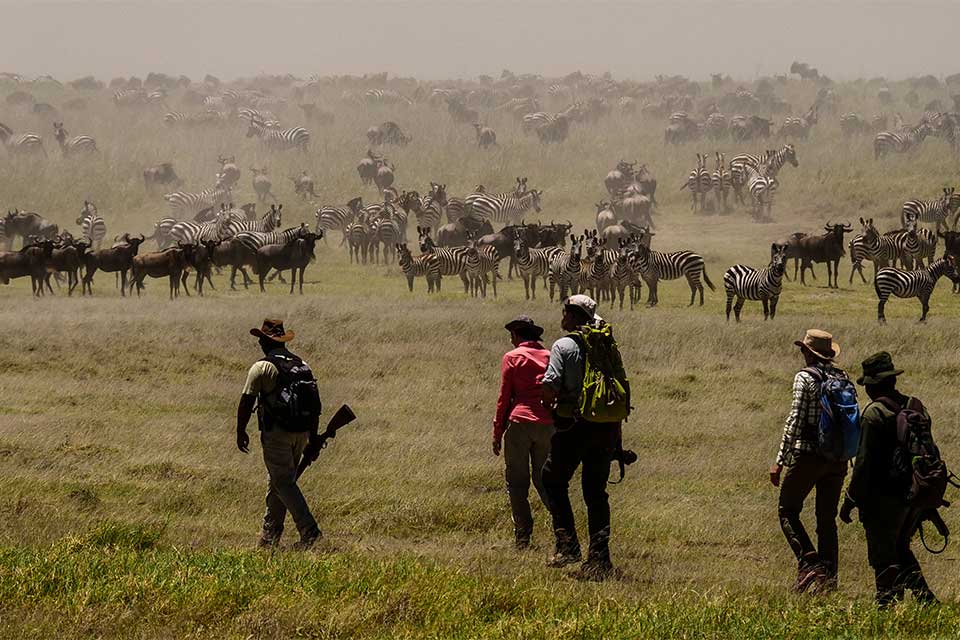
Beyond the classic game drive, safaris designed with women in mind open up an unusually rich menu of experiences. Guided bush walks strip the wilderness back to its essentials, teaching you to read tracks, birdsong and the small dramas most visitors miss.
Cultural exchanges; cooking with local women and visiting a craft cooperative or a girls' school turn a holiday into a genuine encounter rather than a spectacle. Conservation-led activities let you join rhino monitoring, elephant research or ranger patrols alongside the people doing the work year-round.
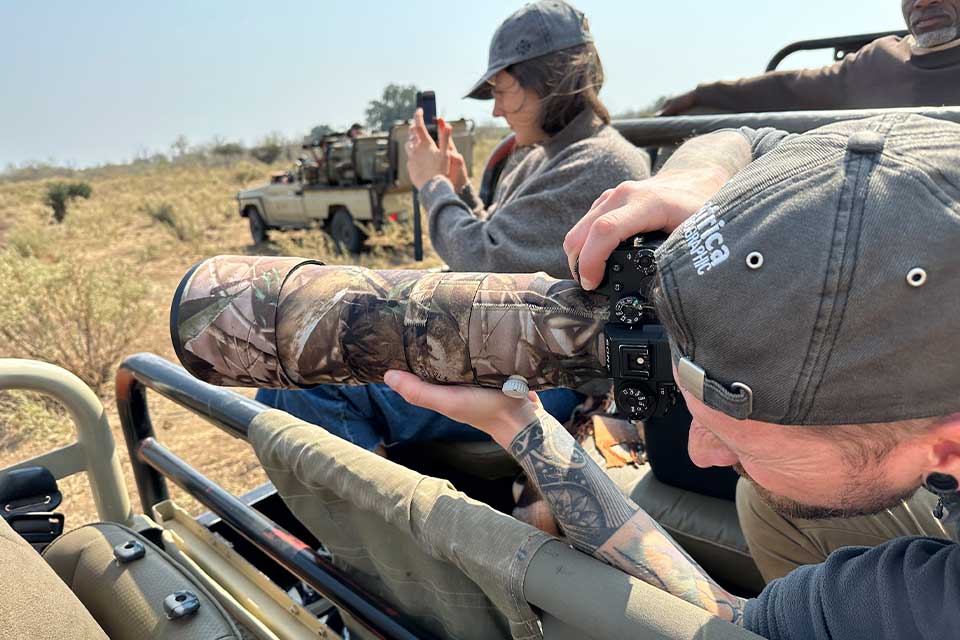
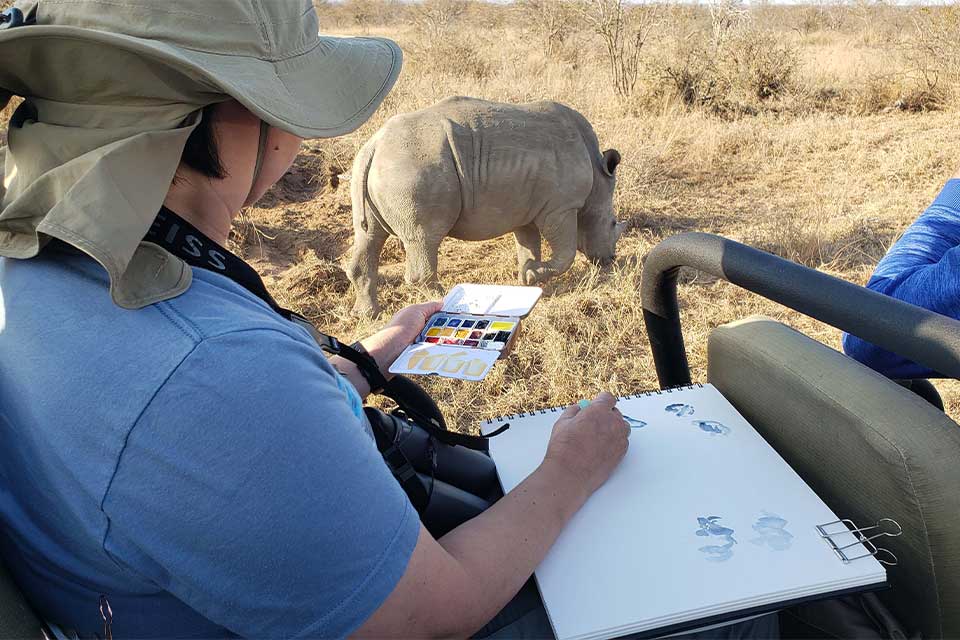
Then there are the softer pleasures: photography tuition to help you capture the light, art lessons and star-gazing under some of the darkest skies on Earth, treatments using indigenous botanicals, and slow mornings with nowhere to be. Many camps also offer horse-riding, canoeing and hot-air balloon flights.
The best itineraries balance adrenaline and stillness, so you return home both exhilarated and restored.
7 safety tips for women on safari
Choose a reputable tour operator with a proven track record. Hello :)
Be aware of the local customs, laws, and potential risks.
Stay in safe accommodation and avoid travelling alone at night.
Leave a copy of your travel itinerary & passport with loved ones at home. Be sure to check in with them now and then so they know your whereabouts and that you’re safe.
Keep an eye on your locked luggage at all times when en route between lodges.
In the unlikely event of being harassed by strangers, offer a firm “No, thank you”. Should the situation persist or if you feel uncomfortable, don't hesitate to ask your guide or lodge manager for assistance.
Portray yourself as a confident and experienced traveller. Unwanted attention is often directed at those who look vulnerable or lost. And if a situation, person or place makes you uneasy, remove yourself without feeling obliged to be polite.
Female traveller lodge types
Most of our female travellers are not looking for ostentatious displays; they seek the continent's raw beauty without compromising comfort.
Luxury safari lodges: Thoughtfully designed lodges and bush camps that disappear into the landscape, offering canvas pavilions with hardwood floors, en-suite bathrooms, and private decks overlooking untouched wilderness. Each accommodation tells a story of place.
Seasonal luxury camps: For the ultimate in off-the-grid exclusivity, these bush camps open seasonally to be best positioned for wildlife migrations or to be located in areas inaccessible to permanent structures, offering front-row seats to nature's greatest spectacles.
Private safari villas (for groups of friends or multi-generational families): Exclusive sanctuaries for 6-8 guests with dedicated staff, including private guides, personal chefs, and hosts. These offer complete flexibility in timing, routing, and experiences – the epitome of bespoke safari travel.
Solo travellers should ask about single-supplement waivers, escorted transfers and camps with a sociable communal table. Some properties are women-managed, and several channel profits into local employment and conservation. We will prioritise camps with strong safety records, transparent sustainability credentials and warm, attentive hosting.
Trusted by thousands of ecstatic travellers
✔️ 5-Star Trustpilot Rating ✔️ Condé Nast Travel Specialist Award Winner
✔️ Accredited by SATSA ✔️ 5,000+ Exceptional Safaris Since 1991
Why choose Africa Geographic to plan your safari?

I recently returned from a safari in Tanzania. I am a 65-year-old female travelling solo, and it was an unforgettable experience... [Africa Geographic] took the time to understand my needs and expectations, then tailor-made the entire trip accordingly. The people I met were wonderful, the landscapes absolutely exquisite, and the wildlife sightings exceeded all expectations– often remarkably close up.
As a solo traveler, I felt very safe, and I never felt scared. In all, I could go on and on about how wonderful the trip was. As a solo female traveler, sometimes things can be difficult. However, this was planned well, and I felt so safe ... I can truly say that this has been the best trip that I have taken up to this point. It is going to be very hard to top. I can’t believe I had this wonderful opportunity.
As a solo female traveler from Canada who typically enjoys handling my own planning and bookings, I was initially nervous about letting someone else take the reins for such a significant trip... Throughout my trip, I always felt safe, and I could reach out to any team member if I needed assistance. Pick-ups were always punctual, and I was greeted with smiles at every turn... I truly had the safari of a lifetime!
Frequently asked questions
Yes, a well-planned safari with Africa Geographic is one of the safest ways to travel solo. You are rarely alone: guides, camp staff, and fellow guests are close by, and we handle all transfers, logistics, and escorts end-to-end. Women travelling alone are generally safest on organised safaris in Botswana, Kenya, Tanzania, Rwanda, Zambia and South Africa. Read more about safety for travellers
The dry season, May to October across much of Africa, offers the strongest wildlife viewing, as animals gather around dwindling water and sparse vegetation makes them easier to spot. The green season brings dramatic skies, newborn animals, superb birdlife, lower prices and fewer visitors. Timing also depends on events such as the Great Migration, so plan around your priorities. Read our month-by-month guide to Africa.
No, they don't. Pricing tracks the camps, regions and length of trip rather than the "women's" label. Some group departures offer good value and reduced or waived single supplements, while private, tailor-made journeys sit at the premium end. Always compare what is actually included.
Neutral, lightweight layers (avoid bright white and dark blue/black), a warm fleece for chilly dawns, a wide-brimmed hat, sunglasses, high-SPF sunscreen, insect repellent, sturdy closed shoes, binoculars and any personal medication. Pack light into soft-sided luggage; small aircraft enforce strict luggage limits. Read more here and download our packing list.
Increasingly, yes. A growing number of women work as guides, trackers and camp managers across Africa. If having a female guide matters to you, request it at the time of booking so it can be arranged.
Botswana, South Africa, Kenya, Tanzania, Rwanda and Zambia are popular, well-established choices with strong guiding and infrastructure. South Africa is especially easy for first-timers thanks to malaria-free options and simple logistics, while Botswana suits those seeking quiet, high-end wilderness.
All lodges offer a daily laundry service, so you can easily cut down on that safari wardrobe. Be aware, though, that washing is usually done by hand and drying is by the sun – so don’t pack delicate items as they may be damaged. Speaking of delicates, you must wash your undies – for cultural reasons; camp staff are not expected to perform that chore. You will find washing powder in your tent/chalet for this purpose.
Almost all lodges have shops where you can buy gifts and curios, often stocked with locally made items. Increasingly, lodges and camps offer spa treatments. Many have spa centres, and others have mobile spa equipment and staff who visit you in your room. Ask your safari consultant for these details about your chosen safari.
Requirements vary by country and region, and some reserves are malaria-free. Certain routes require proof of yellow fever vaccination. Consult a travel clinic or your doctor six to eight weeks before departure for advice tailored to your itinerary and medical history. Read more about safari vaccinations and medications.
Plenty: guided bush walks, canoeing, horse riding, hot-air balloon flights, photography tuition, star-gazing, spa treatments, cultural visits and conservation activities. The best itineraries mix active adventure with restful downtime.
Costs vary widely with destination, season, camp standard and trip length, so it is best to request a tailored quote. Budget more for remote fly-in camps, private guiding and peak-season travel; group departures and green-season dates can reduce the price considerably. Our safaris typically cost from US$700 per person per night, depending on the accommodation comfort level and activities. This price usually includes accommodation, all meals, game drives, experienced guides, airport transfers, and 24/7 support from our team, but excludes a private vehicle and other exclusive services.
Many lodges welcome families and can accommodate different needs, but malaria risk, remoteness and long transfers call for careful planning. Choose malaria-free, easily accessible reserves, check minimum-age policies, and seek medical advice before booking if you are pregnant.
Africa Geographic directs a share of revenue from your safari to habitat protection, anti-poaching and community projects, and many focus on women-led initiatives, from artisan cooperatives to girls' education and female ranger programmes. Ask how each camp measures and reports its impact.
Yes. Comprehensive cover, including medical care and emergency evacuation, is essential, as many camps are remote. Check that your policy covers your specific activities, destinations and any pre-existing conditions.
Click here to schedule a no-obligation call with one of our Safari Experts or fill in our 2-minute form with your questions. Our team of experts are here to help! Whether you’re curious about the best time to travel, want to hear first-hand about an experience or need help planning your safari.
Explore more African safari experiences
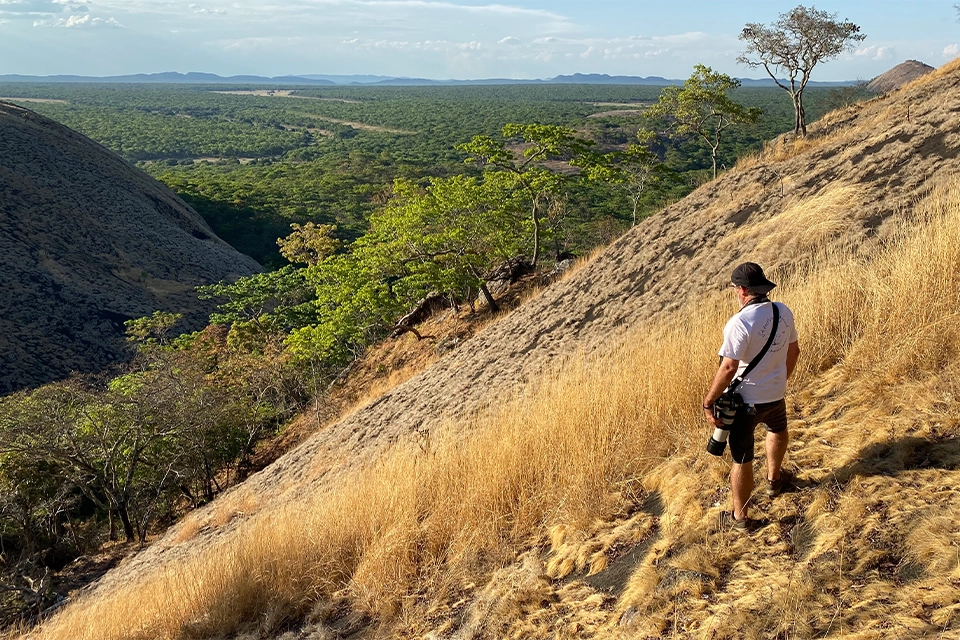
Start planning your dream safari
Our travel experts will craft a no-obligation itinerary just for you. We have crafted over 5,000 safaris since 1991. Your personal details are protected; we only use this information to contact you.
Why book your safari with us?

Deep Experience & Knowledge
Handcrafted experiential safaris since 1991.
Travel in Africa is about knowing when and where to go, and with whom. A few weeks too early/late or a few kilometres off course, and you could miss the greatest show on Earth. And wouldn’t that be a pity?

Trust & Safety

Make A Difference
We donate a portion of the revenue from every safari sold to carefully selected conservation projects that make a significant difference at ground level.
YOUR safari choice does make a difference - thank you!