

Tailor-made safaris. Since 1991



Cultural safaris at a glance
Where to go | Kenya, Tanzania, Namibia, Botswana, Zambia, Zimbabwe, Rwanda, Uganda, Ethiopia, Zanzibar, South Africa and Mozambique. |
Best time to travel | Southern Africa: May–October. East Africa: June–October. Most cultural encounters are available year-round, though they shift with agricultural and ceremonial calendars. |
Typical format | A half-day village, market or school visit; a full-day excursion; or a multi-day immersion. Some villages offer overnight stays in the community itself. |
Ethical considerations | Genuine or staged, money and gifts, photography & consent, appropriate dress, etiquette & respect, topics to avoid. |
Journey into the soul of Africa's living cultures
A cultural safari is not a detour from the wildlife. It is the other half of the story. The landscapes that hold Africa's great herds are also home to people whose knowledge of those places long predates the park boundaries drawn around them.
The African continent is strewn with sites of archaeological, historical, and religious significance, and rural people still honour their age-old traditions and cultural practices.
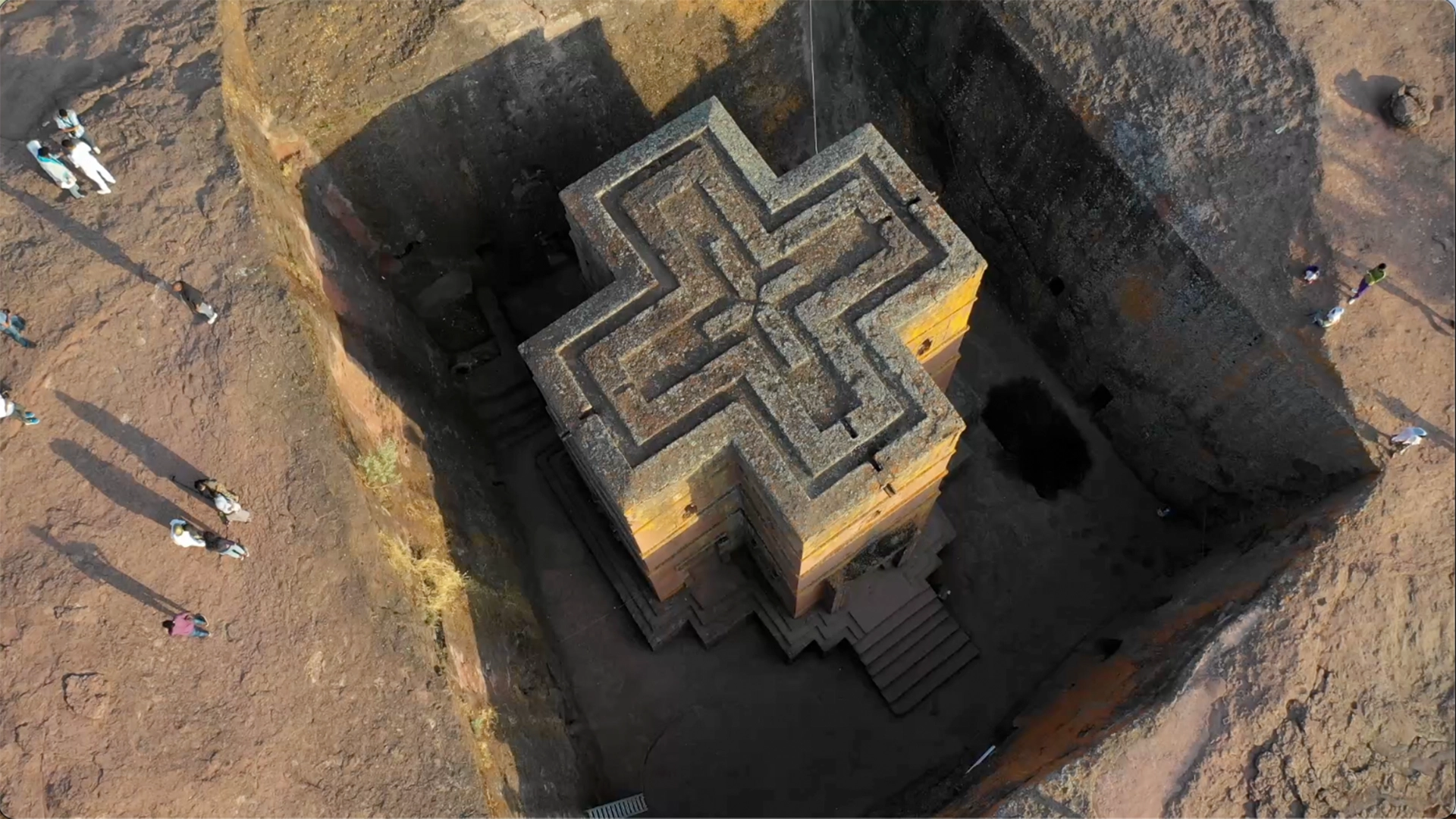
Unlike a traditional wildlife safari, a cultural safari is about people; their ways of life, their connection to nature, and their role in Africa’s past, present, and future. It may include visiting ancient churches in Ethiopia, learning to cook traditional Zanzibari dishes with a local chef, attending a rural village gathering under a tree in Botswana, or a tribal ceremony in Namibia. Each option will be tailor-made for you.
But this isn’t about performance or voyeurism. It’s about authentic, respectful exchange; meaningful encounters that foster understanding, break stereotypes, and celebrate the incredible diversity of African cultures. Safaris to these areas are crafted to maintain the highest degree of responsibility and respect for local people.
Expert tip
When you meet local people - at a market, a ceremony, or in a village - take the time to talk properly. Ask about their way of life, and offer information about your home life in return. Many African cultures communicate less directly than Western ones, and warmth usually arrives after a few unhurried exchanges about how the day is going. The conversation is the experience, and if a photograph follows, it will be a far better one for having waited.
Five reasons we love cultural safaris in Africa
Connection, not spectacle. You meet people on their own terms: beading alongside Maasai women in the Maasai Mara, tracking with San elders, learning forest knowledge from Batwa guides in Bwindi.
Wildlife and people in one journey. Trek to gorillas in the morning, then spend the afternoon with a Batwa guide explaining what that forest meant long before it became a national park.
Money that stays where it lands. Community-owned lodges such as Il Ngwesi in Laikipia and Rwanda's Sabyinyo Silverback return revenue directly to the people whose land you travel through.
Knowledge no guidebook holds. San trackers find water in bare sand, Samburu guides read a landscape through livestock, and Hadza hunters move through the bush at a pace that will humble any visitor.
Depth beyond the expected. Rock art at Botswana's Tsodilo Hills, Lalibela's rock-hewn churches and Great Zimbabwe.
The ethics behind cultural encounters
The phrase "cultural experience" carries baggage, deservedly. Too much sold under that heading is staged or quietly demeaning - a performance arranged for an audience, with little returning to the performers.
Travellers sense this. The most common concern we hear before a cultural safari is not will this be interesting but will I be intruding. It is a fair question, and it deserves a fuller answer than reassurance.
How we choose an encounter
We do not sell access to people. We arrange introductions a community has already agreed to, on terms it set.
Every encounter we include has to pass four tests:
Control. Does the community decide how, when and how often visitors arrive; and can it say no on the day?
Payment. Are hosts paid fairly and transparently, through a structure they can see?
Consent. Is participation voluntary for every individual involved, not only for community leadership?
Honesty. Would we describe this encounter accurately to a guest, including its commercial elements?
Some of what we offer is entirely unscripted: a conversation with lodge staff, a village alive with a wedding the week you happen to arrive. Some has been commercialised to a degree, because a community made a deliberate decision to earn income this way. We tell you which is which. What we will not do is present the second as the first.
Photography, consent and the long lens
Photography is where good intentions most often fail, and it is worth being direct about why.
A camera changes the relationship. The moment it comes up, a host becomes a subject and an exchange becomes a transaction, usually without anyone saying so. Most of the discomfort travellers report on cultural visits, and most of the resentment communities report about visitors, traces back to a photograph taken before a conversation.
The rules are simple, and they are not negotiable:
Ask every time. Not once on arrival for the whole visit. Each person, each time.
Accept no without negotiating. A reluctant yes obtained through persistence is not consent.
A long lens is not consent. Neither is a drone, a phone held at hip height, nor a frame taken through a vehicle window.
Payment does not purchase permission. Where a community has an agreed-upon photography arrangement, honour it, but still ask.
Some settings are closed entirely. Ceremonies, initiations, places of worship, moments of grief. Your guide will tell you. If you are unsure, do not lift the camera.
Children require permission from their own family, not from whoever is standing nearby.
The best portraits from any cultural safari are almost always made late in a visit, after the conversation, when someone has decided they would like to be photographed. Ask a person's name before you ask for their picture. And if you would like to send the image back afterwards, say so - most guides and lodges can arrange it, and very few travellers ever do.
One further point, stated plainly: if you are working on a serious photographic project, or intend to publish, exhibit or license the images, that is a different conversation, and it requires explicit permission agreed at the outset. Our safari experts will arrange it before you travel.
Money, gifts and giving well
Cash and goods handed out casually do real damage. They override a community's own decisions about need, create a hierarchy between families with access to visitors and families without, and teach children that foreigners are a source of income.
Buy directly. Purchases from artisans and cooperatives are the most effective means of transfer, particularly for women's groups, where income tends to fund school fees and healthcare. Carry small denominations.
Do not hand money to individuals outside an agreed structure, and never to children.
Discuss gifts with us before you pack. If you would like to bring something, we will match it to an actual request. Choose stationery and books for a school, rather than sweets handed out on a roadside.
Give through the existing channel. If you feel moved to contribute after a visit, speak to your guide or lodge manager; many camps run funded projects with a track record. If their answer does not convince you, tell us, and we will help you assess it.
Reading the encounter: genuine or staged
A working village is not a tourist attraction, and the difference is usually visible within ten minutes.
Signs an encounter is genuine:
People are doing what they would be doing anyway. Livestock still needs to be moved; the day does not stop for you.
Your visit is not guaranteed. Semi-nomadic communities move, and a Hadza walk near Lake Eyasi may simply not happen. A good operator says so in advance rather than manufacturing a substitute.
Hosts set the pace and the boundaries, and somebody is comfortable telling you no.
Nothing is being sold at you.
Signs to treat with scepticism:
A performance that begins on arrival and ends when the vehicle leaves.
Traditional dress worn only for visitors and changed out of afterwards.
A fixed circuit through the same few homesteads, on a schedule set entirely by lodges.
Pressure to buy and pricing that shifts by nationality.
Neither list is absolute. A community can dress for guests and still be in complete control of the arrangement. The question is never whether an element is performed - every culture performs - but who decided, and who benefits.
Etiquette that actually matters
Dress modestly; covered shoulders and knees suit most settings. Avoid logos or imagery that could read as disrespectful.
Remove your shoes before entering a home.
Let your guide handle introductions. Protocol around elders varies, and getting it right matters more than you might expect.
Accept offered food and drink graciously.
Listen more than you speak, particularly early on. Avoid comparisons with home, and leave questions about income, livestock numbers and family size until you know one another.
Ask about the life in front of you rather than the one you read about. Many African cultures communicate less directly than Western ones, and warmth usually arrives after a few unhurried exchanges.
If something feels wrong
Tell your guide immediately, and without embarrassment - most concerns are resolved on the spot. If they are not, or if you would rather not raise it there, contact us. Guest feedback is how we keep re-testing every encounter we sell, and it has changed what we offer.
Our favourite cultural safari ideas
Why book with us?
Tailor-made experiential safaris - with love
"Travel in Africa is about knowing what, when and where to go - a few weeks too early/late or a few kilometres off course, and you could miss the Greatest Show on Earth. And wouldn’t that be a pity?
Our crew of passionate safari experts have lived and worked in Africa for most of their lives. Trust us to find you the rarest animals, the most spectacular wildlife events, the remotest landscapes and deeply meaningful cultural encounters!"
Simon Espley - CEO, Africa Geographic
All you need to know about cultural safaris
About the cultural safari experience
Cultural encounters take many shapes, and the right one depends entirely on how much weight you want people to carry in your itinerary.
At one end sits a brief, unhurried outing during a wildlife safari: a walk through a village, a school visit, a market, a demonstration of fire-making or the medicinal use of indigenous plants. At the other sits a journey built around a single cultural theme: Ethiopia's rock-hewn churches, castles and tombs; South Africa's Zulu wars, or time spent with the Hadza, Tanzania's last hunter-gatherer community, at Lake Eyasi.
Between the two sits the option most guests choose: a wildlife safari that keeps returning to how people and wildlife share the same ground, staying where that relationship is visible rather than merely described.
Timing helps. Most community activities take place in the afternoon, when game viewing slows, so culture rarely costs you a wildlife sighting.
Where to find the best cultural safaris in Africa
Africa's cultural depth is not evenly distributed, and neither is the quality of access. These regions stand out because communities themselves shape how visitors are welcomed.
Northern Kenya: Samburu country, where camps such as Saruni Samburu are community-staffed, and Sarara's "singing wells" remain extraordinary.
Maasai Mara conservancies: walking with a Maasai guide, or visiting Maa Trust cooperatives.
Ngorongoro highlands, Tanzania: Entamanu and The Highlands work with real villages, not tourist ones.
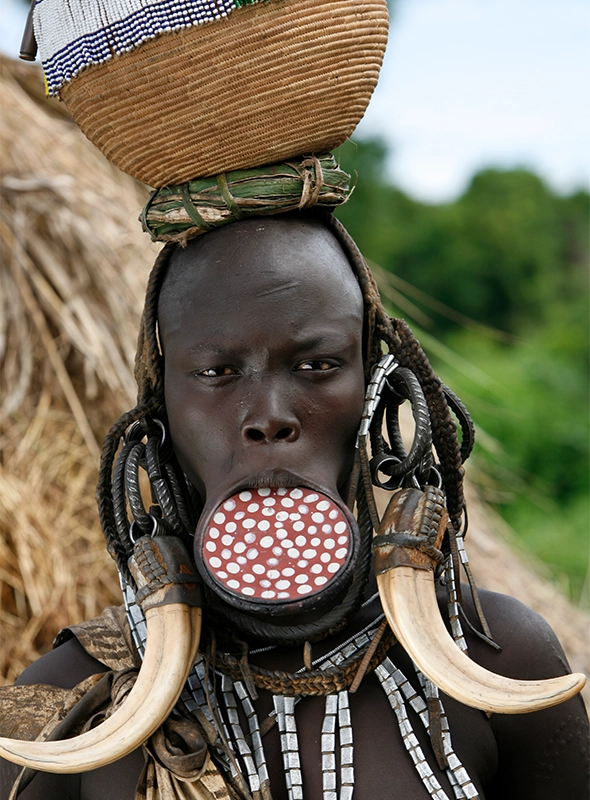
Kaokoland and Damaraland, Namibia: Himba homesteads, reached with care from remote camps.
Kalahari, Botswana: San walks and the sacred Tsodilo Hills.
Zululand Battlefields, South Africa: Learn about the conflicts between Zulus, Boers and British forces.
Bwindi, Uganda: Batwa forest heritage.
Ethiopia: Lalibela, the Omo Valley and Afar salt caravans.
Cultural safaris accommodation types
Where you sleep shapes how much culture you actually encounter, and the strongest cultural safaris are built around properties with real roots.
Community-owned lodges sit at the top. Il Ngwesi in Laikipia is owned, managed and staffed by the Il Ngwesi Maasai community; Rwanda's Sabyinyo Silverback is held by the SACOLA community trust, with profits funding gardens, farms and beehives. These are not lodges that offer a cultural add-on; they are the cultural experience.
Community-partnered camps work alongside neighbouring villages: Nhoma Camp beside a Ju/'hoansi settlement in Namibia's Bushmanland, or Kisima Ngeda near the Hadza at Lake Eyasi.
Village stays go further still: Kawaza Village in Zambia allows guests to stay overnight in the community.
Heritage properties offer another register: historic houses in Zanzibar's Stone Town, or Ilha de Moçambique's old quarter.
Trusted by thousands of ecstatic travellers
✔️ 5-Star Trustpilot Rating ✔️ Condé Nast Travel Specialist Award Winner
✔️ Accredited by SATSA ✔️ 5,000+ Exceptional Safaris Since 1991
Why choose Africa Geographic to plan your safari?

We have been going on safaris for over 20 years. Over the last 5 years or so, we have used the services of AG exclusively. It started with a trip to Ethiopia to see the magnificent churches in the North and the Omo Valley tribes in the South... To all Africa lovers we highly recommend AG.
I have booked three times with Africa Geographic... a phenomenal itinerary. We spent 11 days touring from Marrakech to the desert exploring the country’s vast diverse landscape ... I thoroughly enjoyed the magnificent art & culture and mostly the kindness of the Moroccan people...
I traveled for 25 days through Namibia & Botswana & Zimbabwe on a structured tour... Early on in Namibia I visited a Himba tribal village and later a Bushman village... I went on a snare-trap patrol and medicinal plant hunt, and watched the Bushmen make hunting arrows.
Frequently asked questions
A cultural safari places people rather than wildlife at the centre of the journey. It may include village, market and school visits, cultural events with music and dance, lessons in tracking, fire-making and the medicinal use of indigenous plants, or visits to sites of archaeological, historical and religious significance. Most cultural safaris are combined with wildlife experiences rather than taken alone.
The authenticity of cultural encounters across Africa varies greatly. Unfortunately, there are many staged, insincere tourism experiences available, and some even trample on the dignity and rights of local people and their cultures. Part of our role is to ensure that your choices maintain the highest level of responsibility and respect for local people.
The cultural encounters Africa Geographic selects are chosen for their authenticity and the degree to which they benefit local people directly – through wages, tips, community revenue, and cultural pride. We do not offer staged performances or encounters that compromise dignity. We also rely on ongoing guest feedback to assess every experience. If you have concerns about a specific encounter, speak to your guide or contact our team before or during your trip.
Only with permission, asked of each person, every time; not once on arrival for the whole visit. Accept a no without negotiating. A long lens, a drone, or a frame taken through a vehicle window is not a substitute for consent, and payment does not purchase it. Ceremonies, initiations, and places of worship are often entirely closed to cameras; your guide will tell you. Children require permission from their own family. See Photography, consent and the long lens above for the full guidance.
Every encounter with local people will offer opportunities to engage on their terms. In fact, the aim of these cultural encounters is to engage, learn and celebrate local culture.
Some ceremonies will not offer such opportunities until the ceremony is over, at which time your guide will advise you on protocol for engaging with locals.
All cultural encounters we offer are at the discretion of the local people, who will not invite you into discussions or into their villages, homes, or places of worship unless they are comfortable with the process. For most, this is their chosen way of life: earning income by engaging with tourists. For anyone you simply pass in a village, extend the same respect for privacy you would at home: do not be pushy, and never photograph without asking.
Yes, community benefits from the tourism industry can be substantial if done correctly. Benefits include wages, tips, upskilling, and broader community benefits, such as schools and hospitals built on tourism revenue. Craft purchases matter too, particularly for women's cooperatives such as the Maa Trust initiatives near the Maasai Mara, where beadwork and honey production fund education and healthcare.
East Africa offers encounters with communities such as the Maasai, Samburu, Hadzabe, and Batwa. Southern Africa is known for San tracker experiences in Botswana and Namibia, and Himba community visits in Namibia's Kaokoveld. Ethiopia stands apart as a destination built almost entirely on cultural tourism – ancient churches, castles, the Omo Valley tribes, and Afar camel culture. Morocco offers a different dimension: medina culture, Berber traditions, and the Sahara. Africa Geographic has crafted epic travel experiences for guests across all of these destinations.
Almost every guest does. Culture can be the organising principle of an entire trip, or a thread woven through a classic safari. Because most community activities happen in the afternoon when game viewing slows, the two rarely compete. Many of the best camps are also places where you will absorb language, tradition and knowledge simply by talking to the people who work there.
Guides are almost always required or a good idea, but you will usually not need a translator. English is widely spoken in Kenya, Zambia, Zimbabwe, Botswana and Namibia, and conversation tends to flow easily. In some settings, such as visiting San communities or spending time with Himba hosts, your guide will interpret. Beyond language, guides add context and, often, personal perspective: many are from the communities you are visiting.
Very much so. Children frequently engage more readily than adults, especially with other children: joining a game, helping prepare food, picking up a few words of another language. For teenagers, watching a San elder track or hearing a young Samburu guide describe their role in the community can be genuinely formative. We are happy to recommend lodges that handle families well.
Yes. If you feel moved to contribute beyond the cultural visit, chat to your guide or lodge manager about ways to do so. Financial and skills donations are always appreciated and can generate significant benefits. If you are unconvinced by their feedback, discuss your wishes with us so that we can guide your decision-making.
Dress modestly – covered shoulders and knees are appropriate in most community settings. Avoid clothing with logos or imagery that may be seen as disrespectful. Bring closed shoes for village walking, sun protection, and small-denomination cash if you would like to buy crafts directly from artisans. Bring a camera by all means, but read our guidance on photography and consent before you use it. Small gifts are a personal choice; if you plan to bring anything, discuss it with your safari expert beforehand so it aligns with community needs (stationery and books for schools, for example, rather than sweets).
Unless you are timing a specific ceremony, the best months mirror prime wildlife viewing. In southern Africa, that is May to October, when thin vegetation and scarce water concentrate wildlife, and the winter weather is mild. In East Africa, the dry season runs June to October, with coastal areas and islands enjoying calm conditions. Most community encounters are available year-round, though what you see shifts with planting, harvest and grazing cycles.
Our safaris typically start from US$700 per person per night, depending on comfort level and activities. That usually includes accommodation, all meals, activities, experienced guides, airport transfers and 24/7 support from our team. You pay a first deposit on booking, with the balance due approximately 90 days before travel. Peak-season trips need 12–18 months of planning; outside peak season, 6–9 months usually secures better rates and availability.
Click here to schedule a no-obligation call with one of our Safari Experts or fill in our 2-minute form with your questions. Our team of experts are here to help! Whether you’re curious about the best time to travel, want to hear first-hand about an experience or need help planning your safari.
Explore more African safari experiences
Start planning your dream safari
Our travel experts will craft a no-obligation itinerary just for you. We have crafted over 5,000 safaris since 1991. Your personal details are protected; we only use this information to contact you.
Why book your safari with us?

Deep Experience & Knowledge
Handcrafted experiential safaris since 1991.
Travel in Africa is about knowing when and where to go, and with whom. A few weeks too early/late or a few kilometres off course, and you could miss the greatest show on Earth. And wouldn’t that be a pity?

Trust & Safety

Make A Difference
We donate a portion of the revenue from every safari sold to carefully selected conservation projects that make a significant difference at ground level.
YOUR safari choice does make a difference - thank you!