

Tailor-made safaris. Since 1991



Family safaris at a glance:
Travelling with | Where it tends to work best |
Babies & toddlers (0–5) | Malaria-free South Africa (Eastern Cape, Madikwe) and low-risk parts of Namibia |
Younger children (6–12) | Kenya, Botswana and Tanzania; boat safaris and shorter game drives |
Teenagers (13+) | Victoria Falls, Namibia and Zambia for adventure; Rwanda/Uganda gorillas from 15 |
Multigenerational groups | Exclusive-use safari villas and family houses with private guides |
Why an African family safari is worth it
An African family safari is one of the rare holidays that rewards every generation at once. Grandparents, parents, teenagers and small children each find their own version of wonder in the same wild landscape and wild encounters.
Away from screens and schedules, the days fill with genuine discovery: a guide reading fresh tracks in the sand, a herd of elephants crossing a floodplain, the first unmistakable roar of a lion after dark. These are the moments that quietly turn children into lifelong conservationists. Evenings around the fire become storytelling moments, and every game drive sparks curiosity and connection.
The practical reality often surprises first-time families, too. Africa's finest lodges and camps pair true wilderness with genuine comfort: family suites and private villas, patient guides who love working with children, chefs who happily tailor meals, and days built around young attention spans rather than against them.
With the right destination, the best lodge and expert planning, a family safari becomes far more than a trip. It builds lifelong memories, deepens bonds, and gives your family a powerful, lasting sense of wonder about the natural world.
5 reasons we love family safaris in Africa
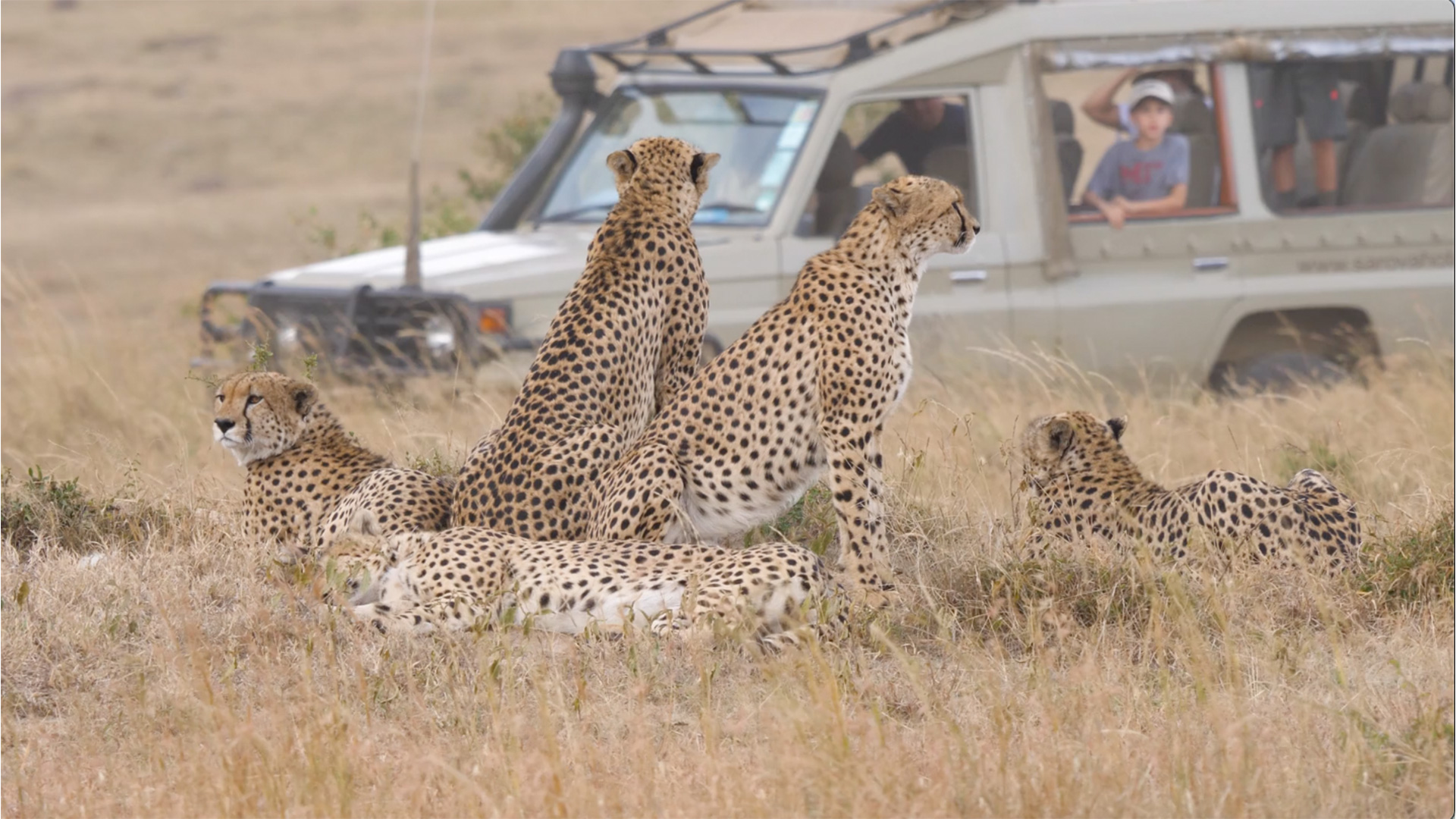
Wildlife stops being screen-bound and becomes real. Watching a child's face as a rhino (unicorn?) files past the game-drive vehicle, or as a Maasai warrior shows how to spot hyena tracks in the dust, sparks a curiosity that documentaries never quite manage to.
Every generation is looked after at once. Toddlers nap while parents drive out, teenagers chase adrenaline and grandparents relax, then everyone reunites around the fire at dusk to share the day.
It is a genuine digital detox. Away from Wi-Fi, teenagers and adults alike put down their phones and reconnect with each other and the wild around them.
Comfort makes it effortless. Family suites, private villas, flexible mealtimes, babysitting and chefs who cheerfully cook for fussy eaters mean the wilderness feels adventurous but never stressful.
Conservation is woven in, not bolted on. Junior-ranger programmes, tracking lessons and wildlife monitoring turn a holiday into a first, formative lesson in why wild places are worth protecting.
Family safari basics
A family safari suits every generation at once: toddlers, school-age children, teenagers, parents and grandparents.
Malaria-free reserves in South Africa (Madikwe, Waterberg, the Eastern Cape) are the easiest choice for the youngest travellers, who generally cannot take antimalarial medication until around age five.
Children of roughly 6–12 thrive in Kenya, Botswana and Tanzania; teenagers (13+) enjoy adventure activities, with gorilla trekking from age 15.
Dry seasons (May–October in Southern Africa; January–March and June–October in East Africa) offer the easiest logistics; green seasons bring lower prices and newborn animals.
Family suites, interlinked tents and exclusive-use villas keep families together, and whether a camp is fenced or unfenced affects how freely children can roam.
As a guideline, family safaris start from around US$700 per adult per night, and are typically all-inclusive.
A private guide and vehicle are recommended for flexibility; some camps require one for children under 12.
Book peak-season trips 12–18 months ahead; off-peak trips can often be arranged 6–9 months out.
About family safaris in Africa
A family safari brings your closest people together in Africa's wild places, blending shared adventure with quiet moments that are hard to find at home. Days are built around game drives, walks, water-based outings, and bushcraft lessons, punctuated by long lunches, pool time, and evenings around the fire, swapping the day's sightings.
What sets a family trip apart is flexibility. The best itineraries match a child's age, stamina and interests to the right destination and lodge; a shorter drive here, an afternoon by the pool there, a boat safari instead of a bumpy game drive. Guides who specialise in younger travellers turn tracking, birding and bushcraft into games, so learning never feels like a lesson.
For many families, the deeper reward is a shared sense of wonder and, often, the beginnings of a lifelong love of wildlife and conservation that outlasts the holiday itself.
Our favourite family safari ideas
Why book with us?
Tailor-made experiential safaris - with love
"Travel in Africa is about knowing what, when and where to go - a few weeks too early/late or a few kilometres off course, and you could miss the Greatest Show on Earth. And wouldn’t that be a pity?
Our crew of passionate safari experts have lived and worked in Africa for most of their lives. Trust us to find you the rarest animals, the most spectacular wildlife events, the remotest landscapes and deeply meaningful cultural encounters!"
Simon Espley - CEO, Africa Geographic
All you need to know about Family Safaris
Where to find the best family safaris
Family-friendly safaris span a wide spread of countries, each suited to different ages and appetites for adventure. The right choice usually comes down to malaria risk, travel distances and the activities on offer.
South Africa: malaria-free reserves such as Madikwe, Waterberg, and the Eastern Cape (Kwandwe) make it the easiest first safari for under-fives, and they pair well with Cape Town and the Garden Route.
Botswana: the Okavango Delta, Moremi, Chobe and the Makgadikgadi Pans reward older children with water safaris, habituated meerkats and star-filled skies on vast salt pans.
Kenya & Tanzania: the Maasai Mara, Laikipia, Serengeti, and Ngorongoro suit ages six and up, with a stay in Nairobi for up-close encounters with giraffes and orphaned baby elephants.
Zambia, Zimbabwe & Namibia: Victoria Falls, South Luangwa, Etosha and Sossusvlei blend wildlife encounters with teen-friendly adventure.
Rwanda & Uganda: gorilla trekking is unforgettable, and open to teenagers aged 15 and over.
Fun & safe safari activities for children of all ages
The magic of a family safari lies in how much there is to do beyond the classic game drive. Younger children thrive on hands-on, bite-sized adventures: tracking animal spoor, identifying trees and birds, baking bread, making bows and arrows, junior ranger programmes, scavenger hunts, and gentle boat rides close to camp.
Teenagers can step up the pace. Victoria Falls is Africa's adrenaline capital, with white-water rafting and bungee jumping; Namibia offers sandboarding and quad biking around Swakopmund and Sossusvlei; and Kenya's Maasai Mara is famous for hot-air balloon safaris at dawn. Older teens can trek for chimps and gorillas, track rhino on foot, learn wildlife photography from Chobe's floating hides, or scuba dive off Kenya and Mozambique.
Some experiences have a minimum age requirement: gorilla trekking is reserved for ages 15 and up, and short bush walks are usually for kids aged 12 and older. Our safari experts match every activity to your children's ages and interests.
Family-friendly accommodation options
Where you stay shapes a family safari as much as where you go. For complete privacy and flexibility, exclusive-use safari villas and family houses are hard to beat: ideal for multigenerational groups, they come with private chefs, dedicated guides and vehicles, private pools and safe children's areas.
Family suites and interlinked or family tents are the next step; two or more bedrooms sharing a living space, so parents and children stay close. Many camps also offer children's menus, flexible mealtimes, cots, babysitting and junior programmes.
A key consideration is fencing. Fenced lodges give children more freedom to roam, while unfenced camps, where wildlife moves freely through the grounds, call for constant supervision and stricter rules around tents, decks and pools. Our experts recommend the setup that best suits your family's ages and travel style.
Check out our favourite family holiday ideas above to get a feel for the tried-and-tested family-friendly accommodation we regularly include in our safaris.
Trusted by thousands of ecstatic travellers
✔️ 5-Star Trustpilot Rating ✔️ Condé Nast Travel Specialist Award Winner
✔️ Accredited by SATSA ✔️ 5,000+ Exceptional Safaris Since 1991
Why choose Africa Geographic to plan your safari?

We enjoyed two incredible safaris over the course of eight nights, which struck the perfect balance between family-friendly (ideal for our kids, ages 10 and 11) and fun experiences for adults ... we had an extraordinary experience. I recommend his services for anyone looking to explore South Africa in a truly memorable way.
I have been travelling with Africa Geographic for more than a decade… on this trip, with my family of 11, including 5 children (7–18 yrs) we introduced them to the gorillas and chimpanzees of Uganda ... the migration in the Serengeti … driving in the Serengeti among 1.5 million wildebeest and 400,000 zebras was unforgettable…
As we were travelling with 2 young kids (8 and 11) it was not easy, but Christian chose the best places to stop, to walk, to sleep, to eat and to visit ... explained us thousands of things about the african ecosystems, plants, ecology, mammals, and other wildlife ... We absolutely recommend Christian and African Geographic.
Frequently asked questions
There is no single right age. Children aged around eight and above can join most activities, follow a guide's explanations and retain vivid memories. Pre-teens and tweens (roughly 8–12) are often the easiest and most rewarding age of all: curious, full of questions and old enough to grasp that this is the trip of a lifetime, without teenage self-consciousness. That said, well-travelled younger children do beautifully in the right setting, while malaria-free reserves and gentle, camp-based wildlife viewing suit babies and toddlers. The best approach is matching your child's attention span and interests to the destination and pace, rather than waiting for a magic number.
Yes, with the right planning. Choose malaria-free destinations (such as South Africa's Eastern Cape and Madikwe), keep travel distances short, and favour lodges with family suites, flexible mealtimes and babysitting. Rather than long game drives, opt for boat safaris, short nature walks and relaxed wildlife viewing from camp. Even watching zebra from a lodge deck or hearing lions at night can be magical for little ones, and restful for parents.
Kenya, Botswana, Zimbabwe, Tanzania, Zambia and South Africa all have great infrastructure and are popular tourist destinations. These countries include bucket-list gems such as the Serengeti, Okavango Delta, and Victoria Falls. Experiences like a Big 5 safari are also great for children of almost all ages.
See our First Timer’s Guide for more information on where to go and when to book.
An African safari is a safe experience for families when it is properly planned and guided. Use an experienced safari expert to plan your safari (hello); never leave young children unattended; follow camp safety briefings; and remember that many lodges are unfenced, meaning wildlife can move through the grounds. Guides are trained to read animal behaviour and keep safe viewing distances, and staff often escort families between tents and main areas. Pools and boat trips also call for constant supervision.
The dry seasons generally offer the easiest logistics and prime wildlife viewing: roughly May to October in Southern Africa, and January to March plus June to October in East Africa, as thinning vegetation draws animals to water. For younger families, the green or wet seasons can be ideal too: lower prices, fewer crowds and the delight of newborn animals. Your ideal window depends on destination, budget and what you most want to see.
Plenty beyond the game drive. Younger children enjoy shorter drives, nature walks near camp, boat rides, animal tracking, tree and bird identification, baking, bow-and-arrow making and junior-ranger programmes. Teenagers can raft and bungee at Victoria Falls, sandboard and quad bike in Namibia, balloon over the Maasai Mara, trek for chimpanzees and gorillas, track rhino on foot or scuba dive on the coast. Activities are matched to each child's age and interests.
Walking safaris and guided nature walks in areas with dangerous wildlife have minimum ages, usually between 12 for short walks and 16 for longer walks, depending on the lodge, country, and park authority. Close encounters on foot demand calm, attentive behaviour from everyone, so younger children are generally not permitted. Teenagers, by contrast, can access almost all walking options. If a walking safari appeals, our experts can suggest suitable camps for older children and teenagers, or scenic walking routes in areas without dangerous wildlife.
Malaria is present in most, though not all, safari areas. Because young children generally cannot take antimalarial medication until around age five, families with babies and toddlers are usually steered towards malaria-free reserves in South Africa. The risk elsewhere is lower in the dry season, when there are fewer mosquitoes. Precautions include antimalarial medication (paediatric tablets are available), insect repellent, long sleeves at dawn and dusk, and mosquito nets. Always consult a travel doctor based on your itinerary and your children's ages.
For families, especially those with young children, a private guide and vehicle are highly recommended. They allow a flexible pace: pause when needed, head back to camp when energy flags, and shape activities around your children. Many camps, in fact, require a private vehicle for children under a certain age, often around twelve. Exclusive-use family houses and villas usually include a private guide and vehicle as standard.
Malaria-free options are ideal for families with very young children, who typically cannot take antimalarial medication until around age five. South Africa leads the way, with malaria-free Big 5 reserves such as Madikwe, Waterberg, Welgevonden and the Eastern Cape (including Kwandwe), plus the South African side of the Kalahari, all easily combined with Cape Town, the Winelands and the Garden Route.
Look for family suites, interlinked rooms or family tents that keep everyone close. A family suite with interleading rooms typically accommodates two parents and two children, while larger and multigenerational groups are better served by an exclusive-use villa or family house with a private chef, a dedicated guide, and a vehicle. Practical touches matter too: children's menus, flexible mealtimes, cots and babysitting. Some lodges also cater to mixed-ability groups with wheelchair access, which is worth confirming for travelling grandparents. Finally, consider whether a lodge is fenced or unfenced, and whether pools are enclosed; both affect how freely children can move around camp.
Yes, multigenerational safaris, where grandparents travel with children and grandchildren, are increasingly popular, and the bush suits every age at once. The trick is a mix of activities running in parallel: children at bush school, parents on a guided walk, grandparents relaxing at the lodge, all reuniting for meals and sundowners. Exclusive-use villas and family houses work especially well, and some lodges cater to mixed-ability groups with wheelchair access and easier vehicle boarding; worth confirming in advance.
Yes, all-inclusive safaris typically offer better value for families. While nightly rates appear higher, they usually include meals, drinks, activities, park fees, and laundry, eliminating surprise costs that quickly accumulate with à la carte bookings. The predictable total cost and hassle-free experience make all-inclusive the preferred choice for most families, especially first-timers managing multiple children.
It can, and done well, it plants a lasting appreciation for wild places in children. Many lodges weave conservation into junior-ranger programmes, tracking, rhino monitoring and community visits. A word of caution on "voluntourism", though: some programmes profit from animal interactions rather than genuinely helping, and in the worst cases exploit the very wildlife they claim to protect. Choose conservation experiences carefully; our experts can point you to reputable, genuinely impactful projects.
Peak-season family trips are best planned 12 to 18 months ahead, as the best family suites and villas book up early, particularly during school holidays. Travelling outside peak periods can often be arranged 6 to 9 months in advance, usually with better rates and availability. Because family logistics are more complex, earlier planning gives the widest choice of camps, connecting rooms and private vehicles.
As a guideline, family safaris typically start from around US$700 per adult per night, with lower rates for children depending on their number and ages. That usually covers accommodation, all meals, game drives, expert guides, airport transfers and around-the-clock support. All-inclusive rates often represent better value for families, since meals, drinks, activities and park fees are bundled in, avoiding the surprise costs that add up quickly with à la carte bookings.
Click here to schedule a no-obligation call with one of our Safari Experts or fill in our 2-minute form with your questions. Our team of experts are here to help! Whether you’re curious about the best time to travel, want to hear first-hand about an experience or need help planning your safari.
Explore more African safari experiences
Start planning your dream safari
Our travel experts will craft a no-obligation itinerary just for you. We have crafted over 5,000 safaris since 1991. Your personal details are protected; we only use this information to contact you.
Why book your safari with us?

Deep Experience & Knowledge
Handcrafted experiential safaris since 1991.
Travel in Africa is about knowing when and where to go, and with whom. A few weeks too early/late or a few kilometres off course, and you could miss the greatest show on Earth. And wouldn’t that be a pity?

Trust & Safety

Make A Difference
We donate a portion of the revenue from every safari sold to carefully selected conservation projects that make a significant difference at ground level.
YOUR safari choice does make a difference - thank you!