

Tailor-made safaris. Since 1991



Why Africa is an exceptional safari destination for seniors
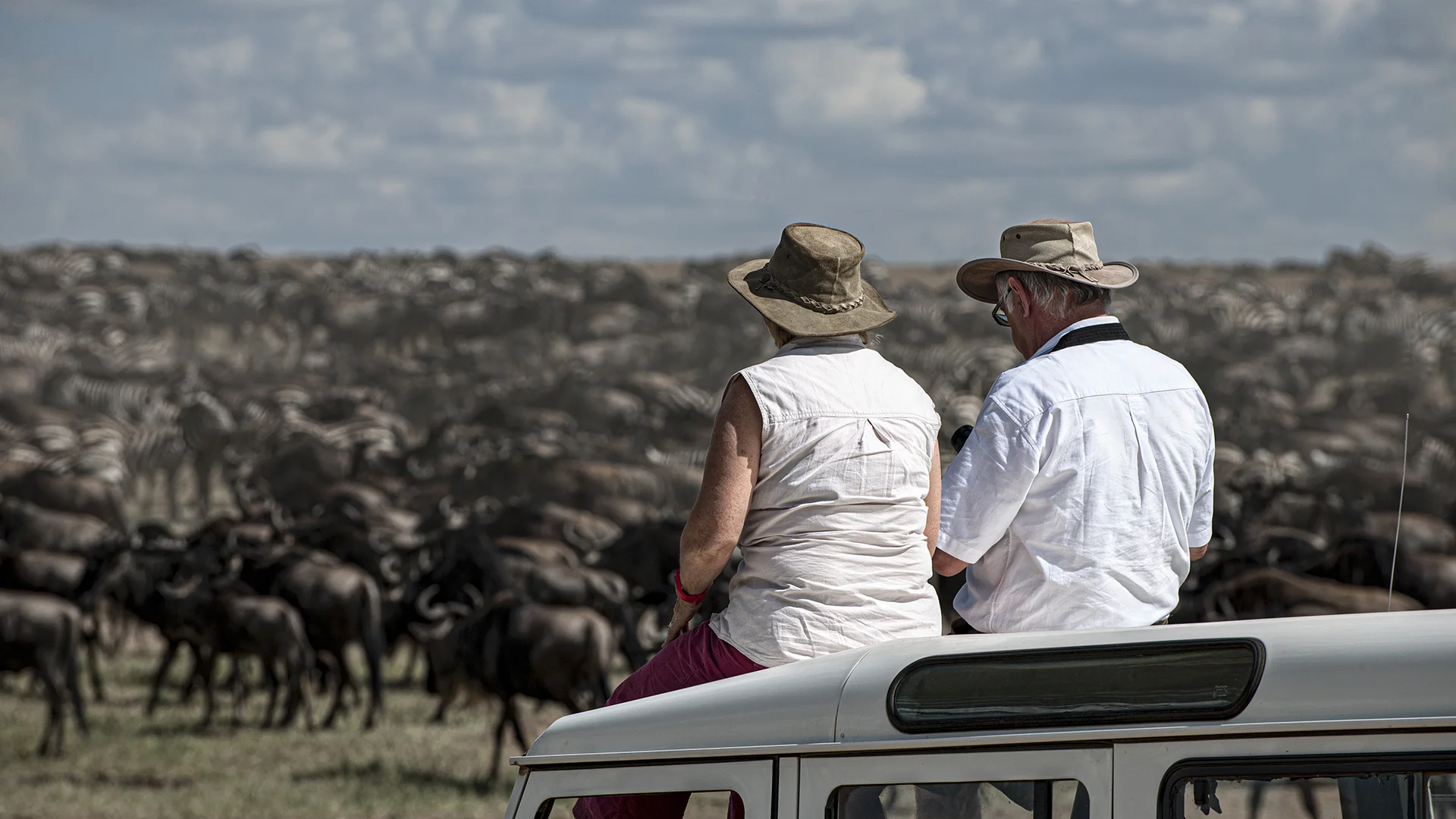
An African safari can be every bit as rewarding in your seventies or eighties as it is in your thirties. There’s no upper age limit to the thrill of watching a leopard descend from a tree, encountering a herd of elephants up close, or hearing lions calling across the savannah after dark. And with the right planning, senior travellers can enjoy these extraordinary experiences in considerable comfort, without compromising on adventure.
Africa offers a remarkable choice of safaris for seniors, from the wildlife-rich plains of Kenya and Tanzania to Botswana's remote Okavango Delta and South Africa's luxurious private reserves. The key is finding a safari that suits your interests, fitness and preferred way of travelling. Some senior travellers relish the challenge of walking safaris and remote wilderness camps, while others prefer leisurely game drives, exceptional accommodation and fewer transfers.
Whether you're planning your first African safari or returning to explore somewhere new, we'll help you understand the options. Discover the best destinations for senior safaris, when to travel, what to consider regarding mobility and accessibility, and how to plan a journey that makes the most of your time in Africa.
Three things we love about safaris for seniors
The luxury of time: Some of Africa's finest wildlife encounters require patience. A leopard resting in a tree may remain motionless for hours before descending to hunt. A herd of elephants may spend an entire afternoon around a waterhole. Travellers who are happy to wait often witness behaviour that others miss.
The freedom to follow your interests: Birdwatching, photography, conservation, cultural encounters and wildlife behaviour can all become the focus of a safari. Experienced travellers often arrive with particular interests, and a tailor-made journey allows those interests to determine the itinerary.
The pleasure of returning to camp: After an early morning in the bush, there’s considerable satisfaction in returning to a comfortable lodge for breakfast, a quiet afternoon and perhaps a swim. As the heat fades, the bush comes alive again. This natural rhythm is one of the great pleasures of safari travel.
Which African safari is best for seniors?
South Africa is often the easiest starting point for a senior safari, thanks to its range of luxury lodges, established tourism infrastructure and road-accessible wildlife reserves. Botswana is particularly appealing for travellers who value exclusivity, excellent wildlife encounters and extended stays in remote wilderness. Kenya and Tanzania offer magnificent savannah landscapes and some of Africa's most celebrated wildlife spectacles.
However, the best choice depends on how you want to travel, and what you want to do when there.
Destination | Best suited to | Important considerations |
First-time safaris, luxury accommodation, accessibility and varied holidays | Many reserves are road-accessible; excellent options for combining safari with Cape Town | |
Exclusive wilderness, elephants, predators and slower-paced luxury safaris | Remote camps may require light-aircraft transfers; access varies | |
Classic savannah safaris, the Maasai Mara and cultural experiences | Some journeys involve long road transfers; migration season can be busy | |
Serengeti wildlife, Ngorongoro Crater and extended safari circuits | Distances can be considerable; careful routing is essential | |
Desert scenery, photography, wildlife and independent travel | Long driving distances and remote accommodation require planning | |
Gorilla trekking and primate encounters | Trekking can be physically demanding; accessibility is limited |
Which African safari is best for seniors?

South Africa
South Africa offers an appealing combination of superb wildlife viewing and sophisticated accommodation. The Greater Kruger region is home to outstanding private reserves, where experienced trackers and rangers search for lion, leopard, elephant, buffalo and rhino.
A safari can also be combined with several days in Cape Town or the Cape Winelands, creating a varied holiday without having to cross international borders.
For travellers concerned about malaria, reserves such as Madikwe offer alternatives to the Greater Kruger region.
Our recommendation: South Africa is an excellent first choice for senior travellers who want exceptional wildlife viewing, comfortable accommodation and relatively straightforward travel arrangements.
Botswana
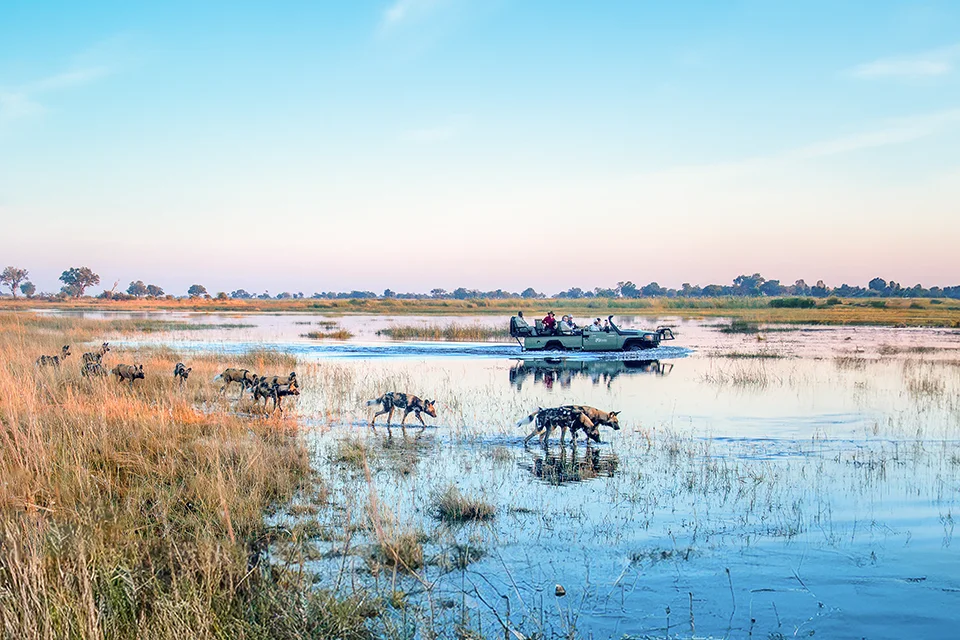
Botswana's Okavango Delta offers a different kind of safari. Seasonal floodwaters spread across a vast landscape of islands, channels and floodplains, creating a remarkable refuge for wildlife.
Depending on the camp, season and water levels, guests can explore by game-drive vehicle, boat or mokoro. Elephants frequently move through camp surroundings, while lion, leopard and wild dog are among the predators that draw wildlife enthusiasts to the region.
Our recommendation: Choose Botswana if wilderness, privacy and exceptional wildlife encounters are your priorities, and you are comfortable with the transfers required to reach remote camps.
Kenya
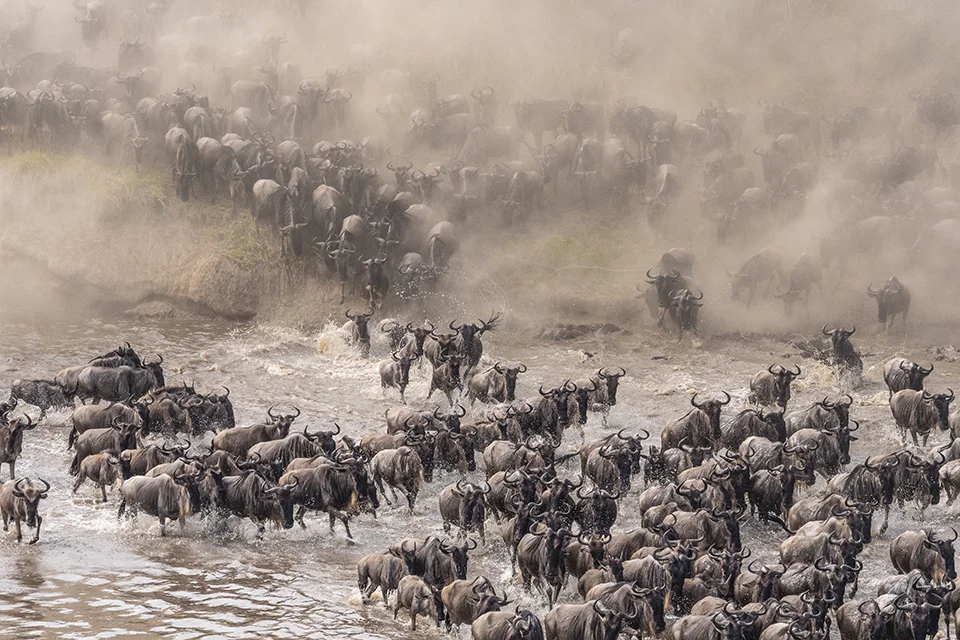
Kenya's Maasai Mara is one of Africa's most celebrated safari landscapes. Its rolling grasslands support large populations of herbivores and predators, and the open terrain makes wildlife particularly rewarding to observe and photograph.
During the Great Migration season, enormous herds of wildebeest and zebra move through the Mara ecosystem, although river crossings are unpredictable and can never be guaranteed.
Our recommendation: Consider a private conservancy if you value a more intimate safari experience and would prefer to avoid the busiest areas of the Maasai Mara.
Tanzania
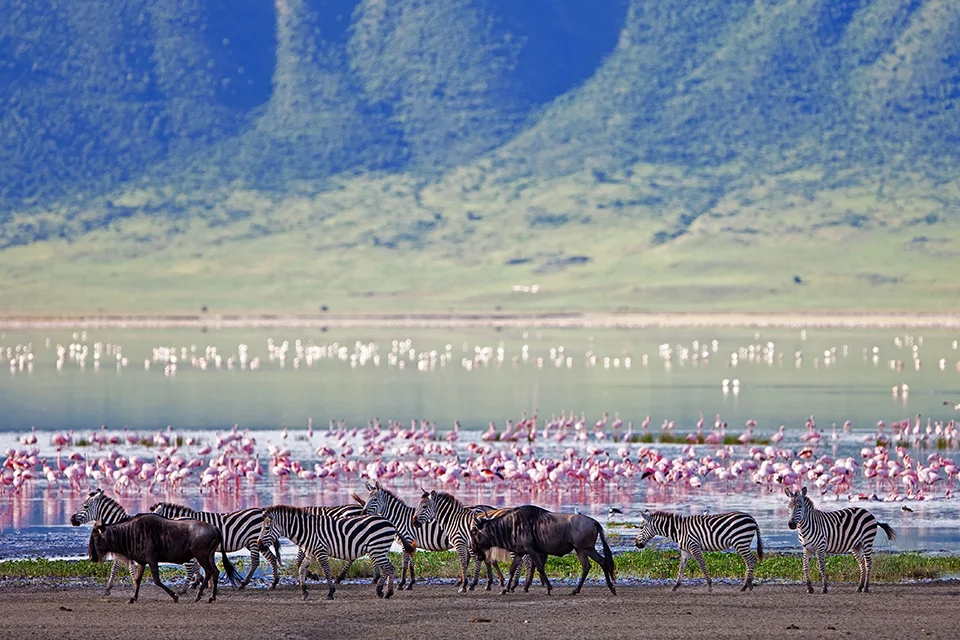
Tanzania's northern safari circuit brings together several of Africa's most remarkable wildlife destinations, and the Serengeti's seemingly endless grasslands are home to extraordinary wildlife diversity, including migrating wildebeest herds. Ngorongoro Crater offers excellent opportunities to encounter large mammals within the confines of its ancient volcanic caldera.
For senior travellers, the answer is often to spend longer in fewer locations, selecting accommodation that minimises unnecessary transfers.
Our recommendation: Allow sufficient time for the northern circuit rather than attempting to fit every destination into a short holiday.
Namibia
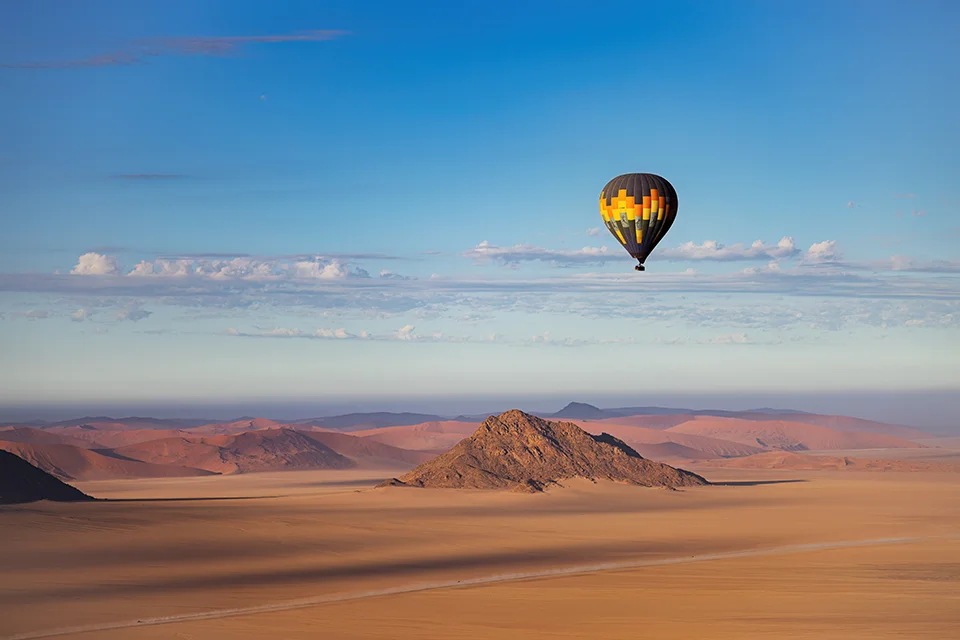
Namibia appeals to travellers whose interests extend beyond traditional game drives. Its iconic and beautiful landscapes, such as the towering red dunes of Sossusvlei, the stark beauty of Damaraland and the wildlife-rich waterholes of Etosha National Park offer extraordinary photographic opportunities.
Much of Namibia can be explored by road, although distances are substantial and some routes involve long stretches of gravel.
A privately escorted journey can be especially rewarding, allowing you to concentrate on the scenery and wildlife without the demands of self-driving.
Our recommendation: Namibia is particularly well suited to senior travellers who enjoy landscapes, photography and exploring at a measured pace. Allow at least two weeks for a varied itinerary.
How physically demanding is an African safari?
You don't need to be particularly fit to enjoy most African safaris. You spend much of your time in the bush in a vehicle, watching wildlife, with a leisurely few hours back at camp between morning and afternoon game drives. There are, however, a few practicalities worth considering, especially if you have back problems or limited mobility.
Safari vehicles can be high off the ground, and several hours on bumpy tracks may prove uncomfortable. Some lodges also have steps or uneven paths between rooms and communal areas. These are details worth checking before booking, as even the most luxurious camps aren't necessarily the easiest to get around.
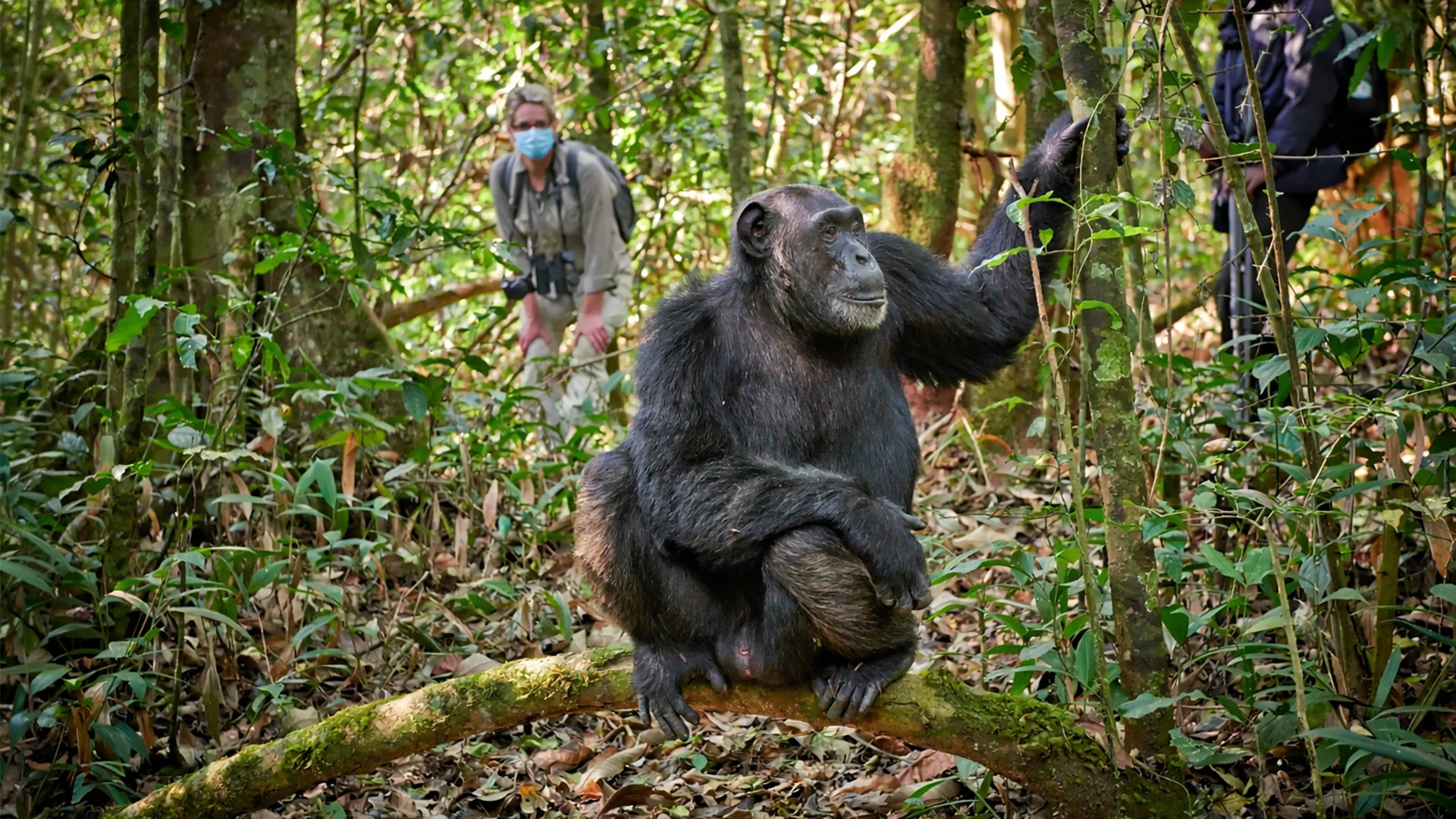
If you prefer shorter game drives or want to spend longer at particular sightings, a private vehicle gives you that freedom. And if you're keen on something more adventurous, walking safaris, canoeing and even gorilla trekking are possibilities, depending on your fitness and the terrain involved.
Can seniors with limited mobility go on safari?
Yes. African safaris can be arranged for travellers with limited mobility – including some wheelchair users – provided the accommodation, transport and activities are selected around their individual requirements.
South Africa generally offers the widest range of practical options, particularly in road-accessible private reserves.
However, accessible accommodation varies significantly. A lodge may describe itself as wheelchair-friendly while still having raised vehicle entrances, uneven paths or bathrooms that are unsuitable for a particular guest.
What should be confirmed before booking?
The most important details include:
Accommodation: Door widths, bathroom access, roll-in showers, bed heights and distances between rooms and communal areas.
Safari vehicles: Boarding arrangements, available ramps or lifts, wheelchair restraints and the possibility of remaining seated in a wheelchair.
Transfers: Airport assistance, vehicle access, travel times and luggage or mobility-equipment requirements.
Medical support: Distance to appropriate healthcare facilities, emergency evacuation arrangements and access to essential medication or equipment.
Daily activities: The availability of suitable game drives, private vehicles and alternatives to physically demanding excursions.
Confirm these arrangements directly with accommodation and transport providers rather than assuming them from website descriptions.
For more detailed advice, explore Africa Geographic's safaris for travellers with mobility difficulties.
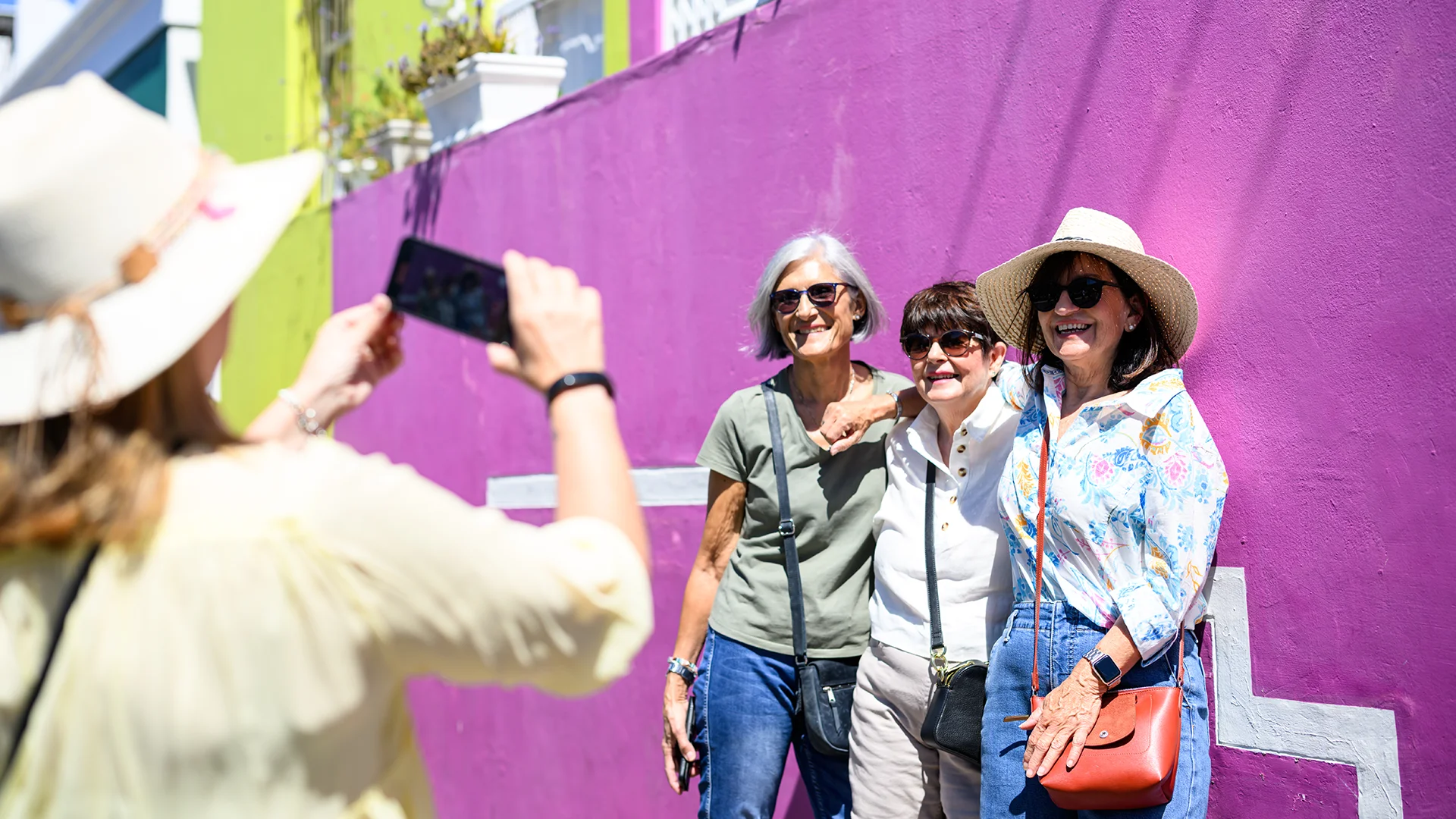
How many days should seniors spend on safari?
For most travellers, seven to ten days provides a good introduction to an African safari. Those travelling internationally, particularly from Europe, North America or Australia, may prefer ten to fourteen days to justify the journey and allow more time to settle into Africa's rhythms.
The ideal duration depends on the destinations, the number of camps and the amount of travelling involved.
Safari duration | What to consider |
5–7 days | One safari region, ideally with minimal transfers |
8–10 days | Two complementary safari locations or a safari combined with a city stay |
11–14 days | A more varied journey with longer stays and opportunities to explore |
15–21 days | Multiple regions or countries, with rest days and additional experiences |
Why fewer destinations often make a better safari
When you've travelled halfway around the world to reach Africa, it's tempting to squeeze as many destinations as possible into your itinerary. But changing lodges every two nights can be tiring, with packing and transfers eating into valuable safari time. Spending three or four nights in one place allows you to settle into the rhythm of the bush, get to know the landscape and spend more time watching wildlife. You might encounter the same elephant herd on successive days or return to a promising leopard sighting to see how events unfold. For senior travellers in particular, a little less time on the road can mean considerably more time enjoying the safari itself.
Read more about ideal safari length in this article.
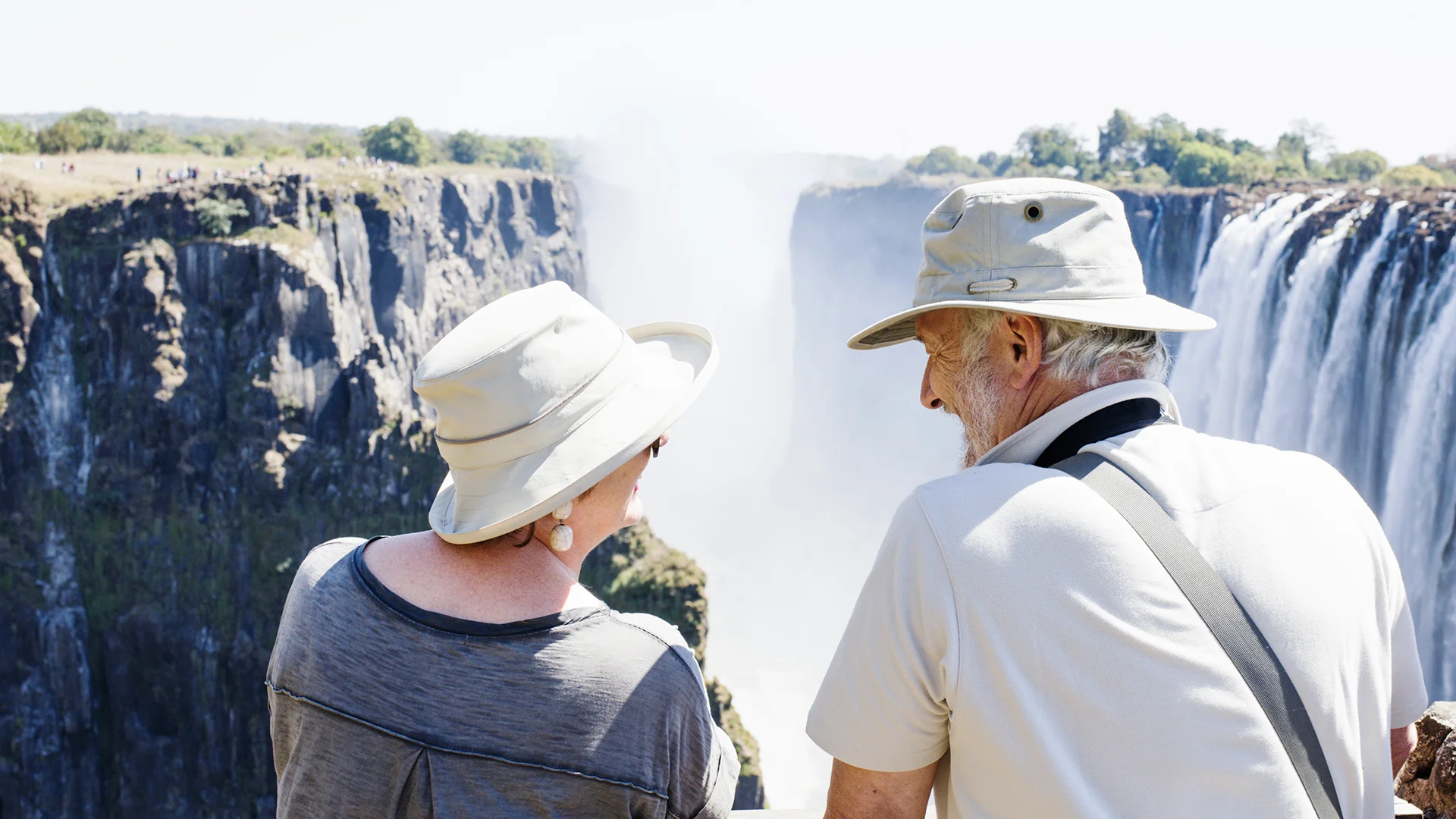
When is the best time for seniors to visit Africa?
For much of southern Africa, the dry months from May to October offer excellent wildlife viewing, as animals gather around water sources and thinning vegetation makes them easier to spot. East Africa offers rewarding safaris year-round, although the Great Migration influences where and when to travel. For senior travellers, the choice of season also affects comfort, particularly when it comes to temperatures, road conditions and how much time you'll spend in a vehicle.
Dry-season safaris
Winter mornings in southern Africa can be bitterly cold, particularly in open safari vehicles during June, July and August. Temperatures often rise considerably by midday, so warm layers that are easy to remove are essential. If you're sensitive to cold, consider travelling in May, September or October, when mornings are generally milder. These months can also offer excellent wildlife viewing, although popular reserves remain busy at certain times.
Green-season safaris
Summer rains bring lush vegetation, dramatic skies and an abundance of migratory birds. Many antelope species give birth during this period, offering wonderful photographic opportunities. Warmer mornings and often lower lodge rates are appealing, but heavy rain can make roads rougher and journeys longer. Some remote camps close altogether. For travellers who prefer easier transfers and predictable travel arrangements, a lodge with reliable road access is worth prioritising.
Read our month-by-month guide on travelling in Africa for more detailed information.
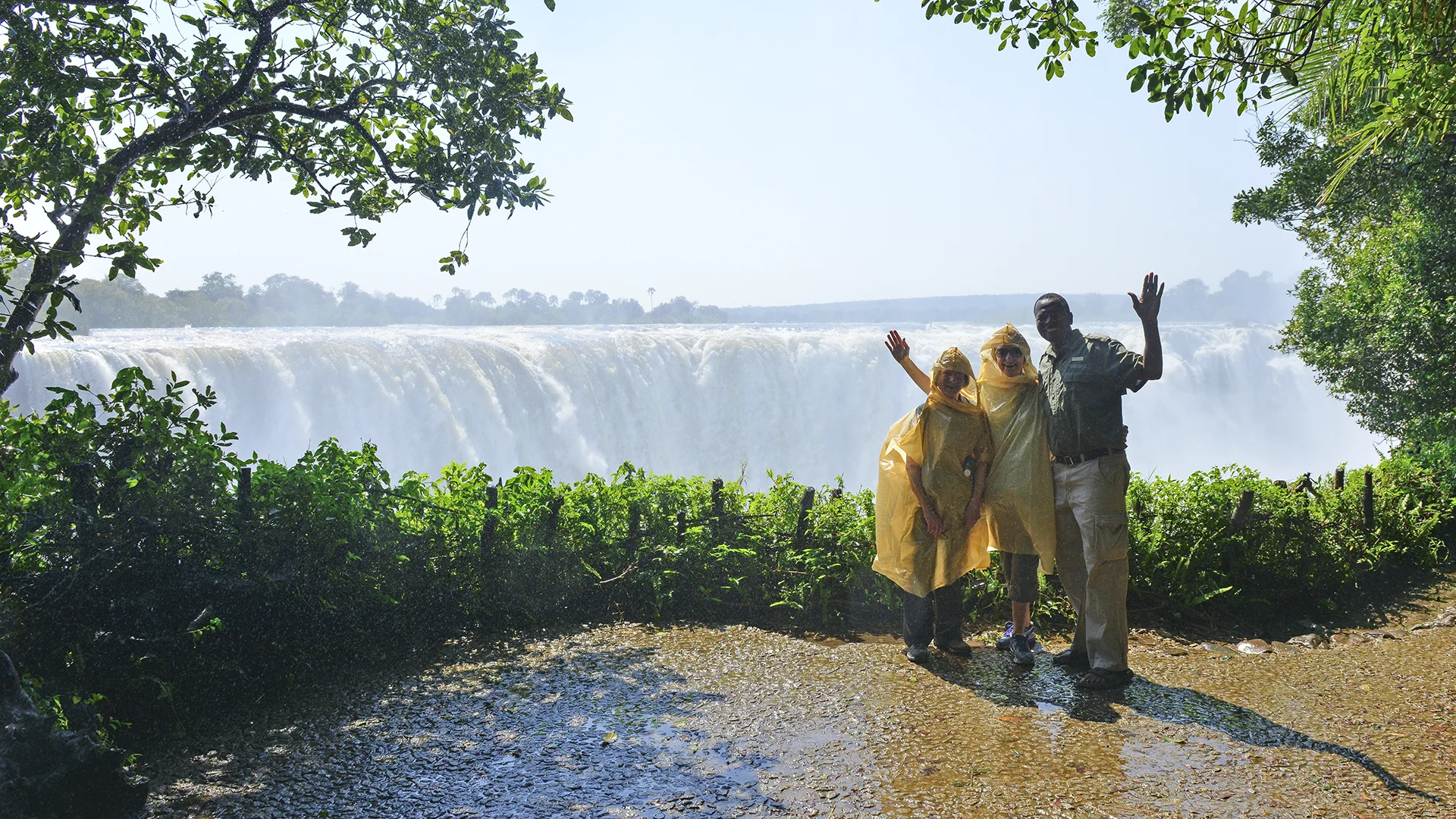
What accommodation is best for senior safari travellers?
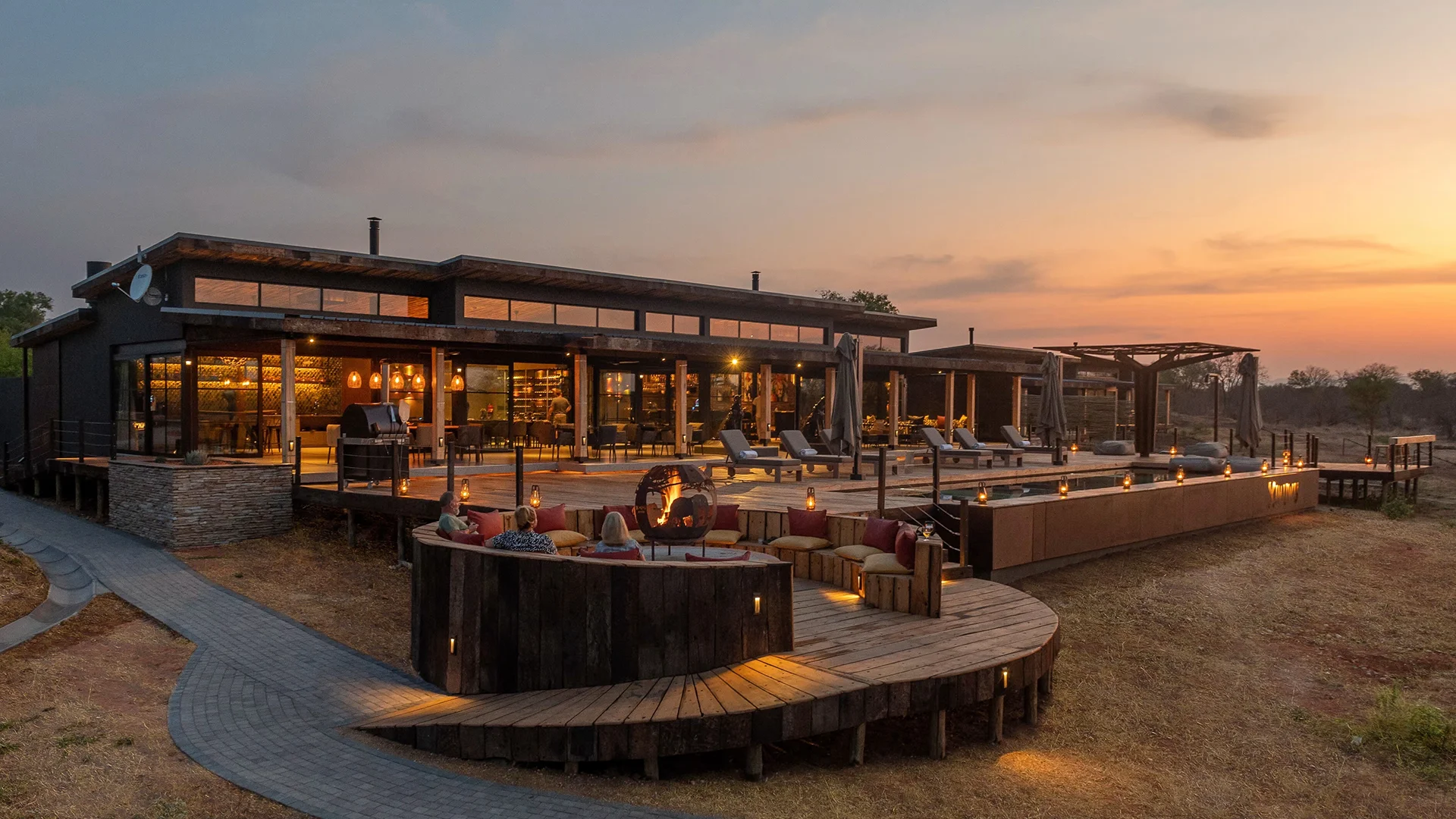
African safari accommodation ranges from traditional tented camps to luxurious lodges with private plunge pools, spacious suites and exceptional dining. We find many senior travellers appreciate the comfort of a well-appointed lodge, but the most expensive accommodation is not necessarily the most suitable.
The quality of a safari often depends more on location, wildlife access, experienced staff and thoughtful service than on elaborate facilities.
Read more about safari accommodation.
What to look for in a safari lodge
Ease of movement: Some camps are spread across large areas, with lengthy walks between rooms, dining facilities and safari vehicles. Others offer compact layouts and assistance when needed.
Bathroom facilities: Walk-in showers, stable flooring and convenient room layouts can make daily life considerably easier.
Temperature control: Depending on the destination and season, heating, fans or air conditioning may be important.
Private facilities: A private deck, comfortable seating and attractive views allow guests to enjoy the wilderness without participating in every activity.
Personal attention: Smaller camps can often accommodate individual preferences around meals, activity times and assistance.
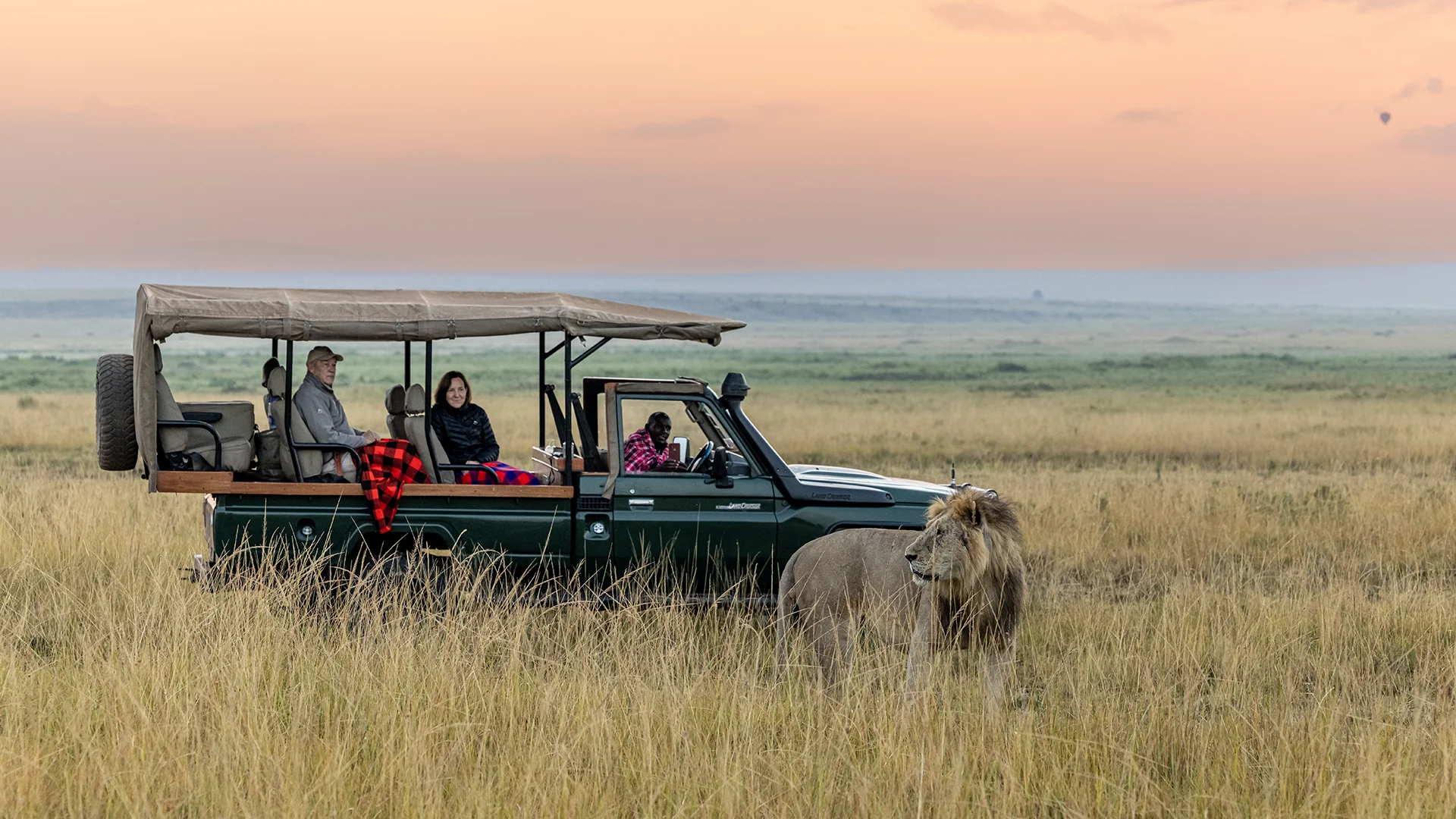
A well-chosen lodge becomes part of the safari experience. Watching elephants move through the trees beyond your veranda, listening to lions calling after dark or enjoying breakfast overlooking a waterhole can be as memorable as the game drives themselves.
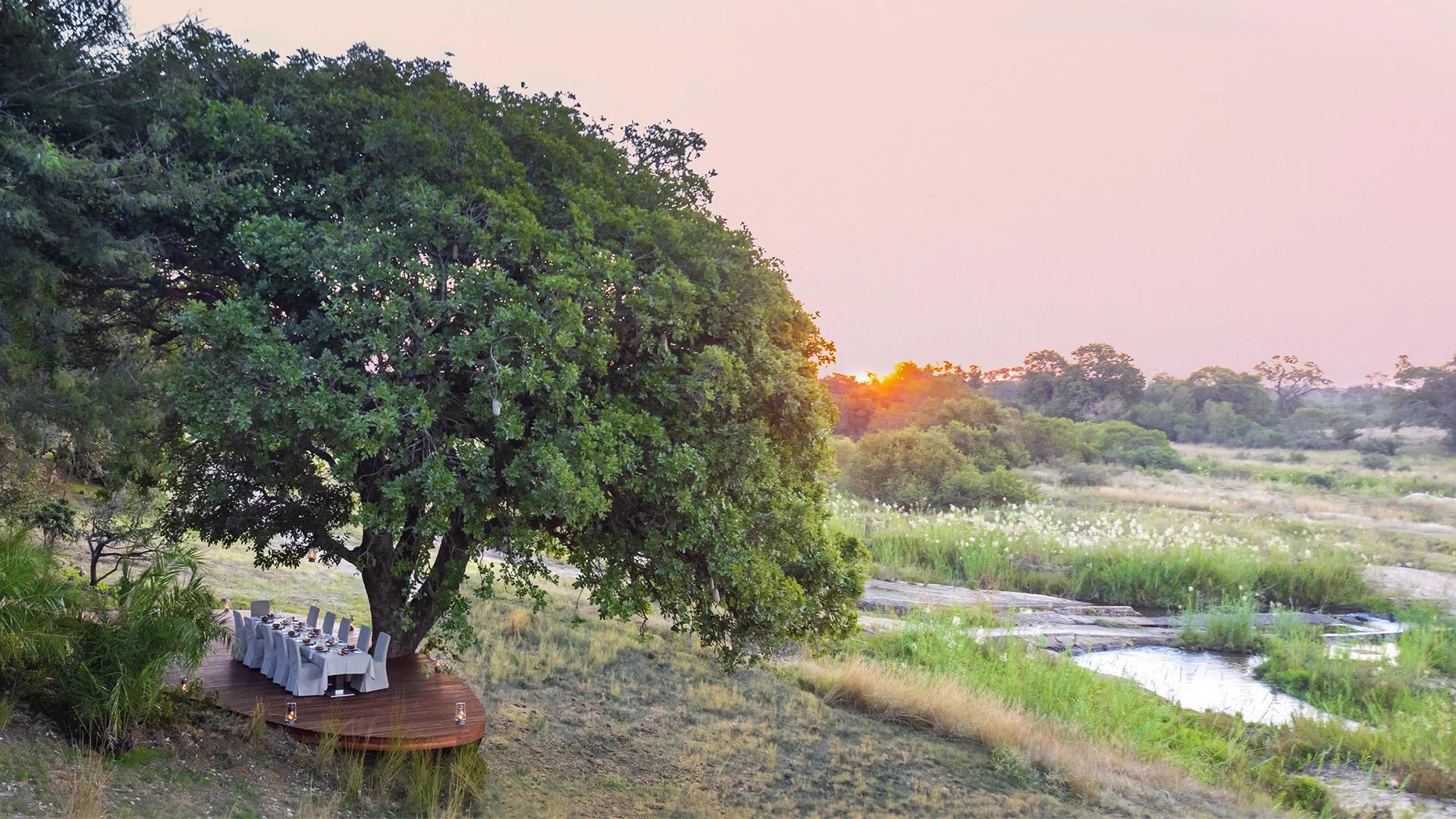
African safaris suitable for single seniors?
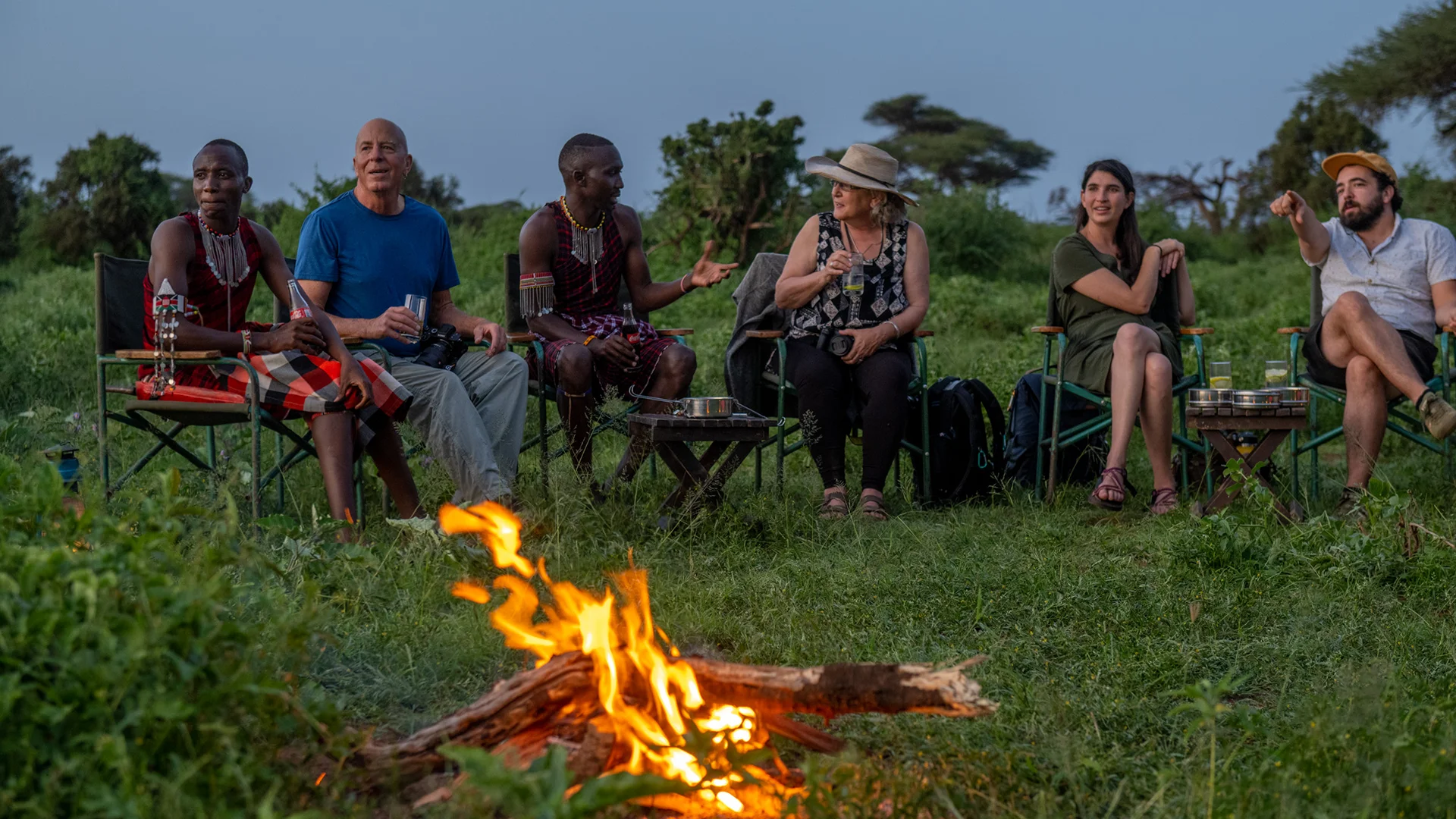
A solo safari can be a wonderfully sociable experience. Game drives are often shared with a handful of other guests, and evenings around the campfire or dinner table offer plenty of opportunities to swap stories about the day's sightings. Equally, there's nothing wrong with wanting a little solitude. Few places offer it quite as beautifully as a safari lodge overlooking the African bush.
Travelling alone also gives you the freedom to pursue your own interests, perhaps spending an entire morning photographing birds, searching for a particular leopard or following the herds during the Great Migration. With the right accommodation and itinerary, there's no reason for solo senior travellers to miss out on any of Africa's extraordinary wildlife experiences.
Private safaris versus small-group tours
Joining a small-group safari is a good option if you enjoy meeting people and prefer to have your itinerary arranged in advance. You'll share game drives and other activities with fellow travellers, although departure dates and daily schedules are generally fixed.
A tailor-made safari gives you greater freedom to choose where you go, how long you stay and what you do each day. This can be particularly appealing if you have specific interests or would prefer shorter game drives and fewer transfers. If you're travelling with friends or family, Africa Geographic's private group safaris offer similar flexibility, with the added benefit of sharing vehicles and other costs.
What about single supplements?
Safari lodges generally base their rates on two people sharing, which means solo travellers often pay a single supplement. However, these charges vary considerably, and some lodges reduce or waive them during quieter months. Others offer special rates for solo guests throughout the year.
Choosing the right lodge and travel dates can make a substantial difference to the cost of your safari. Our safari experts can help identify properties with favourable single-occupancy rates, so it's worth exploring the options before ruling out a destination on price alone.
Read our article on solo safari costs and how to avoid single supplements for practical ways to make your journey more affordable.
Are African safaris suitable for multigenerational families?
Watching your grandchildren encounter their first wild elephant or lion is a wonderful experience to share. And with a little planning, a family safari can be just as rewarding for grandparents as it is for the youngest members of the family.
Exclusive-use safari houses and villas are particularly well suited to multigenerational groups, offering shared living spaces, private vehicles and the freedom to organise each day around different interests. Grandchildren might spend the morning learning to identify animal tracks while their grandparents enjoy a leisurely breakfast, before everyone reunites for an afternoon game drive.
The choice of lodge matters, particularly when travelling with very young children or family members with limited mobility. Age restrictions, vehicle access and walking distances around camp should all be checked before booking.
Explore our family safaris article for more on choosing the right destinations, accommodation and activities for a multigenerational safari.
Wish you were here?
How to plan the right senior safari
The best African safari tours for seniors begin with a conversation about the experience you want, rather than a list of destinations or lodges.
An experienced safari specialist should establish your wildlife interests, preferred accommodation, available time, budget and any requirements that could affect your comfort.
They should also discuss the practical details that are easy to overlook when researching online: the length of transfers, the accessibility of safari vehicles, seasonal temperatures, walking distances around camp and the availability of medical support.
Africa Geographic has been creating handcrafted African safaris since 1991. Our safari experts work with you to design a journey that reflects your interests, preferred pace and practical requirements.
We can help you select the right destinations, choose accommodation, compare travel options and make informed decisions about the experiences worth prioritising.
Africa is a continent of remarkable wildlife and landscapes. There is no need to rush through them.
Plan your African safari with our experts
Tell us where you would love to travel, what you most want to see and how you prefer to explore. We'll help you create a safari that suits you.
Frequently asked questions about African safaris for seniors
There is generally no upper age limit for an African safari. Many travellers enjoy safaris well into their seventies, eighties and beyond. Suitability depends more on individual fitness, health, mobility and the activities involved than chronological age. Certain strenuous activities may have specific requirements.
South Africa is often the best starting point because of its established infrastructure, excellent wildlife reserves and wide choice of comfortable lodges. Botswana, Kenya and Tanzania are equally rewarding for travellers with particular wildlife interests. The best safari depends on mobility, budget, available time and personal preferences.
African safaris can be safe and comfortable for senior travellers when destinations, accommodation and activities are chosen appropriately. Travellers should discuss relevant health concerns with their doctor, arrange suitable travel insurance and confirm access to medical assistance. Remote camps require particular attention to emergency evacuation arrangements.
Yes. Most traditional safari activities take place in vehicles, so extensive walking is not essential. However, lodges differ in their layouts, and boarding elevated safari vehicles can be challenging. Travellers with reduced mobility should confirm accommodation access, vehicle arrangements and transfer requirements before booking.
Yes, particularly in selected South African private reserves. However, accessibility varies considerably between lodges and safari vehicles. Some properties offer adapted accommodation and specialist vehicle access, while others have significant limitations. Every essential requirement, including wheelchair dimensions, bathroom facilities and vehicle restraints, should be confirmed individually.
The dry season, generally May to October in much of southern Africa, offers excellent wildlife viewing. However, winter mornings can be cold, and peak-season destinations may be busy. The green season can offer warmer mornings, fewer visitors and excellent birdwatching. The best timing depends on destination and personal comfort.
Yes. Many lodges welcome solo travellers and offer shared game drives and communal dining. Tailor-made safaris provide flexibility over accommodation, activities and pace. Single supplements may apply, although some properties offer reduced supplements during selected periods. Travelling alone need not mean compromising on comfort or wildlife experiences.
Seven to ten days is a good starting point, while ten to fourteen days allows a more relaxed itinerary with fewer transfers. Travellers arriving on long-haul flights may appreciate additional time to recover and settle in. Staying three or four nights per lodge often creates a more enjoyable rhythm.
Physically fit seniors can go gorilla trekking in Rwanda or Uganda, subject to the activity's requirements. Treks can involve steep, muddy terrain and several hours of walking. Porter assistance is available, and specialist arrangements may be possible in certain circumstances. Fitness and mobility should be discussed before booking.
Private safaris offer greater flexibility over destinations, travel dates, activities and daily schedules. They are particularly useful for travellers with specific mobility requirements or interests. Small-group tours can be more economical and provide opportunities to socialise, but generally offer less freedom to change the itinerary or pace.
Start planning your dream safari
Our travel experts will craft a no-obligation itinerary just for you. We have crafted over 5,000 safaris since 1991. Your personal details are protected; we only use this information to contact you.
Why book your safari with us?

Deep Experience & Knowledge
Handcrafted experiential safaris since 1991.
Travel in Africa is about knowing when and where to go, and with whom. A few weeks too early/late or a few kilometres off course, and you could miss the greatest show on Earth. And wouldn’t that be a pity?

Trust & Safety

Make A Difference
We donate a portion of the revenue from every safari sold to carefully selected conservation projects that make a significant difference at ground level.
YOUR safari choice does make a difference - thank you!