

Tailor-made safaris. Since 1991



Wildlife photographic safaris at a glance
Best times to travel | Dry season, May to mid-November, concentrates wildlife around permanent water and thins vegetation. Green season, November to April, brings dramatic skies, newborn animals and peak birdlife at lower rates. |
Typical group size | Four to six guests. Some specialist departures, including our Maasai Mara photographer safari, are capped at four. |
Indicative cost | From around US$700 per person per night, depending on accommodation comfort level and activities included. |
Signature photographic hides | Mashatu, in Botswana's Tuli Block, and Zimanga, in South Africa — both offering ground-level positions at active waterholes. |
About the photographic safari experience
A photographic safari differs from a conventional one in four concrete ways: extended time at sightings, vehicles modified with professional camera mounts, small groups of four to six guests, and daily in-field coaching followed by post-processing sessions back in camp.
The day follows the light. A pre-dawn departure puts you in the field for the first ninety minutes after sunrise - the hours when light is directional and warm and when predators are still active. Midday is for reviewing images, learning editing techniques, backing up files and charging batteries, because the light between late morning and mid-afternoon is usually flat or harsh. The afternoon drive runs into golden hour and, in private reserves, on into darkness under spotlight.
Our Photographer of the Year Highly Commended finalist Hendrik Louw distils the discipline: "Once you have a subject that works, stay with it. The best shot is rarely the first one."
Five reasons we love photographic safaris in Africa
Extended time at sightings. Photographic itineraries are built to stay put, waiting out the light, the behaviour and the crowds rather than moving on to add another species to the day's tally.
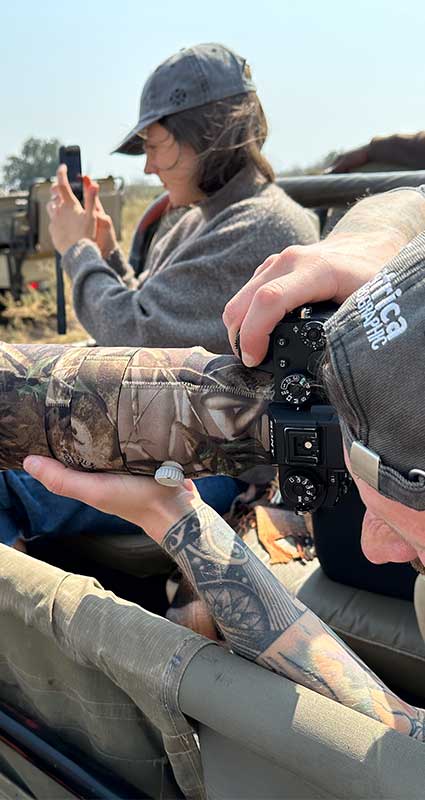
Vehicles designed around the camera. Swivel seats, camera mounts, bean-bag rests, low-angle doors, and pop-up roofs turn a standard game viewer into a working platform for long lenses and low angles.
Guides who read behaviour, not just tracks. The best guides position you ahead of the moment - anticipating a yawn, a stalk or a river crossing rather than reacting once it has already begun.
Eye-level access through sunken hides. Ground-position hides at reserves like Mashatu and Zimanga deliver an intimacy no vehicle roof can match, and do so with far less disturbance to the animals.
Conservation you can see. Lodges such as Oltepesi are co-owned by the community, and a portion of the revenue from every safari we sell goes directly to conservation projects at the ground level.
Where to find the best photographic safaris in Africa
Zambia - the hide capital
South Luangwa and the Lower Zambezi hold the densest concentration of purpose-built photographic infrastructure in Africa. Kaingo Camp maintains specialist hides for carmine bee-eaters, hippos and elephants, with beanbags and dust covers on the vehicles and guides trained specifically in positioning for photographers. Mwamba Bushcamp runs two hides and fits clamp stabilisers to its vehicles. Puku Ridge's Eye-to-Eye hide overlooks a working waterhole. Chiawa Camp combines open-topped 4WDs with boating, canoeing and three hides, and Old Mondoro's night drives offer rare chances at aardvark. Chikunto hosts a photographic week each season and keeps a dedicated editing room.
Botswana - vehicles and filmmaker pedigree
Zarafa and Selinda in the Selinda Reserve are co-owned by wildlife filmmakers Dereck and Beverly Joubert; Zarafa keeps Canon bodies available for guest use. Kwara's vehicles have removable roofs, height-adjustable padded armrests and a central storage console. Shinde runs four guests per vehicle as standard; Shinde Footsteps adds a dedicated photo-editing suite. DumaTau caps vehicles at six so every guest has a window seat. For hides, Savuti has a logpile hide, Meno A Kwena a floating hide on the Boteti River, and Dinaka's Central Kalahari hides deliver eye-level big cats in winter. Private vehicles are inexpensive at Lagoon Camp and available at extra cost at Mombo. And then there are the renowned underground hides at Mashatu, with an overnight option.
Kenya - camps that lend you the camera
The Maasai Mara conservancies are unusually well equipped. Naboisho's photographic vehicle has rotating chairs and drop sides. The Kicheche camps count professional photographer Paul Goldstein as a major shareholder, and his training shapes how the guides position for light. Several camps supply gear outright: Mara Expedition puts a Canon body with wide-angle and 100–400mm lenses in every tent and sends guests home with the SD card; Mara Nyika does likewise with 100–400mm and 24–70mm; Mara Plains lends Canon bodies and a 400mm. Ishara runs its own photography studio with resident photography guides. Further north, Larsens in Samburu has an eye-level waterhole hide with night-photography capability, a studio and an editing room. Shompole Wilderness operates two hides designed by owner Johann du Toit with wildlife photographer Will Burrard-Lucas, with overnight facilities and purpose-built lighting. And Oltepesi is community-owned with specially adapted vehicles and Maasai photographic guides coached by professional photographer Arnfinn Johansen.
Namibia - epic landscapes, and hides at Etosha's edge
Desert Rhino Camp offers black rhino against the ancient Etendeka lava flows. Serra Cafema and Hoanib Skeleton Coast Camp cover the most remote and otherworldly ground in southern Africa, and Hoanib Valley adds a genuine chance at desert-adapted lion. Around Etosha the hide provision is exceptional: Andersson's at Ongava has a sunken hide reached by tunnel; Safarihoek's split-level hide was designed by a Namibian photographer working with the lodge; Onguma's water-level hide is bookable as a standalone activity across its camps. For dunes, Kulala's private entrance to Namib-Naukluft offers first light. Okonjima is Namibia's leopard specialist, with the important caveat that many of the big cats there are radio-collared for research.
Zimbabwe - walking, and hides at eye level
Camp Hwange's guiding team are keen photographers themselves and well versed in light and angle. The Hide runs two photographic hides, one of which is reached through an underground tunnel from camp. Camelthorn has a "look up" hide built for elephant. In Mana Pools, Vundu and Little Vundu, headed by Nick Murray, offer canoeing and approach on foot; Kavinga is the only camp in Mana Pools with an eye-level hide.
South Africa - reliable Big Five photography
Greater Kruger's MalaMala, Sabi Sand and Timbavati are among Africa's most reliable for leopard, with off-road driving and night drives. Zimanga in Zululand offers exceptional up-close photography via their state-of-the-art overnight hides, and many private lodges throughout the bushveld region offer underground hides of some sort.
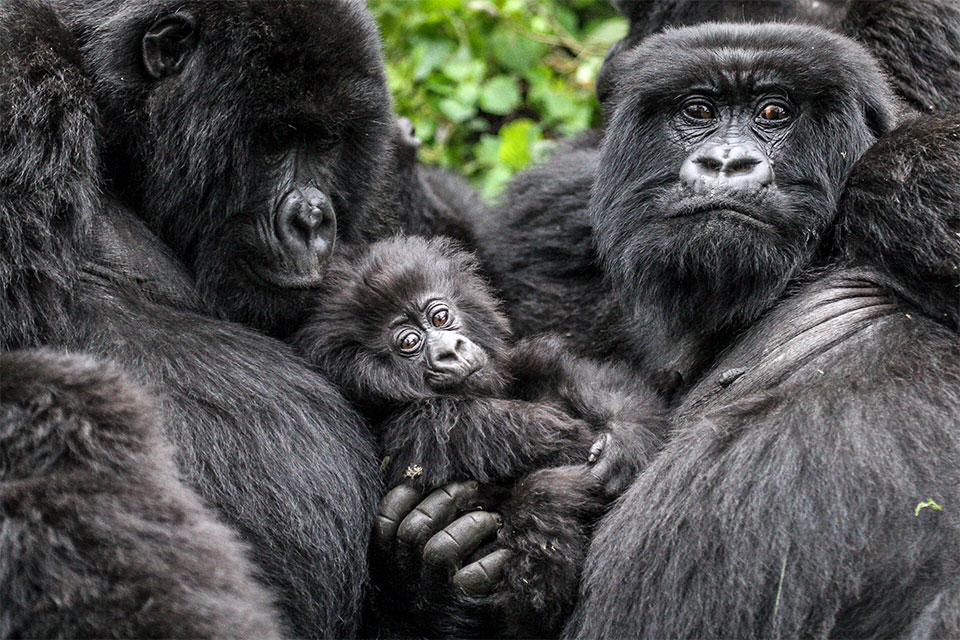
Dunia and Namiri Plains in the Serengeti both have a specialist photographic vehicle with three swivel seats and drop-down sides that let photographers lie flat for low-angle shots. Sand Rivers in Nyerere has a photographic platform over a marsh. Greystoke Mahale is arguably Africa's best location for photographing wild chimpanzees. In Rwanda, Kwitonda maintains a dedicated photography room with computers and editing software for gorilla-trekking guests.
Photographic hides: the shortlist
A hide does two things a vehicle cannot: it lowers the camera to the animal's eye level and removes the noise and movement that make animals wary. The difference between a waterhole shot taken from a vehicle roof and one taken from a sunken hide is categorical rather than incremental.
Sunken and tunnel-access hides
Mashatu, Tuli Block, Botswana: underground, and the best known on the continent
Andersson's at Ongava, Namibia: sunken hide reached by tunnel from the lodge
The Hide, Hwange, Zimbabwe: two hides, one entered through an underground tunnel from the lodge
Zimanga, South Africa: purpose-built for photography, including overnight hides
Water-level and eye-level hides
Onguma, Etosha, Namibia: water-level hide bookable as an activity across several camps
Safarihoek, Namibia: split-level hide designed by a Namibian photographer at the lodge
Kavinga, Mana Pools: the only camp in Mana with an eye-level hide
Larsens, Samburu, Kenya: eye-level waterhole hide with night-photography capability
Puku Ridge, South Luangwa: the eye-to-eye hide
Meno A Kwena, Botswana: a floating hide on the Boteti River
Species-specific hides
Kaingo, South Luangwa: separate hides for carmine bee-eaters, hippos and elephants
Camelthorn, Hwange: a "look up" hide built for elephant
Savuti, Botswana: a logpile hide
Shompole Wilderness, Kenya: two hides designed by owner Johann du Toit with wildlife photographer Will Burrard-Lucas, with overnight facilities and purpose-built lighting
Why book with us?
Tailor-made experiential safaris - with love
"Travel in Africa is about knowing what, when and where to go - a few weeks too early/late or a few kilometres off course, and you could miss the Greatest Show on Earth. And wouldn’t that be a pity?
Our crew of passionate safari experts have lived and worked in Africa for most of their lives. Trust us to find you the rarest animals, the most spectacular wildlife events, the remotest landscapes and deeply meaningful cultural encounters!"
Simon Espley - CEO, Africa Geographic
All you need to know about photographic safaris in Africa
6 essentials to pack for your photographic safari
This list is highly flexible and depends on your level of interest in photography. Our CEO enjoys these guided safaris armed with only his iPhone! You can also rent camera equipment from many reputable outlets.
One camera body, a telephoto zoom lens and a wide/standard lens. Professionals and hardcore amateur photographers suggest 2 camera bodies (one for backup and to have both a telephoto and close-up lens permanently mounted), but one camera body is perfect for most people.
Bring an empty bean bag with a zippered opening to be filled with rice or sand upon arrival. Tri- and monopods are nice to have but are seldom used on safari, although tripods are used for low-light landscape photography.
Pack more batteries and memory cards than you think you need.
Backup is an essential part of your daily routine, so pack a laptop and a few external drives.
African conditions can be harsh, so bring protection against dust and water, as well as a good cleaning kit.
Pack it all in a high-quality soft-sided camera bag. Pelican cases provide excellent protection but are heavy and difficult to pack into the holds of small aeroplanes.
The four ways you actually photograph on safari
From a modified vehicle. The baseline, and where most images are made. Specifications vary widely and are worth checking before booking: drop-down sides that let you lie flat for low angles (Dunia and Namiri Plains in the Serengeti), roofs that come off entirely (Kwara), height-adjustable padded armrests and a central gear console (Kwara again), swivel seats (Naboisho, and Londolozi's electric vehicle, which rotates 180 degrees and moves through the bush silently). Vehicle occupancy matters as much as the fittings; four guests per vehicle as standard at Shinde, six with a guaranteed window seat at DumaTau.
From the water. A mokoro in the Okavango puts the lens close to the waterline and moves without engine noise. On the Chobe, motorised boats work the riverbank where elephant herds come down to drink, and many carry built-in camera arms to take the weight of a long lens. The Lower Zambezi offers the same from a canoe or a boat at Chiawa.
On foot. South Luangwa is the birthplace of the walking safari, and walking changes what you notice; the small subjects a vehicle drives past. In Zimbabwe, Mana Pools and Hwange are built around an on-foot approach, and Hwange Bush Camp makes the point that moving without an engine reveals what a drive misses.
From a hide. The single biggest change in angle available to a safari photographer, and the subject of the extended notes below.
Best trip reports from photographic safaris in Africa
Our CEO Simon Espley travelled to Oltepesi Tented Safari Camp in Kenya's Mara North Conservancy after seeing the images coming out of it, including work by one of our Photographer of the Year winners. He went armed with a mobile phone and joined a group of Africa Geographic clients mid-safari. Guides John Siololo and George Kiriama are singled out not only for finding wildlife but for understanding where to place the vehicle.
Photographic guide Villiers Steyn reports on an epic safari to Mana Pools, Zimbabwe with Africa Geographic guests. The group followed packs of hunting wild dogs, iconic elephants, elusive leopards and golden-lit landscapes through one of Africa's greatest safari destinations.
Our 2025 Photographer of the Year winners enjoyed this spectacular safari to Odzala-Kokoua National Park to see lowland gorillas, forest elephants, bongos and flocks of grey parrots.
An inspirational gallery of photographs from our 2024 Photographer of the Year, Dewald Tromp.
Photographic safaris accommodation types
Where you sleep on a photographic safari is determined by the trip's focus and by your photographer-guide's requirements, rather than by star rating alone. Some camps sit close to a natural event such as the Great Migration; others exist because of a hide.
Purpose-built hide camps: lodges built around underground or above-ground photographic hides, Zimanga and Mashatu among them. The hide, not the suite, is the reason to go.
Luxury safari lodges: canvas pavilions with hardwood floors, en-suite bathrooms and private decks, designed to recede into the landscape.
Seasonal bush camps: mobile or seasonal camps positioned for the Great Migration and other natural events, or in areas where permanent structures are not permitted.
Private safari villas: exclusive-use properties for six to eight guests with private guides, chefs and hosts, offering complete control over timing and routing.
Functional-comfort camps: off-grid camps such as Oltepesi, with 24/7 charging in tents and common areas, wifi, and no expenditure on luxuries you will not use.
Why photograph Africa with a specialist guide
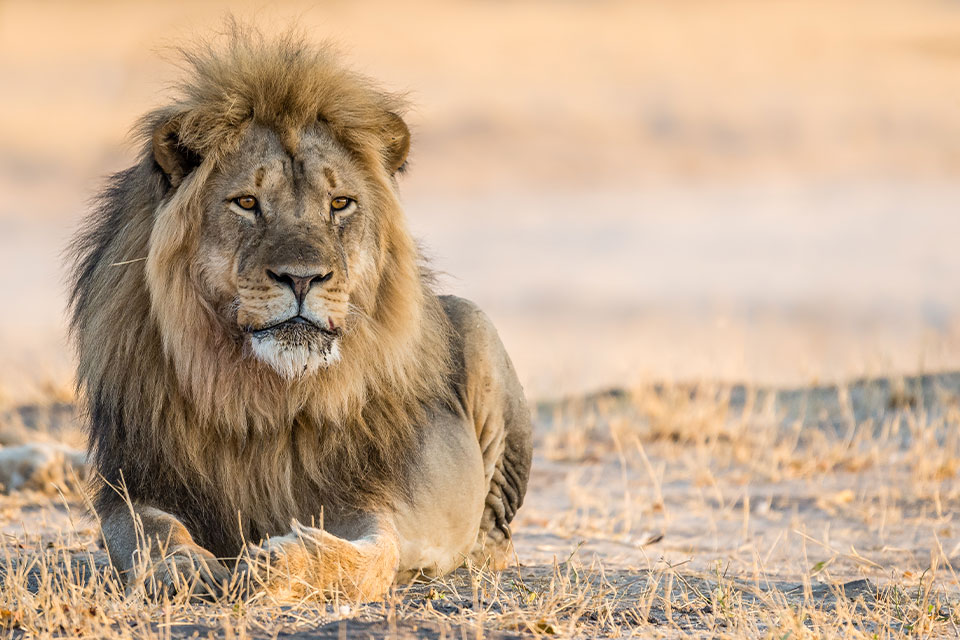
A photographic safari is built around light, patience and position rather than a checklist of species. The difference shows in small decisions: a vehicle that stops on the correct side of a sighting, a guide who recognises that a lion curls its tongue immediately before it yawns, an extra forty minutes with a subject after every other vehicle has moved on.
Africa Geographic has been crafting these journeys since 1991. We work with professional photographer-guides, and we draw on years of entries in our Africa Geographic Photographer of the Year to know which locations genuinely reward a camera and which merely photograph well in a brochure.
You do not need professional equipment to travel this way; our CEO joins these safaris with an iPhone. What you do need is time in the field during the right hours, a guide who understands both animal behaviour and the geometry of a strong frame, and the freedom to wait. Everything else - modified vehicles, sunken hides, charging points, evening editing sessions - exists to serve those three things.
In summary
A photographic safari prioritises light, position and time at sightings over covering ground or completing a species checklist.
Africa Geographic works with professional photographer-guides including Greg du Toit, Chad Cocking and Arnfinn Johansen across the Maasai Mara, Greater Kruger, Timbavati, Kwandwe, Mashatu and Zimanga.
No prior photography experience is required. Participants range from phone photographers to competition-level entrants.
Specialist departures carry four to six guests, with some capped at four. Trips start from around US$700 per person per night.
Modified vehicles, sunken hides, extended sighting times and in-field coaching are the four features that distinguish these safaris from a standard game-drive itinerary.
Sunken hides at Mashatu in Botswana's Tuli Block and Zimanga in South Africa's Zululand place photographers at eye level with wildlife at a waterhole; an angle unavailable from a vehicle.
Dry season (May to mid-November) concentrates wildlife around water; green season (November to April) delivers dramatic skies, newborn animals and peak birdlife.
A portion of the revenue from every safari sold funds conservation projects at ground level.
Go on safari with a professional photographer
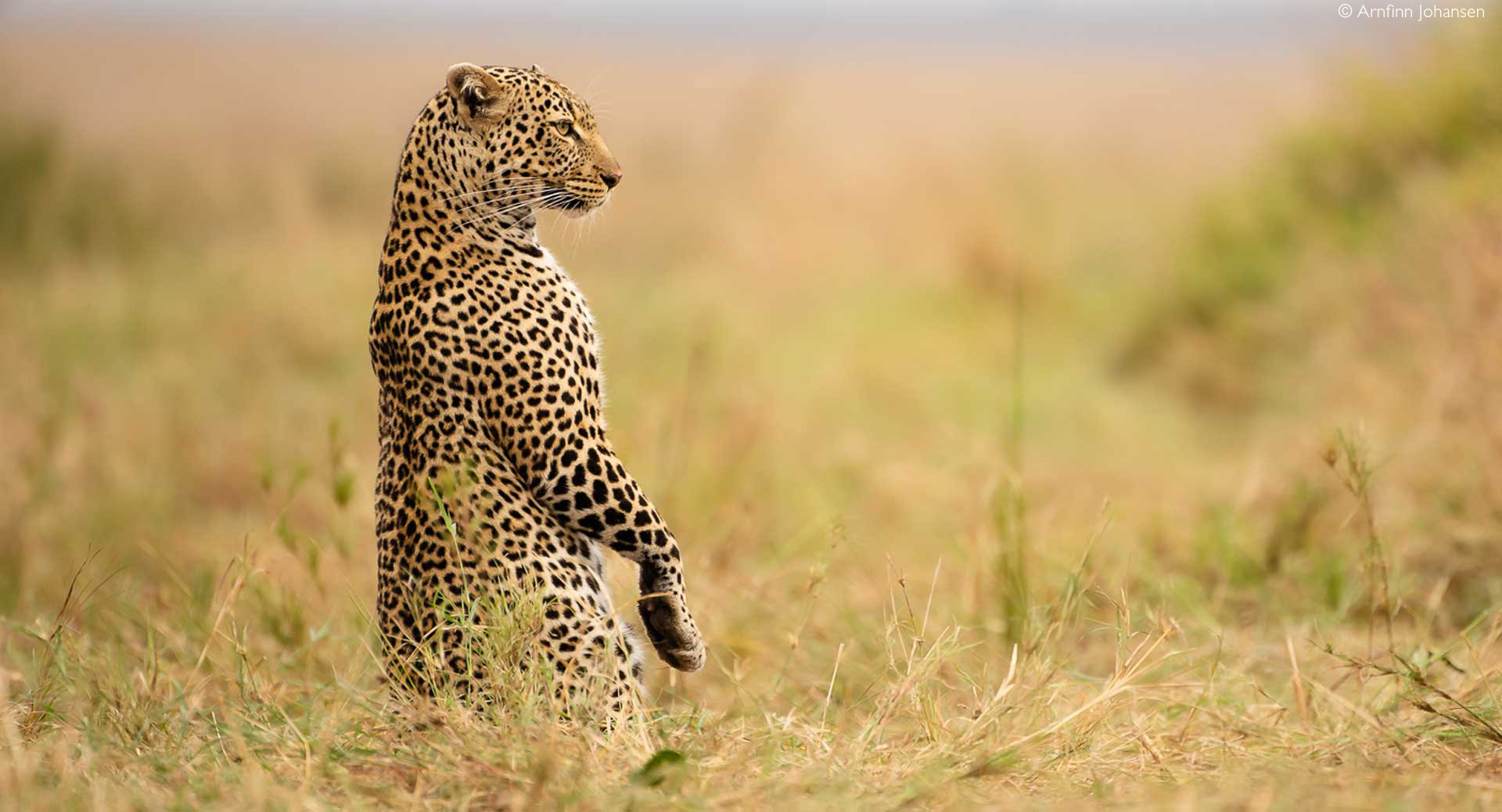
Maasai Mara specialist photographic safari
20-28 November 2026 - from US$ 10,185 per person sharing
Learn from the best to fine-tune your photography in the beauty of Mara - four guests only!
For this Maasai Mara safari, your small team will benefit from a specially modified photographer’s vehicle and enjoy the company of guides who live in and understand the Maasai Mara ecosystem intimately - giving you the best chance to obtain those unique photos that have us all green with envy.
Your basecamp – Oltepesi Tented Safari Camp – is in a Maasai village, offering a unique and authentic insight into the traditional lives of these pastoralists. This unique safari offers genuine empowerment for local people and helps conserve the greater Serengeti/Maasai Mara ecosystem. There are no fences between the park and the community land, and wildlife roams throughout the area.
Trusted by thousands of ecstatic travellers
✔️ 5-Star Trustpilot Rating ✔️ Condé Nast Travel Specialist Award Winner
✔️ Accredited by SATSA ✔️ 5,000+ Exceptional Safaris Since 1991
Why choose Africa Geographic to plan your safari?

As a photographer, I have been interested in wide and hook-lipped (black) rhinos in different conservancies and in meeting some of the last remaining supertuskers in Amboseli, etc. My dreams came true. And at Ol Pejeta Tented Camp, a special camp for photographers, I had amazing adventures.
A stunning week in all respects ... Oltepesi is an understated camp in the Maasai community - accommodation clean, spacious, comfortable ... The guides were amazing, tireless and anticipated all the needs of a photographer. Professional photographer Arnfinn Johansen's knowledge and instruction were most valued. AG managed the trip superbly from beginning to end.
... The final camp was Tanda Tula in the Timbavati. I was guided by Chad Cocking who is great company and an accomplished photographer. He got me into some good positions at numerous sightings for some fantastic shots; leopards, wild dogs on kills, etc. I'm keen to repeat the visits to Zimanga, Tswalu and Tanda Tula.
Frequently asked questions
A photographic safari is an itinerary designed around photographic conditions rather than around covering distance or completing a species list. In practice, this means four things: extended time at sightings, vehicles modified with professional camera mounts, small groups of four to six guests, and daily in-field coaching plus post-processing sessions. Lodges are selected for their photographic assets - proximity to a natural event, a sunken hide, or a guiding team that understands positioning. The pace differs noticeably from a standard lodge routine, where drives are scheduled and sightings are shared with other vehicles.
No. Our photographic safaris are for anyone with an interest in photography, from complete beginners through keen amateurs to photographers who enter competitions seriously. Our CEO joins these safaris with an iPhone. A good deal of the learning happens between guests as they compare approaches, in addition to what the photographer-guide provides. Non-photographing partners tend to enjoy these trips too, because the extended time at sightings gives them space to simply watch, waiting for the leopard to come down from the tree or for the light to improve.
One camera body, a telephoto zoom and a wide or standard lens will cover most situations. Professionals often carry two bodies so that a telephoto and a close-up lens can stay permanently mounted, but one body is right for most travellers. Bring an empty bean bag with a zippered opening, to be filled with rice or sand on arrival - it is far more useful on a vehicle than a tripod, and it lets you lift the camera quickly for birds in flight. A polarising filter is worth carrying for landscape and water work, though it costs you some light. Pack more batteries and memory cards than you expect to need, plus a laptop, external drives for daily backups, and a good cleaning kit for dust. Use a high-quality soft-sided camera bag.
If you are choosing where to spend, spend it on the lens rather than the body. Note that the light aircraft serving remote camps require soft luggage and impose lower weight limits than international carriers, typically around 15kg per person, including hand luggage, so discuss a large camera bag with your safari expert before you travel. Equipment can also be hired: reputable outlets operate in Johannesburg, Nairobi and Cape Town, and specialist rental services cover South Africa, Zambia and Botswana. A number of camps also lend professional bodies and lenses to guests.
Check batteries and card space before every drive. More great frames are lost to this than to technique.
Compose on thirds, and leave space for the animal to look into rather than out of.
Use the bean bag along the vehicle edge, and pan with it rather than lifting off it.
Get low. Eye level or below reduces background clutter and creates the intimacy a roof-height shot never has.
Don't fear space. A wide frame showing habitat often outlasts the tight portrait.
Keep the camera in your hands, not on your lap. Remarkable moments give no warning.
Watch for behaviour, not just presence. Two species interacting beats one species posing.
Don't clip feet, ear tips or horn tips - easily done when panning with a moving animal.
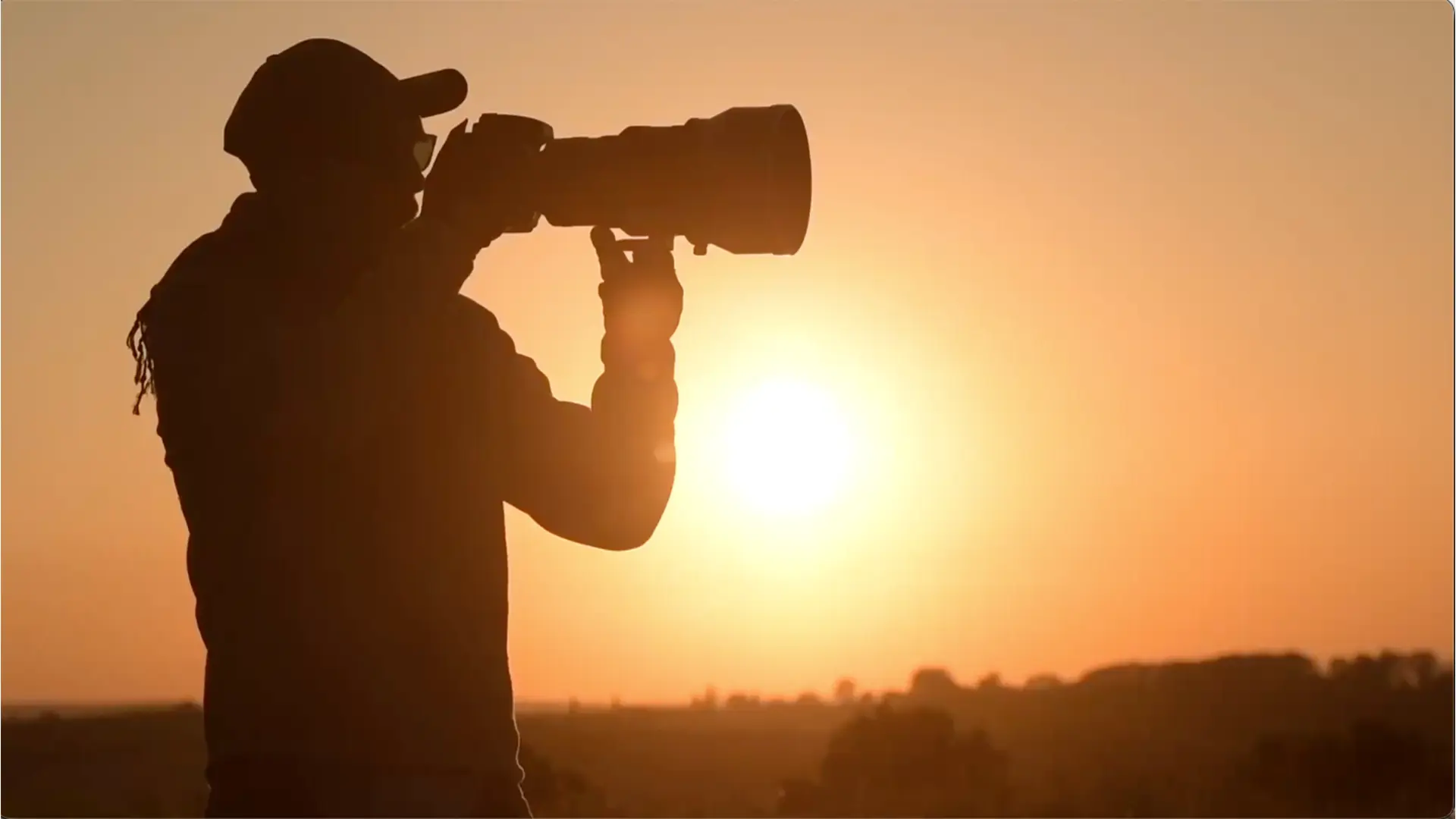
For silhouettes, drop the exposure compensation to −1 or −2 to darken the subject while preserving colour in the sky.
Learn your buttons by feel, so you can change settings without leaving the viewfinder.
A 300mm lens is the practical minimum for safari. A 400–500mm lens provides greater reach for shy or distant subjects, particularly black rhinos and leopards in dense vegetation. If weight and budget allow, a 500–600mm prime produces the sharpest results at distance. Many experienced safari photographers travel with a single 100–400mm or 200–600mm zoom, which covers most scenarios without the need to carry multiple lenses.
Shoot in RAW - it gives maximum flexibility for recovering detail in high-contrast African light. Use shutter priority or manual exposure. Set shutter speed to at least 1/1000s for animals in motion, and 1/2000s or faster for running, flight or close-range action. Keep ISO as low as the light allows without sacrificing shutter speed; on a modern sensor, ISO 800–3200 gives usable results in golden-hour light. Use continuous autofocus tracking for moving subjects, and check your histogram regularly, because African light shifts quickly.
Your need for good light coincides with the hours when wildlife is most active. A soft wake-up call arrives around 05:30 with coffee and biscuits. The morning drive runs from roughly 06:00 to 10:00, through the prime hours for both light and predator activity. From mid-morning until late afternoon, the light is generally harsh or flat, so this is time for breakfast, rest, image review, editing tuition, backing up files and charging batteries. Tea is served around 16:00, and the evening drive runs until about 19:30, often continuing after dark under a spotlight in private reserves. Dinner follows, frequently outdoors.
Each season offers something different. The dry season, roughly May to mid-November, concentrates wildlife around permanent water and thins the vegetation, with the later months producing the strongest encounters, though October and November can be very hot. Great Migration timing varies by region and requires advance booking for prime locations. The green season, November to April, is often overlooked: it brings dramatic skies, newborn animals, resident predators and spectacular birdlife, at lower rates and with fewer visitors.
The golden hours, roughly 45 to 90 minutes after sunrise and before sunset, produce the most photogenic light and coincide with peak animal activity. Midday sun creates high-contrast, unflattering shadows, though it can work for silhouettes and for backlighting through dust or mist. Plan to be in the field for both golden hours. Most private lodges in Greater Kruger and Botswana offer pre-dawn departures for precisely this reason.
Yes, particularly for elephants, leopards, plains species and birds. Sunken hides position you at eye level with animals at a waterhole, and eye-level images are categorically different in impact from those taken from a vehicle roof. Hides also remove the vehicle noise and movement that can disturb animals at the decisive moment. The underground hide at Mashatu, in Botswana's Tuli Block, is among Africa's best known. If photography is a priority, building a hide visit into the itinerary is worth the planning effort.
Greater Kruger's private reserves - MalaMala, Sabi Sand and Timbavati - are consistently strong across all the major species, with off-road access and animals habituated to vehicles over generations. Mashatu adds the underground hide. The Maasai Mara offers exceptional open-plain photography, with good leopard sightings in the private conservancies. Amboseli delivers elephants against Kilimanjaro. Namibia's Damaraland and Skeleton Coast suit landscape and desert-adapted wildlife. Madikwe is a strong malaria-free option for photographers travelling with family or with health considerations.
If you are carrying a large camera bag, it's best to chat with your safari expert about arranging for overweight carry-on luggage, especially on the small aeroplanes used to get you to remote lodges. When it comes to checked-in luggage, although international flights may permit hard suitcases and higher luggage weight allowances, the small planes that fly into remote bushveld locations don’t. The luggage holds require soft luggage and cannot carry as much weight. It’s essential to plan your luggage and wardrobe and pack wisely.
Yes to both. We plan photographic safaris for solo travellers, couples and small groups. Some departures are fixed small-group trips with a maximum of four guests; others are fully tailor-made around your destinations, dates and photographic interests. Solo travellers often benefit from a private vehicle, which gives complete control over timing and positioning at sightings. Partners who do not photograph generally find the pace suits them, since the unhurried time at sightings is exactly what makes for good watching.
Our safaris typically start at around US$700 per person per night, depending on the level of accommodation comfort and the activities included. This generally covers accommodation, all meals, game drives, experienced guides, airport transfers and 24/7 support, but excludes a private vehicle and other exclusive services. Peak-season bookings need 12 to 18 months of advance planning; trips outside peak season can be arranged six to nine months ahead, usually at better rates and with wider availability.
Click here to schedule a no-obligation call with one of our Safari Experts or fill in our 2-minute form with your questions. Our team of experts are here to help! Whether you’re curious about the best time to travel, want to hear first-hand about an experience or need help planning your safari.
Explore more African safari experiences
Start planning your dream safari
Our travel experts will craft a no-obligation itinerary just for you. We have crafted over 5,000 safaris since 1991. Your personal details are protected; we only use this information to contact you.
Why book your safari with us?

Deep Experience & Knowledge
Handcrafted experiential safaris since 1991.
Travel in Africa is about knowing when and where to go, and with whom. A few weeks too early/late or a few kilometres off course, and you could miss the greatest show on Earth. And wouldn’t that be a pity?

Trust & Safety

Make A Difference
We donate a portion of the revenue from every safari sold to carefully selected conservation projects that make a significant difference at ground level.
YOUR safari choice does make a difference - thank you!