

Tailor-made safaris. Since 1991



Big 5 safaris at a glance:
Planning question | What to expect |
Best time to travel | Dry season: June to mid-November (Southern Africa); June–October and January–March (East Africa) |
Ideal length | 4–5 days or more in a strong Big 5 area; add 2–3 days during the green season |
Most reliable single-stop destination | South Africa's Greater Kruger private reserves and select fenced reserves |
Typical cost | From around US$700 per person per night, inclusive of meals, game drives and guiding |
The Big Five - Africa's movers and shakers
Africa is home to the legendary Big 5: lion, leopard, elephant, rhino and buffalo, the iconic symbols of the continent's wild places. The name has nothing to do with size. It was coined by trophy hunters to describe the five animals considered most formidable and dangerous to pursue on foot, and has since been adopted by the safari tourism industry.
What makes them matter goes far beyond a checklist. Each is either an apex predator or a landscape engineer, and their presence is what keeps Africa's wild spaces genuinely wild. Lions shape the behaviour of everything around them, elephants open up woodland and help balance wooded and grassland ecosystems, and rhinos graze grasslands into the mosaics that other species depend on. Remove them, and the ecosystem changes fundamentally.
In some reserves, you can see all five in a single destination, occasionally on one game drive. Elsewhere, the surest route is to combine two or more areas into a carefully planned itinerary, where expert guidance turns a hopeful trip into a remarkable one.
Four Reasons We Love a Big 5 Safari
The Greater Kruger's private reserves, Sabi Sand, MalaMala, Timbavati and Thornybush, offer arguably the best odds of seeing all five in one place, meaning you can spend the rest of your safari enjoying other exciting experiences
Rare colour variants reward the patient: the leucistic white lions of the Timbavati and the melanistic black leopards of Kenya's Laikipia are genetic anomalies found in barely a handful of places on Earth.
Private reserves allow off-road and night driving, so secretive, largely nocturnal species such as the leopard become far more readily found here than in the national parks.
A Big 5 safari is a gateway, not a finish line; the very same reserves shelter cheetah, wild dog, pangolin and a share of Africa's 2,350-plus bird species for those who look beyond the five.
Big 5 Species
Lion: Few sounds are as evocative and exhilarating as a lion roaring his challenge into the African night, triggering in us all a primordial reaction of fear and awe. Lions are a key species in Africa's wild spaces, playing a crucial role as apex predators and helping maintain biodiversity and ecosystems, which change fundamentally when lions are removed.
Leopard: Breathtakingly beautiful, charismatic, powerful, and mysterious, leopards are the picture of perfection. Their self-contained grace and nimble frames belie an extraordinary, explosive strength and speed when needed. Those who have spent time with leopards will tell you that every leopard sighting is unique, defined by the personality of the leopard itself. The only truly predictable aspect of leopard behaviour is its unpredictability.
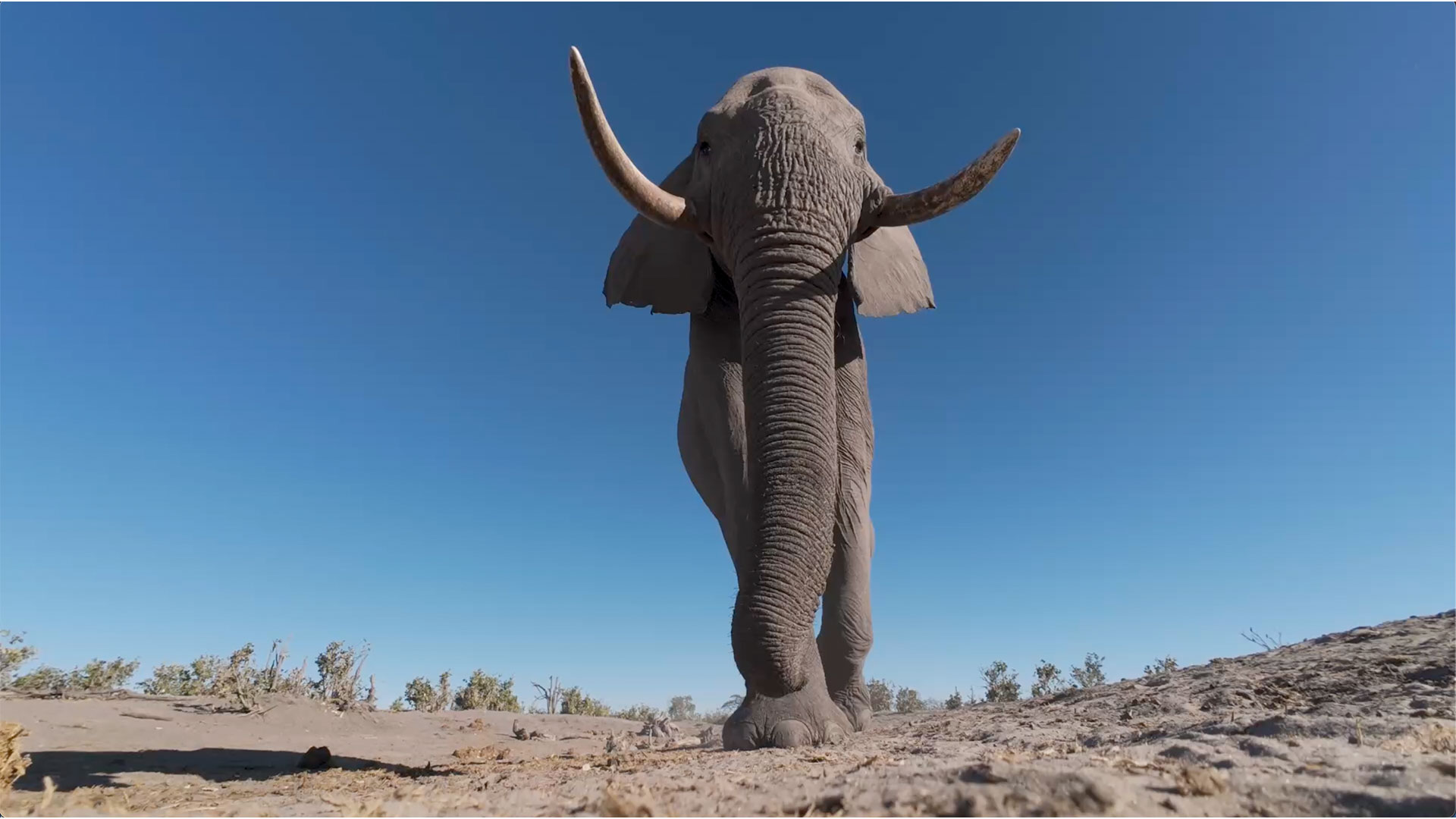
Elephant: The African elephant is the largest land mammal in the world and one of nature’s great ecosystem engineers, helping maintain the balance between wooded and grassy ecosystems. Their beneficial impact on biodiversity is significant, and many other species depend on elephants for their survival, making them a key species in Africa. Elephants are fascinating and endearing; time spent with them nurtures your spiritual health and well-being.
Buffalo: The African (Cape) buffalo has earned itself a reputation, particularly for the cantankerous old bulls, otherwise known as dagga boys or kakuli, that spend their time wallowing in pans or hanging around in dense reedbeds along Africa’s rivers. Immense and powerful, the buffalo should not be underestimated, as many lions have discovered. Don’t be fooled if your only experience of them is from the safety of a game drive vehicle, where perspective makes them look like wild cows.
Rhino: These magnificent creatures are as crucial for African biodiversity as elephants and lions, and each encounter with them is special and to be cherished. White and black rhinos have very distinct behavioural reputations. The larger white rhinos are more placid, while black rhinos are often described as solitary, unpredictable, and even cantankerous.
Check out our additional resources on the Big 5:
Want better Big 5 photos? Discover our expert wildlife photography tips.
Where are you most likely to see all the Big 5? Compare Africa's best destinations.
Planning your first Big 5 safari? Read our five expert tips before you book.
A safari is about more than the Big 5. Discover what makes the experience truly unforgettable.
Our favourite Big 5 safari ideas
Why book with us?
Tailor-made experiential safaris - with love
"Travel in Africa is about knowing what, when and where to go - a few weeks too early/late or a few kilometres off course, and you could miss the Greatest Show on Earth. And wouldn’t that be a pity?
Our crew of passionate safari experts have lived and worked in Africa for most of their lives. Trust us to find you the rarest animals, the most spectacular wildlife events, the remotest landscapes and deeply meaningful cultural encounters!"
Simon Espley - CEO, Africa Geographic
All you need to know about Africa's Big Five
Where to find the best Big 5 safaris
The Big 5 occur across many parks and reserves, but not all are equal. Your best chance of seeing all five in one destination is in South Africa, while combining destinations raises your odds elsewhere. Ranked broadly by success rate:
Excellent: South Africa's Greater Kruger private reserves (Sabi Sand, MalaMala, Timbavati, Thornybush).
Good: Tanzania's Ngorongoro Crater (easier for rhino) and Serengeti, Kenya's Laikipia (including black rhino) and Maasai Mara. South Africa's Eastern Cape private reserves and KwaZulu-Natal's Phinda region.
Moderate: Rwanda's Akagera, Malawi's Majete and South Africa's malaria-free Madikwe
The hardest Big 5 species to find
Depending on the place and time of year, each of the five species can be elusive. That said, here is a guideline (ranked hardest to easiest):
Black rhinos are usually the most difficult to find – they are very rare and often found in dense vegetation.
Leopards are next in line for being elusive; they are usually secretive and nocturnal.
Buffaloes are highly dependent on water and grass and will often be absent from certain areas if neither resource is available.
Lions are usually easy to find, but can be absent when they are following wandering buffalo herds or when there has been fighting between dominant pride males, which has scattered the pride.
White rhinos are usually easy to find if they occur in the area, as they are fairly sedentary
Elephants are usually the easiest of the Big 5 to find.
White lions & black leopards
Now and then nature throws a party trick into the evolutionary process, with spectacular results. Two fine examples are the famous white lions of the Timbavati (Greater Kruger) in South Africa and black leopards of the Laikipia region in Kenya.
Neither are separate species or even sub-species; rather, they are colour mutations of the same species, a genetic anomaly that pops up sporadically. The black leopard is a melanistic form of the spotted leopard and the white lion is a leucistic form of the tawny lion.
Neither are easy to locate, but for determined nature lovers, we craft safaris with the best chance of seeing these gorgeous cats during your Big Five safari.
About the Big 5 Safari Experience
A Big 5 safari is built around encounters with the five species, but the best ones reach beyond a tick list. The aim is an immersive, educational experience that focuses on understanding each species' behaviour, habitat and conservation challenges, rather than a hurried dash between sightings.
Most of your time is spent on game drives in open vehicles, the classic way to meet the Big 5 and other large species at close, respectful range. In private reserves, this extends to off-road driving, night drives, and guided walks, each offering a different vantage point on the same wilderness. Skilled guides read tracks, alarm calls and the rhythms of the bush to find animals that would otherwise stay hidden.
Because Africa's wild areas are unpredictable, no ethical operator guarantees all five. What expert planning does guarantee is the best possible chance, and a richer sense of why these animals command such respect.
Big 5 Safari Accommodation Types
Where you stay shapes the entire experience, from traditional thatched lodges to intimate tented bush camps deep in the wilderness. Broadly, comfort levels range from mid-range, authentic lodges to high-end lodges with fine food, wine and polished service to top-end retreats where nothing is spared.
Every property we select for your handcrafted journey meets our exacting standards for comfort, character, and service. Just as importantly, each lodge is deeply committed to protecting wildlife, supporting local communities, and preserving the extraordinary ecosystems that make your safari possible.
Check out our Big Five ideas above to see some of the lodges and bush camps with proven track records that we regularly send our guests to.
Trusted by thousands of ecstatic travellers
✔️ 5-Star Trustpilot Rating ✔️ Condé Nast Travel Specialist Award Winner
✔️ Accredited by SATSA ✔️ 5,000+ Exceptional Safaris Since 1991
Why choose Africa Geographic to plan your safari?

Yet another incredible experience organised by Christian from Africa Geographic ... great sightings of lions bringing down a buffalo, rhino and calf, leopards... two white lions... a black rhino with two equally long horns, caracal, aardvark, and brown hyena ...
Africa Geographic booked us a terrific Botswana safari ... great camps in top wildlife areas away from crowds ... organised the logistics of charter flights around the Okavango Delta. They were responsive during the trip whenever we had a question. We will use them again!
Another thoughtfully curated trip by Africa Geographic ... exciting activities, a great mix of accommodation, expert guiding, and such animals! ... someone is always available to sort any requests while out there ... we recommend them unreservedly.
Frequently asked questions
The Big 5 are the lion, leopard, elephant, buffalo and rhino (black or white). The name dates from Africa's hunting era and refers to how formidable and dangerous these animals were to hunt on foot, not to their physical size. The term has now been adopted by the safari tourism industry.
No ethical tour operator can guarantee you will see the Big Five because Africa's wild areas are unpredictable. You can greatly improve your chances by combining two or more Big 5 destinations, spending at least three to four days in each, and going on two game drives a day.
South Africa's Greater Kruger private reserves, Sabi Sand, MalaMala, Timbavati and Thornybush, offer the best chance of seeing all five in one destination, along with malaria-free Madikwe. In East Africa, the Maasai Mara, Laikipia, Serengeti and Ngorongoro Crater are excellent, with rhino the hardest to find. Akagera in Rwanda and Majete in Malawi also offer a good chance of seeing the Big Five.
The black rhino is usually the most difficult; it is rare and favours dense vegetation. The leopard is next, being secretive and largely nocturnal. Buffalo, lion, white rhino and elephant are generally easier, with the elephant typically the easiest of all.
Private reserves limit visitor numbers and allow off-road driving and night drives, giving more intimate sightings than National Parks, and better access to elusive species such as leopard.
Yes. Madikwe Game Reserve and several private reserves in South Africa's Eastern Cape are malaria-free Big 5 areas, making them a popular choice for families and travellers who prefer to avoid antimalarials.
No. The Big 5 are iconic, but Africa has over 1,100 mammal species and more than 2,350 bird species. Treat the five as a framework while staying open to cheetah, wild dog, pangolin, remarkable birdlife and the wider ecosystem around them.
Plan for four to five days or longer in a strong Big 5 area. This applies to the dry season; if you travel in the green (rainy) season, allow an extra two to three days, as thicker vegetation and more available water make animals harder to find.
The best time of year to see the Big 5 is the dry seasons, when the lack of vegetation cover makes animals easier to see, and limited groundwater makes their movements more predictable. In Southern Africa, the dry season is from June to mid-November, and in East Africa, the dry seasons are from June to October and from January to March. You can still see the Big Five outside these months, but you will need more time due to the thick vegetation and the greater amount of groundwater.
Yes, we only use lodges and guides that enforce the necessary safeguards while you are on safari. Most of the time, your encounters with the Big Five and other dangerous species, such as hippos and crocodiles, will be while on a game drive. Wild animals tend to ignore game-drive vehicles when guides drive responsibly. Even if you get close to large animals, our responsible guides will ensure that their driving does not provoke an aggressive reaction from wild animals. While on a walking safari, your guides will be highly vigilant about established safety procedures. The chance of encountering dangerous animals (which will be given a wide berth) is far less than during a game drive. While walking around the immediate vicinity of your lodge (which may be unfenced), it is very important to obey the safety instructions explained to you by the lodge manager. These include not walking far from the lodge during the day and not walking around at night without an escort.
Big Five safaris typically cost from US$700 per person, per night, depending on the accommodation comfort level and activities. This price usually includes accommodation, all meals, game drives, experienced guides, airport transfers, and 24/7 support from our team.
You only make your first payment when you book your holiday. Your second (last) payment is about 105 days before you travel.
Peak season bookings require 12–18 months of advance planning. Trips outside of peak season can be arranged 6–9 months ahead, with better rates and availability.
Click here to schedule a no-obligation call with one of our Safari Experts or fill in our 2-minute form with your questions. Our team of experts are here to help! Whether you’re curious about the best time to travel, want to hear first-hand about an experience or need help planning your safari.
Explore more African safari experiences
Start planning your dream safari
Our travel experts will craft a no-obligation itinerary just for you. We have crafted over 5,000 safaris since 1991. Your personal details are protected; we only use this information to contact you.
Why book your safari with us?

Deep Experience & Knowledge
Handcrafted experiential safaris since 1991.
Travel in Africa is about knowing when and where to go, and with whom. A few weeks too early/late or a few kilometres off course, and you could miss the greatest show on Earth. And wouldn’t that be a pity?

Trust & Safety

Make A Difference
We donate a portion of the revenue from every safari sold to carefully selected conservation projects that make a significant difference at ground level.
YOUR safari choice does make a difference - thank you!