

Tailor-made safaris. Since 1991



Trust us to find you the rarest animals, the most spectacular wildlife events, the remotest landscapes and deeply meaningful cultural encounters!
Is it safe for a woman to travel alone on safari in Africa?
A well-chosen African safari is one of the safer ways for a woman to travel alone. Botswana, Namibia, Kenya, Tanzania, South Africa, Rwanda and Zambia are among the strongest established safari choices for solo women when travelling on a well-planned guided itinerary. Solo female travellers want one answer before any other: whether Africa is safe to explore alone. After three decades of planning safaris, and working with thousands of women who have travelled solo, our answer is straightforward: a well-chosen safari is one of the safer ways to travel independently, provided the destination and the trip type are right. The risk sits less in Africa itself and more in the choices made along the way.
This article sets out safety by destination and by trip type, drawn from three decades of planning solo safaris for women.
Solo female safari safety at a glance
Before the destination-by-destination detail, here’s the essential picture for women planning to travel alone on safari, drawn from decades of on-the-ground experience.
Safest regions: Botswana, Namibia, South Africa, Kenya, Rwanda, Zambia
Best trip type for solo women: small-group or private guided safaris
Self-drive routes carry meaningfully more risk than guided trips
Single supplements are often reduced or waived on group departures
Safety comparison by destination
Destination | Safety profile | Best suited to |
Botswana | Among the safest and most stable in Africa | Quiet, high-end wilderness, low-impact lodges |
Namibia | One of the world's most peaceful nations | Guided self-drive routes with a private guide |
Kenya & Tanzania | Mature tourism infrastructure, trained guides | Migration, Big Five, first safaris |
South Africa | Malaria-free reserves, strong healthcare | First-timers, easy bush-and-city trips |
Rwanda | Stable, tightly managed permit system | Gorilla trekking, shorter trips |
Zambia | Long safety record with walking safaris | Immersive, guide-led wilderness time |
For tips on where to travel solo, check out our resource on solo safari spots.
For tips on the best time to travel solo, read this article.
3 things we love about safety-first safaris
Beyond the standard safety checklist, here’s what genuinely makes safaris built with women in mind feel different once you’re actually on the ground.
Escorted from arrival: airport pickups, private transfers and briefed guides mean you are looked after from the moment you land, not only once you reach the lodge.
Small groups by design: shared game drives and communal dinners are kept small enough that solo women are noticed, included and never left to fend for themselves.
Female guides on request: a growing number of lodges can arrange women trackers and guides, adding a layer of comfort many solo travellers specifically ask for.
Our favourite women on safari ideas
Where women travel safely across Africa
East Africa: Kenya and Tanzania
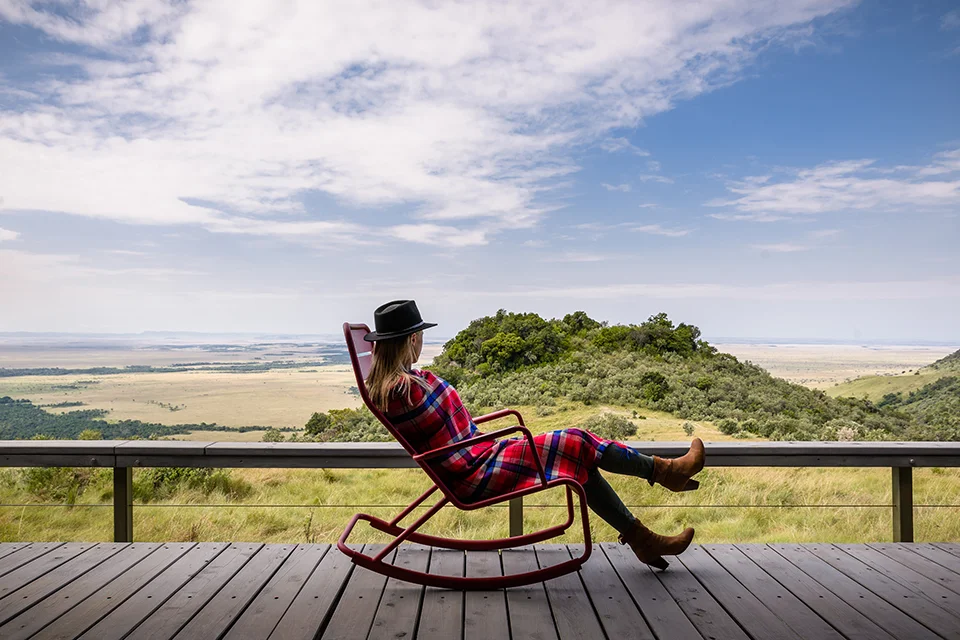
Well-developed tourism infrastructure, trained guides and private conservancies make Kenya and Tanzania consistently safe choices, with the Great Migration and Big Five wildlife drawing solo women in strong numbers each year.
Southern Africa: Botswana and South Africa
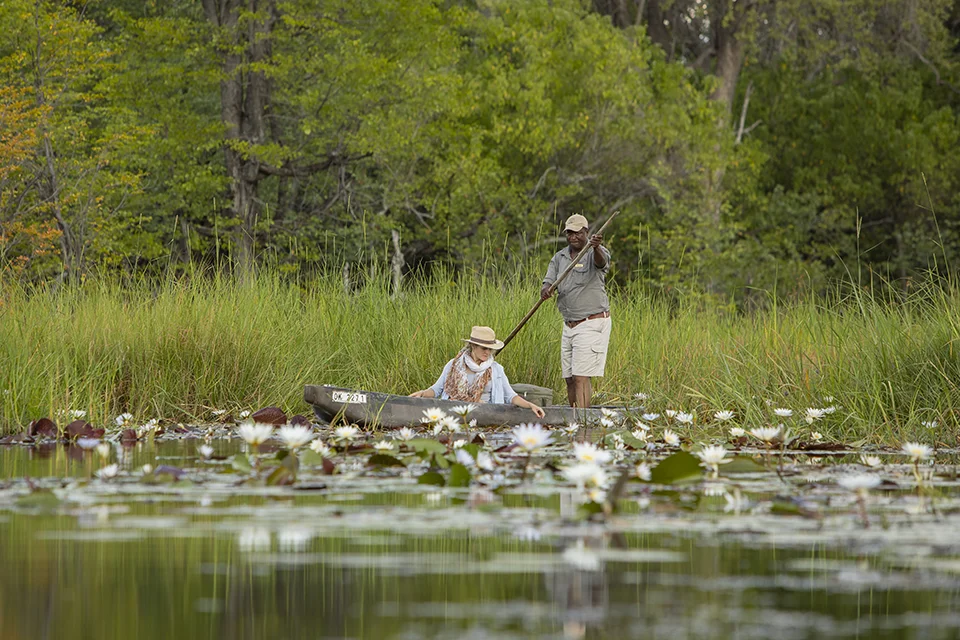
Botswana is widely regarded as the safest safari country on the continent, with low-impact, high-end lodges in the Okavango Delta. South Africa pairs malaria-free reserves with excellent healthcare and easy logistics for first-timers.
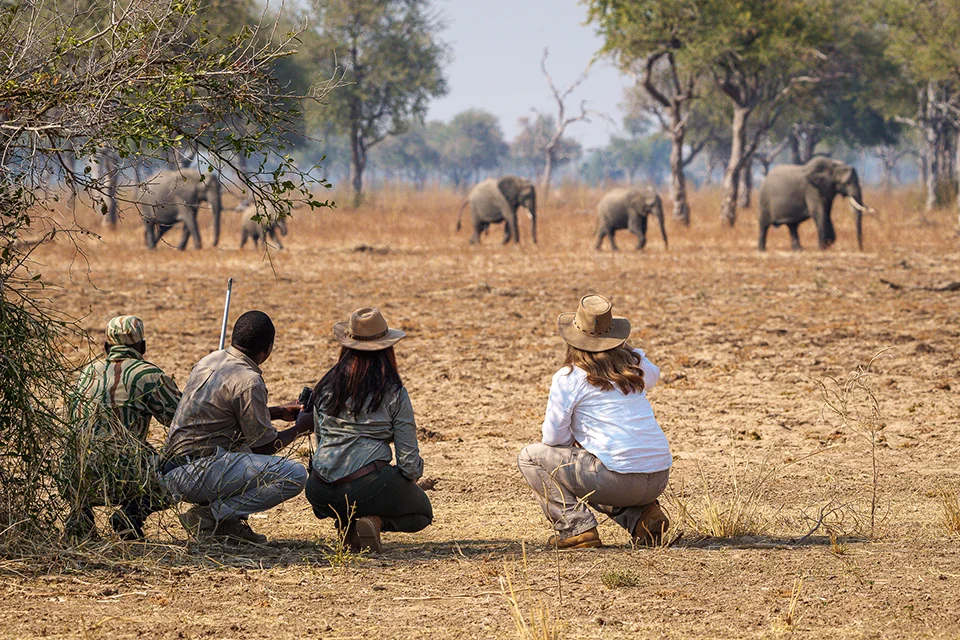
Rwanda and Zambia for closer encounters
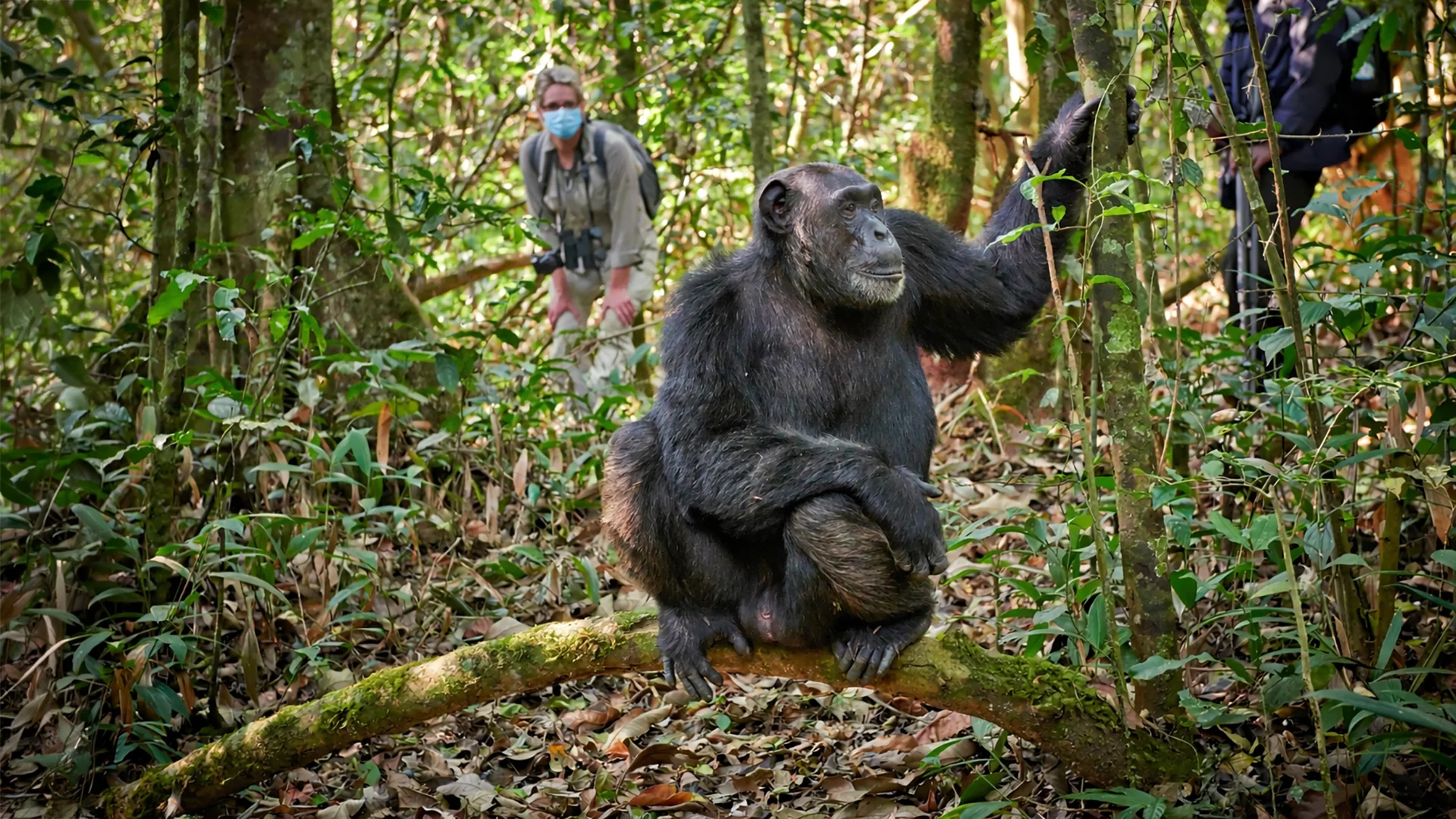
Rwanda combines gorilla trekking with celebrated female-led conservation work, while Zambia's walking safari tradition is increasingly led by pioneering female guides, both well suited to smaller, safety-conscious groups.
Wish you were here?
Guided safaris versus travelling alone
Small-group and private guided safaris
Small-group departures and private, tailor-made solo safaris remain the safest way for a woman to safari alone. Every transfer, activity and mealtime is planned and escorted, so you are rarely without a guide, host or fellow traveller nearby. Group sizes are capped deliberately, which makes it easy to opt into company at dinner or keep to yourself, and lodge managers are used to looking after solo guests without singling them out.
Why self-drive raises the risk profile
Self-driving through unfamiliar reserves removes the built-in safety net that guided travel provides: no briefed driver, no pre-arranged transfers, and far greater exposure to breakdowns, wrong turns or wildlife encounters without trained support nearby. Africa Geographic generally advises solo women against self-drive routes, particularly on a first visit, and instead pairs independent-minded travellers with a private guide who offers similar freedom with far less risk.
Safety measures built into every itinerary
Before you travel
Planning starts weeks before departure. Africa Geographic shares your full itinerary and lodge contact details with a trusted contact at home, confirms which transfers are private versus shared, and checks that travel insurance covers emergency evacuation. Where relevant, we flag vaccination and malaria-prevention requirements early, so there is time to visit a travel clinic and arrange any medication well ahead of your departure date.
On the ground, day to day
Once you land, escorted transfers replace public taxis, and lodge staff are briefed on your arrival time and any preferences you have shared in advance. Luggage stays with you or a trusted transfer driver at all times, rooms lock securely, and guides are trained in wilderness first aid and evacuation procedures. Communal dinners and shared drives are available whenever you want company, and staff arrange quiet, private time without comment when you do not.
Safety essentials checklist
Share your complete itinerary and lodge contact details with someone at home beforehand
Confirm your travel insurance covers emergency medical care and full evacuation costs
Keep your luggage locked and within sight during every transfer between the lodges
Request a female guide or tracker well in advance if this genuinely matters to you
Ask about single-supplement waivers before confirming any group departure booking
Check malaria-prevention and vaccination requirements carefully for your exact route
Save your safari expert's direct contact number for any question that arises en route
How Africa Geographic keeps women safe
Vetted lodges and escorted transfers
We work only with lodges that meet strict safety and hospitality standards, many exceeding those set in Europe. Every transfer between airport and lodge is arranged in advance, whether private or shared, and guides carry wilderness first aid training and evacuation protocols as standard. As CEO Simon Espley puts it, “Our crew of passionate safari experts have lived and worked in Africa for most of their lives. Trust us to find you the rarest animals, the most spectacular wildlife events, the remotest landscapes and deeply meaningful cultural encounters.”
Female guides and considerate small groups
A growing number of lodges employ women as guides, trackers and lodge managers, and we will request one on your behalf wherever this is available at your chosen properties. Group sizes are kept deliberately small, so solo women are noticed and included rather than lost in a crowd, and staff are trained to read the room, offering company at dinner or quiet space, without you ever needing to ask twice or explain yourself.
24/7 support and emergency protocols
Every Africa Geographic safari includes round-the-clock access to our team throughout your trip, alongside each partner lodge's own emergency protocols, which typically include access to helicopter or fixed-wing evacuation for serious medical incidents. Comprehensive travel insurance covering emergency treatment and evacuation is essential, and we check this is in place before you travel, so support is only ever a phone call away, day or night.
As one of our solo travellers, Wendy from Canada, put it after her trip: “Throughout my trip, I always felt safe, and I could reach out to any team member if I needed assistance. Pick-ups were always punctual, and I was greeted with smiles at every turn.”
Frequently asked questions
Yes. Millions of tourists, including many solo women, safari safely across Africa each year. You spend most of your trip in remote wilderness areas where crime is extremely rare, supported by trained guides, lodge staff and, on group departures, fellow travellers close by. Choosing a reputable, vetted operator like Africa Geographic and a small-group or private guided itinerary, rather than a self-drive route, removes most of the risk solo women researching Africa tend to worry about.
Botswana, Namibia, South Africa, Kenya, Tanzania, Rwanda and Zambia are established, well-guided choices with strong safety records. Botswana and Namibia rank among the continent's most politically stable nations, South Africa combines malaria-free reserves with excellent healthcare, and Kenya and Tanzania offer mature tourism infrastructure. Rwanda and Zambia suit travellers drawn to gorilla trekking or walking safaris, both typically run in small, closely guided groups.
Yes, generally. A guided safari, whether small-group or privately tailor-made, keeps a trained driver-guide, pre-arranged transfers and lodge staff around you throughout the trip. Self-driving removes that safety net entirely: no briefed guide, no confirmed transfers and greater exposure if something goes wrong, from breakdowns to wildlife encounters without trained support nearby. Africa Geographic recommends solo women avoid self-drive routes, particularly on a first visit to Africa.
Often, yes. The same goes for men travelling alone. Most lodge rates are based on two guests sharing a room, so solo travellers typically pay a single supplement of around 10-30%, depending on destination and season. Travelling in the green season, booking well ahead, or choosing a group departure with a waived supplement can reduce or remove this cost. Pricing isn't affected by requesting a women-friendly itinerary; the premium applies only to occupying a room alone.
Yes, and their numbers are growing steadily. Women increasingly work as guides, trackers and lodge managers across Kenya, Tanzania, Botswana, South Africa, Rwanda and Zambia. If travelling with a female guide matters to you, request this when booking so your safari expert can confirm availability at your chosen lodges well in advance of departure, since not every property can guarantee this on every date.
Respond with a firm, clear no thank you and remove yourself from the situation without feeling obliged to stay polite. If it persists, tell your guide or lodge manager immediately; staff are trained to act on this and will not question your judgement. Presenting as a confident, assured traveller helps, since unwanted attention is more often directed at those who appear lost or uncertain. Support from Africa Geographic's team is also available around the clock.
Broadly, yes. However, safety varies considerably by city and neighbourhood. We recommend pre-arranged transfers, local advice from your hotel and Africa Geographic, and standard precautions with valuables and when moving around after dark. Take the same precautions you would take in any major city worldwide. Use hotel safes for valuables, dress to blend in with locals, ask your hotel about safe areas to explore, and use discretion with visible mobile phones. Physical attacks on tourists are rare; petty theft is the more realistic risk, exactly as it would be in Paris, London or New York. In any case, you'll spend most of your safari time well away from urban areas.
Escorted transfers, vetted lodges with strong safety records, guides trained in wilderness first aid and evacuation, and 24/7 support from our team throughout your trip. We share your itinerary and lodge contacts with a trusted person at home on request, confirm insurance covers emergency evacuation, and can arrange a female guide, small-group departure or fully private itinerary depending on what makes you most comfortable.
Yes, comprehensive cover including emergency medical treatment and evacuation is essential, since many lodges are genuinely remote. Confirm your policy covers your specific destinations, activities such as walking safaris or hot-air ballooning, and any pre-existing medical conditions. Africa Geographic checks this is in place before departure, and every partner lodge has emergency protocols, including access to helicopter or fixed-wing evacuation where needed.
Start planning your dream safari
Our travel experts will craft a no-obligation itinerary just for you. We have crafted over 5,000 safaris since 1991. Your personal details are protected; we only use this information to contact you.
Why book your safari with us?

Deep Experience & Knowledge
Handcrafted experiential safaris since 1991.
Travel in Africa is about knowing when and where to go, and with whom. A few weeks too early/late or a few kilometres off course, and you could miss the greatest show on Earth. And wouldn’t that be a pity?

Trust & Safety

Make A Difference
We donate a portion of the revenue from every safari sold to carefully selected conservation projects that make a significant difference at ground level.
YOUR safari choice does make a difference - thank you!