

Tailor-made safaris. Since 1991



When to go on a solo safari in Africa
There is a version of a solo safari where you arrive at a private reserve in the Okavango Delta in January, step off a small plane into warm, rain-washed air, and find that the lodge is running at a third of capacity. Your guide has time. The vehicle is yours alone most mornings. The supplement that would have added thousands to your trip has been waived. The Africa you encounter – green, loud with frogs and birdsong, unhurried – is one that the peak-season visitor never sees.
Africa Geographic CEO Simon Espley has seen this play out in practice. He describes a client, Barbara, who spent 53 days travelling solo across Tanzania, Mozambique, Malawi, and South Africa – deliberately timing her journey outside the prime season. ‘Many of her stays were in empty or near-empty lodges,’ he notes. ‘Barbara chose to travel outside the prime safari season to avoid crowds and enjoy exclusive, unhurried wildlife encounters.’ Her trip, compiled by Africa Geographic safari expert Stef, covered the Serengeti, Gorongosa, Liwonde, and the Kalahari – at far less than what peak-season equivalents would have cost.
Timing is the variable most solo travellers underestimate. It affects not only what you pay, but how the experience feels. This guide covers when single supplements are waived, which months deliver the best intersection of value and wildlife activity, and where to look first.
Season snapshot by destination
Month | Southern Africa solo value | East Africa solo value |
Jan | High value – supplement waivers common, lush landscape, newborns | Moderate – short dry window; Serengeti calving begins |
Feb | High value – green season, low occupancy, promotional prices | Good value – calving continues; fewer tourists |
Mar | Good value – rains easing, wildlife active, prices still low | Good value – long rains approaching; occupancy low |
Apr | Shoulder – rains ending in south, prices beginning to rise | Low season (long rains) – lowest prices; limited lodge access |
May | Strong shoulder – best overall solo value in southern Africa | Low season – prices low, but rains; some lodges closed |
Jun | Peak beginning – supplement increasingly applied | Shoulder – rains end; good value before peak |
Jul | Peak – supplement fully charged; best wildlife | Peak begins – Great Migration; supplement charged |
Aug | Peak – premium pricing; best conditions | Peak – Migration river crossings; highest demand |
Sep | Peak – excellent wildlife; full prices | Peak – strong wildlife; high occupancy |
Oct | Shoulder – prices beginning to ease; hot, dry conditions | Shoulder – Migration moving south; prices easing |
Nov | Shoulder/green – good value; early rains possible | Strong shoulder – good value before Christmas prices |
Dec | Green season – prices drop post-Christmas; supplement waivers | High demand Dec 20 – Jan 2; otherwise moderate value |
Solo safaris we love
Solo travel works best when the itinerary is designed around your pace, interests, and budget window – not a generic schedule. Africa Geographic's safari specialists build itineraries for solo travellers that take seasonal pricing, supplement availability, and wildlife calendars into account from the first conversation. Here are three safaris to consider:
Secret season safari in the Maasai Mara: An immersive Kenya safari timed for the green shoulder season – quieter lodges, lower prices, and excellent predator activity in the Mara ecosystem without the peak-season crowds. Explore this safari →
Classic Botswana Big 5 safari: A well-structured introduction to the Okavango Delta and surrounding reserves, available in green season configurations that frequently include single supplement reductions at partner lodges. View this safari →
Southern Africa mega safari: A multi-destination itinerary spanning South Africa and Botswana, bookable across shoulder months when single supplement waivers are most achievable across the full itinerary. Read more about this safari →
Wish you were here?
What the single supplement means for timing
Most safari lodges and lodges structure their pricing around double occupancy. When a room, tent, or villa is occupied by one person, they often charge a single supplement – typically 25 to 100% of the per-person sharing price – to offset the revenue shortfall from the unoccupied bed.
The supplement is not fixed. It fluctuates with demand. During low season, when lodges are running at reduced occupancy across the board, many lodges choose to waive it entirely or absorb it into reduced prices. During peak season, when lodges run near full occupancy and competition for beds is high, the supplement is almost always charged in full.
For a solo traveller planning a 10- to 14-night itinerary across two or three properties, the single supplement can add several thousand US dollars to the total cost. Getting the timing right is not a minor consideration.
Timing your solo safari by season
Green season: lower costs, quieter lodges
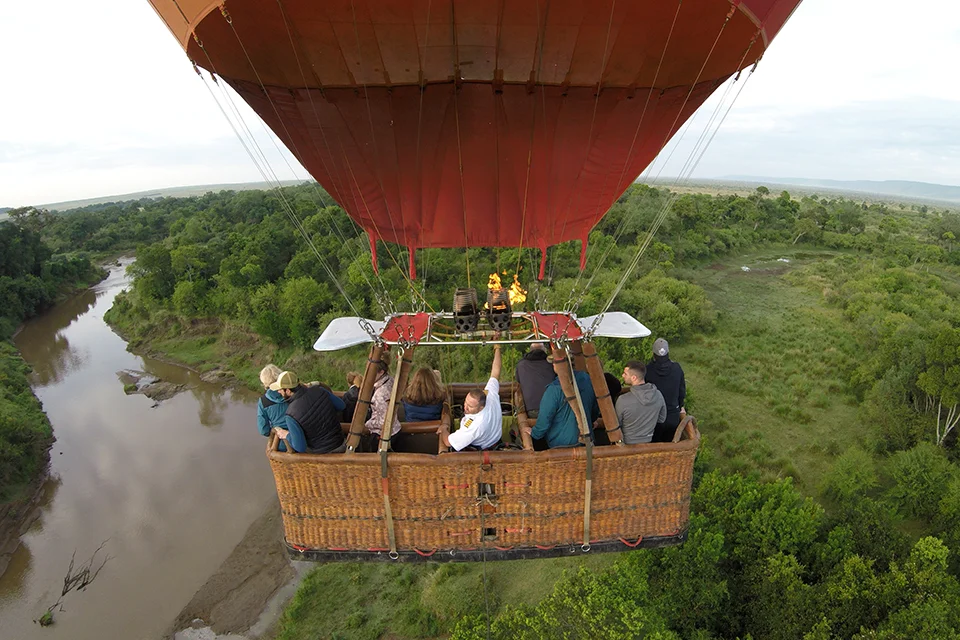
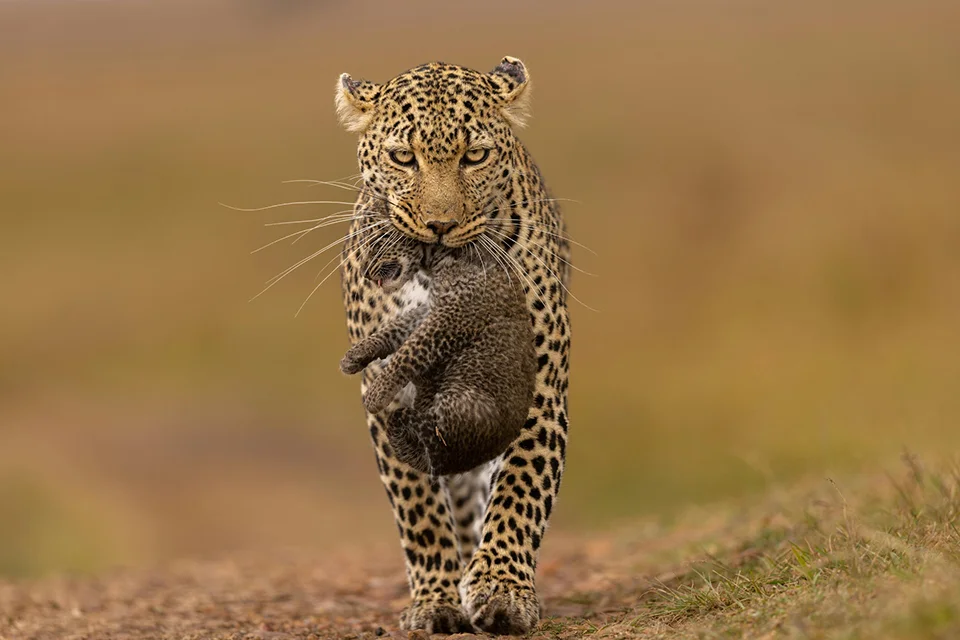
Green season – the wetter months across most of sub-Saharan Africa – is when single supplement waivers are most common. Occupancy falls, lodges offer promotional prices, and the experience shifts entirely. Guides have more time, vehicles are rarely full, and sightings feel more private. Wildlife brings its own rewards too: newborn animals in November and December, migratory birds at peak diversity, and landscapes that turn from dust to vivid green. For photographers, the quality of light and the green backdrops are often preferable to peak season's harsh midday conditions. Best destinations in green season: South Africa's Greater Kruger (Nov – Feb), the Okavango Delta (Nov – Mar), Zambia's South Luangwa (Nov – Dec), and Kenya during the long rains (Apr – Jun).
Shoulder season: the strongest solo value
May in southern Africa is the best month for solo travellers on a budget. Rain has largely ended, vegetation is thinning, wildlife concentrates around permanent water, and many lodges hold near-low-season prices before June peak pricing begins. Single supplement waivers are still negotiable, particularly for late bookings or where lodges have unsold capacity. In East Africa, November plays the same role: predator activity in the Maasai Mara stays strong, the short rains are generally brief, and lodges hold promotional prices before Christmas pricing applies.
Peak season: best wildlife, full price
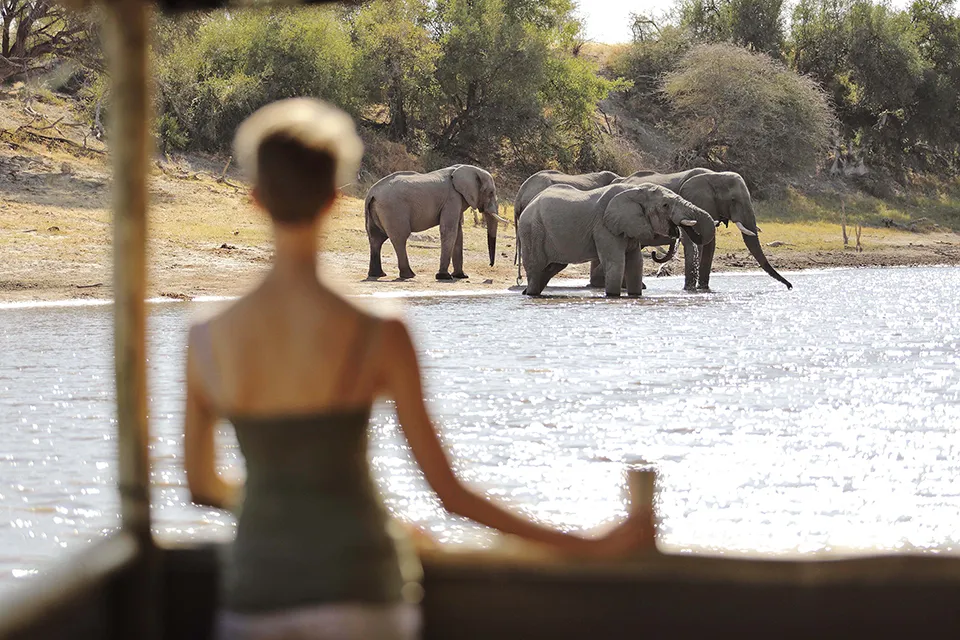
The June to October dry season in southern Africa – and July to October in East Africa during the Great Migration – is when lodges run at or near full occupancy and single supplements are almost universally charged. Prices at popular properties in the Okavango Delta or Maasai Mara can run 50 to 100% above the per-person sharing price for a solo traveller. The wildlife, however, is at its most concentrated and reliable. Solo travellers who want peak season at lower cost can join a small-group itinerary to share room costs, or look to less-visited reserves – Zimbabwe's Hwange or Mana Pools, Tanzania's Ruaha, Zambia's remote wilderness areas – where dry-season pricing remains more accessible. Our specialists know where these pockets of value are.
FAQs: solo safari timing and costs
The most reliable window for single supplement waivers is January to February in southern Africa and April to June in East Africa. These are low-occupancy months when lodges actively run promotions to fill beds. May is often the strongest shoulder option: prices are lower than peak season, conditions are improving, and many lodges in South Africa, Botswana, and Zambia still offer no-supplement deals. Booking through a specialist, like us, who has direct relationships with lodges gives you access to unadvertised offers and accurate information on which properties are waiving the supplement at any given time.
Yes, with realistic expectations. The green season – broadly November to March in southern Africa – brings longer grass and thicker bushes, which can make spotting ground-level predators harder. But it also brings excellent birding (many species are in breeding plumage), newborn animals in abundance from November, dramatic landscapes after rain, and far fewer vehicles at sightings. Photography conditions are often better than in peak season. For travellers whose priority is exclusivity and value over density of sightings, green season delivers well. Our specialists can advise on the best destinations for green season wildlife viewing based on your priorities.
When single supplements apply, a solo traveller typically pays between 25 and 100% more per night than someone travelling as part of a couple sharing a room. On a 12-night trip across three lodges with an average nightly price of US$500 per person sharing, a 50% single supplement adds US$3,000 to the total. Timing can eliminate or significantly reduce this cost: in low and shoulder seasons, many lodges waive the supplement entirely. Joining a small-group itinerary is another effective way to share the room cost without having to find a travel partner.
South Africa's Greater Kruger region – including private reserves such as Sabi Sand, Timbavati, and Klaserie – offers some of the most competitive pricing for solo travellers, particularly in green season (November to March). Zambia's South Luangwa is another strong option: shoulder season from May to June delivers good wildlife activity at prices well below peak. Kenya's Maasai Mara in its shoulder months of November and June offers excellent predator viewing at reduced prices. Our specialists regularly identify current single supplement promotions at partner lodges across these destinations.
Yes. The majority of Africa Geographic's solo travellers book private, tailor-made itineraries rather than group tours. They stay at lodges and lodges where they join shared morning and evening wildlife drives with other guests staying at the same property. This means you benefit from the social experience of a guided vehicle without being locked into a fixed group itinerary. Fully private vehicles – where you have an entire safari vehicle and guide to yourself – are also available and are particularly valued by photographers or travellers with specific wildlife priorities. Our specialists design itineraries around both options.
December is mixed. The period from roughly 20 December to 2 January sees high demand and holiday pricing across almost all destinations – single supplements are charged in full and availability is tight. Outside that window, early December (1 – 19 December) and from 3 January sit in green season for southern Africa and offer good value, with promotional prices and frequent supplement waivers. East Africa is generally moderate value in December, with the short rains tapering and Serengeti calving beginning in late December. If you can avoid the Christmas and New Year window, December can be a strong solo safari month.
Start planning your dream safari
Our travel experts will craft a no-obligation itinerary just for you. We have crafted over 5,000 safaris since 1991. Your personal details are protected; we only use this information to contact you.
Why book your safari with us?

Deep Experience & Knowledge
Handcrafted experiential safaris since 1991.
Travel in Africa is about knowing when and where to go, and with whom. A few weeks too early/late or a few kilometres off course, and you could miss the greatest show on Earth. And wouldn’t that be a pity?

Trust & Safety

Make A Difference
We donate a portion of the revenue from every safari sold to carefully selected conservation projects that make a significant difference at ground level.
YOUR safari choice does make a difference - thank you!