

Tailor-made safaris. Since 1991

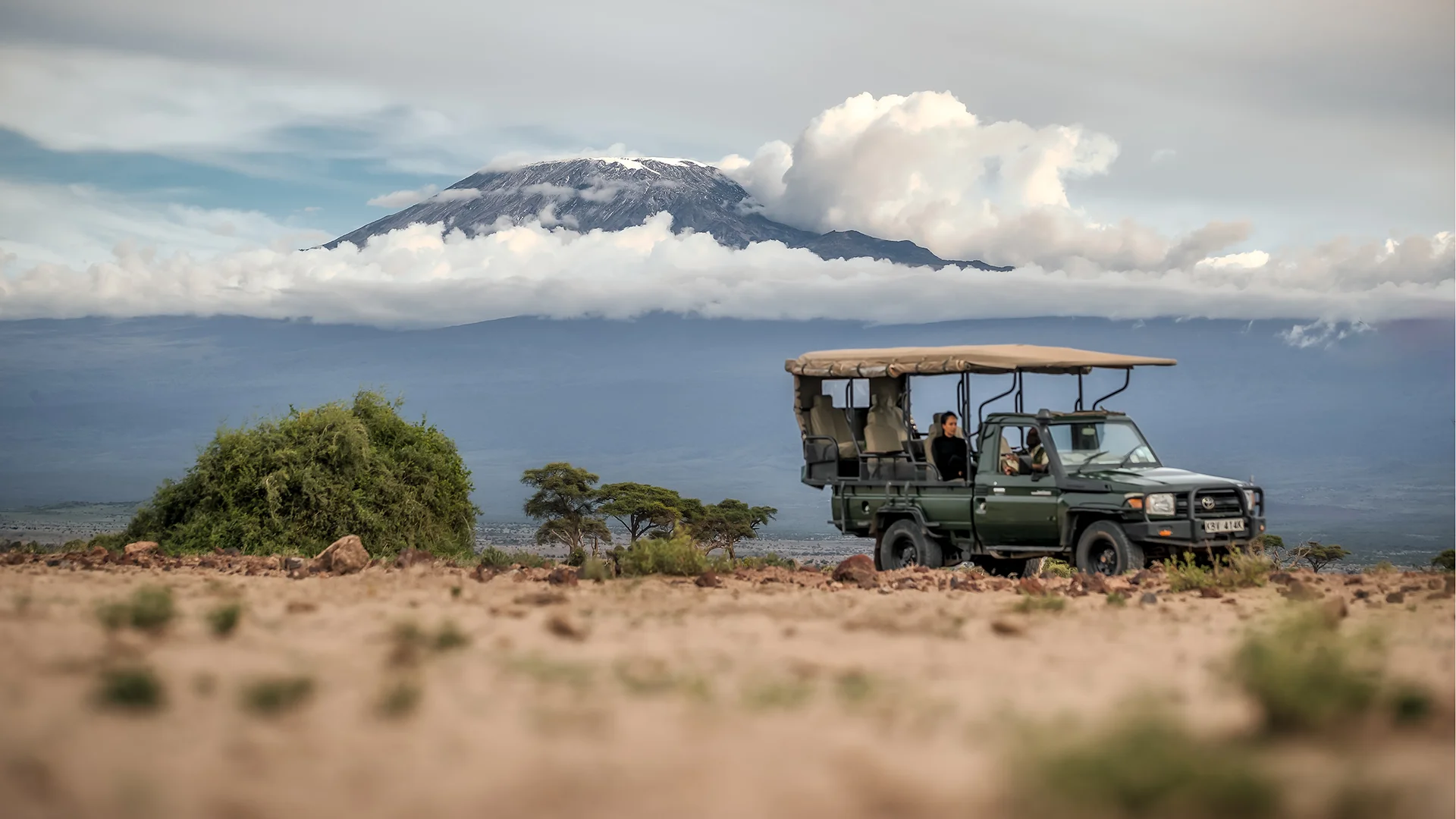


Trust us to find you the rarest animals, the most spectacular wildlife events, the remotest landscapes and deeply meaningful cultural encounters!
What is the best safari for a woman over 50?
A safari doesn’t become less rewarding with age; if anything, the traveller who has waited years to see a lion in the wild tends to notice more, ask better questions and sit longer over a sundowner than someone ticking a box on a gap year. What changes is the planning. Flight routing, lodge layout, drive length and daily rhythm all deserve a second look, and getting them right is the difference between a trip that restores you and one that simply tires you out.
The best safaris for women over 50 combine short flights, ground-floor suites and unhurried pacing with genuine wildlife immersion. Kenya, Botswana and South Africa offer the easiest logistics, while Tanzania, Rwanda and Zambia suit travellers wanting more adventure at a considered pace. Africa Geographic’s safari experts match region, lodge and itinerary length to each traveller’s fitness, mobility and interests.
At a glance: safaris for women over 50
Africa rewards travellers of every age, but the right region, lodge and pace transform the experience from tiring to restorative, especially for a milestone or long-planned trip.
Best for: comfort-led travel, milestone trips, mothers and daughters
Best time to go: dry season (May–October) for easier wildlife viewing
Best regions: Kenya, Botswana, South Africa, Tanzania, Rwanda, Zambia
Trip style: short flights, ground-floor suites, unhurried daily pace
Let our specialists build an itinerary suited to your pace and interests.
Comparing regions for pace and ease of travel
Region | Flight ease | Typical pace | Best suited for |
Kenya | Short charter flight from Nairobi | Moderate, flexible drive times | Classic savannah, Big Five, wildebeest migration |
Tanzania | Several light-aircraft hops common | Moderate to demanding | Serengeti migration wildlife, longer trips |
Botswana | Short light-aircraft transfer from Kasane or Maun | Gentle, boardwalk-linked lodges | Quiet, high-end, low walking |
South Africa | Short flight or drive from Johannesburg | Easiest, ground-floor suites common | First safari, malaria-free options |
Rwanda | Short domestic flight, then hill walking | Demanding on trekking days | Gorilla & chimp trekking, paired conservation |
Zambia | Charter flight into South Luangwa or Kafue | Moderate, walking optional | Walking-safari tradition, gentler pace |
3 things we love about safaris for women over 50
Beyond the wildlife lists, here’s what makes this style of safari travel worth choosing, whichever region you settle on.
Comfort without compromise: ground-floor suites, vehicle access to most lodges and shorter game drives keep wildlife encounters within easy, unhurried reach.
Guiding that reads the pace: experienced guides adjust walking distance, drive length and each day’s rhythm to suit a traveller’s stamina and interests.
Genuine connection, not a diluted trip: communal dinners, small groups and attentive hosts make solo travel comfortable and sociable, never isolating.
Our favourite Women on safari ideas
Three destinations built for pace and comfort
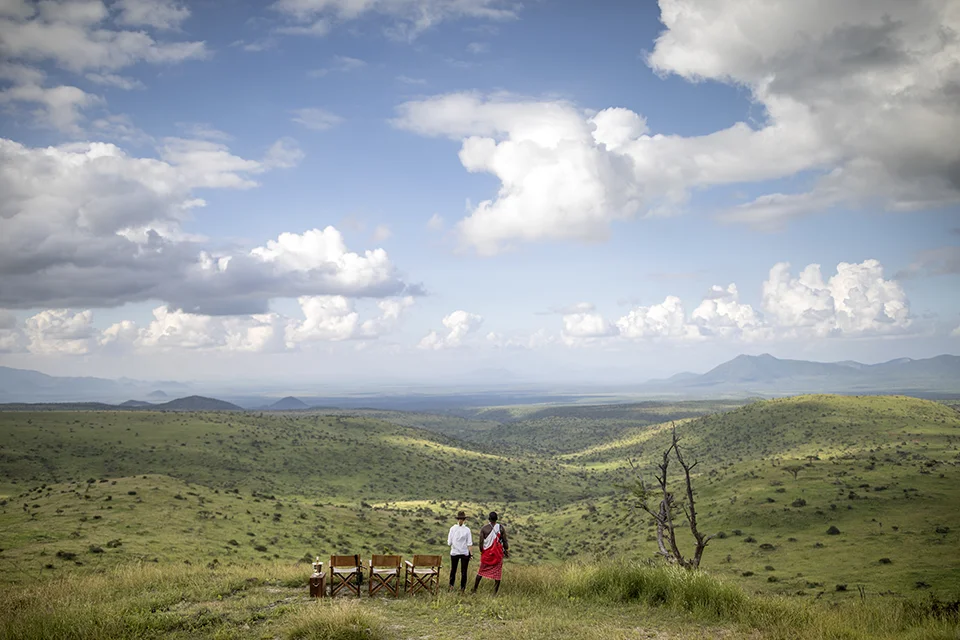
Kenya’s Maasai Mara
The Mara delivers dense, easy wildlife viewing from a seated vehicle, with resident lion prides and, in season, the Great Migration crossing the Mara River. Reached by a short charter flight from Nairobi, it suits travellers who want a classic savannah safari without a demanding journey.
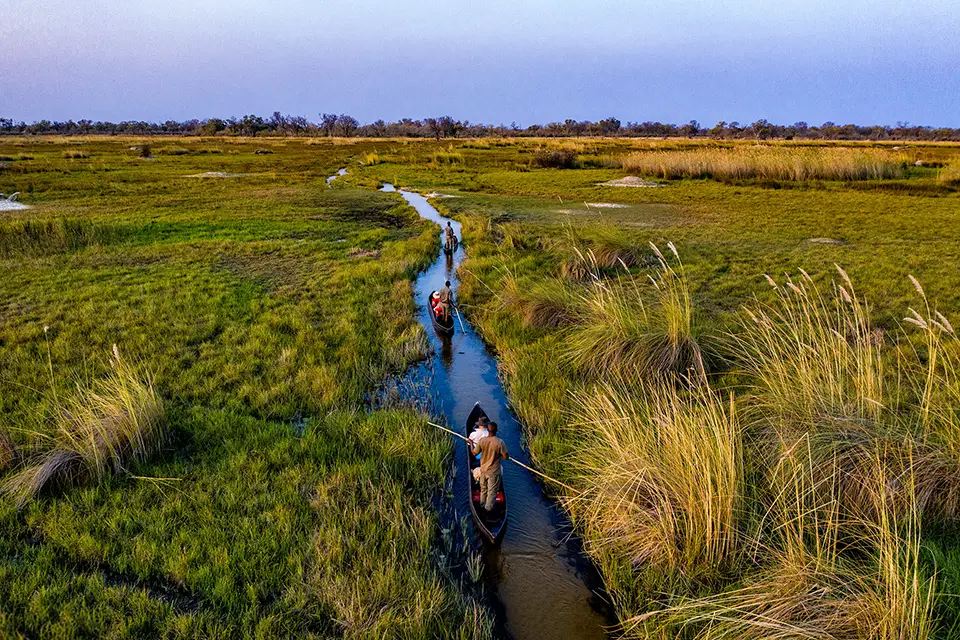
Botswana’s Okavango Delta
Wildlife viewing here shifts onto water as often as land, with a gentle mokoro or motorboat ride replacing some walking altogether. Channels and floodplains concentrate elephant, buffalo and birdlife, and the whole experience runs at an unhurried, seated pace.
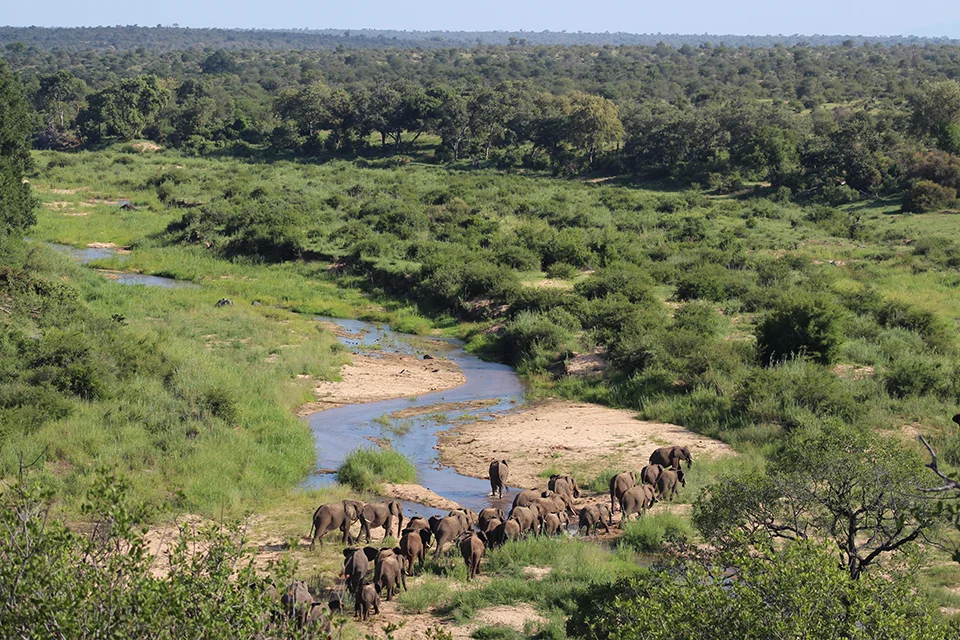
South Africa’s Sabi Sand and Kruger region
Private reserves bordering Kruger allow off-road driving right up to sightings, so Big Five encounters do not depend on walking or long game drives. A short flight or drive from Johannesburg, combined with nearby malaria-free options, makes this one of the most accessible safari experiences on the continent.
Choosing a pace that suits you
Stamina and mobility: what to expect
Most safaris involve several hours a day in an open vehicle, with the option of short guided walks, so a good level of general fitness helps, but athletic ability is not required. Uneven paths, stairs to a viewing deck or a wobbly canoe crossing can catch out an unprepared traveller, so tell our safari experts about any mobility limitations, joint concerns or medical conditions before booking, so the itinerary and lodge choice can be built around them.
Flights, transfers and total travel time
Long-haul flights to Johannesburg, Nairobi or Dar es Salaam are unavoidable, but internal travel varies considerably by region. South Africa’s Sabi Sand and Kruger private reserves are reachable by a short flight or a few hours’ drive, while parts of Tanzania require several light-aircraft hops. Ask about total door-to-door transit time, not just flight duration, since transfers and waiting time add up on remote routes.
What to check before booking an itinerary
Whether wildlife viewing is mainly vehicle-based, water-based or on foot in that region
How far the main activities sit from where you land, by road or by short flight
Whether walking safaris are optional, and how far a vehicle pick-up point is along the route
Whether drive or boat outings can be shortened without disrupting the wider itinerary
Distance to a doctor, clinic or evacuation cover for non-emergency concerns
How much time each day is spent outdoors versus resting between activities
How sharply temperatures swing between dawn drives and midday heat in that season
Whether guides and staff are experienced in pacing activities for varied fitness levels
If you use a CPAP machine or other medical equipment, confirm reliable overnight power and charging facilities before booking
Destinations and experiences matched to comfort
Kenya and Tanzania
The Maasai Mara and the southern Serengeti both suit travellers who want dramatic wildlife without a taxing journey. Game drives are the main activity in both, run from open vehicles at a pace the guide sets around the group, and a hot-air balloon flight offers a gentler, seated alternative to walking for anyone wanting an aerial view of the plains. Both regions are reached by short charter flights, keeping travel time to a minimum.
Botswana and South Africa
The Okavango Delta pairs game drives with gentle mokoro and motorboat outings, so wildlife viewing doesn't depend on walking at all. South Africa’s Sabi Sand and other private reserves bordering Kruger allow off-road driving straight up to sightings, and malaria-free options, such as Madikwe and the Eastern Cape, suit travellers who prefer to avoid antimalarial medication altogether while still seeing the Big Five.
Rwanda and Zambia at a glance
Rwanda’s gorilla and chimpanzee trekking is physically demanding, involving hill walking
Ask about porters for gorilla or chimpanzee trekking permits, arranged for an extra fee
Zambia is the historic home of the walking safari, though shorter, gentler routes are available
Zambia’s walking safaris can be shortened to an hour, with a vehicle following nearby
Victoria Falls sightseeing is largely on foot but on level, well-maintained paths
A Zambezi boat cruise offers a restful, seated alternative to a Victoria Falls walking tour
Wish you were here?
Planning practicalities to consider
Packing for comfort in the bush
Pack light, soft-sided luggage, since light aircraft enforce strict weight limits, often around 15kg including hand luggage. Neutral, breathable layers work best, with a warm layer for cold dawns and a wide-brimmed hat and high-SPF sunscreen for exposed midday hours. Comfortable, broken-in closed shoes matter more than style for uneven ground, and any daily medication should travel in hand luggage, clearly labelled, in case checked bags are delayed.
Travelling solo, as a couple or in a group
Solo travellers should ask directly about single-supplement waivers, escorted transfers and lodges with a sociable communal table, since these details vary considerably between lodges. Couples and small friendship groups have more flexibility over private guiding and pacing, while multi-generational trips benefit from a private safari villa with dedicated staff. Africa Geographic’s safari experts tailor each itinerary to fitness, interests and preferred company along the way.
As Africa Geographic CEO Simon Espley puts it, “Our crew of passionate safari experts have lived and worked in Africa for most of their lives. Trust us to find you the rarest animals, the most spectacular wildlife events, the remotest landscapes and deeply meaningful cultural encounters.” This is exactly the kind of local knowledge that turns a good itinerary into the right one for your pace and interests.
One recent guest summed up what careful planning can achieve: a 65-year-old solo traveller from South Africa described her tailor-made Tanzania trip as one where “the people I met were wonderful, the landscapes absolutely exquisite, and the wildlife sightings exceeded all expectations, often remarkably close up.” That is the standard worth planning towards.
Frequently asked questions
The best safari for a woman over 50 depends on fitness and priorities, but South Africa’s Sabi Sand, Botswana’s Okavango Delta and Kenya’s Maasai Mara are consistently recommended for their short flights, ground-floor suites and flexible daily pacing. Africa Geographic’s safari experts match region, lodge and itinerary length to individual mobility, interests and travel companions, so no traveller is left following a schedule that does not suit her.
Yes. Most game drives take place from a seated vehicle, so general mobility rather than athletic fitness is what matters most. Lodges increasingly offer ground-floor suites, vehicle access to communal areas and flexible drive lengths. Walking safaris and activities such as gorilla trekking are more demanding and can be substituted with gentler alternatives, so it is worth discussing any limitations with our safari experts before booking.
Ten to fourteen days is a comfortable length, allowing a rest day after long-haul flights and an unhurried pace between two or three lodges. Shorter seven-day trips suit a single-region focus, such as the Sabi Sand or the Okavango Delta, while longer multi-country itineraries work best with generous transfer time built in between destinations, so nothing feels rushed on arrival, departure or transfer days.
South Africa, Botswana, Kenya, Tanzania, Rwanda and Zambia all have strong guiding standards and reliable infrastructure. South Africa is particularly straightforward thanks to malaria-free reserves and short internal flights, while Botswana suits travellers wanting quiet, high-end wilderness with minimal walking between suites and communal areas. Kenya and Tanzania offer the classic savannah experience with well-established lodge networks.
Many do, though provisions vary by lodge. Ground-floor suites, level walkways, shorter drive times and staff experienced with older or less mobile guests are increasingly common, particularly at established lodges in South Africa’s private reserves and Botswana’s Okavango Delta. Always disclose mobility limitations, joint concerns or medical conditions when booking so the lodge and itinerary can be matched appropriately.
Neutral, breathable layers, a warm layer for cold dawns, a wide-brimmed hat, high-SPF sunscreen and comfortable, broken-in closed shoes are essential. Pack light into soft-sided luggage for light-aircraft weight limits, and keep daily medication in hand luggage, clearly labelled, in case checked bags are delayed en route to a remote lodge. Binoculars and a lightweight fleece are also worth including.
Gorilla and chimpanzee trekking in Rwanda involves genuine hill walking that can last from thirty minutes to several hours, so you'll need a reasonable level of fitness. You can arrange porters to carry equipment and provide physical support on request, and our safari experts can advise honestly on whether a particular trek suits your current fitness level or suggest a gentler, wildlife-focused alternative. Africa Geographic has arranged gorilla trekking for wheelchair-bound guests, so anything is possible!
No. Pricing tracks the lodge, region and trip length rather than any traveller-specific label. Comfort-focused choices, such as private guiding, ground-floor suites at premium lodges or shorter internal flights, may cost more than a basic itinerary, but these are the same factors that shape price for any traveller, regardless of age, so always compare exactly what each quote includes before deciding.
Requirements vary by country and region, and several popular reserves in South Africa are malaria-free. Yellow fever vaccination proof is required on certain routes. Consult a travel clinic or your doctor six to eight weeks before departure, particularly if you take regular medication, since some antimalarials interact with other prescriptions, and your itinerary will affect which precautions apply.
Yes, and it is strongly recommended. Building in a night near the arrival airport before heading into the bush, plus a rest day between lodges on longer itineraries, greatly reduces fatigue. Many lodges also include wellness elements, such as spa treatments or gentle morning stretches, that suit a slower, more restorative travel pace and are especially welcome after a long-haul flight. Many of our guests add a few days at a beach after the safari to unwind.
Start planning your dream safari
Our travel experts will craft a no-obligation itinerary just for you. We have crafted over 5,000 safaris since 1991. Your personal details are protected; we only use this information to contact you.
Why book your safari with us?

Deep Experience & Knowledge
Handcrafted experiential safaris since 1991.
Travel in Africa is about knowing when and where to go, and with whom. A few weeks too early/late or a few kilometres off course, and you could miss the greatest show on Earth. And wouldn’t that be a pity?

Trust & Safety

Make A Difference
We donate a portion of the revenue from every safari sold to carefully selected conservation projects that make a significant difference at ground level.
YOUR safari choice does make a difference - thank you!