

Tailor-made safaris. Since 1991



Rwanda offers once-in-a-lifetime gorilla encounters
Rwanda at a glance:
Location: East Africa, 2° south of the equator | Capital city & airport: Kigali & Kigali International (10 km) |
Size: 26,338 km² (roughly the size of Belgium) | Altitude: 1,000–4,416 m above sea level |
Climate: Mild and pleasant year-round, 15–28°C | Best time to visit: Jun-Sep (long dry), Dec–Feb (short dry), although gorilla trekking is available year-round |
Currency: Rwandan franc (Rwf) · US dollars accepted | Visas: On arrival, free for AU, Commonwealth & La Francophonie members | |
Malaria risk: Yes, prophylaxis advised | Yellow fever vax: not required, proof needed if arriving from a yellow fever country |
Key wildlife: Mountain gorillas, chimps, Big 5 | Top parks: Volcanoes NP, Nyungwe NP, Akagera NP | |
Gorilla permit cost: US$1,500 per person per trek | Pairs well with: Uganda, Tanzania, Kenya, Seychelles |
Why visit Rwanda?
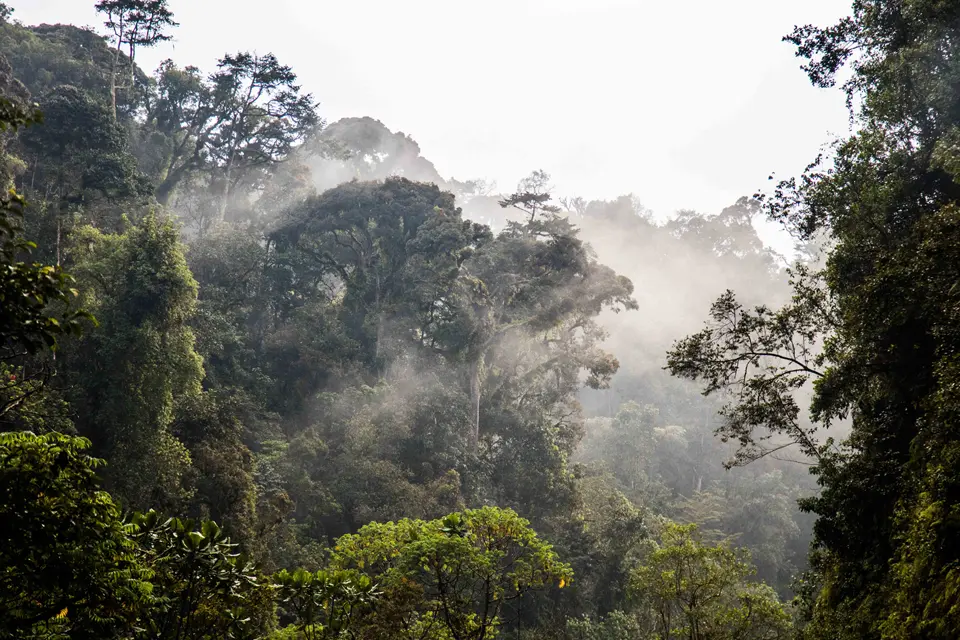
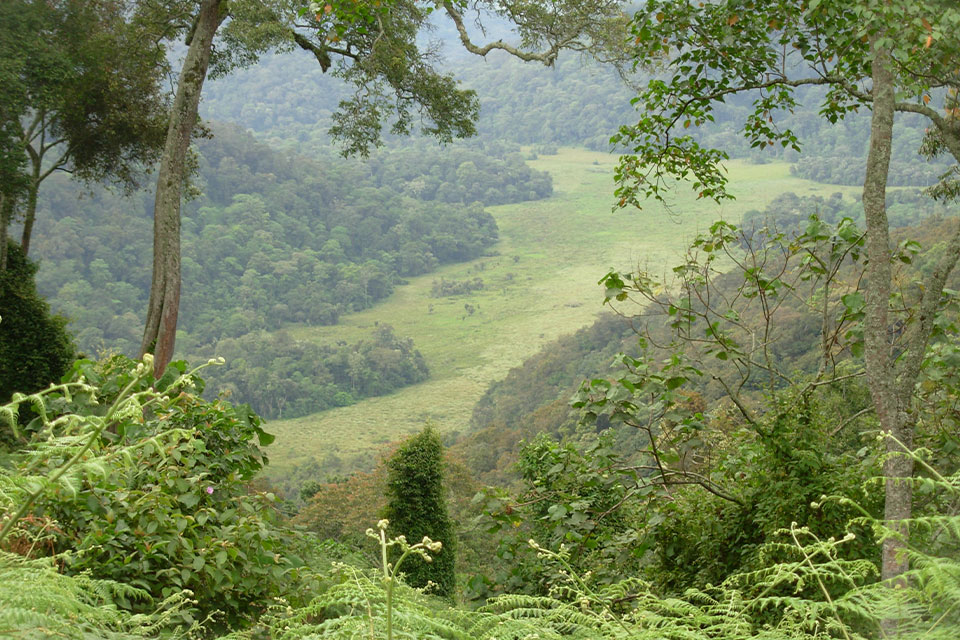
Dense montane forests rise from mist-covered volcanoes, ancient primates move silently through cathedral canopies, and papyrus-lined wetlands shelter Africa's great conservation comeback - mountain gorillas. Rwanda is compact, remarkable, and deeply moving.
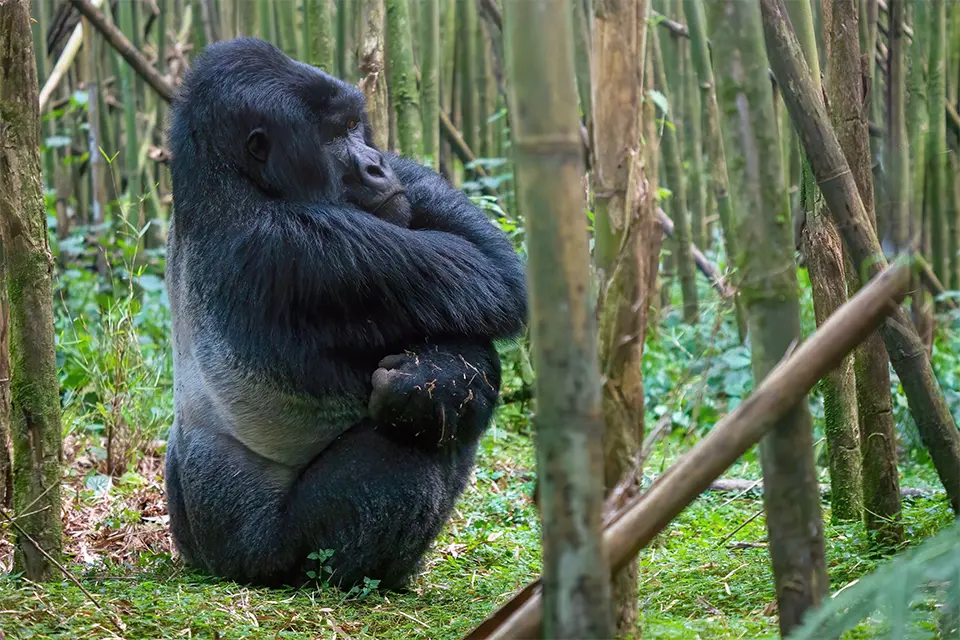
Imagine locking eyes with a mountain gorilla in the bamboo forests of Volcanoes National Park, tracking chimpanzees through the ancient tree ferns of Nyungwe, or watching lions patrol the shores of Lake Ihema in Akagera. This tiny country delivers an extraordinary diversity of encounters in a space you can drive across in a day.
Rwanda suits travellers who want depth over distance — profound primate encounters, the Big Five, exceptional birding, genuine conservation impact, and a story of transformation as compelling as any wildlife sighting. The pace is intimate, the guides outstanding, and every experience feels personally meaningful.
5 Reasons We Love Rwanda
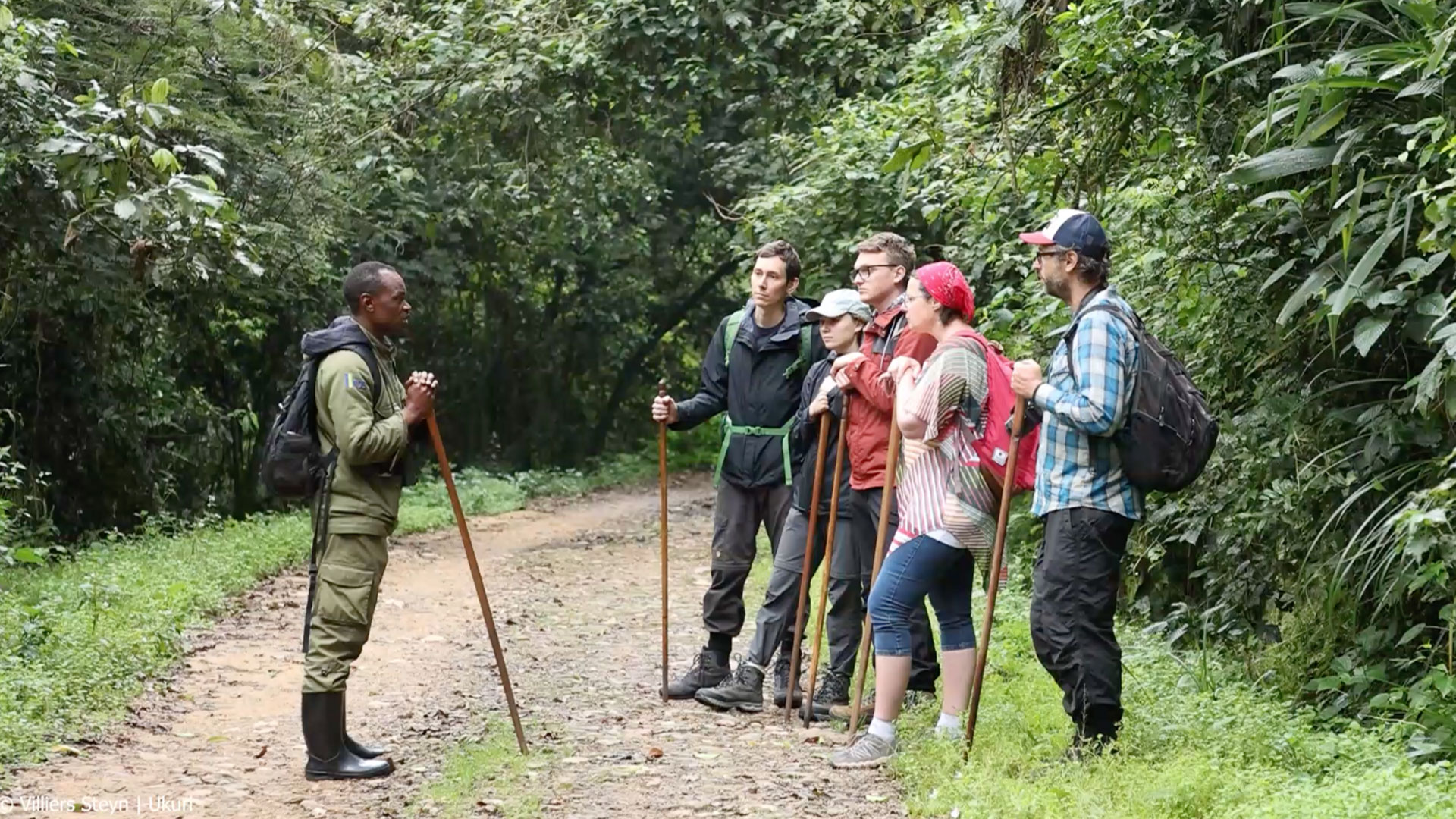
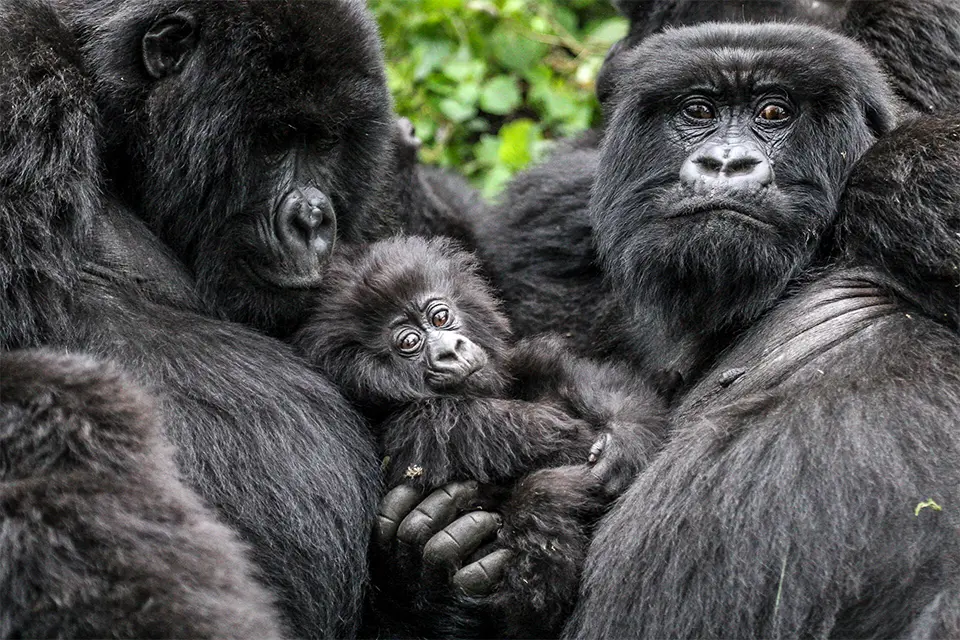
Mountain gorilla trekking: Volcanoes National Park is home to twelve habituated gorilla families. Trekking to spend one hour with these great apes is widely described as life-changing. Only eight permits are issued per group per day, ensuring an intimate, low-impact encounter that directly funds gorilla conservation.
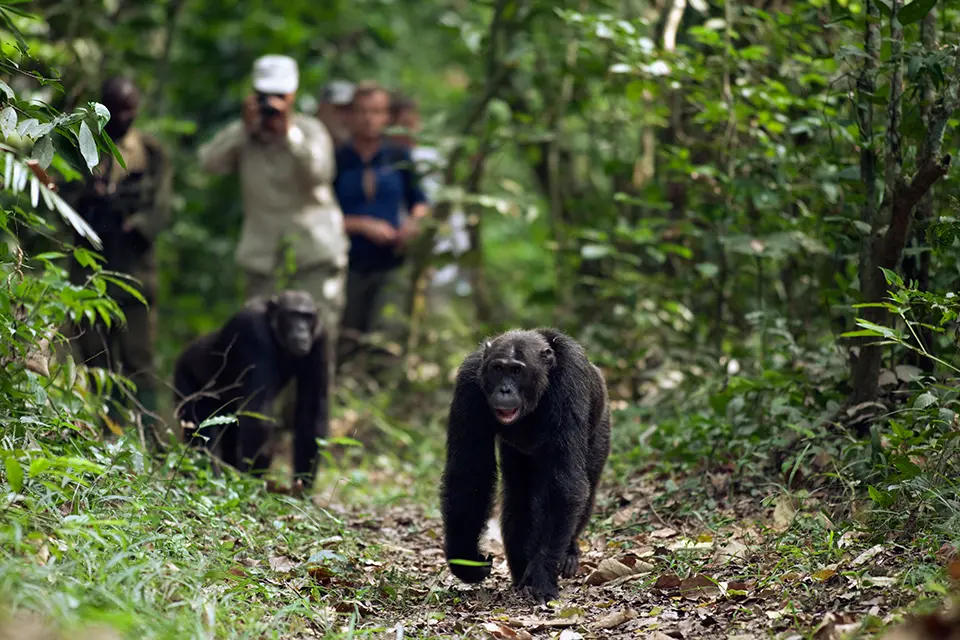
Nyungwe's chimp trekking and biodiversity: Africa's most extensive protected montane forest shelters 13 primate species, 337 bird species, including 29 Albertine Rift endemics, and a megatroop of 400 Rwenzori pied colobus. The chimp trekking, canopy walkway and zipline add unforgettable adventure.
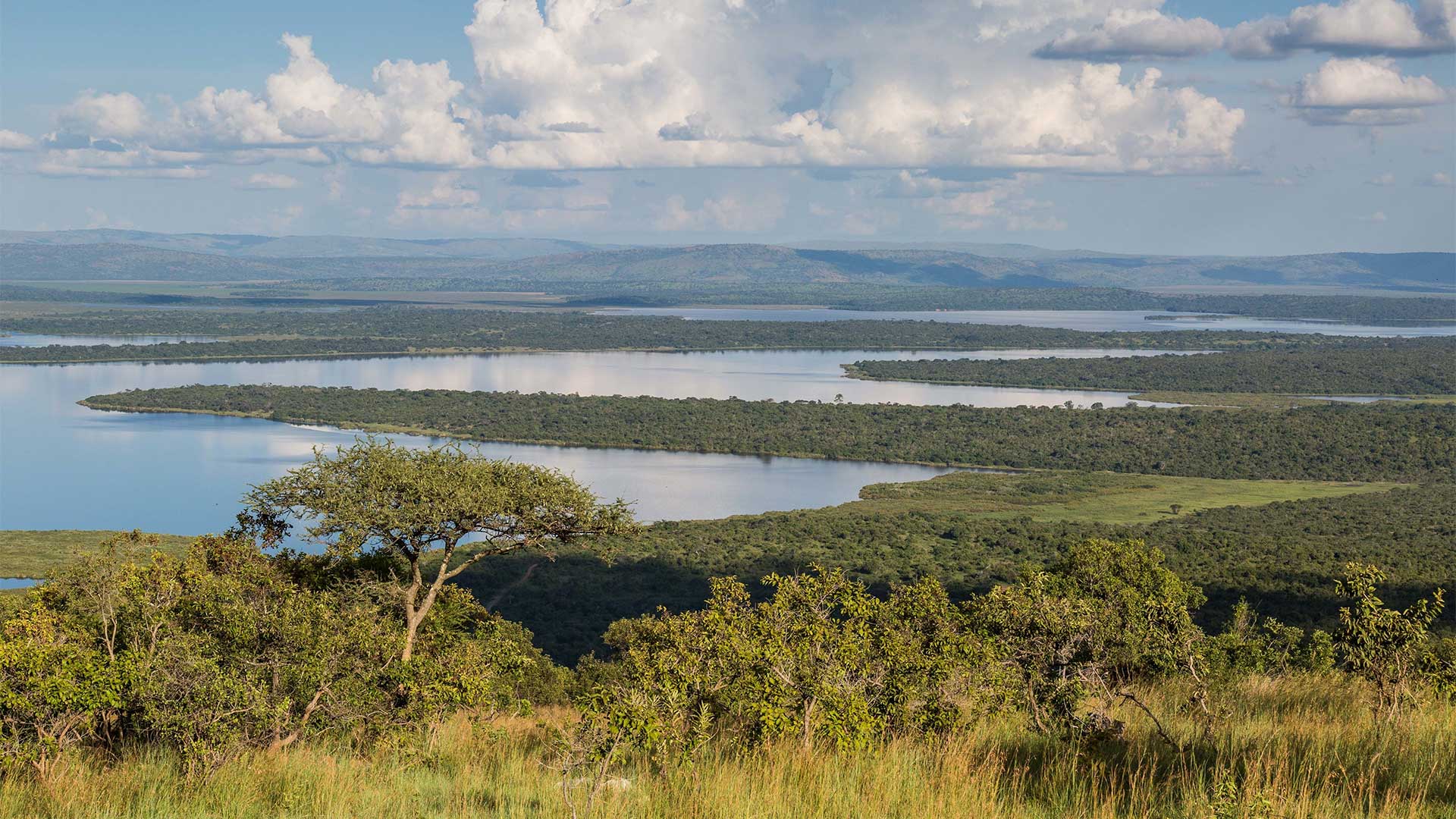
Akagera's Big 5 recovery: Transformed under African Parks management, Akagera is Rwanda's only Big 5 destination. Game drives and boat trips reveal lions, leopards, elephants, rhinos, buffaloes, and 478 bird species across Central Africa's largest protected wetland.
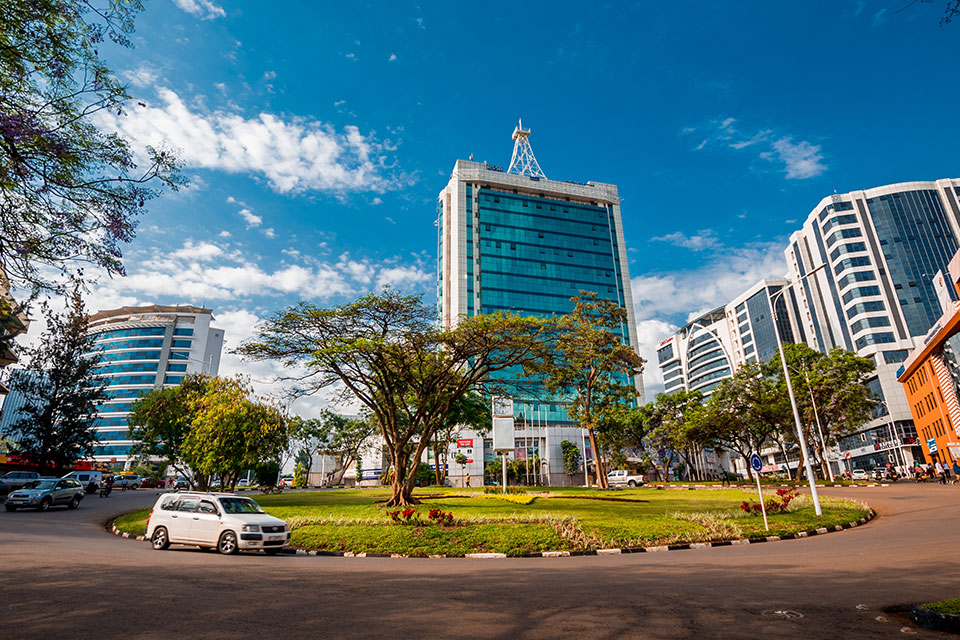
Kigali's remarkable story: Rwanda's immaculately clean capital is a model of governance. The Kigali Genocide Memorial offers essential context for the country's extraordinary journey of healing and national renewal.
Easy logistics: Unlike many African safaris that require multiple charter flights, Rwanda's parks are connected by excellent tar roads, allowing seamless journeys between gorillas, chimps and Big 5 wildlife.
Our favourite Rwanda safari ideas
All you need to know about Rwanda
Where to go in Rwanda
Rwanda hosts three exceptional national parks and a thriving capital. Here are the top destinations to include in your Rwanda safari:
Volcanoes National Park: The world's premier location for mountain gorilla trekking, golden monkey tracking, and visiting the enduring legacy of Dian Fossey.
Nyungwe National Park: Africa's most extensive protected montane forest, excellent for chimp trekking, world-class birding, and the famous canopy walkway and zipline.
Akagera National Park: Rwanda’s only Big Five park and one of the premier safari choices on the continent.
Kigali: A modern, safe capital city; the gateway to Rwanda's parks, home to the Genocide Memorial, great restaurants, and excellent hotels.
Cyamudongo Forest: A satellite chimp habitat two hours from Nyungwe, with an excellent chimp encounter rate and a more remote trekking experience.
Lake Kivu: Rwanda's Great Rift Valley lake borders the DRC, offering scenic boat trips and a restful contrast to the national parks.
Musanze: Gateway town to Volcanoes NP, with good hotels, cultural visits, and access to the scenic Twin Lakes of Burera and Ruhondo.
What wildlife will I see in Rwanda?
Rwanda specialises in primate encounters found nowhere else on Earth, while also delivering a full Big 5 safari experience:
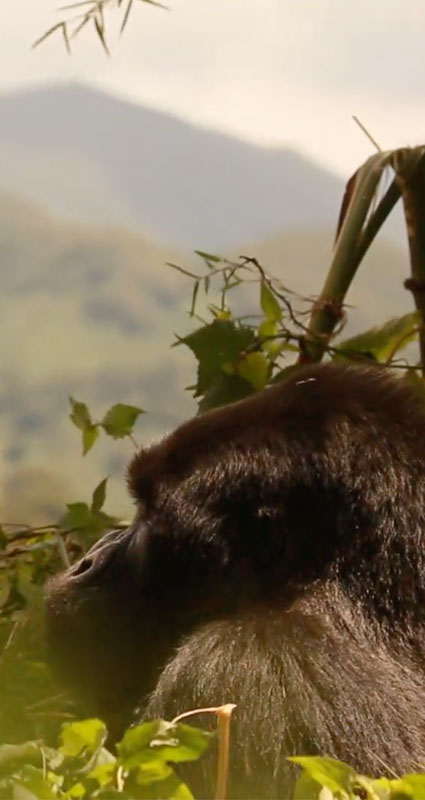
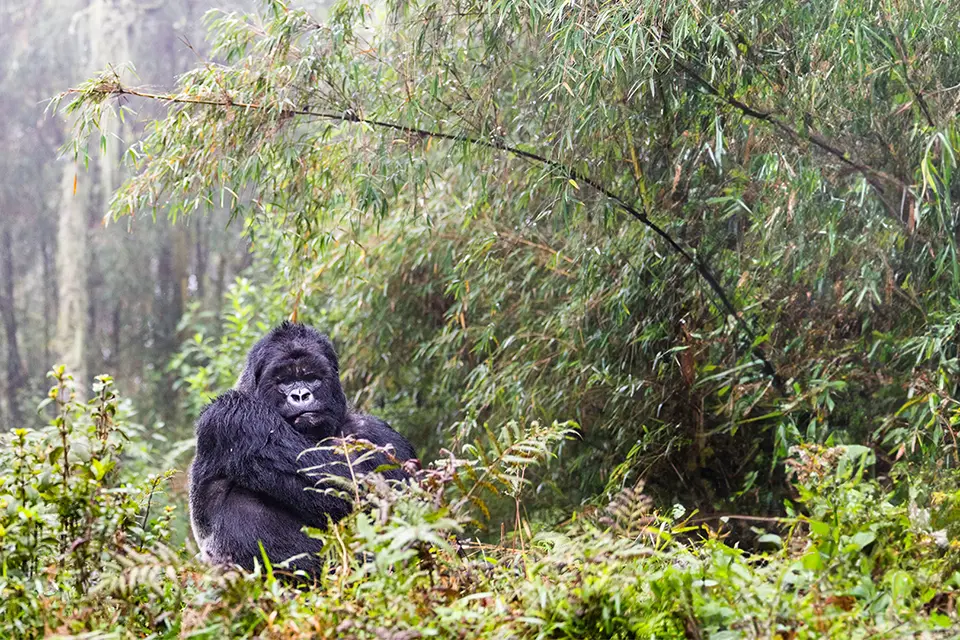
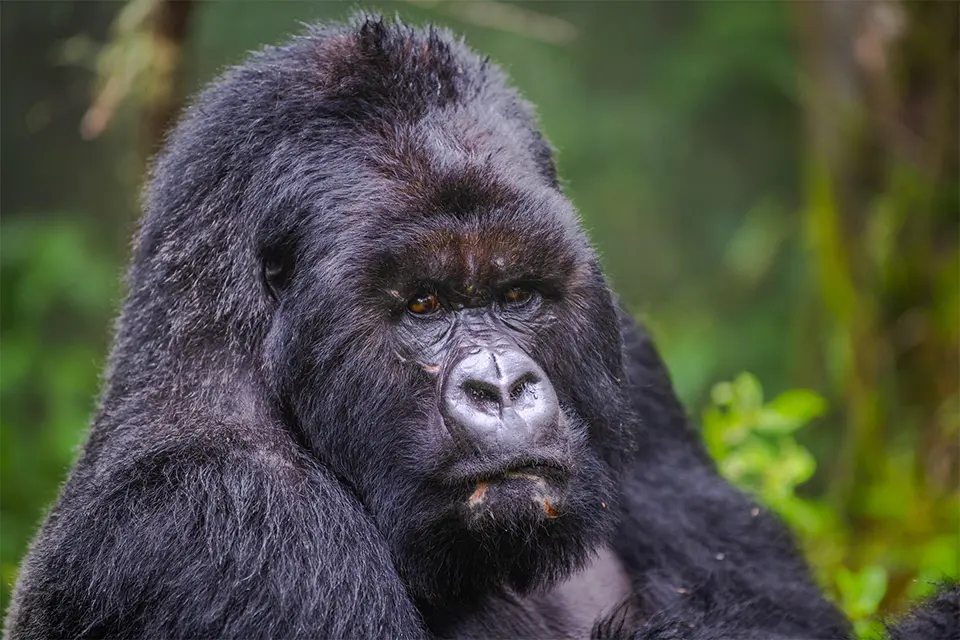
Mountain gorillas are Rwanda's crown jewel. Volcanoes NP is home to twelve habituated families, a significant portion of the world's approximately 1,100 remaining mountain gorillas, and a conservation success decades in the making.
Chimpanzees and other primates. Nyungwe hosts 13 primate species, including chimps, a megatroop of 400 Rwenzori pied colobus, L'Hoest's monkeys, grey-cheeked mangabeys, and the elusive owl-faced monkey.
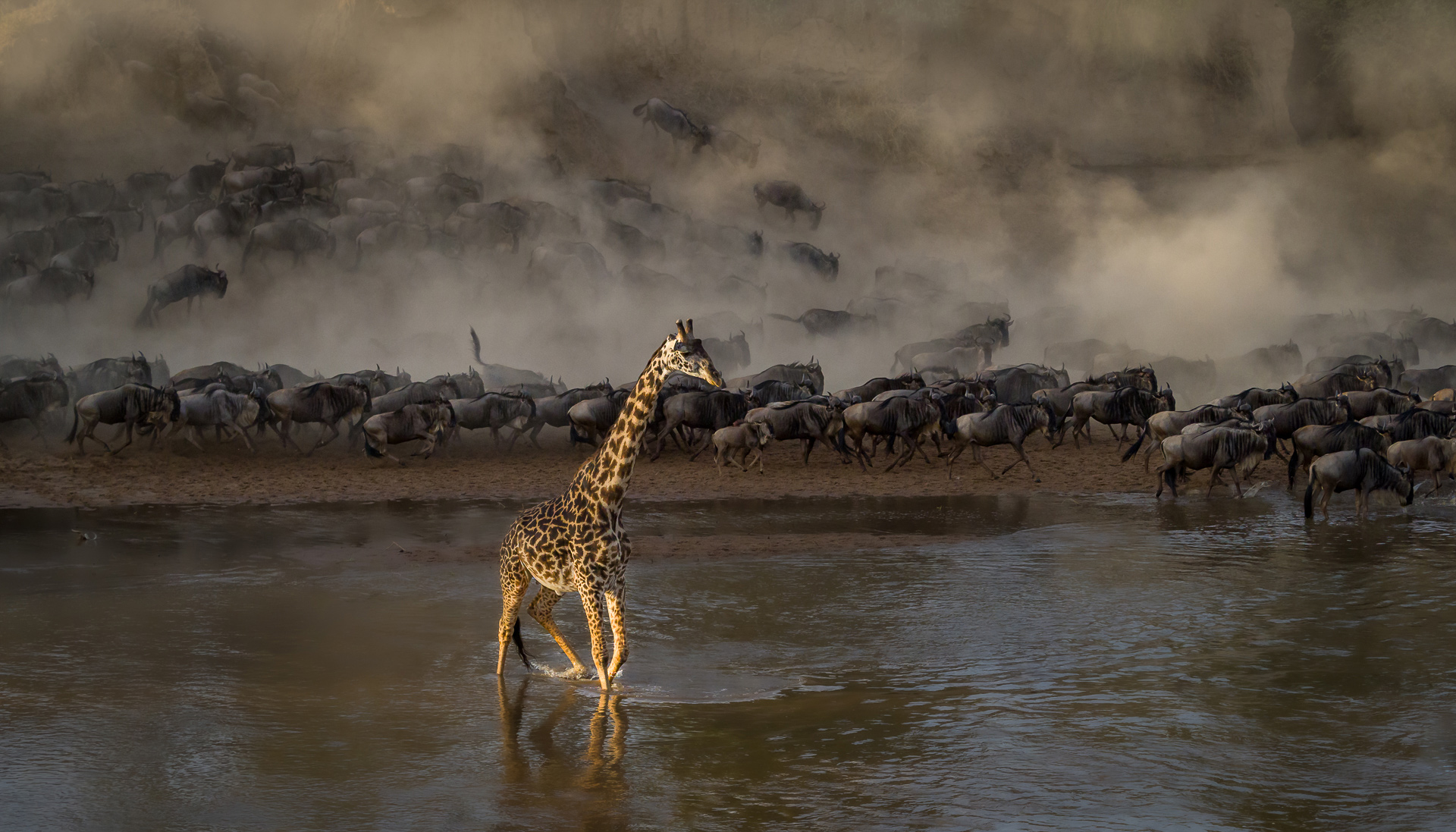
The Big 5 (rhino, lion, elephant, leopard, and buffalo) are all present in Akagera, alongside Maasai giraffe, hippos, and zebra.
Exceptional birding. Rwanda's list exceeds 700 species. Nyungwe hosts 337 species, including 29 Albertine Rift endemics; Akagera hosts 478 species, including the sought-after shoebill.
Rwanda's hotels, lodges and camps
Rwanda's accommodation ranges from intimate forest lodges perched above mist-shrouded canopies to elegant camps within Akagera's sunlit savannah, and refined city hotels in Kigali with sweeping hillside views.
Every property we select for your handcrafted journey meets our exacting standards for comfort, character, and service. Just as importantly, each lodge is deeply committed to protecting Rwanda's extraordinary wildlife, supporting local communities, and preserving the ecosystems that make your safari possible.
Check out our safari ideas above to see the hotels, lodges and camps with proven track records that we regularly send our guests to.
Trusted by thousands of ecstatic travellers
✔️ 5-Star Trustpilot Rating ✔️ Condé Nast Travel Specialist Award Winner
✔️ Accredited by SATSA ✔️ 5,000+ Exceptional Safaris Since 1991
Why choose Africa Geographic to plan your safari?

"This travel planner and guide experience was exceptional. They organized a compressed, spontaneous personal trip that I tagged onto a business trip at the last moment. They were highly accommodating and the guide/driver was fantastic with his attention to personal details in a very personable fashion. The trip was a wonderful experience and I will use them again in the future for sure."
"My family and I have just returned from a wonderful trip to Rwanda to see the gorillas. It was a trip of a lifetime — a bucket list trip that was realised! The sightings of the golden monkeys and gorillas were absolutely amazing, and so were the local tours. The guides, rangers and our driver were so professional."
"Rwanda was a dream come true for us, as Canadians, especially for me, & it couldn't have been better. The Silverbacks were an experience beyond my wildest dreams! We can honestly say that we cannot get enough of Africa with Africa Geographic Tours...here's to many more adventures!!!"
Wish you were here?
Frequently asked questions
The best time to visit Rwanda is during its two dry seasons, although it is a year-round destination. Sitting just south of the equator at high altitude, Rwanda enjoys a mild and relatively stable climate of 15–28°C year-round. Here is a detailed breakdown:
June to mid-September: The long dry season — usually the best time to visit. Trails stay firm underfoot, gorilla and chimp trekking is most comfortable, and wildlife in Akagera concentrates around water sources.
December to February: The short dry season offers excellent trekking conditions, comfortable temperatures, and slightly fewer visitors than the peak long dry season.
March to May: The long rainy season brings heavy rain and slippery trails — but gorilla and chimp trekking continues, and reduced visitor numbers often mean a more private encounter.
October to November: A shorter rainy season with occasional showers. Nyungwe's forests are lush and atmospheric, and birding can be spectacular as migratory species arrive.
Note that gorilla permits must be booked well in advance — often 12–18 months ahead during peak periods.
Rwanda offers a remarkable diversity of wildlife for such a small country. Look out for mountain gorillas and golden monkeys in Volcanoes National Park, chimpanzees and 13 primate species in Nyungwe, and the full Big 5 (lion, leopard, elephant, rhino, and buffalo) in Akagera. Rwanda's national bird list exceeds 700 species, with 29 Albertine Rift endemics in Nyungwe and the rare shoebill in Akagera's wetlands.
We recommend at least 7–10 days to experience Rwanda's highlights properly. A well-crafted itinerary typically includes two nights in Kigali, two to three nights at Volcanoes for gorilla and golden monkey trekking, two nights at Nyungwe for chimp trekking and the canopy walkway, and two nights at Akagera for Big 5 game drives. Extending to 12 days allows for a more relaxed pace and deeper immersion in each ecosystem.
Yes, Rwanda is widely regarded as one of Africa's safest and best-governed destinations. Crime affecting tourists is very low, infrastructure is modern and reliable, and English is widely spoken alongside Kinyarwanda, French, and Swahili. The country has strict environmental laws — plastic bags are banned, and speed cameras are actively enforced. As with any destination, sensible precautions are advised, especially in unfamiliar urban areas at night.
Both are profound but very different. Gorilla trekking in Volcanoes National Park is structured: you hike to spend one hour with a specific habituated family, often described as a spiritual experience. Chimp trekking in Nyungwe is more dynamic; chimps range widely, and finding them can be challenging, but watching our closest genetic relatives forage, socialise, and occasionally hunt is unforgettable. Many of our guests do both, and almost all say it was worth it. We can build an itinerary that combines gorilla trekking, chimp trekking, and a Big 5 safari into a single Rwanda journey.
Rwanda is a wonderful family destination with some practical considerations. Gorilla trekking has a minimum age of 15, and chimp trekking in Nyungwe suits children aged 12 and above who are physically fit. Akagera has no age restrictions for game drives and boat trips, making it an excellent choice for families with younger children. Kigali's hotels, restaurants, and cultural sites add an enriching urban dimension to any itinerary. We can tailor a Rwanda safari to suit your family's ages, fitness levels, and interests.
Rwanda pairs exceptionally well with Uganda, which shares the Greater Virunga mountain gorilla ecosystem and also offers chimp trekking in Kibale Forest. Tanzania connects Rwanda's primate experiences with the Serengeti and Zanzibar's beaches. Kenya adds the Maasai Mara for those wanting East Africa's great savannah wildlife alongside Rwanda's forests. We can build combined itineraries around any of these destinations to suit your timeframe and travel style. Rwanda also pairs well with Seychelles for a bush and beach safari.
You do not require a yellow fever vaccination, but malaria is present in Rwanda. Please consult your GP or travel clinic well before your trip for up-to-date professional medical advice. Key considerations:
Yellow fever: Rwanda is not a yellow fever country, and vaccination is not required. However, if you are arriving from a country with a risk of yellow fever transmission, you will need to present proof of vaccination upon entry.
Malaria: Malaria is present in Rwanda, including low-lying areas such as those around Akagera. Nyungwe's high altitude makes it a lower-risk area. Consult your GP about appropriate prophylaxis, and cover up at dusk when the malaria-carrying Anopheles mosquito typically feeds. The malaria incubation period is 1–3 weeks. If you experience flu-like symptoms, headaches, or nausea after returning home, get tested promptly and inform your doctor of recent travel to Africa.
Getting into Rwanda is refreshingly straightforward. Visitors from all countries are eligible for a visa upon arrival; no advance paperwork is required. Citizens of African Union countries, Commonwealth nations, and La Francophonie member states receive a complimentary 30-day visa on arrival. East African Community citizens enjoy a six-month stay without charge. Nationals of several countries, including Singapore, Mauritius, and Ghana, receive a free 90-day visa. All other nationalities can apply online at least four weeks before travel via Rwanda's official visa portal, or obtain a visa at a Rwandan diplomatic mission. Your passport must have at least six months of validity remaining, and most countries require at least three blank pages.
Currency: The Rwandan franc (Rwf) is the local currency. US dollars are widely accepted for larger expenses such as gorilla permits and upmarket accommodation. Visa cards are more widely accepted than Mastercard. ATMs are readily available in Kigali and major towns; currency exchange is available at banks and forex bureaux (closed Sundays and public holidays).
Electricity: Rwanda uses 230V power with type C (two round pins) and type J (three round pins) plug sockets. Most lodges have in-room charging points, though remote camps relying on solar power may offer only central charging and cannot support high-draw appliances like hair dryers.
Communications: Rwanda has among the best mobile and internet connectivity in Africa. Local SIM cards from MTN and Airtel are cheap and widely available. High-speed 4G is available in major cities, and most hotels offer Wi-Fi, though speeds at remote lodges can be variable. All lodges maintain emergency communication via radio, satellite phone, or internet.
Time zone: GMT +2 hours, with no daylight saving time. Rwanda's near-equatorial position means relatively consistent daylight hours throughout the year.
Plastic: Note that plastic bags are prohibited throughout Rwanda. Bring cloth bags and a refillable water bottle. Tap water should be boiled or filtered; bottled water is widely available at lodges and in towns.
Kigali International Airport is Rwanda's main international hub, located 10 km east of the city centre; approximately 20–40 minutes by car depending on traffic. It has full facilities, including duty-free, car rental, ATMs, currency exchange, cafes, and a VIP lounge.
Smaller regional airports include Kamembe International Airport near Cyangugu in the southwest (a useful gateway to Lake Kivu and Nyungwe), Gisenyi Airport near Lake Kivu in the northwest, and Huye Airport in the south. Several airstrips, including Gabiro, Nemba, and Ruhengeri, serve charter flights and provide domestic connectivity to areas close to the national parks.
Our safaris typically cost from US$700 per person, per night, depending on the accommodation comfort level, time of year and activities. This price usually includes accommodation, all meals, game drives, experienced guides, airport transfers, and 24/7 support from our team. That excludes primate trekking permits and other optional activities.
You only make your first payment when you book your holiday. Your second (last) payment is about 105 days before you travel.
Peak season bookings require 12–18 months of advance planning. Trips outside of peak season can be arranged 6–9 months ahead, with better rates and availability.
Click here to schedule a no-obligation call with one of our Safari Experts or fill in our 2-minute form with your questions. Our team of experts are here to help! Whether you’re curious about the best time to travel, want to hear first-hand about an experience or need help planning your safari.
Explore more African destinations
Start planning your dream safari
Our travel experts will craft a no-obligation itinerary just for you. We have crafted over 5,000 safaris since 1991. Your personal details are protected; we only use this information to contact you.
Why book your safari with us?

Deep Experience & Knowledge
Handcrafted experiential safaris since 1991.
Travel in Africa is about knowing when and where to go, and with whom. A few weeks too early/late or a few kilometres off course, and you could miss the greatest show on Earth. And wouldn’t that be a pity?

Trust & Safety

Make A Difference
We donate a portion of the revenue from every safari sold to carefully selected conservation projects that make a significant difference at ground level.
YOUR safari choice does make a difference - thank you!