

Tailor-made safaris. Since 1991



Trust us to find you the rarest animals, the most spectacular wildlife events, the remotest landscapes and deeply meaningful cultural encounters!
Fitness and mobility for women travellers
Somewhere between booking a safari and boarding the flight, many people tend to start worrying: not about the wildlife, or the packing list, but about the body doing the travelling. Will I keep up on a walk? Can I manage a gorilla trek at this age? What if a game drive turns out to be more physically demanding than expected?
It’s one of the most common questions the women booking a safari with us raise, and rarely the one they ask outright. The honest answer is that fitness on safari has very little to do with age and everything to do with which activities you choose! A safari can mean sitting comfortably in a vehicle for a week, or it can mean three to six hours of steep forest hiking to reach a gorilla family. Most itineraries sit somewhere between the two, and can be adjusted well before you travel.
Safari fitness, at a glance
Vehicle-based game drives require no walking and suit all fitness levels
Guided walking safaris call for 3-8 hours of walking at a relaxed pace
Gorilla and forest treks demand sustained walking on steep, humid terrain
Most safari days involve far less walking than people expect. The activity you choose, and not your age or gender, is what determines how much fitness you actually need for a rewarding trip.
Comparing effort levels across safaris
Activity | Typical duration | Fitness level required |
Vehicle-based game drive | 2-4 hours, seated | Low - suits almost all fitness levels |
Guided walking safari | 3-8 hours, walking | Moderate - some walking endurance needed |
Gorilla trek | 1-6 hours, steep hiking | Moderate to high - sustained walking fitness required |
3 things we love about fitness-matched safaris
Beyond simply ticking off wildlife on a list, here is why matching physical effort to your own ability makes for a genuinely better safari experience overall.
No single fitness bar applies here: a safari can mean an armchair game drive or a strenuous six-hour mountain trek, and most itineraries blend the two comfortably.
Rest is built into the itinerary deliberately: our safari experts pace walking days against vehicle-based days, so physical effort never compounds without a proper break.
Support is always close at hand on trickier days: porters, sedan-style chairs and slower-paced guides mean age or joint issues rarely rule out an experience entirely.
Our favourite Women on safari ideas
Three levels of physical effort on safari
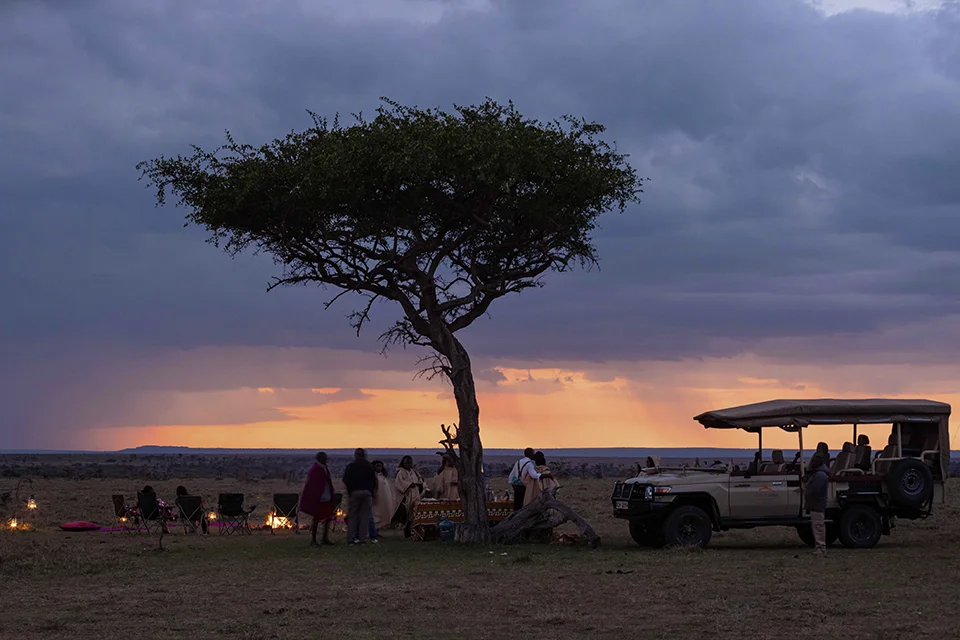
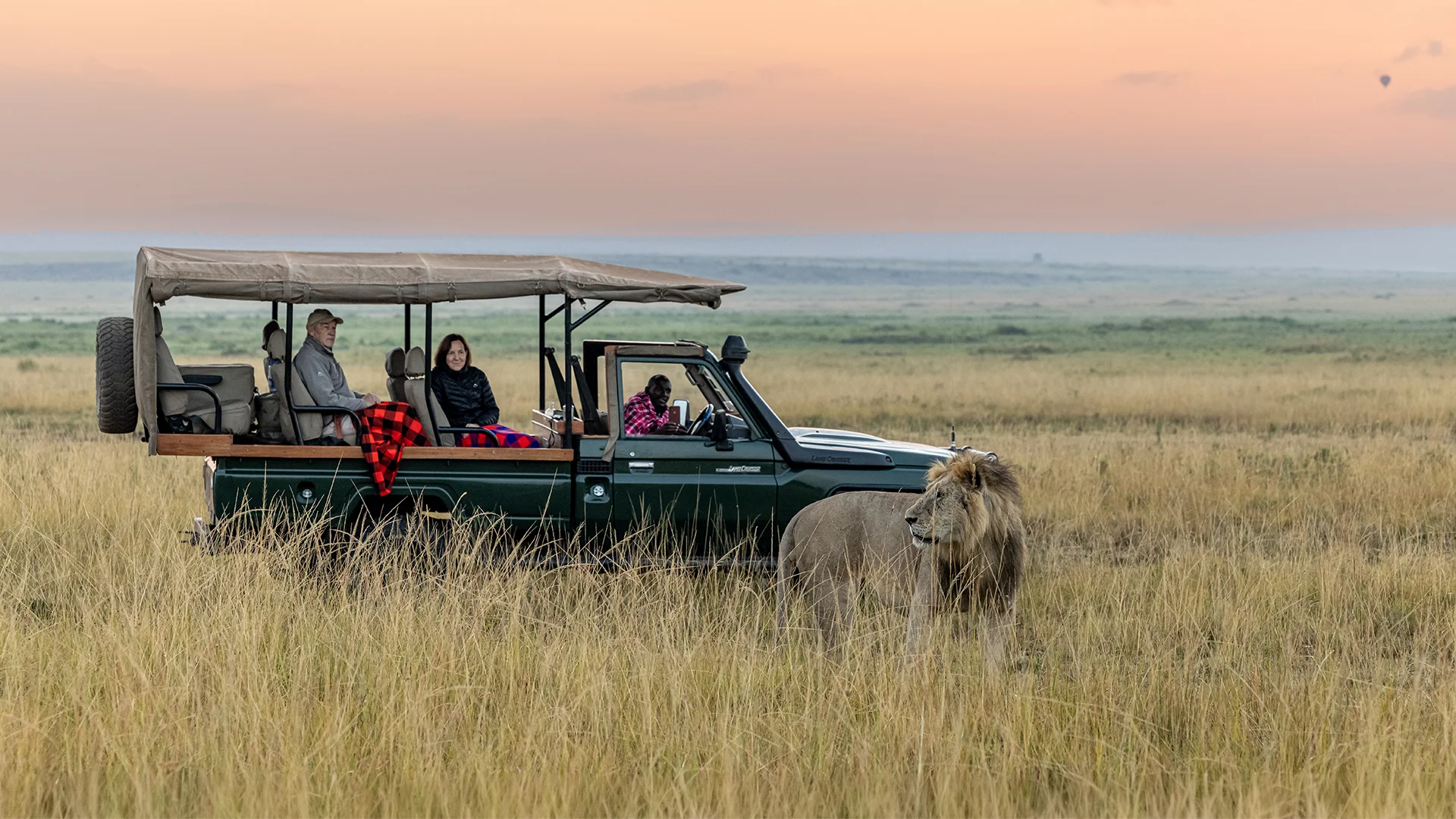
Low effort - vehicle-based game drives
Game drives ask very little of your legs. You are seated in an open vehicle for two to four hours at a time, with stops for sundowners, bathroom breaks and photography. Very little walking is required, although guests generally need to get in and out of a raised safari vehicle and move between their room and lodge facilities.
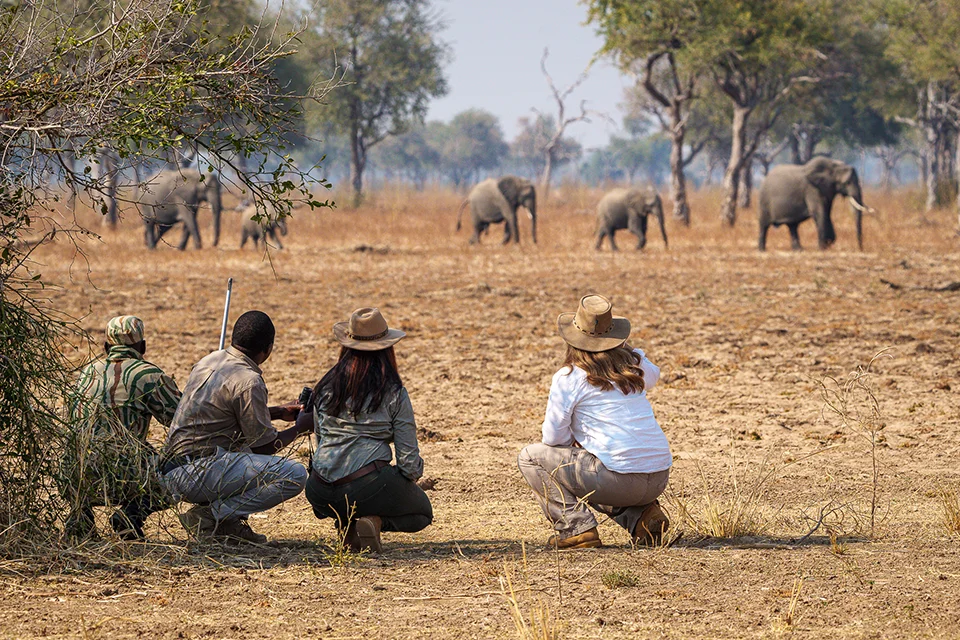
Moderate effort - guided walking safaris
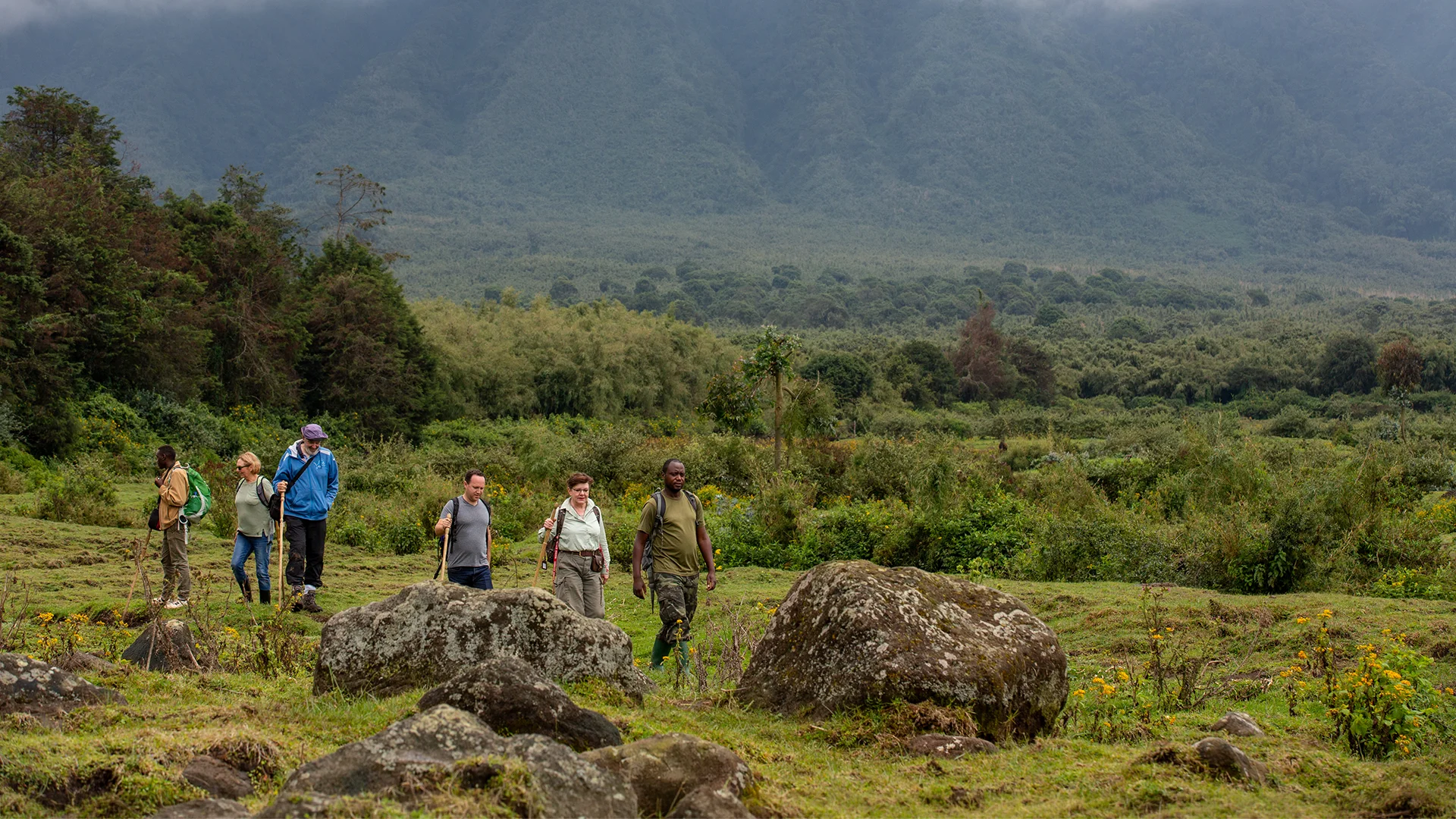
Walking safaris move at a relaxed pace with frequent stops for tracks and birdlife, but sessions can still run three to eight hours depending on the itinerary, often over uneven bush terrain and in rising heat.
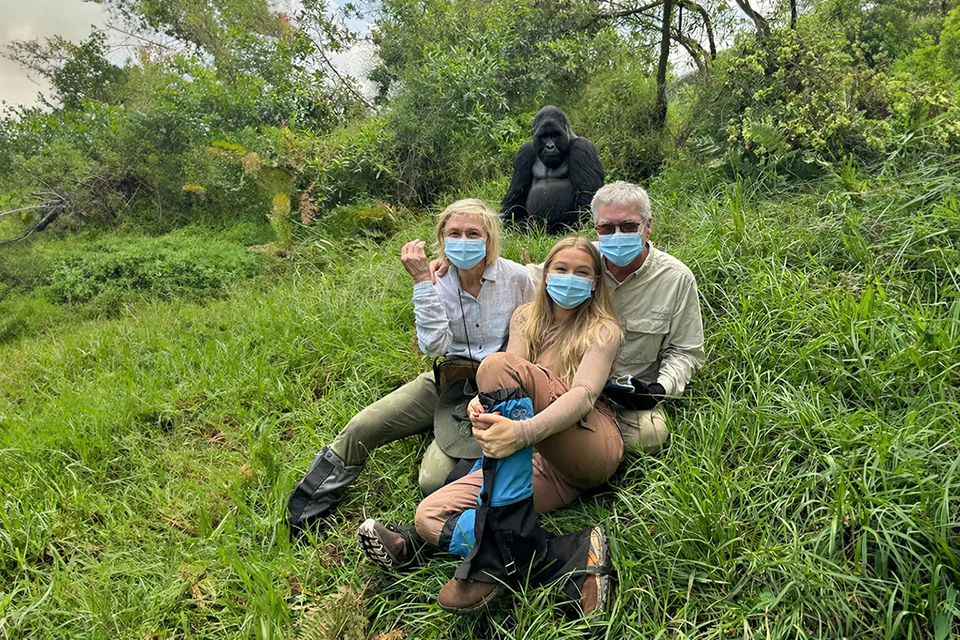
Moderate to high effort - gorilla and mountain treks
Reaching a gorilla family or a remote forest viewpoint means one to six hours of steep, humid hiking, often at altitude. It is the most physically demanding activity found on any African safari itinerary.
Game drives, the low-effort classic
What a typical game drive day involves
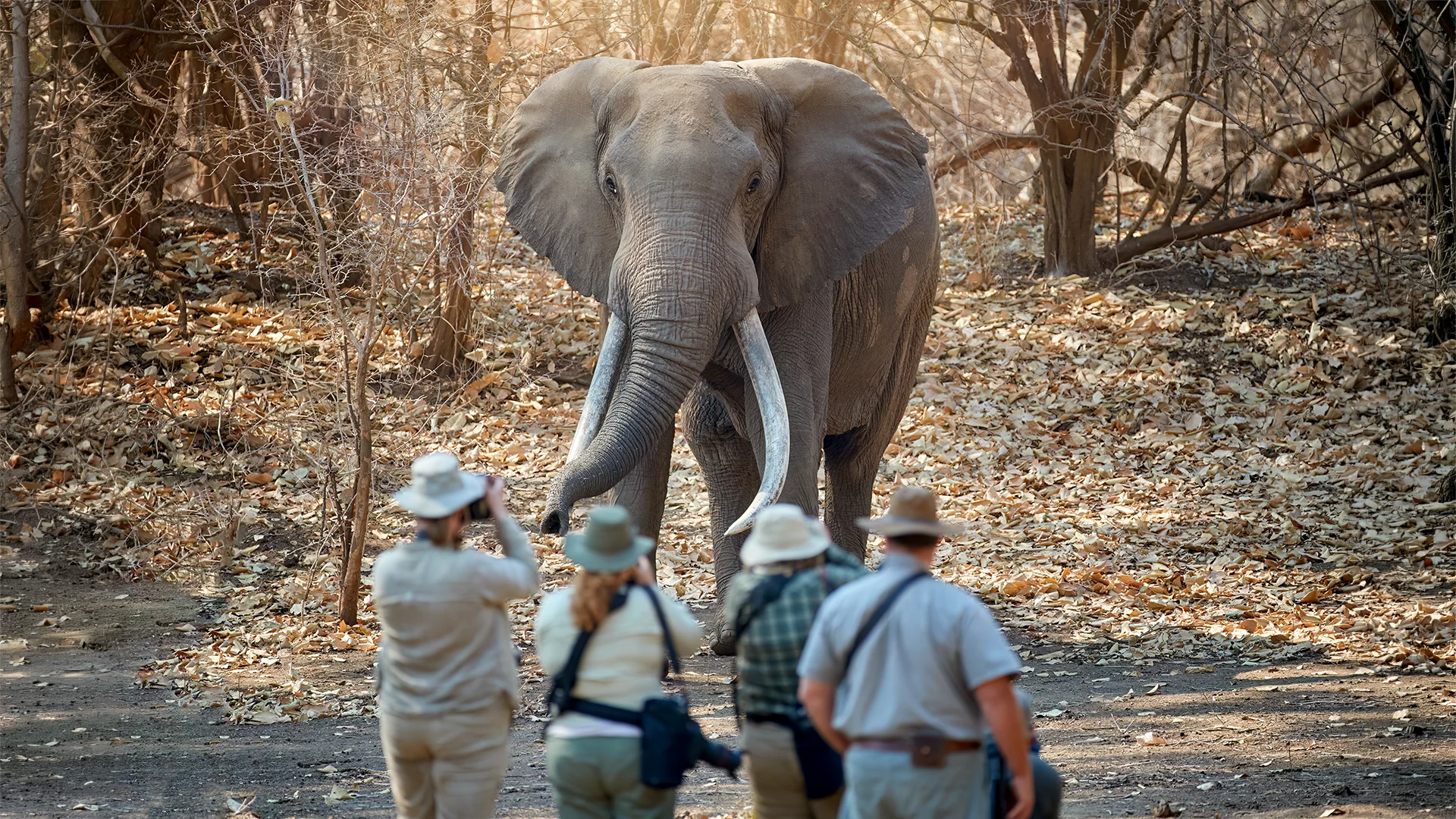
Mornings and afternoons are spent seated in an open safari vehicle, moving slowly through the reserve as your guide tracks wildlife by sight, sound and radio. Drives run two to four hours, with a stop for tea, coffee or sundowners. You climb in and out at the lodge and occasionally at a designated stop, but there is no sustained walking, no scrambling and no need for particular strength or endurance to take part.
Who a vehicle-based safari suits best
Game drives suit travellers managing joint pain, reduced stamina, a wheelchair or simply a preference for comfort over exertion. Many reserves, including much of Greater Kruger and South Africa's private reserves, offer flat, well-maintained roads and vehicles with step-free access on request. Some specialist lodges and operators offer adapted vehicles or other assistance for travellers with limited mobility. This makes vehicle-based safaris the most reliably inclusive option across the continent, and the natural starting point for anyone unsure how their fitness will hold up.
Mobility considerations for game drives
Vehicles have a raised, step-assisted entry point; ask about a lower step if this concerns you
Some lodges offer adapted vehicles with wider doors and forward-facing swivel seating
Night drives rely on spotlights and radio contact, requiring no additional physical effort
Bring a small cushion or lumbar support if long, bumpy roads are a concern for your back
Bathroom stops are arranged at set points during the drive, not left to chance or timing
A pair of binoculars helps you follow distant sightings without needing to lean or stand
Malaria-free reserves suit travellers who prefer to avoid additional daily medication
Tell your safari expert about any hearing, sight or mobility needs before you book
Walking safaris and building fitness in
How much walking to expect on a bush walk
A relaxed itinerary built around one guided walk per day, alongside game drives, calls for roughly three to four hours of walking with frequent stops. Focused walking safaris, where you walk twice daily for several days, require enough endurance to cover five to eight hours across a full day. The pace itself stays gentle throughout, since your guide stops constantly to point out tracks, birdlife and plants, but the cumulative distance and heat add up over a longer trip.
What actually limits your walking options
Terrain, heat and footwear cause more trouble than age alone. Bush trails are uneven, with roots, sand and the occasional stream crossing, so ankle stability matters more than raw speed. Conditioning your feet before travel reduces blisters considerably, the most common reason walkers cut a session short. If joint pain or breathlessness are a concern, we can build a trip around shorter walks paired with more vehicle-based days, rather than ruling out walking altogether.
Preparing your body for a walking safari
Start regular walks two to three months before departure, building up distance gradually
Break in your walking boots well ahead of time; never wear brand-new boots on a trek
Practise walking on uneven ground, not just pavements, to condition ankles and balance
Carry blister plasters and change socks midway through longer sessions if they feel damp
Build up to walking in the heat of the day, not only in cooler morning conditions
Ask your safari expert for an itinerary with two rest days built in between walks
Pack trekking poles if you already use them at home; guides are used to accommodating them
Mention any recent joint surgery, so your guide can plan pace and stops accordingly
Gorilla and mountain treks
What a gorilla or forest trek actually demands
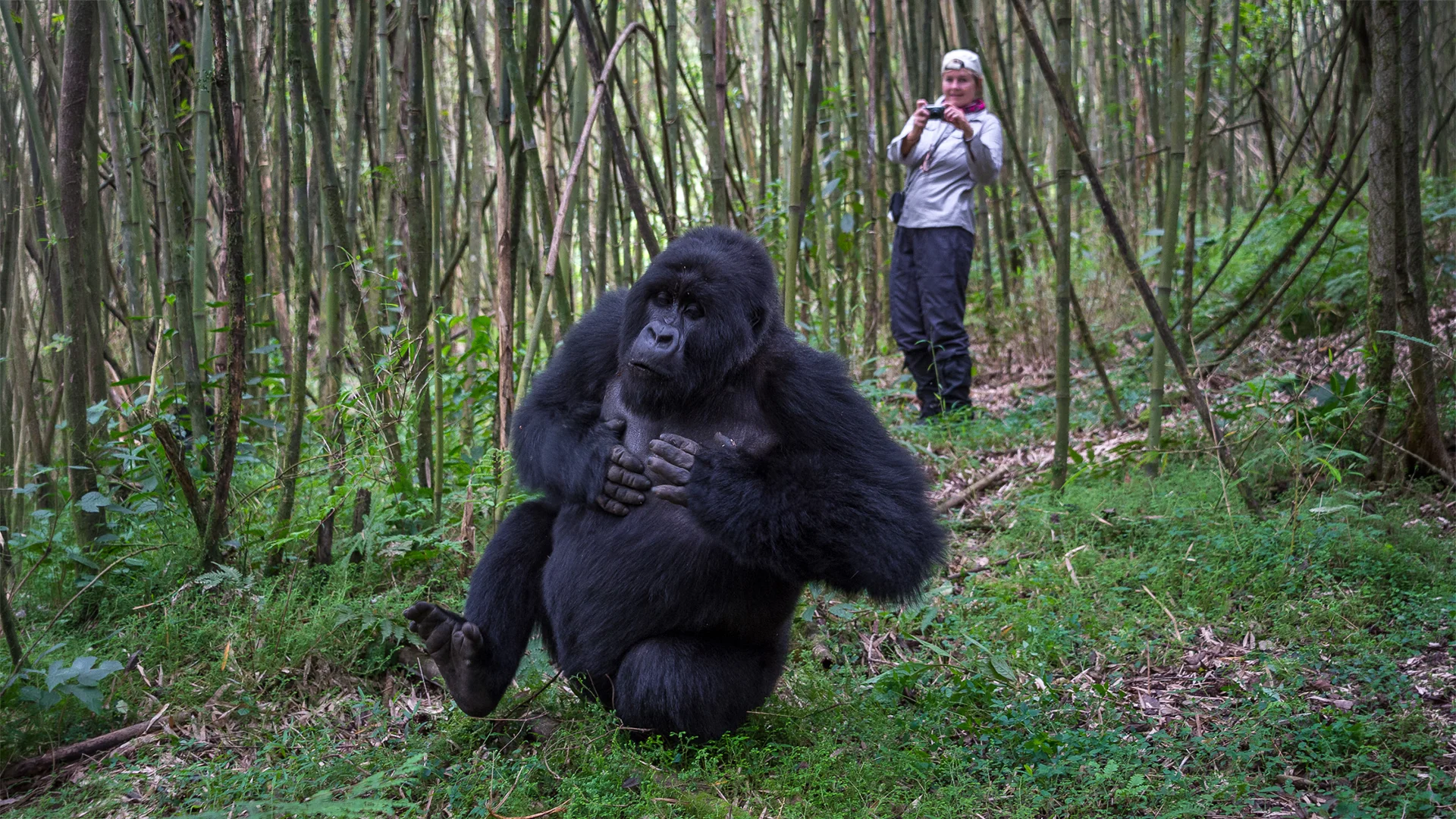
Finding a habituated gorilla family can take one to six hours of hiking through steep, humid rainforest, sometimes above 2,000 metres altitude. The pace is gentle, with pauses to admire birdlife or catch your breath, but the terrain rarely flattens out. A reasonable level of cardiovascular fitness and stable footing matter more here than on any other African safari activity, and altitude can leave even fit trekkers short of breath on the steepest sections.
Practical steps before a demanding trek
Ask your safari expert to request an easier-access gorilla family on the day of your trek
Book a porter well in advance rather than deciding at the trailhead on the morning itself
Enquire about sedan-chair support in Rwanda and Uganda if unassisted walking is a concern
Train on hills or stairs beforehand to build the specific fitness that treks actually require
Pack walking poles, since many trekkers find them essential on steep, wet forest slopes
Allow a buffer day either side of your trek in case of fatigue or unexpected weather delays
Check with your doctor beforehand about altitude and any cardiac or respiratory conditions
Remember the minimum age for gorilla trekking is 15 years old, with no upper age limit
Wish you were here?
How we match your itinerary to your ability
The fitness conversation we have before booking
Rather than asking your age, our safari experts ask what you can comfortably do: how far you walk at home, whether stairs trouble you, and how you managed any previous trekking or hiking holiday. This honest, practical conversation shapes which reserves, lodges and activities we recommend, so the itinerary is built around your real ability rather than a guess. Nothing about mobility is left for you to discover once you have already committed to a fixed departure date.
Building rest and flexibility into every day
A well-paced itinerary alternates demanding days with easier ones, so effort never compounds unmanaged across a full trip. A gorilla trek or a full walking day is typically followed by a game-drive day or a rest morning, giving your body time to recover. Malaria-free reserves, shorter transfers and hotels with lifts or lodges with ground-floor rooms are all options we weigh up specifically for travellers who want the classic safari experience without unnecessary physical strain.
What to tell your safari expert before you book
Share any joint, heart, respiratory or balance conditions, current medication, and how you found walking or altitude on previous trips, even holidays unrelated to safari. Mention whether you use a wheelchair, walking stick, or hearing aid, or whether you are travelling with someone who does. This detail lets us select lodges, vehicles and activity levels that suit you specifically, rather than defaulting to a standard itinerary and hoping it works out well on arrival.
As Africa Geographic CEO Simon Espley puts it: “Travel in Africa is about knowing what, when and where to go - a few weeks too early or late, or a few kilometres off course, and you could miss the greatest show on Earth.” The same principle applies to fitness: knowing your own pace and building a trip around it is what turns a good safari into the trip of a lifetime.
Frequently asked questions
It depends entirely on the activity, not your age. Vehicle-based game drives require no walking and suit almost anyone. Guided walking safaris call for three to eight hours of walking at a relaxed pace. Gorilla and mountain treks are the most demanding, needing one to six hours of steep, humid hiking, sometimes at altitude. Tell your safari expert what you can comfortably manage at home, and we will build an itinerary around that reality rather than a guess.
Yes. Many reserves, particularly in South Africa's Greater Kruger and other malaria-free areas, offer flat roads, step-free vehicle access and ground-floor lodge rooms suited to wheelchair users and travellers with limited mobility. Walking safaris and treks are naturally harder to adapt, but vehicle-based safaris remain fully accessible. Share your specific mobility needs early so we can select reserves, lodges and vehicles that genuinely work for you.
A classic safari built around game drives involves almost no walking beyond getting in and out of the vehicle and moving through the lodge grounds. If your itinerary includes a guided bush walk, expect three to four hours for a single relaxed session, or five to eight hours a day on a dedicated multi-day walking safari. The pace stays gentle throughout, with frequent stops for tracking, birdlife and simple rest along the way.
You should be fit enough to walk for one to six hours at a relaxed but sustained pace, often on steep, humid, uneven terrain and sometimes above 2,000 metres altitude. There are frequent pauses, but the hills and thinner air can tire even generally fit trekkers. Hiring a porter, or booking a sedan-style chair in Rwanda or Uganda, makes a genuinely tough trek considerably more manageable for less confident walkers.
Most lodges set a minimum age of 12 to 16 for guided walking safaris, varying by destination and by whether the walk takes place in a Big Five area with potentially dangerous wildlife. There is no formal fitness test, but you should be comfortable walking for several hours over uneven bush terrain in rising heat. If in doubt, we can arrange a shorter walk paired with more vehicle-based activities across the remaining days of your trip.
Speak to your safari expert as soon as anything changes. Itineraries can usually be adjusted to swap a demanding trek or full walking day for a vehicle-based alternative, or to add rest days between more physical activities. Being upfront about a new joint issue, recent surgery, or illness lets us protect both your safety and your overall enjoyment of the trip once you arrive.
Yes. A game-drive-only itinerary, common across Greater Kruger, the Maasai Mara, the Serengeti and the Okavango Delta, involves no sustained walking whatsoever. You are seated in an open vehicle throughout each session, with only short, level stretches at the lodge itself. This is often the recommended starting point for travellers managing joint pain, reduced stamina or more significant mobility limitations.
Yes. Porters are available on almost every gorilla or mountain trek for a modest fee, carrying your daypack and often assisting on the steeper, muddier sections. Rwanda and Uganda additionally offer sedan-style chairs, carried by a small team of trained porters, for trekkers unable to complete the full distance unassisted. Both should be arranged with your safari expert well ahead of your departure date.
Altitude affects individual fitness more than age specifically, though the two can certainly compound each other on a long day. Bwindi and the Virunga volcanoes sit at 1,500 to over 2,000 metres, where thinner air can leave anyone short of breath on steep ground. Building in an acclimatisation day beforehand, staying well hydrated and hiring a porter all help considerably, regardless of how old or young the trekker happens to be.
Start regular walking two to three months before departure, gradually increasing distance and including hills or stairs where possible. Break in walking boots well ahead of time, and practise on uneven ground rather than pavements alone. For a gorilla trek, add some cardiovascular training. None of this is compulsory for a game-drive-only trip, but it makes any walking safari or trek considerably more enjoyable.
Start planning your dream safari
Our travel experts will craft a no-obligation itinerary just for you. We have crafted over 5,000 safaris since 1991. Your personal details are protected; we only use this information to contact you.
Why book your safari with us?

Deep Experience & Knowledge
Handcrafted experiential safaris since 1991.
Travel in Africa is about knowing when and where to go, and with whom. A few weeks too early/late or a few kilometres off course, and you could miss the greatest show on Earth. And wouldn’t that be a pity?

Trust & Safety

Make A Difference
We donate a portion of the revenue from every safari sold to carefully selected conservation projects that make a significant difference at ground level.
YOUR safari choice does make a difference - thank you!