

Tailor-made safaris. Since 1991



Maasai Mara National Reserve: Kenya's greatest wildlife stage
Maasai Mara National Reserve at a glance:
Location: Narok County, southwestern Kenya; northern extension of the Serengeti-Mara ecosystem | Main access: Jomo Kenyatta International Airport (NBO), Nairobi; light aircraft from Wilson Airport to Musiara, Ol Kiombo or Sekenani airstrips |
Reserve size: 151,000 hectares (1,510 km²) within a total protected area of about 350,000 hectares. | Best time to visit: August to mid–October (Great Migration river crossings); December–March (green season, lush landscape, fewer visitors) |
Currency: Kenyan Shilling (KES); US dollars widely accepted | Malaria risk: Yes. Antimalarial medication is strongly recommended; consult a doctor before travel |
Recommended stay: Minimum 4–5 nights; 7 or more nights for a fuller experience | Visa: Required for most nationalities; the East African Tourist Visa covers Kenya, Uganda and Tanzania |
Why visit the Maasai Mara National Reserve?
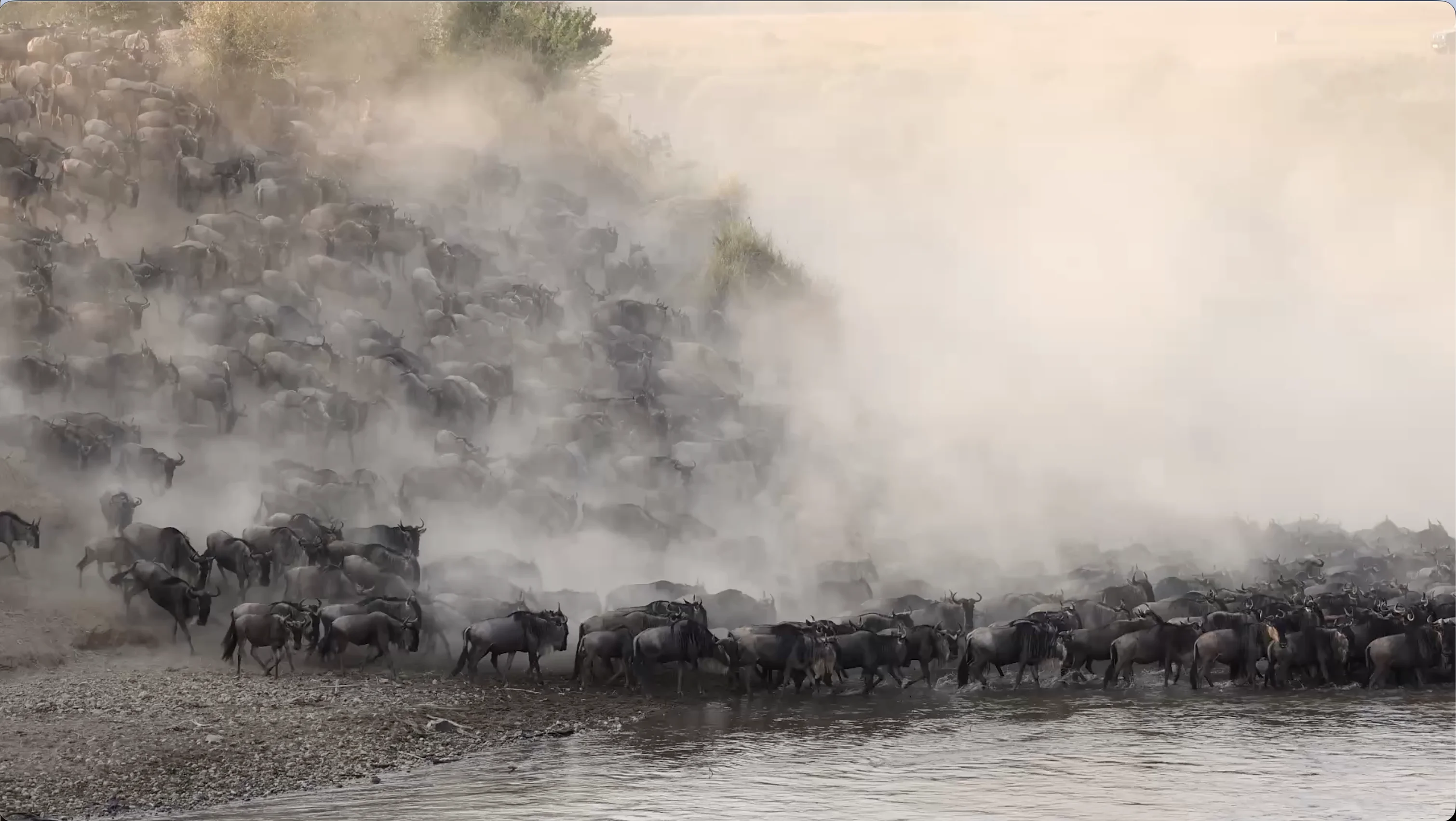
The Maasai Mara National Reserve sits at the northern end of the Serengeti-Mara ecosystem, one of the great continuous wildlife landscapes on the African continent. From late July, the reserve becomes the stage for the most dramatic chapter of the Great Migration, the Greatest Show on Earth, as the river crossings that have defined the Mara's reputation for generations enthral along the Mara River. But the reserve's appeal extends well beyond a single seasonal event.
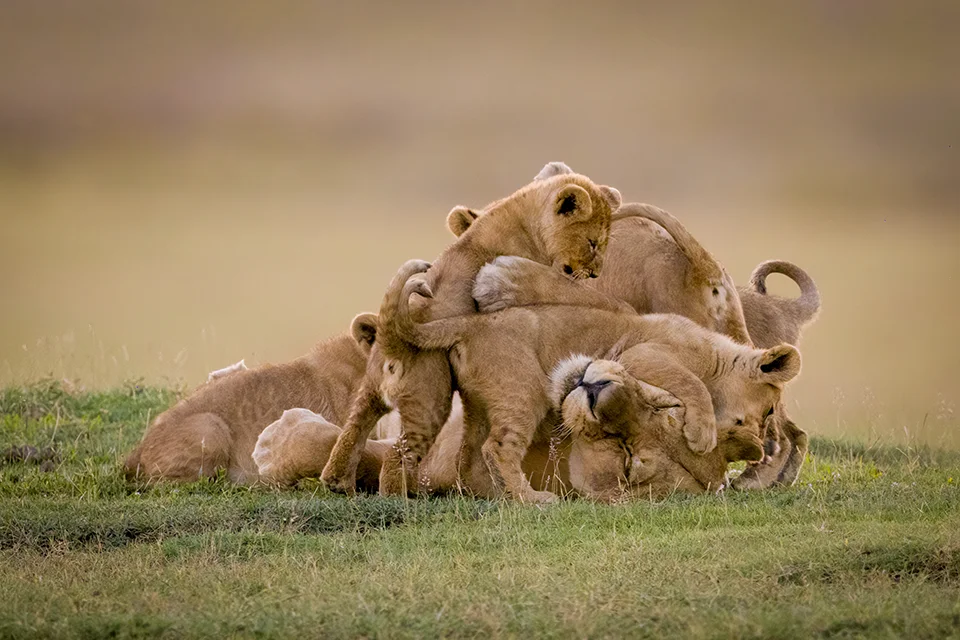
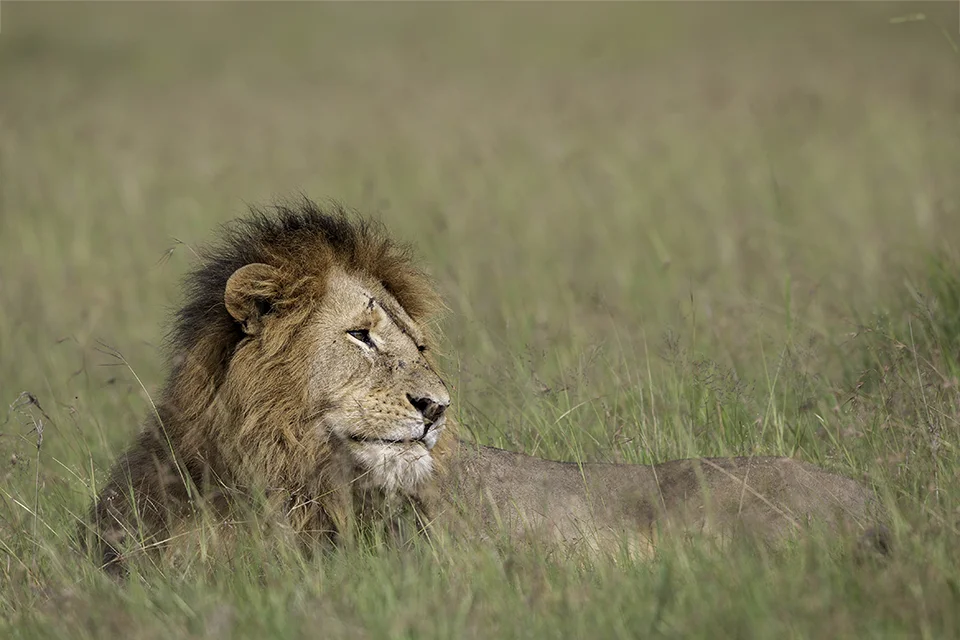
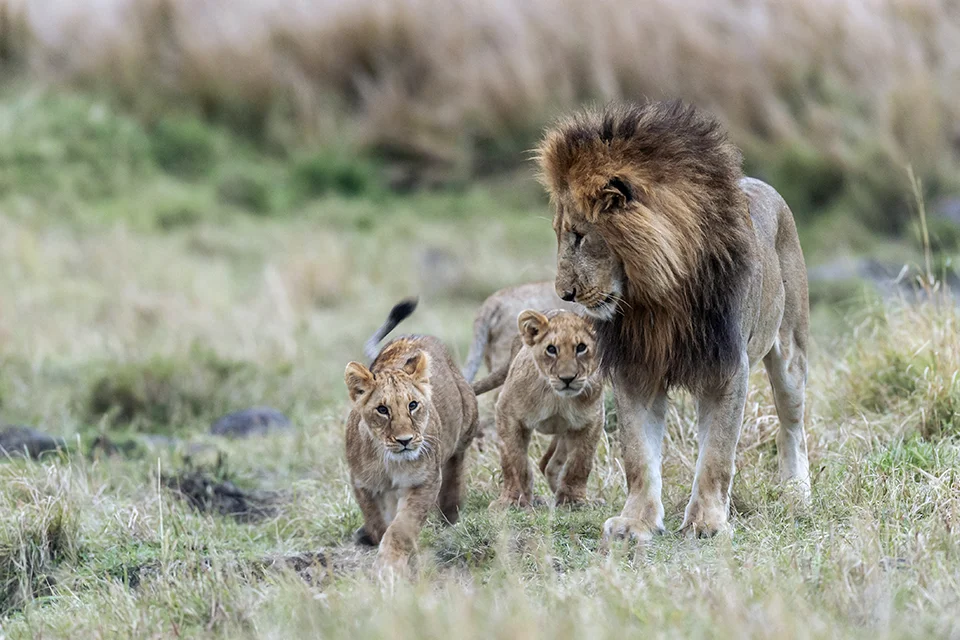
The name says something about the place. "Mara" means "spotted" or "mottled" in the Maa language of the Maasai people, describing the acacia-dotted plains that spread beneath the escarpment and across the Mara River basin. Around 400 lions reside in and around the reserve. The open short-grass savannah makes the Maasai Mara one of Africa's premier destinations for cheetah sightings. Elephants, leopards, and buffalo are reliably encountered throughout the year.
What gives the Mara its particular depth is the relationship between the landscape and its people. The Maasai have shared this land with wildlife for centuries, and their knowledge and cultural presence remain woven into the experience of every safari here.
For those who arrive outside the Great Migration months, the reserve offers something different and, for many travellers, equally compelling: an emerald landscape, abundant newborn prey, extraordinary resident predator activity and the rare feeling of having the plains largely to yourself.
5 reasons we love the Maasai Mara National Reserve
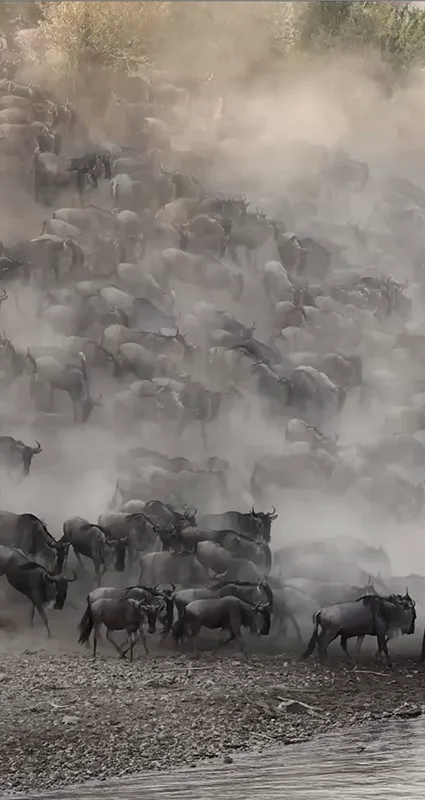
The Mara River crossings: From August to mid-October, hundreds of thousands of wildebeest and zebra cross and recross the crocodile-patrolled Mara River, delivering one of the most adrenaline-charged wildlife events on Earth.
A premier destination for big cats: Around 400 resident lions, exceptional cheetah density across open grasslands and regular leopard sightings make the Mara one of Africa's most rewarding predator destinations.
Compelling wildlife every month of the year: The resident Big Five, some of Africa's largest spotted hyena clans and a recovering wild dog population ensure the Mara delivers year-round, Great Migration or not.
The Secret Season experience: From late October through March, lush grasslands, peak resident predator activity on newborn prey and a fraction of peak-season visitor numbers offer a genuinely different and deeply satisfying Mara.
A landscape still shaped by the Maasai: For centuries, Maasai communities have coexisted with wildlife across this land. Their knowledge, culture and presence give the Maasai Mara a human dimension few safari destinations can match.
All you need to know about the Maasai Mara National Reserve
Things to do in the Maasai Mara National Reserve
Game drives across the open savannah: Twice-daily drives in customised 4×4 vehicles, led by expert guides with deep knowledge of the reserve's lion prides, cheetah territories and individual leopards, are the foundation of every Mara safari.
Witness the Great Migration river crossings: From August to mid-October, position yourself near the Mara River and watch the determined wildebeest and zebra herds negotiate the crocodile-filled crossing: unpredictable, raw and unforgettable.
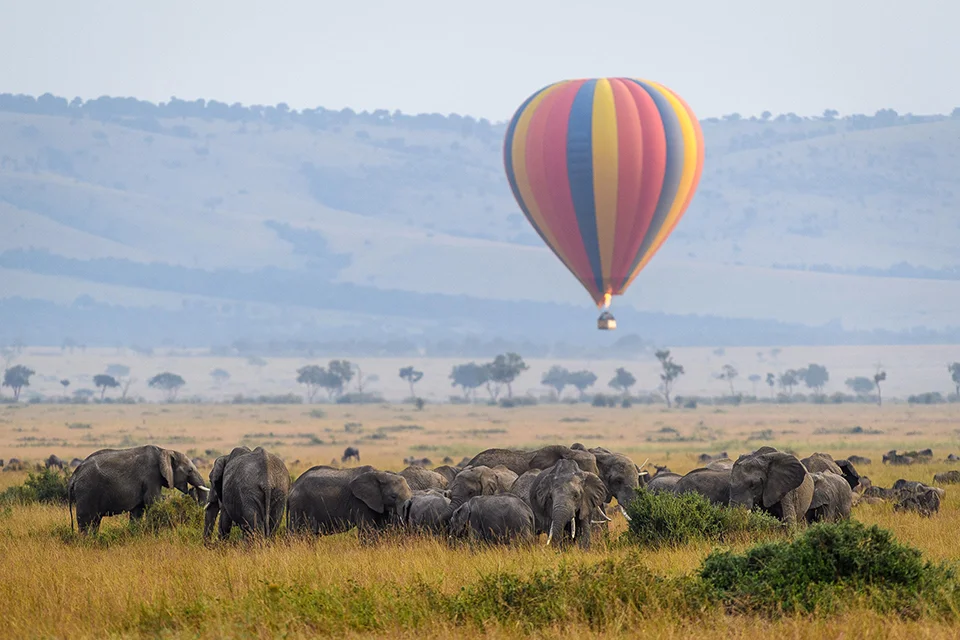
Hot-air balloon safaris at dawn: A Mara speciality. Drift above the plains and river for approximately an hour before landing for a bush breakfast. Balloon safaris must be booked well in advance.
Guided walks at the reserve's edge: Several camps offer guided walks with armed rangers just outside the reserve boundary, tracking spoor, reading the landscape and experiencing the ecosystem at ground level. No walking is permitted within the national reserve.
Maasai cultural visits: Most camps offer optional visits to Maasai villages, with fees channelled directly to the community. The Mara basin is a heartland of Maasai culture; encounters organised through established camp relationships tend to be the most meaningful.
What wildlife can I see in the Maasai Mara National Reserve?
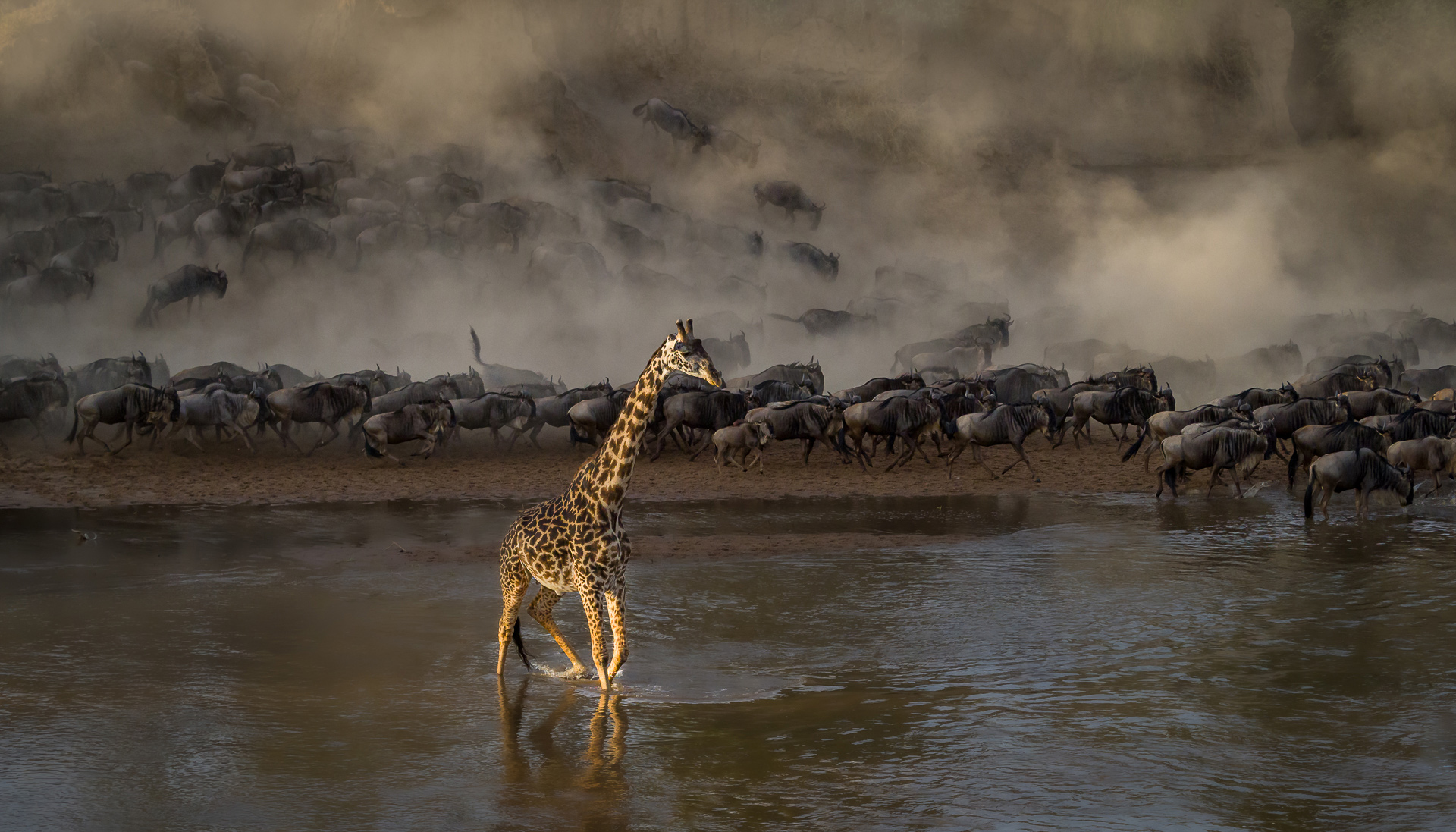
The Great Migration: From late July or early August through to mid-October or early November, approximately 1.3 to 1.5 million wildebeest and around 200,000 zebra move north from Tanzania's Serengeti, transforming the reserve's plains and rivers into one of the most extraordinary wildlife spectacles on Earth.
The Big Five, including Kenya's rarest rhinos: Lions, elephants, leopards and buffalo are all reliably seen throughout the year. Black rhinos are present in remote, dense-bush areas; the Maasai Mara holds Kenya's only indigenous black rhino population unaffected by translocation. Sightings are uncommon but possible.
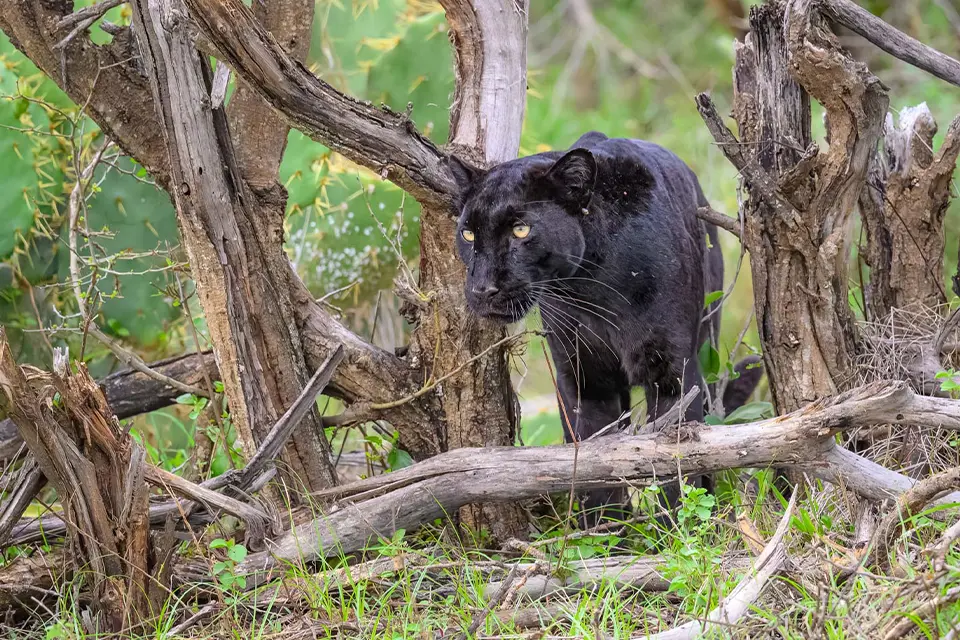
Exceptional big cat diversity: The Maasai Mara is one of Africa's premier cheetah destinations; open grassland suits them for both hunting and visibility. Leopards are regularly encountered, and many lion prides are known individually to experienced guides.
Spotted hyenas, wild dogs and more: The reserve supports some of Africa's largest spotted hyena clans. Wild dogs, once nearly absent, are now seen regularly and have begun denning in the area again. Serval, bat-eared fox and jackal complete an exceptional predator community.
Plains wildlife in remarkable variety: Maasai giraffe, plains zebra, common eland, topi, Thomson's and Grant's gazelles, impala, hartebeest, waterbuck, hippopotamus and Nile crocodile are all reliably encountered.
About 470 bird species occur in the Maasai Mara area, including rufous-tailed weaver, grey-crested helmetshrike, Jackson's widowbird and Usambiro barbet. Migratory species arrive from November to April, making this the strongest birdwatching period of the year. The riverine forests along the Mara and Talek rivers add further diversity year-round.
Where to stay in the Maasai Mara National Reserve
Accommodation inside the Maasai Mara National Reserve ranges from owner-run seasonal camps tucked into riverine forest to eco-rated luxury properties with floor-to-ceiling glass and elevated river views.
Sentinel Mara Camp: Sitting on high banks above the Mara River near the Musiara Marsh, this intimate, owner-run camp occupies the stretch of reserve where both the BBC's Big Cat Diary and Disney's African Cats were filmed. Seven ensuite tents sit in the riverine forest, each with private river views, a veranda and campaign-style furnishings that evoke the classic era of East African safaris. Guests watch hippos and crocodiles from their tents; various Migration crossing points are easily accessible from camp.
Roca River Camp: A family-run, 10-tent camp on the banks of the Mara River at the edge of Paradise Plains, positioned to access both the main reserve and the Mara Triangle. Five tents face the river; five open onto the plains beyond. It is one of the few reserve camps that closes seasonally, from 21 April to 1 June.
Main Naibor: Sitting on the south bank of the Talek River, about 2 kilometres from where it meets the Mara River, this seven-tent camp occupies a central reserve position that puts all parts of the Mara within range. Luxury tents with king-size fig-wood beds, private verandas, and en-suite bathrooms sit quietly on the riverbank; a spa, boutique, and dining tent complete the camp.
Naibor Wilderness: A seven-minute walk from Main Naibor, this sub-camp offers three more rustic but well-appointed double tents in a forest setting, with their own private mess tent and bush views. It can be taken exclusively by groups of up to six, making it one of the reserve's most private options at a more accessible price point.
Continued below
Where to stay - continued
The reserve's central and southern reaches hold five further properties, each positioned differently across the landscape.
Mara Ngenche Safari Camp: Non-hosted, intimate and styled with antique character, this small, personal camp is built around private dining and a quieter pace, suited to travellers who prefer their own company over shared social spaces.
Soroi Luxury Migration Camp: Situated along the seasonal Olare Orok River , this camp has eight river-facing luxury tents raised on stilts, each with floor-to-ceiling glass and complete privacy from neighbours. Two family units offer a second bedroom with its own en-suite bathroom. The camp's signature feature is its Hippo Pool bar, where guests watch hippos from above the water as the sun drops.
Soroi Mara Bush Camp: Certified by Ecotourism Kenya for its business practices, environmental conservation, and community involvement, this camp has ten river-facing tents and two family tents, runs entirely on solar power, and operates unfenced, with Maasai Warriors assigned to each tent after dark. This is one of the most thoughtfully conceived camps in the reserve.
Salas Camp: An intimate seven-tent property on the Sand River in the far south of the reserve, close to the Tanzania border. This is a quietly dramatic location where Migration herds pour northwards directly from the Serengeti in season, crossing the river within reach of camp.
Sand River Masai Mara: Also on the Sand River in the southern sector, this colonial-style camp brings a classic aesthetic to this remote corner of the reserve, an elegant choice for travellers whose priority is witnessing the Migration's first arrivals from Tanzania.
Trusted by thousands of ecstatic travellers
✔️ 5-Star Trustpilot Rating ✔️ Condé Nast Travel Specialist Award Winner
✔️ Accredited by SATSA ✔️ 5,000+ Exceptional Safaris Since 1991
Why choose Africa Geographic to plan your safari?

"Africa Geographic arranged a safari my granddaughter and me. We went to...Sentinel...The daily game drives were spectacular. My granddaughter and I were alone in a vehicle with our impressive guides and spotters as we learned to track big cats and cherish an abundance of elephants, antelopes, giraffes, hippos, baboons and...I wish I had the time and money to do this whole trip over again. Tomorrow."

"As a conservation photographer, I spent months researching and looking for the perfect opportunity for a photo safari for myself and my husband. I found that with Africa Geographic! ...a magical 8 days with Sentinel Mara Camp on the banks of the Mara River...We wanted lots of animals and few people, and we found that in the peaceful and beautiful Mara Camp in the shoulder season. Everything was beautifully planned and executed..."

"We spent 6 nights in this tented, unfenced camp on the banks overlooking the Mara River...It was an authentic Out of Africa experience with real Askari, Masai warriors, escorting you after dusk. The Masai are amazing people, welcoming and jovial...They danced and sang around the fire after dark for us, with the hippos bellowing...went out of their way to make our experience very special, a time to remember forever."
Wish you were here?
Frequently asked questions
The reserve rewards visits year-round, but two periods stand out. August to mid-October brings the Great Migration river crossings, dry weather and reliable wildlife visibility. December to March offers lush green landscapes, extraordinary predator activity on newborn prey and significantly fewer vehicles on the plains.
Wildebeest and zebra typically begin arriving from late June or early July, with crossings peaking between August and mid-October. Late September and October tend to be less crowded while the crossings remain excellent. No crossing follows a fixed schedule; the herds decide entirely on their own terms.
The period from late October through to April, when the Migration has moved on. The reserve's grass is lush, plains wildlife is calving and predator-prey interactions are at their most intense. Visitor numbers drop substantially, rates at many camps fall, and the experience of the landscape changes character entirely.
The Maasai Mara National Reserve is the publicly managed protected area administered by Narok County Government. The conservancies are community-owned lands surrounding the reserve. This page covers the reserve only. Activities such as night drives and off-road driving are available in the conservancies but not permitted within the reserve itself.
Yes, all five are present year-round. Lions, elephants, leopards and buffalo are encountered reliably on game drives. Black rhinos are harder to find: the reserve holds Kenya's only indigenous non-translocated black rhino population, tucked into dense bush near remote river stretches.
The Mara is widely considered one of the best destinations in Africa for cheetah sightings. The open short-grass savannah is ideal terrain for them, both for hunting and for visibility from a vehicle. A healthy resident population ensures encounters are a realistic expectation rather than a hopeful one.
Fly into Jomo Kenyatta International Airport in Nairobi, then connect via Wilson Airport onto a charter or scheduled light aircraft to one of the reserve's airstrips, roughly an hour in the air. A road transfer from Nairobi covers approximately 270 kilometres and takes four to five hours. Self-drive is not recommended.
Yes. Bush flights carry a strict limit of 15 kg per person, including hand luggage. Bags must be soft-sided; hard suitcases and wheeled cases do not fit in the aircraft. Most camps and Nairobi hotels can arrange secure storage for excess luggage while you are in the bush.
Game drives, hot-air balloon safaris, Maasai cultural village visits and birding are the core activities. Several camps offer guided walks just outside the reserve boundary with armed rangers. Night drives and off-road driving are not permitted within the reserve; these activities are available in the surrounding conservancies.
Yes. Several camps in the reserve specifically cater for families. Soroi Mara Bush Camp runs a Mara Bush School programme for children, guided by Maasai staff. Roca River Camp and Sentinel Mara Camp both welcome children of all ages with tailored activities and menus. Family tent configurations are available at several properties.
Most nationalities require a visa to enter Kenya. The East African Tourist Visa is a practical option for travellers combining Kenya with Uganda and Tanzania, covering all three countries under a single application. Check current entry requirements with your nearest Kenyan High Commission or Embassy well before travel.
Yes. Malaria is present throughout the reserve. The risk is lower during the dry season from July to October, but antimalarial medication is strongly recommended for all visitors regardless of travel dates. Consult a travel health professional or clinic well in advance of your departure date.
Accommodation inside the reserve typically ranges from around US$300 to US$550 per person per night at comfortable mid-range camps, to US$900 to US$1,300 at the luxury end, usually including accommodation, meals and game drives. Reserve entry fees and community levies apply additionally. For Migration season, booking well in advance is strongly advised as the best-located camps fill quickly.
Click here to schedule a no-obligation call with one of our Safari Experts or fill in our 2-minute form with your questions. Our team of experts are here to help! Whether you’re curious about the best time to travel, want to hear first-hand about an experience or need help planning your safari.
Explore more African destinations
Start planning your dream safari
Our travel experts will craft a no-obligation itinerary just for you. We have crafted over 5,000 safaris since 1991. Your personal details are protected; we only use this information to contact you.
Why book your safari with us?

Deep Experience & Knowledge
Handcrafted experiential safaris since 1991.
Travel in Africa is about knowing when and where to go, and with whom. A few weeks too early/late or a few kilometres off course, and you could miss the greatest show on Earth. And wouldn’t that be a pity?

Trust & Safety

Make A Difference
We donate a portion of the revenue from every safari sold to carefully selected conservation projects that make a significant difference at ground level.
YOUR safari choice does make a difference - thank you!