

Tailor-made safaris. Since 1991



Chyulu Hills: misty volcanic mountains far from the crowds
Chyulu Hills National Park at a glance:
Location: Southeastern Kenya, between Amboseli and Tsavo West | Size: Approx. 741 km² (286 sq miles) |
Established: 1983 | Best time to visit: June–October & December–March |
Landscape: Volcanic hills, lava-tube caves, cloud forest | Known for: Super tuskers, predators, black rhinos and cloud-forest birding |
Getting there: Road via Nairobi or Tsavo (4x4 advised) | Part of: The greater 23,000 km² Tsavo–Chyulu protected area |
Why visit Chyulu Hills National Park?
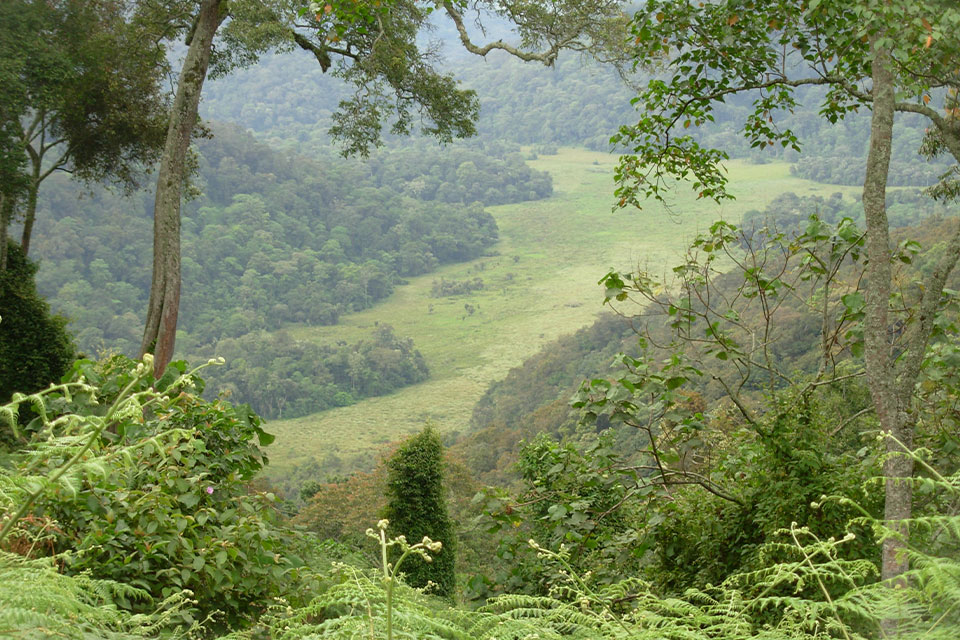
Rising abruptly green from the arid plains between Amboseli and Tsavo, the Chyulu Hills are among Earth's youngest volcanic ranges, and one of its quiet powerhouses. Cloud forest, grassland and bare lava flows harbour endemic butterflies, orchids and over 300 bird species. But their genius is hydrological: porous rock drinks the rain and channels it underground to Mzima Springs, watering half of southern Kenya. They are also the artery linking Amboseli, Tsavo and Kilimanjaro, guiding super-tusker elephants and big cats between them. A biodiversity bonanza built on volcanic youth, hidden water, and hard-won coexistence with the local Maasai people.
Few of Kenya's parks reward the curious traveller quite like the Chyulu Hills. Ernest Hemingway made these slopes famous as the "Green Hills of Africa", and the name still fits: on clear mornings, the snows of Kilimanjaro float on the skyline.
This is a place to slow down. The hills are among the least-visited parts of the Kenyan safari circuit, shaped by space, silence and active days rather than crowded sightings. Walk the ridges, ride out over the plains, drop into lava-tube caves, or just watch the light shift on the slopes.
The park is part of the greater Tsavo conservation area, yet it feels apart from its famous neighbours: higher, greener and far quieter than the red plains of Tsavo. For those after wild, open country and a real sense of space, the hills are unbeatable.
5 Reasons We Love Chyulu Hills
The "Green Hills of Africa": Hemingway's fabled, mist-wrapped volcanic ridges roll between Amboseli and Tsavo, with distant views of Kilimanjaro. The landscape includes some of Africa's longest lava-tube caves that thread beneath the hills, including the vast Leviathan, carved by eruptions.
Biodiversity bonanza: The combination of cloud forest, thorn tree grassland and bare lava flows attracts a wider variety of wildlife than neighbouring national parks.
Wilderness activities: Walking, horseback riding, mountain biking, and forest hikes make this a rare park to explore without a vehicle.
Maasai-led conservation: Much of the land is community-owned and co-managed with the local Maasai people, and tourism helps protect a vital wildlife corridor.
Blissful seclusion: As one of Kenya's least-visited parks, the hills trade big crowds for space, silence and a true sense of wilderness.
All you need to know about Chyulu Hills
About Chyulu Hills National Park
Chyulu Hills National Park lies in southeastern Kenya, set between Amboseli and Tsavo West, and it protects roughly 741 km² of one of the country's most scenic and least-developed volcanic lands. Gazetted in 1983, it guards part of a range that runs for almost 100 km in a chain of grassy cones, lava flows, craters and underground tubes, all formed by recent eruptions.
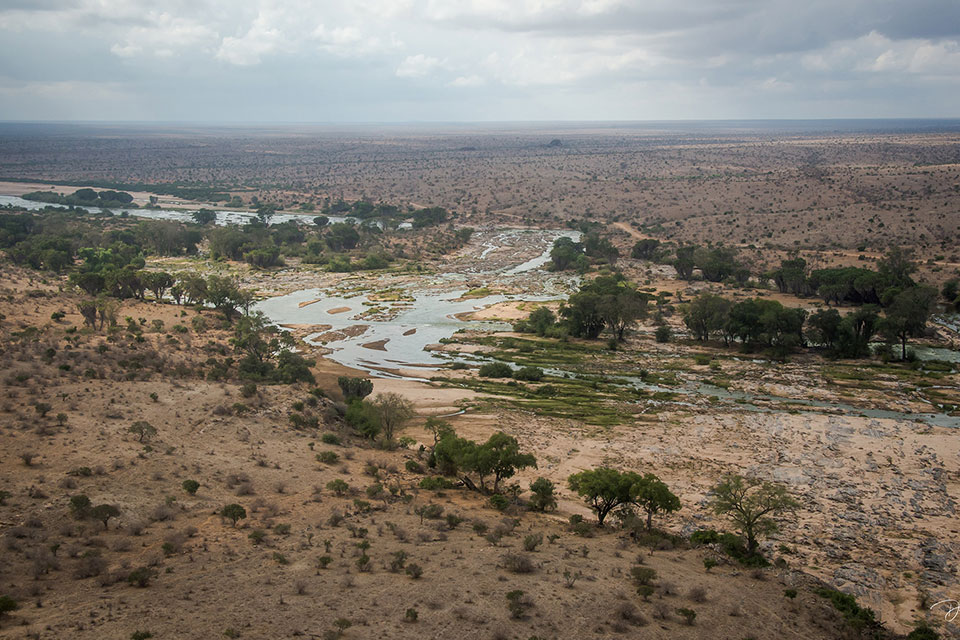
There is no permanent surface water here. The porous volcanic rock soaks up the rain and channels it underground, feeding springs that nourish the wider ecosystem, while nightly mist keeps the higher slopes green and wraps the crests in cloud forest. The hills also form a key corridor for wildlife moving between Amboseli and Tsavo. Much of the wider land is community-owned, part of the Kuku Group Ranch and co-managed with the resident Maasai people, so that conservation, culture and tourism are all closely tied together here.
Things to do in and around Chyulu Hills National Park
Wildlife viewing: Game drives (including night drives), bush walks and bird walks
Lava-tube caving and hiking: Descend with a guide into ancient lava tubes, from shorter passages to long underground journeys through the vast Leviathan system. Trek the rolling ridges and cloud forest on foot with expert guides, taking in volcanic terrain, rare plants and sweeping views.
Horse riding: Ride out across the open plains and lava fields, a wonderful way to explore the hills and approach wildlife quietly from the saddle.
Mountain biking: Cycle the tracks that wind through the hills and grasslands, an active, low-impact way to take in the scenery and abundant wildlife.
Hide photography: Settle into sunken hides at the waterholes, where wildlife come to drink, for striking eye-level images in beautiful light.
Cultural encounters: Spend time with Maasai and Kamba communities, learning about pastoral life, sisal craft, tree planting and their conservation work.
What wildlife will I see in Chyulu Hills?
Chyulu Hills has a wide variety of wildlife, although at lower numbers than you will see in the nearby Amboseli, Tsavo East and Tsavo West.
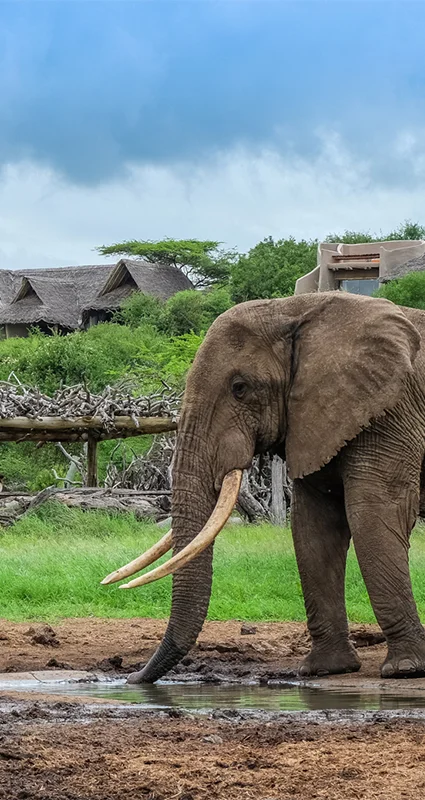
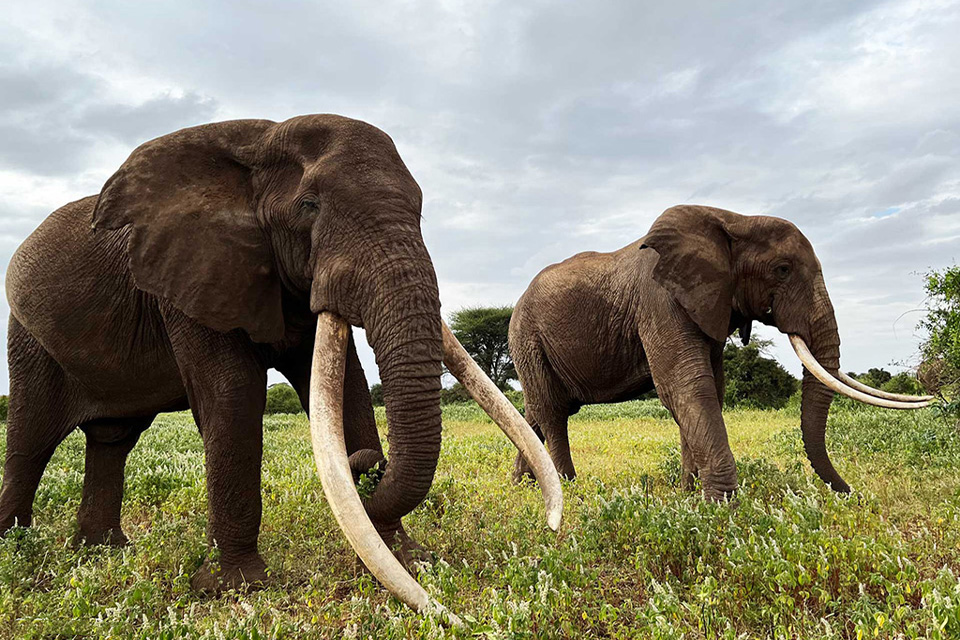
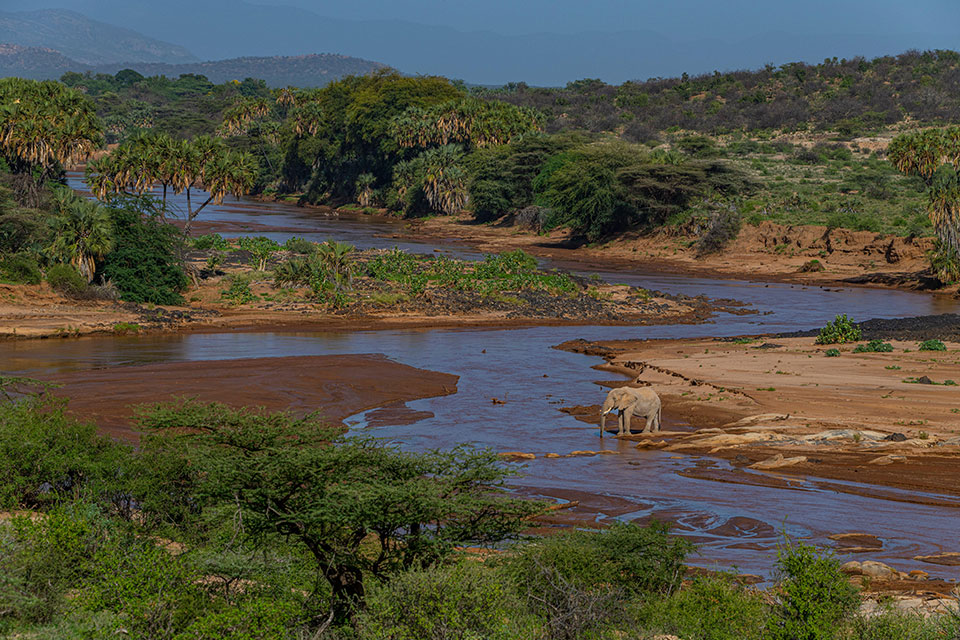
Elephants: Roaming super tuskers, resident bull elephants and breeding herds move through the hills and to waterholes, part of the wider Amboseli–Tsavo population.
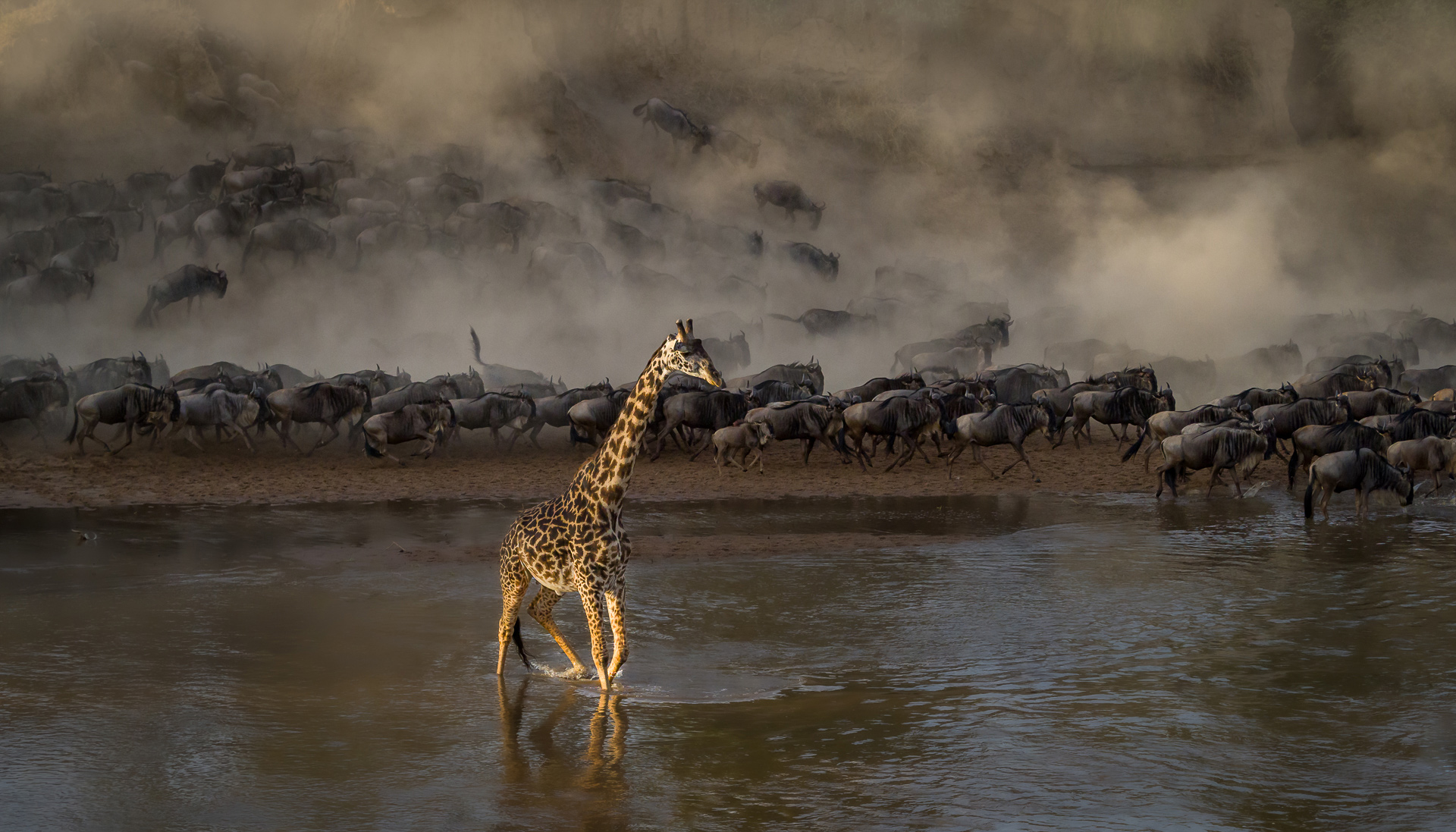
Plains wildlife: Maasai giraffe, eland, Coke's hartebeest, gerenuk, zebra, buffalo, wildebeest and bushbuck graze and browse across the woodland savannah of the lower slopes.
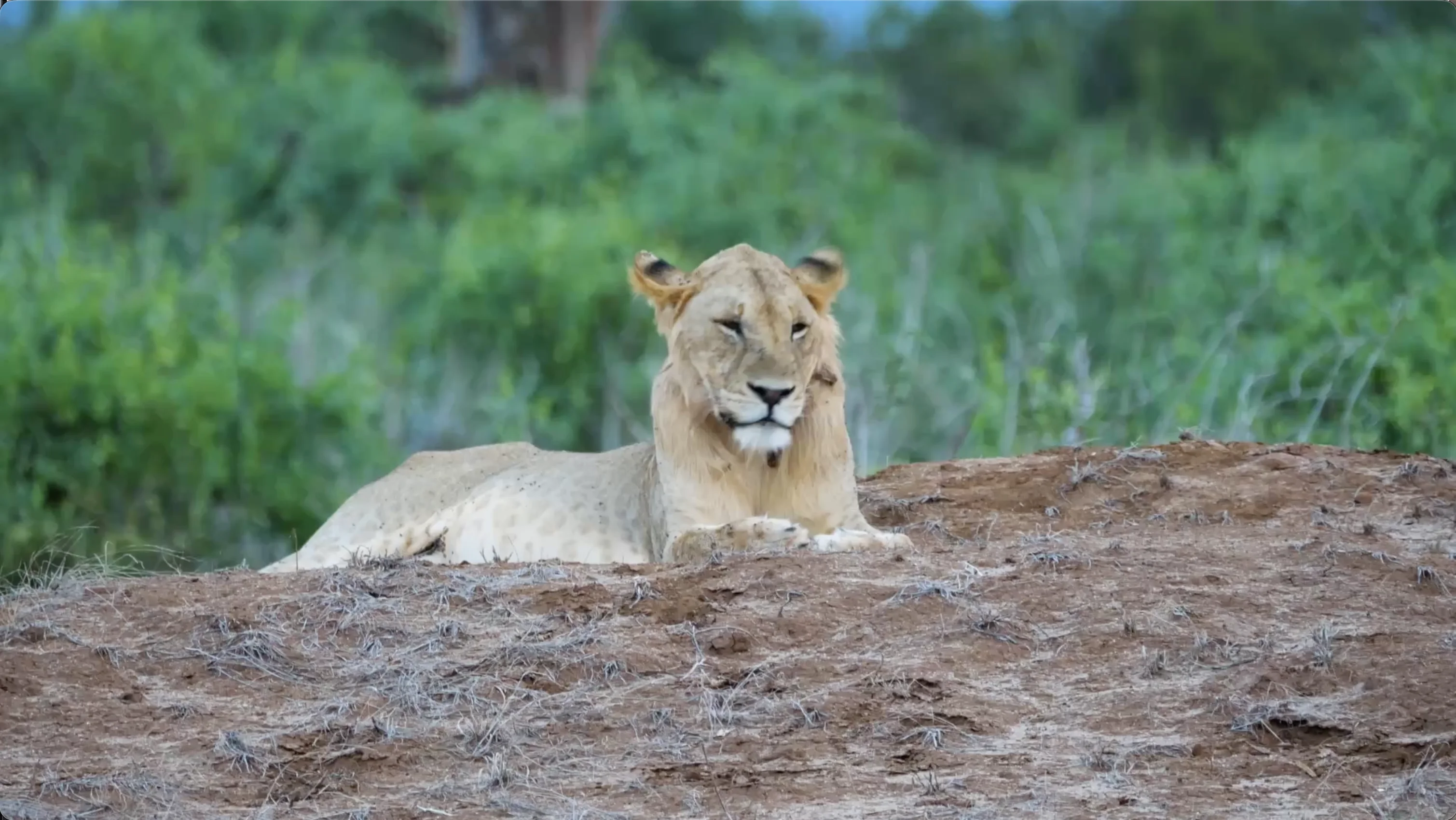
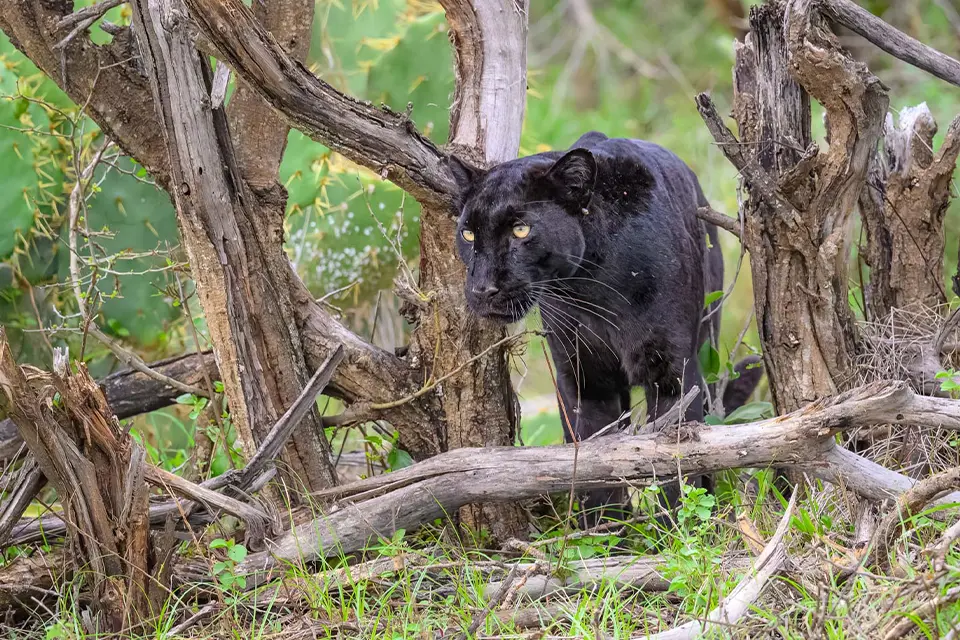
Predators: Lion, leopard, cheetah and spotted hyena all hunt here, alongside more elusive species such as serval, caracal, jackal and even wild dog.
Black rhino: A small, carefully protected population of wild black rhino shelters deep in the lava fields, closely guarded by dedicated park rangers.
Cloud-forest specials: On the misty crests, giant forest hogs push through the dense undergrowth alongside rare Chyulu Hills blade-horned chameleons, montane orchids, and endemic forest flora.
Birdlife: About 300 species include the rare Abbott's starling, Hartlaub's and purple-crested turacos, narina trogon, eastern bronze-naped pigeon, African emerald cuckoo, white-eared barbet, Tacazze sunbird and silvery-cheeked hornbill.
Where to stay in Chyulu Hills
Accommodation in the Chyulu Hills area is exclusive and low-impact, set mostly on the slopes bordering the national park where Maasai communities lease land to a few carefully run lodges.
ol Donyo Lodge is the most polished option, a luxurious, innovative designer lodge in its own private conservancy with magnificent views toward Kilimanjaro. It is built for active days: superb walking and horse riding, fine wildlife country and sunken photographic hides at the waterholes, with contemporary suites, excellent food and a strong conservation ethos.
Chyulu Lodge, formerly Campi ya Kanzi, is an eco-conscious bush lodge on the slopes, set in its own roughly 1,000 km² Maasai conservancy. A pioneer of low-footprint, Maasai-partnered tourism, it is intimate and unhurried, with a focus on walking, cultural exchange and the rhythms of the wilderness.
Chyulu Wilderness Camp offers a more pared-back, wilderness-led stay, suited to travellers who want to feel immersed in the landscape rather than cocooned from it, with the accent on wild surroundings, big skies and the deep quiet of one of Kenya's least-developed parks.
Trusted by thousands of ecstatic travellers
✔️ 5-Star Trustpilot Rating ✔️ Condé Nast Travel Specialist Award Winner
✔️ Accredited by SATSA ✔️ 5,000+ Exceptional Safaris Since 1991
Why choose Africa Geographic to plan your safari?

"Africa Geographic was amazing to work with. They tailored a trip specifically for us based on our wants and needs. They take the time to listen to you and understand what you are looking for from this sometimes once in a lifetime experience. They are professional, courteous, friendly and with you every step of the way. Their job does not end until you are home. If I could give them more than 5 stars I would!"

"Just had an amazing trip to Africa that AG put together for us based on a list of things that we wanted to see/do. They did it all and did an amazing job that exceeded our expectations all the way. Four countries, three safaris, flights, transfers, guides and drivers, over 3.5 weeks and everything went to plan with no issues. Phenomenal job..."

"Africa Geographic are the ULTIMATE in African trip planning! Thank you so much for our once in a lifetime experience! ... It was worth every penny spent!! Every detail about this trip were seamless from each meal to every transfer. We have already recommended Africa Geographic to many folks. God bless you all and thank you again for sharing your incredibly beautiful continent!!"
Wish you were here?
Frequently asked questions
The park lies in southeastern Kenya, between Amboseli National Park and Tsavo West National Park. It protects part of the Chyulu Hills, a volcanic range running roughly northwest to southeast across the landscape.
Chyulu Hills National Park covers approximately 741 km² (286 square miles) and was gazetted in 1983. It protects a portion of a volcanic range that extends for almost 100 km.
The Chyulu Hills are one of the youngest volcanic ranges in Kenya, formed over the last 1.5 million years. Rolling green hills, lava-tube caves, cloud forest and Kilimanjaro views combine with a deep sense of seclusion and huge biodiversity.
The Chyulu Hills form part of the greater Tsavo conservation landscape, alongside Tsavo East and Tsavo West, which together cover around 23,000 km². But the hills are higher, greener and quieter, with volcanic scenery and active, on-foot exploration rather than the vast red plains of Tsavo.
Author Ernest Hemingway is associated with the name "Green Hills of Africa", reflecting the lush, grass-covered slopes and mist-fed forests that set the range apart from the drier savannahs around it.
Wildlife includes elephant, Maasai giraffe, eland, zebra, buffalo, wildebeest and bushbuck, plus predators such as lion, leopard, cheetah and spotted hyena. A small, protected population of black rhino lives deep in the lava fields, and giant forest hogs roam the higher cloud forest.
The Chyulu Hills support a rich birdlife, with about 300 species recorded across grassland, woodland and forest habitats, including Abbott's starling, Hartlaub's and purple-crested turacos, narina trogon, eastern bronze-naped pigeon, African emerald cuckoo, white-eared barbet, Tacazze sunbird and silvery-cheeked hornbill.
The hills are honeycombed with lava-tube caves created by past volcanic activity. The Leviathan system is among the longest lava tubes in Africa, and guided cave exploration is one of the area's signature experiences.
Beyond game drives, the Chyulu Hills are known for walking safaris, horse riding, mountain biking, lava-tube caving, hide photography, fly-camping and cultural visits to Maasai and Kamba communities.
The drier months of June to October and December to March generally offer the most reliable conditions for wildlife viewing and outdoor activities. The short rains around November and March green the landscape and are excellent for photography.
Most tourists fly to private lodge airstrips from Wilson Airport (Nairobi) or from other lodge airstrips. Some drive from Nairobi or through the neighbouring Tsavo area. The terrain is rough in places, so a 4x4 vehicle is recommended.
Options include the luxurious ol Donyo Lodge, the eco-conscious Chyulu Lodge (formerly Campi ya Kanzi) and the more rustic Chyulu Wilderness Camp, alongside fly-camping on the ridges. Most lie on community conservancies on the lodge-friendly slopes.
Yes. Much of the landscape is community land, part of the Kuku Group Ranch and co-managed with the Maasai. Tourism helps fund the protection of a vital wildlife corridor between Amboseli and Tsavo and supports local livelihoods.
Our safaris typically cost from US$700 per person, per night, depending on the accommodation comfort level, time of year and activities. This price usually includes accommodation, all meals, game drives, experienced guides, airport transfers, and 24/7 support from our team.
You only make your first payment when you book your holiday. Your second (last) payment is about 105 days before you travel.
Peak season bookings require 12–18 months of advance planning. Trips outside of peak season can be arranged 6–9 months ahead, with better rates and availability.
Click here to schedule a no-obligation call with one of our Safari Experts or fill in our 2-minute form with your questions. Our team of experts are here to help! Whether you’re curious about the best time to travel, want to hear first-hand about an experience or need help planning your safari.
Start planning your dream safari
Our travel experts will craft a no-obligation itinerary just for you. We have crafted over 5,000 safaris since 1991. Your personal details are protected; we only use this information to contact you.
Why book your safari with us?

Deep Experience & Knowledge
Handcrafted experiential safaris since 1991.
Travel in Africa is about knowing when and where to go, and with whom. A few weeks too early/late or a few kilometres off course, and you could miss the greatest show on Earth. And wouldn’t that be a pity?

Trust & Safety

Make A Difference
We donate a portion of the revenue from every safari sold to carefully selected conservation projects that make a significant difference at ground level.
YOUR safari choice does make a difference - thank you!