

Tailor-made safaris. Since 1991



Laikipia: Kenya's great conservancy frontier
Laikipia Plateau at a glance:
Location: Central Kenya, straddling the equator north and west of Mount Kenya | Size: 9,500 km² (950,000 hectares); Laikipia Conservancies Association: 3,500 km² across 24 member conservancies |
Access: Light aircraft from Nairobi's Wilson Airport to conservancy airstrips | Best time to visit: July–September (dry season, peak wildlife); December–March (second dry period) |
Activities: Game drives, night drives, guided walks, horse safaris, camel safaris, conservation fieldwork, rhino tracking | Wildlife highlights: Big Five including both black and white rhino, Grévy's zebra, reticulated giraffe, striped hyena, black leopard, African wild dog |
Conservancies include: Lewa, Borana, Ol Pejeta, Loisaba, Solio, El Karama, Mugie, Ol Doinyo Lemboro and more | Climate: Cool and temperate; two rainy seasons — short rains (October/November), long rains (March–June) |
Why visit Laikipia Plateau?
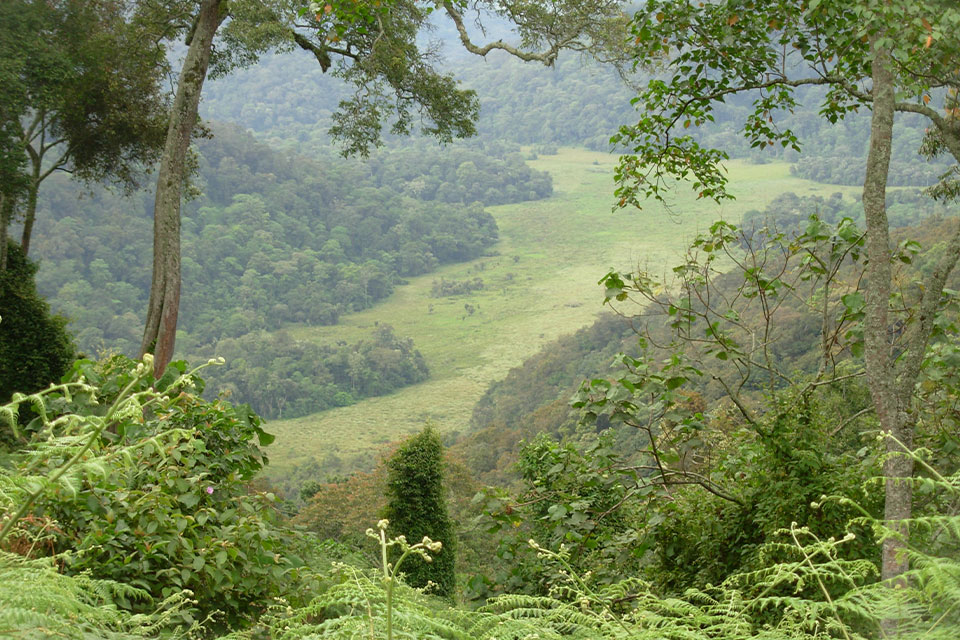
Laikipia Plateau is one of Kenya's 47 counties, a 9,500 km² mosaic of wildlife conservancies, ranchlands, and commercial farms bridging East Africa's savannas to the south and the arid Horn of Africa to the north. "Laikipia" means "treeless plain" in Maa. Here, endangered species roam alongside Boran cattle and camels across a conservation model unlike any other in Africa.
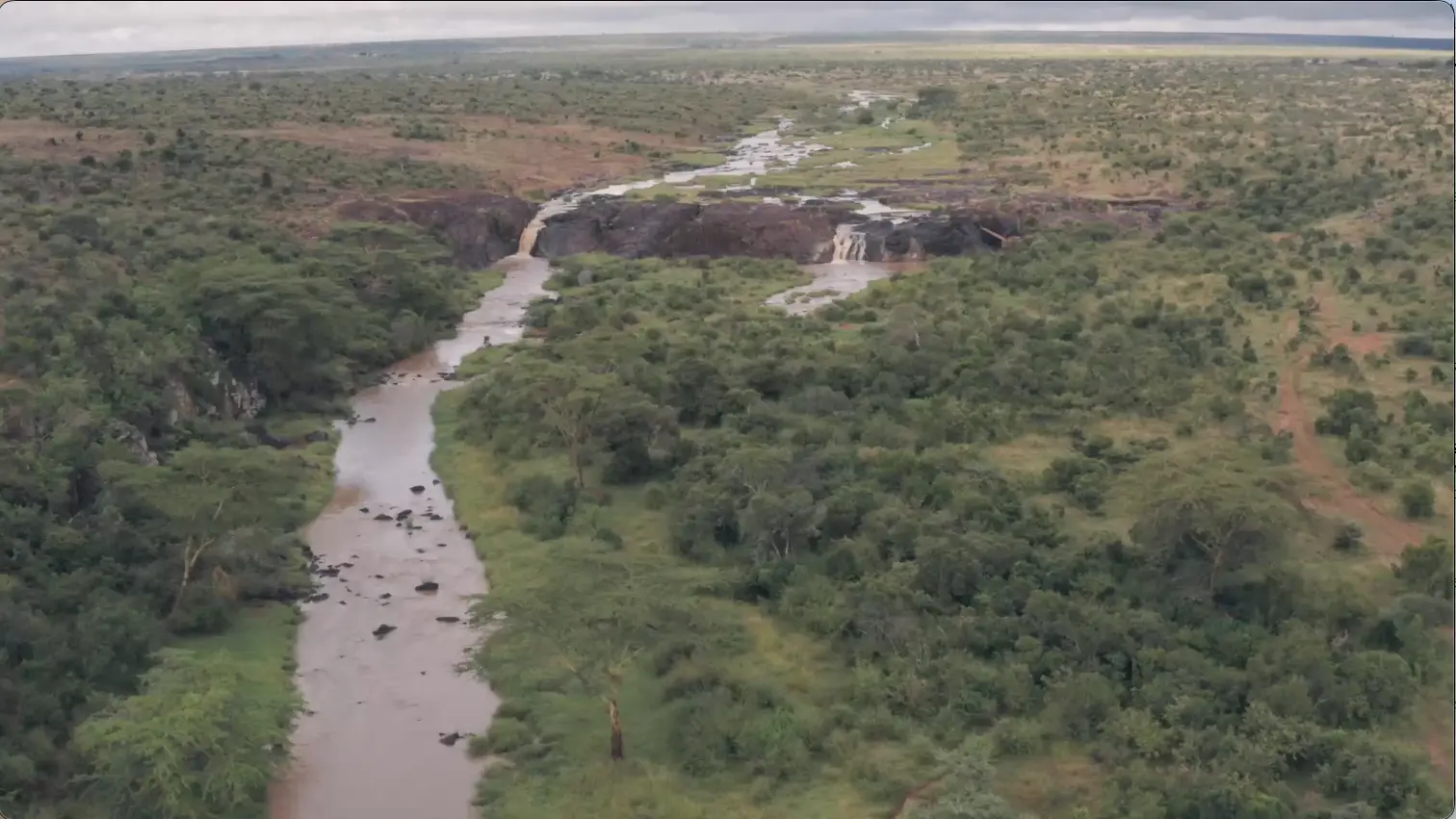
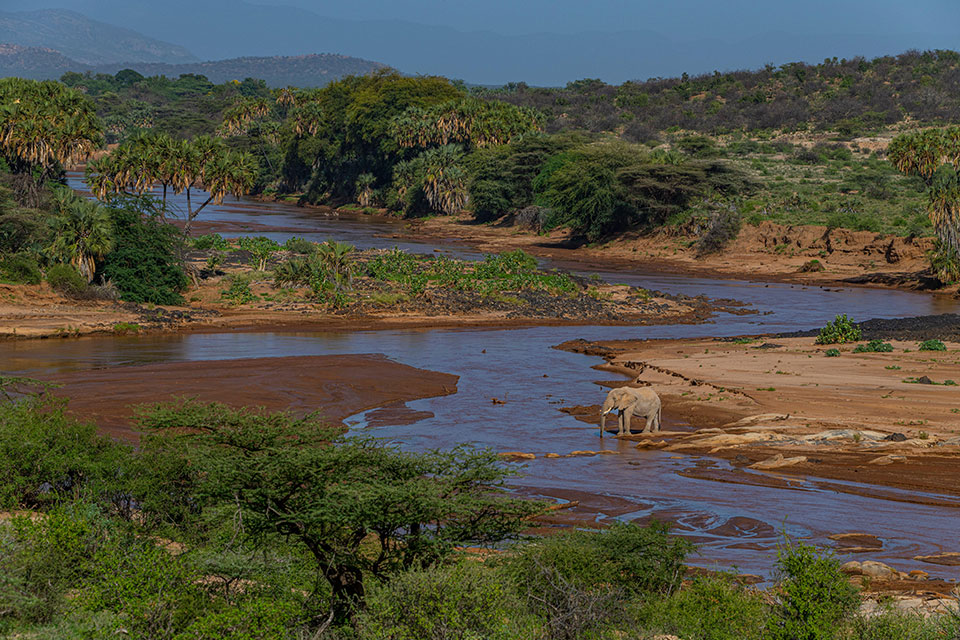
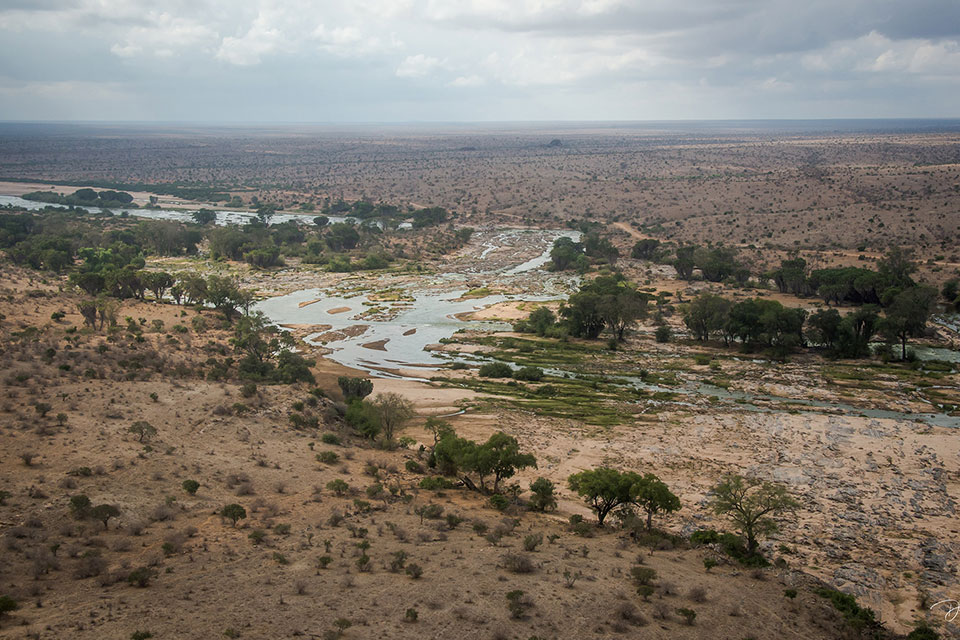
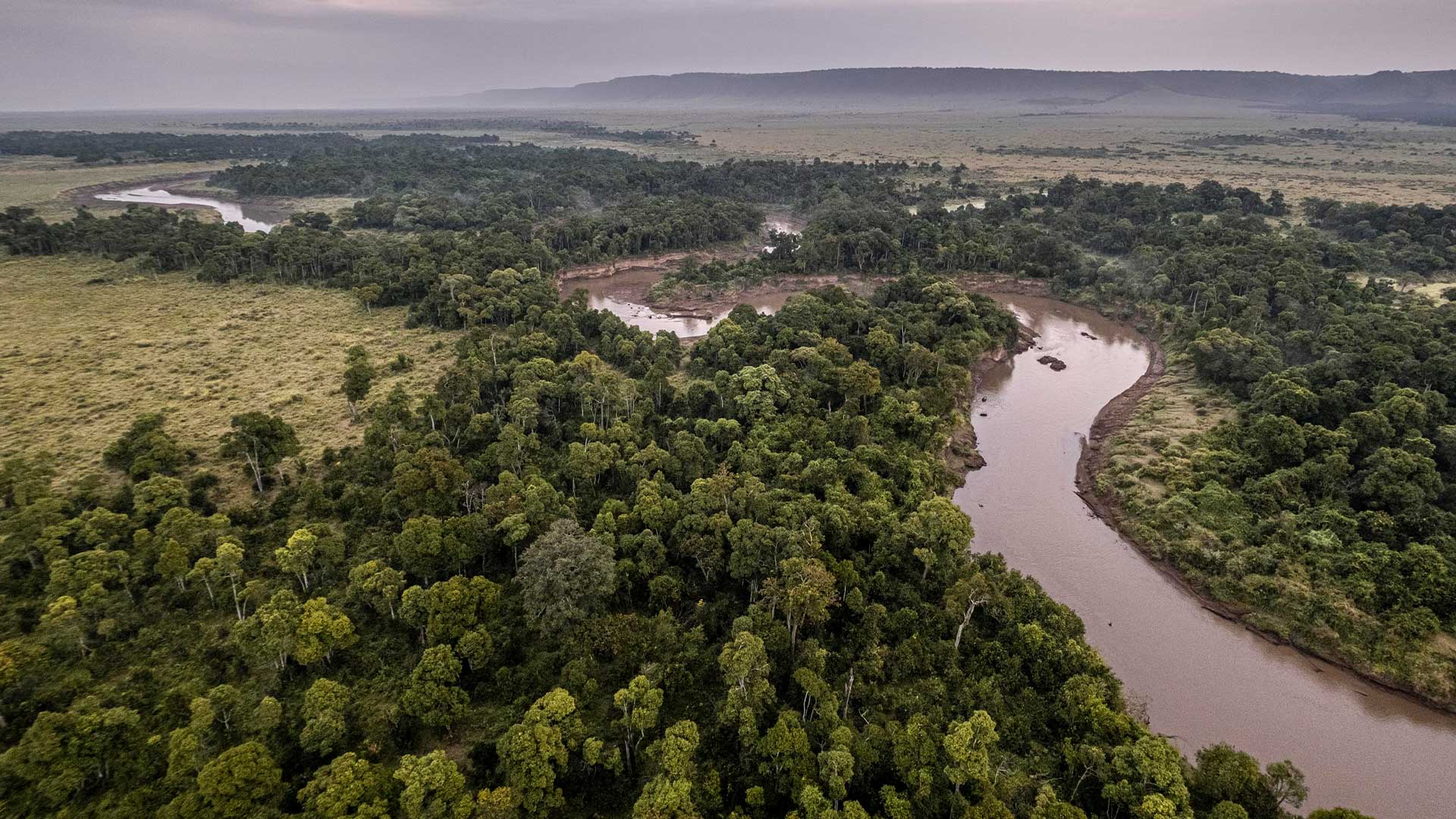
Most of the plateau lies above 1,500 metres, producing a cool, temperate climate ideal for safaris year-round. The Aberdare Mountains anchor the southwest; Mount Kenya rises to the southeast; the Ewaso Ng'iro River flows northeast, fed by glacial tributaries from Mount Kenya.
Unlike Kenya's national parks, most of Laikipia lacks formal protection — apart from Mukogodo and Rumuruti Forest Reserves. The Kenyan conservancy model governs wildlife here, blurring the line between wild space and working land. The Laikipia Conservancies Association comprises 24 member conservancies covering 3,500 km² (350,000 hectares). Wildlife densities are comparable to the Masai Mara, yet because national park rules do not apply, lodges offer night drives, off-road driving, guided walks, horse safaris, and camel safaris, giving Laikipia the most varied activity menu in Kenya.
5 Reasons We Love Laikipia
No national park restrictions: Lodges offer night drives, walking safaris, off-road driving, horse safaris, and camel safaris; Kenya's most varied activity menu.
Kenya's finest rhino viewing: Both black and white rhinos are found across the conservancies, with sightings described by safari experts as unsurpassed anywhere in Kenya.
Wildlife densities to rival the Masai Mara: Yet visitor numbers are dramatically lower, making Laikipia one of Kenya's least-crowded luxury safari destinations.
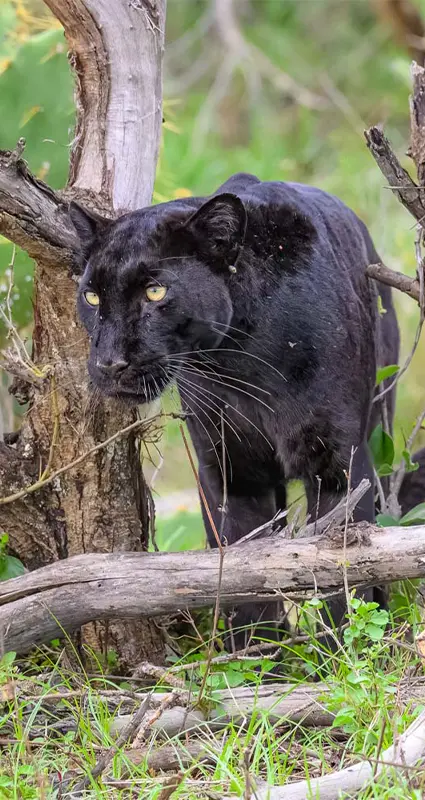
The confirmed black leopard: Melanistic leopards have been documented in some conservancies, making Laikipia possibly the only place to see one in the wild.
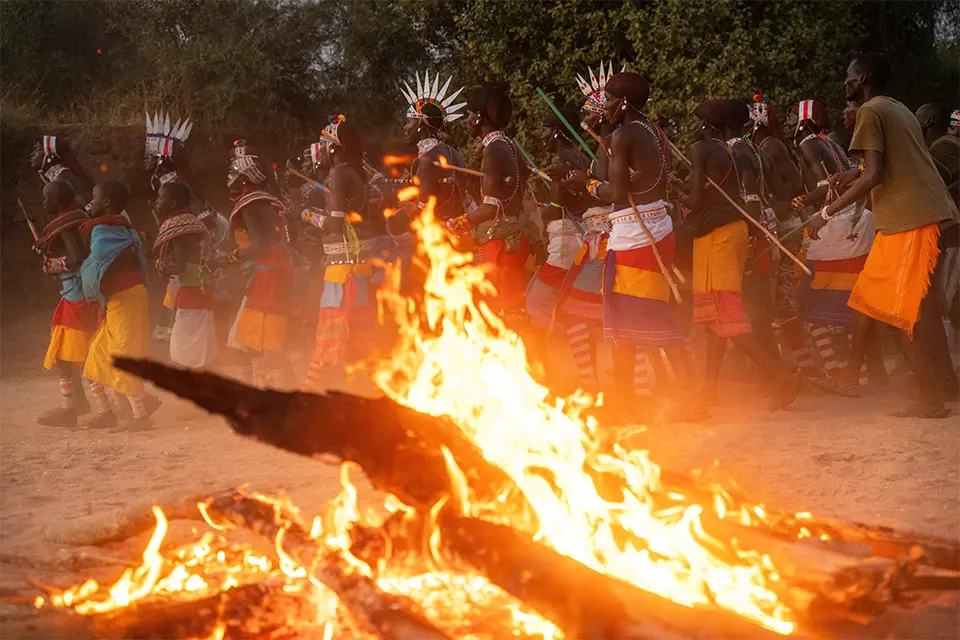
A richer, more human story: Wildlife shares land with cattle, camels, and Samburu and Maasai communities, delivering a deeper and more complex safari narrative.
All you need to know about Laikipia
About Laikipia Plateau
Laikipia Plateau covers 9,500 km² (950,000 hectares) as part of the broader Ewaso ecosystem in central Kenya. The Ewaso Ng'iro River flows northeast through the county, fed by Mount Kenya's glacial tributaries. Most of Laikipia lies above 1,500 metres; the Aberdares run along the southwestern edge, with Mount Kenya to the southeast.
Laikipia's conservancies include Lewa, Borana, Ol Pejeta, Loisaba, Solio, El Karama, and many others, 24 in total within the Laikipia Conservancies Association, covering 3,500 km². The model allows wildlife and livestock to coexist: properties combine cattle ranching with conservation, and several are community-owned group ranches. To the east, Lewa Wildlife Conservancy connects to the broader ecosystem; to the southeast, the landscape connects to Mount Kenya Forest and National Park.
Things to do in Laikipia
Night drives: unique to private conservancies, revealing nocturnal species including genet, bush baby, aardvark, and porcupine across the plateau.
Guided walking safaris through Laikipia's rocky terrain with expert guides are available across most conservancies and unavailable in Kenyan national parks.
Horse and camel safaris: move silently through the bush alongside wildlife on horseback or camel, a Laikipia speciality unavailable in most of Kenya.
Rhino tracking at Ol Pejeta and other conservancies: guided encounters with both black and white rhino in their natural habitat.
Conservation fieldwork: join ecological teams monitoring endangered species, tracking lions, or walking with baboon troops in accredited research programmes.
Off-road game drives: all guided drives across Laikipia conservancies are permitted off-road, allowing closer encounters than any Kenyan national park.
What wildlife will I see in Laikipia?
Big Five: elephant, lion, leopard, buffalo, and both black and white rhino. All are present across the conservancies, with rhino sightings described as unsurpassed.
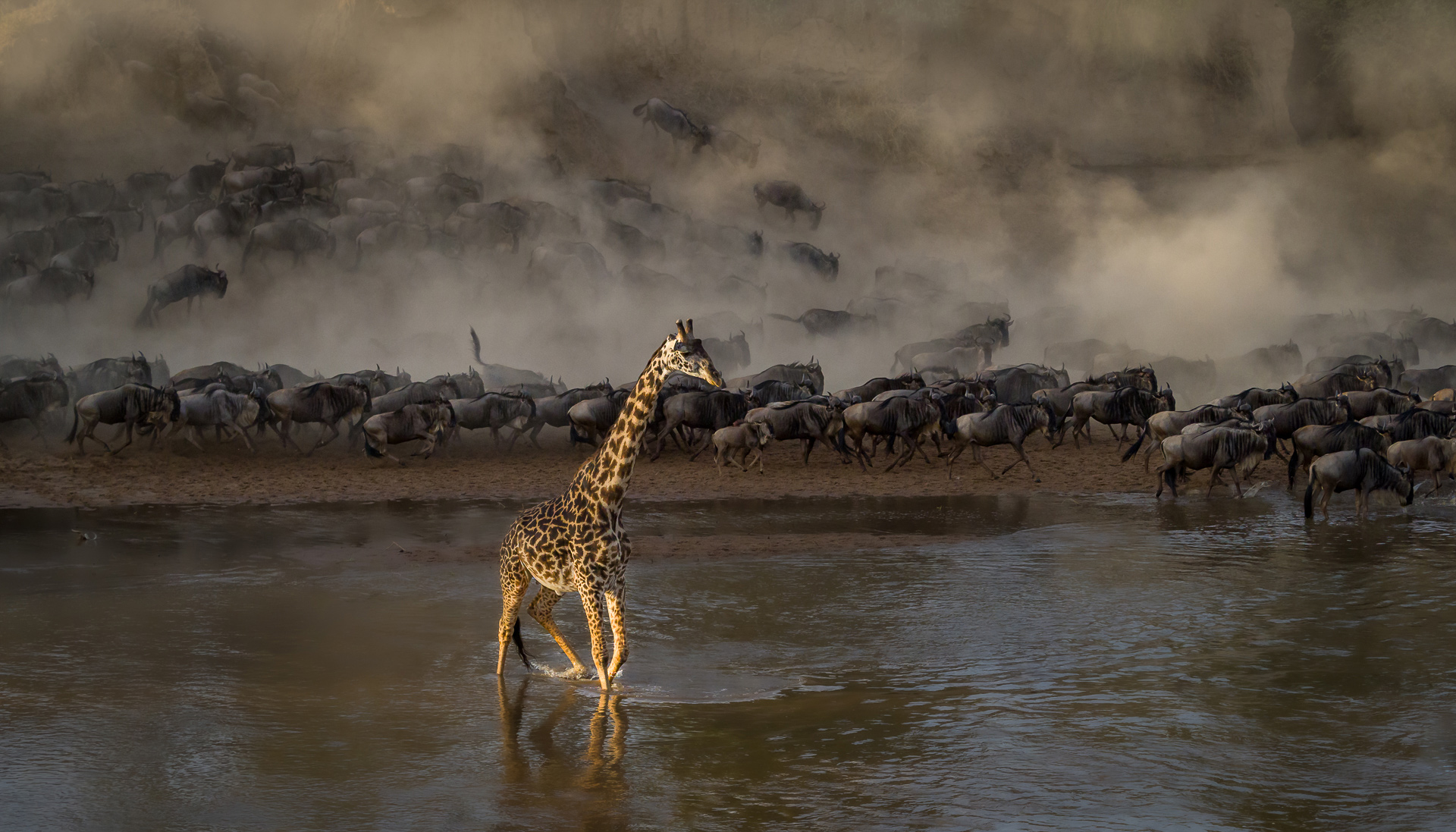
Rare species: striped hyena, Grévy's zebra, reticulated giraffe, Beisa oryx, gerenuk, and Jackson's hartebeest, all regularly seen in the right areas.
Melanistic leopard: the black leopard of Laikipia has been confirmed in certain conservancies, making this possibly the only place to see one wild.
African wild dog: Laikipia holds the only viable wild dog population in Kenya north of the equator, elusive but present in the broader ecosystem.
Chimpanzees at Ol Pejeta: the Sweetwaters Chimpanzee Sanctuary is the only place in Kenya to see chimpanzees (they are not native to Kenya).
Where to stay in Laikipia Plateau
We include a wide variety of lodges across the Laikipia conservancies in our guest itineraries, including:
Lewa Safari Camp: classic luxury safari tents with thatch roofs under a shady canopy of acacia trees
Loisaba Tented Camp: an ultra-modern camp set on the absolute edge of a dramatic 500-foot escarpment
Kicheche Laikipia Camp: intimate canvas tents tucked in a quiet indigenous forest with a waterhole frequented by elephants and rhinos.
Ol Pejeta Safari Cottages: private cottages on a quiet riverbank in a secluded riverine forest.
Ekorian's Mugie Camp: a family-friendly camp in a lush garden, with a nearby waterhole where wildlife frequently gathers.
Laikipia Wilderness Camp: hidden among rocky kopjes and on the banks of the Ewaso Narok River.
Sosian Lodge: A beautifully restored 1940s cattle-ranch homestead looking over garden woodlands and a nearby river waterfall.
Sirikoi: An ultra-luxury lodge where wild rhinos and elephants frequently graze right on the manicured front lawns.
Trusted by thousands of ecstatic travellers
✔️ 5-Star Trustpilot Rating ✔️ Condé Nast Travel Specialist Award Winner
✔️ Accredited by SATSA ✔️ 5,000+ Exceptional Safaris Since 1991
Why choose Africa Geographic to plan your safari?

"Firstly we visited Laikipia Wildeness Camp in Kenya. The main aim was to search for the female black leopard that has been seen there over the last two years. We had a full week to maximise the chances and were lucky to see her on two evenings and one morning. She is a stunning animal and also very rare so it was a real privilege to see her. Another fantastic and unforgettable trip. Can't wait for the next one!"

"Can't recommend highly enough...Felt completely personal and flexible but all travel stress removed and benefitted hugely from Africa Geographic's knowledge and experience. We went to two small camps we would not otherwise have found. Laikipia Wilderness Camp and Enkewa Camp in the Mara ... We stayed in 10 different places over 3 weeks and each was well planned and delivered the wow factor."

"The advice we got while planning our trip was spot-on and delivered in all aspects. We really felt understood in what African experience we were looking for. This type of expert advice from people who know what they are talking about is what we appreciated: people that understand our values and flexibly propose travel options based on their own beliefs and experience."
Wish you were here?
Frequently asked questions
Laikipia operates under the Kenyan conservancy model rather than national park regulations. This means lodges can offer activities simply unavailable in national parks: night drives, guided walking safaris, off-road driving in all areas, horse safaris, and camel safaris. Visitor numbers are kept low across each conservancy, ensuring wildlife encounters that feel private and unscripted. The landscape also blurs the line between wild space and human enterprise: cattle ranches, Samburu and Maasai communities, and world-class wildlife conservation coexist.
Laikipia can be visited year-round, but two dry periods offer the best conditions. July to September is the primary dry season for wildlife viewing. December to March provides a second dry period with reliable sunshine. Laikipia has two rainy seasons: the short rains in October/November and the long rains from March to June. Many travellers visit in the shoulder seasons for lower rates and lush post-rain scenery.
The Laikipia Conservancies Association is a management body comprising 24 member conservancies covering 3,500 km² (350,000 hectares) within the 9,500 km² county. These include Ol Pejeta (360 km²), Ol Ari Nyiro (365 km²), Naibunga (477 km²), Loisaba (226 km²), Borana (120 km²), Il Ngwesi (93 km²), and Ol Jogi (240 km²), among others. The association manages the ecosystem as a cohesive ecological entity under the Laikipia Wildlife Foundation's guidance.
Yes, Laikipia is among Kenya's finest destinations for rhino. Both black and white rhinos are found across the conservancies, and rhino sightings are commonplace. Ol Pejeta Conservancy is particularly noted for rhino conservation.
Yes. Black/melanistic leopards have been confirmed in certain Laikipia conservancies. We have a dedicated story on the subject: "The Incredible Black Leopard of Laikipia". Ongoing sightings of the black leopard make Laikipia possibly the only place in the world where a wild melanistic leopard might be encountered.
Laikipia's position, bridging the East African savanna and the arid Horn of Africa scrub, creates conditions for species not commonly found elsewhere in Kenya. These include Grévy's zebra, reticulated giraffe, Beisa oryx, gerenuk, Jackson's hartebeest, striped hyena, wild dogs and the melanistic leopard.
The Sweetwaters Chimpanzee Sanctuary is located within Ol Pejeta Conservancy in Laikipia and is the only place in Kenya where visitors can see chimpanzees. Chimpanzees do not occur naturally in Kenya; The sanctuary provides a home for rescued chimpanzees, and visits are part of the Ol Pejeta experience.
Because Laikipia operates under the conservancy model rather than national park rules, the activity offering is the most varied in Kenya. Available activities include: guided game drives (all off-road), night drives, guided walking safaris, horse safaris, camel safaris, rhino tracking, and accompanying ecological teams monitoring endangered species, tracking lions, or walking with baboon troops.
Yes, Laikipia pairs naturally with destinations across the Kenya safari circuit. Most guests arrive from Nairobi by light aircraft and combine Laikipia with the Masai Mara, Samburu, or Amboseli. We regularly design multi-destination Kenya itineraries for our clients. Laikipia is particularly well-suited as a contrast to the Masai Mara: more remote, more varied in activities, and with a different species profile, including striped hyena, Grévy's zebra, reticulated giraffe, and the melanistic leopard.
Laikipia's climate is relatively cool and temperate, partly because most of the plateau lies at altitudes above 1,500 metres despite straddling the equator. There are two rainy seasons: short rains in October/November, and long rains from March to June. Temperature as fairly consistent month to month, with any variation driven by the seasonal shift between dry and wet periods.
Laikipia Plateau covers 9,500 km² (950,000 hectares) and forms part of the broader Ewaso ecosystem. The Laikipia Conservancies Association's 24 member conservancies collectively cover 3,500 km² (350,000 hectares) of this total area.
Most guests fly from Nairobi's Wilson Airport to one of the private airstrips within or adjacent to the conservancies. Africa Geographic arranges all transfers as part of any booked itinerary. The journey by light aircraft typically takes under an hour from Nairobi. Some conservancies are accessible by road from Nairobi, though this takes considerably longer and is less common for luxury lodge guests.
Our safaris typically cost from US$700 per person, per night, depending on the accommodation comfort level, time of year and activities. This price usually includes accommodation, all meals, game drives, experienced guides, airport transfers, and 24/7 support from our team.
You only make your first payment when you book your holiday. Your second (last) payment is about 105 days before you travel.
Peak season bookings require 12–18 months of advance planning. Trips outside of peak season can be arranged 6–9 months ahead, with better rates and availability.
Yes. The Laikipia conservancy model was built around the principle that tourism revenue sustains wildlife conservation. Many properties explicitly use lodge fees to fund anti-poaching, community upliftment, and endangered species programmes. By booking through Africa Geographic, a portion of every safari sold also supports conservation projects at ground level, alongside Africa Geographic's own conservation publishing work.
Click here to schedule a no-obligation call with one of our Safari Experts or fill in our 2-minute form with your questions. Our team of experts are here to help! Whether you’re curious about the best time to travel, want to hear first-hand about an experience or need help planning your safari.
Start planning your dream safari
Our travel experts will craft a no-obligation itinerary just for you. We have crafted over 5,000 safaris since 1991. Your personal details are protected; we only use this information to contact you.
Why book your safari with us?

Deep Experience & Knowledge
Handcrafted experiential safaris since 1991.
Travel in Africa is about knowing when and where to go, and with whom. A few weeks too early/late or a few kilometres off course, and you could miss the greatest show on Earth. And wouldn’t that be a pity?

Trust & Safety

Make A Difference
We donate a portion of the revenue from every safari sold to carefully selected conservation projects that make a significant difference at ground level.
YOUR safari choice does make a difference - thank you!