

Tailor-made safaris. Since 1991



Olare Motorogi Conservancy: premier big-cat destination
Olare Motorogi Conservancy at a glance:
Location: Northwestern edge of the Maasai Mara National Reserve, Narok County, Kenya; part of the Greater Maasai Mara–Serengeti ecosystem | Main access: Scheduled flights from Nairobi's Wilson Airport to Olare Motorogi or Ol Kiombo airstrip (~50–60 minutes); 30-minute road transfer to camps |
Size: 13,300 hectares (133 km²) of grasslands, hills, escarpment and riverine forest | Best time to visit: July–October (dry season; migration passage; peak predator activity); November–June (green season; fewer visitors; wildlife remains strong) |
Managed by: Over 300 Maasai landowners in partnership with five tourism operators; managed by Olpurkel Ltd, a not-for-profit company | Tourism model: Maximum 94 beds across five light-footprint camps; the lowest vehicle density in the Maasai Mara region |
Currency: Kenyan Shilling (KES); US dollars widely accepted | Health: Malaria risk in the region; consult your doctor before travel; Flying Doctors emergency evacuation available through camp packages |
Why visit Olare Motorogi Conservancy?
There are places in Africa where wildlife encounters happen despite the tourism infrastructure around them, and places where that infrastructure has been designed to get out of the way. Olare Motorogi Conservancy is emphatically the second kind.
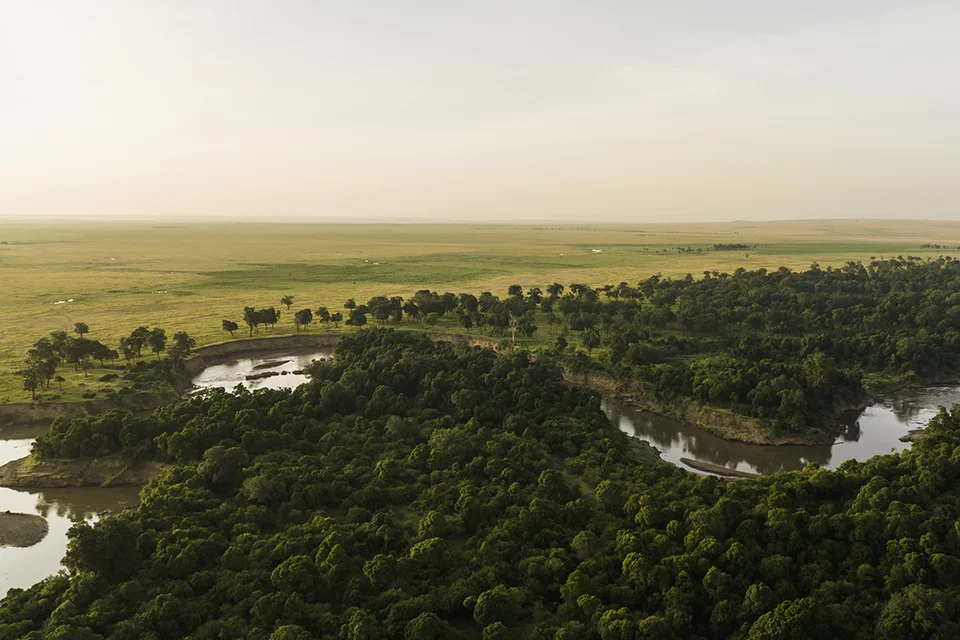
Sitting immediately northwest of the Maasai Mara National Reserve and sharing its wildlife corridors and seasonal herds, this private conservancy operates under a different set of rules than the Reserve. Because it is community-owned land rather than a national park, off-road driving, night drives and walking safaris are all permitted here. With a maximum of 94 beds and one vehicle per 850 hectares, the quality of encounter this creates is not incidental. It is the point.
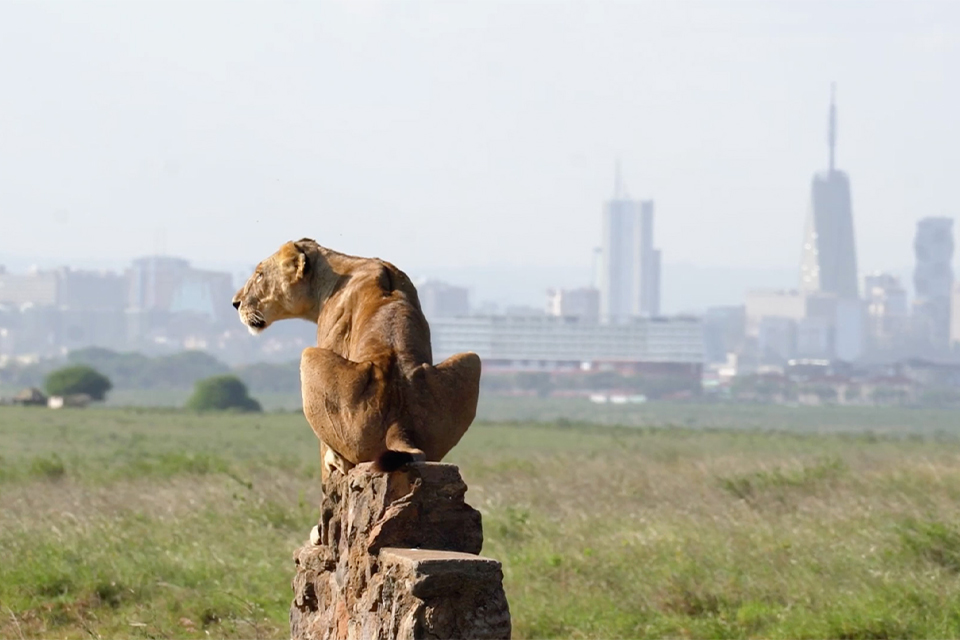
The conservancy is reputed to hold the highest concentration of big cats anywhere in Africa. Within its boundaries sits the Tony Lapham Mara Predator Hub, operated by the Kenya Wildlife Trust, home to both the Mara Lion Project and the Mara Cheetah Project, long-term research programmes that have made Olare Motorogi one of the most significant predator landscapes in East Africa.
What elevates it further is that conservation here is inseparable from community. Built on a landmark agreement with Maasai landowners who remain its owners and primary beneficiaries, it became the reference point for community conservation across the wider Mara. Conservation and traditional pastoralism are not in opposition here. They are the same project.
5 Reasons We Love Olare Motorogi Conservancy
Africa's greatest big-cat concentration: Multiple lion pride territories converge within the conservancy, and both the Mara Lion Project and Mara Cheetah Project are based here, making predator encounters a near-certainty, not a highlight.
Exclusivity that actually means something: A maximum of 94 beds across 13,300 hectares means one vehicle is permitted for every 850 hectares. Wildlife behaves naturally when it rarely encounters tourist traffic, and that difference is felt immediately.
Activities the National Reserve doesn't allow: As a private conservancy, it offers off-road driving, night drives, and guided walking safaris, giving travellers access to dimensions of the landscape and its wildlife that national reserve boundaries simply cannot offer.
Conservation and community as one: Over 300 Maasai landowners hold individual title deeds to the land and receive reliable monthly income from tourism, not as beneficiaries of conservation but as its architects and shareholders.
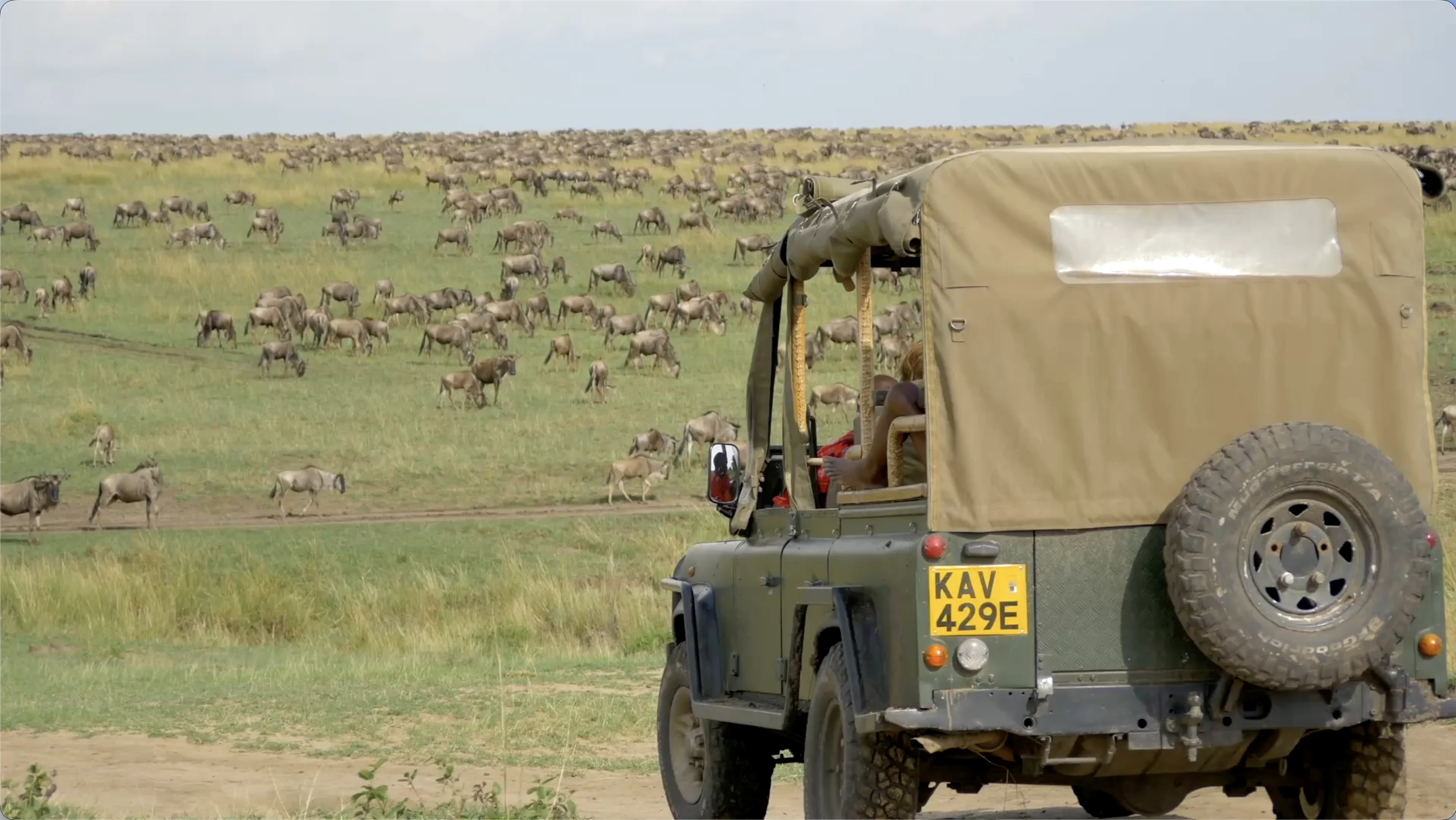
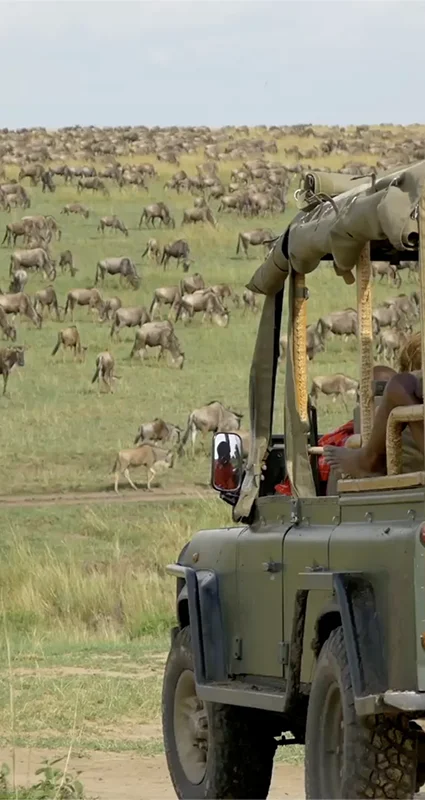
Migration through private land: Annual wildebeest and zebra herds move through the conservancy between August and mid-October, watched from vehicles that may be entirely alone on the plains. This migration encounter is a different quality from the crowded Reserve version.
All you need to know about Olare Motorogi
Things to do in Olare Motorogi Conservancy
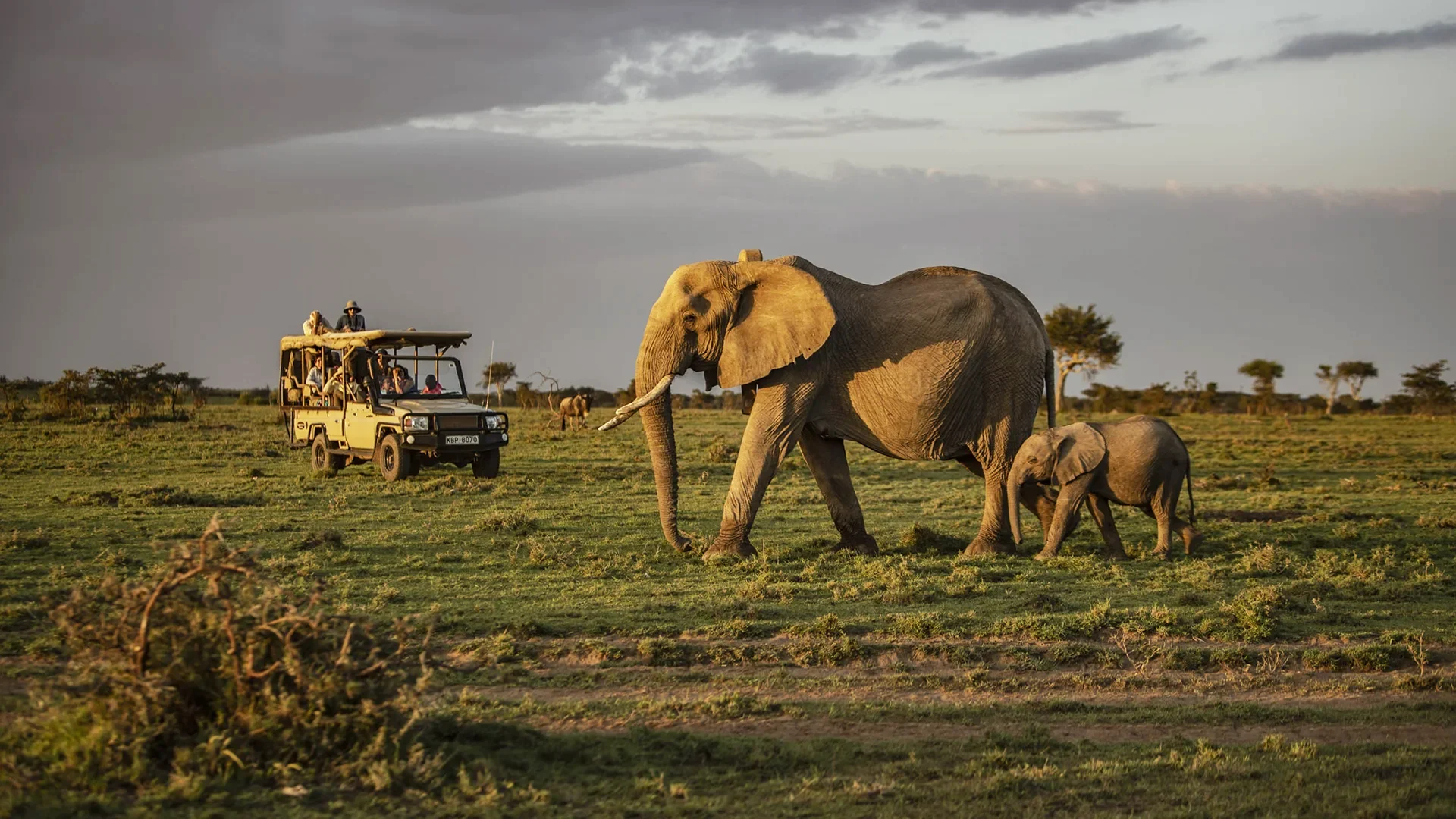
Game drives at dawn, dusk and after dark: As a private conservancy, Olare Motorogi permits off-road driving and night drives that are unavailable inside the Reserve, and with strict vehicle limits in place, time spent with a lion pride at sunrise often means no other vehicle in sight.
Walking safaris with Maasai guides: Moving through the grassland on foot with a Maasai guide changes the scale of everything: tracks, termite mounds, distant movement. It reveals a layer of the landscape that no vehicle encounter can replicate.
Fly-camping in the bush: An overnight walking safari, led by a senior guide and armed ranger, with a temporary camp set up in the wilderness. Sleeping inside the conservancy's ecosystem is the most immersive experience available here.
Bush breakfasts and sundowner stops: Meals and drinks taken at scenic points across the conservancy's hills and open plains form part of the natural rhythm of a safari here, unhurried and unregimented.
Cultural visits to Maasai communities: The landowners are not simply a background story. Visits to Maasai villages allow travellers to understand directly how the conservancy's income model sustains both livelihoods and the land that surrounds them.
Wildlife and predator research engagement: The Tony Lapham Mara Predator Hub sits within the conservancy and is an active research facility, not a heritage site. Guests can ask their guides about the lion and cheetah monitoring work happening around them, often in the same areas where drives take place.
What wildlife can I see in Olare Motorogi Conservancy?
Lions: The conservancy is reputed to hold the highest concentration of big cats in Africa, with multiple lion pride territories overlapping here. Territorial encounters between prides are not uncommon, and the low vehicle density means sightings are sustained, calm and conducted at the animals' pace.
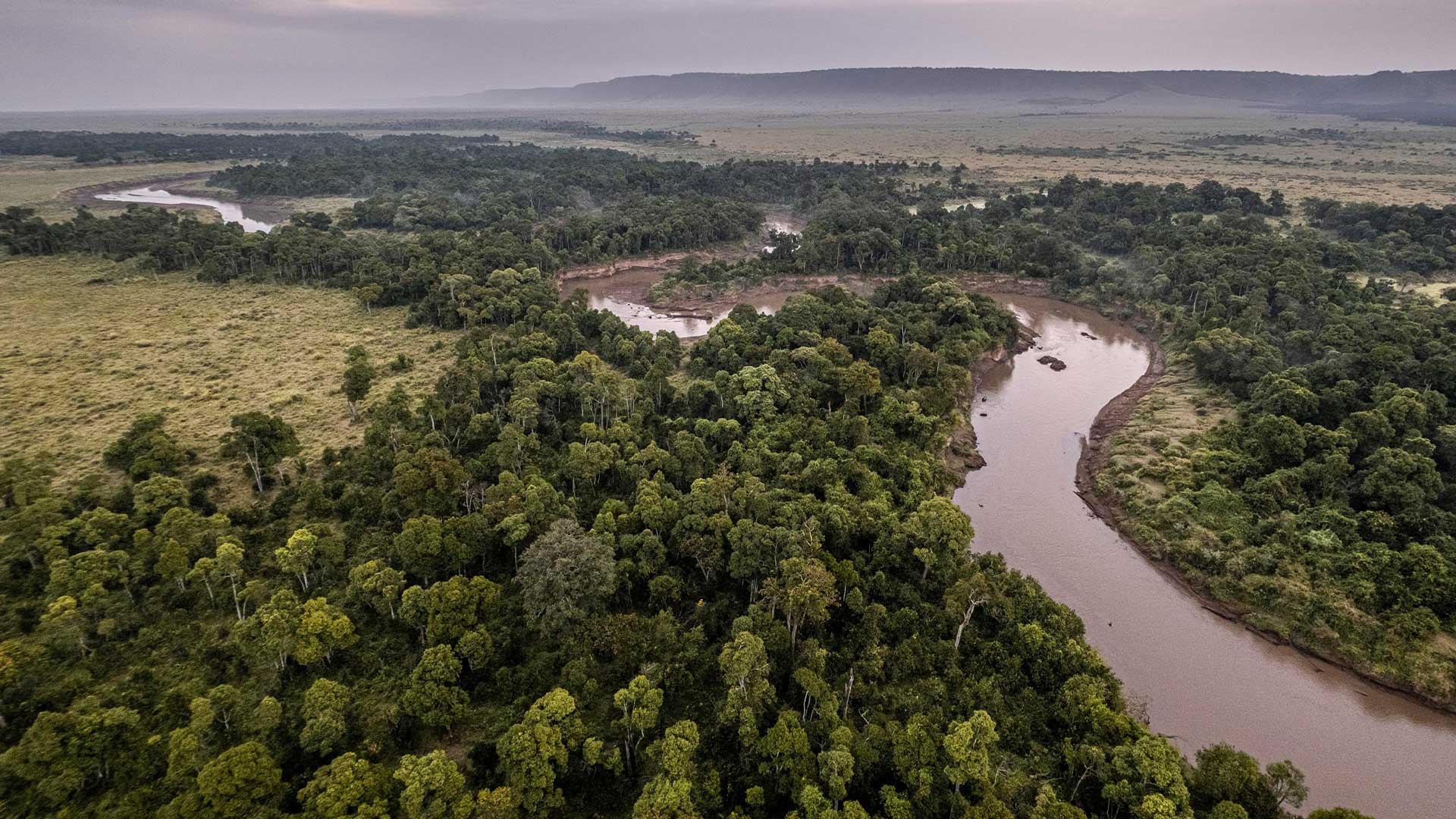
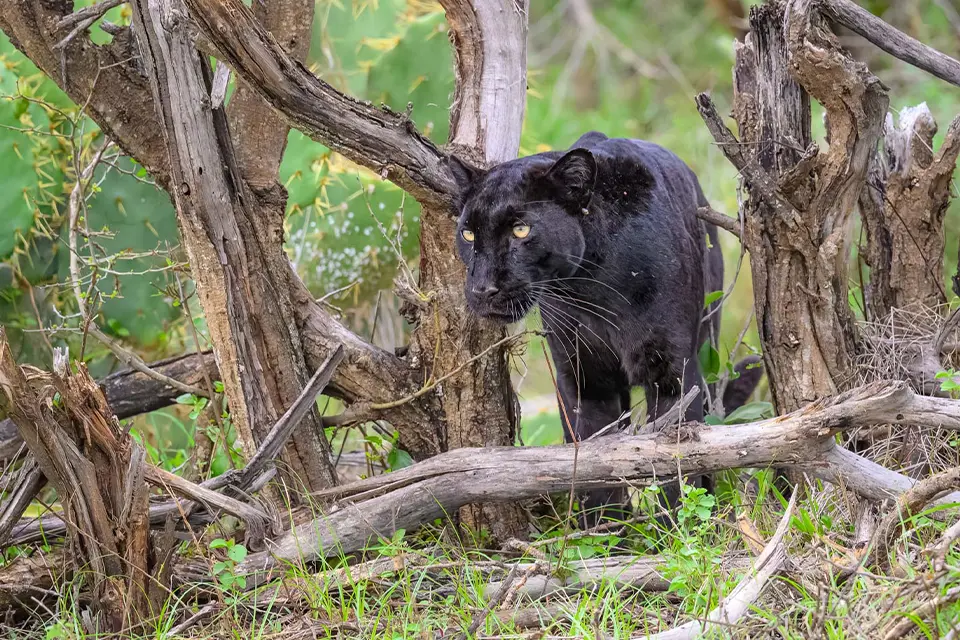
Cheetahs and leopards: The Mara Cheetah Project is based at the Tony Lapham Mara Predator Hub within the conservancy, alongside the Mara Lion Project, and cheetahs are well-established residents. Leopards are most reliably found in the ribbons of riverine forest that line the seasonal streams running through the conservancy.
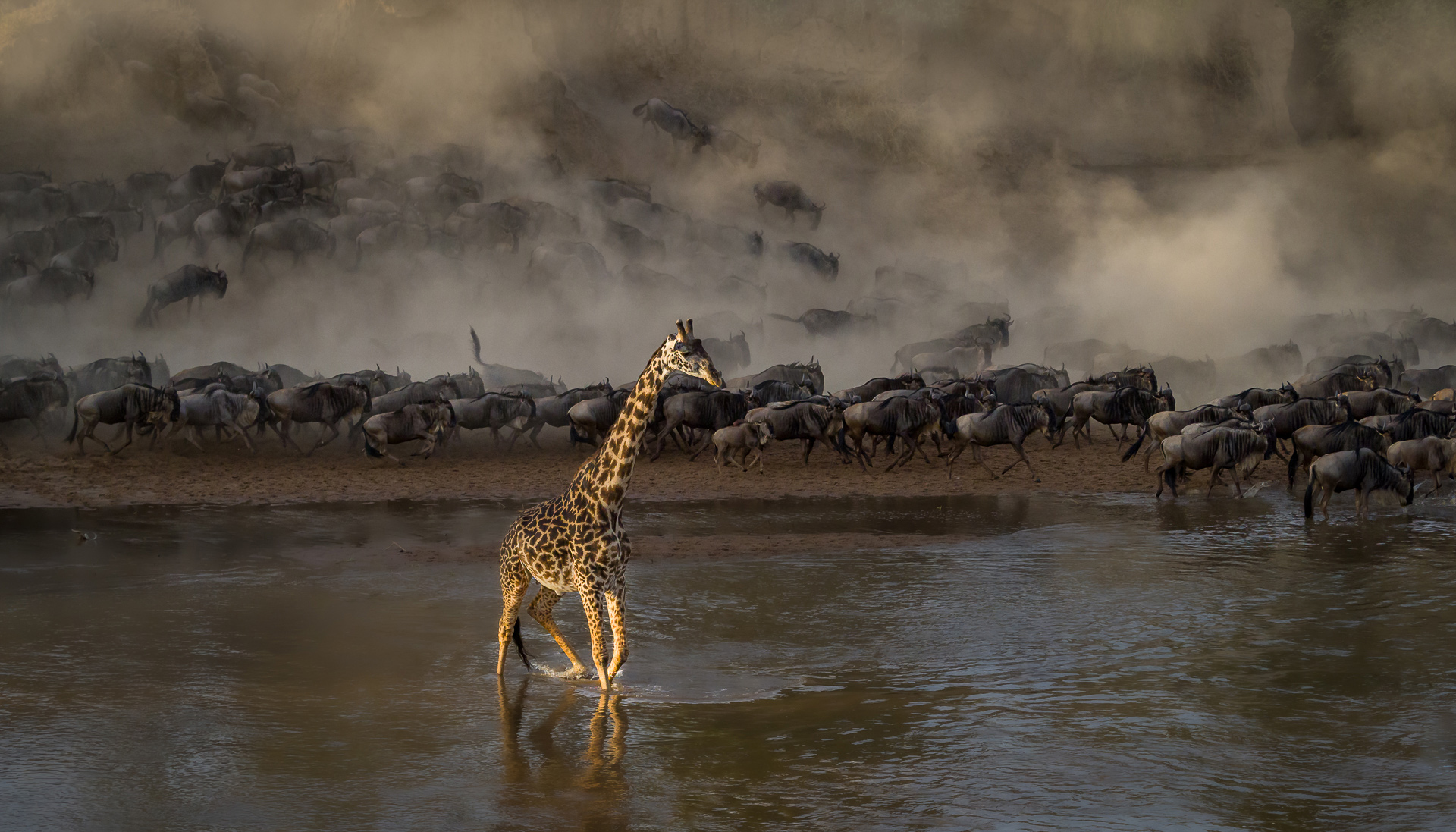
The Great Wildebeest Migration: Annual wildebeest and zebra herds move through the conservancy during the August to mid–October dry season; the Loita Plains herds also pass through Olare Motorogi en route to the Reserve. For Mara River crossings, camps arrange drives south to the Mara Confluence area inside the national reserve.
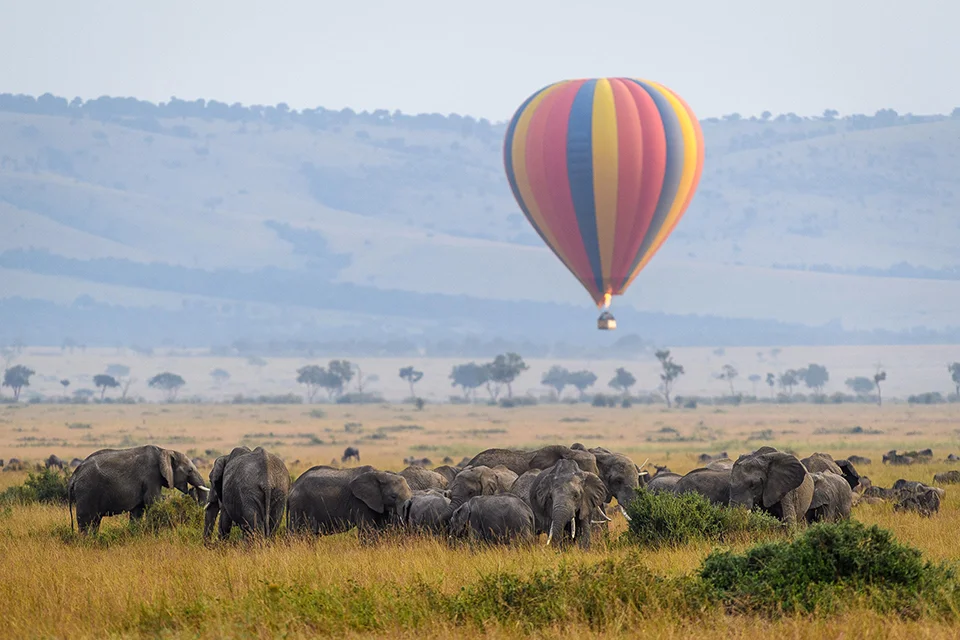
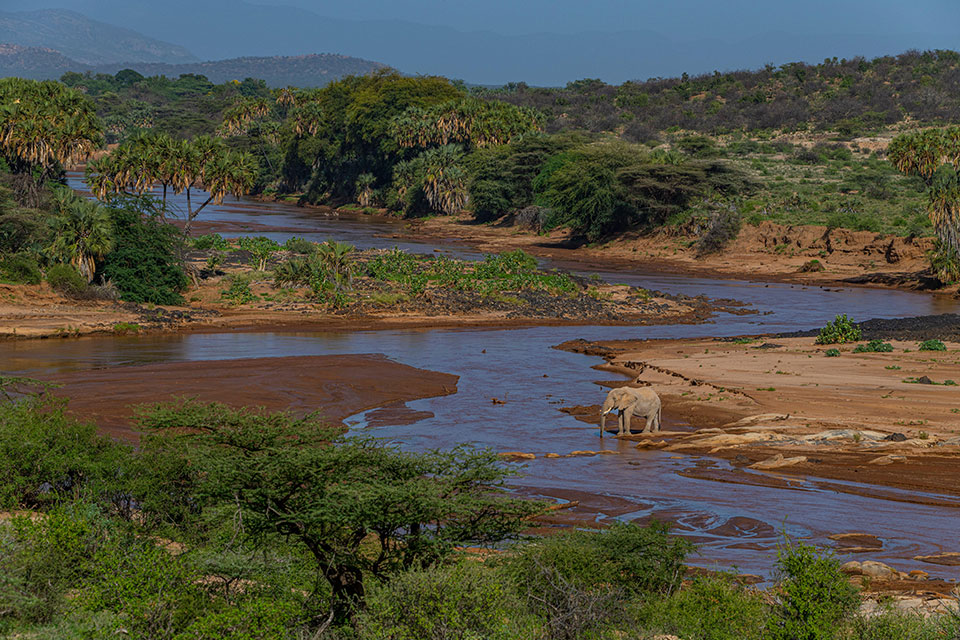
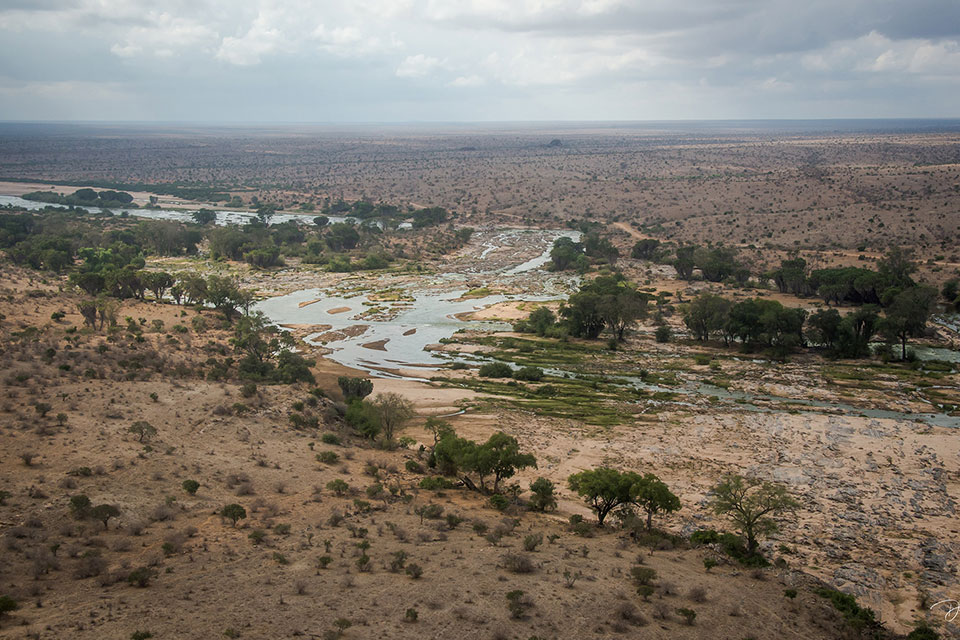
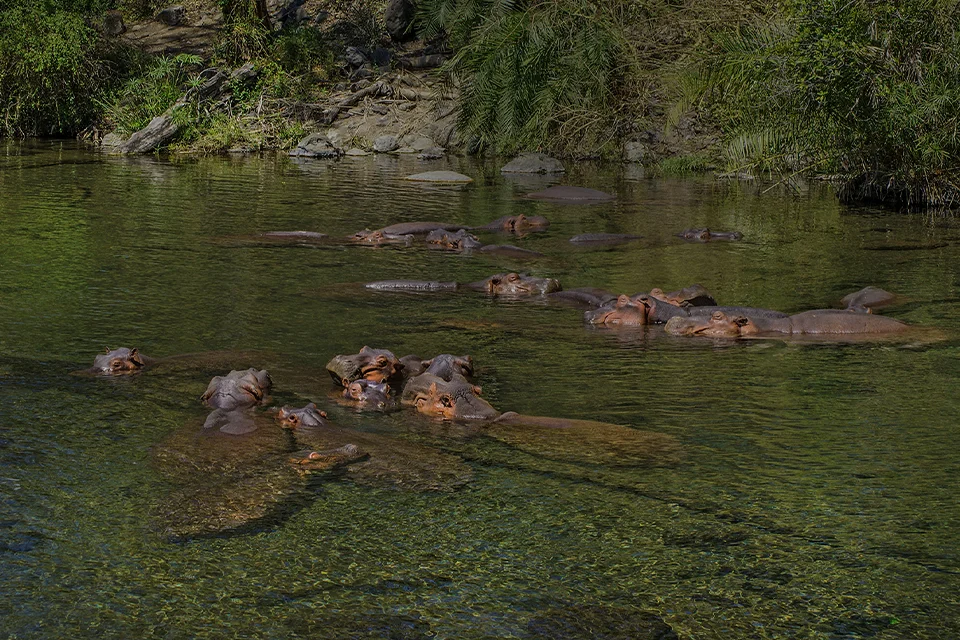
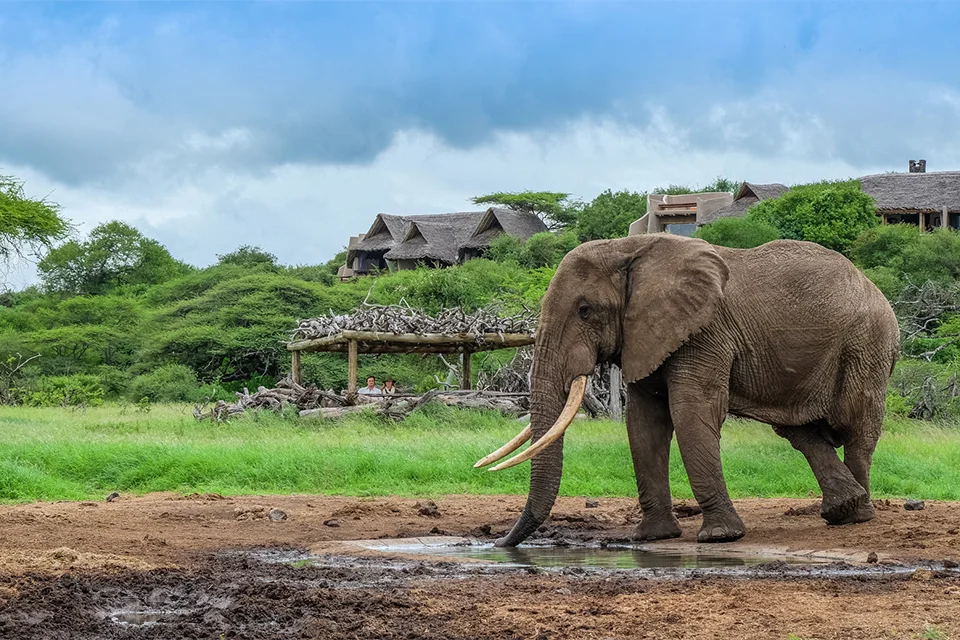
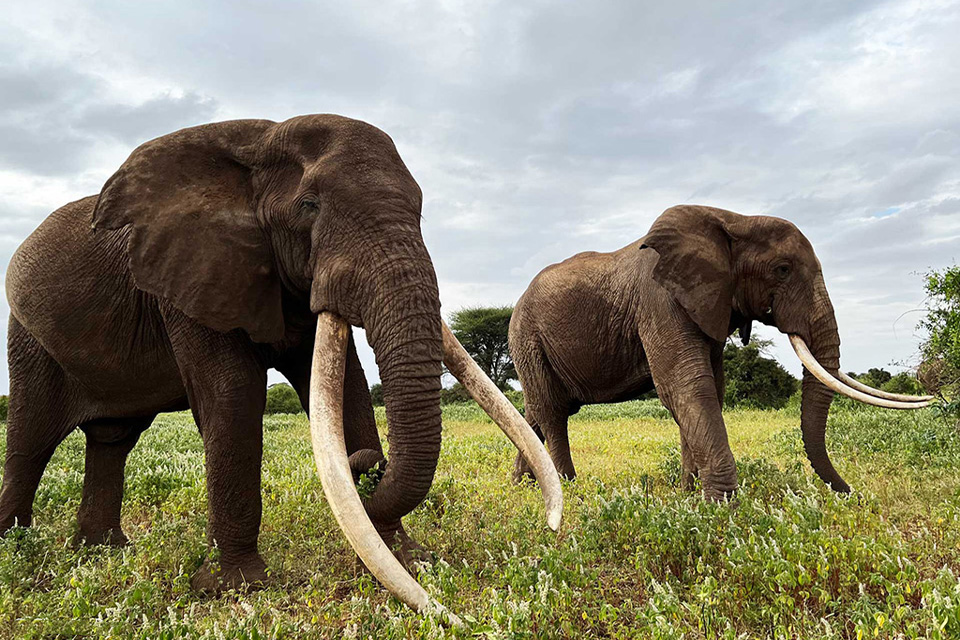
Elephants, buffaloes and hippos: The conservancy's seasonal luggas - shallow waterways edged with acacia and riverine forest - concentrate elephants and buffaloes year-round. Hippo pools are within reach of the camps.
Plains species year-round: Giraffes, zebras, hartebeests, and warthogs move across the open rolling grasslands year-round, alongside spotted hyenas and jackals. The short-grass areas maintained by the Kundi Moja grazing system attract particularly high herbivore densities.
About 470 bird species occur in the Maasai Mara area, including rufous-tailed weaver, Jackson's widowbird, Usambiro barbet and grey-crested helmetshrike.
Where to stay in Olare Motorogi Conservancy
Both lodges are founding partners of Olare Motorogi Conservancy, in place since 2006, sharing the same wilderness and low-impact standards.
Porini Lion Camp sits on the banks of the seasonal Ntiakatiak River: nine guest tents and two family units set within one of the Mara's most active lion territories. KPSGA-certified guides work in two-person teams for calm, uninterrupted predator sightings. The camp is 100% solar-powered, Gold Eco-Rated by EcoTourism Kenya, Travelife certified, and a 2026 ATTA for Action Awards recipient. A Wildlife Habitat Trust contribution of $5 per person per night funds education, healthcare and livelihoods in surrounding Maasai communities. Children aged eight and over are welcome.
Kicheche Bush Olare is the most intimate option in the conservancy: six tents including a family suite, accommodating a maximum of twelve guests. Set in light acacia woodland and completely unfenced, wildlife moves freely through. It has a long-established reputation among professional photographers and a dedicated low-angle photography vehicle. Its signature offering is fly-camping: an overnight walking safari led by a senior guide and armed ranger. The Kicheche Community Trust supports local schools and a medical clinic. The camp closes in April and May; children aged seven and over are welcome.
Trusted by thousands of ecstatic travellers
✔️ 5-Star Trustpilot Rating ✔️ Condé Nast Travel Specialist Award Winner
✔️ Accredited by SATSA ✔️ 5,000+ Exceptional Safaris Since 1991
Why choose Africa Geographic to plan your safari?

"...listened to our intentions and ran with them! They checked all our boxes, including birthday and anniversary celebrations in the Mara. Our itinerary was seamless...Communication was easy with questions along the way as well. Porini Lion Camp...presented themselves with all the magic and awe that only Safari can bring. So glad we went with this company...Thanks to all for a once in a lifetime experience."

"My trip to...Kenya was one of my best experiences so far. The planning went smoothly – everything was arranged exactly as I had imagined. The accommodations were excellent and met all my expectations. The diversity of landscapes and wildlife was impressive, with new highlights every day. Overall, this was my best trip yet – perfectly organized and unforgettable."

"We had an absolutely incredible trip to Kenya on Safari...thanks to Africa Geographic...They made the process so easy from initial planning, to booking and making payments toward out trip to the actual trip itself and throughout our stay in Kenya. Incredible communication, incredible wildlife, incredible people we met and incredible food! We will definitely be using AG again when we return to Africa!"
Wish you were here?
Frequently asked questions
Olare Motorogi Conservancy is a 35,000-acre private community wildlife conservancy in Narok County, Kenya, bordering the northwestern edge of the Maasai Mara National Reserve. It is owned by over 300 Maasai landowners and managed as a partnership between landowners and tourism operators, with a maximum of 94 beds across five camps.
The conservancy sits in southwestern Kenya, immediately northwest of the Maasai Mara National Reserve in Narok County. It forms part of the Greater Maasai Mara–Serengeti transboundary ecosystem and lies approximately 200 kilometres west of Nairobi.
The recommended route is a scheduled flight of approximately 50 to 60 minutes from Nairobi's Wilson Airport to either the Olare Motorogi or Ol Kiombo airstrip, with airlines including Safarilink and Air Kenya. Camps arrange a 30-minute road or game-drive transfer from the airstrip. The drive from Nairobi takes approximately five and a half hours.
July to October is the dry season and peak period, with reliable weather, concentrated wildlife and the annual wildebeest migration passage through the conservancy. November to June offers fewer visitors and remains strong for wildlife. April and May bring the long rains, and Kicheche Bush Olare closes during this period.
The conservancy is reputed to hold the highest concentration of big cats anywhere in Africa. Lions, cheetahs and leopards are all reliably encountered, alongside spotted hyenas and jackals. Elephants, buffaloes, hippos, giraffes, zebras, hartebeests and warthogs are present year-round, and the conservancy supports over 300 bird species including 50 raptors.
Yes. Wildebeest and zebra herds move through the conservancy during the July–October dry season, and the Loita Plains herds also pass through Olare Motorogi en route to the Reserve. For Mara River crossings specifically, camps arrange drives south to the Mara Confluence area.
Olare Motorogi is a private community conservancy, not a national park. Off-road driving, night drives and walking safaris are all permitted here, none of which is available inside the Reserve. Strict bed limits keep vehicle numbers extremely low, and Maasai landowners are shareholders in the conservancy rather than bystanders to it.
Day, evening and night game drives in open-sided 4×4 vehicles; guided walking safaris with Maasai guides; fly-camping (overnight walking safaris in the bush, available through Kicheche Bush Olare); bush breakfasts and sundowners; Maasai cultural village visits; and wildlife photography, with a dedicated low-angle photography vehicle available at Kicheche Bush Olare.
The Tony Lapham Mara Predator Hub is a Kenya Wildlife Trust research facility based within Olare Motorogi Conservancy, launched in November 2013. It is home to both the Mara Lion Project and the Mara Cheetah Project, enabling long-term concurrent study of these two species. This research informs conservancy management and national predator conservation strategies.
Over 300 Maasai landowners, each holding an individual freehold title deed for their parcel of land within the conservancy. As a group, they lease this contiguous area to Olpurkel Ltd, a not-for-profit management company whose board gives equal representation to landowners, tourism operators and the Maa Trust.
There are five camps within the conservancy, with a combined maximum of 94 beds; a strict limit that maintains the lowest vehicle density in the Maasai Mara region. Porini Lion Camp and Kicheche Bush Olare are the two properties featured on this page.
Yes. Porini Lion Camp welcomes children aged eight and above and has two spacious family units. Kicheche Bush Olare accepts children aged seven and above and includes a family suite, though parents should note that the camp is completely unfenced and no additional children's facilities are provided beyond the standard safari programme.
Malaria is present in the Maasai Mara region; consult your doctor before travel regarding prevention. Emergency medical evacuation through Flying Doctors is included with the packages offered by both featured camps. Comprehensive travel insurance covering medical evacuation is strongly recommended.
Our safaris typically cost from US$700 per person, per night, depending on the accommodation comfort level, time of year and activities. This price usually includes accommodation, all meals, game drives, experienced guides, airport transfers, and 24/7 support from our team.
Click here to schedule a no-obligation call with one of our Safari Experts or fill in our 2-minute form with your questions. Our team of experts are here to help! Whether you’re curious about the best time to travel, want to hear first-hand about an experience or need help planning your safari.
Explore more African destinations
Start planning your dream safari
Our travel experts will craft a no-obligation itinerary just for you. We have crafted over 5,000 safaris since 1991. Your personal details are protected; we only use this information to contact you.
Why book your safari with us?

Deep Experience & Knowledge
Handcrafted experiential safaris since 1991.
Travel in Africa is about knowing when and where to go, and with whom. A few weeks too early/late or a few kilometres off course, and you could miss the greatest show on Earth. And wouldn’t that be a pity?

Trust & Safety

Make A Difference
We donate a portion of the revenue from every safari sold to carefully selected conservation projects that make a significant difference at ground level.
YOUR safari choice does make a difference - thank you!