

Tailor-made safaris. Since 1991

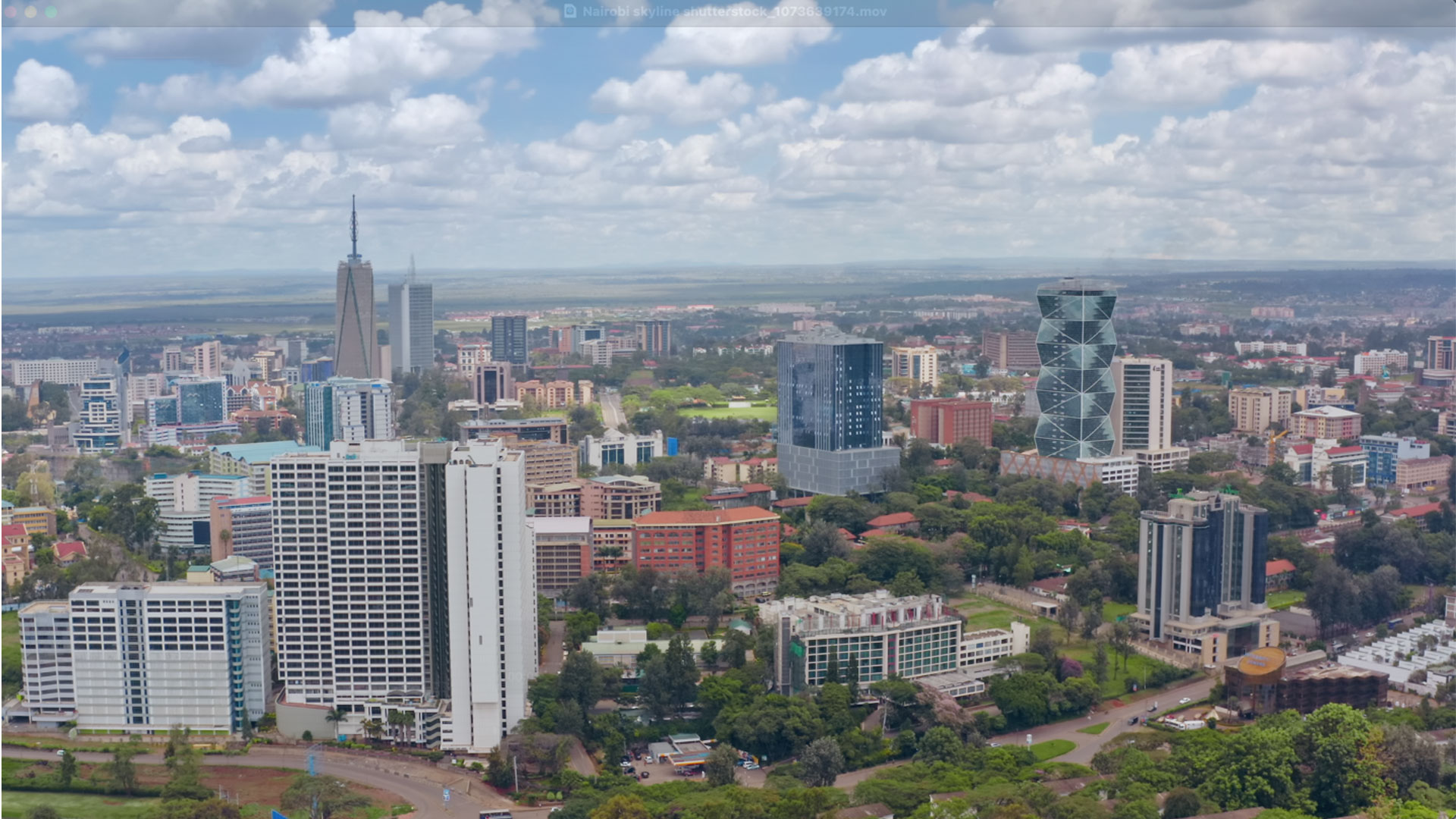



Nairobi: Kenya's safari city and gateway
Nairobi at a glance:
Location: Central Kenya; primary international gateway to East Africa | Access: Jomo Kenyatta International Airport (JKIA) and Wilson Airport for domestic and regional flights |
Best time to visit: Year-round; transit stop suits all seasons | Must-see: Ivory Burning Site Monument, Karen Blixen Museum, Nairobi National Museum |
Accommodation: From colonial-era Fairmont Norfolk to the iconic Giraffe Manor and Karen boutique hotels | Notable restaurants: Cultiva, Carnivore, The Talisman, Karen Blixen Coffee Gardens, Fairmont Norfolk high tea |
Why visit Nairobi?
Nairobi is the main arrival hub for most international visitors to Kenya. Its airport receives flights from across the globe, and from here, Kenya's safari destinations, Masai Mara, Amboseli, Samburu, and beyond, are within reach. Most travellers pass through Nairobi at the start or end of an itinerary and some stay over for a night or two to enjoy the city highlights.
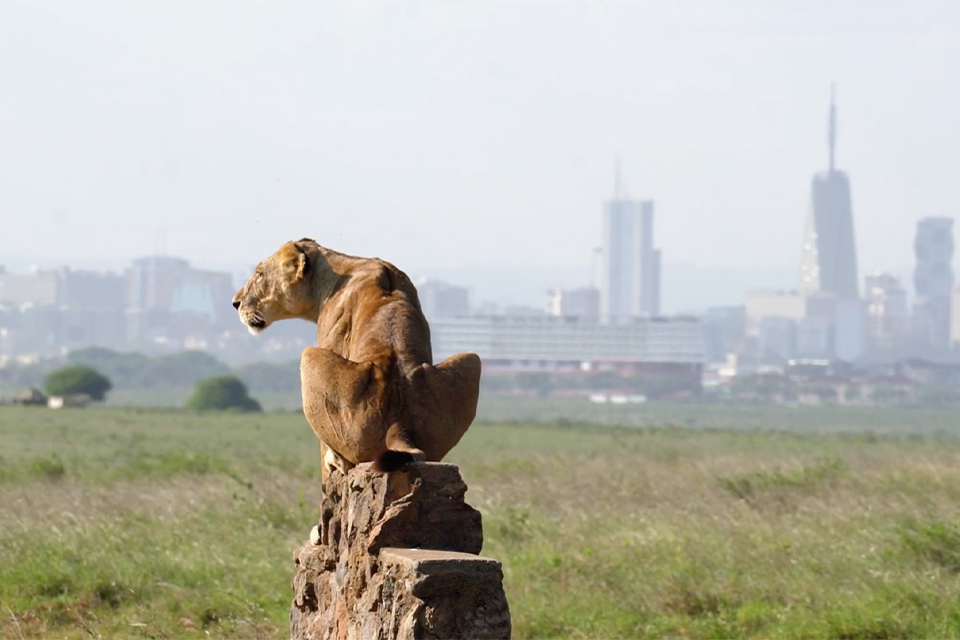
Nairobi National Park operates within the city limits, with four of the Big Five, including an impressive population of black rhinos, against the implausible backdrop of the skyline. The David Sheldrick Wildlife Trust, the most successful orphan elephant rescue and rehabilitation programme in the world, operates within the park. The Giraffe Centre, 40 minutes from the city centre, protects a herd of highly endangered Rothschild's giraffes.
Beyond wildlife, four must-visit museums reward a morning's exploration. A restaurant scene runs from farm-to-table at Cultiva to theatrical meat-over-charcoal at Carnivore. The Ivory Burning Site Monument marks where President Moi set fire to twelve tonnes of ivory in 1989.
On a clear day, Kilimanjaro and Mount Kenya — Africa's two largest mountains — are visible from the city.
5 Reasons We Love Nairobi
Where city and wildlife co-exist: Nairobi is arguably the wildlife capital of the world. Beyond the national park on its boundaries, you can spend your morning feeding endangered Rothschild giraffes and watching rescued baby elephants play.
A thriving coffee & culinary scene: Nairobi is teeming with trendy speciality coffee shops serving freshly roasted Kenyan AA brews and a culinary scene ranging from authentic Ethiopian eateries and sizzling Indian curries to world-renowned venison and high-end fusion.
"Safari Chic" style and shopping: Nairobi offers vibrant open-air markets for beautiful beaded jewellery, hand-carved wooden sculptures, and colourful shúkàs (Maasai blankets) and upscale shopping in boutique galleries featuring contemporary African art, sustainable fashion, and luxury leather goods.
Rich cultural and literary history: Nairobi has a deep story to tell, and it does so beautifully through its landmarks and museums.
Electric nightlife and warm "karibu" hospitality: Nairobi’s energy doesn't dip when the sun goes down. The city is famous for its buzzing nightlife, featuring rooftop bars with panoramic views, live Mugithi or Afro-jazz sessions, and clubs playing the latest global and local hits.
All you need to know about Nairobi
About Nairobi
Nairobi is Kenya's capital city and the country's primary international gateway. It serves as East Africa's transport hub, connecting international arrivals to domestic air routes, roads, and rail lines reaching the coast, Rift Valley Lakes, and Kenya's safari regions.
The city developed around the railway constructed between Mombasa and Uganda in the 1890s. Nairobi National Park, within the city limits, was established in 1946 and is one of Kenya's oldest national parks.
The Ngong Hills lie just west of the city, made internationally famous by Karen Blixen's writing. Her former home has been preserved as the Karen Blixen Museum. Nairobi sits at an elevation where, on clear days, both Kilimanjaro and Mount Kenya, Africa's largest and second-largest mountains, are visible from the city's higher vantage points.
Things to do in Nairobi
Nairobi National Park: four of the Big Five, black and white rhinos, plus cheetahs and more in rolling plains, forest, marshlands, a functioning wildlife reserve within the city limits.
Elephant Orphanage (David Sheldrick Wildlife Trust): the world's most successful orphan elephant rescue programme, operating within Nairobi National Park and Giraffe Centre: interact with highly endangered Rothschild's giraffe, 40 minutes from the city, and one of Africa's most ethical wildlife encounter experiences.
Ivory Burning Site Monument: where President Moi burned twelve tonnes of ivory in 1989; a landmark of Kenya's conservation history.
Four museums: the Karen Blixen Museum, Nairobi Railway Museum, Nairobi National Museum, and the Kenya National Archives.
Restaurants and culture: Including Cultiva (farm-to-table), Carnivore (meat over charcoal), The Talisman (fine dining), and high tea at Fairmont Norfolk.
Shopping: From informal open-air markets for handmade local crafts to boutique galleries for contemporary African art, sustainable fashion, and luxury leather goods.
Nairobi's best tourist markets
The Maasai Market (The famous rotating market): This is Nairobi's most iconic market experience. The Maasai Market operates on a weekly rotating schedule, setting up in different mall parking lots or public spaces across the city. It is the best place to find traditional Maasai shúkàs (blankets), vibrant kitenge fabrics, hand-woven kiondo baskets, intricate beadwork, and soapstone carvings.
City Market (Nairobi CBD): If you are in Nairobi on a day when the Maasai Market isn't nearby, the permanent City Market (located on Muindi Mbingu Street) is a fantastic alternative. Housed in a historic building, this bustling 1930s building is packed with stalls selling beautiful wooden animal sculptures, traditional masks, shields, and paintings.
Utamaduni Craft Centre (Karen): Located in the leafy suburb of Karen (near the Giraffe Centre), this beautiful converted house offers African fashion, safari gear and high-quality brass jewellery, ceramics, and wood carvings.
Spinners Web (Kitisuru / Peponi Road): Spanning a massive showroom, Spinners Web is less of a market and more of a giant collective warehouse for Africa's finest artisanal goods. It brings together master weavers, potters, and sculptors from all over Kenya and East Africa.
Kazuri Beads Factory (Karen): Founded in 1975 to provide employment for single mothers and struggling women, this workshop creates world-famous, hand-painted ceramic beads and pottery.
Where to stay in Nairobi
Giraffe Manor is a celebrated Nairobi boutique hotel where resident Rothschild giraffes poke their necks through open windows at breakfast. The Retreat at Giraffe Manor is a quieter, villa-style property within the same grounds.
Fairmont Norfolk has stood at the heart of Nairobi's social life since 1904, hosting explorers and presidents for over a century. Its period character, central location, and signature high tea make it the natural first or last night for guests wanting a sense of the city's colonial history.
Hemingway's Nairobi is a contemporary five-star property in Karen, 30 minutes from the CBD, combining elegant interiors with proximity to the Karen Blixen Museum. Manzili House, Karen Gables, and House of Waine offer intimate, house-style stays in the same suburb, suited to travellers preferring Karen's residential character.
Villa Rosa Kempinski Nairobi is a central five-star hotel suited to city-based travellers, while Macushla House and Tamarind Tree Hotel provide reliable mid-range options without Karen's premium.
Hemingway's Ol Seki is located adjacent to Nairobi National Park, a blend of urban proximity and wild experiences for guests seeking direct park access. Hilton Garden Inn and Crowne Plaza Nairobi Airport serve the transit traveller for smooth early or late international connections.
Trusted by thousands of ecstatic travellers
✔️ 5-Star Trustpilot Rating ✔️ Condé Nast Travel Specialist Award Winner
✔️ Accredited by SATSA ✔️ 5,000+ Exceptional Safaris Since 1991
Why choose Africa Geographic to plan your safari?

"Africa Geographic was amazing to work with. They tailored a trip specifically for us based on our wants and needs. They take the time to listen to you and understand what you are looking for from this sometimes once in a lifetime experience. They are professional, courteous, friendly and with you every step of the way. Their job does not end until you are home. If I could give them more than 5 stars I would!"

"All Africa Geographics planning ensured our trip came off seamlessly. All transfers were on time and all accommodations exceeded expectations. From our 2 night stopover in Nairobi...My wife and I have taken many nature based trips around the world and this compares to the very best. Thank you again to all at Africa Geographic...for making this a truly memorable experience."

"AG organized an outstanding East African experience for me, my wife, and two friends. They set us up with great guides, lovely accommodations, and most importantly, incredible natural history experiences. Seamless travel. And when we wanted to make a last minute change, they were right there to timely accommodate us. 6/5 rating!"
Wish you were here?
Frequently asked questions
Nairobi offers a range of experiences that most transit visitors miss entirely. The headline attraction is Nairobi National Park, a functioning wildlife reserve within the city limits, home to four of the Big Five, including an impressive black rhino population. The David Sheldrick Wildlife Trust operates from within the park, offering daily visits to watch orphaned elephants and rhinos at their midday mud bath. The Giraffe Centre, 40 minutes from the city, allows direct interaction with the highly endangered Rothschild's giraffe. Four museums reward a morning's exploration, and the restaurant and shopping scene is genuinely varied and rewarding.
The Giraffe Centre is a conservation facility dedicated to protecting the highly endangered Rothschild's giraffe, located approximately 40 minutes from Nairobi's city centre. Visitors can feed and interact with the giraffes from an elevated platform at close range. It is specifically highlighted by Africa Geographic as one of a handful of ethical wildlife interaction facilities where the experience does not harm the animals' emotional or physical wellbeing.
The David Sheldrick Wildlife Trust operates what is described as the most successful orphan elephant rescue, rehabilitation, and release-back-to-the-wild programme in the world. It is based next to Nairobi National Park. Visitors can watch baby elephants being bottle-fed and enjoying their midday mud baths; it is also possible to sponsor an individual orphan. The facility is cited by Africa Geographic as one of a small number of wildlife interaction experiences that do not harm the animals concerned. Visitors must pay the Nairobi National Park entry fee to access the facility.
The Ivory Burning Site Monument is located within Nairobi National Park and marks the exact spot where President Daniel Arap Moi set fire to twelve tonnes of ivory on behalf of the Kenyan nation in 1989. The images of burning tusks made international headlines and are considered a defining moment in Africa's modern conservation story. The monument is most meaningfully visited as part of a game drive through the park.
There are many safe, reliable ways to travel between JKIA and Nairobi, including Uber, public bus, private transfers and taxis. JKIA sits about 15–18 km southeast of the CBD, so it's a short trip in distance, but traffic is the real variable, anywhere from 20 minutes off-peak to 90+ minutes during rush hour (roughly 7–9:30 am and 4–8 pm).
Here are your main options:
Uber / Bolt: usually the best value and most transparent. From the CBD, expect roughly KES 800–2,500, depending on demand and surge pricing. Prices are lower than those of traditional taxis, and the app provides transparency into pricing and routing. Just make sure your driver takes the Expressway if you're tight on time.
Official airport taxis: the regulated yellow cabs (Kenatco and others). Costs to the city centre are around KSH 2500-3000 for one or two passengers in a regular car and KSH 4500-5000 for three to six passengers in a minivan. Fixed fares, no surge, slightly pricier than ride-hailing but reliable.
Pre-booked private transfer: best if you're catching an international flight and don't want any uncertainty. Fixed price agreed in advance, driver does flight monitoring. A good option if you're heading to JKIA after a late arrival or with lots of luggage.
Public bus/matatu: Citi Hoppa route 34 runs between the CBD and the airport for around KES 100. Cheapest by far, but slow; the journey time is approximately 1 hour and 15 minutes because of frequent stops. Not ideal with heavy bags or for a flight you can't miss.
Giraffe Manor is a boutique hotel whose resident herd of Rothschild's giraffes is known to reach through open windows at breakfast, a genuinely extraordinary and widely photographed experience. It is one of the most sought-after accommodation bookings in Africa and requires advance reservation well ahead of travel dates. The Retreat at Giraffe Manor, on the same grounds, offers a more secluded, villa-style stay for guests seeking a quieter version of the experience.
Yes, Nairobi National Park is consistently described as offering a safari experience unlike any other in the world. Four of the Big Five are present; elephants are the only absent species. Black rhinos are relatively easy to find and are heavily guarded against poachers. The park's habitats include rolling plains, lush forests, marshlands, and riverine valley. It can be visited on a half-day or full-day basis, or combined with an overnight stay at one of the lodges on or near the park boundary.
Nairobi has four must-visit museums: the Karen Blixen Museum (the former home of the author of Out of Africa, set against the Ngong Hills); the Nairobi Railway Museum; the Nairobi National Museum; and the Kenya National Archives. Together they cover Nairobi's literary heritage, its transport history, Kenya's natural history, and the country's official documentary record.
Karen is a leafy, upmarket suburb approximately 30 minutes from Nairobi's CBD, named after Karen Blixen, the Danish author who lived there in the early twentieth century. It has developed into Nairobi's most desirable residential and tourist area for upmarket travellers, with boutique hotels including Hemingways Nairobi, Manzili House, House of Waine, and Karen Gables. Karen is 20–30 minutes from Nairobi National Park and adjacent to the Ngong Hills.
Africa Geographic highlights several: Cultiva, a farm-to-table restaurant serving breakfast, lunch, and dinner; Carnivore, where meats are roasted on Maasai swords over a large charcoal pit in a medieval banqueting hall setting; The Talisman, an environmentally conscious fine dining restaurant; Cave à Manger, for wine pairing; Karen Blixen Coffee Gardens, for coffee and light meals in a garden setting; and Fairmont Norfolk (and Lord Erroll Restaurant) for excellent high tea.
One to two nights is sufficient for most travellers — enough time for a dawn game drive in Nairobi National Park, a morning at the Giraffe Centre or David Sheldrick Wildlife Trust, and an evening meal in the city. Guests who want to explore the city's museums, markets, and restaurants more thoroughly benefit from two full days. Nairobi works well as both the opening and closing act of any Kenya safari itinerary.
Yes, Nairobi is the natural anchor point for every Kenya safari circuit. Amboseli, Samburu, the Masai Mara, and Laikipia all connect via domestic light aircraft from Wilson Airport, Nairobi's domestic hub. Africa Geographic designs Kenya itineraries that open and close in Nairobi, typically including a city night to accommodate early-morning arrivals or late-evening departures from JKIA.
Our safaris typically cost from US$700 per person, per night, depending on the accommodation comfort level, time of year and activities. This price usually includes accommodation, all meals, game drives, experienced guides, airport transfers, and 24/7 support from our team.
You only make your first payment when you book your holiday. Your second (last) payment is about 105 days before you travel.
Peak season bookings require 12–18 months of advance planning. Trips outside of peak season can be arranged 6–9 months ahead, with better rates and availability.
Nairobi is a functioning major city, and standard urban precautions apply throughout. The tourist areas, Karen, the city centre's established hotels, and the national park are well-managed and widely visited by international travellers. Africa Geographic provides practical guidance on all aspects of Nairobi safety as part of the pre-travel briefing for every Kenya itinerary.
Nairobi is very navigable for a switched-on traveller, and here are a few safety tips worth knowing:
Petty theft and snatch crime. This is the most common thing you'll actually encounter and typically occurs in crowded areas or when people are distracted. Handbags, mobile phones, and other easy-to-reach valuables are the most stolen items. Keep your phone out of sight on the street, don't flash valuables, and stay alert in crowds and markets.
Transport. Stick to Uber/Bolt or pre-arranged drivers for travelling around the city.
Areas to avoid. A handful of neighbourhoods carry materially higher risk. Avoid non-essential travel to the neighbourhoods of Eastleigh, Kibera and Pangani in Nairobi, due to the high crime rate. If you want to see somewhere like Kibera, go with a reputable guide rather than independently.
After dark. Don't walk around at night, and avoid travelling after dark in Kenya due to poor traffic safety.
All hotels and transport services chosen by us are vetted and operate to very high safety standards.
Click here to schedule a no-obligation call with one of our Safari Experts or fill in our 2-minute form with your questions. Our team of experts are here to help! Whether you’re curious about the best time to travel, want to hear first-hand about an experience or need help planning your safari.
Start planning your dream safari
Our travel experts will craft a no-obligation itinerary just for you. We have crafted over 5,000 safaris since 1991. Your personal details are protected; we only use this information to contact you.
Why book your safari with us?

Deep Experience & Knowledge
Handcrafted experiential safaris since 1991.
Travel in Africa is about knowing when and where to go, and with whom. A few weeks too early/late or a few kilometres off course, and you could miss the greatest show on Earth. And wouldn’t that be a pity?

Trust & Safety

Make A Difference
We donate a portion of the revenue from every safari sold to carefully selected conservation projects that make a significant difference at ground level.
YOUR safari choice does make a difference - thank you!