
Tailor-made safaris. Since 1991


Ol Kinyei Conservancy: Mara's most awarded private conservancy
Ol Kinyei Conservancy at a glance:
Location: Northeast of the Maasai Mara National Reserve, Rift Valley, Kenya, within the Serengeti-Mara ecosystem | Conservation status: IUCN Green List of Protected and Conserved Areas, one of only 3 sites in Kenya to hold this designation |
Access: Light aircraft from Nairobi Wilson Airport to Ol Seki Airstrip, followed by a short vehicle transfer to camp | Best time to visit: July–October (dry season); January–March (Loita wildebeest calving season) |
Established: 2005, the first community conservancy of its model in the Maasai Mara ecosystem | Size: 7,500 hectares of open savannah, rolling hills, riverine forest and permanent water sources |
Currency: Kenyan Shilling (KES); US dollars widely accepted | Malaria risk: Present in the Maasai Mara region; antimalarial medication strongly recommended |
Why visit Ol Kinyei Conservancy?
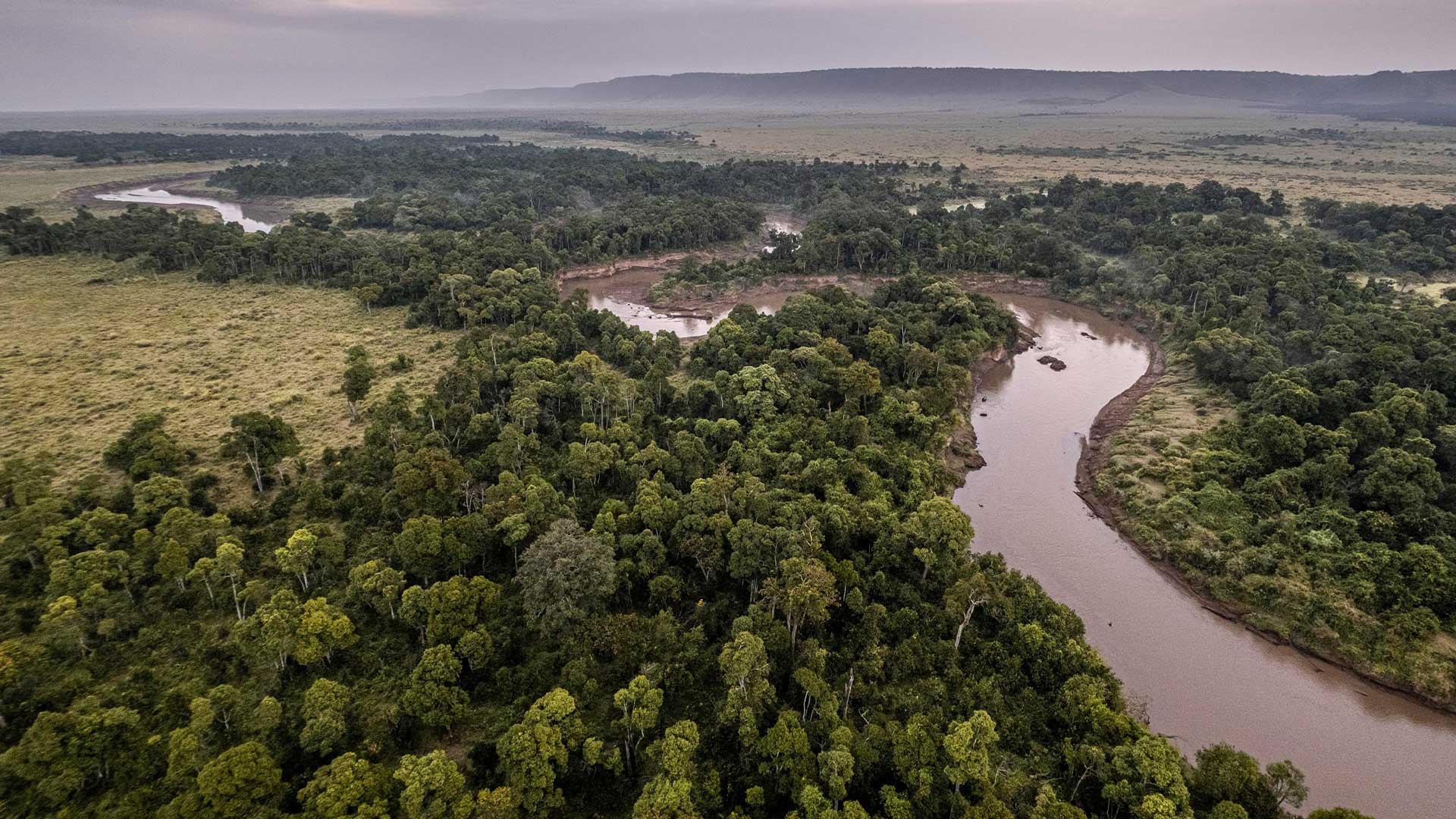
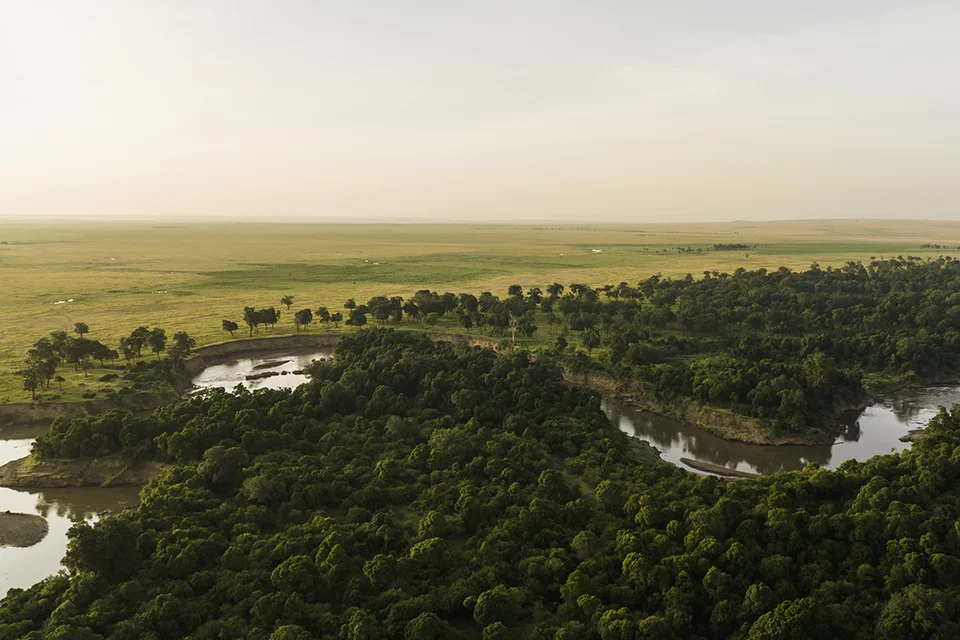
Ol Kinyei Conservancy occupies a rare position in Kenya's safari landscape: a private wildlife area that operates at genuine scale, with a conservation record independently verified to the highest international standard, in one of Africa's most celebrated ecosystems. It sits in the heart of the Maasai Mara, northeast of the National Reserve, and the terrain alone is worth the journey. Open savannah gives way to rolling hills, riverine forest, and watercourses that hold wildlife year-round.
What makes the experience here different from almost anywhere else in the Mara is structural. Access is reserved exclusively for Porini Safari Camps guests, with no more than one vehicle per 560 hectares on the conservancy at any time. There are no vehicle clusters around a sighting, no sense of competition for position, and no pressure to move on. Wildlife here behaves as it would with no audience, which changes what you see and how you see it.
Lion prides move through open terrain that offers some of the clearest sightings in the Mara, cheetah families have established themselves across the conservancy's plains, and leopards with known territories are regularly encountered. Few areas in Kenya can offer all three with the same consistency. Guests also have access to the adjacent Mara Naboisho Conservancy, extending the range of habitats and encounters available. Few private conservancies in Africa combine that level of exclusivity with a conservation record independently verified to IUCN Green List standards, and Ol Kinyei has held that designation since 2018.
5 Reasons We Love Ol Kinyei Conservancy
Exclusive access, no crowds: With only Porini vehicles permitted and a strict limit of one vehicle per 560 hectares, every game drive feels personal, and wildlife behaves as it would without an audience.
Independently verified conservation: Ol Kinyei achieved IUCN Green List status in 2018, one of only three sites in Kenya to meet this global benchmark for effective management, reassessed every five years.
Big cat country: Two resident lion prides, several leopards with established territories, and a cheetah population that has grown steadily since the conservancy's formation make Ol Kinyei one of Kenya's most reliable destinations for seeing all three large cats.
The Loita wildebeest migration: Ol Kinyei is the northernmost calving ground for the Loita wildebeest migration. Herds arrive from the Loita Plains in January, with calving typically happening in February and March.
Community-owned, community-run: The conservancy was formed by 171 Maasai landowners who set aside their land for wildlife rather than agriculture. Ninety percent of camp staff are drawn from those communities, and every stay directly funds land lease payments and the Wildlife Habitat Trust.
All you need to know about Ol Kinyei Conservancy
Things to do in Ol Kinyei Conservancy
Game drives across exclusive conservancy land: Only Porini vehicles permitted; off-road driving allowed; drives extend into the adjacent Mara Naboisho Conservancy.
Night drives and nocturnal wildlife: Ol Kinyei permits night drives, an activity banned in the National Reserve, revealing species such as servals, porcupines and bushbabies the daylight hours never show.
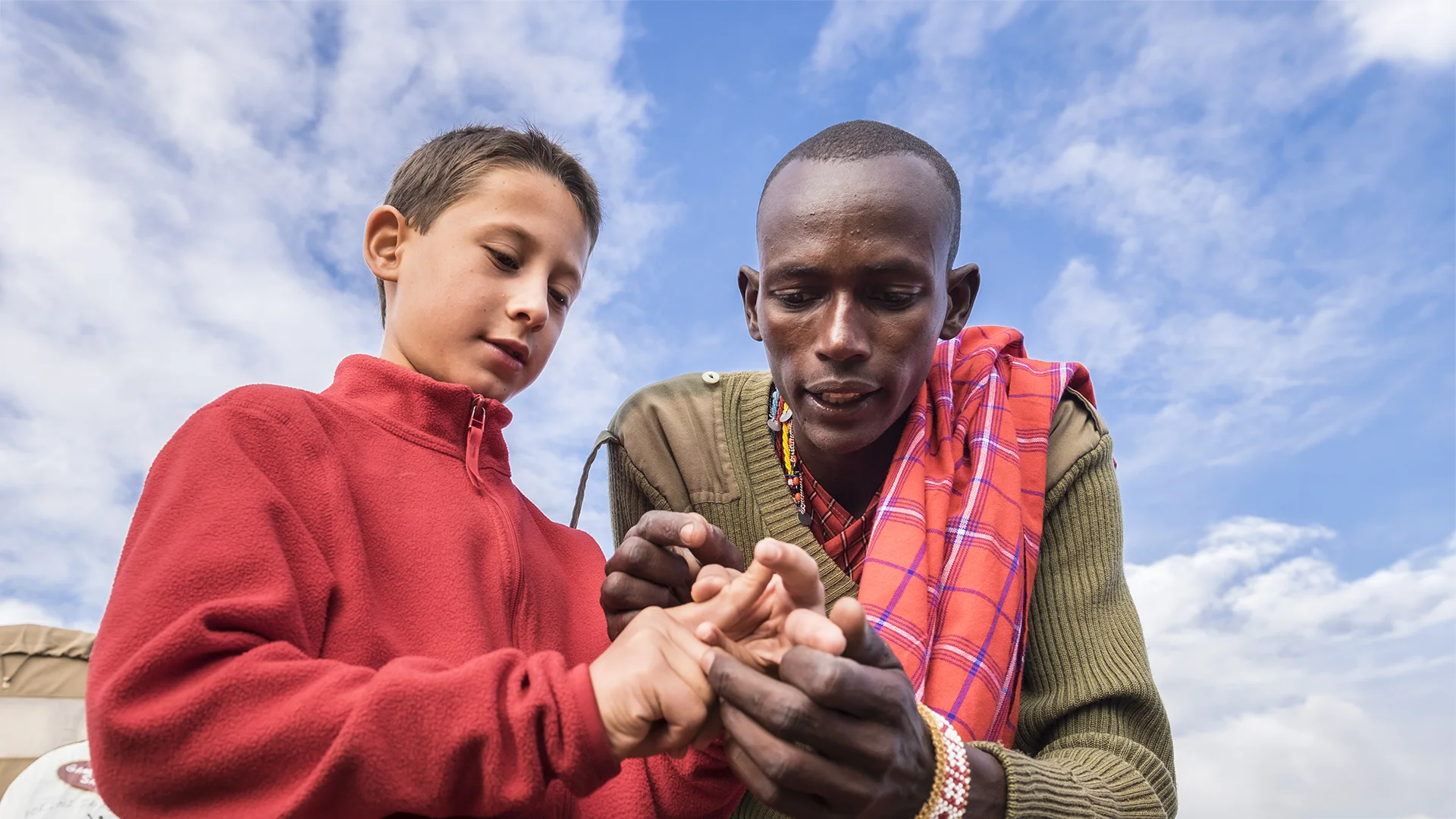
Walking safaris with Maasai warriors: Moving through the bush on foot with Maasai guides means reading tracks and interpreting the landscape at ground level, beyond what a vehicle can offer.
Bush breakfasts, sundowners and stargazing: Meals in the field, sundowners at scenic viewpoints, and evenings under low light-pollution skies define the rhythm of a day in the conservancy.
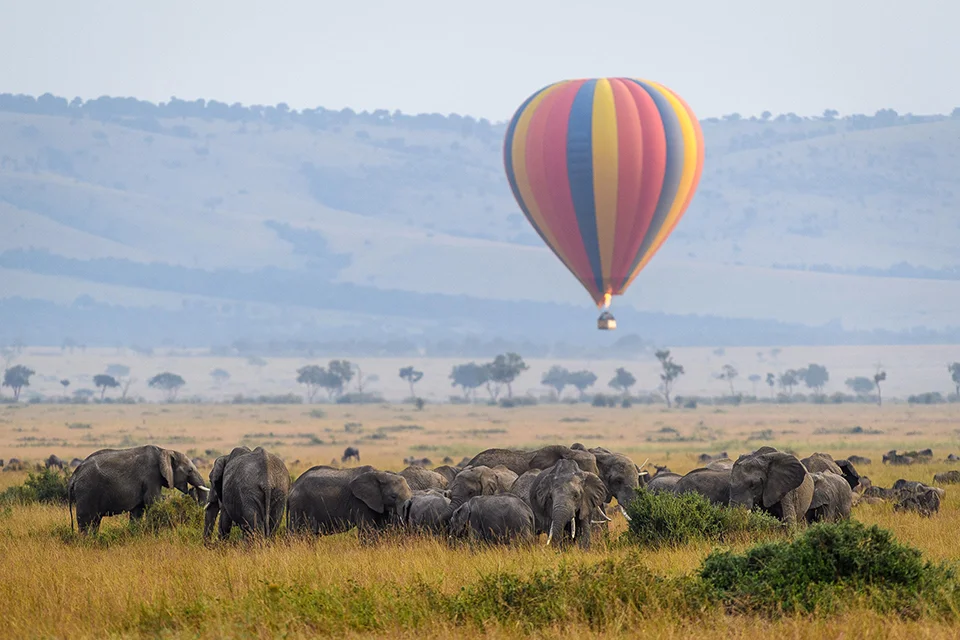
Hot air balloon safari: An optional dawn flight over the conservancy and broader Mara plains gives a perspective on the landscape that the ground simply cannot match.
Maasai cultural visits: The conservancy was created by its landowners. Community visits connect guests directly to the Maasai families whose decision shaped this landscape.
What wildlife can I see in Ol Kinyei Conservancy?
Lions: Two resident prides call the conservancy home, contributing to one of the highest lion densities in the Mara conservancy network, present and observable year-round.
Cheetahs: The conservancy's cheetah population has grown steadily since 2005, with multiple families and young cubs established across its open plains.
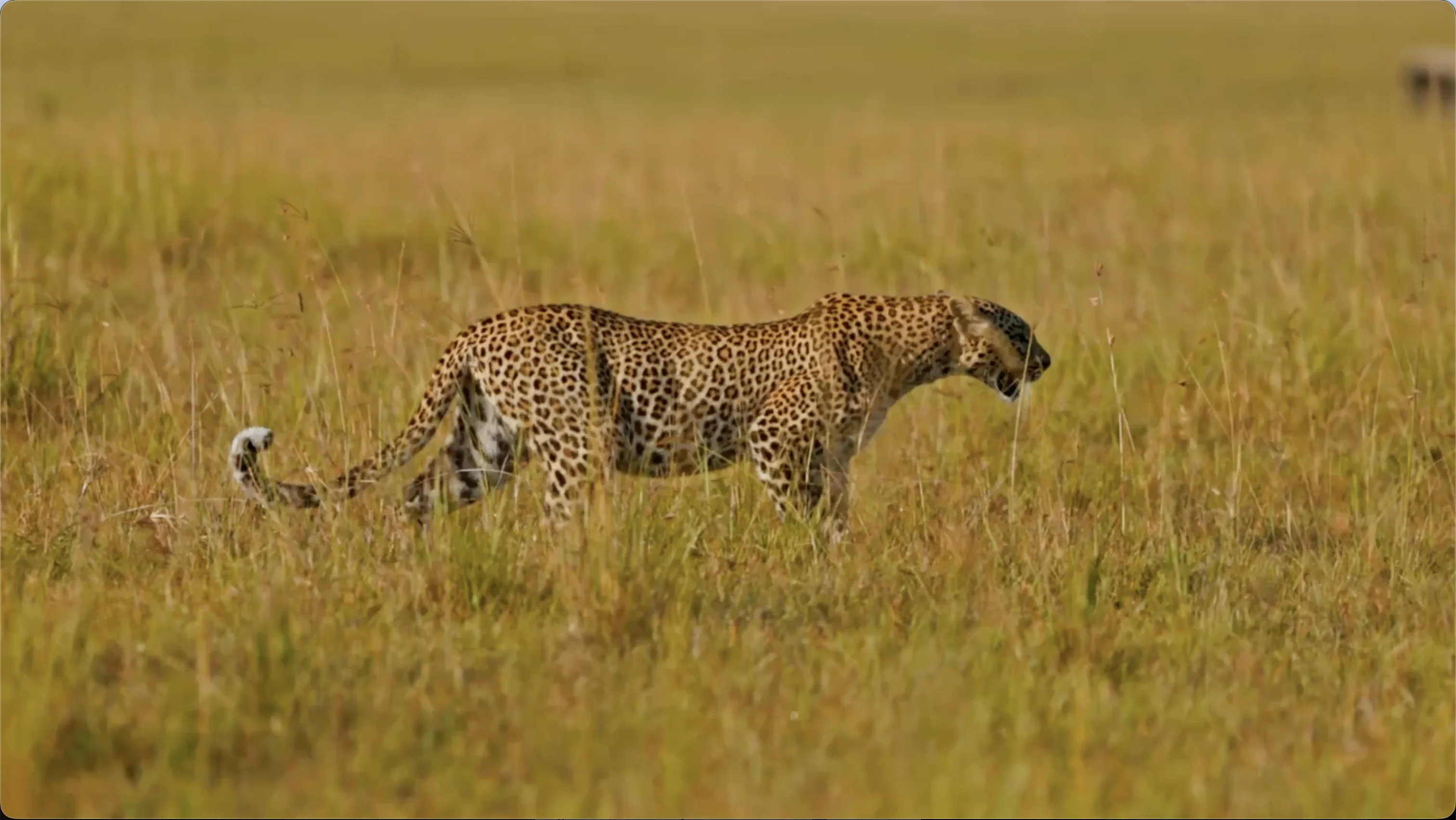
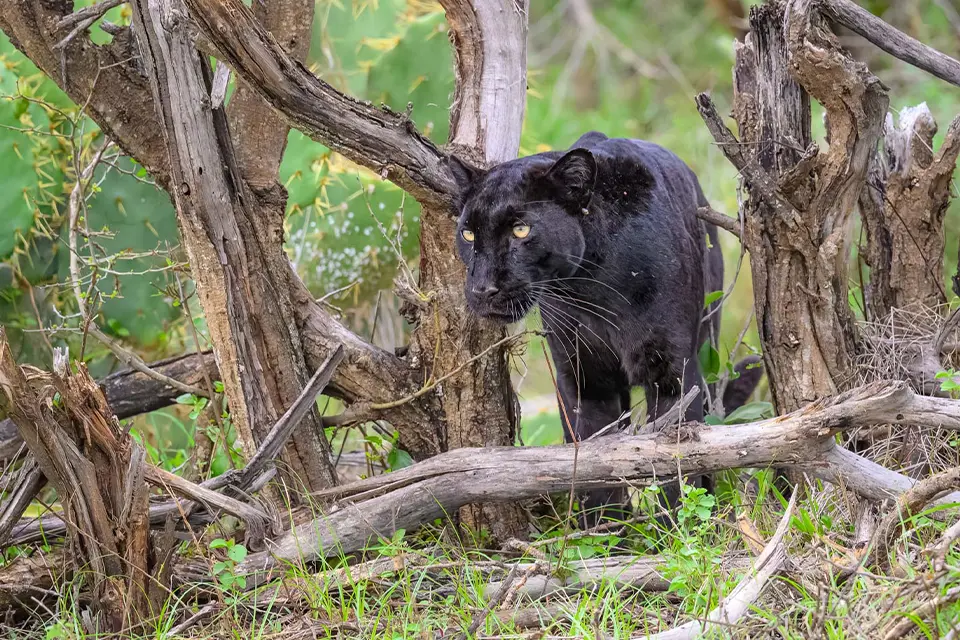
Leopards: Several leopards hold established territories within the conservancy and are frequently sighted, a combination that is rarer than it sounds across the wider Mara region.
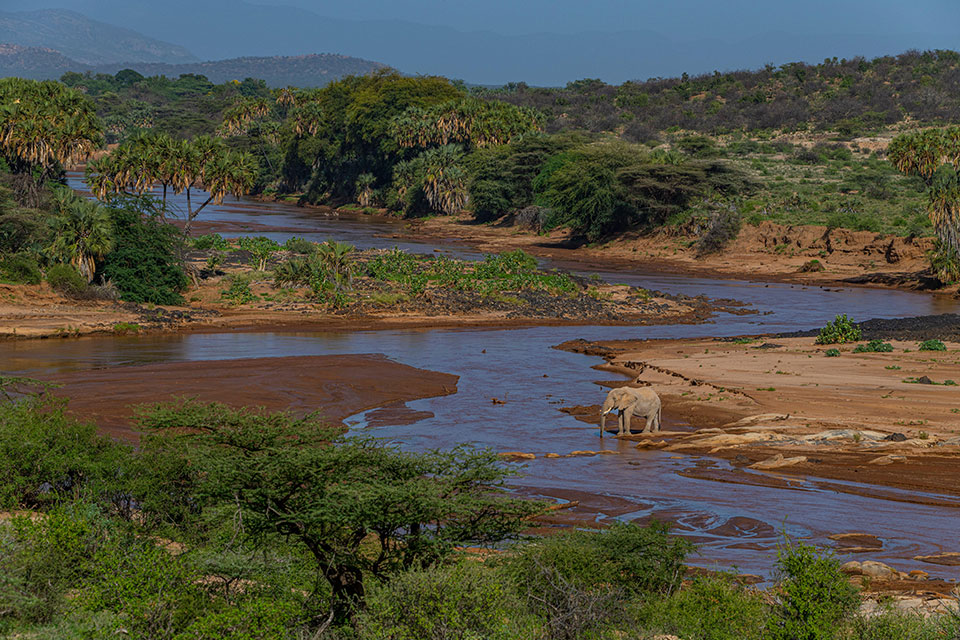
Elephants: Resident herds move through Ol Kinyei year-round; a 2016 study confirmed the conservancy as a critical elephant movement corridor across the wider Mara ecosystem.
The Loita wildebeest migration: Distinct from the broader Serengeti-Mara migration, the Loita migration originates on Kenya's Loita Plains. Ol Kinyei is its northernmost calving ground, with herds arriving from January and calving typically across February and March.
Supporting wildlife: Beyond the headline species, the conservancy supports giraffes, Cape buffalo, zebra, Coke's hartebeest, dik-dik, bat-eared foxes, impala and waterbuck.
Birdlife: About 470 bird species occur in the Maasai Mara region, including Jackson's widowbird, Usambiro barbet, grey-crested helmetshrike, and rufous-tailed weaver.
Where to stay in Ol Kinyei Conservancy
Both properties within Ol Kinyei are operated by Porini Safari Camps, the operator behind the conservancy partnership since 2005 and one of the most experienced names in Maasai Mara safari. Each camp is solar-powered, holds a Gold Eco-Rating from Ecotourism Kenya, is built without permanent structures, and is staffed almost entirely by members of the local Maasai community. Both share the same conservation principles, exclusive access to Ol Kinyei, and game-drive access to the adjacent Mara Naboisho Conservancy. The experiences they offer, however, are distinctly different.
Porini Mara Camp is the original property, the founding camp that opened alongside the conservancy itself. It sits in a naturally shaded position along a seasonal stream, giving it a settled, character-rich feel that reflects two decades of history in this landscape. The camp has five standard guest tents and a dedicated family unit, making it one of the few conservancy camps in the Mara suited to families travelling with children. Porini Mara Camp was named Kenya's Leading Tented Safari Camp at the 2026 World Travel Awards.
Porini Cheetah Camp is the newer of the two and has a noticeably more open, spacious feel. Its six en-suite tents each have a private veranda, with a central lounge and an outdoor dining area looking across the savannah. The camp is often hosted by its owners, Jui and Nirmalya Banerjee, whose presence gives it an intimate, personally run atmosphere that guests describe as closer to a home than a hotel.
Trusted by thousands of ecstatic travellers
✔️ 5-Star Trustpilot Rating ✔️ Condé Nast Travel Specialist Award Winner
✔️ Accredited by SATSA ✔️ 5,000+ Exceptional Safaris Since 1991
Why choose Africa Geographic to plan your safari?

"...Africa Geographic put together an unforgettable safari in Kenya...was able to create an incredible itinerary even though we reached out to her with less than a month before...handled the logistics, so my dad and I were able to relax and take in the amazing wildlife, culture, and landscapes together; giving us an incredible experience...I highly recommend...Africa Geographic team to anyone planning an African safari."

"We had an absolutely incredible trip to Kenya on Safari and beach getaway thanks to Africa Geographic... They made the process so easy from initial planning, to booking and making payments toward out trip to the actual trip itself and throughout our stay in Kenya. Incredible communication, incredible wildlife, incredible people we met and incredible food! We will definitely be using AG again when we return to Africa!"

"They put together a wonderful itinerary in Kenya...When one of our traveler's luggage got stuck...went above and beyond to reunite her with her things. He was responsive throughout the trip...The animals were plentiful and entertaining, the guides and staff everywhere were warm and knowledgeable, our lodgings were comfortable and beautiful, and we would use....Africa Geographic again and again."
Wish you were here?
Frequently asked questions
A 7,500-hectare private wildlife conservancy in Kenya's Maasai Mara, established in 2005 by 171 Maasai landowners and Porini Safari Camps. The first community conservancy of its kind in the Mara and one of only three IUCN Green List sites in Kenya.
The conservancy sits northeast of the Maasai Mara National Reserve in southwest Kenya, approximately 200 kilometres west of Nairobi. It lies within the Serengeti-Mara ecosystem, the same continuous landscape that extends south into Tanzania's Serengeti National Park.
As a private conservancy rather than a national reserve, Ol Kinyei permits off-road driving, night game drives, and guided walking safaris, none of which are allowed in the Reserve. Vehicle numbers are strictly capped at one per 560 hectares, and only Porini Safari Camps vehicles operate within its boundaries.
The IUCN Green List is a global benchmark for effectively managed, well-governed protected areas. Ol Kinyei achieved this status in 2018 for its habitat protection, sound governance, and measurable community benefits, and is reassessed against those criteria every five years.
The conservancy is home to two resident lion prides, several leopards, a growing cheetah population with established families, resident elephants, giraffes and Cape buffalo. The Loita wildebeest migration also passes through each year, with large herds present from January.
A distinct annual migration from Kenya's Loita Plains, separate from the broader Serengeti-Mara migration, that passes through Ol Kinyei on its route to and from the Maasai Mara. The conservancy is the northernmost calving ground for the Loita herds, with calving typically occurring in February and March.
July to October offers dry conditions and reliable wildlife viewing. January to March is calving season for the Loita wildebeest migration, with large herds present in the conservancy. Wildlife viewing remains strong throughout the year, including during the green season from November to June.
Most guests fly from Nairobi's Wilson Airport to Ol Seki Airstrip on a scheduled light aircraft service, with a short vehicle transfer from the airstrip to camp. Flight time is approximately 45 to 60 minutes.
Day and night game drives, off-road driving, guided walking safaris with Maasai warriors, bush breakfasts, sundowners, stargazing, and optional hot air balloon safaris are all available. Guests also have access to the adjacent Mara Naboisho Conservancy and can arrange Maasai cultural visits.
The original camp within Ol Kinyei, opened alongside the conservancy in 2005. It has five guest tents and a dedicated family unit, sits along a seasonal stream, and was named Kenya's Leading Tented Safari Camp at the 2026 World Travel Awards.
A six-tent eco-camp with a more open, spacious feel than its neighbour. Often hosted by owners Jui and Nirmalya Banerjee, it has private verandas, an outdoor dining area with savannah views, and a Gold Eco-Rating from Ecotourism Kenya. Solar-powered and built without permanent structures.
Every tent in the conservancy secures 280 hectares of protected habitat. Strict vehicle limits reduce ecological pressure; camps are solar-powered with no permanent structures, and guest stays fund land lease payments to Maasai landowners and projects through the Wildlife Habitat Trust.
Malaria is present in the Maasai Mara region; antimalarial medication is strongly recommended. A Kenya Electronic Travel Authorisation (ETA) is required for most nationalities. Emergency medical evacuation cover is included in Porini Safari Camps fly-in packages; check that your travel insurance covers the region.
The cheapest rates at Ol Kinyei Conservancy typically range from $250–$650 per person, per night, in the green/low season (mainly April–May and November–early December), rising to $900–$1,500+ during peak periods. This price usually includes accommodation, all meals, game drives, experienced guides, and 24/7 support from our team.
Click here to schedule a no-obligation call with one of our Safari Experts or fill in our 2-minute form with your questions. Our team of experts are here to help! Whether you’re curious about the best time to travel, want to hear first-hand about an experience or need help planning your safari.
Explore more African destinations
Start planning your dream safari
Our travel experts will craft a no-obligation itinerary just for you. We have crafted over 5,000 safaris since 1991. Your personal details are protected; we only use this information to contact you.
Why book your safari with us?

Deep Experience & Knowledge
Handcrafted experiential safaris since 1991.
Travel in Africa is about knowing when and where to go, and with whom. A few weeks too early/late or a few kilometres off course, and you could miss the greatest show on Earth. And wouldn’t that be a pity?

Trust & Safety

Make A Difference
We donate a portion of the revenue from every safari sold to carefully selected conservation projects that make a significant difference at ground level.
YOUR safari choice does make a difference - thank you!