
Tailor-made safaris. Since 1991



Mara Naboisho Conservancy: your own private Mara
Mara Naboisho Conservancy at a glance:
Location: Southwest Kenya, Narok County; adjacent to the Maasai Mara National Reserve; part of the greater Maasai Mara ecosystem | Main access: Naboisho Ol Seki Airstrip; scheduled light aircraft from Wilson Airport, Nairobi (approximately 45 minutes) |
Conservation status: Private, community-owned conservancy; established 2010; land leased from more than 500 Maasai landowner families | Best time to visit: June–October (dry season, peak safari, Migration herds in conservancy August to mid-October); November–April (green season, calving, birdwatching) |
Wildlife highlights: Lions, leopards, cheetahs, elephants, Maasai giraffe, spotted hyena; Great Migration herds August to mid–Octobe | Activities: Game drives, night drives, walking safaris, photographic safaris, cultural visits to Maasai communities |
Vehicle limit: Maximum 4 vehicles permitted at any single wildlife sighting | Malaria risk: Yes; antimalarial medication strongly recommended. Consult your doctor before travel |
Why visit Mara Naboisho Conservancy?
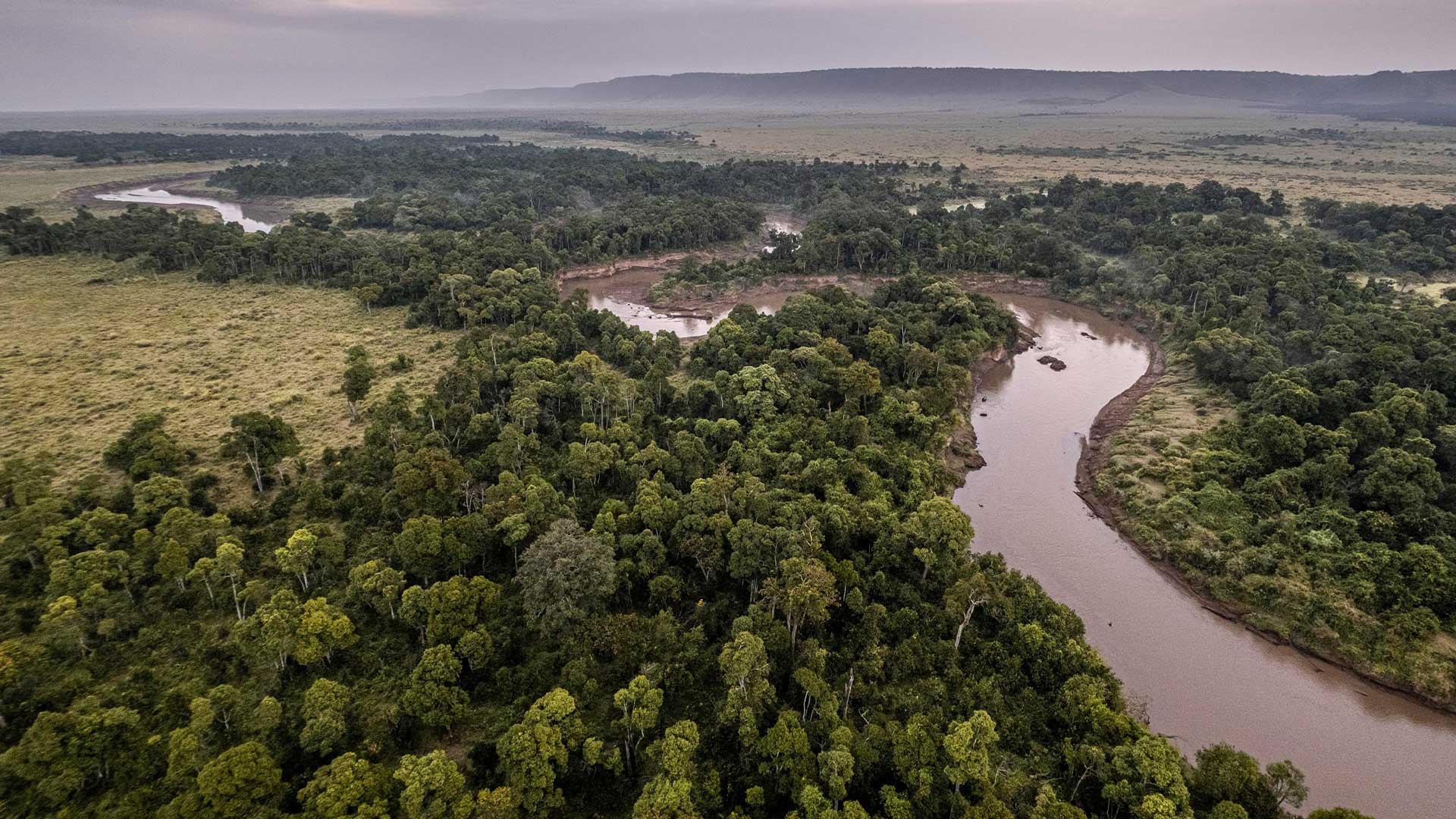
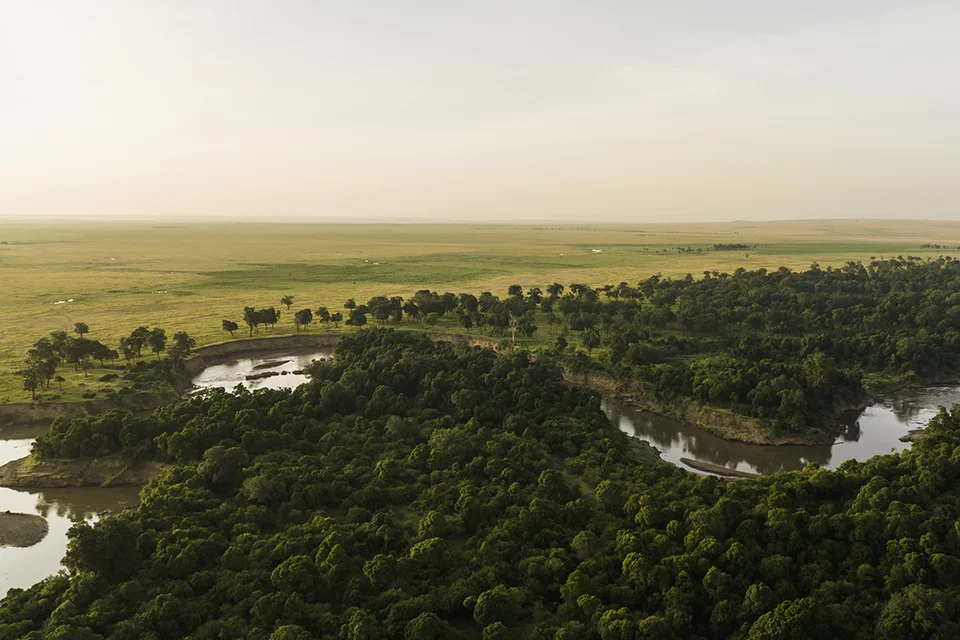
The name says everything. Naboisho, meaning 'coming together' in the Maa language, was chosen by the Maasai landowners, who pooled their land to create one of East Africa's most carefully managed safari destinations. The landscape they protected is extraordinary. Open savannah rolls toward the distant Ngama Hills; acacia woodland shelters elephants and the largest Maasai giraffe population in the Mara ecosystem; streams cut through rocky valleys alive with predators and plains wildlife.
The conservancy shares an unfenced boundary with the Maasai Mara National Reserve, allowing wildlife to move freely across both areas, but the experience here is profoundly different. The tourism model is strictly controlled: a small number of camps share an enormous landscape, no more than four vehicles may gather at any single wildlife sighting, and the activities restricted inside the national reserve, including night drives and guided walking safaris, are both on offer. Off-road driving is permitted throughout.
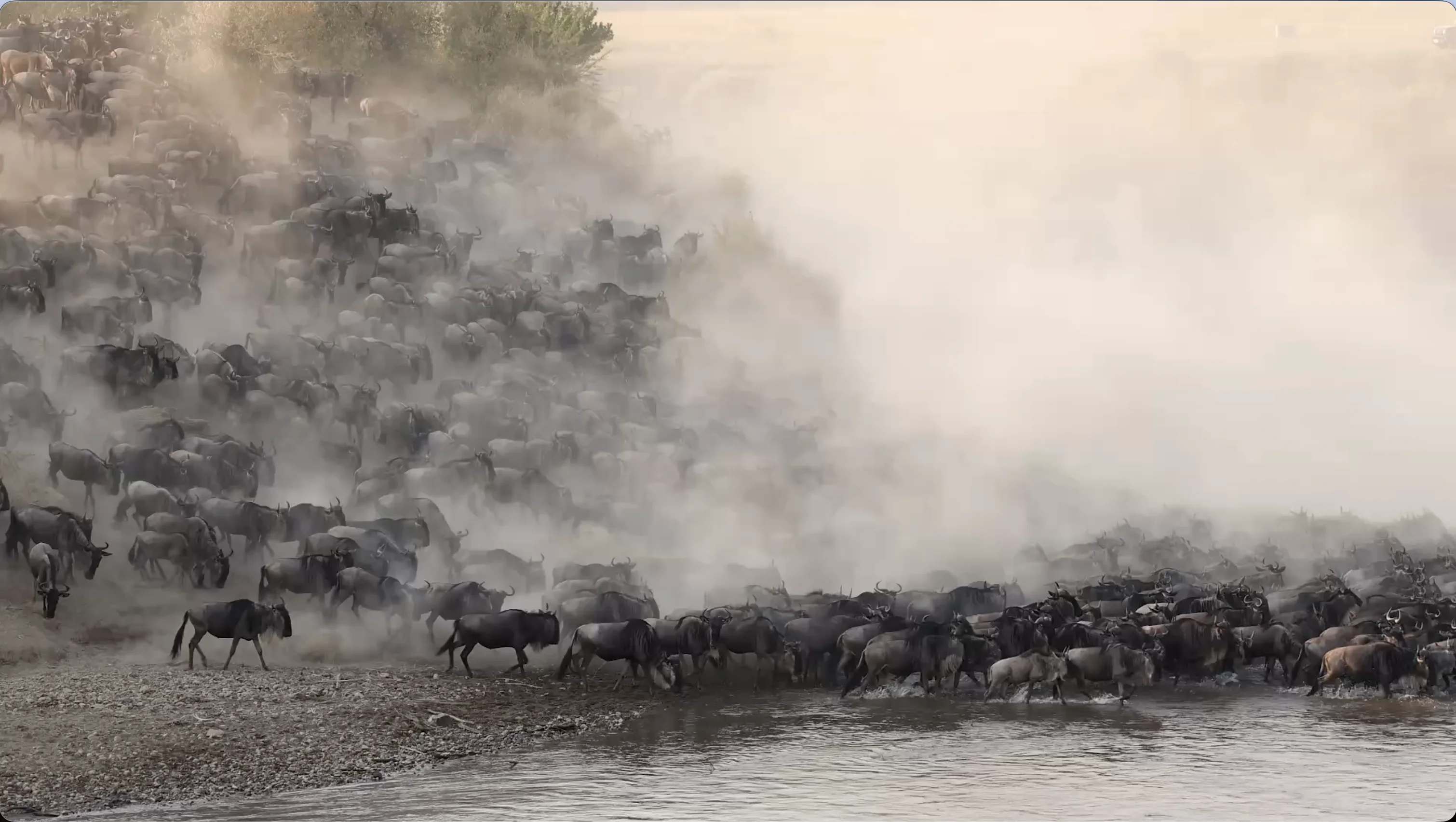
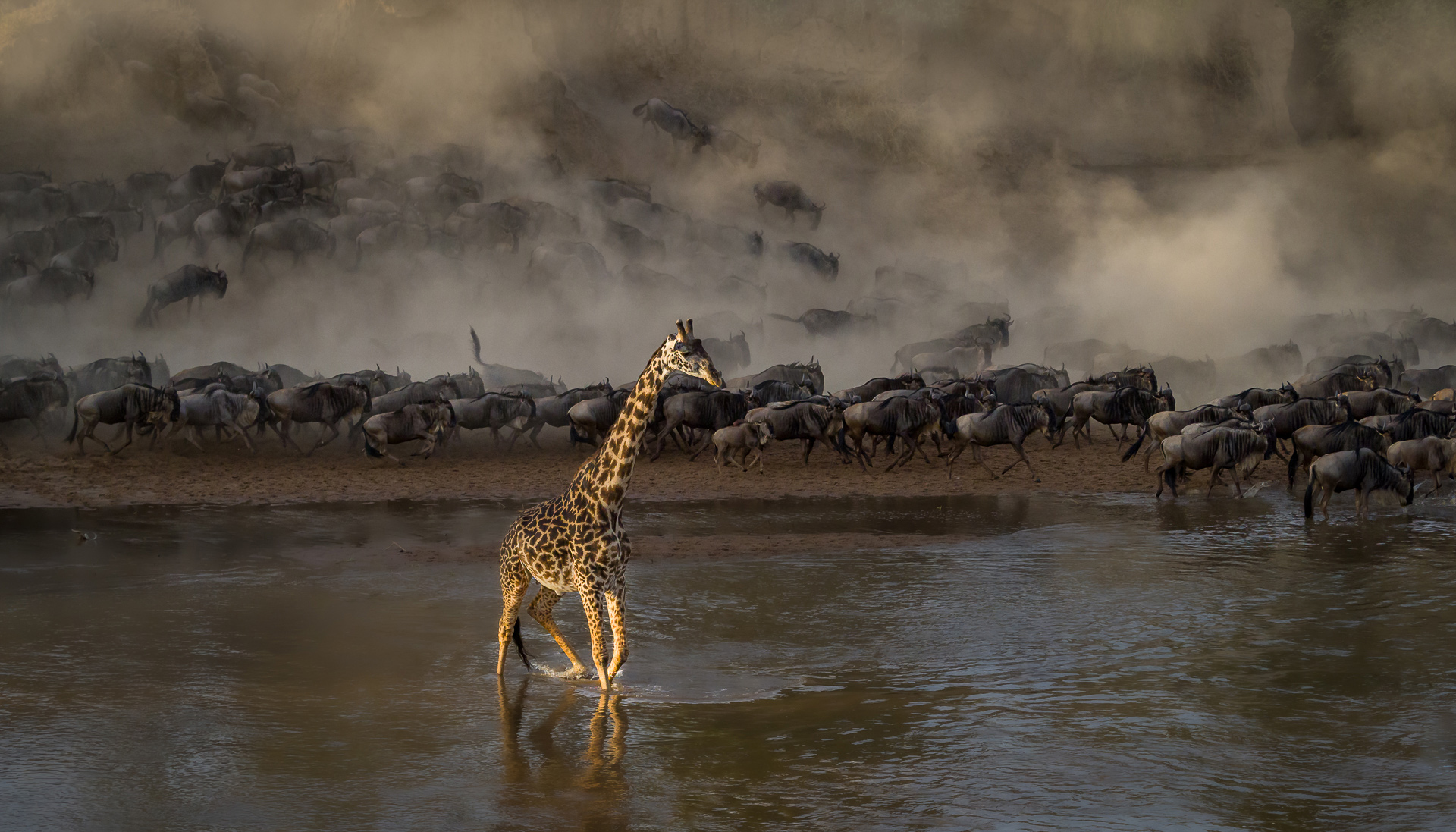
The result is a destination that supports one of Kenya's highest densities of lions and cheetahs alongside large breeding elephant herds, Maasai giraffe and abundant plains species. Between August and mid-October, wildebeest and zebra from the main Mara swell those numbers further as the Great Migration passes through.
What Naboisho offers is a safari that feels genuinely exclusive: not simply because of price or property, but because a deliberate conservation model has kept it that way.
5 Reasons We Love Mara Naboisho Conservancy
Kenya's finest big cat territory: Several resident lion prides, cheetahs hunting across open grassland and leopards in riverine corridors, with night drives revealing spotted hyenas, servals, and other predators after dark.
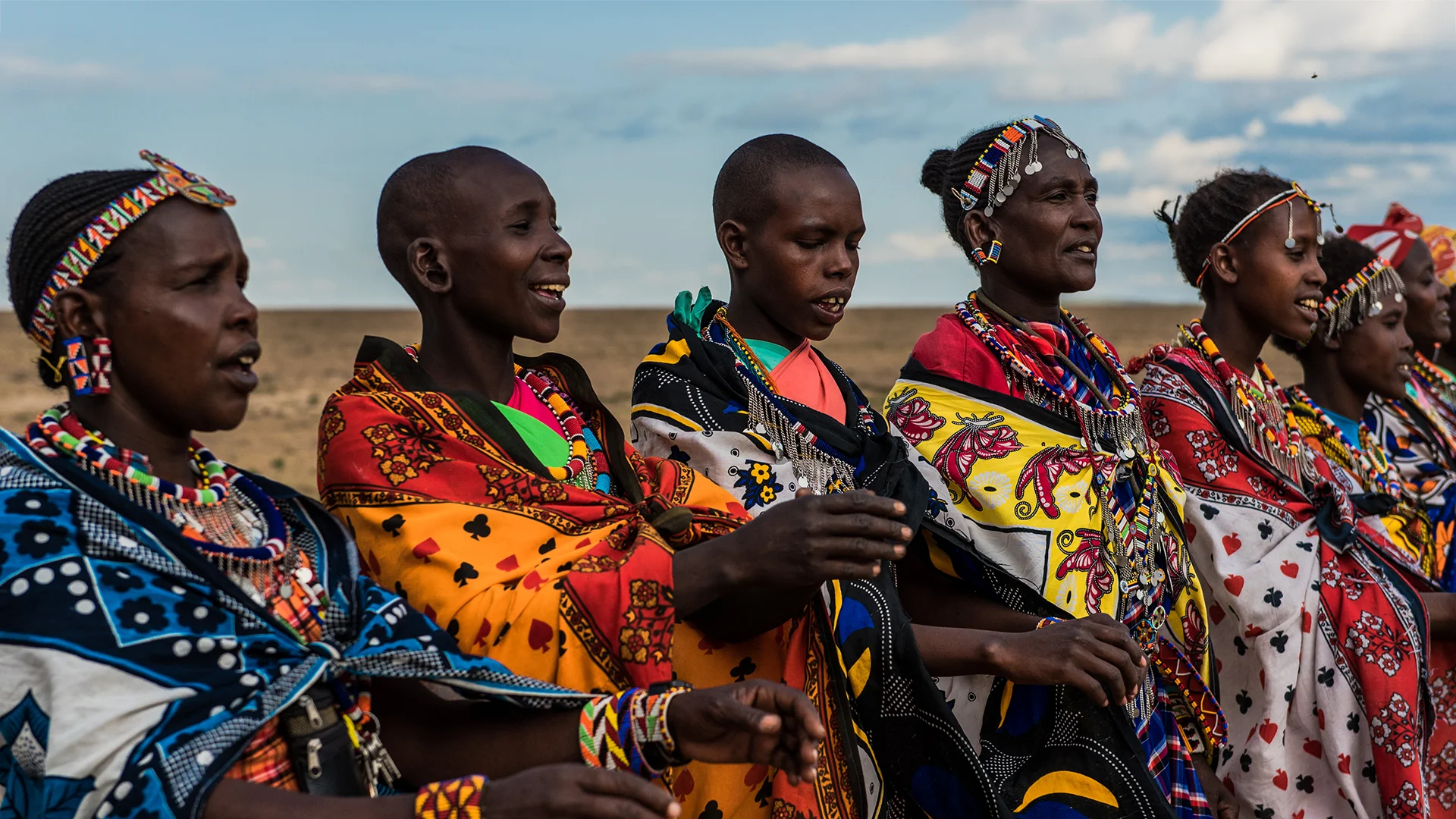
A conservation model built on community: More than 500 Maasai families created this conservancy and continue to benefit directly: tourism revenue funds livelihoods, education and healthcare for the communities who share this land.
Night drives and walking safaris: Both are permitted here but restricted in the national reserve, a meaningful advantage that opens two entirely different ways to experience the same wild landscape.
Four vehicles at any sighting, no more: A strict rule that keeps encounters intimate, undisturbed and genuinely wild, wherever in the conservancy you happen to find a pride or a hunting cheetah.
The Migration comes to you: From August to mid-October, wildebeest and zebra herds pour in from the Maasai Mara National Reserve, bringing some of the ecosystem's most dramatic predator activity.
All you need to know about Mara Naboisho Conservancy
Things to do in Mara Naboisho Conservancy
Game drives at dawn and dusk: Open-sided vehicles venture out as the plains come alive. Off-road driving is permitted, so guides can follow action closely, with sundowner stops on the open savannah as the light shifts.
Night drives: After dark, a different set of wildlife takes over the conservancy. Spotted hyenas become vocal and active, while patience on the beam can reveal servals, bush babies, bat-eared foxes, aardwolves, porcupines and nightjars, species that remain out of reach on a standard daytime drive in the national reserve.
Guided walking safaris: Moving through big-cat country on foot with experienced Maasai guides shifts everything. Focus narrows to animal tracks in the dust, medicinal plants, birdsong and the smaller details that a vehicle always passes over.
Photographic safaris: The open plains and acacia-studded valleys produce exceptional early-morning and late-afternoon light, and several camps offer vehicles fitted specifically for photography, with padded rests and roll-back canvas roofs for unobstructed shooting.
Cultural visits to Maasai communities: The conservancy exists because Maasai families chose conservation over subdivision. Visits to local homesteads offer genuine insight into the traditions and partnerships that hold this landscape together.
Inter-camp walking safaris: At certain properties, guided walks linking sister camps cover ten kilometres or more of conservancy terrain, an immersive alternative to the vehicle that moves at the pace of the bush itself.
What wildlife can I see in Mara Naboisho Conservancy?
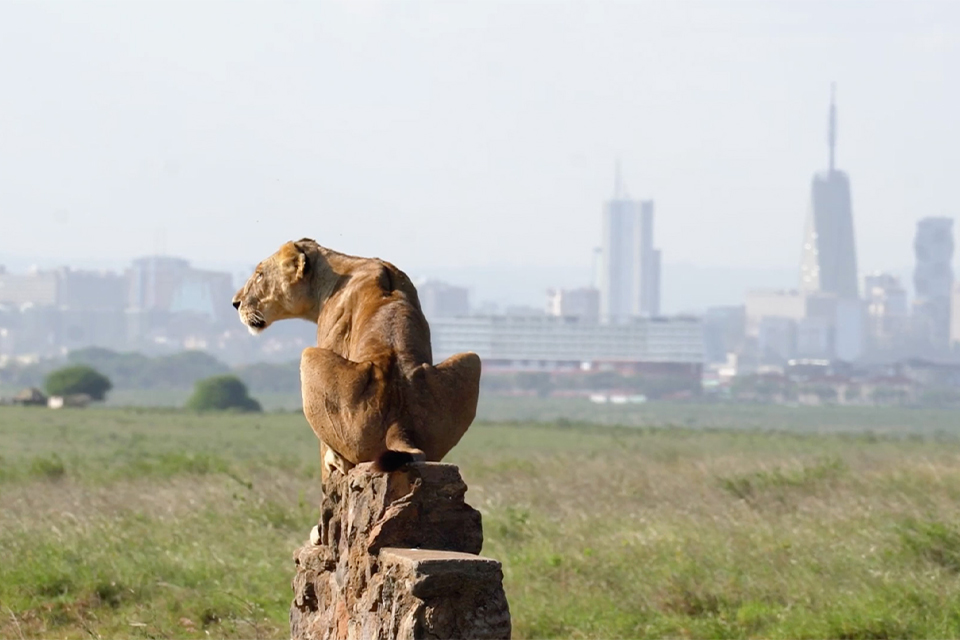
Lions, resident and abundant: Five resident lion prides call the conservancy home, each with a minimum of twenty individuals and around thirteen mature males, placing Naboisho consistently among Kenya's highest lion-density destinations. Additional prides move in periodically from neighbouring conservancies.
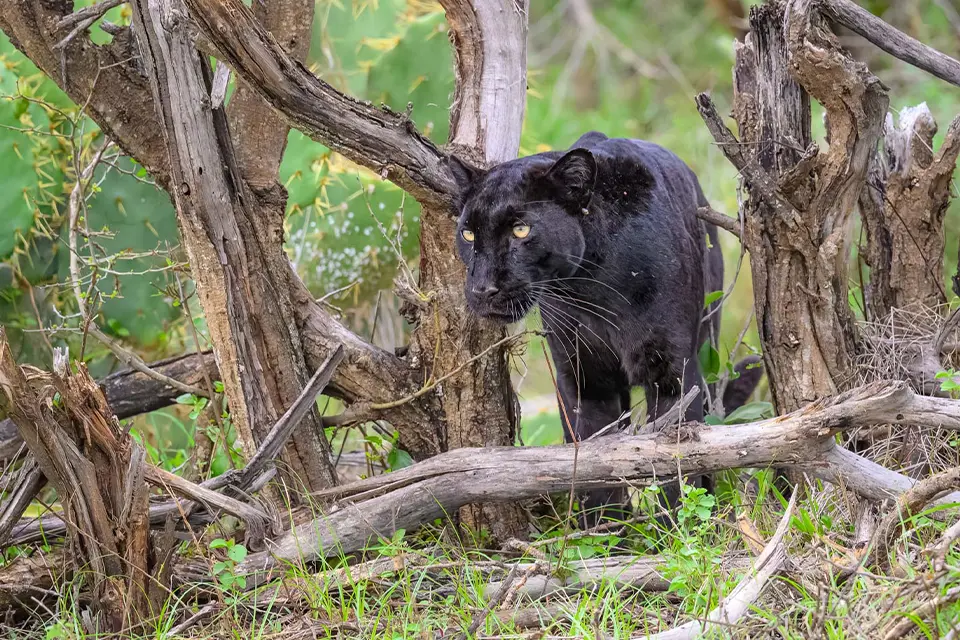
Leopards and cheetahs: Leopards favour riverine corridors and sausage trees; cheetahs hunt across open grassland at one of Kenya's highest recorded densities. Both are regularly encountered on game drives throughout the year.
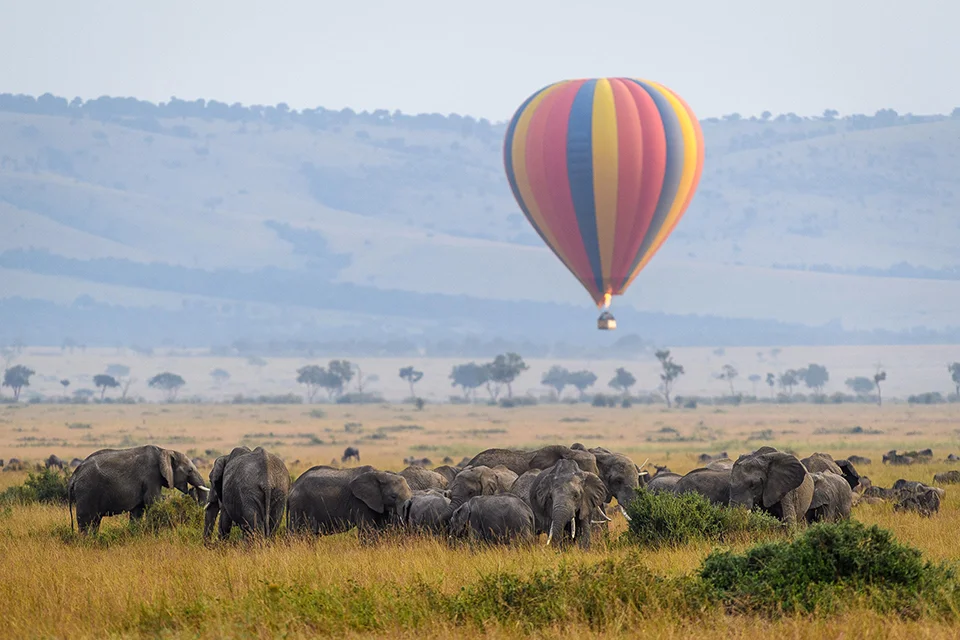
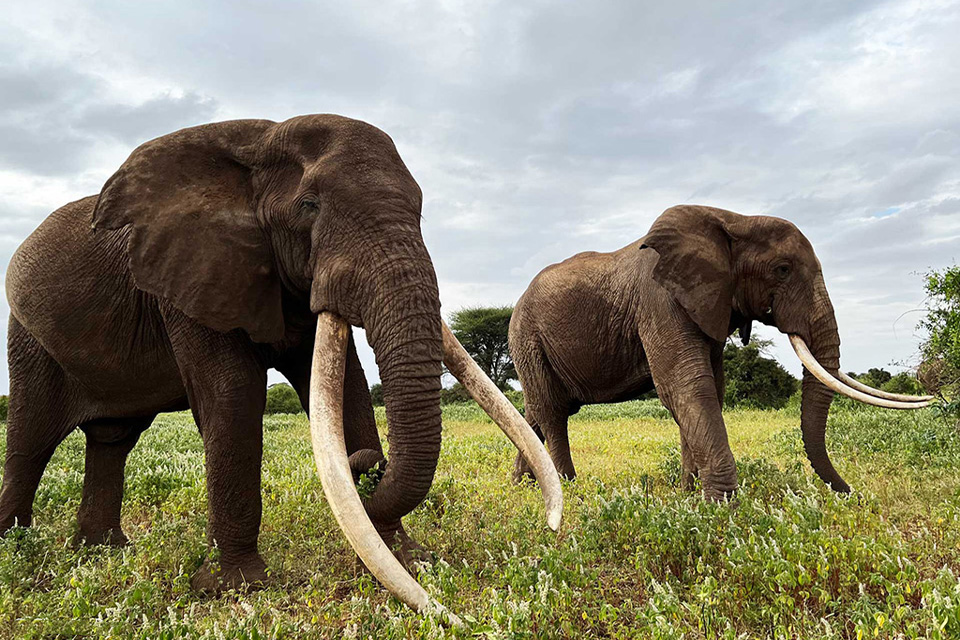
Elephants, giraffe and plains wildlife: Large breeding elephant herds linger near water sources and shaded valleys; Naboisho's acacia woodlands support the largest Maasai giraffe population in the Mara ecosystem. Zebra, Cape buffalo, wildebeest, topi, eland, impala, and Thomson's and Grant's gazelles complete the picture.
The Great Migration: Between August and mid-October, wildebeest and zebra herds from the Maasai Mara National Reserve spill into the conservancy, drawing intense predator activity in their wake. The Mara River crossings take place only within the national reserve.
Nocturnal wildlife: Night drives reveal spotted hyenas, bush babies, servals, bat-eared foxes, porcupines, aardwolves and nightjars, species largely invisible during daylight hours and missed entirely without an after-dark drive.
About 470 bird species occur in the Maasai Mara area, including grey-crested helmetshrike, rufous-tailed weaver, Jackson's widowbird and Usambiro barbet. November to April brings migratory species to the grasslands and woodlands, making it the strongest birdwatching period of the year.
Where to stay in Mara Naboisho Conservancy
Basecamp Wilderness sits in the remote Saddle Valley, well away from the busier edges of the conservancy. This unfussy, intimate bush camp channels an earlier era of safari: Maasai game scouts, an open campfire at the centre of each evening, and a clear emphasis on wildlife immersion and guiding over resort comfort.
Saruni Eagle View occupies a panoramic escarpment above the Koiyaki Plains, with a natural salt lick and watering hole positioned directly in front of camp so that wildlife arrives on its own terms. This is the conservancy's most credentialed eco-property, with strong community ties and some of the finest views in the Mara ecosystem.
Saruni Leopard Hill, sister camp to Eagle View, positions its six tents above three waterholes, each overlooked by a veranda with its own firepit. The defining detail is the retractable canvas roof that opens to leave nothing between the guest and the night sky but mosquito mesh. It runs entirely on solar power.
Hemingways Ol Seki commands a 270-degree panorama from a rocky bluff at the conservancy's northeastern edge. Its ten 12-sided luxury tents include two private villas, each with a plunge pool, kitchen, private dining room and dedicated game vehicle. The atmosphere is polished, unhurried and quietly refined.
Kicheche Valley Naboisho takes a different position entirely: a secluded, wooded valley in the eastern conservancy, built above a natural spring that draws wildlife through camp. Its six tents and the two-bedroom Saba Suite sit on permanent timber decking on the hillside. A Gold Eco-rating from Eco-tourism Kenya and consistently outstanding traveller reviews make it one of Naboisho's most highly regarded properties.
Trusted by thousands of ecstatic travellers
✔️ 5-Star Trustpilot Rating ✔️ Condé Nast Travel Specialist Award Winner
✔️ Accredited by SATSA ✔️ 5,000+ Exceptional Safaris Since 1991
Why choose Africa Geographic to plan your safari?

"...AG were incredibly helpful in helping me navigate planning and booking my first safari. Without an original clear direction of even what country to visit... was easy to communicate with...We had the most amazing time in Kenya visiting Mara Naboisho...offered incredible but varied experiences which meant for a well rounded trip that we loved. Thank you...AG for all the help."

"They put together a wonderful itinerary in Kenya...When one of our traveler's luggage got stuck in Europe...went above and beyond to reunite her with her things. He was responsive throughout the trip whenever we had a question. The animals were plentiful and entertaining, the guides and staff everywhere were warm and knowledgeable...we would use...Africa Geographic again and again."

"...made a number of calls and managed to get us into two camps. Without his extensive network and knowledge tis wouldn't have been possible...The final stop was Saruni camp in the Naboisho conservancy. Notable sightings included newly born giraffe and buffalo. Considering the fact we had rain every day it was still a great trip. It could have been a disastrous start but...rescued it."
Wish you were here?
Frequently asked questions
The Mara Naboisho Conservancy is a private, community-owned conservancy of approximately 20,000 hectares in southwest Kenya's Narok County. Established in 2010 and adjacent to the Maasai Mara National Reserve, it forms part of the wider Maasai Mara ecosystem, with an unfenced boundary that allows wildlife to move freely between the two areas.
Naboisho means 'coming together' in the Maa language of the Maasai people, a direct reference to the more than 500 Maasai landowners who collectively chose to set aside their land for wildlife conservation rather than subdivision.
Naboisho is a private conservancy, not a government reserve. Night drives, walking safaris and off-road driving are all permitted here but restricted inside the national reserve. No more than four vehicles may attend any wildlife sighting, and conservation fees go directly to Maasai landowner families.
Yes. Between August and mid-October, wildebeest and zebra herds from the Maasai Mara National Reserve spill into the conservancy, bringing intense predator activity. The famous Mara River crossings themselves take place within the national reserve rather than in Naboisho.
Lions are the dominant predator, with five resident prides and one of Kenya's highest lion densities. Leopards are regularly seen in riverine corridors and sausage trees, and cheetahs hunt across the open grasslands at one of Kenya's highest recorded densities. All three are encountered year-round.
Both are permitted within the conservancy, an important advantage over the Maasai Mara National Reserve where both activities are restricted. Walking safaris are led by experienced guides with Maasai scouts; some properties require an armed ranger to accompany walks.
Year-round. June to October brings dry-season conditions and peak safari; Migration herds enter the conservancy from August to mid-October. November to April offers a lush landscape, calving season, strong birdwatching and fewer visitors. April and May are the wettest months with the lowest visitor numbers.
Most guests fly by scheduled light aircraft from Wilson Airport in Nairobi to Naboisho Ol Seki Airstrip, a journey of approximately 45 minutes. Road access is possible via Narok, though a 4×4 vehicle is essential, particularly in the wetter months.
Conservation fees and tourism revenue flow directly to the more than 500 Maasai landowner families who lease their land to the conservancy. The model provides guaranteed monthly income alongside employment opportunities and funds for education and healthcare, directly linking community wellbeing to the health of the ecosystem.
The conservancy operates a strict low-density tourism model: total camp and bed numbers are deliberately capped, and no more than four vehicles may attend any single wildlife sighting. This protects both the animals from disturbance and the quality of every guest's experience on the ground.
Yes. About 470 bird species occur in the Maasai Mara area, including grey-crested helmetshrike, rufous-tailed weaver, Jackson's widowbird, and Usambiro barbet. November to April is the strongest birdwatching period, when migratory species join the resident population across the grasslands and acacia woodland.
Absolutely. Exceptional wildlife, experienced guides, unhurried pacing and fewer vehicles than the national reserve create ideal conditions for a first safari. The range of activities, including game drives, night drives and guided walks, also gives returning travellers something genuinely new at every visit.
Several camps in the conservancy welcome families with children and offer family tents, flexible scheduling and child-friendly activities. Minimum age policies vary by property; some prefer children aged seven or older, others eight or twelve, so it is worth confirming directly when booking.
The cheapest rates at Mara Naboisho Conservancy typically start at $400–$600 per person, per night, in the green/low season (mainly April–May and sometimes November), rising to $900–$2,300+ in peak periods. This price usually includes accommodation, all meals, game drives, experienced guides, and 24/7 support from our team.
Click here to schedule a no-obligation call with one of our Safari Experts or fill in our 2-minute form with your questions. Our team of experts are here to help! Whether you’re curious about the best time to travel, want to hear first-hand about an experience or need help planning your safari.
Explore more African destinations
Start planning your dream safari
Our travel experts will craft a no-obligation itinerary just for you. We have crafted over 5,000 safaris since 1991. Your personal details are protected; we only use this information to contact you.
Why book your safari with us?

Deep Experience & Knowledge
Handcrafted experiential safaris since 1991.
Travel in Africa is about knowing when and where to go, and with whom. A few weeks too early/late or a few kilometres off course, and you could miss the greatest show on Earth. And wouldn’t that be a pity?

Trust & Safety

Make A Difference
We donate a portion of the revenue from every safari sold to carefully selected conservation projects that make a significant difference at ground level.
YOUR safari choice does make a difference - thank you!