

Tailor-made safaris. Since 1991



Mara North Conservancy: Maasai Mara's most exclusive
Mara North Conservancy at a glance:
Location: Northwestern Masai Mara ecosystem, Narok County, Kenya | Size: Approximately 30,000 hectares (74,000 acres), the largest conservancy in the greater Mara |
Established: 2009, a not-for-profit partnership between camps and 800+ Maasai landowners | Access: Approximately 1 hour by light aircraft from Nairobi Wilson Airport |
Best time to visit: June–October (dry season); November–May (green season, strong wildlife year-round) | Density: One of the lowest vehicle densities in the Mara, at 1 guest per 350 acres |
Key wildlife: Lion, leopard, cheetah, elephant, wildebeest, 470 bird species | Activities: Game drives, night drives, walking safaris, hot air ballooning, fly camping |
Why visit Mara North Conservancy?
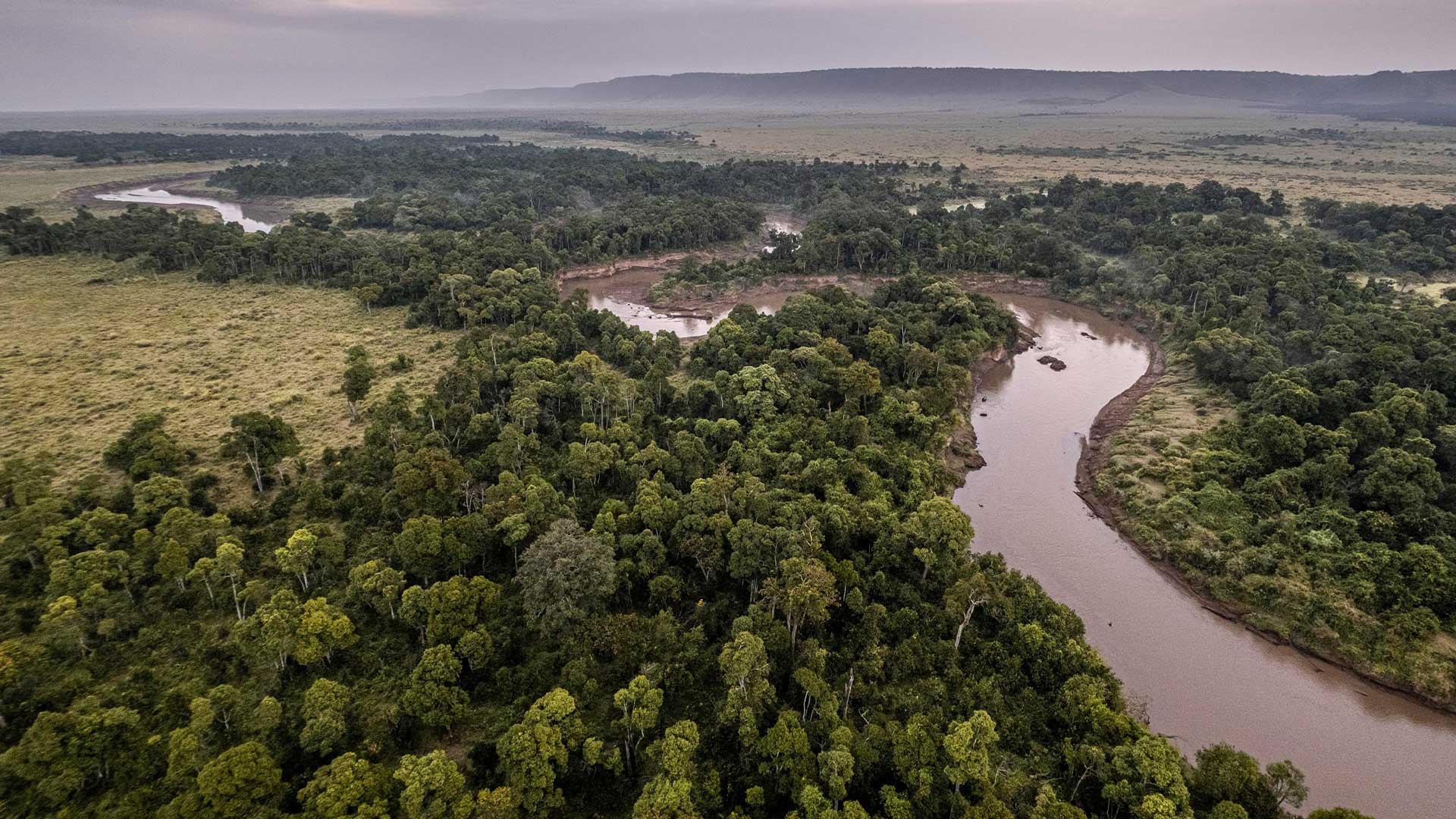
There is a version of the Maasai Mara that most safari travellers never reach: quieter, wilder and governed by rules that exist not to restrict the experience but to protect it. Mara North Conservancy occupies more than 30,000 hectares on the northwestern edge of the Masai Mara National Reserve, and the distinction matters. As a private conservancy, it operates under a fundamentally different set of conditions from the reserve that borders it.
Vehicle numbers are strictly managed, at one guest per 350 acres across the entire conservancy, so game drives are free of the vehicle clusters that can characterise sightings in the main reserve. Night drives, guided walking safaris, off-road driving and fly camping are all permitted within the conservancy's boundaries; none are allowed in the national reserve itself. The result is a safari that extends well beyond the twice-daily drive routine, letting the Mara reveal itself at different hours and on foot.
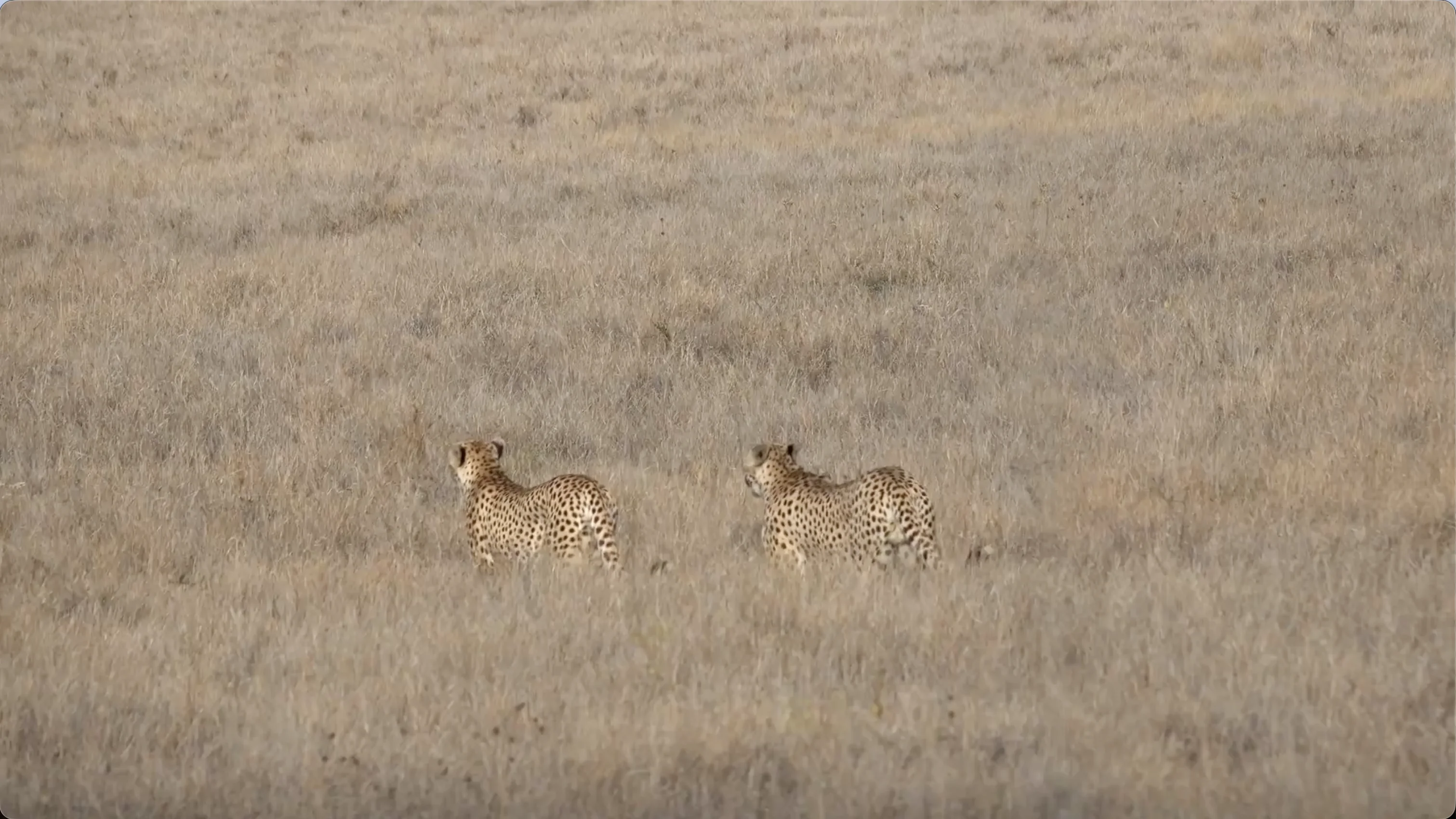
The wildlife is exceptional by any standard. Lion prides, leopards and cheetahs are reliably encountered across the conservancy's open grasslands and wooded valleys, alongside resident elephants, buffalo, Maasai giraffe and vast herds of plains species. The Great Wildebeest Migration passes through between August and mid-October.
Underlying everything is a conservation and community model of real consequence. Mara North was founded as a not-for-profit partnership between safari camps and Maasai landowners, the first time these families received direct, meaningful income from the wildlife on their land. That relationship shapes what it means to visit here.
5 Reasons We Love Mara North Conservancy
Predators without the pressure: Lions, leopards, and cheetahs are consistently encountered across the conservancy, with strict limits on vehicles at any sighting ensuring encounters remain intimate and unhurried, making for some of the most rewarding big cat viewing in the greater Mara.
A safari toolkit the national reserve cannot offer: Night drives until 10 pm, guided walks with an armed ranger, off-road driving, and overnight fly camping are all available within the conservancy, activities that remain unavailable across the boundary in the national reserve.
A community model with real consequences: Over 800 Maasai landowners receive direct income from wildlife through the conservancy's lease structure, the first time these families have benefited substantially and directly from conservation on their own land.
Migration and more: The Great Wildebeest Migration moves through the conservancy each July to October. Between January and March, the Loita Plains wildebeest gather on the conservancy's managed short grasslands, extending exceptional wildlife spectacle well beyond the main migration season.
Territory that made television history: The Mara North landscape was the setting for BBC's Big Cat Diary, following the Acacia and Gorge lion prides. That same territory, and that same density of big cats, still draws wildlife photographers and safari travellers today.
All you need to know about Mara North
Things to do in Mara North Conservancy
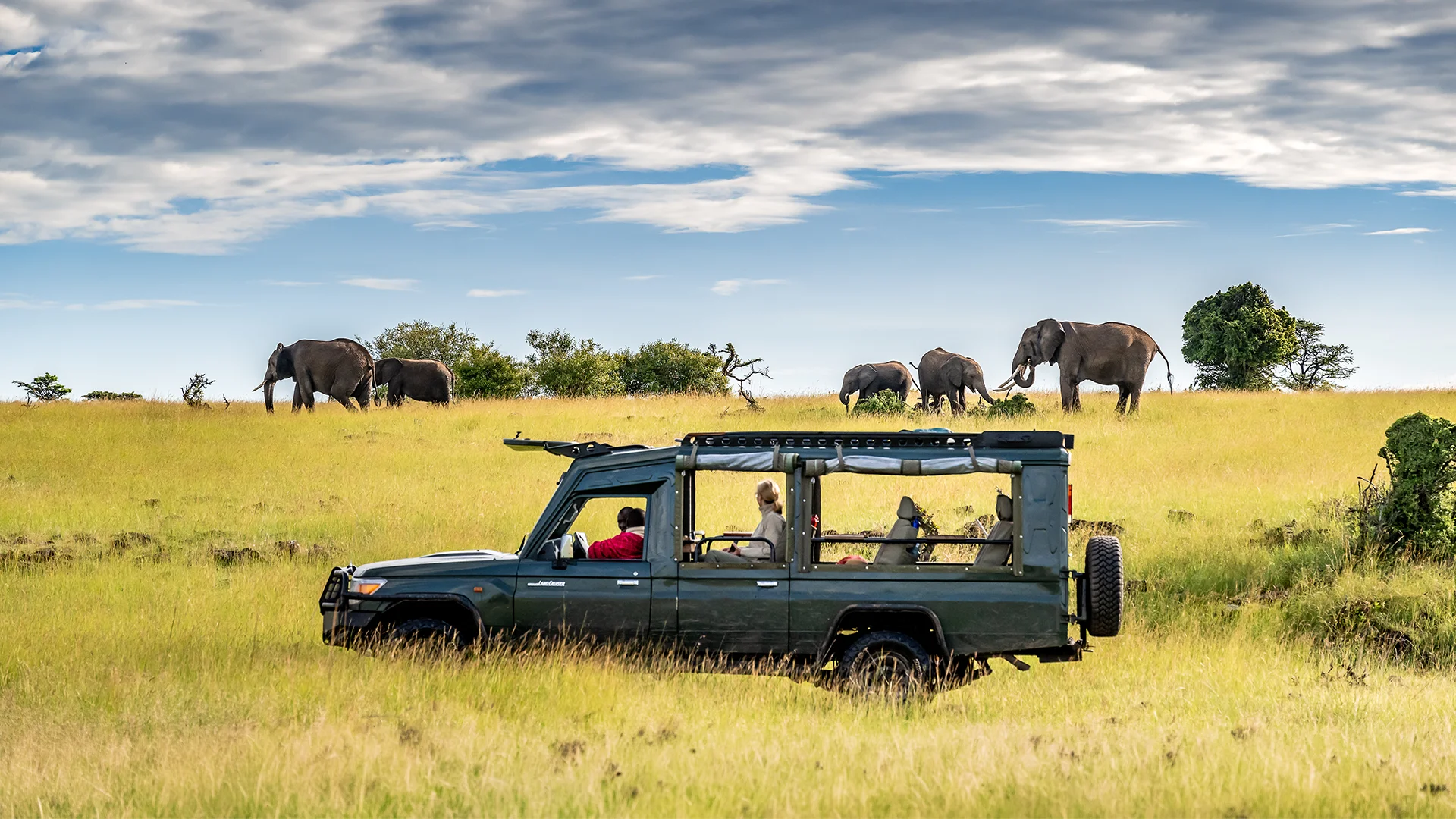
Game drives: Open 4×4 vehicles leave before first light, when predator tracks are still fresh, and the plains come alive in cooler air. Off-road driving is permitted, and vehicle numbers at any sighting are strictly controlled.
Night drives: Mara North permits night drives until 10 pm, something the national reserve does not allow. Guides scan the darkness with spotlights for bush babies, African hares and hunting predators active after dark.
Walking safaris: On foot with an experienced guide and armed ranger, engine noise falls away and the smaller details of the Mara, from tracks and birdlife to plants and insects, come into sharp focus.
Fly camping: Overnight fly camping takes guests deep into the bush to sleep under the stars, far from camp, led by a senior guide and armed ranger. The conservancy at its most elemental.
Hot air ballooning: At sunrise, balloons drift over the Mara grasslands for approximately an hour, offering a perspective on the landscape and wildlife that no game drive can replicate. A champagne breakfast follows on landing.
Maasai cultural visits: Village visits arranged through member camps offer insight into a pastoral way of life that has long coexisted alongside wildlife, not as a performance, but as the living reality of this landscape.
What wildlife can I see in Mara North?
Lions, leopards and cheetahs: The conservancy holds outstanding densities of all three big cats across its grasslands, wooded valleys and riverine forest. The Acacia and Gorge lion prides, made famous by BBC's Big Cat Diary, established a reputation for big cat encounters that endures today.
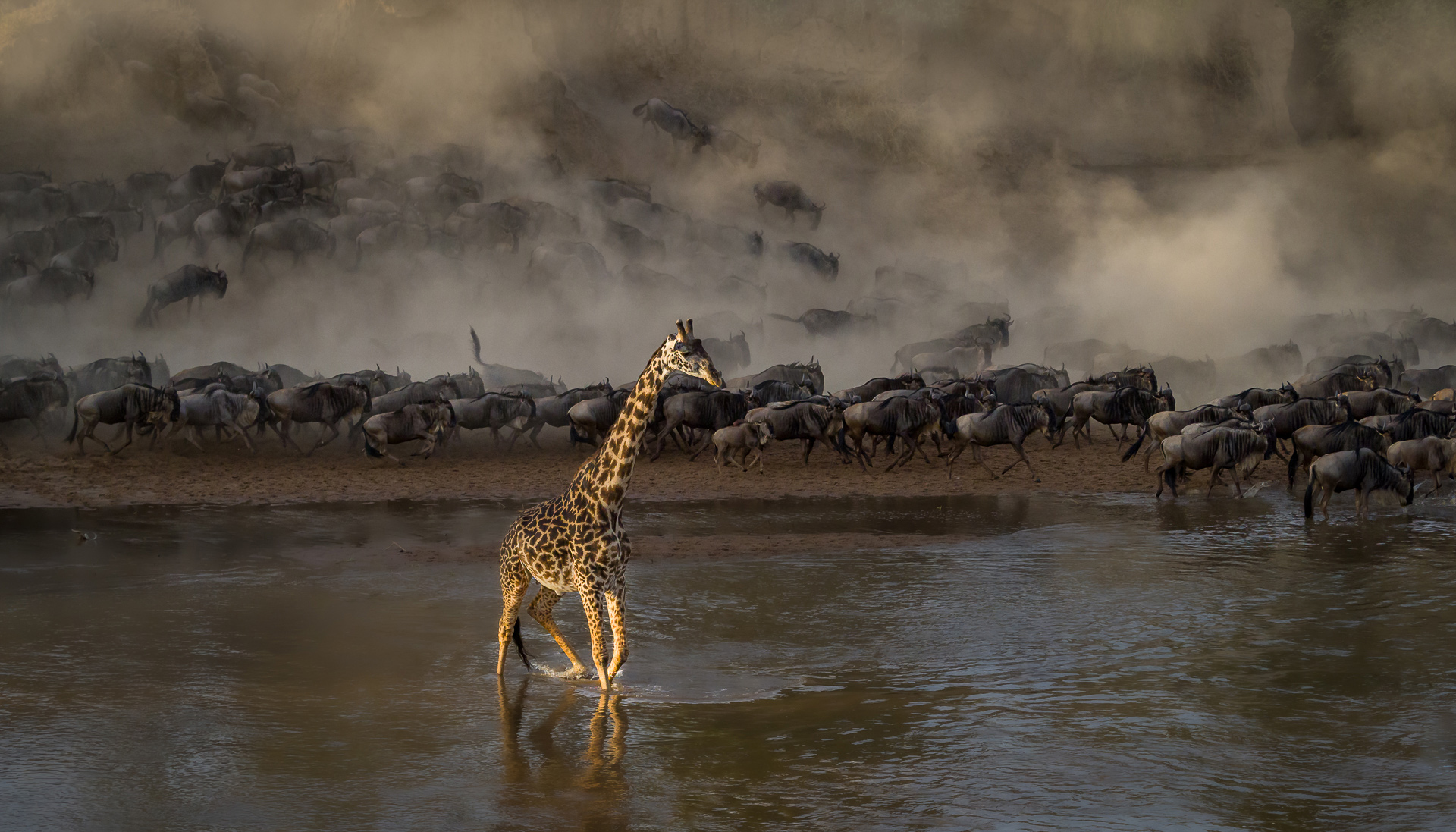
The Great Wildebeest Migration: Migration herds move through between July and October, bringing predator activity and drama with them. From January to March, the Loita Plains wildebeest gather on the conservancy's short grasslands, extending the wildlife spectacle well beyond the main migration season.
Plains wildlife year-round: Zebra, impala, topi, hartebeest, Thomson's and Grant's gazelles populate the open savannah throughout the year. Managed grazing keeps the grassland short and productive, concentrating plains species and making them consistently visible across all seasons.
Elephants, buffalo, hippos and crocodiles: Elephant herds and buffalo move through the grasslands and riverine woodland. Hippos wallow in the Olare Orok River while crocodiles inhabit the Mara River along the conservancy's western boundary.
Specialist and rarely seen species: Spotted hyenas and black-backed jackals are frequently encountered across the grasslands. The Lemek Hills are a known refuge for wild dogs, one of Africa's most endangered predators, and Maasai giraffe browse the wooded valleys.
Birds: Birdlife: About 470 bird species are found in the Maasai Mara, including Usambiro barbet, grey-crested helmetshrike, Jackson's widowbird and rufous-tailed weaver.
Where to stay in Mara North Conservancy
Karen Blixen Camp suits families and first-time conservancy visitors well. Its swimming pool is a practical draw for younger guests, and a Responsible Choice designation reflects a genuine commitment to conservation that extends beyond the standard.
Kicheche Mara North, set in Acacia Valley, holds a Gold Level Eco-rating Certificate from Ecotourism Kenya. Ten canvas tents face the woodland alongside a seasonal stream. The camp runs a full fly-camping programme, and its Community Trust supports a local school, medical clinic and Discovery Centre: a camp for travellers who take their safari and its impact seriously.
Offbeat Mara Camp features seven tents on the Olare Orok River, in a valley at the heart of the conservancy, with night drives, strong guiding and no pretension. For a more elevated option in the same spirit, Offbeat Ndoto offers a step up in comfort for those who want the Offbeat ethos with a little more refinement.
Oltepesi Tented Safari Camp, set within a working Maasai village on its co-founder's family land, is the conservancy's specialist photography camp. Modified vehicles, expert guide positioning and extended hours in the field define the experience. Its borehole supplies potable water to more than 2,000 community members, and each low season the camp reopens as a cataract surgery clinic through the Right to Sight campaign: a level of community integration that few safari properties anywhere can match.
Saruni Mara brings a more design-conscious sensibility to the conservancy, with Maasai cultural engagement woven into the guest experience and the distinctive Artist's Studio suite overlooking a valley.
Trusted by thousands of ecstatic travellers
✔️ 5-Star Trustpilot Rating ✔️ Condé Nast Travel Specialist Award Winner
✔️ Accredited by SATSA ✔️ 5,000+ Exceptional Safaris Since 1991
Why choose Africa Geographic to plan your safari?

"...Next we went to Oltepesi in the Mara. Due to the heavy rains we were limited to the areas we could access. However, we got good sightings including a failed attempt by lions hunting a buffalo and lion cubs jumping across a river. The final stop was Saruni camp...Notable sightings included newly born giraffe and buffalo. Considering the fact we had rain every day it was still a great trip. It could have been a disastrous start but...rescued it."

"I have been on 3 African safaris this year; this one though Africa Geographic at Oltepesi Tented Safari Camp, at Maasai Mara, was BY FAR the best...The staff is treated as family and those at the lodge are considered guests in their home. Importantly, the Camp engages in philanthropic support of the local Maasai village. This African expedition has my unqualified, strongest possible recommendation."

"...the Mara North Conservancy...The first game drive to our lodge, Saruni Mara Camp, is from the airstrip, it is tucked away in a secluded and wooded area along a long bumpy road! In the conservancy, safari vehicles are allowed off the tracks so we were able to get very close to so many beautiful animals, this is not the case in the Masai Mara Reserve...Thank you...AG for arranging, everything went like clockwork."
Wish you were here?
Frequently asked questions
Mara North Conservancy is a private, not-for-profit wildlife conservancy covering approximately 30,000 hectares on the northwestern boundary of the Masai Mara National Reserve in Kenya. Founded in 2009, it is a partnership between safari camps and more than 800 Maasai landowners, managed for conservation, low-impact tourism and direct community benefit.
As a private conservancy, Mara North permits activities banned in the national reserve, including night drives, guided walking safaris, off-road driving and fly camping. Vehicle numbers at any sighting are strictly limited, and only guests of member camps may enter, keeping the experience far less crowded than the reserve.
June to October is the dry season: reliable weather, concentrated wildlife and the Great Migration. The green season from November to May offers strong viewing with fewer visitors; the conservancy's managed short grasslands can make wildlife more visible here than in the reserve during this wetter period.
Yes. The Migration herds move through the conservancy between July and October, with the predator activity and drama that follows. For the most dramatic Mara River crossings, drives south into adjacent areas may be needed. From January to March, the Loita Plains wildebeest also gather on the conservancy's short grasslands.
Lions, leopards and cheetahs are all consistently encountered. The conservancy's open grasslands and riverine woodland support strong resident populations of all three species. The Acacia and Gorge lion prides, made famous by BBC's Big Cat Diary, are part of the territory that established Mara North's reputation for exceptional big cat sightings.
Yes. Night drives are permitted within the conservancy until 10pm, something the Masai Mara National Reserve does not allow. After sundowners in the bush, guides use spotlights to find nocturnal species including bush babies, African hares and hunting predators active after dark.
Yes. Guided walking safaris are available at multiple camps, led by an experienced guide alongside an armed ranger. Walking removes engine noise and changes the scale of the experience: tracks, birdlife, plants and smaller wildlife become as compelling as the larger species visible from a vehicle.
Most guests fly by light aircraft from Nairobi Wilson Airport, a journey of approximately one hour, connecting to airstrips within or near the conservancy. A road transfer of around 20 minutes brings guests to their camp. The drive from Nairobi by road is approximately four to five hours.
Around a dozen camps operate within the conservancy, all subject to strict density limits. The range spans conventional lodges to specialist bush camps and photography-focused tented camps. The right choice depends on travel style and priorities, whether that is comfort, activity range, photography, community connection or ecological credentials.
Few places in East Africa match the conditions here. Low vehicle density means encounters are unhurried and unobstructed. Oltepesi Tented Safari Camp is built specifically for photographers, with modified vehicles and expert guide positioning. The conservancy's big cat density, the same territory made famous by BBC's Big Cat Diary, makes it particularly rewarding.
The conservancy leases land from more than 800 Maasai landowners, providing direct income from wildlife, the first time these families benefited substantially from conservation on their own land. Individual camps extend this further: Oltepesi's borehole supplies water to over 2,000 people; Kicheche's Community Trust supports a local school and medical clinic.
A minimum of four nights allows time to settle into conservancy life and experience its full activity range. Four to eight nights, split between two camps if possible, gives a fuller picture of the landscape. Book well in advance for peak season between July and October, as camps fill quickly.
Strong year-round. Managed grazing keeps grassland short between November and June, concentrating plains wildlife in ways the taller grass of the reserve cannot. From January to March, Loita Plains wildebeest arrive to graze on the conservancy: a quieter, less-visited season with its own considerable wildlife rewards and far fewer vehicles.
Accommodation at lodges featured here start at US$260-730 per person, per night, depending on the accommodation comfort level, time of year and activities. This price usually includes accommodation, all meals, game drives, experienced guides, and 24/7 support from our team.
Click here to schedule a no-obligation call with one of our Safari Experts or fill in our 2-minute form with your questions. Our team of experts are here to help! Whether you’re curious about the best time to travel, want to hear first-hand about an experience or need help planning your safari.
Explore more African destinations
Start planning your dream safari
Our travel experts will craft a no-obligation itinerary just for you. We have crafted over 5,000 safaris since 1991. Your personal details are protected; we only use this information to contact you.
Why book your safari with us?

Deep Experience & Knowledge
Handcrafted experiential safaris since 1991.
Travel in Africa is about knowing when and where to go, and with whom. A few weeks too early/late or a few kilometres off course, and you could miss the greatest show on Earth. And wouldn’t that be a pity?

Trust & Safety

Make A Difference
We donate a portion of the revenue from every safari sold to carefully selected conservation projects that make a significant difference at ground level.
YOUR safari choice does make a difference - thank you!