
Tailor-made safaris. Since 1991



Kenya's Twin Lakes: Rhinos, Flamingos & the Rift Valley
Lake Nakuru & Lake Naivasha at a glance:
Location: Kenya's Great Rift Valley, Nakuru County | Access from Nairobi: Lake Nakuru ~2.5–3 hrs by road; Lake Naivasha ~1.5–2 hrs by road |
Park size: Lake Nakuru National Park — 188 km² | Best time to visit: Year-round; June–October for dry-season wildlife; November–April for birdlife |
Nearest international airport: Jomo Kenyatta International Airport, Nairobi | Currency: Kenyan Shilling (KES) |
Malaria risk: Low, but always consult a health professional before travel | Minimum recommended stay: 2 nights across both lakes |
Why Visit Lake Nakuru & Lake Naivasha?
Few places in East Africa compress so much ecological drama into such an accessible landscape. Set on the floor of Kenya's Great Rift Valley, Lake Nakuru and Lake Naivasha lie within easy reach of Nairobi, yet each delivers a safari experience that feels entirely distinct.
Lake Nakuru National Park is Kenya's premier rhino sanctuary. Declared a bird sanctuary in 1961 and elevated to national park status in 1968, it covers 188 km² of acacia woodland, yellow-barked fever trees, open grassland, and a shallow alkaline lake whose shoreline turns pink with flamingos. In 2011, UNESCO inscribed Lake Nakuru, along with Lakes Bogoria and Elementaita, as part of the Kenya Lake System in the Great Rift Valley - a World Heritage Site of outstanding universal value. The park is fully enclosed by an electric fence, concentrating wildlife in predictable zones and making it Kenya's most reliable destination for seeing both black and white rhinos in a single visit.
Lake Naivasha offers a counterpoint: a freshwater lake at an elevation of around 1,890 metres, rich in hippos, fish eagles, pelicans, and waterbirds. From its shores, travellers glide out by boat through hippo pods, walk among wildlife on Crescent Island, or cycle through the gorges of Hell's Gate. Together, the two lakes form one of Kenya's most versatile and rewarding safari circuits.
5 reasons we love Lake Nakuru & Lake Naivasha
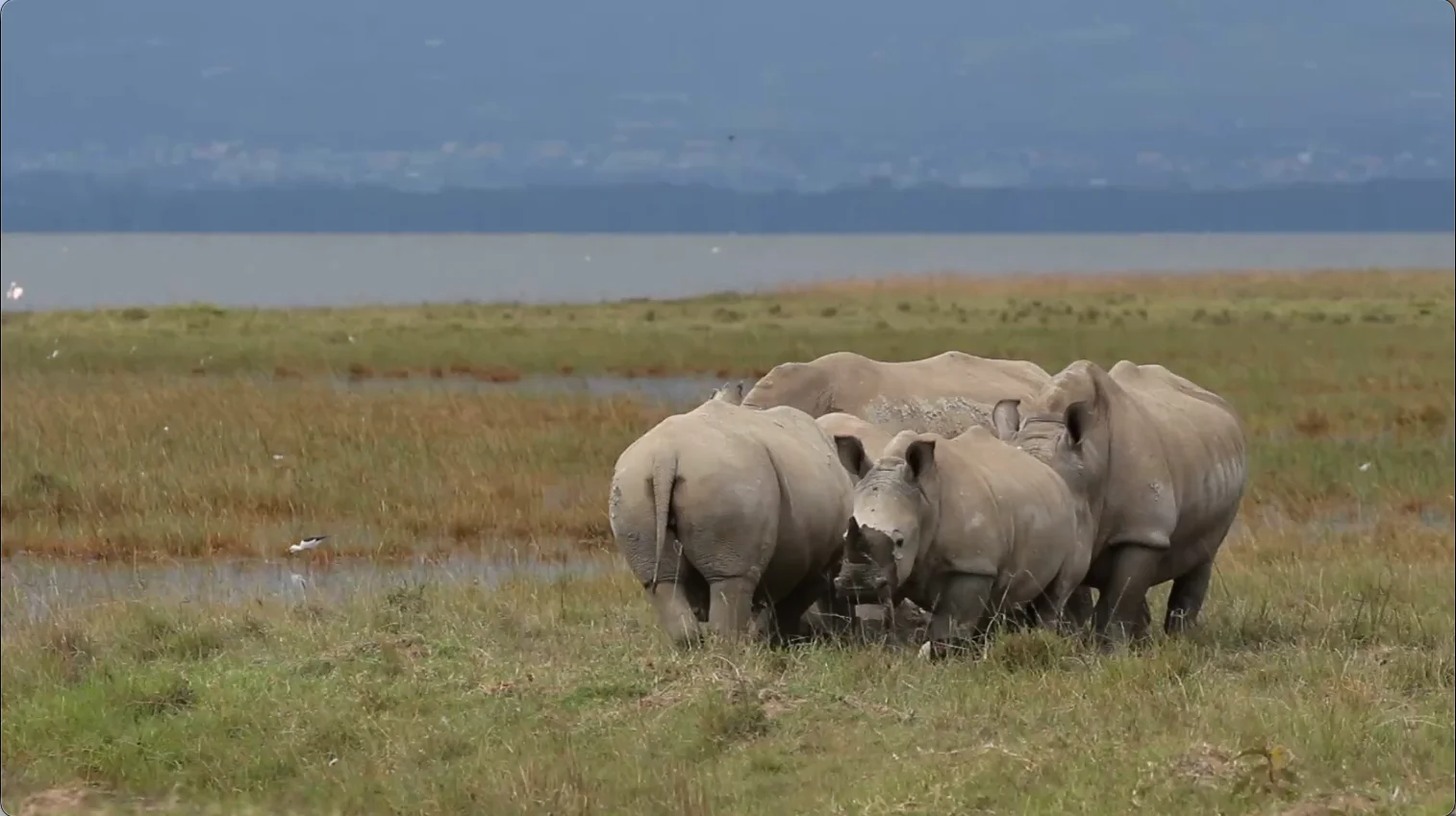
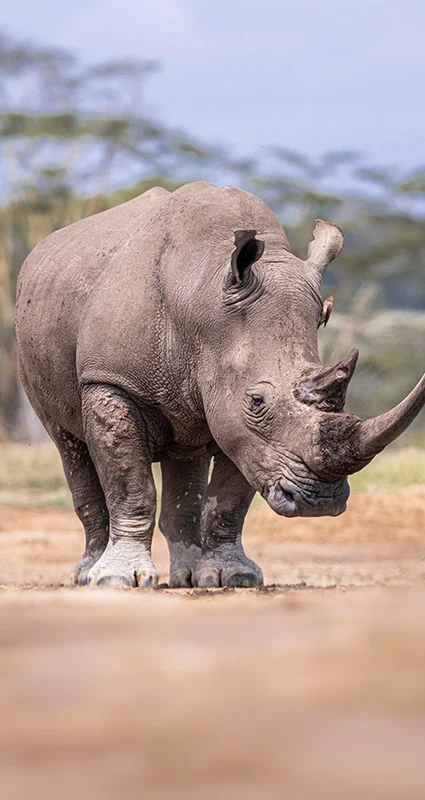
Kenya's finest rhino sanctuary: Lake Nakuru is Kenya's most reliable destination for seeing both black and white rhinos in a single game drive - a defining safari encounter.
A lake painted pink: When flamingos flock to Lake Nakuru, they transform the alkaline shoreline into one of Africa's most extraordinary and celebrated wildlife spectacles.
Hippos, eagles and open water: A boat safari on Lake Naivasha brings you face to face with hippo pods, African fish eagles, and pelicans in an open freshwater wilderness setting.
Rare Rothschild's giraffe: Lake Nakuru National Park protects a population of the endangered Rothschild's giraffe, relocated here from western Kenya for their conservation.
Walking safaris and active adventure: From walking safaris on Crescent Island to cycling through Hell's Gate's volcanic gorges, Lake Naivasha rewards those who explore on foot or by bike.
All you need to know about Lake Nakuru & Naivasha
About Lake Nakuru & Lake Naivasha
Lake Nakuru and Lake Naivasha sit on the floor of Kenya's Great Rift Valley. Lake Nakuru, approximately 160 km northwest of Nairobi, is a shallow alkaline lake whose waters support blue-green algae, the primary food source of the lesser flamingo. Enclosed by woodland and volcanic escarpments including the Mau Range and the Bahati Escarpment, the park ranges in elevation from 1,760 to 2,080 metres above sea level.
Lake Naivasha is a freshwater lake located roughly 90 km from Nairobi, at an elevation of approximately 1,890 metres. Its surface area of around 139 km² sustains rich birdlife and a large hippo population. Crescent Island, accessible by boat, operates as a walking wildlife sanctuary. Together, these two lakes - one alkaline, one freshwater - sit among the highest of all the Great Rift Valley lakes and deliver a safari experience of striking ecological contrast within the same dramatic landscape.
Things to do in Lake Nakuru & Lake Naivasha
Game drives in Lake Nakuru National Park: Explore acacia woodland, lakeshore, and open plains in search of rhinos, leopards, lions, Rothschild's giraffes, and buffalo.
View flamingos from Baboon Cliffs: Stop at the Baboon Cliffs viewpoint for panoramic views across Lake Nakuru - a spectacular vantage over the lake and the Rift Valley escarpments.
Boat safari on Lake Naivasha: Glide across Lake Naivasha's calm freshwater surface watching hippo pods, African fish eagles, pelicans, and plains wildlife drinking at the shore.
Walking safari on Crescent Island: Walk among zebra, giraffe, waterbuck, wildebeest, and antelope on Crescent Island - one of Kenya's few wildlife sanctuaries with no large predators.
Cycling and hiking at Hell's Gate: Cycle or hike through Hell's Gate National Park's volcanic gorges near Lake Naivasha - one of Kenya's few parks open to walkers and cyclists alike.
Birdwatching across both lakes: 400+ recorded species include lesser and greater flamingoes, Verreaux's eagle, grey-crowned crane, and grey-crested helmet-shrike, among others.
What wildlife can I see in Lake Nakuru & Lake Naivasha?
Black and white rhinos: Lake Nakuru is Kenya's premier rhino sanctuary and the only park where both black and white rhinos are reliably seen on a single game drive.
Greater and lesser flamingos: When water conditions are favourable, flamingos gather at Lake Nakuru in vast numbers, their pink plumage reflected across the shallow alkaline surface.
Hippos: Lake Naivasha supports a large hippo population - most easily watched during a boat safari as they surface, blow, and wallow in the lake's shallower reaches.
Rothschild's giraffe: The endangered Rothschild's giraffe was relocated to Lake Nakuru National Park for conservation and now roams its open plains and lakeshore freely.
Large predators: Lake Nakuru's acacia forest and dense bush shelter leopards, lions, and spotted hyenas.
Waterbirds and raptors: Pelicans, cormorants, African fish eagles, Goliath herons, grey crowned cranes, and kingfishers inhabit both lakes, among 400+ recorded bird species.
Where to Stay in Lake Nakuru & Lake Naivasha
Two lodges stand out for visitors seeking an intimate and considered experience.
The Cliff at Lake Nakuru National Park
Perched on a volcanic rock face a hundred metres above Lake Nakuru, The Cliff is among the most dramatically positioned lodges in Kenya. Ten tented suites are arranged along the cliff edge, each oriented outward across 180 degrees of lake and Rift Valley escarpment. Floor-to-ceiling windows draw the landscape into every room. Suites include a private viewing deck, king or twin bed configuration, an ensuite bathroom with a freestanding bath set toward the view, a private lounge area, and a tea and coffee station.
Chui Lodge at Lake Naivasha
Set in the heart of the privately managed 18,000-acre Oserengoni Wildlife Sanctuary above the shores of Lake Naivasha, Chui Lodge features eight individually designed cottages constructed from bush stone, acacia, olive, and leleshwa wood, all sustainably sourced within the sanctuary. Each cottage features a four-poster olive wood bed, a roaring log fire, a private veranda, and an ensuite bathroom - no two rooms are identical. African carvings, murals, and ochre-coloured walls in the dining room and bar create a gallery-like atmosphere.
Trusted by thousands of ecstatic travellers
✔️ 5-Star Trustpilot Rating ✔️ Condé Nast Travel Specialist Award Winner
✔️ Accredited by SATSA ✔️ 5,000+ Exceptional Safaris Since 1991
Why choose Africa Geographic to plan your safari?

"The most amazing bucket list vacation ever. Everything was planned, organized and explained so well. I didn’t have one worry or concern while on another continent. I completely trust the folks at Africa Geographic to plan all future trips!"

"Amazing Adventure made possible by Africa Geographic... Our guides..shared their vast knowledge of the wildlife and habitats. Such beautiful things we saw, memories to be shared and cherished. We can't recommend Africa Geographic highly enough."

"We had an amazing trip perfectly organised by Africa Geographic: everything was superb! Great places to sleep, delicious food, experienced guides and drivers, stunning wildlife, well organised transfers and flights ... a wonderful experience!!"
Wish you were here?
Frequently asked questions
Both lakes can be visited year-round. June to October offers drier conditions and reliable wildlife viewing at Lake Nakuru. November to April brings excellent birdlife as migratory species arrive and many resident birds enter breeding season. Flamingo numbers fluctuate depending on water levels and alkalinity.
Lake Naivasha is approximately 90 km from Nairobi, a 1.5- to 2-hour drive. Lake Nakuru National Park is approximately 160 km from Nairobi, a drive of around 2.5 to 3 hours. Both lakes are regularly combined on the same Kenya itinerary.
Lake Nakuru can be visited as a long day trip from Nairobi, though at least one overnight stay allows for morning and late-afternoon game drives when wildlife activity is highest. Lake Naivasha is equally well-suited to a day excursion.
Flamingo numbers at Lake Nakuru vary significantly depending on water levels and algae availability. When conditions are right, they gather in spectacular formations. If water rises, birds may relocate to other soda lakes such as Lake Bogoria. It is advisable not to plan an itinerary solely around flamingo sightings.
Yes. Lake Nakuru National Park is Kenya's premier rhino sanctuary and widely regarded as the most reliable destination in the country for seeing both black and white rhinos. White rhinos graze the open plains south of the lake; black rhinos favour thicker bush cover.
The Rothschild's giraffe is one of Africa's most endangered giraffe subspecies. A population was relocated to Lake Nakuru National Park for conservation, and the park now supports a group that can be observed on game drives across the open plains and lakeshore.
Yes. Lake Nakuru National Park is entirely enclosed by an electric fence, making it one of the few fully fenced national parks in Kenya. This concentrates wildlife within a compact, well-monitored area, supporting both conservation outcomes and visitor sightings.
Lake Naivasha offers boat safaris among hippos and waterbirds, guided walking safaris on Crescent Island among giraffe, zebra, waterbuck, and wildebeest, as well as cycling and hiking in the adjacent Hell's Gate National Park.
Yes. Lake Naivasha supports a large hippo population. Boat safaris are the most rewarding way to see them at close range, particularly in the lake's shallower areas during morning and late afternoon.
Lake Nakuru was inscribed in 2011 as part of the Kenya Lake System in the Great Rift Valley UNESCO World Heritage Site, alongside Lakes Bogoria and Elementaita, in recognition of their outstanding universal ecological and ornithological value.
Crescent Island is a wildlife sanctuary on a peninsula within Lake Naivasha, accessible by boat. It offers guided walking safaris among giraffe, zebra, wildebeest, waterbuck, and antelope. The absence of large predators makes it one of the few places in Kenya where visitors can safely walk among wildlife.
Both lakes are accessible by road from Nairobi. Lake Nakuru can also be reached by charter flight to Naishi Airstrip inside the national park, followed by a short vehicle transfer. Lake Naivasha has access by scheduled daily flight from Wilson Airport to the nearby Loldia Airstrip.
A minimum of two nights across the two lakes is recommended: at least one night at or near Lake Nakuru and one at Lake Naivasha. This allows time for morning and late-afternoon game drives at Nakuru and a boat safari with a Crescent Island walk at Naivasha. Both lakes are frequently combined with the Maasai Mara on longer Kenya itineraries.
Our safaris typically cost from US$700 per person, per night, depending on the accommodation comfort level, time of year and activities. This price usually includes accommodation, all meals, game drives, experienced guides, airport transfers, and 24/7 support from our team.
Click here to schedule a no-obligation call with one of our Safari Experts or fill in our 2-minute form with your questions. Our team of experts are here to help! Whether you’re curious about the best time to travel, want to hear first-hand about an experience or need help planning your safari.
Explore more African destinations
Start planning your dream safari
Our travel experts will craft a no-obligation itinerary just for you. We have crafted over 5,000 safaris since 1991. Your personal details are protected; we only use this information to contact you.
Why book your safari with us?

Deep Experience & Knowledge
Handcrafted experiential safaris since 1991.
Travel in Africa is about knowing when and where to go, and with whom. A few weeks too early/late or a few kilometres off course, and you could miss the greatest show on Earth. And wouldn’t that be a pity?

Trust & Safety

Make A Difference
We donate a portion of the revenue from every safari sold to carefully selected conservation projects that make a significant difference at ground level.
YOUR safari choice does make a difference - thank you!