

Tailor-made safaris. Since 1991



Olderkesi Conservancy: Maasai Mara without the crowds
Olderkesi Conservancy at a glance:
Location: South-eastern edge of Masai Mara National Reserve, Narok County, Kenya, directly on the Kenya–Tanzania border | Main access: Cottar's private airstrip from Nairobi Wilson Airport; Ololamutia Gate for road transfers |
Conservancy size: Approximately 8,400 hectares | Best time to visit: Year-round for resident predators; July–October for peak Mara ecosystem activity |
Conservancy type: Community-owned, land-lease conservancy managed with several tourism operators | Malaria risk: Yes. Antimalarial medication strongly recommended; consult your doctor before travel |
Why visit Olderkesi Conservancy?
The Masai Mara is one of the world's great wildlife destinations, and that reputation comes at a cost. At peak season, the most famous stretches of reserve can feel as much like a traffic queue as a wilderness. Olderkesi Conservancy offers a different answer to the same landscape.
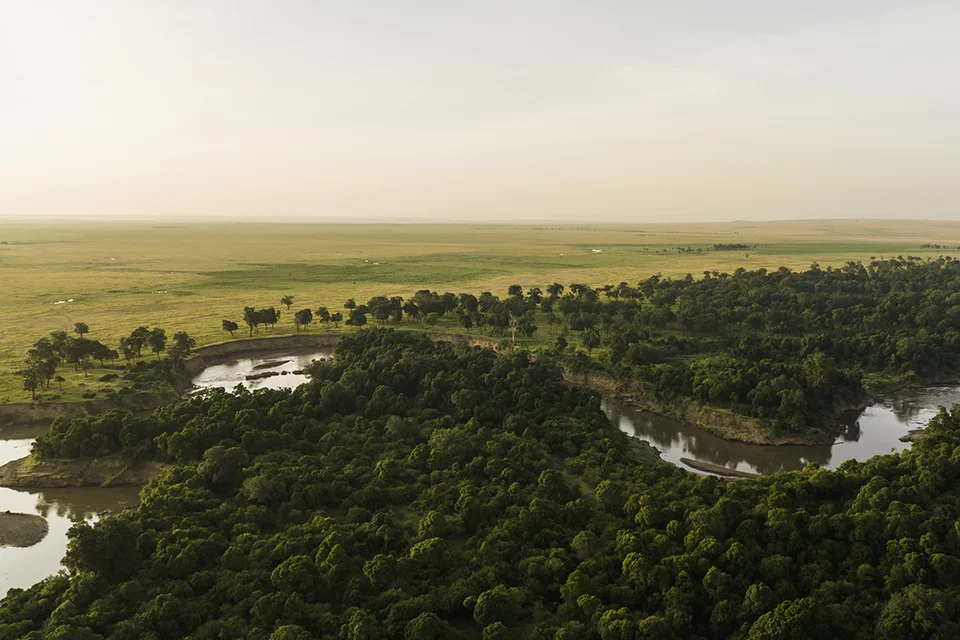
Occupying the south-eastern boundary of Masai Mara National Reserve, Olderkesi is the Mara's southernmost conservancy: an edge landscape where wildlife moves freely between protected areas and community rangelands, managed deliberately to keep it that way.
In practice, that means an experience the national reserve cannot offer. Night drives, guided walking safaris, and off-road game drives are all available here and all prohibited inside the main reserve. When you encounter a lion pride at dawn in Olderkesi, no other vehicles are around. When you follow a cheetah on foot with a Maasai guide, the bush is entirely yours.
The conservancy is built on a partnership between the Maasai landowner community and several tourism operators, with the African Wildlife Foundation as a key conservation partner. Tourism revenues fund schools, healthcare, water infrastructure, and employment for the community members who protect this landscape. Visiting Olderkesi is not just a safari choice; it is a decision to support one of the most substantive community conservation models in East Africa.
5 Reasons We Love Olderkesi Conservancy
Wildlife without the vehicles: A low vehicle count across the conservancy means big cat encounters are enjoyed without the vehicle congestion that marks peak season in the national reserve. Calmer animals, longer sightings, no competing for position.
Freedoms the national reserve cannot offer: Night drives, guided walking safaris, off-road game drives, and campfires are all permitted in Olderkesi and are prohibited inside Masai Mara National Reserve. The conservancy model opens up an entirely different safari.
A conservation story that holds up to scrutiny: The Cottar's Wildlife Conservation Trust, the African Wildlife Foundation, and the Maasai community have spent nearly two decades building a land-lease model that funds schools, rangers, healthcare, and women's microfinance. Their example has expanded to also include other tourism operators: tangible outcomes, visible across the landscape.
A corridor that keeps the ecosystem alive: The Poleleti Plains in Olderkesi serve as a wildebeest calving ground. The wider conservancy connects the Masai Mara, Serengeti, and Loita Hills: a function as ecologically vital as any river crossing elsewhere in the system.
Ground-level access to a conservancy in the making: The Oltulelei expansion, the phase-two addition to the Olderkesi landscape negotiated from 2024, is actively adding habitat and broadening community benefit, making this one of East Africa's most dynamic conservation stories.
All you need to know about Olderkesi Conservancy
Things to do in Olderkesi Conservancy
Drive at night through predator country: Night drives are unavailable inside Masai Mara National Reserve. In Olderkesi, as darkness falls, lions, leopards, and spotted hyenas move freely across terrain that belongs entirely to you.
Walk the bush with a Maasai guide: Guided walking safaris, which the national reserve does not permit, let you read the landscape at a pace no vehicle matches: tracking prints, learning the grasses, and hearing what the bush is telling you.
Follow wildlife wherever it leads: Off-road driving is permitted in the conservancy, and with no other vehicles competing for position, game drives can go wherever animals take you: grassland, woodland, or the rolling hills at first light.
Visit a Maasai community on its own terms: The landowners who lease this corridor to conservation are your neighbours here. Community visits carry an authenticity that comes from genuine proximity rather than a staged arrangement.
Engage with the conservation work directly: Through guided conservation experiences and Cottar's Conservancy Camp, guests can join rangers in the field, learn about the anti-poaching model, and see the community benefit programme in action.
Spend an evening under an unlit sky: Campfires are banned inside the reserve. In Olderkesi, sundowners on the open plain and stargazing in complete darkness offer a stillness that has become genuinely rare across the Mara ecosystem.
What wildlife can I see in Olderkesi?
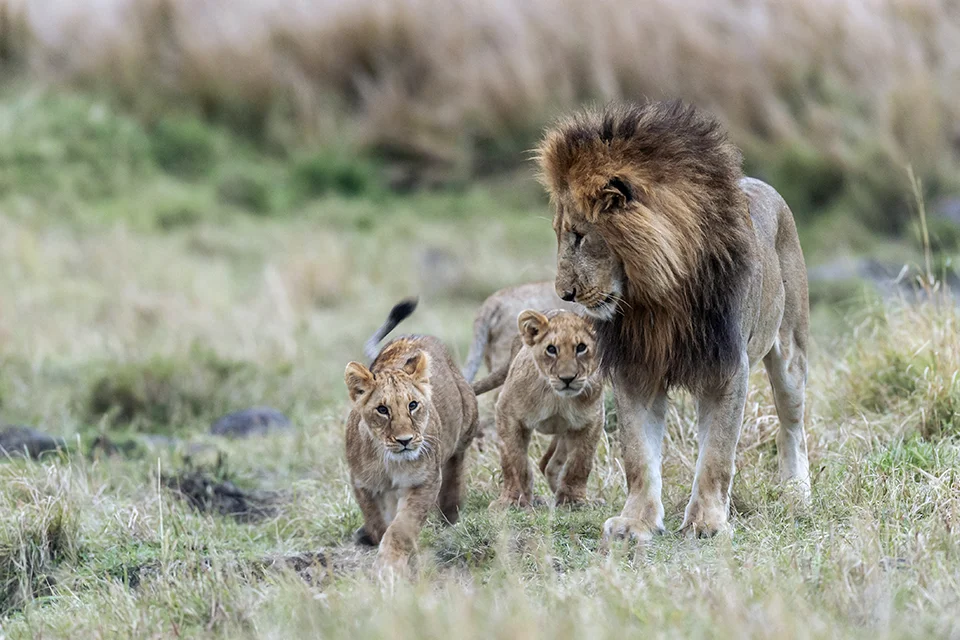
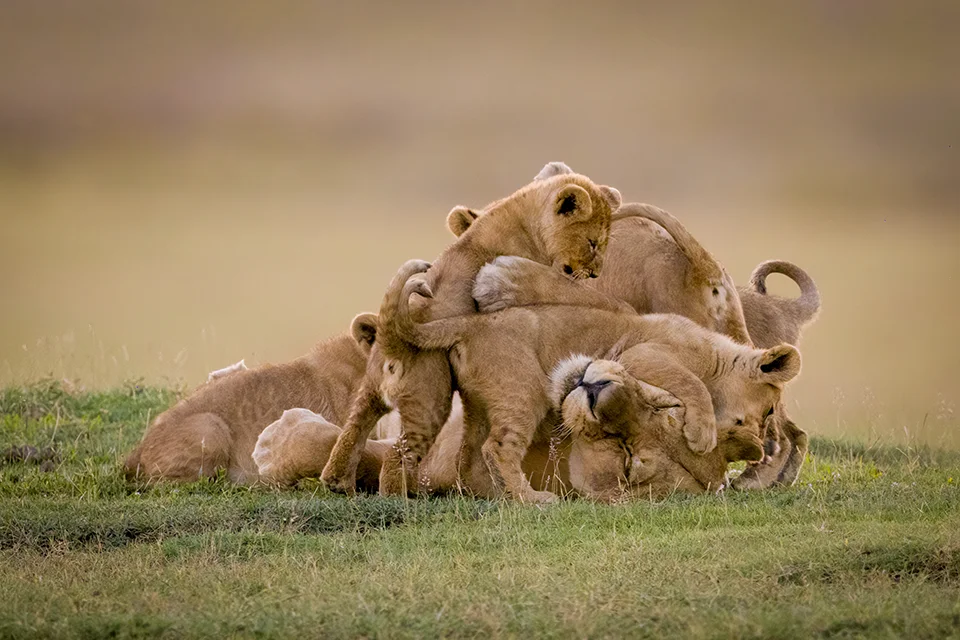
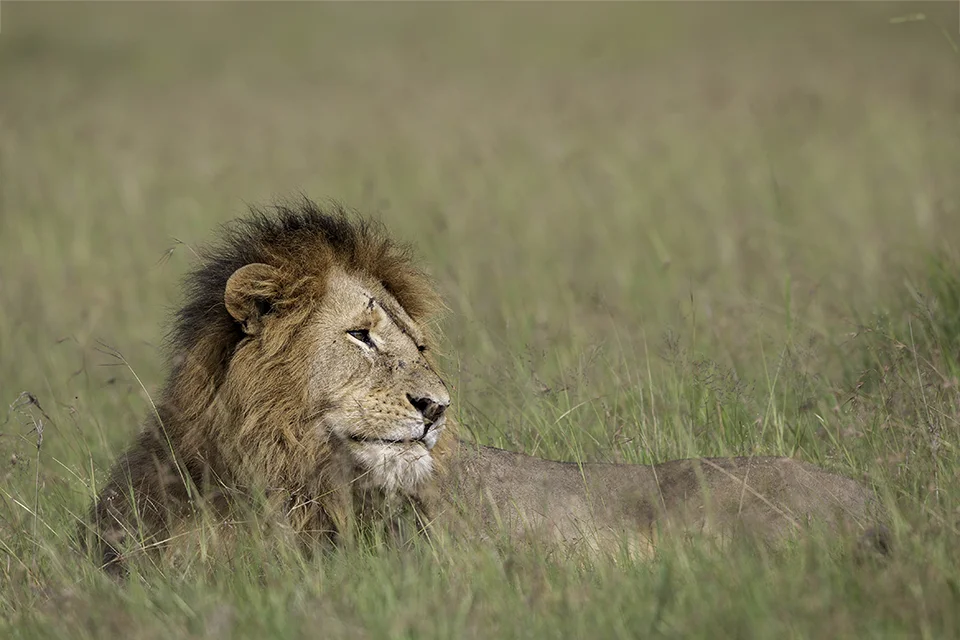
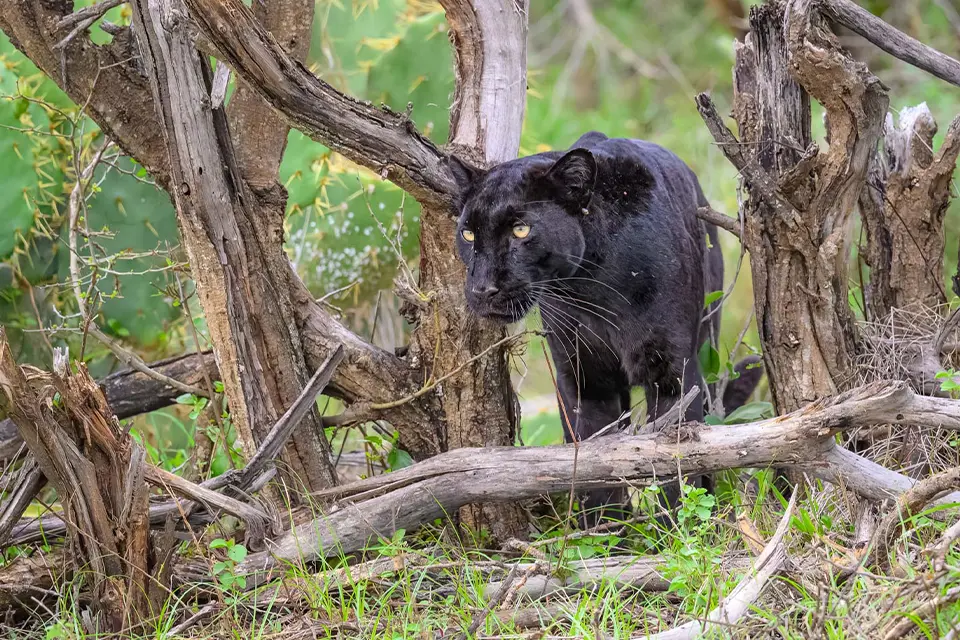
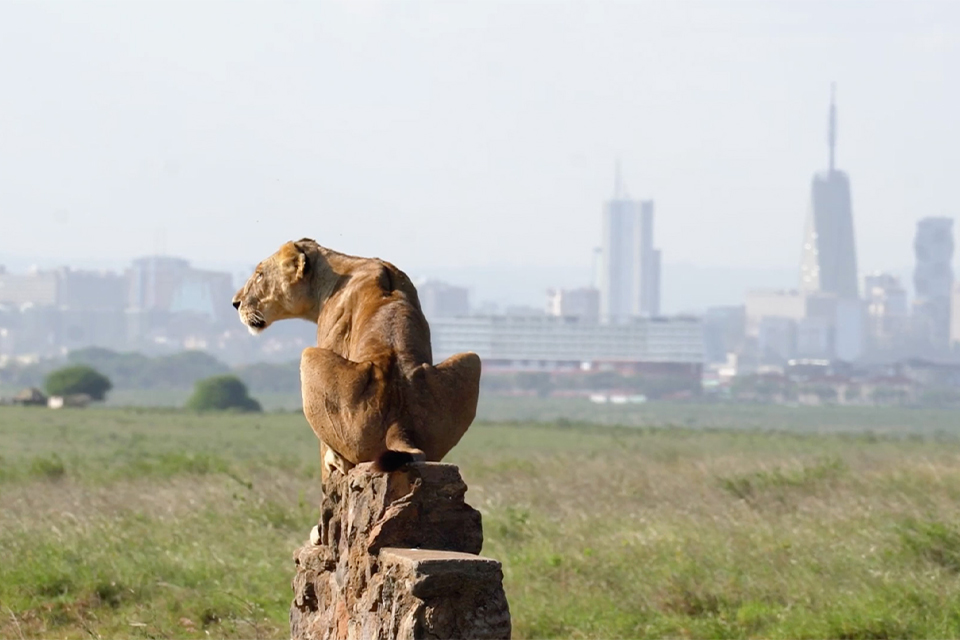
Lions, leopards, and cheetahs in undisturbed terrain: Big cats are Olderkesi's signature wildlife draw. With far fewer vehicles at sightings than the national reserve typically attracts, predator encounters here are longer, quieter, and markedly closer to natural behaviour.
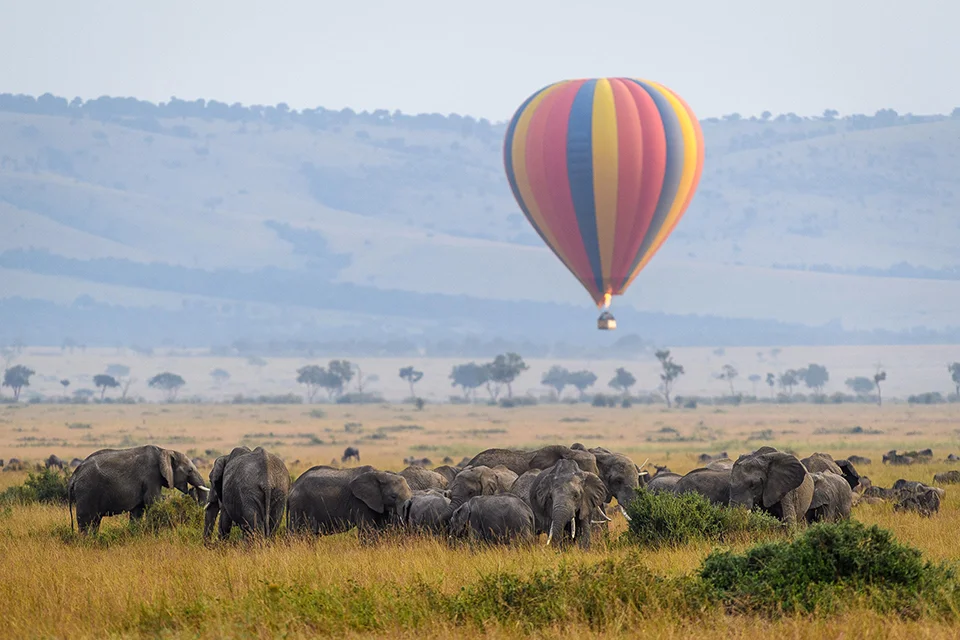
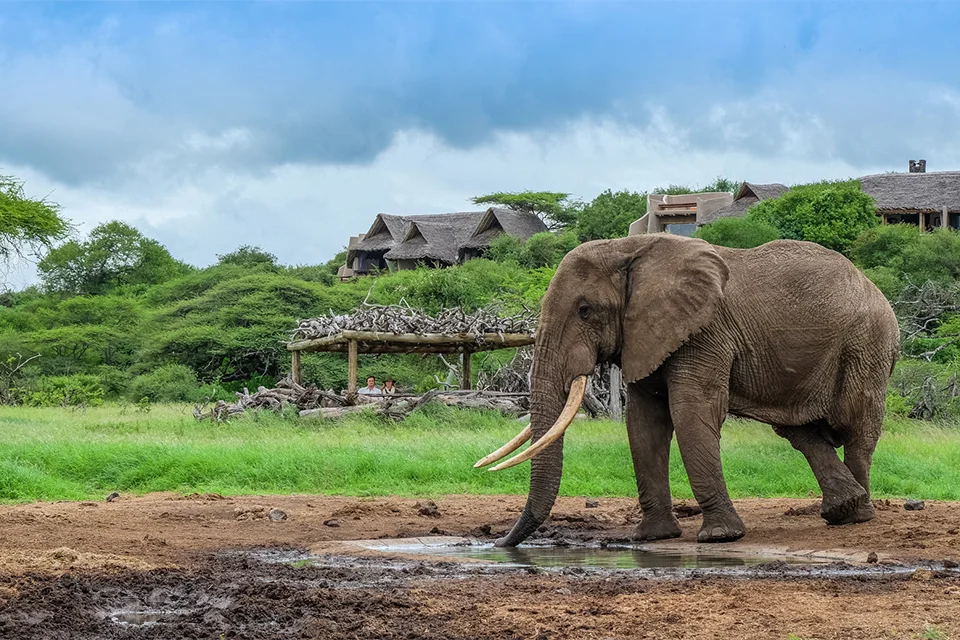
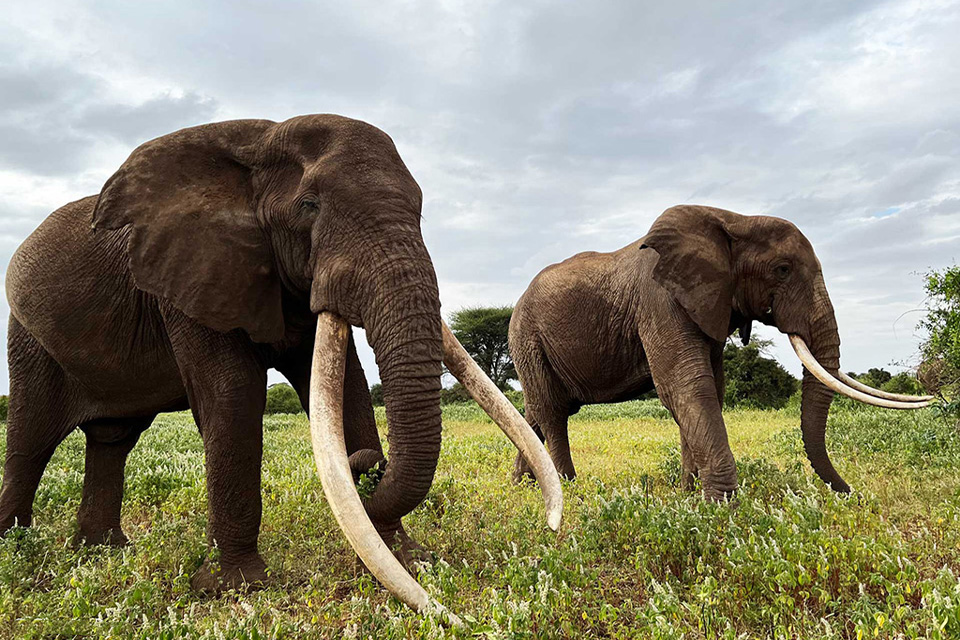
Elephants moving through a living corridor: Elephant numbers fluctuate seasonally as herds move through the wider corridor connecting the Masai Mara, Serengeti, and Loita Hills. These are corridor elephants, essential role players in a landscape-scale ecological story.
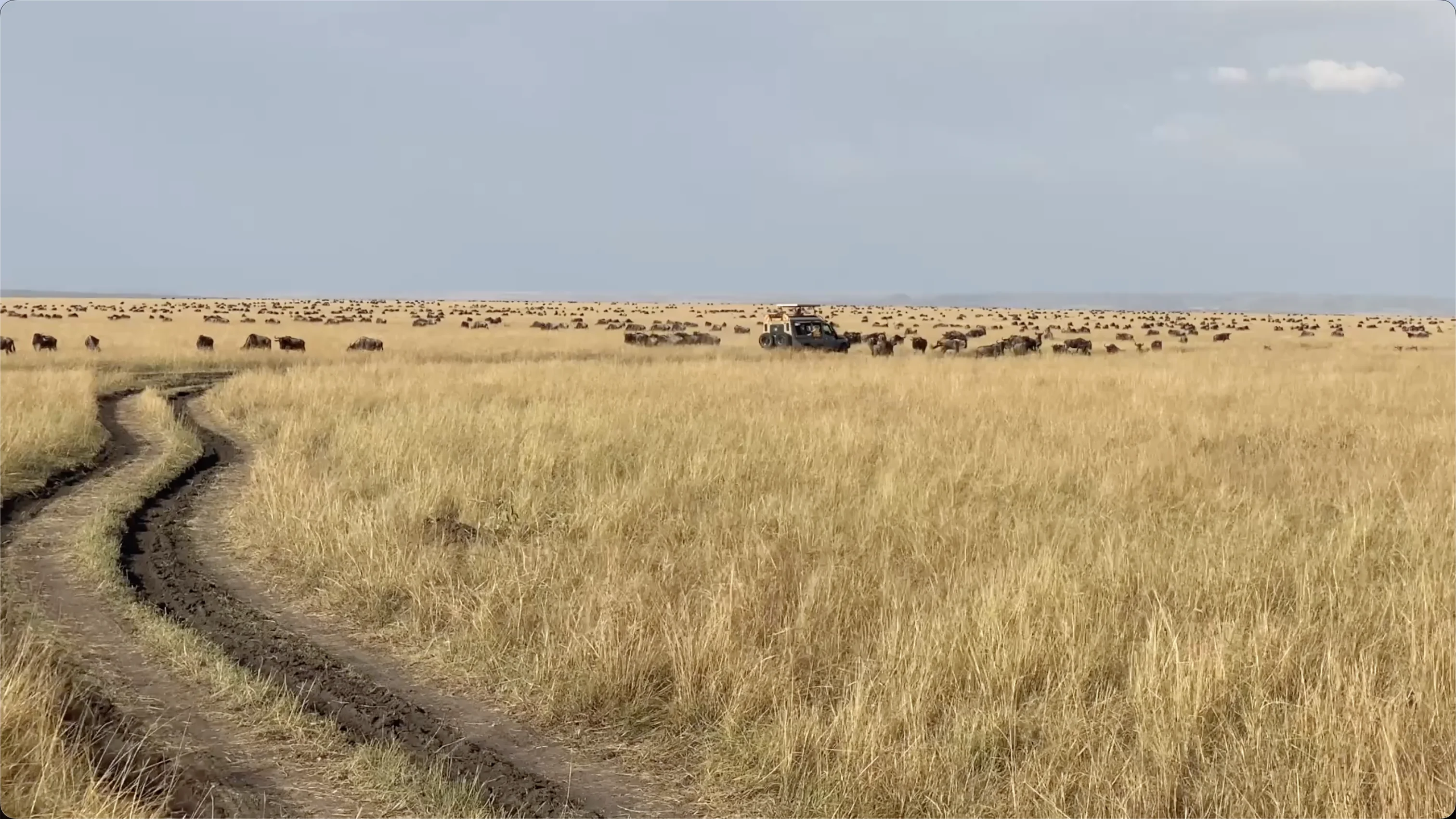
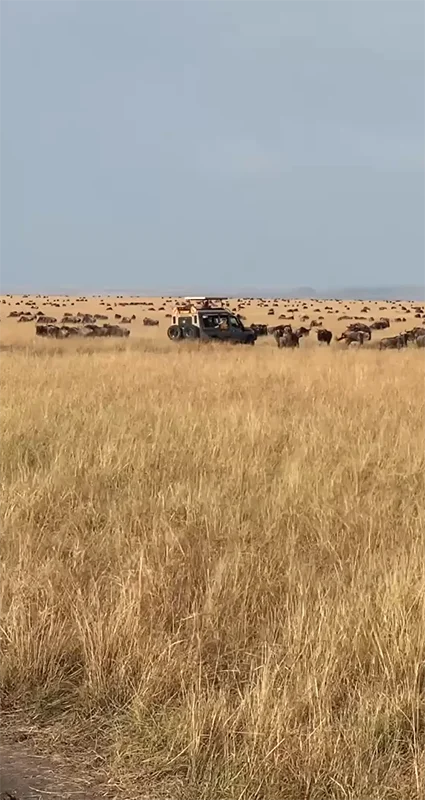
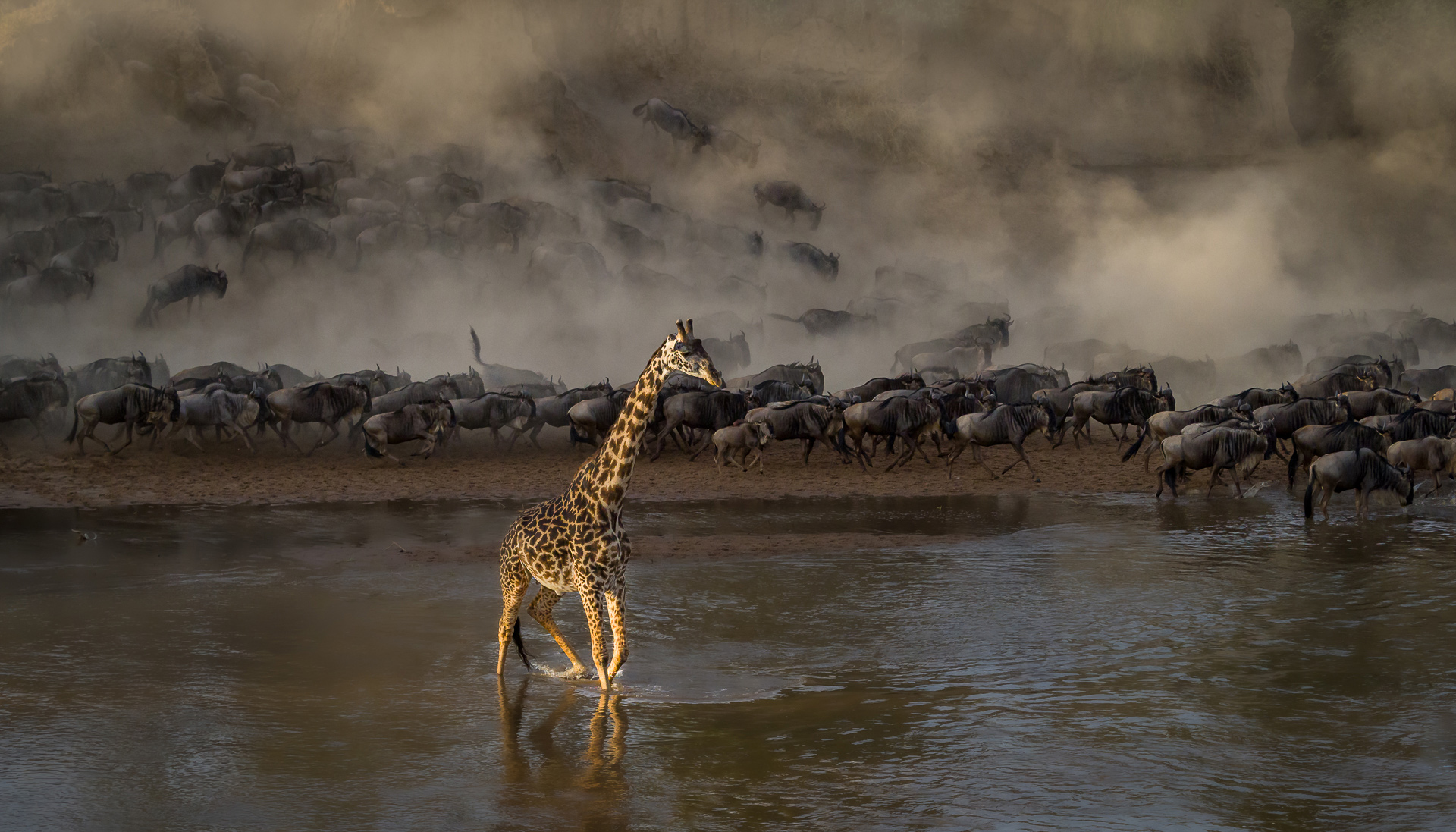
Wildebeest and the Poleleti Plains: Olderkesi is not a river-crossing destination; that experience requires a day drive into the national reserve. The Poleleti Plains, however, serve as a recognised wildebeest calving ground within the broader Serengeti–Mara ecosystem.
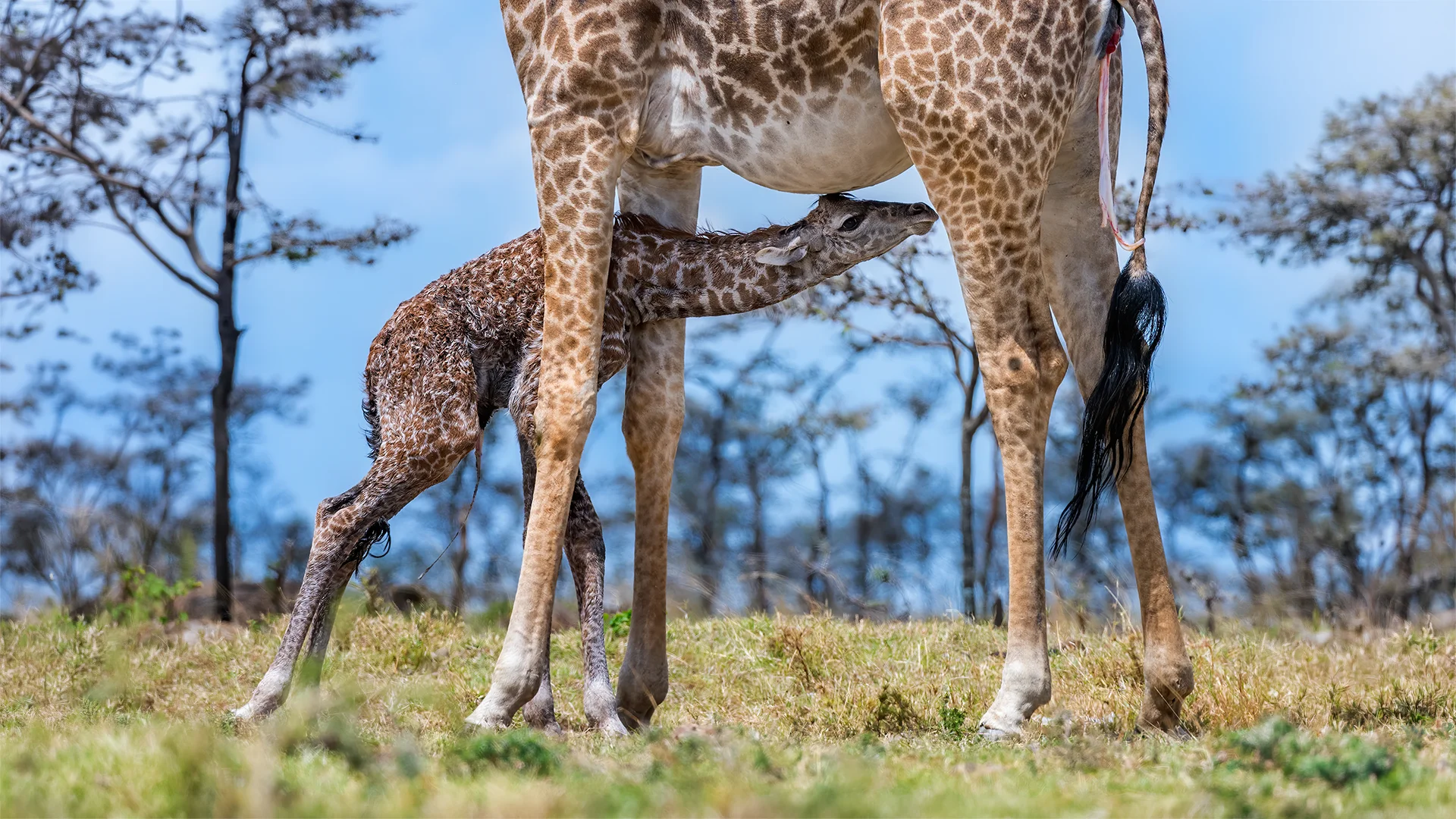
Maasai giraffe, zebra, eland, and buffalo: Resident Maasai giraffe move through open grassland and acacia woodland year-round. Zebra, eland, and buffalo range across the conservancy's varied terrain of hills, springs, and wooded refuges, following seasonal conditions.
Shy and rarely encountered species: Dikdik, seldom seen in the more congested reserve, appear regularly here where lower vehicle numbers reduce disturbance. African wild dogs and black rhino have been recorded in Olderkesi, though both are elusive and sightings are never assured.
About 470 bird species occur in the Maasai Mara, including Jackson's widowbird, grey-crested helmetshrike, Usambiro barbet and rufous-tailed weaver. Cottar's lodges partners with the Kenya Bird of Prey Trust, and the conservancy's varied habitats support year-round birding of genuine depth.
Where to stay in Olderkesi Conservancy
Cottar's 1920s Camp is the founding property: the institution whose century of guiding heritage and decade of community negotiations brought this conservancy into being. Its 9 to 11 tented suites occupy Cottar's own private 2,400-hectare block, shared with no other accommodation. Pool, spa, en-suite bathrooms, and conservation credentials that reflect its Global Ecosphere Retreat® status make it the natural choice for couples, families, and travellers who want their safari to carry genuine weight. Cottar's Bush Villa (also known as Cottar's Private House or Private Homestead) offers the same private land in an exclusive-use format, while Cottar's Conservancy Camp is designed for researchers and conservation-focused guests, with profits directed in full to the community.
Enkewa Camp brings nine family-friendly guest tents in an owner-run concession close to the Sand River, staffed largely by local Maasai people, with custom 4×4 vehicles that deliberately avoid the busier tourist routes. Its sister property, Little Enkewa, is an adults-only camp with five tents, wide verandahs, a private lounge, and a dining pavilion: a more secluded option for those wanting the quietest experience in the conservancy.
Instinct of the Mara within the Oltulelei section (previously known as Impiripiri Camp, Muthaiga Safari Camp, and Black Leopard Retreat) opened formally in 2022 and is the camp behind the conservancy's phase-two expansion. Run by Secluded Africa with no fixed schedule and a team from surrounding villages, it offers an experience that feels less like a property and more like a personal invitation into the bush.
Trusted by thousands of ecstatic travellers
✔️ 5-Star Trustpilot Rating ✔️ Condé Nast Travel Specialist Award Winner
✔️ Accredited by SATSA ✔️ 5,000+ Exceptional Safaris Since 1991
Why choose Africa Geographic to plan your safari?

"A huge thank you...for putting together such an incredible and memorable safari experience for our family! From the planning to the overall experience, everything came together beautifully, and we honestly couldn’t have asked for a better family adventure. Our time in the Masai Mara was absolutely incredible... We are so grateful for the experience..."

"...listened to our intentions and ran with them! They checked all our boxes, including birthday and anniversary celebrations in the Mara. Our itinerary was seamless, traveling to four different destinations and always being met on time for our flights and transfers. Communication was easy with questions along the way as well...Thanks to all for a once in a lifetime experience."

"Trip to Kenya was planned and executed to perfection by...Africa Geographic. Enkewa Camp, Masai Mara, exceeded all our expectations. Comfortable and clean. Excellent food and service. Game viewing was superb. The camp Manager...went over and above the call of duty to make our stay comfortable and special. Many thanks to him...and all the staff. Would love to go back."
Wish you were here?
Frequently asked questions
Olderkesi Conservancy is a Maasai-owned, land-lease conservancy on the south-eastern boundary of Masai Mara National Reserve in Kenya. Established in 2016, it protects a critical wildlife corridor linking the Masai Mara, Serengeti National Park, and the Loita Hills.
No. It is a community conservancy adjacent to the reserve, with its own governance, fee structure, and conservation rules. This distinction matters: activities including night drives and walking safaris are available here and prohibited inside the national reserve.
Night drives, guided walking safaris, and off-road game drives are all permitted in Olderkesi and all banned inside Masai Mara National Reserve. Campfires and stargazing sessions are also possible here, experiences that reserve regulations do not allow.
Olderkesi is not a Mara River crossing destination. Its migration role is calving and dispersal: the Poleleti Plains within the conservancy are a recognised wildebeest calving ground. For river crossings, targeted game drives into the national reserve can be arranged from your camp.
Lions, leopards, cheetahs, and spotted hyenas are the conservancy's signature sightings. Elephants, Maasai giraffe, zebra, eland, and buffalo are all present. African wild dogs and black rhino have been recorded but are elusive. Dikdik appear regularly, a species rarely seen in the more vehicle-heavy parts of the reserve.
Resident predators make Olderkesi rewarding year-round. August to mid-October aligns with the broader Mara ecosystem's peak activity season and offers the best conditions for adding targeted national reserve game drives to your conservancy stay.
The fastest option is a 45 to 60 minute scheduled light aircraft flight from Nairobi Wilson Airport to Cottar's private airstrip, the most direct routing into the Olderkesi area. By road from Nairobi, the route runs via Narok and Ololamutia Gate and takes approximately 5.5 to 7.5 hours depending on conditions.
Conservancy fees are typically included in accommodation packages. Masai Mara National Reserve entry fees apply only on days you choose to enter the reserve. Confirm the exact inclusions of your chosen package at booking, as structures vary between properties and seasons.
Founded in September 2006 by Cottar's 1920s Camp, CWCT manages the conservancy alongside the Maasai landowner community. It oversees anti-poaching operations, the women ranger programme, and the community benefit model, working in partnership with the African Wildlife Foundation.
Oltulelei is the phase-two expansion of the broader Olderkesi landscape: a new community conservancy negotiated from early 2024 to prevent government-mandated fragmentation of Maasai land parcels that would have disrupted wildlife movement.
Lease payments flow to approximately 6,000 landowner households. Tourism revenues fund 29 community rangers, teacher salaries, student sponsorships, healthcare improvements, water projects, and women's microfinance groups. The first women ranger programme in the Mara ecosystem was established here through the CWCT and AWF partnership.
Yes. Cottar's 1920s Camp offers family suites, and Cottar's Bush Villa is ideal for private multi-generational groups. Enkewa Camp is children-friendly with tailored programmes available. The conservancy's flexibility, with private vehicles, no fixed itineraries, and bespoke activities, suits families across a wide range of ages and interests.
Olderkesi safaris start at US$415 per person per night at Instinct of the Mara, followed by Enkewa/Little Enkewa (~$520–$580), then Cottar’s 1920s Camp (~$860–$1,150). The Cottar’s Bush Villa is the most expensive on a per-person basis for exclusive use. The price depends on the accommodation comfort level, time of year and activities. This price usually includes accommodation, all meals, game drives, experienced guides, and 24/7 support from our team.
Click here to schedule a no-obligation call with one of our Safari Experts or fill in our 2-minute form with your questions. Our team of experts are here to help! Whether you’re curious about the best time to travel, want to hear first-hand about an experience or need help planning your safari.
Explore more African destinations
Start planning your dream safari
Our travel experts will craft a no-obligation itinerary just for you. We have crafted over 5,000 safaris since 1991. Your personal details are protected; we only use this information to contact you.
Why book your safari with us?

Deep Experience & Knowledge
Handcrafted experiential safaris since 1991.
Travel in Africa is about knowing when and where to go, and with whom. A few weeks too early/late or a few kilometres off course, and you could miss the greatest show on Earth. And wouldn’t that be a pity?

Trust & Safety

Make A Difference
We donate a portion of the revenue from every safari sold to carefully selected conservation projects that make a significant difference at ground level.
YOUR safari choice does make a difference - thank you!