

Tailor-made safaris. Since 1991



Mara Triangle: Where the Great Migration meets Kenya's wildest corner
Mara Triangle at a glance:
Location: Mara Triangle, Narok County, southwestern Kenya: western sector of the Maasai Mara National Reserve | Size: 510 km², approximately one-third of the total Maasai Mara National Reserve |
Management: Mara Conservancy, in partnership with Narok County Government | Migration season: Herds present June–November; Mara River crossings peak July–October |
Wildlife highlight: The only Big Five sector in the Masai Mara, including black rhino | Access: Light aircraft from Nairobi (approximately 200 km west); road access possible |
Best time to visit: July–October for river crossings and dry-season wildlife; year-round for resident predators and Big Five | Gate hours: Daily 06:00–19:00; no vehicle entry after 18:30 |
Why visit the Mara Triangle?
Few destinations in East Africa carry the weight of the Mara Triangle. Occupying the western sector of the Maasai Mara National Reserve, this 510 km² conservation area is shaped by three natural boundaries: the Oloololo Escarpment to the west, the Mara River to the east, and the Kenya–Tanzania international border to the south. The Mara Conservancy manages it on behalf of the Narok County Government, resulting in a protected area with a distinct identity and a management philosophy built around measurable conservation outcomes.
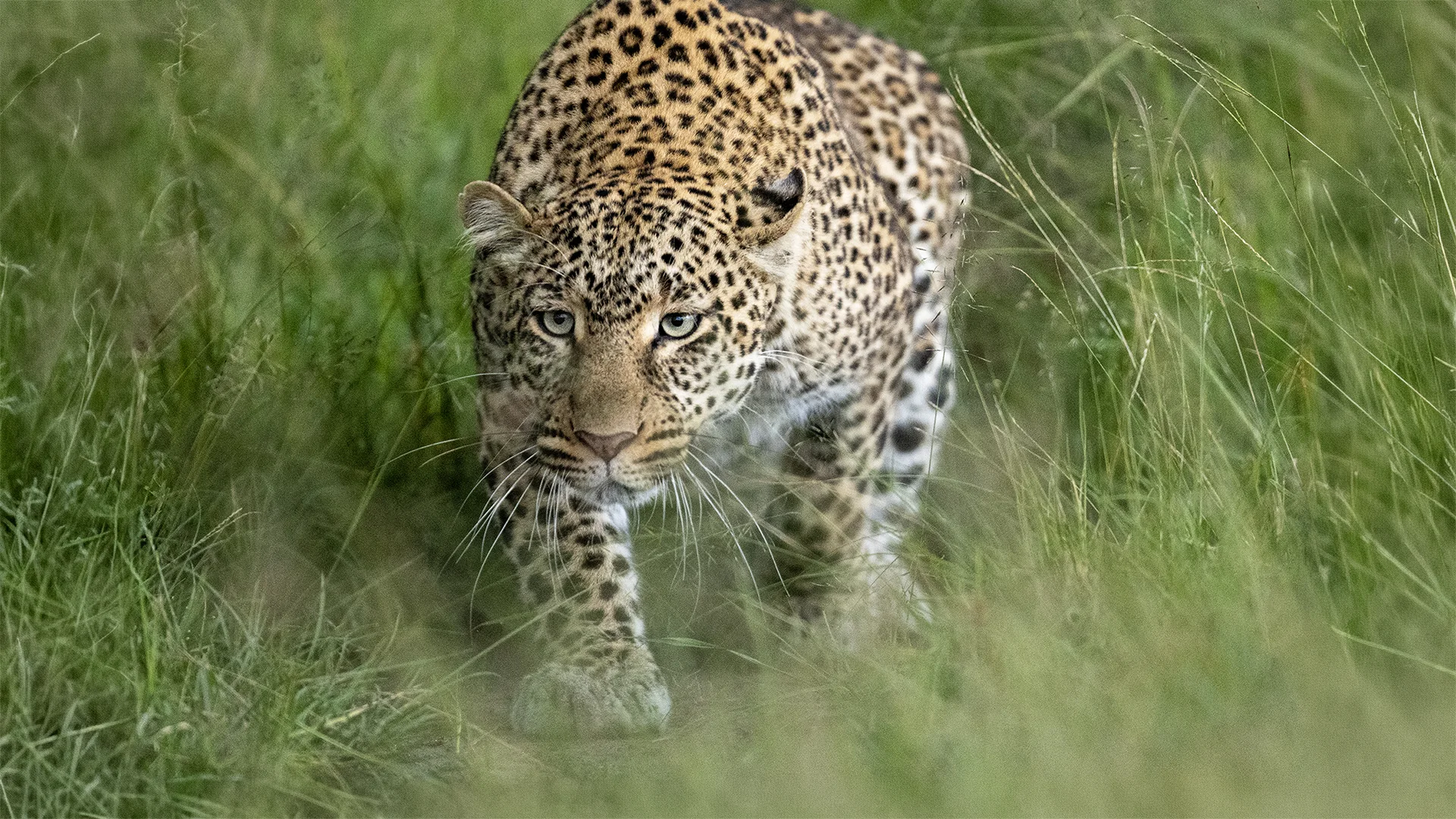
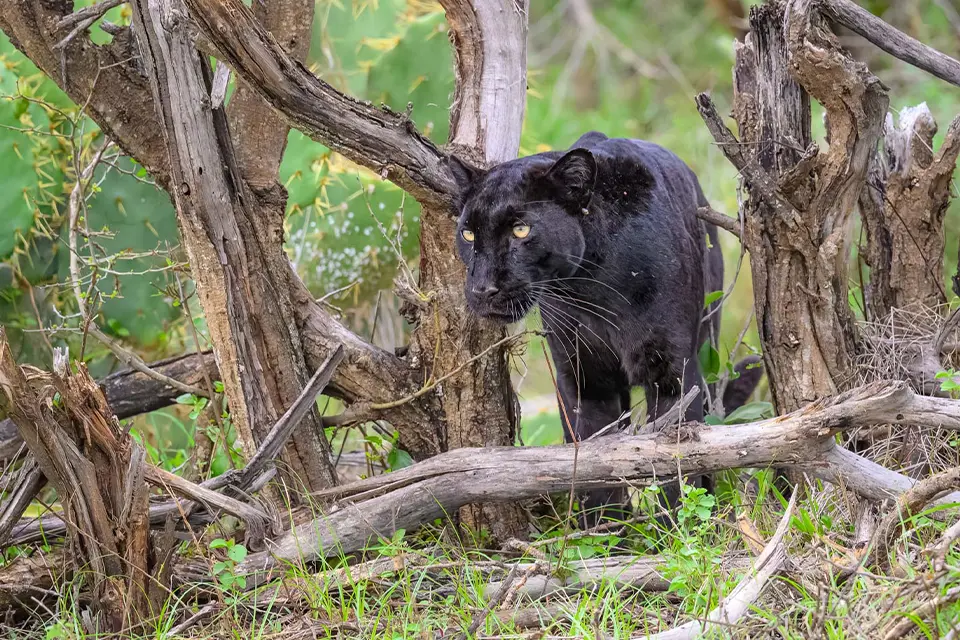
The Triangle's most significant distinction within the broader Masai Mara ecosystem is straightforward: it is the only sector where all of the Big Five (lion, leopard, elephant, buffalo and black rhino) can be reliably encountered. Black rhinos, absent or rarely sighted across the rest of the Mara, are found here. That fact alone sets it apart.
From July through October, the Triangle becomes the primary theatre for Mara River crossing events, as the Great Migration herds move north from Tanzania's Serengeti into Kenya. Outside the migration season, resident predators, including lion prides, cheetahs, and leopards, remain active across the plains year-round. The low density of permanent camps inside the reserve means the landscape is experienced with a quietness that is increasingly rare in this part of Africa.
The Mara Triangle rewards both first-time visitors and those returning to the Mara for a deeper, more considered encounter with one of the continent's great wildlife landscapes.
5 reasons we love the Mara Triangle
Front-row seats to the river crossings: The Triangle is where the Migration's most dramatic moments unfold, with wildebeest launching into the Mara River as Nile crocodiles wait below, from August through to mid-October.
The only true Big Five territory in the Mara: Lion, leopard, elephant, buffalo and black rhino are all present year-round, with black rhino found here and reliably nowhere else in the wider ecosystem.
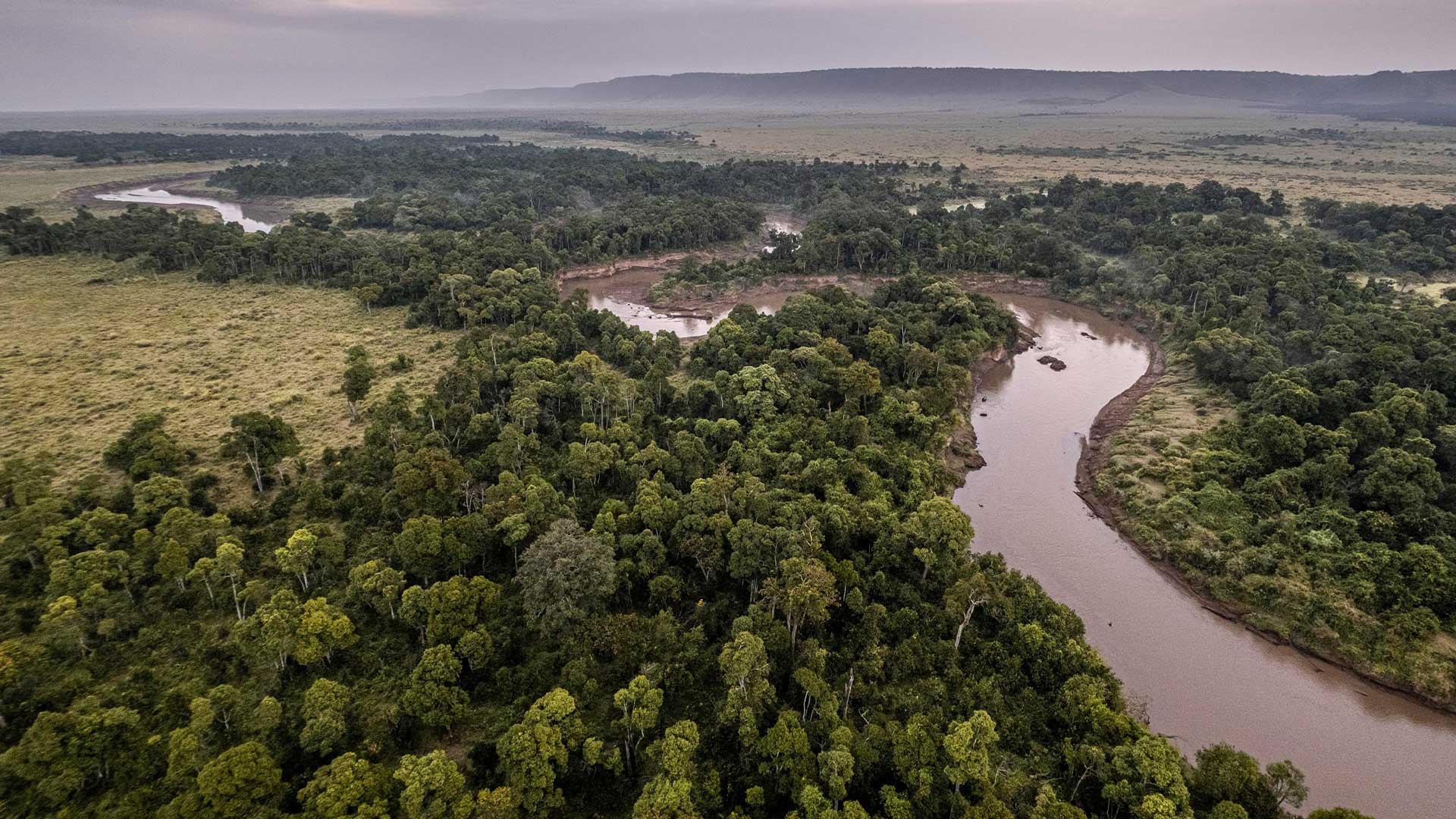
Scenery that earns its own attention: Open plains against the dramatic Oloololo Escarpment give the Triangle a visual identity distinct from the flatter eastern reserve, with landscape as compelling as the wildlife.
Conservation with real teeth: The Mara Conservancy runs active anti-poaching patrols and specialist canine units; just two permanent camps share 510 km², keeping vehicle pressure low and wildlife encounters genuinely undisturbed.
A destination for every season: Resident lion prides, cheetahs, leopards and elephants hold territory all year. Klipspringer, found here and barely anywhere else in the Mara, reward those who look beyond the migration calendar.
All you need to know about the Mara Triangle
Things to do in the Mara Triangle
Game drives across diverse terrain: From open escarpment plains to Mara River forest, the Triangle's varied habitats offer rewarding game drives year-round, with the southern reaches comparatively free of tourists even during peak season.
Witness the Mara River crossings: Between August and mid-October, wildebeest massing along the Mara River bank signal an imminent crossing, with Nile crocodiles already waiting below as the herds gather at the water's edge.
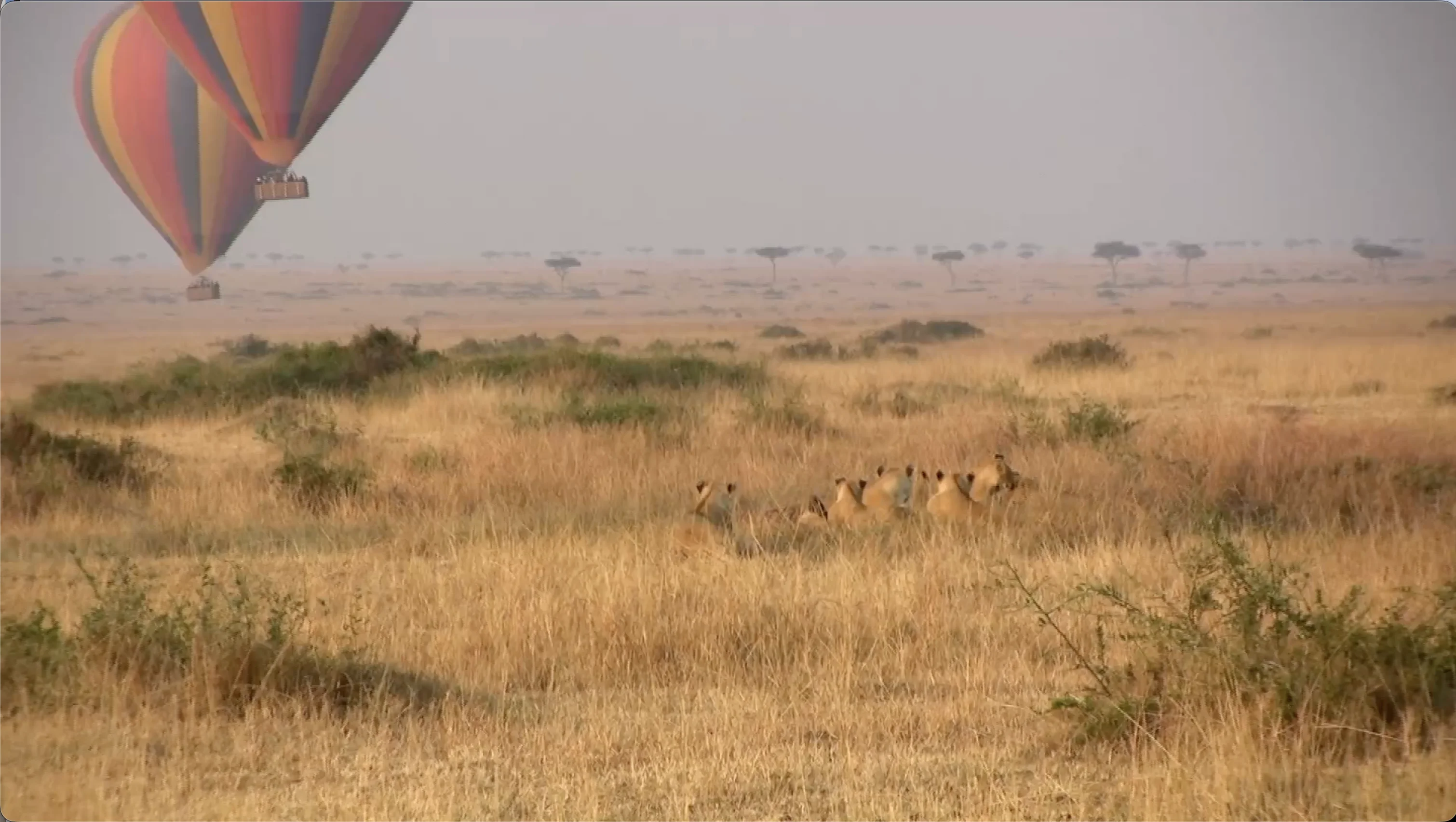
Balloon safari at dawn: The Triangle holds a balloon safari launch point; rising over the plains at first light, with the escarpment and Mara River spread below, is one of Africa's great aerial wildlife experiences.
Walking safari: Select camps offer guided walks, providing a ground-level perspective on the Triangle's terrain and the smaller species and details that game drives inevitably miss.
Maasai cultural visits: Camps can arrange visits to local Maasai communities, offering an encounter with the pastoral culture whose history and land use are inseparable from the Mara landscape.
Wildlife photography: Low vehicle density year-round, strong predator visibility, the Oloololo Escarpment as backdrop, and the moody light of the green season make the Triangle a productive photography destination.
What wildlife can I see in the Mara Triangle?
The Great Migration herds: Around 1,245,000 wildebeest, 200,000 Burchell's zebra, 18,000 eland and 500,000 Thomson's gazelle move through the Triangle between June and November, crossing the Mara River at the dry-season peak.
The Big Five: Lion, leopard, elephant, buffalo and black rhino are all present. The Mara Triangle is the only sector of the wider Masai Mara ecosystem where black rhino, the most elusive of the five, can be reliably found.
Resident predators year-round: Lion prides, cheetah, leopard, serval, spotted hyena and jackal hold territory across the Triangle regardless of season. Large Nile crocodile populations are permanent residents of the Mara River.
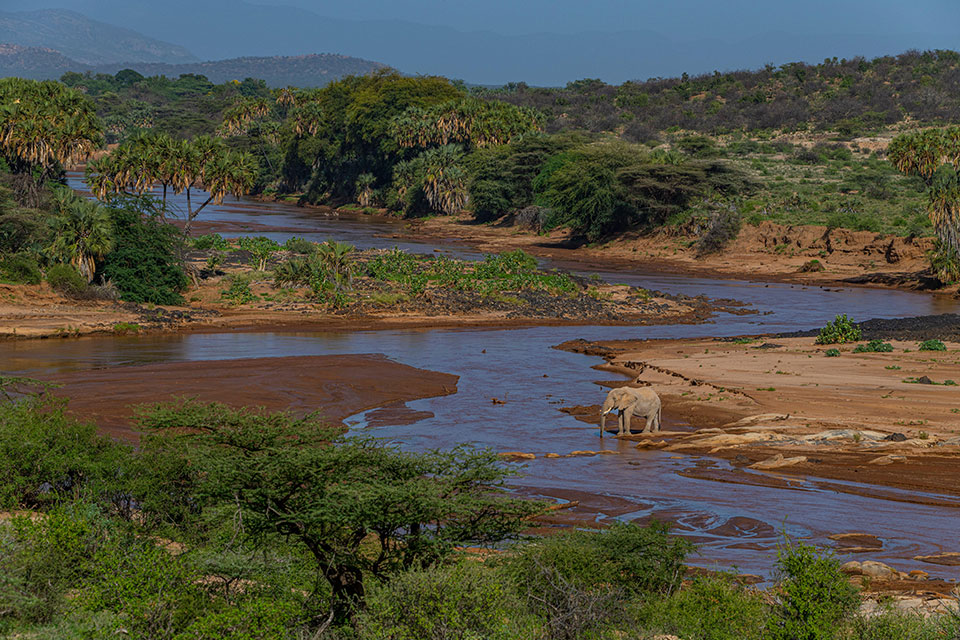
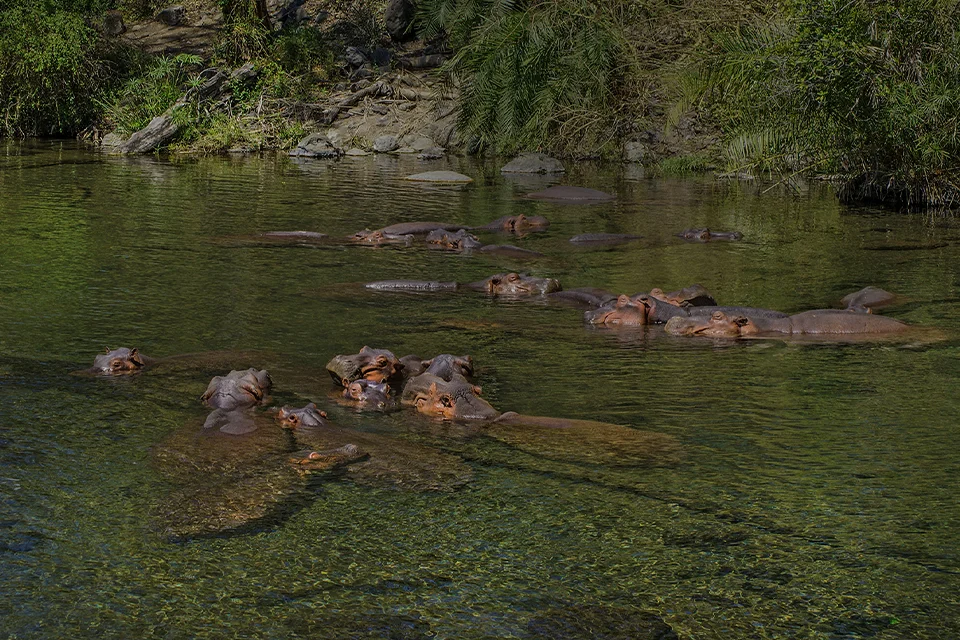
Large herbivores across the plains: Giraffe, impala, topi, hartebeest, warthog, and eland are present year-round, with hippo concentrated in the river and elephant and buffalo moving between the plains and riverine forest.
Other wildlife includes klipspringers, which inhabit the escarpment terrain and are found here and rarely anywhere else in the Mara. Rock hyrax are also present, and baboon troops occupy the riverine forest along the river's edge.
Birdlife: About 470 bird species occur in the Maasai Mara, including Jackson's widowbird, Usambiro barbet, grey-crested helmetshrike, and rufous-tailed weaver.
Where to stay in the Mara Triangle
Only two permanent camps operate inside the Mara Triangle, although several additional properties beyond the Triangle's boundaries also conduct game drives within the reserve. Choosing accommodation inside the Triangle means immediate access to the wildlife areas without a daily commute through the gates.
Mara Serena Safari Lodge occupies a position inside the reserve that few properties in this ecosystem can match, situated directly on the Triangle's plains with the Oloololo Escarpment and the Mara River both within reach of its game drive routes. The lodge suits travellers who want reliable proximity to the core wildlife areas, including the river crossings, with the range of facilities a larger property provides. It is the Triangle's longest-standing permanent resident, and its inside-the-reserve position remains its defining advantage.
Wilderness Mara, formerly Governors' Camp, offers 12 tents when Wilderness took over, limiting vehicle numbers and deepening the quality of each wildlife encounter. Guests have access to both sides of the Mara River, guided by specialists with deep knowledge of the Triangle. Wilderness Mara actively supports the Pangolin Project, the Mara Predator Conservation Programme and the Mara Raptor Project, a conservation commitment that extends well beyond the camp's boundaries. It is a property for travellers who want their presence in the landscape to leave the lightest possible mark.
Trusted by thousands of ecstatic travellers
✔️ 5-Star Trustpilot Rating ✔️ Condé Nast Travel Specialist Award Winner
✔️ Accredited by SATSA ✔️ 5,000+ Exceptional Safaris Since 1991
Why choose Africa Geographic to plan your safari?

"I made a trip to East Africa with Africa Geographic. In detail I went from Nairobi to Maasai Mara and rested in two different camps. Everything was running flawless. The time in Maasai Mara was great. The camps were choosen well and I saw all big five on this safari among other great sightings...was well choosen by Africa Geographic..."

"We had an absolutely incredible trip to Kenya...thanks to Africa Geographic...They made the process so easy from initial planning, to booking and making payments toward out trip to the actual trip itself and throughout our stay in Kenya. Incredible communication, incredible wildlife...We will definitely be using AG again when we return to Africa!"

"They put together a wonderful itinerary in Kenya...He was responsive throughout the trip whenever we had a question. The animals were plentiful and entertaining, the guides and staff everywhere were warm and knowledgeable, our lodgings were comfortable and beautiful, and we would use...Africa Geographic again and again."
Wish you were here?
Frequently asked questions
The Mara Triangle is the western sector of the Maasai Mara National Reserve in Kenya, covering 510 km², approximately one-third of the total reserve. It is defined by the Oloololo Escarpment, the Mara River and the Kenya–Tanzania international boundary, and is managed by the Mara Conservancy on behalf of Narok County Government.
The Triangle is administered separately by the Mara Conservancy on behalf of Narok County Government and carries its own conservation fee, distinct from the fee that applies in the reserve to the east. It operates under stricter accommodation limits, with only two permanent camps inside its boundaries, creating a materially quieter and more controlled safari environment.
July to October is the peak season, coinciding with the dry season and the most active period for Mara River crossings. The green season from November to June brings significantly fewer visitors, strong resident predator activity and excellent conditions for wildlife photography.
Crossings peak between July and October, when herds arriving from Tanzania's Serengeti mass along the Mara River. The migration is present across the Triangle from June to November; individual crossings cannot be predicted, but wildebeest massing and agitating along the bank are a reliable signal that one is building.
Yes. The Mara Triangle is the only sector of the broader Masai Mara ecosystem where all five (lion, leopard, elephant, buffalo and black rhino) are reliably present. Black rhino, absent or extremely difficult to find elsewhere in the Mara, are found within the Triangle.
Yes. Black rhino are present in the Mara Triangle and are rarely encountered reliably anywhere else in the wider Masai Mara ecosystem. The Triangle's protected status and active conservation management make it the most viable part of the Mara for rhino sightings.
Resident lion prides, cheetah, leopard, elephant, buffalo, giraffe, hippo and a range of other species are present throughout the year. The Triangle is also the best place in the Mara to find klipspringer, an agile antelope that inhabits the escarpment terrain and is rarely seen elsewhere in the ecosystem.
Light aircraft from Nairobi is the standard and most practical access route, with the Triangle lying approximately 200 km west of the city. Road access is possible but considerably longer, and most camps arrange transfers as part of the arrival experience.
The Mara Conservancy is the body that manages the Mara Triangle on behalf of Narok County Government. It operates anti-poaching patrols, specialist canine tracker and ivory detection units, and a dog vaccination programme designed to prevent disease transmission from domestic animals to the reserve's wildlife.
Yes. The Mara Triangle has its own balloon safari launch point, with flights departing at first light. The experience offers an aerial perspective over the plains, the Mara River and the Oloololo Escarpment that is simply not available from the ground, and is arranged through your camp.
Yes. The Mara Triangle charges its own conservation fee, separate from the Maasai Mara National Reserve to the east. The two sides of the Mara River are connected by bridges at the reserve's north and south; the separate fee structure means most visitors stay on one side throughout their safari.
The Mara Conservancy runs active anti-poaching operations and maintains specialist canine units for tracking and ivory detection. Wilderness Mara supports the Pangolin Project in Nyekweri Forest, the Mara Predator Conservation Programme and the Mara Raptor Project, which works to protect Kenya's birds of prey from habitat loss and human–wildlife conflict.
The green season, roughly November to June, offers a genuinely different quality of experience: dramatically lower visitor numbers, reduced vehicle pressure, and consistently active predator sightings. The lush vegetation, atmospheric skies and clear morning light of this period create outstanding conditions for photography, and the Triangle's resident wildlife remains fully active throughout.
Rates per person per night start at US$175 at Mara Serena Safari Lodge and US$1,007 at Wilderness Mara, depending on the accommodation comfort level, time of year and activities. This price usually includes accommodation, all meals, game drives, experienced guides, and 24/7 support from our team.
Click here to schedule a no-obligation call with one of our Safari Experts or fill in our 2-minute form with your questions. Our team of experts are here to help! Whether you’re curious about the best time to travel, want to hear first-hand about an experience or need help planning your safari.
Explore more African destinations
Start planning your dream safari
Our travel experts will craft a no-obligation itinerary just for you. We have crafted over 5,000 safaris since 1991. Your personal details are protected; we only use this information to contact you.
Why book your safari with us?

Deep Experience & Knowledge
Handcrafted experiential safaris since 1991.
Travel in Africa is about knowing when and where to go, and with whom. A few weeks too early/late or a few kilometres off course, and you could miss the greatest show on Earth. And wouldn’t that be a pity?

Trust & Safety

Make A Difference
We donate a portion of the revenue from every safari sold to carefully selected conservation projects that make a significant difference at ground level.
YOUR safari choice does make a difference - thank you!