

Tailor-made safaris. Since 1991



Lemek Conservancy: An exclusive Maasai Mara experience
Lemek Conservancy at a glance:
Location: Maasai Mara ecosystem, Narok County, Kenya; borders Mara North Conservancy | Access: Light aircraft to Mara North airstrip; 20-minute 4WD transfer to camp |
Conservancy size: Over 7,600 hectares | Community model: Co-managed with approximately 500 Maasai landowners |
Best time to visit: Year-round; August to mid–October for the Great Wildebeest Migration | Accommodation: Saruni Wild, a 5-tent classic tented camp |
Malaria risk: Yes; antimalarial medication strongly recommended | Open: All year |
Why visit Lemek Conservancy?
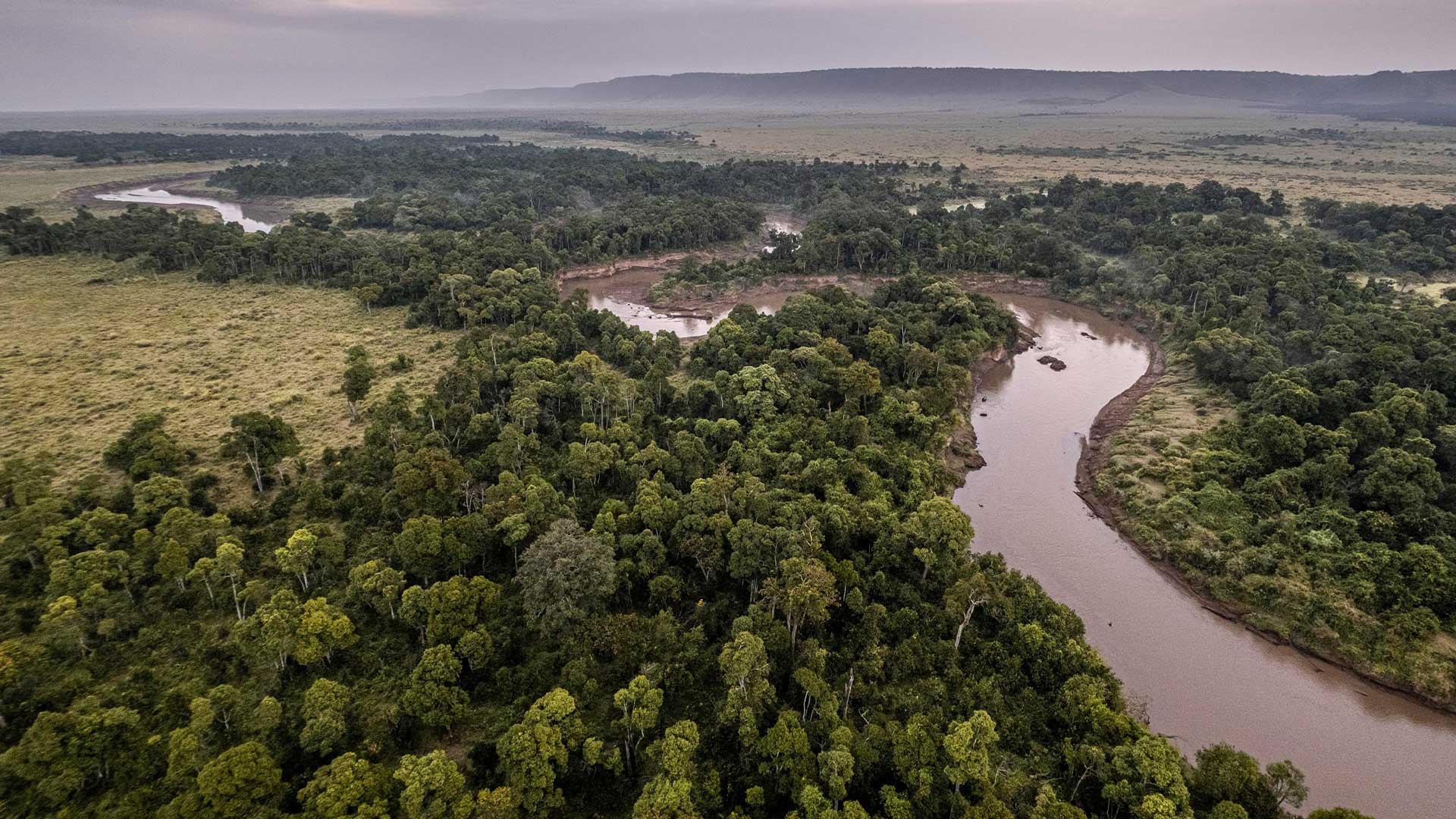
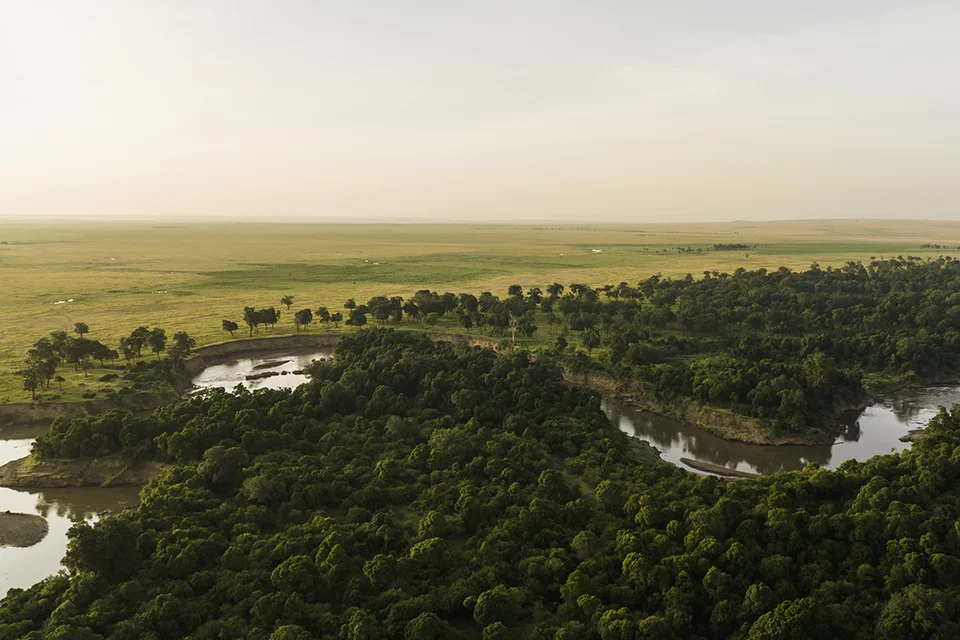
The private conservancies surrounding Kenya's Maasai Mara National Reserve have transformed what a Mara safari can be. Lemek Conservancy sits among them as a 7,600-hectare tract of open savannah grassland and riverine woodland that serves as both a wildlife sanctuary and a working model for community-based conservation.
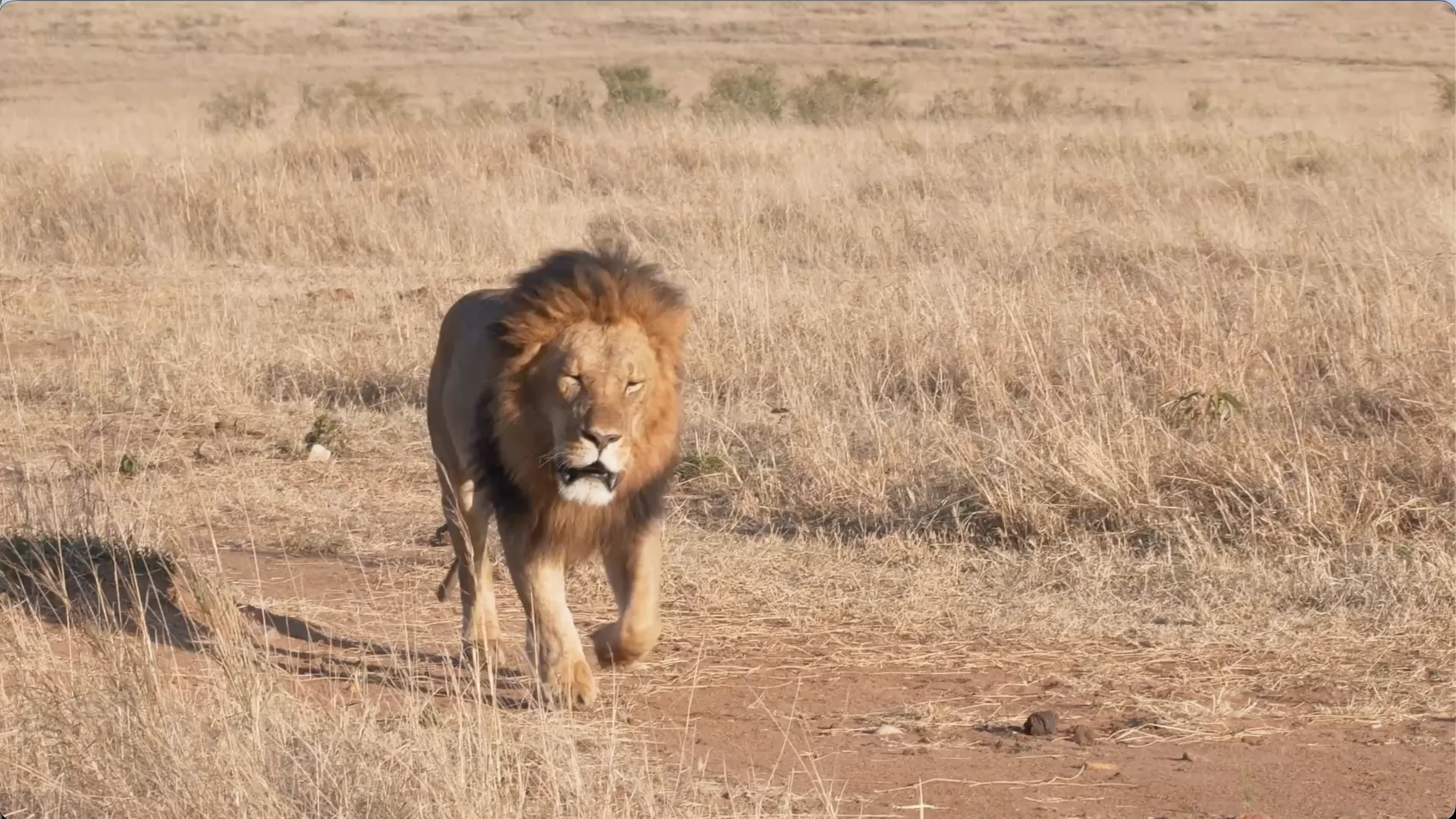
What distinguishes Lemek from the National Reserve that neighbours it is not the wildlife. The same lions, leopards, cheetahs, elephants and migrating wildebeest move across both landscapes. It is the terms of engagement. In Lemek, your vehicle can leave the track entirely, following a lion pride or a leopard resting in the acacia canopy wherever the land allows. When light fades, the drive continues. Night drives are permitted here, whereas they are forbidden within the National Reserve's boundaries. And when the landscape asks for a slower pace, guided walks with Maasai guides read the same terrain at ground level.
The conservancy is co-managed by Saruni Basecamp alongside the Maasai community whose land this is. Tourism here is structured so that the people who steward the land are also its direct beneficiaries, in a model that ties wildlife protection to community wellbeing in a way that keeps both functioning. The wilderness remains genuinely uncrowded by design, and Lemek rewards travellers who understand that how a safari is run matters as much as what is seen on it.
5 Reasons We Love Lemek Conservancy
Conservancy-exclusive activities: Off-road driving, night drives and guided walking safaris are all prohibited inside the Maasai Mara National Reserve. In Lemek, they are simply part of every safari day.
Year-round big cat sightings: Lion prides, leopards and cheetahs are reliably present throughout every month of the year, with leopards particularly associated with the conservancy's riverine woodland and acacia canopy.
The Great Migration without the crowds: From August to mid-October, wildebeest and zebra move through Lemek as part of their annual circuit through the Maasai Mara ecosystem, with predators close behind and, very rarely, another vehicle in sight.
Community conservation with direct impact: Around 500 Maasai landowners co-own and benefit from Lemek, in a model that ties wildlife protection directly to community income. Tourism revenue funds education and healthcare for the families whose land makes the experience possible.
A remoteness the wider Mara cannot match: A single small camp and a strict cap on beds mean that the wilderness here remains genuinely undisturbed. Lemek offers a quality of solitude that larger-volume destinations in the ecosystem cannot replicate.
All you need to know about Lemek Conservancy
Things to do in Lemek Conservancy
Off-road game drives: With no fixed tracks, your guide follows wildlife on its own terms: a leopard in the riverine canopy, lions at rest, elephants moving toward water on their own unhurried schedule.
Night drives: Genets in the torchlight, spotted hyenas moving between kills, and sounds from the darkness that make clear the bush has been waiting for day visitors to leave. Night drives are not available inside the Maasai Mara National Reserve.
Guided walking safaris: On foot with a Maasai guide, the conservancy becomes something to read rather than observe. Walks cross forest, springs and open savannah at whatever pace suits.
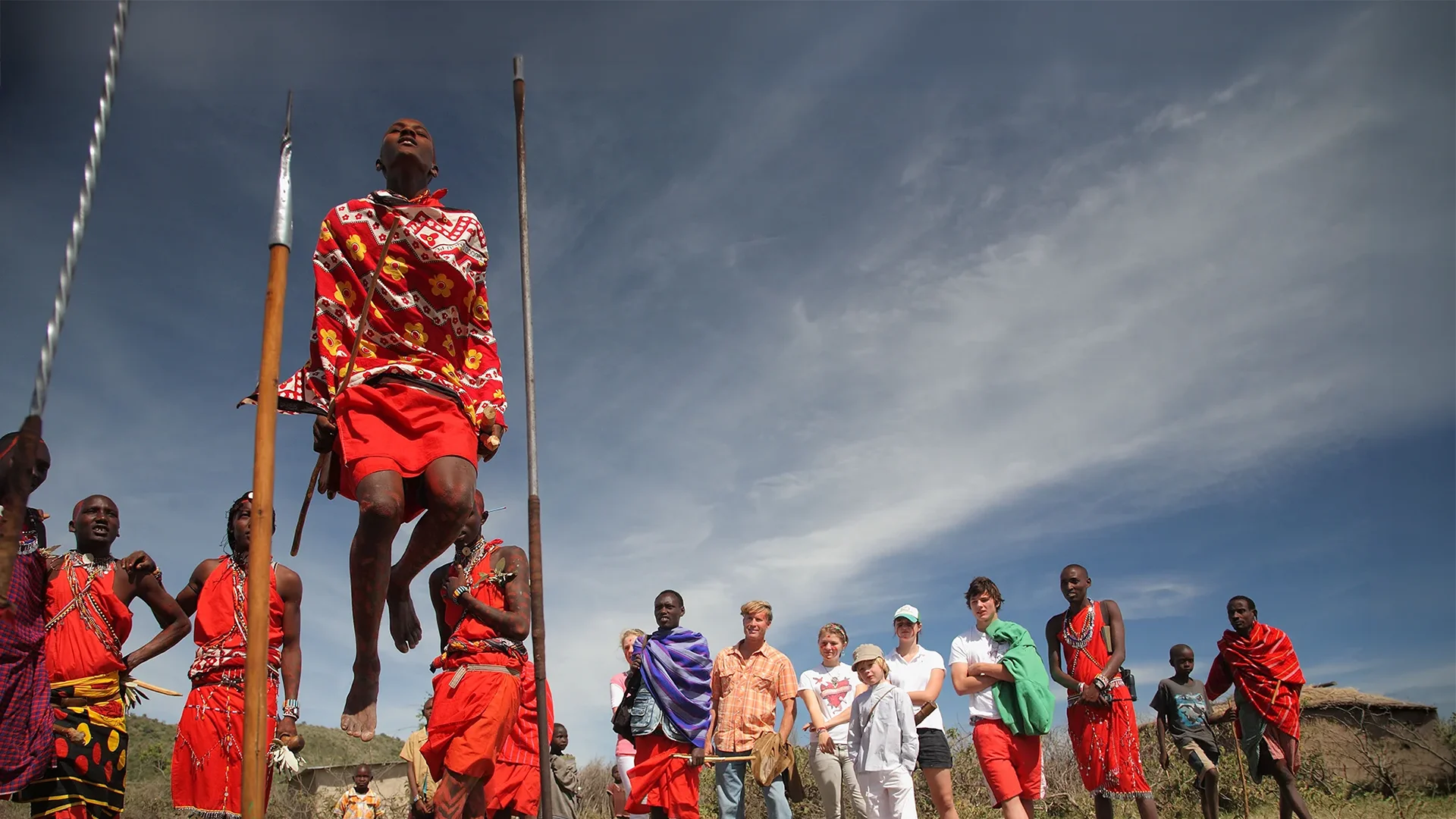
Maasai cultural visits: Lemek's communities see few tourists. A homestead visit is unrehearsed and direct; the herding culture here still represents daily life rather than performance.
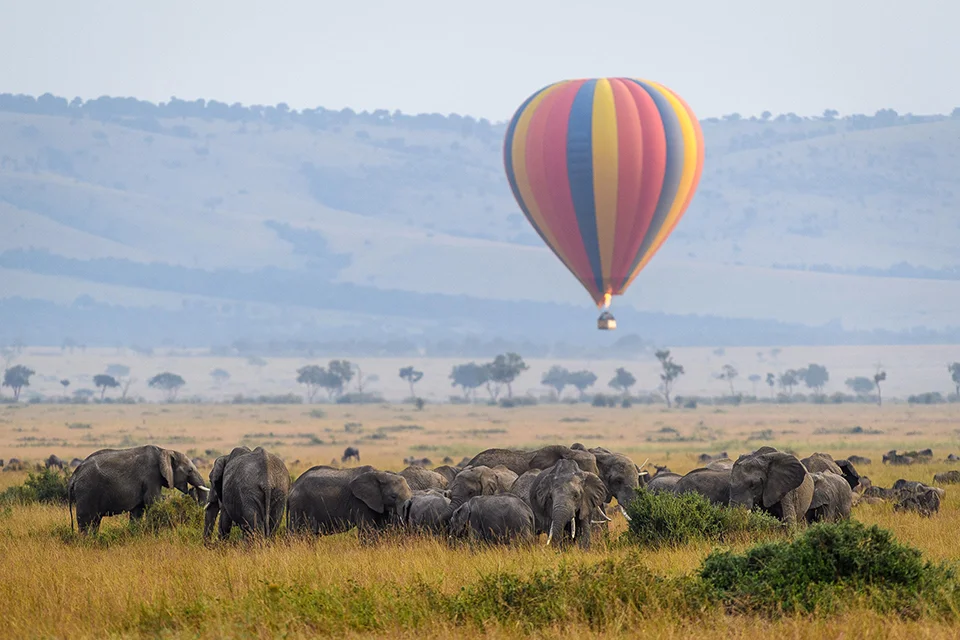
Hot air ballooning: At dawn, a balloon drifts above the plains. In migration season, the herds moving below give the flight a scale and stillness no vehicle can match.
Fly-camping: A night in the open bush removes every layer between you and the savannah. Its sounds, its darkness and whatever moves through the night stop being a backdrop.
What wildlife can I see in Lemek Conservancy?
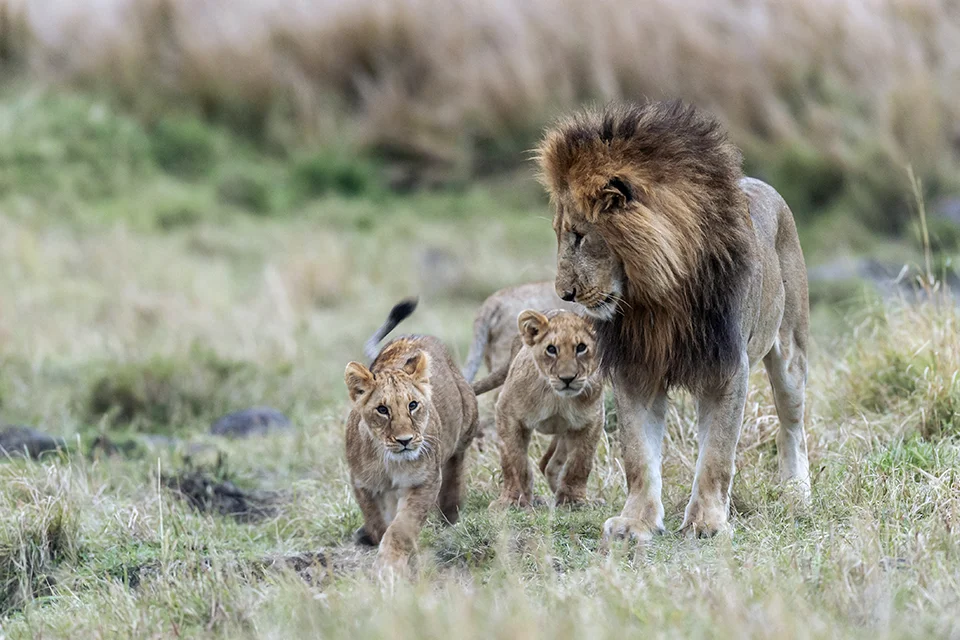
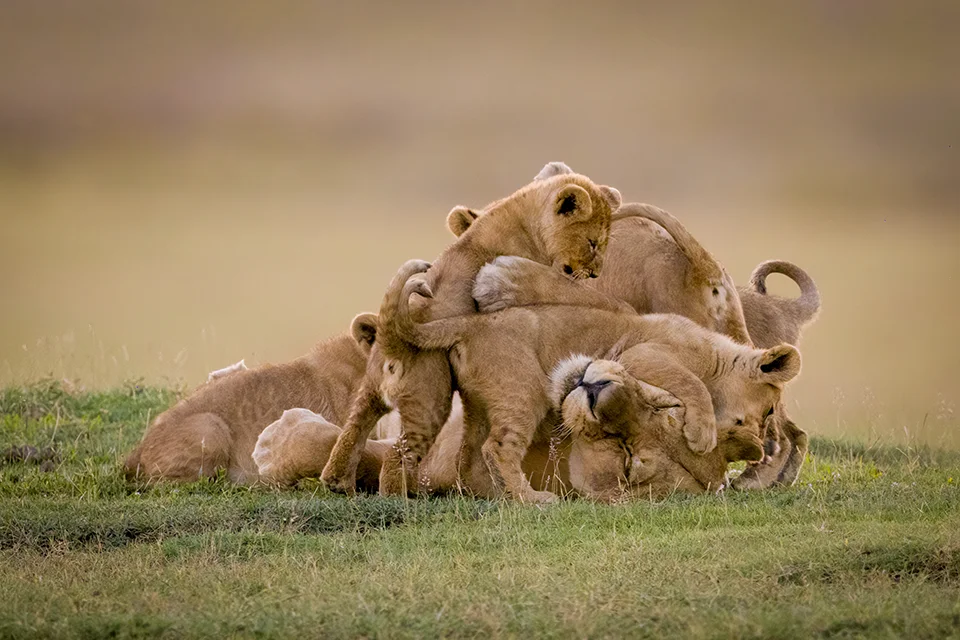
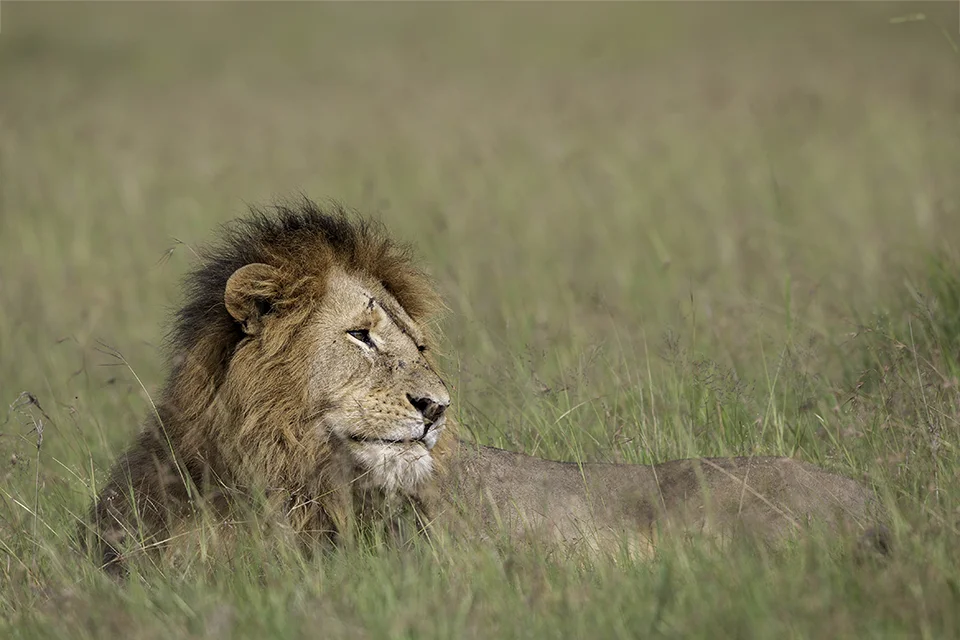
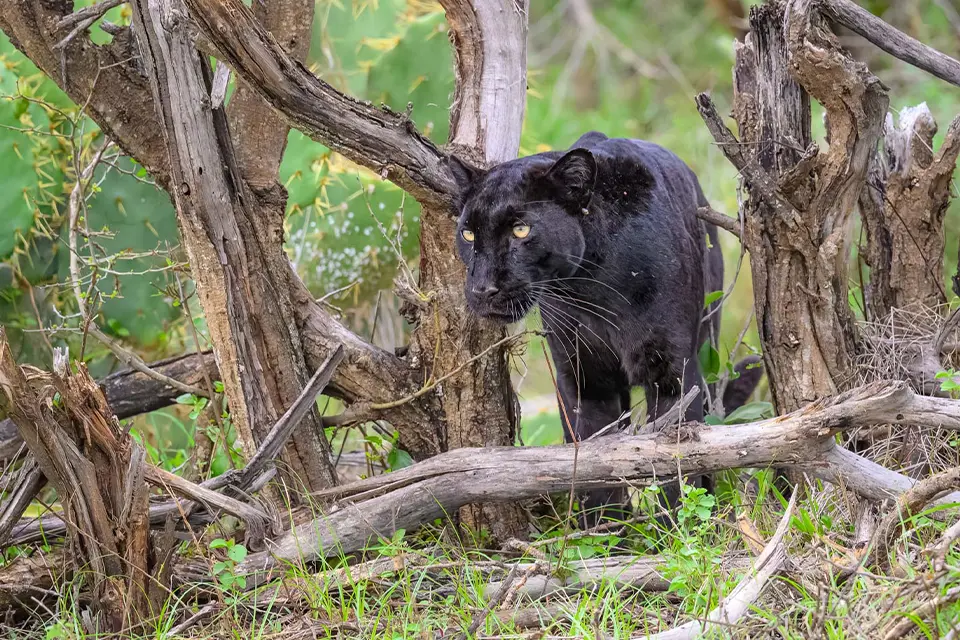
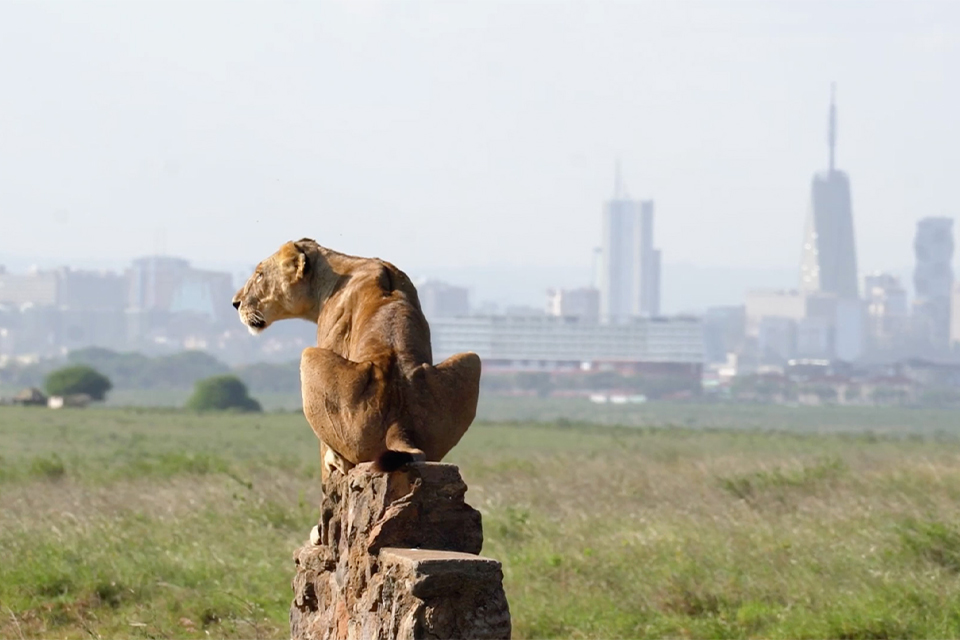
Big cats: Lions, leopards, and cheetahs are present year-round. Leopards favour the acacia canopy above the conservancy's luggas, a resting place your guide will know how to find.
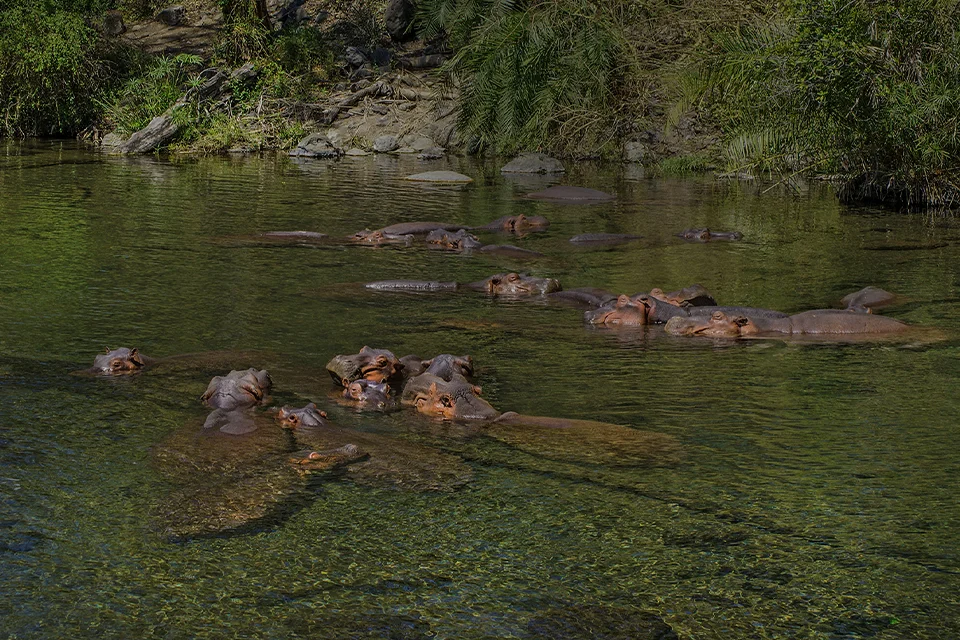
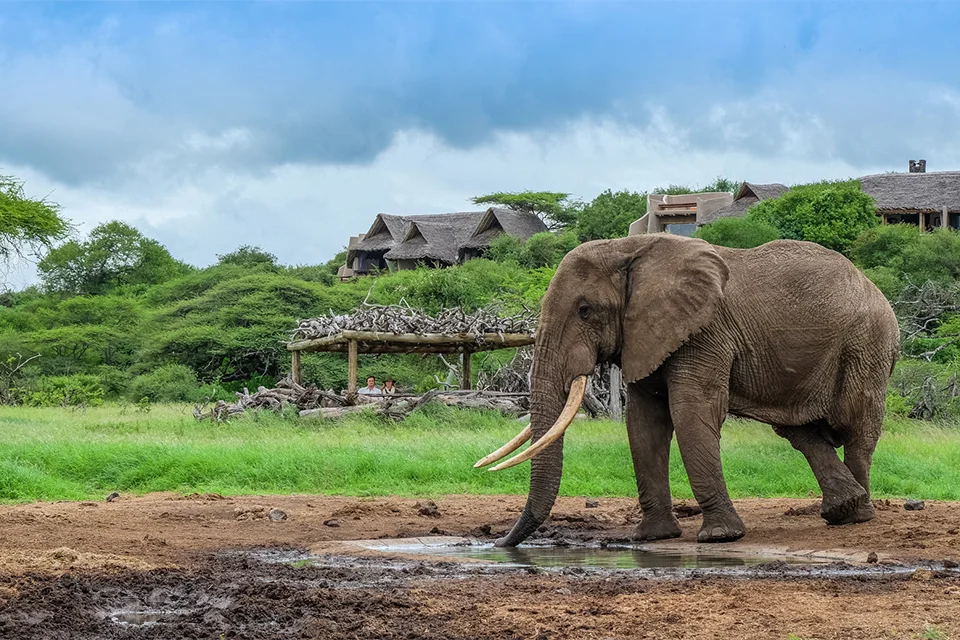
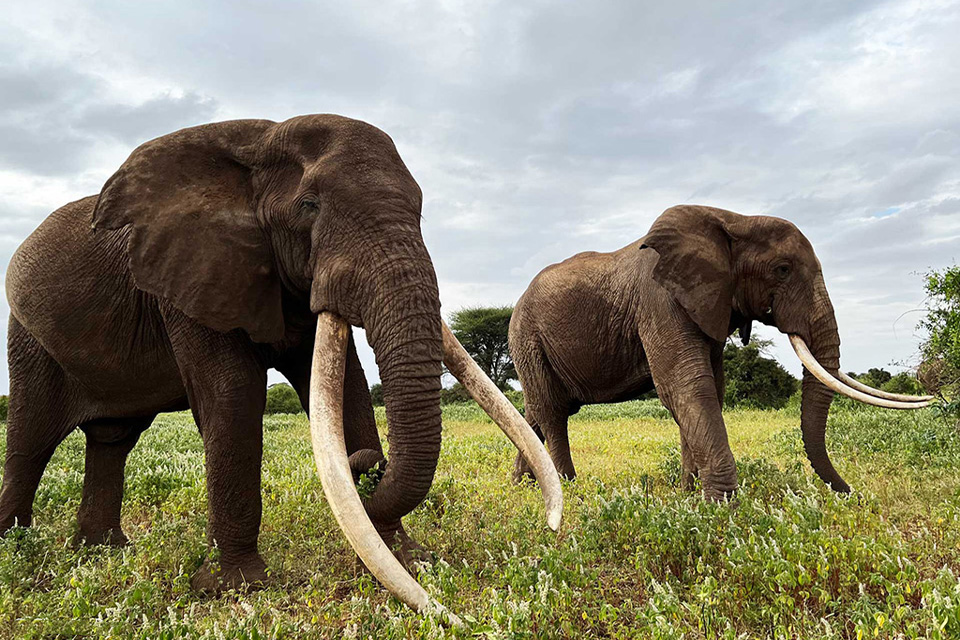
Elephants and large herbivores: Elephants, buffalo, the endangered Maasai giraffe, impala, eland and zebra are all year-round residents. Hippos are also recorded in the conservancy's waterways.
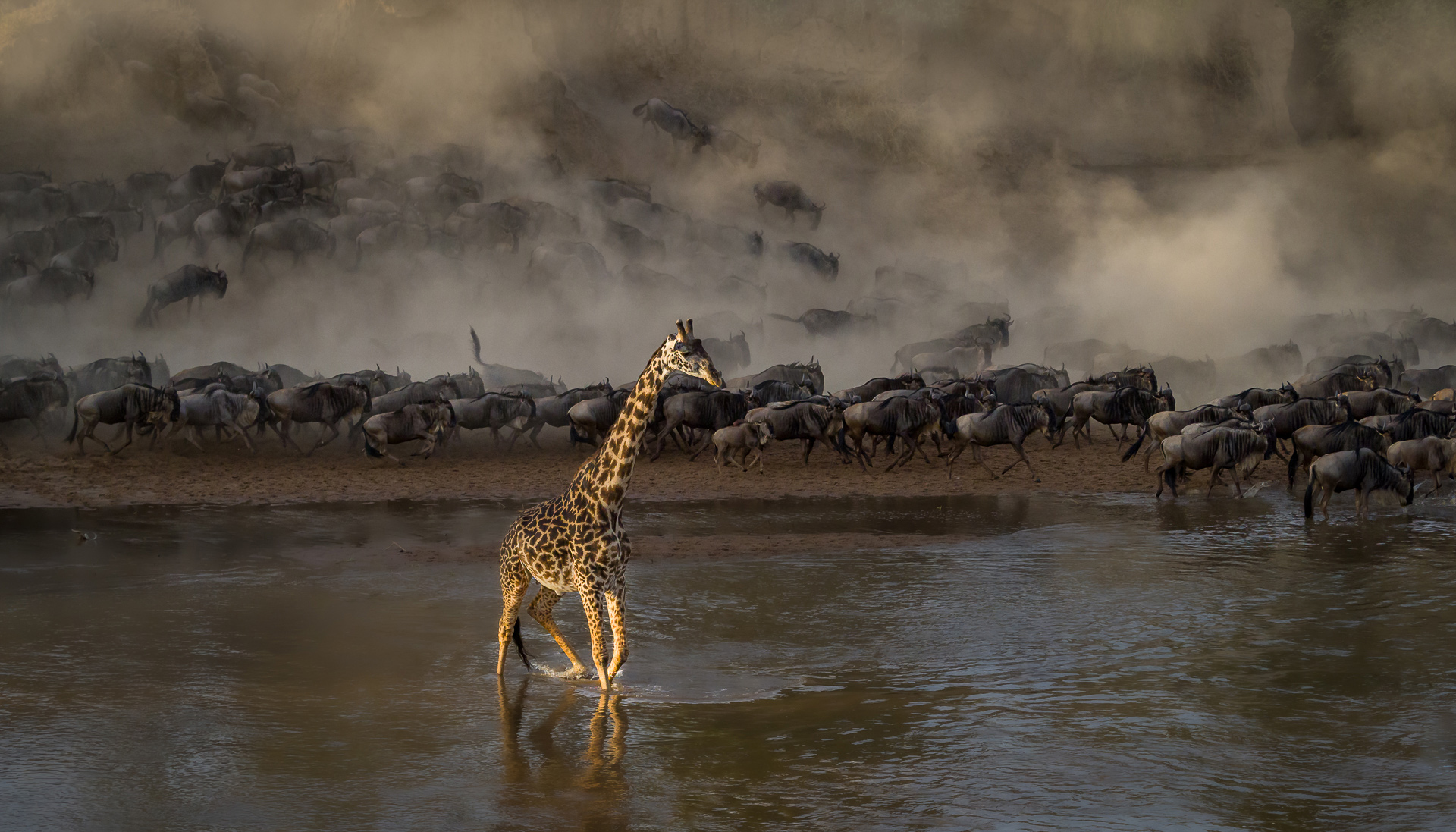
The Great Wildebeest Migration: From August to mid-October, wildebeest and zebra pass through Lemek on their annual circuit, drawing lions, leopards, cheetahs and spotted hyenas in their wake. The lodge will arrange day visits into the national reserve to witness the famous Mara River crossings.
Spotted hyenas and nocturnal species: Spotted hyenas are regularly seen. After dark, genets and white-tailed mongooses emerge, and on rare occasions so does the striped hyena, one of East Africa's least-seen large carnivores.
The endangered Maasai giraffe: Classified as endangered, the Maasai giraffe uses Lemek's grassland and woodland as important habitat. It is a species best encountered somewhere the crowds cannot follow.
African wild dog (rare): Wild dogs have historically passed through Lemek. Rare across Kenya, their presence here marks the conservancy's health as a connected wildlife corridor.
Where to stay in Lemek Conservancy
Saruni Wild sits in a shallow stream valley with views opening across the conservancy's plains to the southwest. It is among the smallest camps in the Maasai Mara ecosystem: five canvas tents set into dense bush through which wildlife moves freely, with Maasai askaris on patrol through the night.
The tents are simply and thoughtfully furnished with wooden-framed beds, woven rugs, en suite bathrooms, flush toilets and plumbed hot showers. Two double tents each sleep two guests, with the option of an extra bed for a child. A family tent with two adjoining rooms and a zip partition accommodates couples with children or small groups needing flexibility without sacrificing privacy. When one party takes every tent, the camp becomes entirely private.
What differentiates Saruni Wild is not its facilities but its character. The central lounge tent is furnished in the manner of a well-tended bush home: dark wooden tables from the Swahili coast, leather poufs, colourful throws. Evenings end around a campfire. Meals carry an Italian influence that reflects the ownership, served communally or privately on the tent verandah by arrangement. Guides are Maasai, deeply knowledgeable about the wildlife and the land they grew up on.
Saruni Wild works best as part of a broader Mara itinerary. It sits a short drive from its sister property Saruni Mara, whose Wellbeing Space guests here can access. The two camps together deliver a more varied experience than either provides alone.
Trusted by thousands of ecstatic travellers
✔️ 5-Star Trustpilot Rating ✔️ Condé Nast Travel Specialist Award Winner
✔️ Accredited by SATSA ✔️ 5,000+ Exceptional Safaris Since 1991
Why choose Africa Geographic to plan your safari?

"I made a trip to East Africa with Africa Geographic. In detail I went...to Maasai Mara and rested in two different camps. Everything was running flawless. The time in Maasai Mara was great. The camps were chosen well and I saw all big five on this safari among other great sightings...valuable help from...AG."

"AG made the logistics and experience painless and stress free which is certainly what you want when on holiday. All of the information was on their online portal...The camps they selected were excellent and matched my needs to a tee. Would certainly highly recommend them to others."

"My first experience planning a safari from overseas and a skeptic by nature, and here I am a week back from one of the best trips of my entire life! It was seemless and perfect from start to finish with no stress...serious about setting up a perfect trip within your budget. Will use again for the next trip! "
Wish you were here?
Frequently asked questions
Lemek Conservancy is a private, community-based wildlife conservancy covering over 7,600 hectares within Kenya's Maasai Mara ecosystem. Founded in the late 1990s, it is co-managed by Saruni Basecamp and approximately 500 Maasai landowners, functioning as both a wildlife sanctuary and a working model for community conservation.
Lemek Conservancy is in Narok County, southwestern Kenya, within the wider Maasai Mara ecosystem. It sits on the border of Mara North Conservancy and lies within the network of private conservancies that extend and buffer the Maasai Mara National Reserve.
The conservancy is privately owned by the Maasai community, allowing activities prohibited in the National Reserve: off-road driving, night drives and guided walks. Visitor numbers are strictly limited, meaning far fewer vehicles in the same landscape and a significantly more personal experience.
Lemek offers strong wildlife viewing year-round. August to mid-October brings the Great Wildebeest Migration through the conservancy, with predators following the herds, and this is the peak season for drama and intensity. Outside the Great Migration season, resident lion, leopard and cheetah sightings remain consistent, with fewer visitors and greater tranquillity.
Yes. From August to mid-October, wildebeest and zebra move through Lemek as part of their annual circuit through the Maasai Mara ecosystem. The conservancy serves as a refuge for the herds and the predators that follow them, with no requirement to share sightings with other vehicles.
Lemek is particularly strong for big cats: lion, leopard and cheetah are all reliably present year-round. Elephants, buffalo, the endangered Maasai giraffe, eland, zebra, wildebeest and spotted hyena are resident throughout. Wild dogs have historically passed through, making them a rare but possible sighting.
Yes. Night drives are one of the conservancy's most valued activities and are not available within the Maasai Mara National Reserve. After dark, spotted hyenas, genets and other nocturnal species become active, extending the wildlife day well beyond sunset.
Yes. Guided walking safaris are offered at Saruni Wild, led by Maasai guides and tailored to each guest's interests and fitness level. Routes cover forest, springs and open savannah, offering a ground-level experience of the conservancy's wildlife and landscape that a vehicle cannot provide.
The standard route is by light aircraft from Wilson Airport in Nairobi to Mara North airstrip, a flight of approximately 45 minutes, followed by a 20-minute 4WD transfer to Saruni Wild. Wilson Airport handles domestic and charter connections throughout Kenya.
Saruni Wild is the conservancy's sole camp: a classic five-tent tented camp set in a shallow bush valley with views across the plains. Accommodation ranges from double tents to a family tent configuration. The camp is known for its seclusion, its Maasai guides and its Italian-influenced cuisine.
Approximately 500 Maasai landowners are stakeholders in the conservancy, many of whom are also employed as guides and staff. Tourism income supports community education and healthcare. Saruni Basecamp, which co-manages the conservancy, is a member of the Northern Rangelands Trust and a founding member of Mara North Conservancy.
Children are welcome at Saruni Wild, though the camp is unfenced and set in a genuinely wild environment. Older children and teenagers tend to get the most from the experience. A Warriors for a Week programme engages children aged 12 and over with Maasai guides and bush skills.
Yes. Malaria is present in the Maasai Mara region and antimalarial medication is strongly recommended. All guides at Saruni Wild are trained first-aiders, Aitong clinic is nearby, and emergency medical evacuation by helicopter can reach the conservancy when required.
Saruni Wild safaris typically cost US$700 to US$900 per person, per night, depending on accommodation comfort level, time of year, and activities. This price usually includes accommodation, all meals, game drives, experienced guides, and 24/7 support from our team.
Click here to schedule a no-obligation call with one of our Safari Experts or fill in our 2-minute form with your questions. Our team of experts are here to help! Whether you’re curious about the best time to travel, want to hear first-hand about an experience or need help planning your safari.
Explore more African destinations
Start planning your dream safari
Our travel experts will craft a no-obligation itinerary just for you. We have crafted over 5,000 safaris since 1991. Your personal details are protected; we only use this information to contact you.
Why book your safari with us?

Deep Experience & Knowledge
Handcrafted experiential safaris since 1991.
Travel in Africa is about knowing when and where to go, and with whom. A few weeks too early/late or a few kilometres off course, and you could miss the greatest show on Earth. And wouldn’t that be a pity?

Trust & Safety

Make A Difference
We donate a portion of the revenue from every safari sold to carefully selected conservation projects that make a significant difference at ground level.
YOUR safari choice does make a difference - thank you!