
Tailor-made safaris. Since 1991



Enonkishu Conservancy: Where cattle and wildlife restore the northern Mara
Enonkishu Conservancy at a glance:
Location: Northern edge of the Maasai Mara ecosystem, Narok County, Kenya; on the Mara River | Main access: Nairobi Wilson Airport for charter and scheduled flights to Ngerende Airstrip (25 minutes from the lodge) |
Conservation size: 2,370 hectares; a single conservancy fee gives access to Enonkishu, Lemek and Ol Chorro Oiroua, more than 20,000 combined hectares | Best time to visit: Year-round; migration corridor active August to mid–October; June–August for cool, clear conditions; October–March for warmer temperatures |
Conservation model: Community-owned regenerative conservancy; 42 Maasai landowner families; managed cattle rotation as a wildlife habitat restoration tool; WWF and UNESCO-IHE pilot site | Wildlife: 70+ mammal species; resident lion pride, leopard, cheetah, elephant, giraffe, hippo, aardwolf and rare nocturnal species |
Currency: Kenyan Shilling (KES); USD widely accepted at lodges | Health: Malaria risk. Antimalarial medication strongly recommended; comprehensive travel and medical evacuation insurance is essential |
Why visit Enonkishu Conservancy?
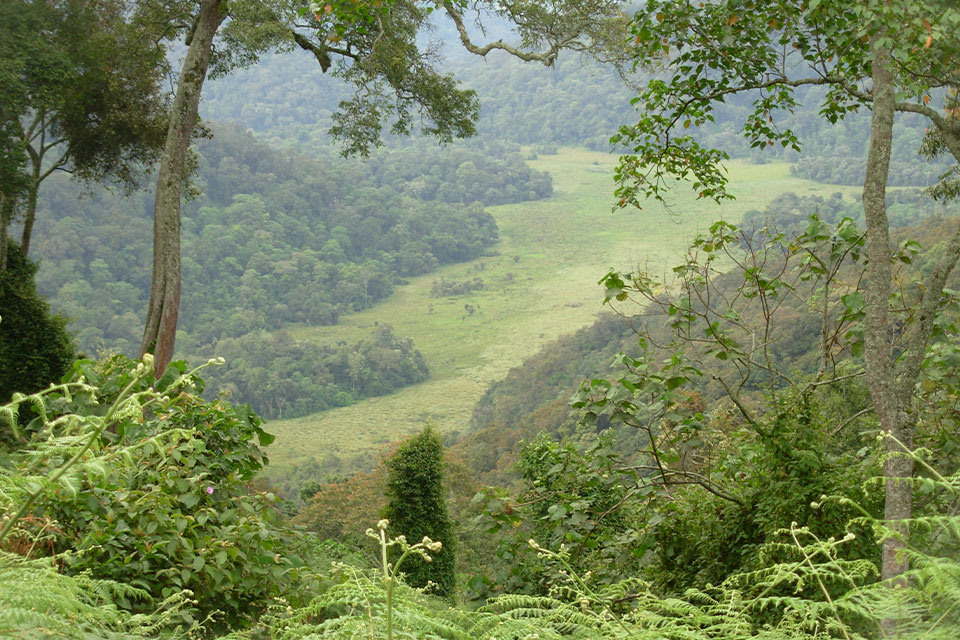
At the northern edge of Kenya's Maasai Mara, the land still remembers what it was. The fields of irrigated crops that once stretched to the river have given way to recovering grassland, and the wildlife has followed.
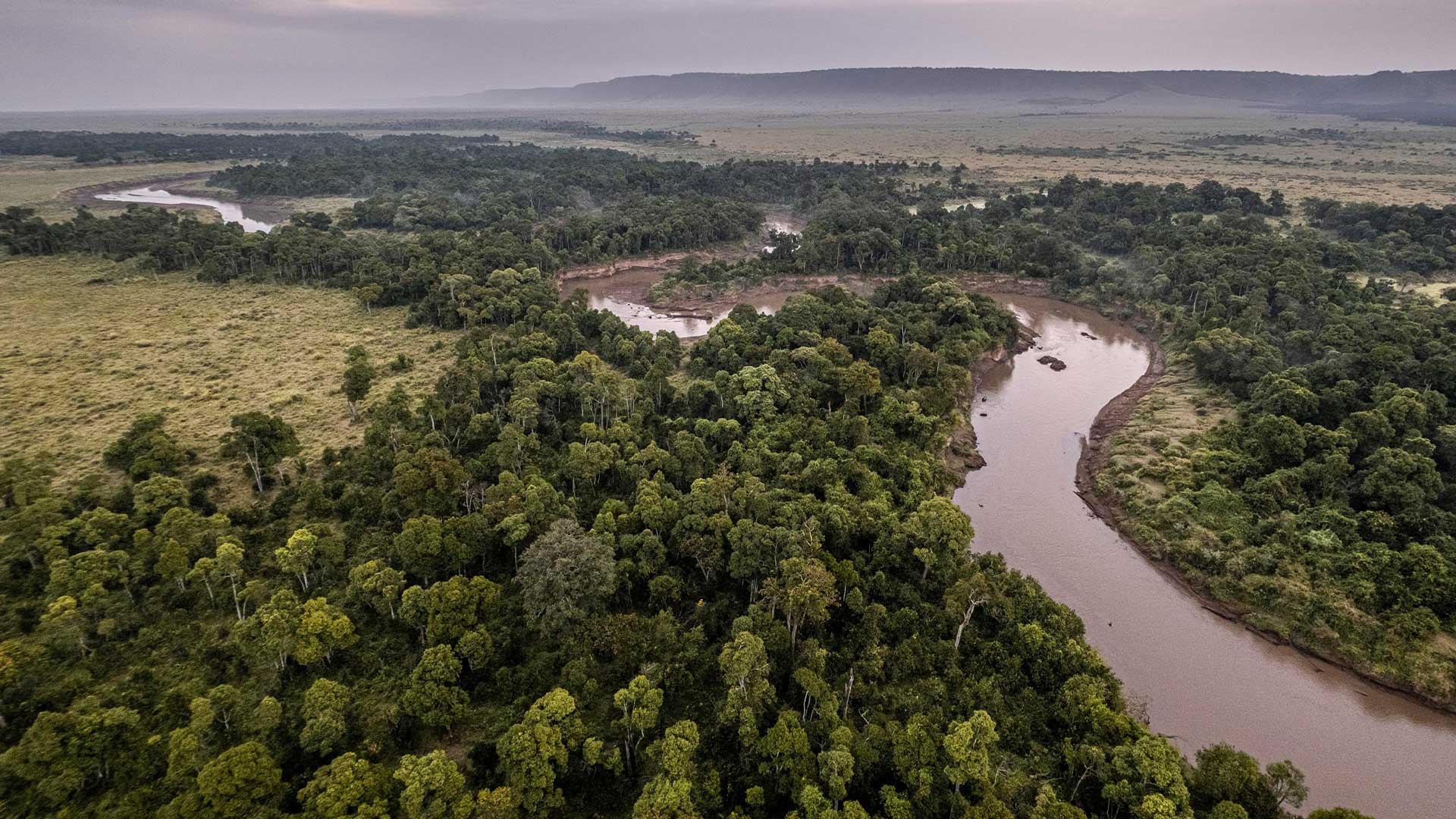
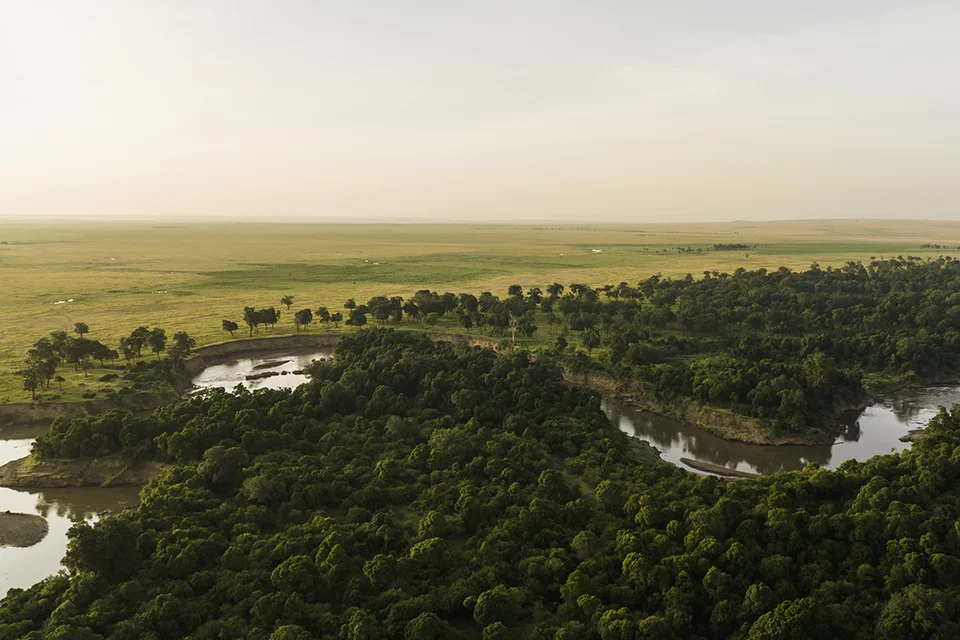
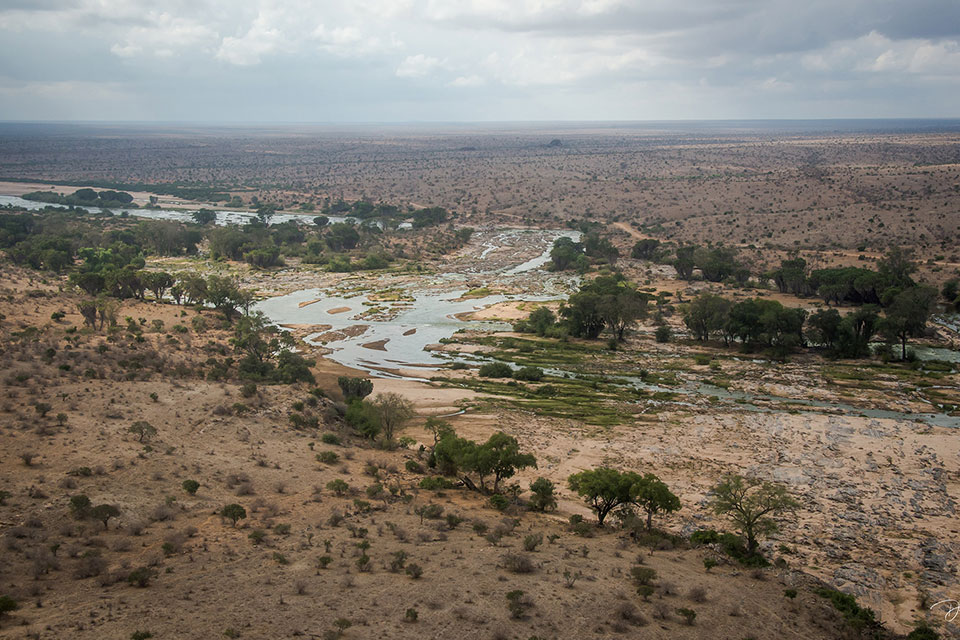
Enonkishu is the smallest and northernmost conservancy in the Mara: 2,370 hectares of riverine forest, acacia scrub, and open plains along the Mara River. It operates on a premise that sets it apart from every other conservancy in the ecosystem. Here, cattle are not a problem to be excluded. They are the engine of restoration.
Forty-two Maasai landowner families, working alongside the Wood family and partners including WWF and UNESCO-IHE, began rotating cattle through mobile bomas on a strict timed schedule. The split hooves aerate compacted soil, the dung fertilises recovering grassland, and the land has slowly and measurably come back. Lions, leopards and cheetahs are now resident. Wild dogs have returned to the broader area.
A single conservancy fee opens more than 20,000 hectares of private land across Enonkishu, Lemek and Ol Chorro Oiroua, with almost no other vehicles in sight. Add night drives, walking safaris, rhino tracking on foot, and an overnight Maasai Homestay, and Enonkishu makes a case entirely its own.
5 Reasons We Love Enonkishu Conservancy
Cattle that face down lions: Pedigree Boran bulls in the communal herds don't scatter when a lion pride approaches. They form a defensive wall and counter-charge. It is something you will only see in a mixed-use conservancy.
Twenty thousand hectares, almost no other vehicles: A single conservancy fee unlocks Enonkishu, Lemek and Ol Chorro Oiroua. With only a handful of lodges across the entire connected landscape, your vehicle is frequently the only one on the track.
Night drives and the aardwolf: Mobile cattle bomas concentrate dung; dung triggers harvester termite colonies, and termites draw aardwolves. Enonkishu has one of the highest densities of resident aardwolves in East Africa, a direct consequence of its cattle rotation model.
White rhinos on foot at Ol Chorro Sanctuary: The adjacent Ol Chorro Rhino Sanctuary offers one of the few places in Kenya where you can approach white rhinos on foot, accompanied by armed rangers: a deliberately slow, close encounter unlike anything from a vehicle.
A rewilding project you can walk through: From native tree saplings protected along the Mara River banks to rangeland science walks at the Mara Training Centre, Enonkishu's conservation story isn't on a noticeboard. It is under your feet.
All you need to know about Enonkishu Conservancy
Things to do in Enonkishu Conservancy
Game drives across three conservancies: One fee covers 20,000+ hectares of private land across Enonkishu, Lemek and Ol Chorro Oiroua, where off-road tracking is permitted, and other vehicles are rarely in sight.
Night drives along the boma edges: As daylight fades near former mobile boma sites, aardwolves, honey badgers, porcupines, genets and civets emerge to work the termite-rich ground.
Walking safaris with Maasai trackers: Move on foot through acacia scrub and across rocky ridges with Maasai trackers, reading the land at a pace and proximity that a vehicle cannot match.
Visiting the Ol Chorro Rhino Sanctuary on foot: Small groups approach white rhinos on foot with armed rangers inside the adjacent Ol Chorro Sanctuary, a close encounter across open ground that requires patience and a donation entry of approximately $30 per person.
Rangeland science walks at the Mara Training Centre: A certified practitioner explains how timed cattle rotation breaks compacted soil and how grassland recovers, turning what looks like open plains into evidence of active restoration.
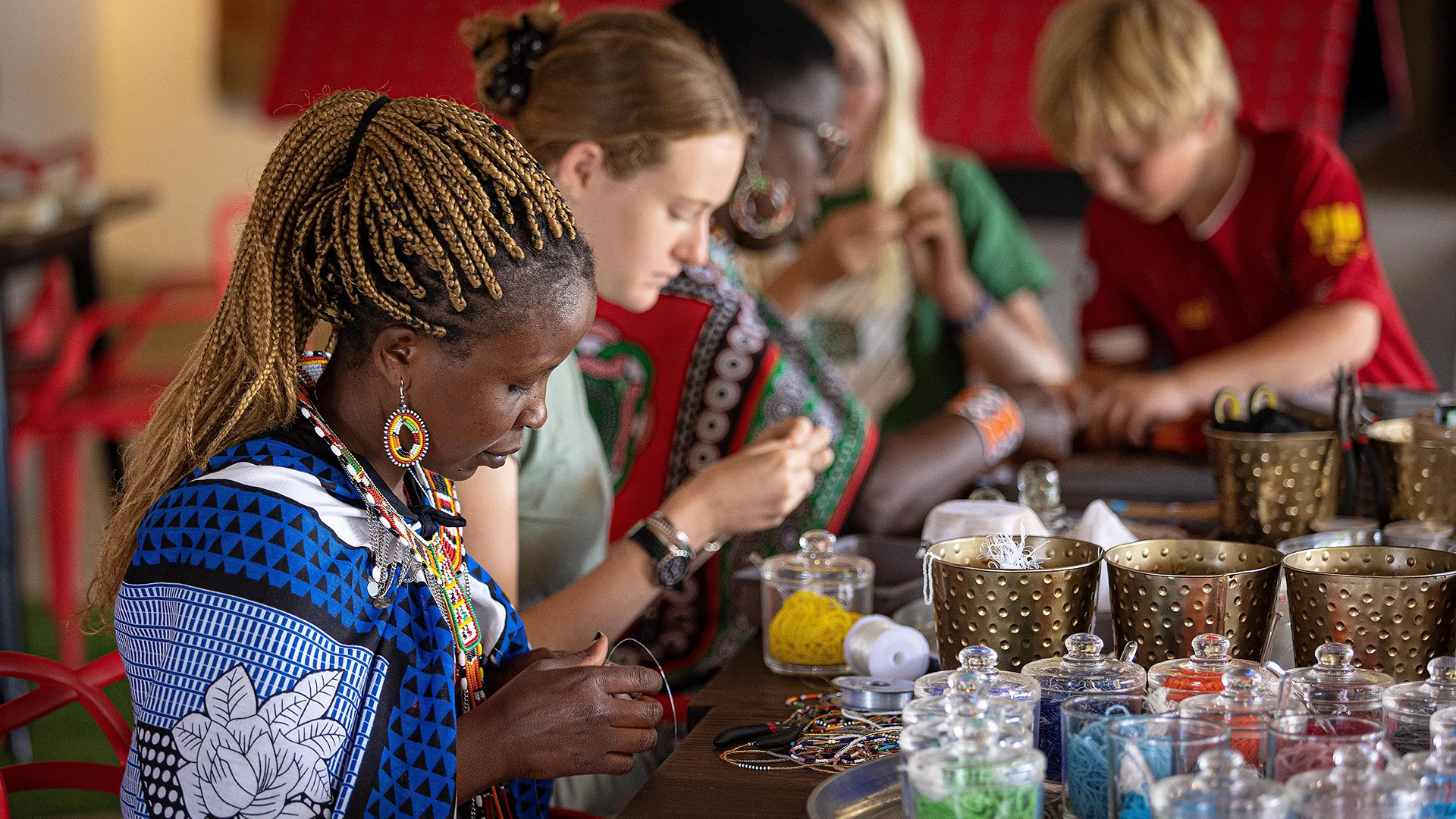
The Maasai Homestay: Spend the night in a Maasai family's guest mud hut, helping with the cattle at dusk, sitting around the fire, and sleeping inside the homestead. An evening and overnight in real community life, not a performance.
What wildlife can I see in Enonkishu Conservancy?
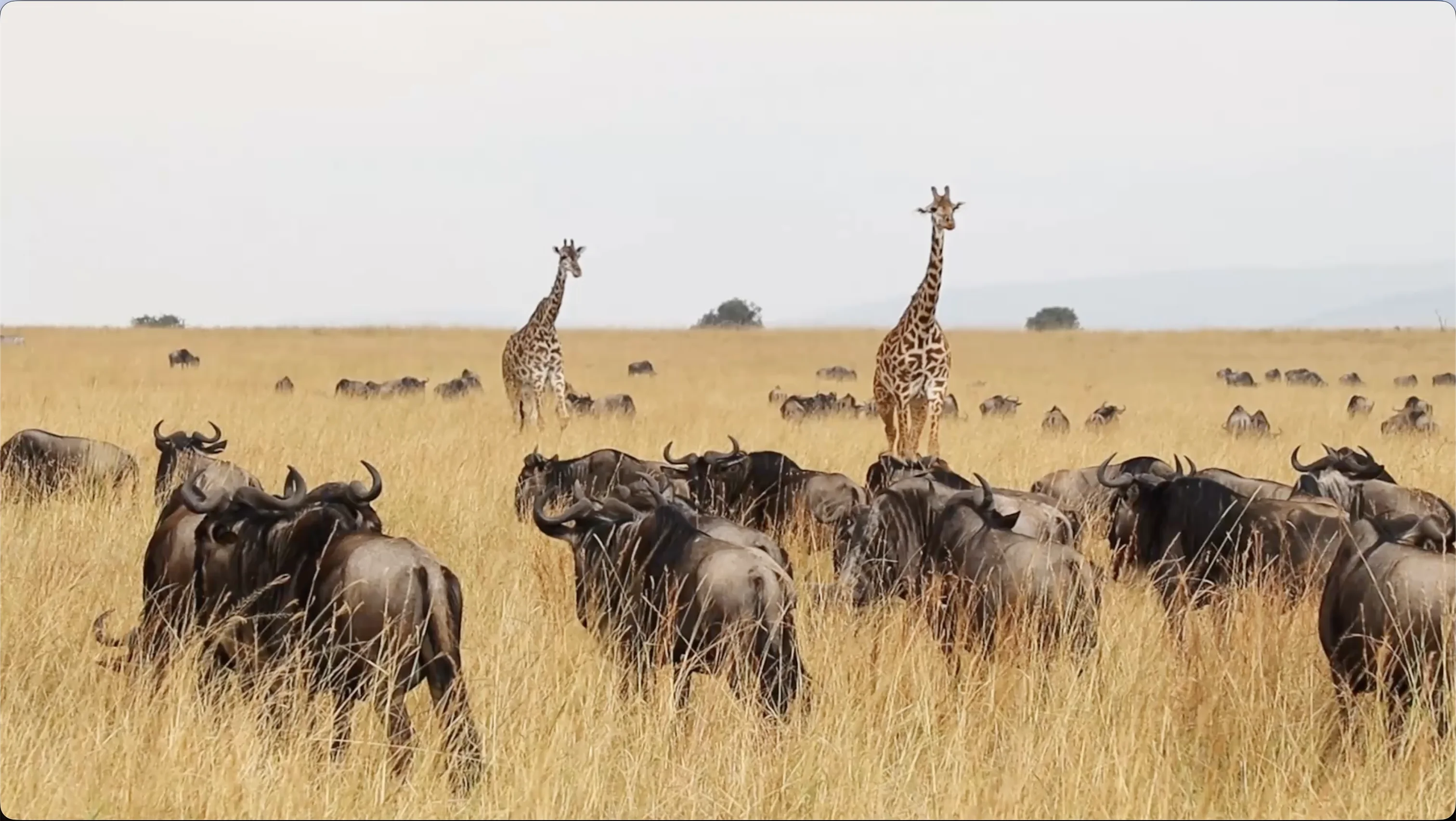
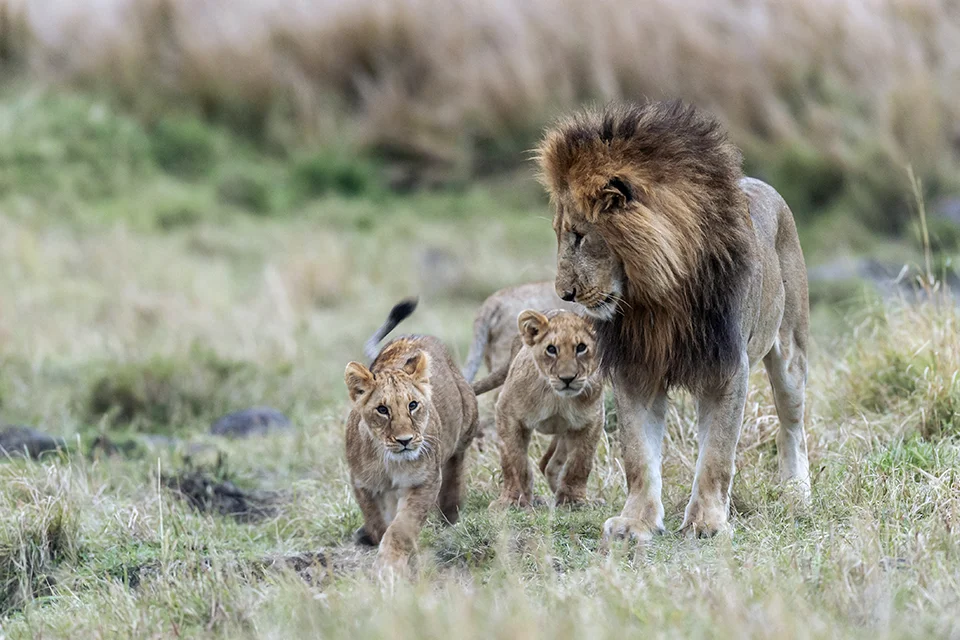
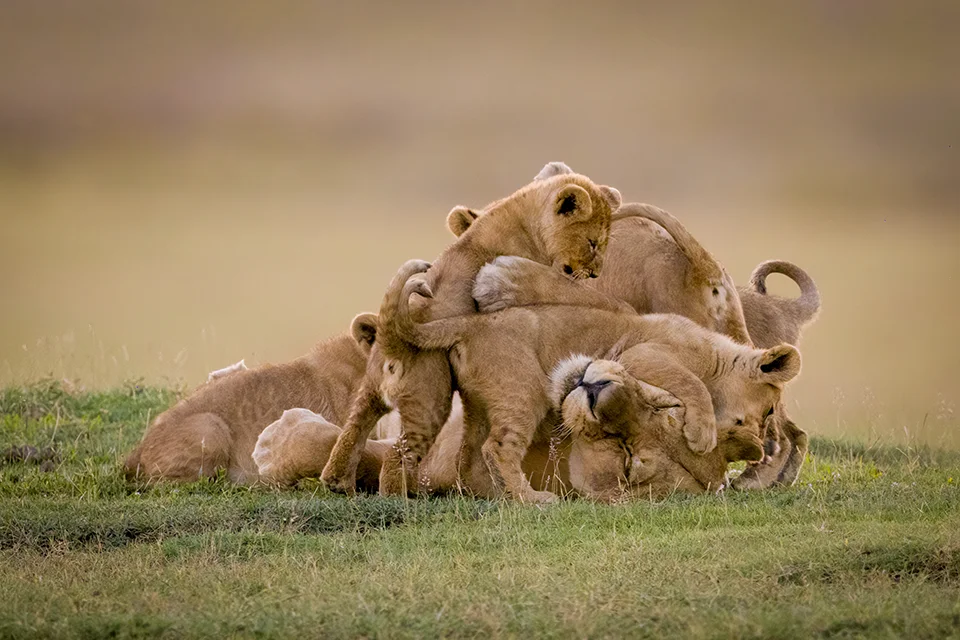
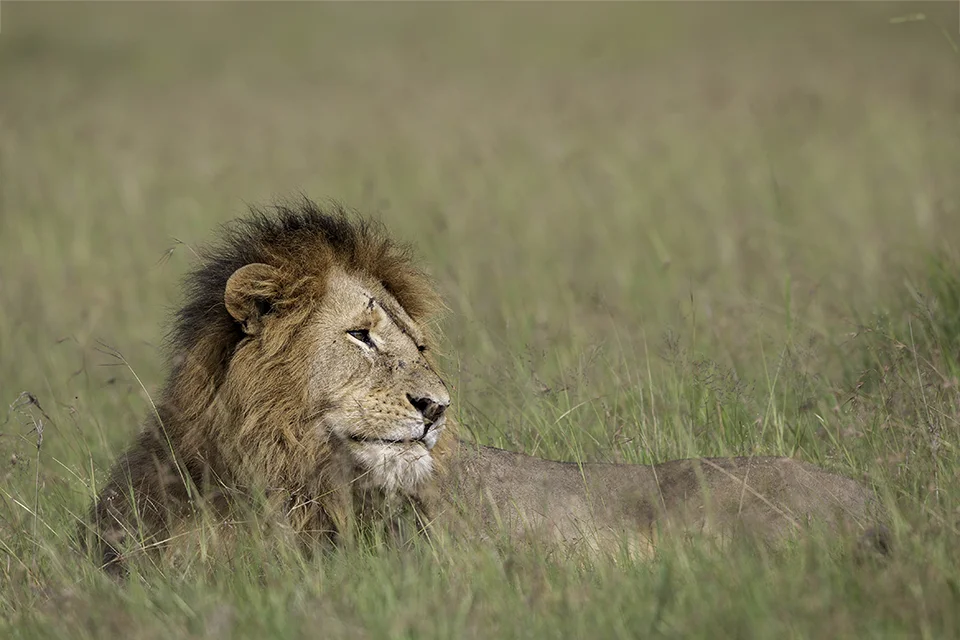
Lion, leopard and cheetah: A resident pride ranges across Enonkishu and Ol Chorro; Sankei coalition males are active in the area. Leopards use the riverine forests, and cheetah have been confirmed in the conservancy.
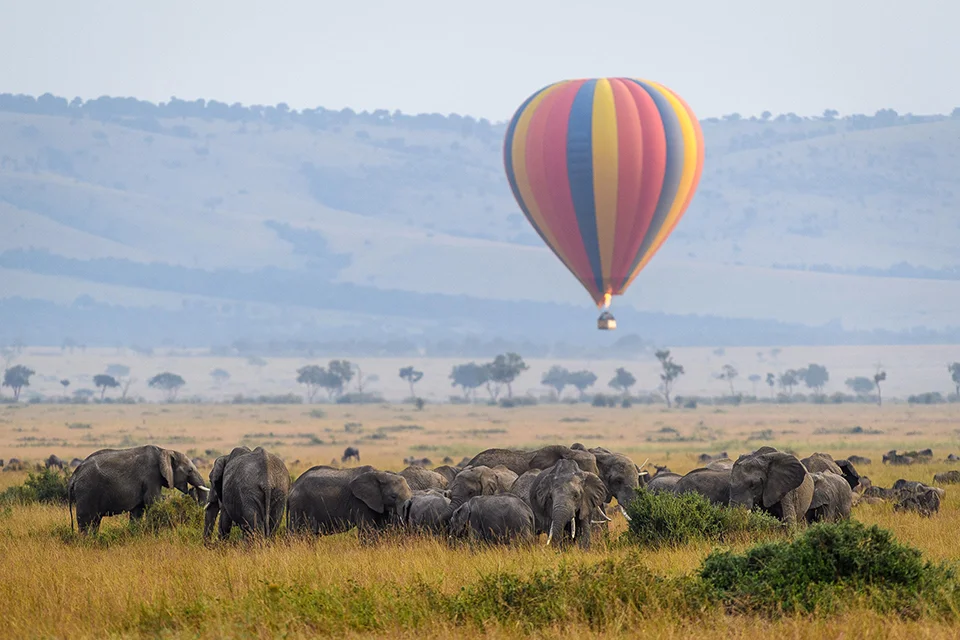
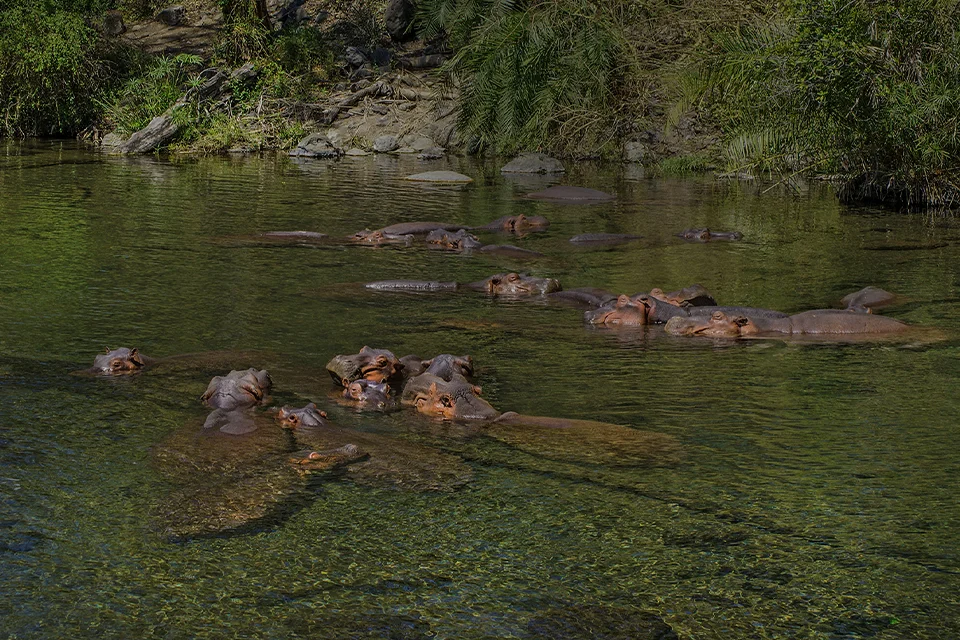
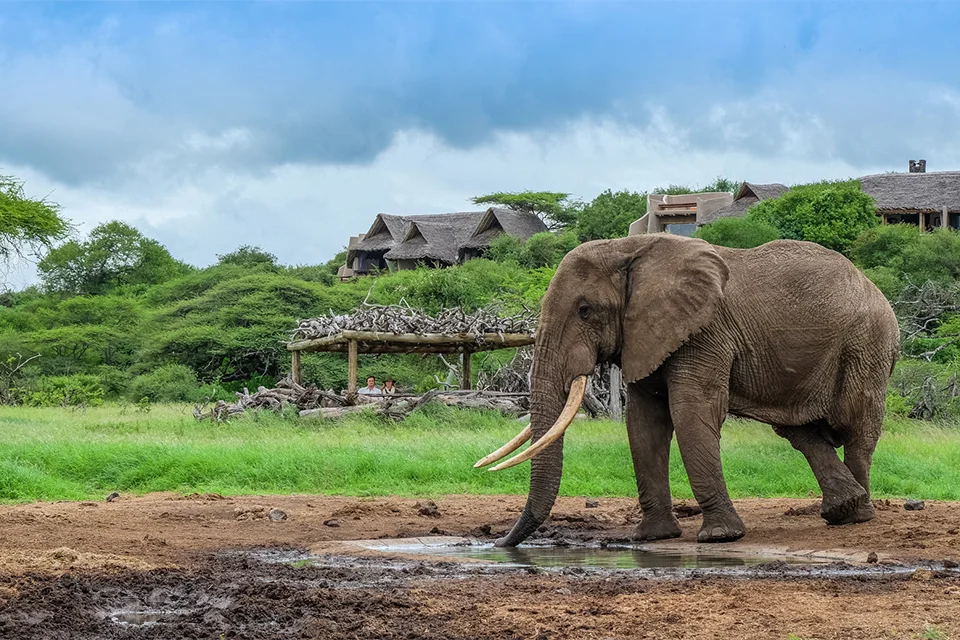
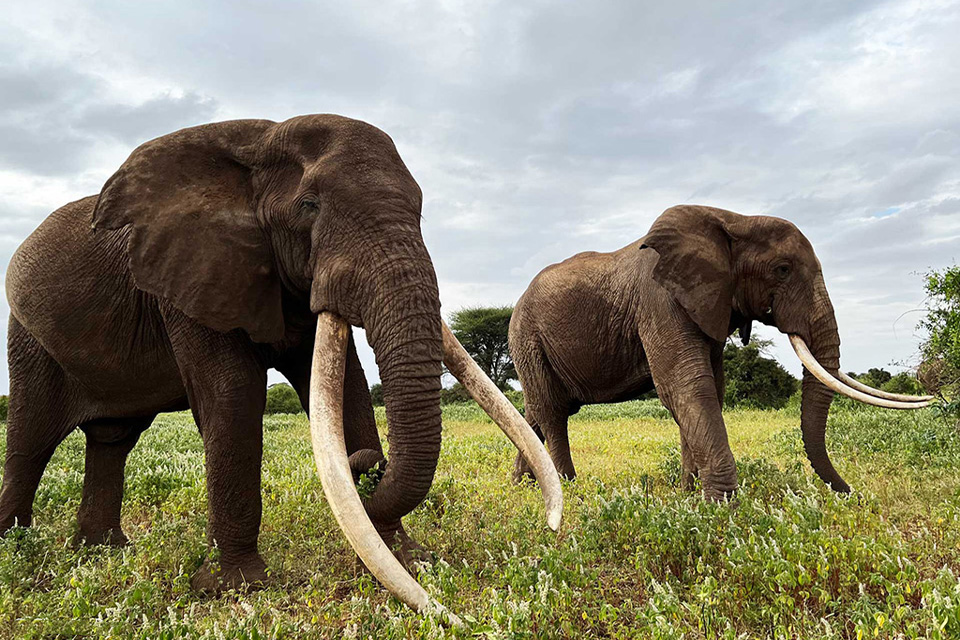
Elephant, giraffe and large herbivores: Elephants frequent the conservancy, particularly around Kileleoni Hill. Giraffe and resident buffalo herds are present year-round, and hippos and crocodiles inhabit the Mara River sections.
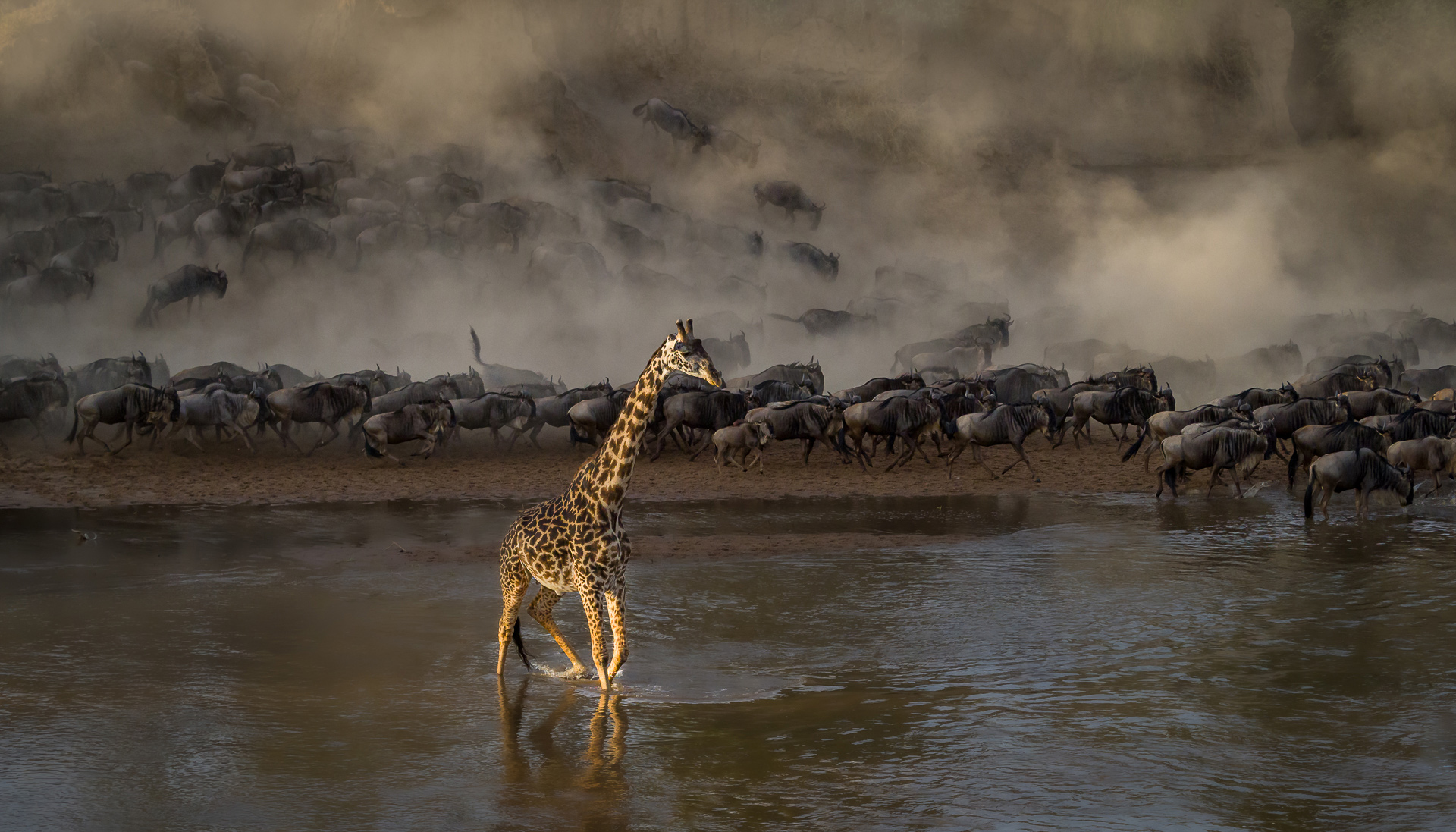
Wildebeest migration: August to mid-October: Wildebeest, topi, zebra and Thomson's gazelle move through the northern corridor, shifting between the Serengeti plains and the broader Mara ecosystem.
Aardwolf and nocturnal species: The cattle rotation produces one of East Africa's highest aardwolf densities. Night drives also regularly reveal honey badgers, porcupines, genets and civets, with rare sightings of aardvark, caracal and serval.
White rhinos at Ol Chorro Sanctuary: White rhinos are accessible through the adjacent Ol Chorro Rhino Sanctuary, visited on foot with armed rangers: a managed sanctuary visit rather than an open-range encounter.
Birdlife: About 470 bird species occur in the Maasai Mara, including rufous-tailed weaver, Jackson's widowbird, Usambiro barbet, and grey-crested helmetshrike.
Where to stay in Enonkishu Conservancy
Both properties at Enonkishu belong to Collection in the Wild, the family-owned group founded by Tarquin and Lippa Wood, the conservancy's founding family. They occupy different positions in the landscape and offer very different experiences, rooted in the same conservation story.
House in the Wild sits on the Mara River: an intimate, owner-operated boutique lodge with ten rooms across seven standalone cottages. At river level, the sounds and rhythms of the Mara are constant: hippos audible from the pool, elephant tracks on the bank at first light, the kitchen drawing daily from the on-site Wild Shamba garden. A Swahili bar, open-fire dining room and a spa set into the natural surroundings complete the picture. Activities include horse riding, photography, walking safaris and cultural visits to the Mara Training Centre and the local Maasai community. This is the natural choice for couples and families who want to be close to the water and embedded in the rewilding story at ground level.
Wild Hill operates on entirely different terms. At 2,100 metres on the summit of Kileleoni Hill, the highest point in the Maasai Mara region, this exclusive-use villa of five suites opened in 2024, built into the hillside using stone quarried from the hill, with living grass roofs and upcycled timber. An infinity pool, Wild Wellness Spa with sauna, cold plunge and jacuzzi, and optional helicopter flights across the ecosystem give this property a distinctly elevated character. Wild Hill is available as a minimum three-night exclusive booking for groups of six or more: a natural choice for those celebrating something, seeking complete privacy, or wanting the broadest possible view across Kenya's most iconic wildlife landscape.
Trusted by thousands of ecstatic travellers
✔️ 5-Star Trustpilot Rating ✔️ Condé Nast Travel Specialist Award Winner
✔️ Accredited by SATSA ✔️ 5,000+ Exceptional Safaris Since 1991
Why choose Africa Geographic to plan your safari?

"...arranged an unforgettable and life-changing safari for me and my husband in the Kenyan Maasai Mara...was by far the best travel agent with whom we have worked in over 20 years of international travel...his extensive knowledge of Africa, its people, and its wildlife gave us a depth of understanding not usually gained by first-time visitors to a country...All in all, this was the trip of a lifetime for us, the first of what we expect will be many visits to Africa."

"Booking a safari holiday to the Maasai Mara through Africa Geographic was an absolute game-changer for my travel experience. From start to finish, their service exceeded all expectations, and I can't praise them enough for helping me create memories that will last a lifetime. What truly sets Africa Geographic apart is their dedication to creating personalized itineraries...a massive thank you...for making our bucket list holiday come true!"

"We organized a 12 day trip through...Kenya with Africa Geographic for our honeymoon and wouldn't hesitate to use Africa Geographic again for future trips!...They do a wonderful job of asking about what types of experiences you're looking for...I have already recommended Africa Geographic to several friends who have seen our photos ...If you're considering Africa Geographic for your first or tenth trip to Africa, don't hesitate..."
Wish you were here?
Frequently asked questions
Enonkishu is a 2,370-hectare community-owned conservancy on the northern edge of Kenya's Maasai Mara ecosystem. Owned by 42 Maasai landowner families, it was the first place in the Maasai Mara area where intensively farmed agricultural land was converted back to wildlife habitat, using managed cattle grazing as the primary restoration tool.
Enonkishu means "healthy cattle" in Maa, the Maasai language. The name directly reflects the conservancy's founding principle: that well-managed livestock and thriving wildlife are not in opposition but can be active partners in restoring degraded land.
Unlike the main Maasai Mara reserve, Enonkishu is a private community conservancy where off-road driving, night drives and guided walking safaris are all permitted. Vehicle numbers are extremely low, and a single conservancy fee covers more than 20,000 hectares across three connected private conservancies.
The conservancy supports 70+ mammal species, including resident lions, leopards, cheetahs, elephants, giraffes, and buffalo, as well as hippos and crocodiles in the Mara River. Night drives reveal aardwolves, honey badgers, porcupines, genets and civets.
Enonkishu is open year-round. The migration corridor through the northern Mara is active from August to mid-October, bringing wildebeest, topi and zebra. June to August offers cool, clear conditions ideal for wildlife viewing; October to March brings warmer temperatures and lush, recovering grassland.
Wildebeest, topi, zebra and Thomson's gazelle move through the northern Mara corridor between August and mid-October, and Enonkishu sits within that corridor. The Mara River crossings take place in the main reserve, approximately 2.5 hours south by road, where a separate reserve entry fee applies.
The activity range here goes well beyond a standard game drive. Guests can join night drives, guided walks with Maasai trackers, rangeland science sessions at the Mara Training Centre, rhino tracking on foot at the Ol Chorro Sanctuary and an overnight Maasai Homestay, all within or directly accessible from the conservancy.
The Mara Training Centre sits within the conservancy and takes guests on walks that explain the science behind Enonkishu's restoration, showing how cattle rotation rebuilds soil structure and how degraded grassland recovers over time. The Centre was developed with the Savory Institute and a WWF and UNESCO-IHE pilot project, and runs community training programmes alongside its guest activities.
The Ol Chorro Rhino Sanctuary is adjacent to Enonkishu and accessible from the conservancy. Armed rangers guide small groups to white rhinos on foot: a rare, close encounter in a managed sanctuary setting. A donation entry fee of approximately $30 per person applies.
House in the Wild is a ten-room boutique lodge on the Mara River bank, suited to couples and small groups. Wild Hill is an exclusive-use, five-suite villa on Kileleoni Hill, available to groups of six or more for a minimum of three nights.
The easiest approach is by light aircraft to Ngerende Airstrip, approximately 25 minutes from the lodge, with connections from Nairobi Wilson Airport. The conservancy also has a private airstrip at Naretoi for charter flights. By road from Nairobi, the journey takes approximately 4.5 hours; a 4×4 is mandatory.
Conservancy fees of approximately $150 per adult per night are included in lodge rates. They fund the Maasai landowner lease payments, ranger patrols and the ongoing regenerative grazing programme, directly supporting both community livelihoods and the wildlife habitat restoration that defines the conservancy.
Yes. The Naretoi estate, a 400-hectare predator-fenced block within the conservancy, lets children walk, cycle, and explore safely without an armed escort. House in the Wild is family-owned and operated, with guides noted for their patience and engagement with younger guests.
The cheapest rates at Enonkishu Conservancy are at the Wild Bandas, from US$250 per person per night, full board, plus conservancy fees of about US$150 per non-resident adult per night. Higher-end options such as House in the Wild start from around US$1,095 per person per night in the regular season (plus fees), while exclusive-use private houses begin at roughly US$6,700–11,000 per night for a group of six. These prices usually include accommodation, all meals, game drives, experienced guides, and 24/7 support from our team.
Click here to schedule a no-obligation call with one of our Safari Experts or fill in our 2-minute form with your questions. Our team of experts are here to help! Whether you’re curious about the best time to travel, want to hear first-hand about an experience or need help planning your safari.
Explore more African destinations
Start planning your dream safari
Our travel experts will craft a no-obligation itinerary just for you. We have crafted over 5,000 safaris since 1991. Your personal details are protected; we only use this information to contact you.
Why book your safari with us?

Deep Experience & Knowledge
Handcrafted experiential safaris since 1991.
Travel in Africa is about knowing when and where to go, and with whom. A few weeks too early/late or a few kilometres off course, and you could miss the greatest show on Earth. And wouldn’t that be a pity?

Trust & Safety

Make A Difference
We donate a portion of the revenue from every safari sold to carefully selected conservation projects that make a significant difference at ground level.
YOUR safari choice does make a difference - thank you!