

Tailor-made safaris. Since 1991

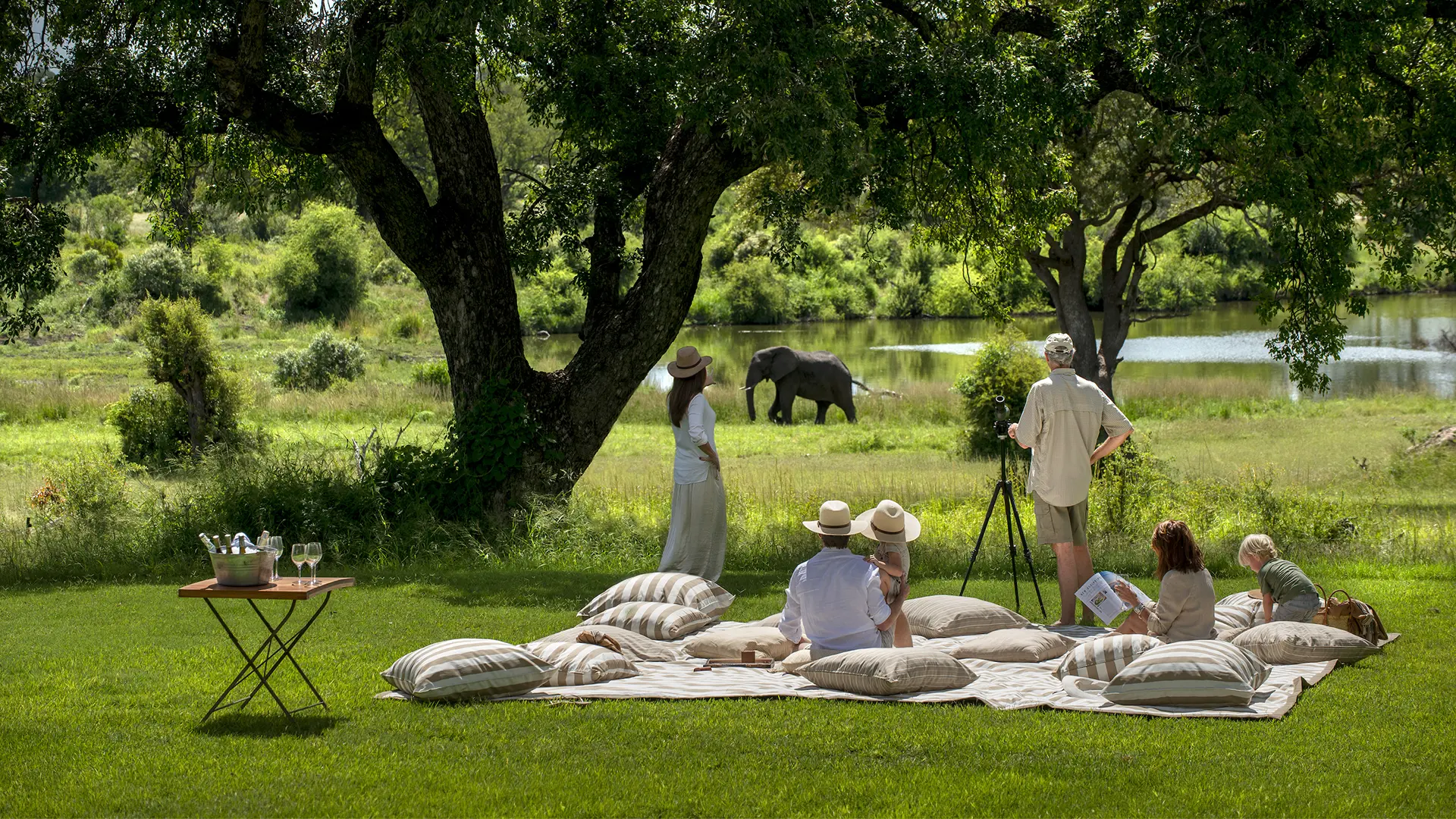
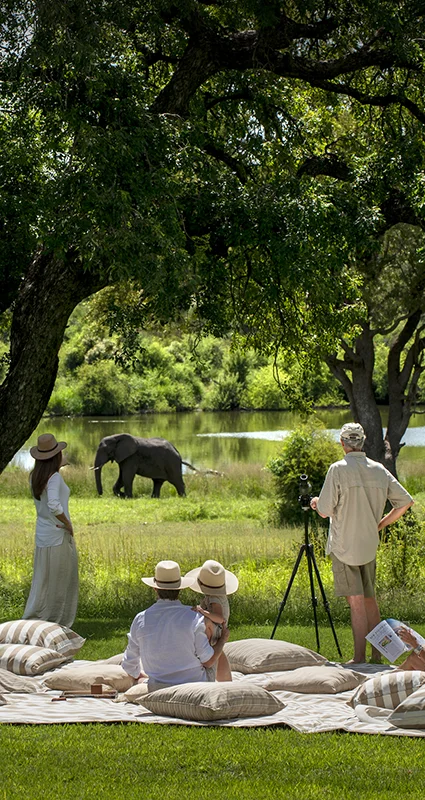


Trust us to find you the rarest animals, the most spectacular wildlife events, the remotest landscapes and deeply meaningful cultural encounters!
How to choose a safari that works for every generation
The best family luxury safari matches destination to age. South Africa's malaria-free reserves, including Kwandwe and Marataba, suit young children and grandparents needing shorter flights and lower health risk. Kenya and Tanzania offer culture and the Great Wildebeest Migration for families seeking more scope, while Botswana's private concessions reward teenagers ready for longer bush days. Expect rates from around US$700 per person per night, fully inclusive.
A safari holds different things for different generations of the same family. A grandparent wants comfort and ease. A ten-year-old wants space to run and something to touch, ideally a python skin or an elephant skull at a curio table. A teenager wants proof the trip was worth putting a phone down for.
Quick answer for family safari planning
Young children: malaria-free reserves in South Africa work best
Older children and teens: Kenya, Tanzania or Botswana suit better
Grandparents: lodges with short flights and easy terrain
Budget guide: from US$700 per person per night, fully inclusive
Best season: dry months from May to October for wildlife viewing
Matching destination to age solves most family safari dilemmas before they start. The sections below cover which reserves, lodges and activities suit each generation, and what a realistic budget and timeline look like.
Family safari destinations compared
Destination | Best suited to | Malaria risk | Typical travel time |
South Africa (Eastern Cape, Madikwe, Waterberg) | Young children and grandparents | Malaria-free | Under 2 hours from Johannesburg or Cape Town |
Kenya and Tanzania | Culture, Great Migration, older children | Present, prophylaxis advised | 8 to 9 hours from Europe, plus internal flights |
Botswana (Okavango, Chobe) | Teenagers and active families | Present, prophylaxis advised | Fly-in transfers between lodges |
Greater Kruger | Flexible lodge choice, all ages | Present, prophylaxis advised | 5 to 6 hours from Johannesburg by road, or a short flight |
3 things we love about family safaris
Beyond matching ages to destinations, here’s what makes a family safari worth the logistics of coordinating three generations.
Shared wonder across ages: a child spotting a first elephant and a grandparent recalling their own first sighting produce the same reaction, decades apart.
Built-in unplugged time: game drives, walks and boat cruises give teenagers a genuine reason to put a phone away, without anyone having to ask them to.
Flexible pacing: private vehicles and guides mean a day can slow down for a nap or speed up for a sighting, without a fixed group schedule to work around.
Our favourite luxury family safaris
Choosing a destination that suits every generation
South Africa's malaria-free reserves
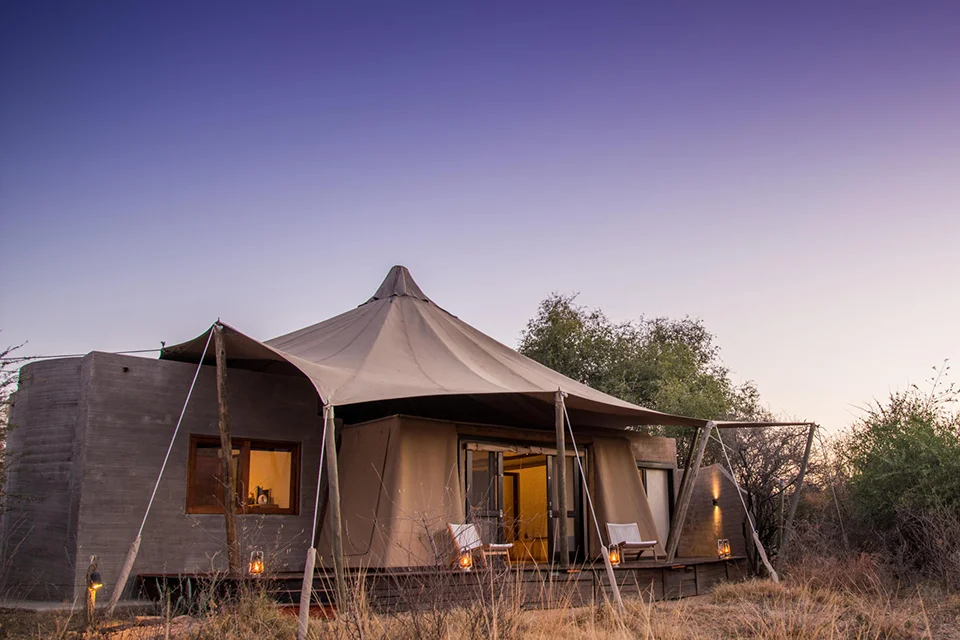
Kwandwe in the Eastern Cape, Marataba in the Waterberg and Madikwe near Botswana offer malaria-free Big Five wildlife viewing, short domestic flights and farmhouse-style family suites. Both work well for grandparents managing mobility concerns and parents travelling with children under six.
Kenya and Tanzania for culture and the Great Wildebeest Migration
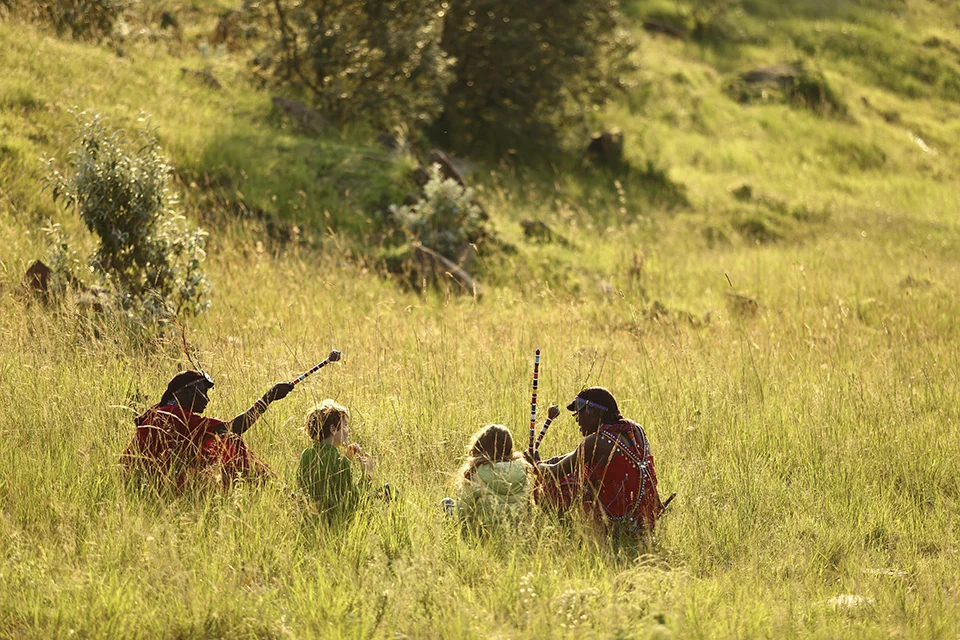
The Maasai Mara and Serengeti add depth beyond wildlife activities, including guided Maasai community visits and, from July to October, the Great Migration crossing the Mara River. Older children tend to engage more with the cultural layers here. Stefan Winterboer, Africa Geographic's Kenya safari expert, says of Angama Mara: “My time at Angama Mara was utterly astounding. The Lodge's view is simply breathtaking. The scale of the care shown to their guests, and to their staff and local community, is truly humbling and wonderful.”
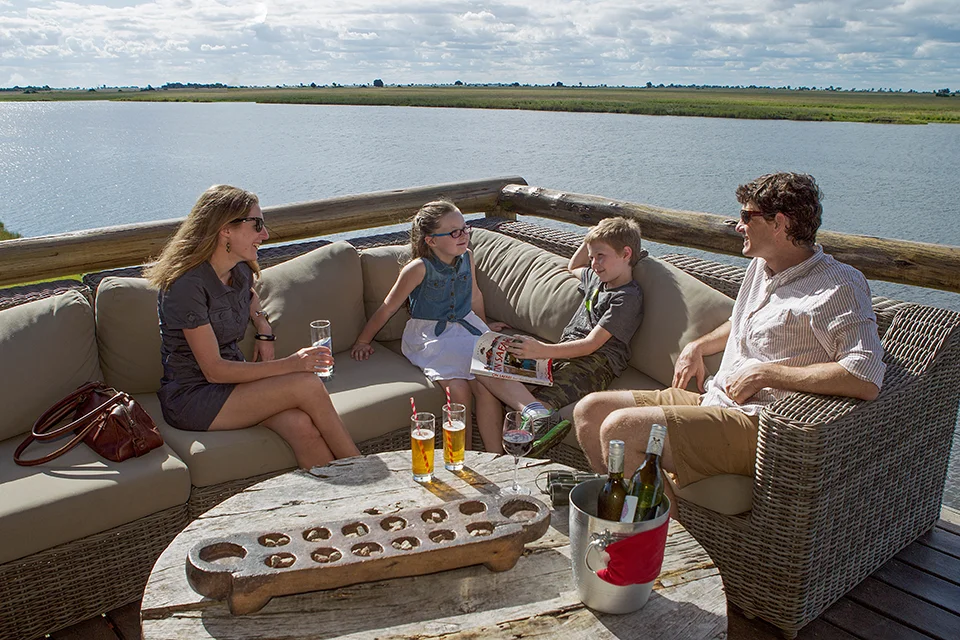
Botswana's private concessions for active families
The Okavango Delta and Chobe suit families with teenagers wanting longer walks, mokoro trips and remote lodges with fewer other guests. Fly-in transfers between concessions also cut down on long road journeys. Benjamin, Africa Geographic Botswana safari expert, points to Chobe Game Lodge: “Chobe Game Lodge, the only lodge inside the park, offers whisper-quiet safaris with electric boats and vehicles. Don't miss the eco back-of-house tour, a rare glimpse into how the lodge champions sustainable luxury.”
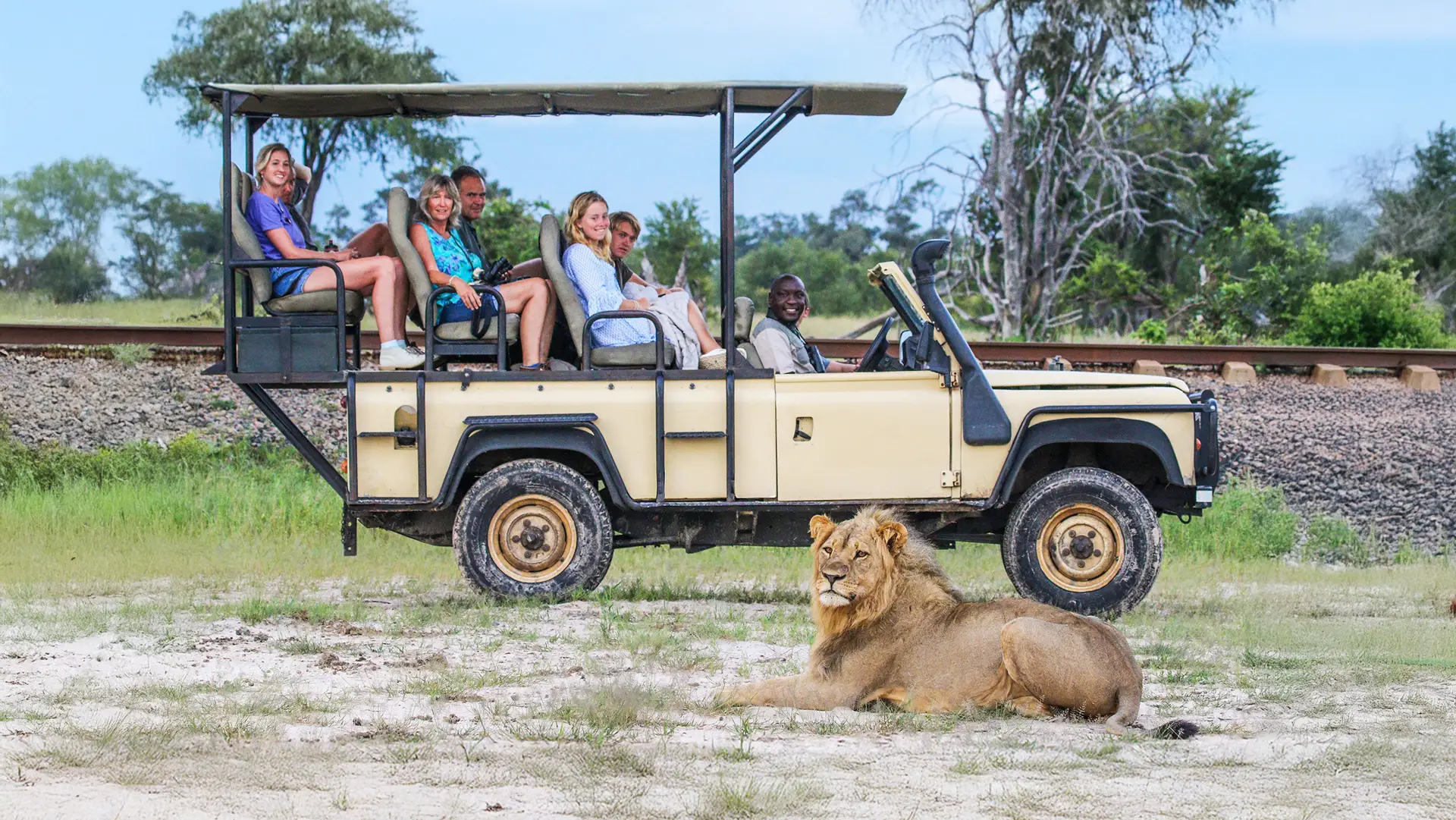
Lodges built for multi-generational stays
Family suites and interconnecting rooms
Lodges designed for families typically offer two or three-bedroom suites with a shared lounge, or interconnecting rooms with a private entrance for each generation. This lets grandparents retire early while teenagers stay up for stargazing, without anyone feeling cut off. Marataba and Kwandwe both offer dedicated family villas along these lines.
Dedicated kids' programmes and ranger-led activities
Several lodges run supervised programmes for younger children, including junior ranger training and short tracking walks. That access holds a child's attention longer than a standard drive.
What to look for in a family-friendly lodge
Interconnecting rooms or multi-bedroom family villas, so generations stay close but separate
A fenced or shallow pool kept apart from the main waterhole or river frontage
Flexible mealtimes and a children's menu alongside the main dining option
Guides experienced at reading a game drive for a child's attention span
A minimum age policy stated upfront, so no one is caught out on arrival
A dedicated family concierge who can adjust the itinerary once you have arrived
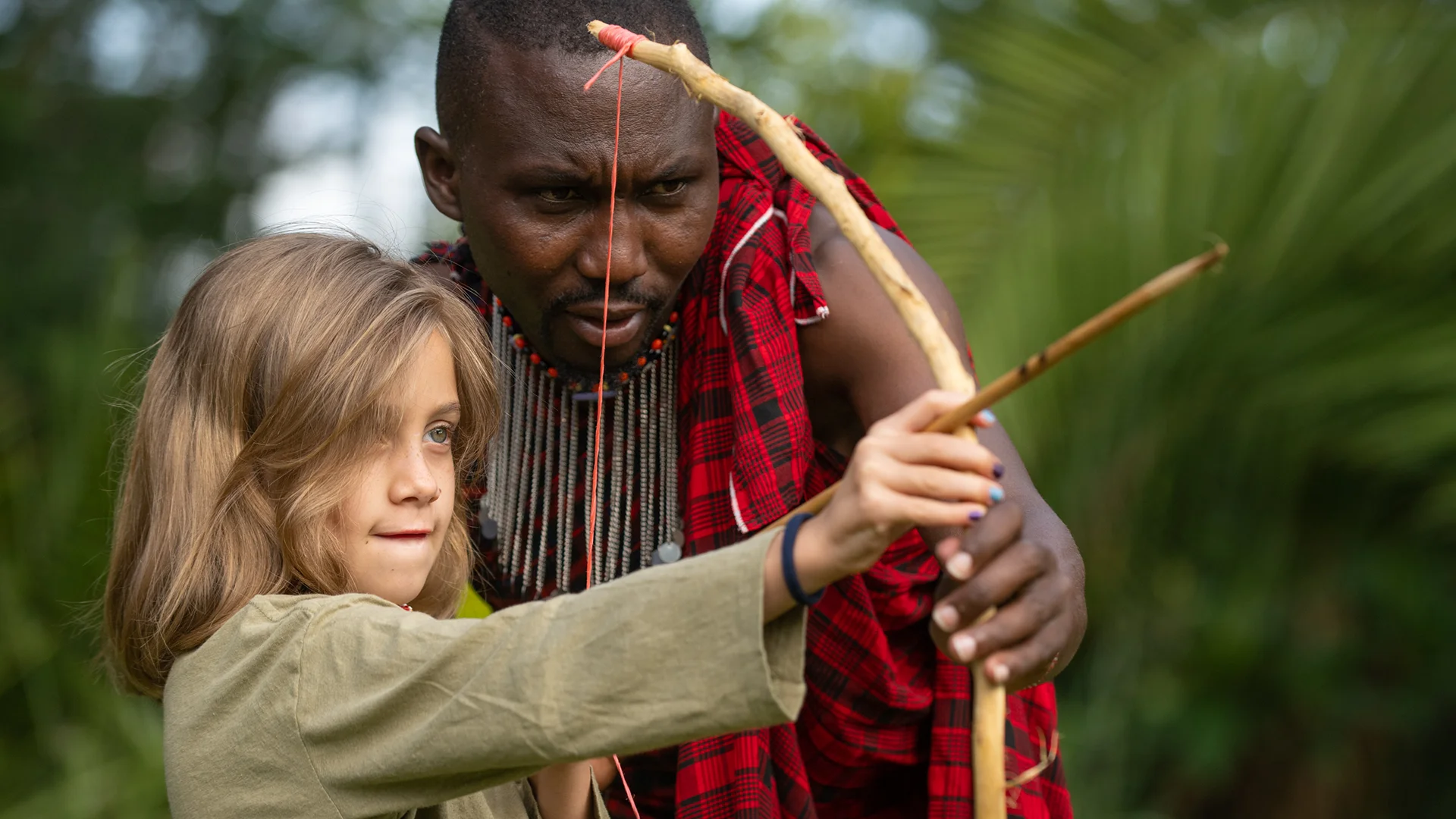
Activities that work for every age group
Wildlife activities paced for young children
Short game drives, hide visits and guided nature walks around the lodge keep younger children engaged without the fatigue of a full-day outing. Many family lodges also offer junior tracking sessions, where children learn to read spoor and dung with a ranger.
Adventure options for teenagers and young adults
Teenagers tend to respond best to activities with a physical or skill-based element: night drives, fishing, mountain biking on private reserves, or a guided walking safari with an armed ranger.
Family activities beyond the wildlife drive
Guided walks with a tracker, suited to children old enough to stay quiet
Mokoro or boat cruises across the Okavango Delta or on the Chobe River
Cultural visits to Maasai or San communities, arranged respectfully
Stargazing sessions with a guide, popular with all three generations
Junior ranger courses covering tracking, birding and basic first aid
Fishing, canoeing or mountain biking on selected private reserves
Wish you were here?
Practical planning for a multi-generational trip
Malaria risk and health planning
Malaria prophylaxis is not recommended for very young children or those with certain health conditions, which is why South Africa's malaria-free reserves are often the safer starting point for a first family safari. Families travelling to Kenya, Tanzania or northern Botswana should discuss antimalarial options with a travel doctor beforehand.
Flights, transfers and pacing the itinerary
Long-haul flights, internal flights and road transfers add up quickly with three generations travelling together, so a night near the arrival airport before heading into the bush reduces fatigue. Fly-in safaris cut road time between reserves, which matters more for grandparents and toddlers than for older children.
Packing essentials for a family safari
Neutral-coloured clothing in breathable fabric, layered for early mornings
Broad-spectrum sunscreen and insect repellent suited to young skin
A basic first aid kit, including remedies for motion sickness
Binoculars sized for smaller hands, so children can join every sighting
Copies of vaccination records and any prescribed antimalarial medication
Power banks and offline entertainment for long transfer days
Family safari frequently asked questions
Most family-focused lodges accept children from around six years old, though several malaria-free reserves in South Africa welcome younger children too. Below six, shorter game drives, quieter lodges and reserves without malaria risk tend to work better than long days in a vehicle in higher-risk regions. Africa Geographic's safari experts can match minimum age policies and activity pacing to your youngest traveller before you book.
Most safari lodges set a minimum age of six for shared game drives, so families travelling with younger children typically need to book a private vehicle instead, at an additional cost above the standard per-person rate. A private vehicle also allows the day to flex around a toddler's nap or attention span, rather than following a fixed group schedule. Africa Geographic's safari experts can confirm which lodges offer this option and what it adds to a family itinerary.
South Africa offers several malaria-free options, including Kwandwe in the Eastern Cape and Marataba in the Waterberg, both combining Big Five wildlife viewing with family suites and short domestic flights. The Western Cape and the Madikwe and Pilanesberg reserves are also malaria-free. Kenya, Tanzania and Botswana carry a malaria risk, so a travel doctor's advice is essential before booking a family trip there.
Greater Kruger and its private reserves suit families who want flexible lodge options, shorter flights, and a strong Big Five track record, while Kenya and Tanzania add cultural safaris and, in season, the Great Migration. Families with very young children or first-time travellers often start with Greater Kruger or a malaria-free reserve, then consider Kenya or Tanzania once children are a little older.
Rates typically start from around US$700 per person per night on a fully inclusive basis, covering meals, house drinks and guided activities, though family suites and malaria-free reserves can sit above this. Costs vary by season, lodge category and whether flights between reserves are included. Africa Geographic's safari experts can build a family itinerary to a set budget across several destinations and lodge types.
Many family-oriented lodges run junior ranger programmes, tracking walks and conservation talks designed for children, usually alongside a qualified guide rather than a general childminder. Chobe Game Lodge in Botswana, for example, pairs quiet electric game drives with a behind-the-scenes eco tour that appeals to curious children. Availability varies by lodge, so confirm programme details and age ranges before booking.
A minimum of five to seven days allows time to settle into one or two reserves without excessive travel between them, which matters more for young children and grandparents than for older travellers. Longer itineraries of ten to fourteen days work well for families combining a malaria-free reserve with a second destination, such as Kenya's Maasai Mara or Botswana's Okavango Delta.
Requirements depend on the destination and each child's medical history, so a visit to a travel doctor six to eight weeks before departure is recommended for all family safaris. Routine travel vaccinations should also be reviewed well ahead of the trip.
The dry season, from May to October, offers the most reliable wildlife viewing as animals concentrate around water sources. This period overlaps with school holidays in several source markets, so family suites at popular lodges book out furthest in advance. Families able to travel just outside school holidays often secure better rates and more availability across the same reserves.
Start planning your dream safari
Our travel experts will craft a no-obligation itinerary just for you. We have crafted over 5,000 safaris since 1991. Your personal details are protected; we only use this information to contact you.
Why book your safari with us?

Deep Experience & Knowledge
Handcrafted experiential safaris since 1991.
Travel in Africa is about knowing when and where to go, and with whom. A few weeks too early/late or a few kilometres off course, and you could miss the greatest show on Earth. And wouldn’t that be a pity?

Trust & Safety

Make A Difference
We donate a portion of the revenue from every safari sold to carefully selected conservation projects that make a significant difference at ground level.
YOUR safari choice does make a difference - thank you!