

Tailor-made safaris. Since 1991



Hluhluwe-iMfolozi Park: Zululand's rhino stronghold
Hluhluwe-iMfolozi Park at a glance:
Location: Remote in Zululand, KwaZulu-Natal, South Africa | Access from Durban: ~3 hours by road via the N2, or fly to Richards Bay (~1 hour transfer) |
Size: 96,000 hectares | Best time to visit: June-September (dry winter) |
Established: Proclaimed 1895, Africa's oldest reserve | Malaria risk: Seasonal, highest October-May, low June-September |
Nearest city: Durban, roughly 3 hours south by road | Sections: Hluhluwe (north) and iMfolozi (south), joined by a corridor |
Why visit Hluhluwe-iMfolozi Park?
Hluhluwe-iMfolozi Park is Africa's oldest proclaimed nature reserve, its story inseparable from the survival of the white rhinoceros. Proclaimed in 1895 in the heart of Zululand, this landscape of thorny acacia and grassland valleys once served as the royal hunting grounds of King Shaka. Today it protects one of the densest concentrations of both black and white rhino left on the continent, alongside the full Big Five roster of lion, leopard, elephant, buffalo and rhino, a conservation legacy few reserves anywhere can rival.
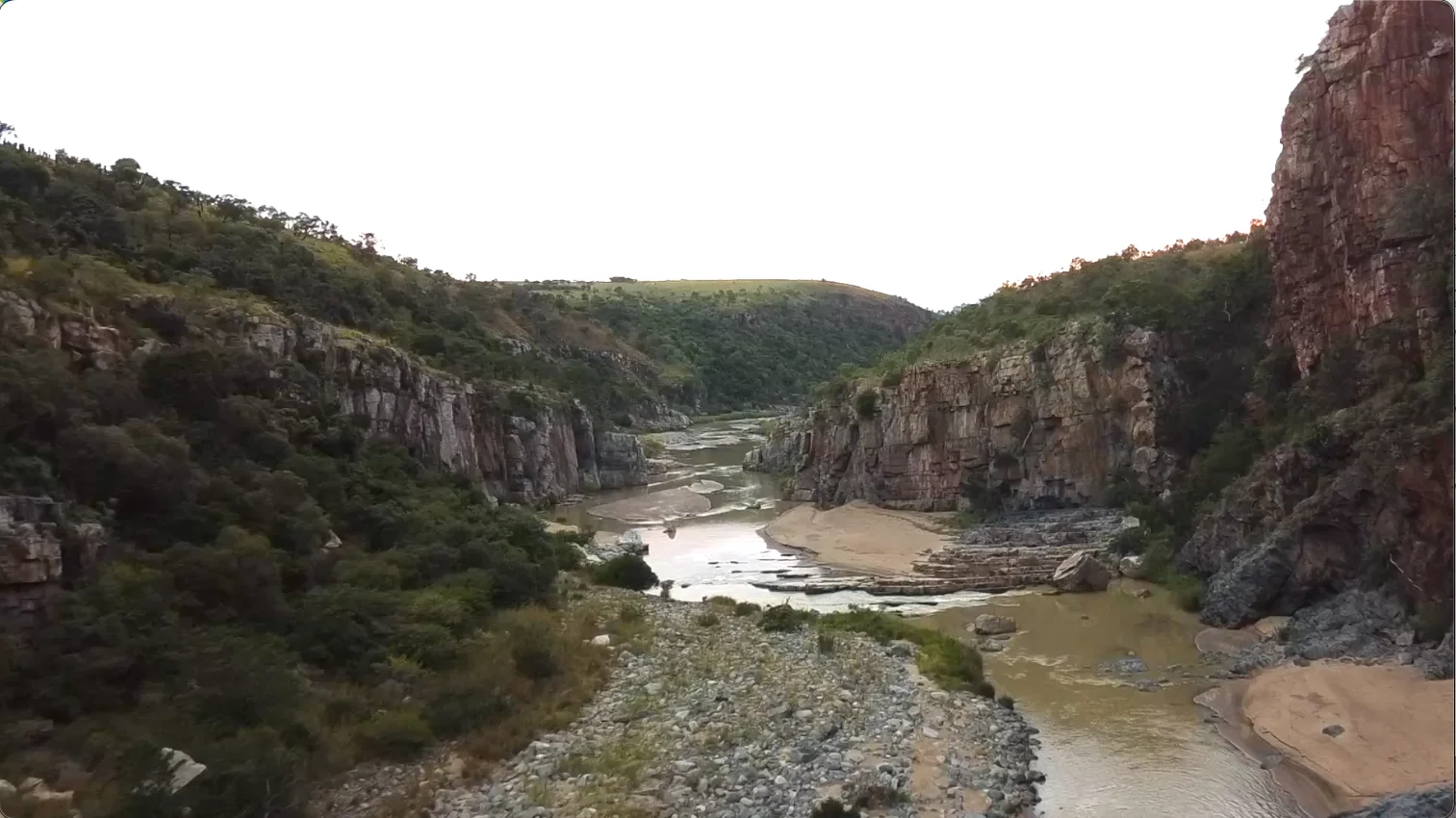
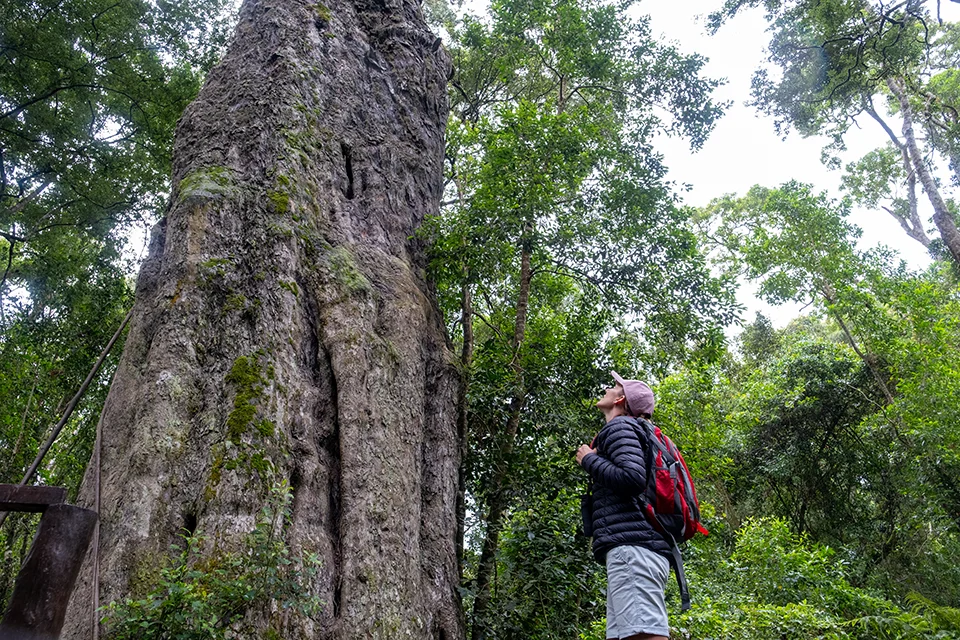
What sets Hluhluwe-iMfolozi apart is its intimacy. Compact compared with the vast Kruger lowveld, and only about three hours from Durban, it delivers rhino sightings other reserves cannot match, alongside wild dogs (painted wolves), cheetah, giraffe and nyala across two distinct landscapes. The northern Hluhluwe section is hillier and greener, prized for rhino, elephant and leopard. The southern iMfolozi section is drier and more open, home to multi-day wilderness trails where guests walk through roadless terrain guided by armed field rangers, sleeping under open Zululand skies far from any road. Over 400 bird species round out a destination built for travellers seeking authentic, uncrowded Big Five wildlife.
5 Reasons We Love Hluhluwe-iMfolozi Park
Africa's oldest reserve: Proclaimed in 1895, it is the birthplace of Operation Rhino and Africa's longest-running protected wilderness.
Rhino sightings unrivalled elsewhere: Home to one of the densest concentrations of black and white rhino found anywhere on the continent.
Two landscapes, one park: Hilly, green Hluhluwe in the north and open, dry iMfolozi in the south offer contrasting Big Five habitats.
Wilderness on foot: Multi-day walking trails through iMfolozi's roadless interior deliver a rare, ranger-guided immersion in true wild bush.
Coast within easy reach: Just three hours from Durban, pairing effortlessly with St Lucia, Sodwana Bay and the Elephant Coast.
All You Need to Know About Hluhluwe-iMfolozi
About Hluhluwe-iMfolozi Park
Hluhluwe-iMfolozi Park lies in the heart of Zululand, roughly three hours north of Durban by road. Originally two separate reserves, Hluhluwe and iMfolozi, now joined by a connecting corridor, the park spans some 96,000 hectares of rolling hills, riverine forest and open savanna. iMfolozi, in the south, was the base for Operation Rhino in the 1950s and 1960s, the programme largely responsible for saving the white rhino from extinction. The Black and White iMfolozi Rivers cross its lower-lying, more open terrain, while the northern Hluhluwe section rises into forested, greener hills known for excellent wildlife and bird spotting. Ezemvelo KZN Wildlife manages the park, along with the province's other protected areas, running guided drives and walks that reveal Zululand's rich Iron Age and Zulu Kingdom history throughout the reserve.
Things to Do in Hluhluwe-iMfolozi Park
Game drives: Traverse Hluhluwe's spectacular circuits in open safari vehicles for classic Big Five sightings across rolling savanna and forest.
Walking safaris: Explore the Imfolozi wilderness area on foot, tracking smaller wildlife and learning to read fresh spoor with expert guides.
Multi-day wilderness trails: Spend days walking iMfolozi's roadless interior, sleeping at simple trail camps beside the Black and White iMfolozi rivers.
Rhino tracking: Follow guides through dense bushveld to witness the results of Operation Rhino, the world's densest white rhino population.
Birdwatching: Scan over 400 recorded species from dedicated shelters scattered throughout the park's varied ecosystems.
Self-drive exploration: Navigate a good network of roads at your own pace, discovering hides and picnic spots across both sections.
What Wildlife Can I See in Hluhluwe-iMfolozi Park?
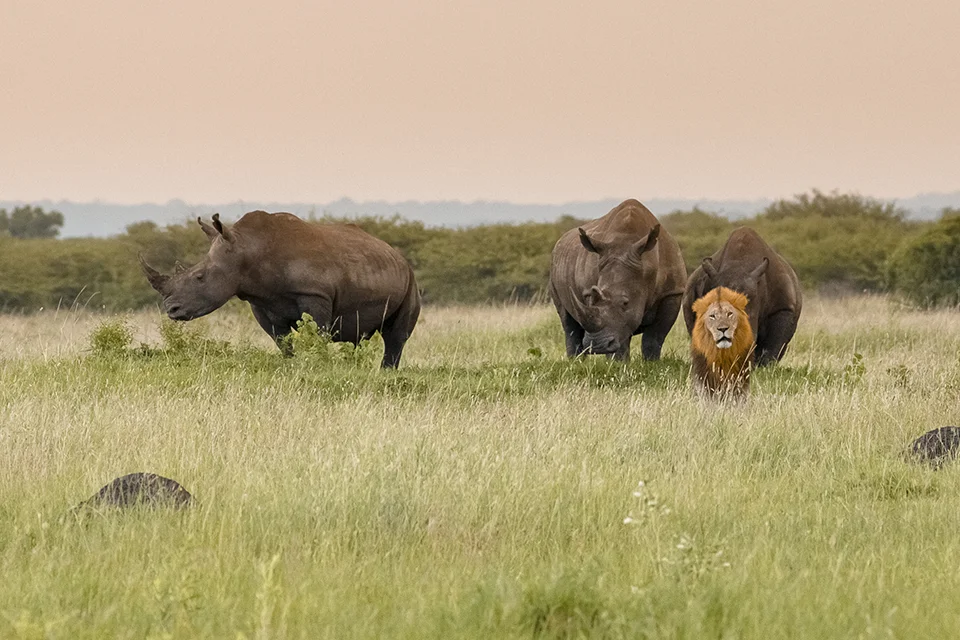
Rhino: Home to one of the world's largest white rhino populations, alongside black rhino, the direct legacy of Operation Rhino conservation.
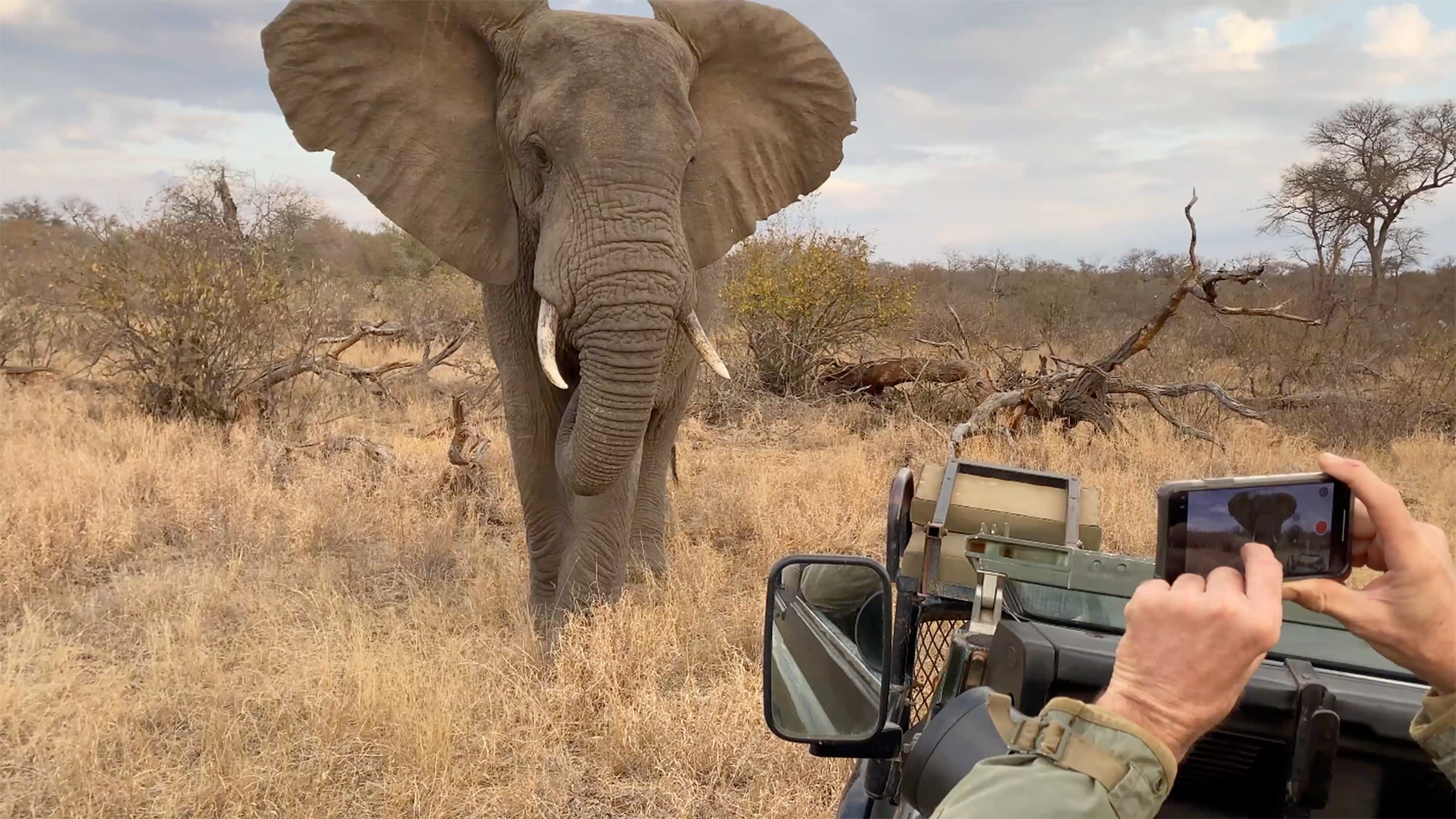
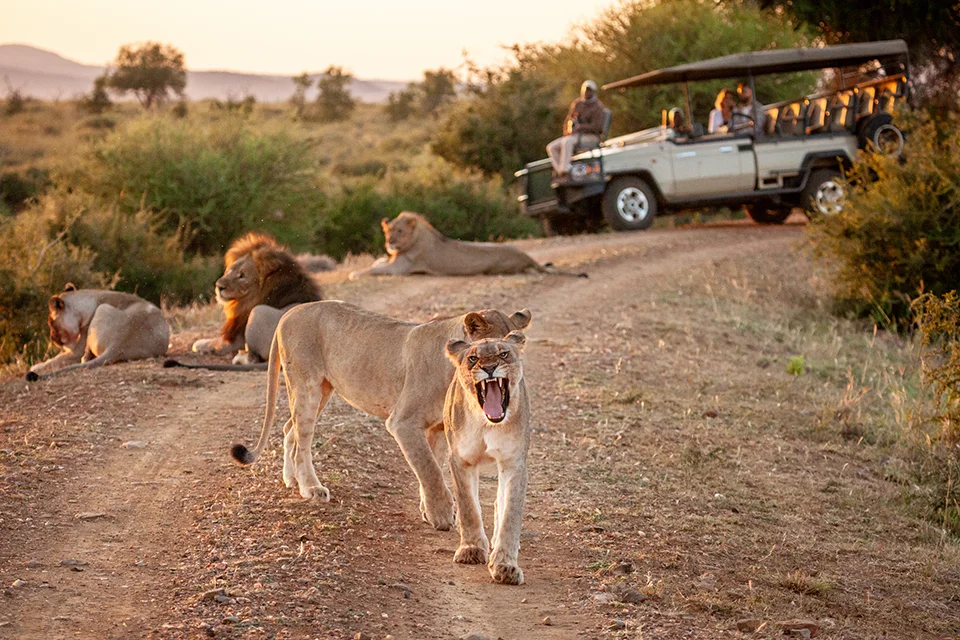
Big Five: Lion, leopard, elephant, buffalo and rhino all roam the park, making it one of the most reliable Big Five destinations in Africa.
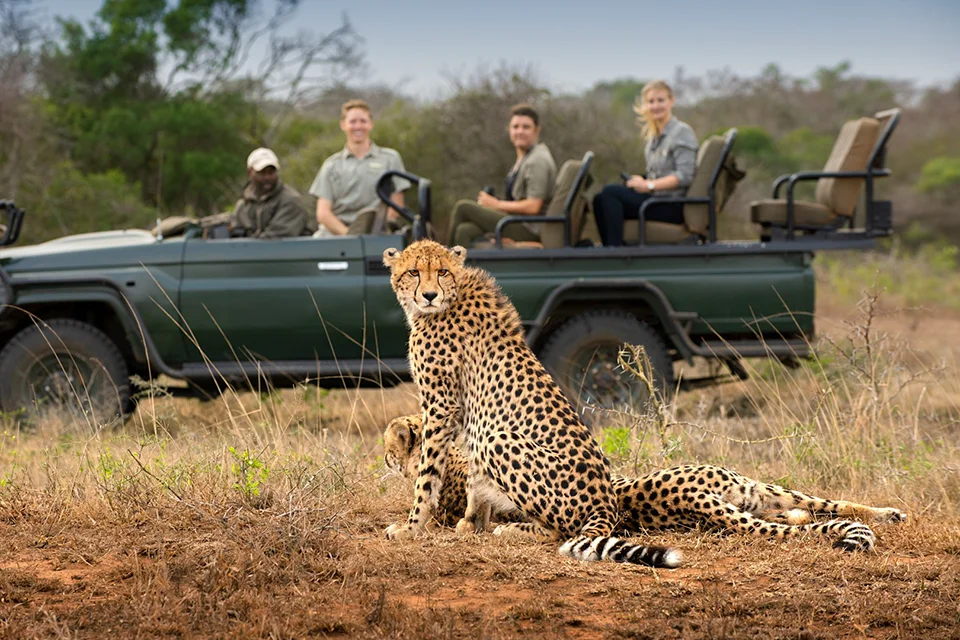
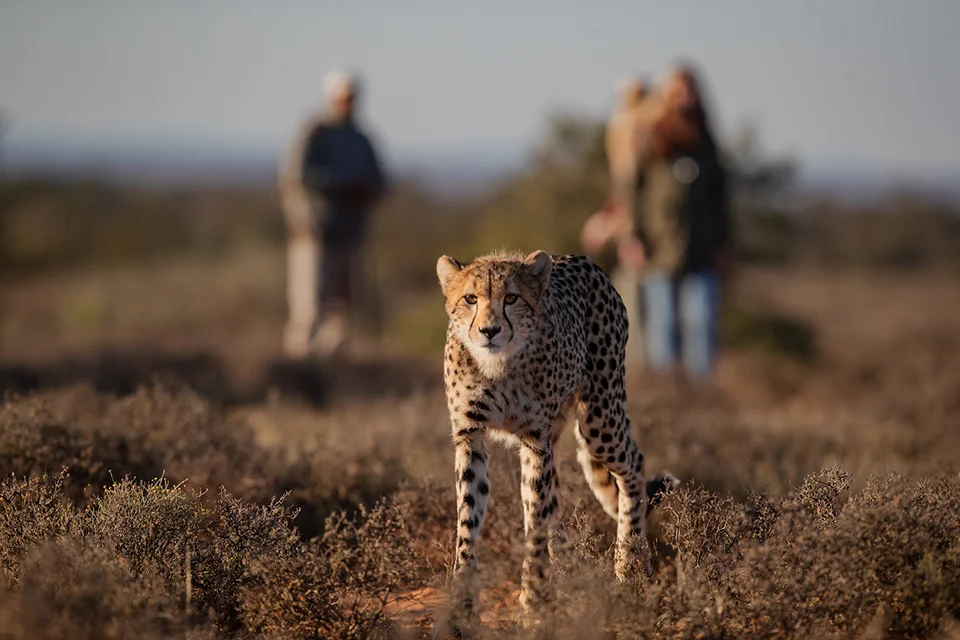
Wild dogs and cheetah: Beyond the Big Five, keep watch for African wild dogs (painted wolves), cheetah, spotted hyena and other predators.
Plains species: Giraffe, nyala, wildebeest and waterbuck graze the hills and valleys, providing rich sightings between predator encounters.
Birdlife: Over 400 bird species can be observed from purpose-built hides, including southern ground-hornbill, crowned eagle, several vulture species, African finfoot, gorgeous bush-shrike and pink-throated twinspot
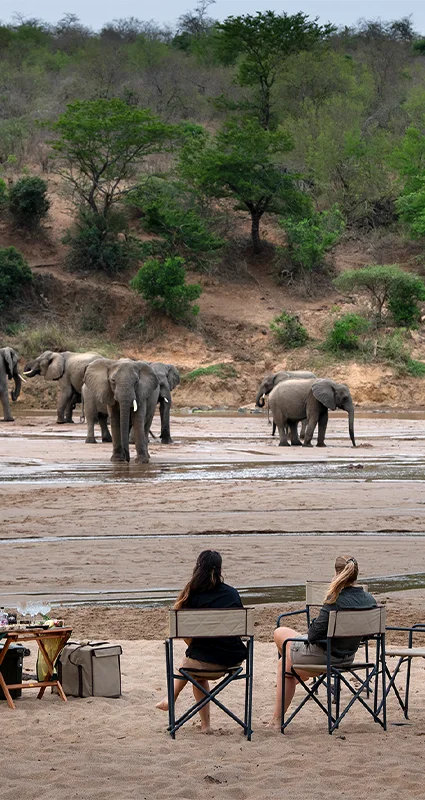
Hippo and crocodile: The Black and White iMfolozi rivers support hippo and crocodile populations within the park's lower-lying terrain.
Where to Stay in Hluhluwe-iMfolozi Park
Hluhluwe-iMfolozi Park offers accommodation to suit every style of safari, from Ezemvelo KZN Wildlife-run rest camps inside the reserve to private lodges bordering its wilderness.
Hilltop Camp is the park's flagship overnight base, run by KZN Wildlife within the Hluhluwe section. It offers a range of stays, from ensuite chalets to self-catering rondavels and family units, alongside a restaurant, bar, swimming pool and conference facilities, all set with sweeping views over the surrounding forested hills.
Mpila Camp and Mthembu Lodge sit within the drier, more open iMfolozi section to the south, offering rest camp-style stays close to the multi-day wilderness trails and the historic landscape where Operation Rhino once unfolded along the Black and White iMfolozi rivers.
For a more private, upmarket experience, Biyela Lodge sits on a spectacular bend of the White Imfolozi River within the Imfolozi section, offering an intimate base in the heart of this pristine 96,000-hectare wilderness, ideal for travellers pairing bush time with the nearby KwaZulu-Natal coastline.
Rhino Ridge Safari Lodge occupies its own private section of Hluhluwe-iMfolozi Park, delivering spectacular scenery and excellent Big Five safari opportunities in a more luxurious, design-led setting than the park's public rest camps.
Trusted by thousands of ecstatic travellers
✔️ 5-Star Trustpilot Rating ✔️ Condé Nast Travel Specialist Award Winner
✔️ Accredited by SATSA ✔️ 5,000+ Exceptional Safaris Since 1991
Why choose Africa Geographic to plan your safari?

"...our personal travel agent from AG - compiled a superb mixture of bush and beach for us. It was a magical trip, including a home stay at a lovely Zulu family. We highly recommend the service of..."
"The most amazing bucket list vacation ever. Everything was planned, organized and...I didn’t have one worry or concern while on another continent. I completely trust the folks at Africa Geographic to plan all future trips!"
"Extraordinary experience. Every detail was thoughtfully arranged. I felt taken care of from start to finish. From the breathtaking wildlife to the incredible guides and accommodations everything exceeded my expectations."
Wish you were here?
Frequently asked questions
The dry winter months from June to September offer the best wildlife viewing, when thinner vegetation and fewer water sources concentrate animals for easier spotting.
Most visitors fly into King Shaka International Airport in Durban, then drive roughly three hours north on the N2 to the park, or via Richards Bay Airport, about an hour's drive away.
The park sits within a seasonal malaria zone, with risk highest from October to May. Risk is much lower during the dry winter months of June to September.
The northern Hluhluwe section is hillier, greener and known for rhino, elephant and leopard sightings. The southern iMfolozi section is drier, more open and home to multi-day wilderness walking trails.
Yes. Lion, leopard, elephant, buffalo and rhino are all present, alongside wild dogs, cheetah, giraffe, nyala and over 400 bird species.
It was the base for Operation Rhino in the 1950s and 1960s, the programme largely responsible for saving the white rhino from extinction, and today holds one of the world's densest rhino populations.
It is Africa's oldest proclaimed nature reserve, originally declared in 1895, making its conservation history longer than any other reserve on the continent.
Guests can join walking safaris in the Imfolozi wilderness area, undertake multi-day wilderness trails, or explore independently along the park's network of self-drive roads.
Kruger is far larger with more lodges and accommodation choice. Hluhluwe-iMfolozi is more compact, less crowded, and offers the best white rhino sighting probability in Africa.
It is a guided walking experience through iMfolozi's roadless interior, where guests spend several days on foot, sleeping at simple trail camps beside the Black and White iMfolozi rivers.
Options range from KZN Wildlife rest camps such as Hilltop Camp, Mpila Camp and Mthembu Lodge to private options including Biyela Lodge and Rhino Ridge Safari Lodge.
Yes. The park's location roughly three hours from Durban makes it easy to combine with the coastline and wetlands of the wider KwaZulu-Natal region.
The park lies in the heart of old Zululand and was once the royal hunting grounds of King Shaka, with a landscape shaped by centuries of Zulu history.
Self-catering accommodation in Ezemvelo KZN Wildlife-run rest camps starts at R990 per person, per night, depending on the accommodation comfort level, and time of year. Food and activities cost extra. Luxury lodges in the park start about R4,350 per person, per night, including accommodation, all meals, game drives, experienced guides, and 24/7 support from our team.
Click here to schedule a no-obligation call with one of our Safari Experts or fill in our 2-minute form with your questions. Our team of experts are here to help! Whether you’re curious about the best time to travel, want to hear first-hand about an experience or need help planning your safari.
Explore more African destinations
Start planning your dream safari
Our travel experts will craft a no-obligation itinerary just for you. We have crafted over 5,000 safaris since 1991. Your personal details are protected; we only use this information to contact you.
Why book your safari with us?

Deep Experience & Knowledge
Handcrafted experiential safaris since 1991.
Travel in Africa is about knowing when and where to go, and with whom. A few weeks too early/late or a few kilometres off course, and you could miss the greatest show on Earth. And wouldn’t that be a pity?

Trust & Safety

Make A Difference
We donate a portion of the revenue from every safari sold to carefully selected conservation projects that make a significant difference at ground level.
YOUR safari choice does make a difference - thank you!