

Tailor-made safaris. Since 1991



Spot the Big 5, Little 5, Shy 5 and Ugly 5
A Big 5 safari is one of the most sought-after wildlife experiences on earth, and for good reason: lion, leopard, elephant, buffalo and rhino together represent some of the most impressive animals in Africa. But the term ‘Big 5’ was coined by hunters in the nineteenth century, not by ecologists, and the five species it names are only a fraction of what a well-chosen safari will deliver. The ecosystem surrounding those five animals is layered, diverse and often more surprising than the flagship sightings themselves.
This article sets out what travellers can realistically expect from a Big 5 safari, covers the wildlife beyond the headline species, and explains how Africa Geographic approaches destination selection for the broadest, most rewarding experience.
Speak to an Africa Geographic safari expert
What the Big 5 actually are
The Big 5 – African lion (Panthera leo), African leopard (Panthera pardus), African elephant (Loxodonta africana), Cape buffalo (Syncerus caffer) and rhinoceros (both white, Ceratotherium simum, and black, Diceros bicornis) – were originally classified together because they were considered the most dangerous animals to hunt on foot in Africa. Today, the term has been entirely repurposed for wildlife tourism and conservation, and all five species are protected across most of their range.
Rhino are the most difficult of the five to see reliably. Black rhino populations are critically endangered – fewer than 6,500 remain in the wild globally – while white rhino populations are more stable but still heavily guarded on most reserves.
Safaris we love
A Big 5 safari that also delivers wild dog, cheetah, and perhaps even the Little 5 requires the right destination and the right timing. These three Africa Geographic safaris cover all of it:
MalaMala and Madikwe Big 5 safari: South Africa's two finest Big 5 reserves back to back: MalaMala in the Sabi Sand, unfenced with Kruger and with some of the highest leopard sighting rates in Africa, combined with malaria-free Madikwe. 8 days. View safari →
Kenya Big 5 – Laikipia and Maasai Mara: Laikipia's conservancies hold rhino, wild dog, reticulated giraffe and Grevy's zebra, while the Maasai Mara delivers the Big 5 alongside the Great Migration. 10 days. Explore safari →
Classic Botswana Big 5 safari: The Okavango Delta and Chobe in one itinerary, covering elephants, lion, leopard and wild dog in one of Africa's most biodiverse landscapes. 9 days. Check out this safari →
What else your safari will show you
The broader savannah cast
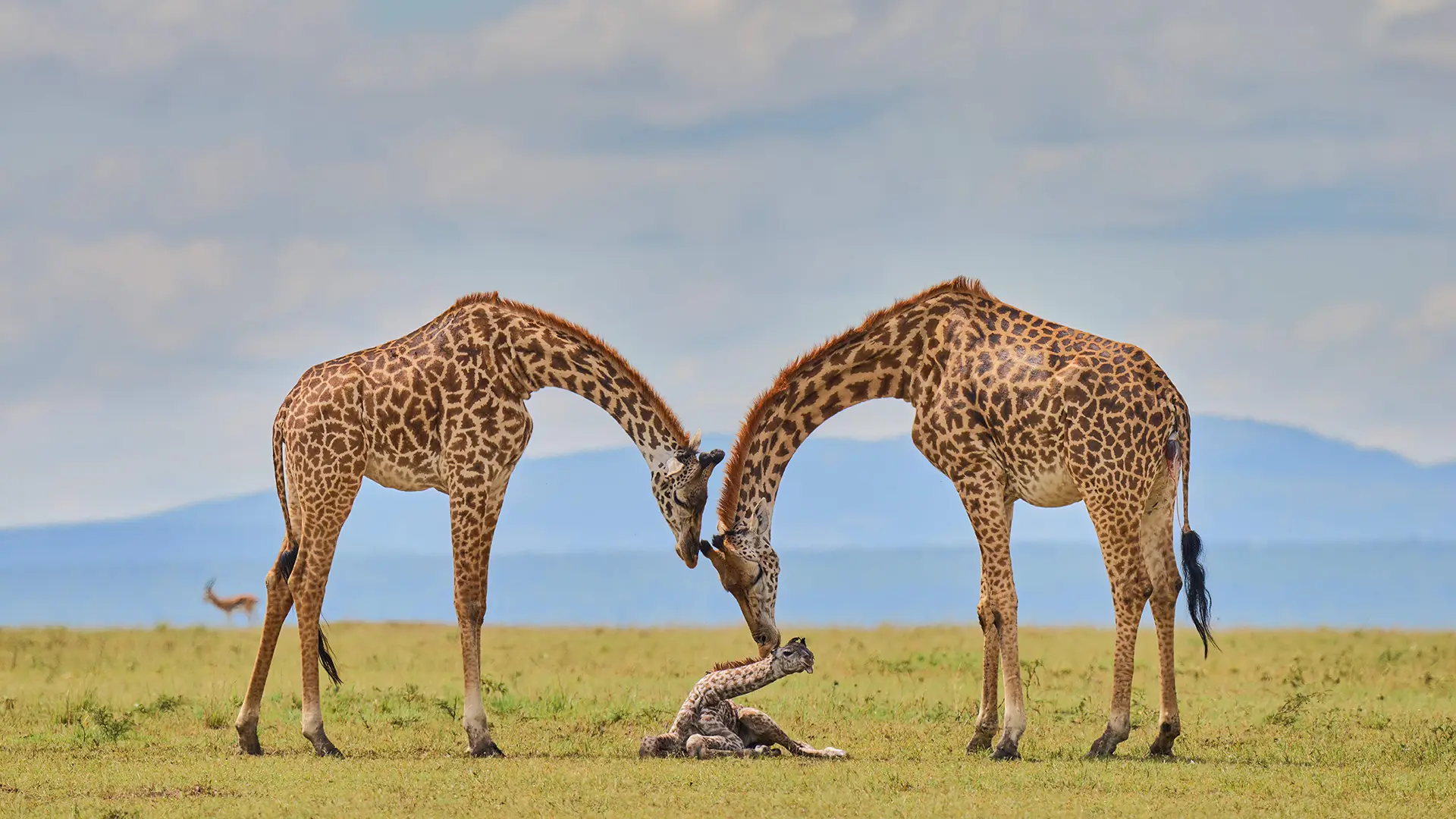
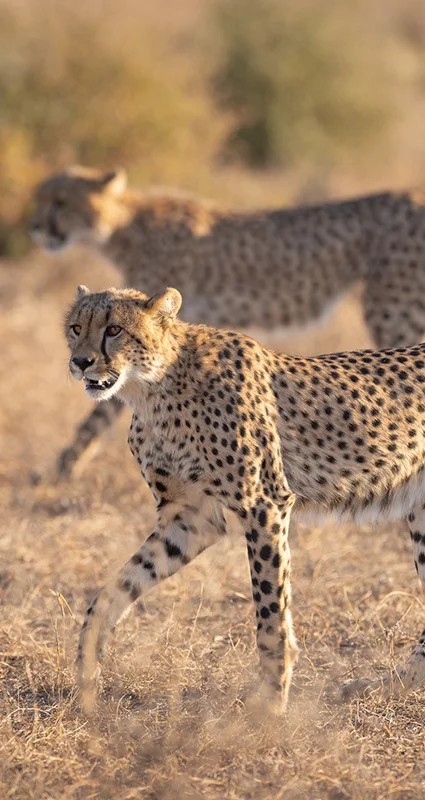
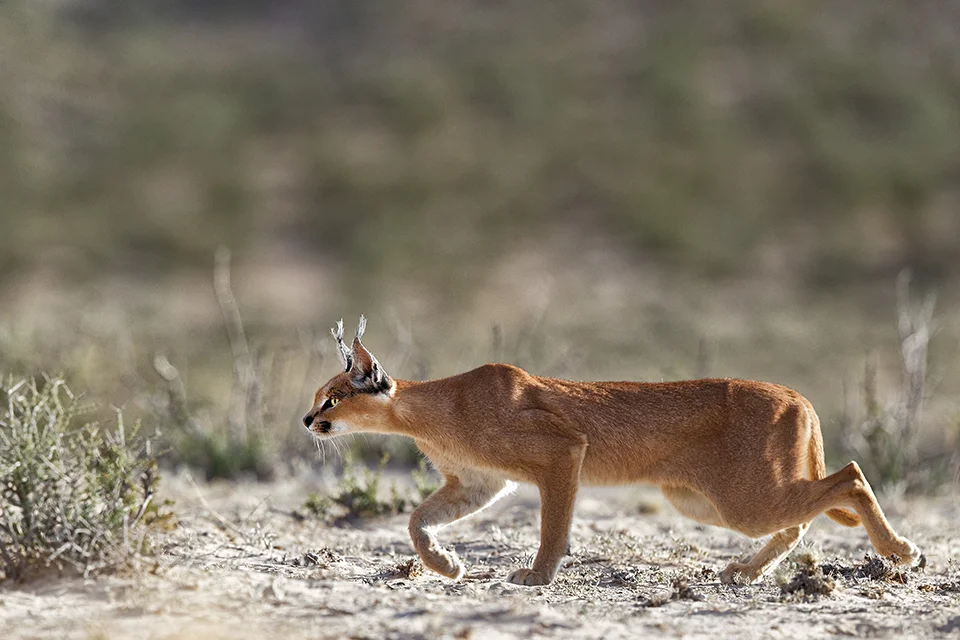
Beyond the Big 5, a standard game drive in many of Africa's major reserves will introduce travellers to spotted hyena, cheetah, African wild dog, giraffe, plains zebra, hippopotamus, Nile crocodile, common warthog, impala, kudu, waterbuck, wildebeest and numerous raptor species. And these species can bring their own wonders, too. Take wildebeest, for example: In the Maasai Mara and Serengeti ecosystems, the wildebeest migration – in which 1.5 million animals cross between Tanzania and Kenya between July and October – is the largest overland wildlife movement on the planet. Luis Gama, Africa Geographic's East Africa safari expert, describes the experience: "In Laikipia, I locked eyes with endangered rhinos, a moment of pure awe. Then the Maasai Mara stole my heart – floating above elephants at dawn and sleeping to lions' wild serenade."
The Little 5 – a family favourite
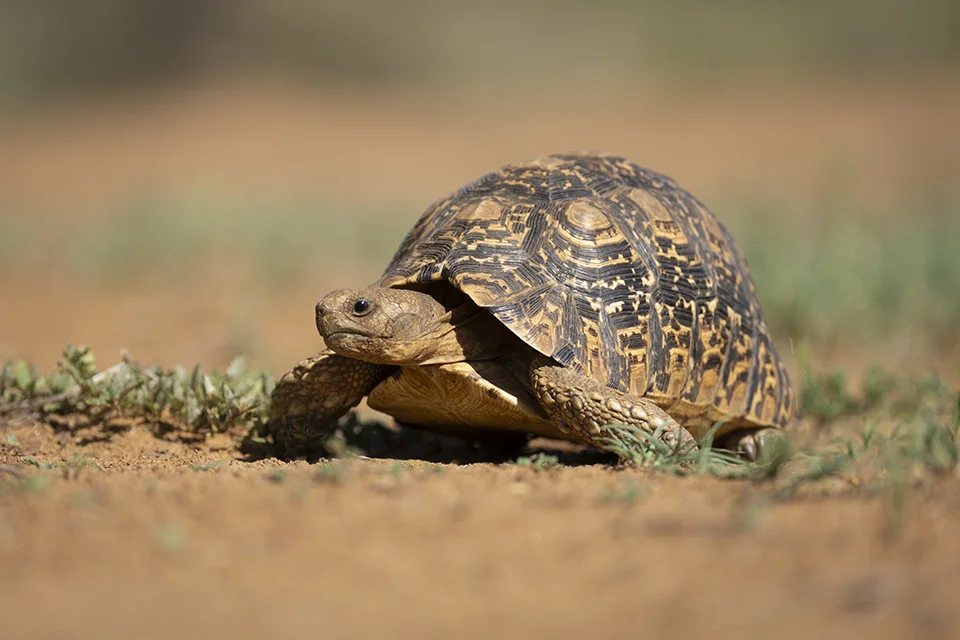
The Little 5 is a lighter counterpart to the Big 5, grouping five small species whose names echo the flagship animals: the red-billed buffalo weaver (bird), the elephant shrew (insectivore), the leopard tortoise (reptile), the ant lion (insect larva) and the rhinoceros beetle (insect). Spotting all five on a single safari requires patience and a sharp-eyed guide, making it an excellent game for younger travellers and a genuine test of observation for adults.
The Ugly 5
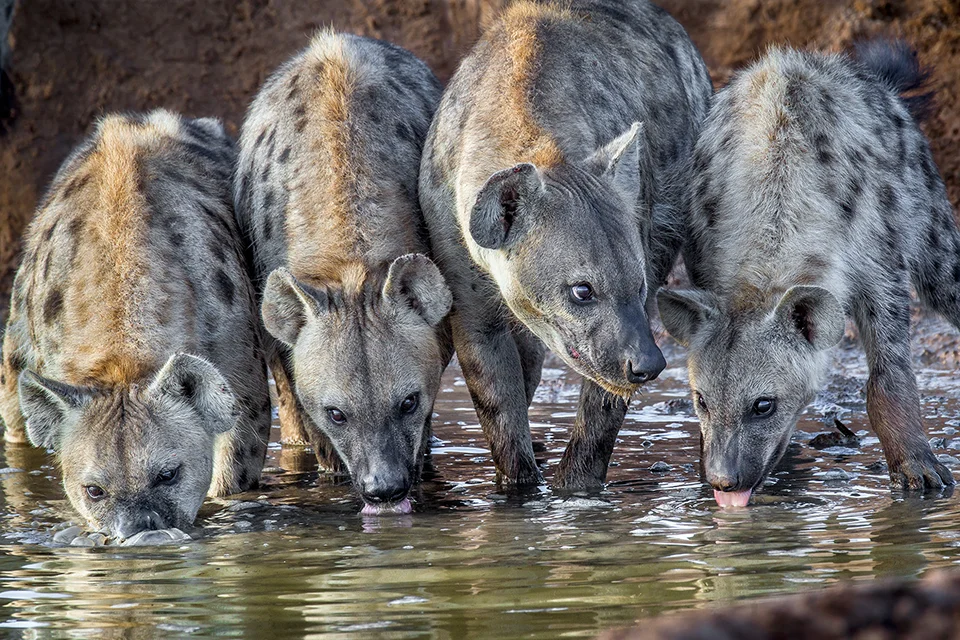
The Ugly 5 – wildebeest, warthog, spotted hyena, lappet-faced vulture and marabou stork – are species that rarely make the postcard but play essential roles in the ecosystem. Hyenas, for example, are highly effective hunters and key scavengers. Vultures and marabou storks are nature's sanitation system, consuming carcasses that would otherwise spread disease. Understanding their roles transforms an encounter from mildly amusing to genuinely instructive.
The Shy 5
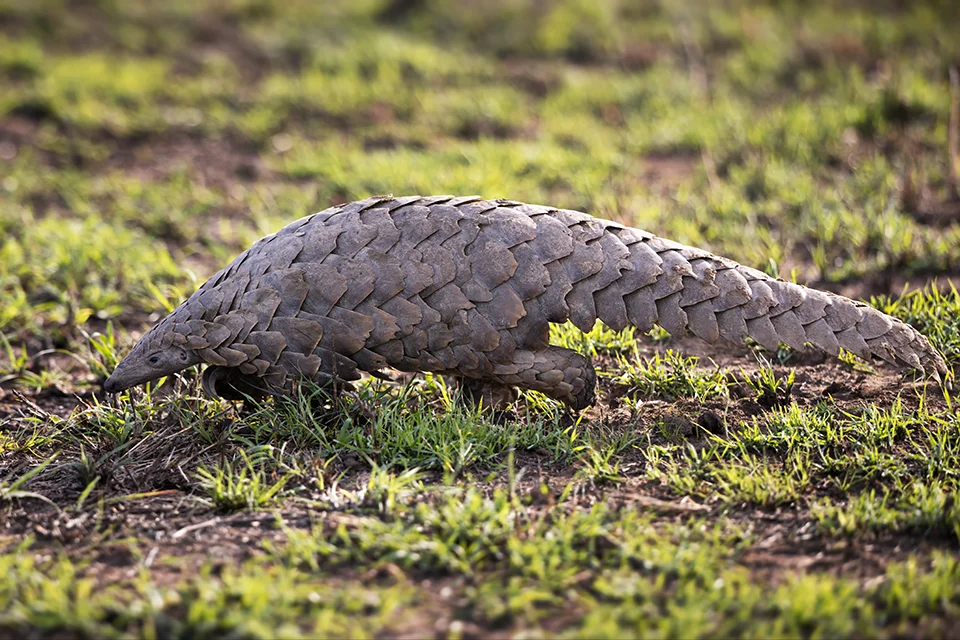
The Shy 5 – aardvark, meerkat, porcupine, bat-eared fox and pangolin – are nocturnal or elusive, making them among the most difficult to spot on safari. A pangolin sighting is one of the rarest wildlife encounters in Africa; these scaled mammals are the world's most trafficked wild animal and surviving populations are small and scattered. Seeing one on a night drive is considered exceptional even by experienced guides.
Wish you were here?
Choosing a destination for the full experience
Big 5 safari destinations – at a glance
Destination | Big 5 reliability | Standout species | Best for |
Greater Kruger (especially Sabi Sands), South Africa | Very high | Leopard | First-time Big 5 travellers; photography |
Madikwe, South Africa | High | Wild dog, rhino | Families; malaria-free |
Maasai Mara, Kenya | Very high | Lion, Great Migration | Migration; repeat safari-goers |
Laikipia, Kenya | High | Black rhino, leopard, wild dog | Off-the-beaten-track; conservation focus |
Okavango Delta, Botswana | Four of the Big 5 (rhino unlikely) | Leopard, wild dog, elephant | Wilderness; water-based safari |
Chobe, Botswana | Four of the Big 5 (rhino unlikely) | Elephant, lion | Elephant specialists; Botswana circuit |
Serengeti / Ngorongoro, Tanzania | Very high | Lion, black rhino | Migration; crater wildlife |
South Africa – Kruger, Sabi Sands and Madikwe
Greater Kruger – covering Kruger National Park and adjoining private reserves including Sabi Sands, Timbavati and MalaMala – is Africa's most accessible Big 5 destination and the most reliable for leopard sightings anywhere on the continent. Private concessions in Sabi Sands offer year-round off-road driving and night drives, dramatically increasing sighting opportunities. Madikwe Game Reserve in the North West is malaria-free, family-friendly and home to the Big 5, wild dog and cheetah. Our destination expert, Nadia Lautenbach, who guided in Madikwe for 17 years, describes it as "diverse, exciting, never dull".
Kenya – Maasai Mara and Laikipia
Kenya's Maasai Mara National Reserve delivers consistent Big 5 sightings year-round, with lion density among the highest in Africa. Between July and October, the Great Migration crosses the Mara River from the Serengeti, adding a wildlife spectacle that no other destination can replicate in quite the same way. Laikipia Plateau, to the north, offers a very different ecosystem: semi-arid, uncrowded, and home to the second-largest population of black rhino in Kenya alongside wild dog and reticulated giraffe. Africa Geographic recommends combining the two for the broadest Kenya wildlife experience.
Botswana – Okavango Delta and Chobe
Botswana's low-volume, high-value tourism model means fewer vehicles at sightings, larger concessions and more time in genuinely remote wilderness. The Okavango Delta – a UNESCO World Heritage Site – offers a water-based safari dimension unavailable elsewhere, with mokoro (dugout canoe) excursions through papyrus channels alongside traditional game drives. Chobe National Park holds one of Africa's largest elephant concentrations, while the Moremi Game Reserve within the Delta is one of the few places in Africa where wild dog, lion, leopard and cheetah overlap in the same ecosystem. While both the Okavango Delta and Chobe offer good sightings of four of the Big 5, travellers are unlikely to spot rhinos here.
Tanzania – Serengeti and Ngorongoro
The Serengeti ecosystem covers 30,000km2 and supports all Big 5 animals alongside the most dramatic wildlife spectacle on the planet – the annual wildebeest migration. The Ngorongoro Crater, a collapsed volcanic caldera 19 kilometres across, functions as a natural enclosure and delivers some of the most concentrated Big 5 viewing in East Africa, including a viable black rhino population. Tanzania is the right destination for travellers who want the migration as their centrepiece alongside reliable Big 5 encounters.
Frequently asked questions
A Big 5 safari in Africa targets lion, leopard, elephant, buffalo and rhino – five species historically considered the most dangerous to hunt on foot. In practice, a well-planned safari across reserves such as the Greater Kruger, Maasai Mara or Ngorongoro Crater will expose travellers to dozens of additional species, including cheetah, wild dog, giraffe, zebra, hippo, crocodile and a vast range of birds. Other wildlife, such as the Little 5 (buffalo weaver, elephant shrew, leopard tortoise, ant lion and rhino beetle), the Ugly 5 (wildebeest, warthog, hyena, vulture and marabou stork) and the Shy 5 (aardvark, meerkat, porcupine, bat-eared fox and pangolin) give travellers – especially families – additional frameworks for the experience. Africa Geographic recommends choosing a destination based on the full ecosystem, not the Big 5 alone.
No guarantee exists, but well-chosen reserves in South Africa (Sabi Sands, Madikwe), Kenya (Maasai Mara, Laikipia), and Tanzania (Serengeti, Ngorongoro) all deliver consistent Big 5 sightings for travellers staying a minimum of three or four nights. Rhino is typically the hardest to find. A skilled guide and a lodge with good radio contact between vehicles significantly increase your chances.
Africa Geographic recommends a minimum of six to eight nights in the bush to give yourself a genuine chance of seeing all five species and to experience the full rhythm of morning and evening game drives. Shorter stays of three to four nights are possible in high-density reserves such as Sabi Sands or Ngorongoro Crater, but a longer safari allows time for encounters with rarer species – wild dog, cheetah, black rhino – that require patience.
The Little 5 is a group of five small African species whose names reference the Big 5: the red-billed buffalo weaver, elephant shrew, leopard tortoise, ant lion and rhinoceros beetle. Spotting all five requires a sharp-eyed guide and careful observation – the ant lion, for example, is only seen as the larva in its characteristic sand pit trap. It makes a rewarding additional challenge, particularly for families with children on safari.
Madikwe Game Reserve in South Africa's North West Province is malaria-free, which removes the need for antimalarial prophylactics for children. It holds the full Big 5, plus wild dog and cheetah. Several lodges accommodate families with children. The Maasai Mara in Kenya is another strong family option, combining reliable Big 5 sightings with the Great Migration. Africa Geographic recommends discussing age restrictions with your safari expert, as some exclusive lodges set minimum ages of 12 or 16.
National parks are government-managed and open to all visitors; private reserves or concessions are managed exclusively by one or a small number of lodges. In private reserves, guides can drive off-road, conduct night drives and stop for as long as needed at a sighting – all of which are not always options in national parks. Wildlife density in private reserves is often comparable to national parks, but the experience is less crowded and more personalised. Most Africa Geographic-recommended lodges operate in or adjacent to private concessions.
The dry season – broadly May to October across southern and East Africa – concentrates animals around water sources and reduces vegetation, making sightings easier. In East Africa, the Great Migration crosses the Mara River between July and October, making this the peak season for Maasai Mara and northern Serengeti. South African reserves are excellent year-round; the wet season (November to April) brings lush scenery, calving season for many species and exceptional birdlife. Shoulder months of May and November often offer the best value.
In responsible safari models, yes – directly and significantly. Revenue from lodge fees and concession payments funds anti-poaching operations, habitat maintenance and community benefit programmes. Madikwe Game Reserve, for example, was established on degraded farmland in 1991 and now supports the full Big 5 as a result of a conservation-led land rehabilitation programme. Africa Geographic works exclusively with operators who demonstrate measurable conservation and community outcomes.
Start planning your dream safari
Our travel experts will craft a no-obligation itinerary just for you. We have crafted over 5,000 safaris since 1991. Your personal details are protected; we only use this information to contact you.
Why book your safari with us?

Deep Experience & Knowledge
Handcrafted experiential safaris since 1991.
Travel in Africa is about knowing when and where to go, and with whom. A few weeks too early/late or a few kilometres off course, and you could miss the greatest show on Earth. And wouldn’t that be a pity?

Trust & Safety

Make A Difference
We donate a portion of the revenue from every safari sold to carefully selected conservation projects that make a significant difference at ground level.
YOUR safari choice does make a difference - thank you!