

Tailor-made safaris. Since 1991



Whale Coast: Where two oceans meet the wild shore
Whale Coast at a glance:
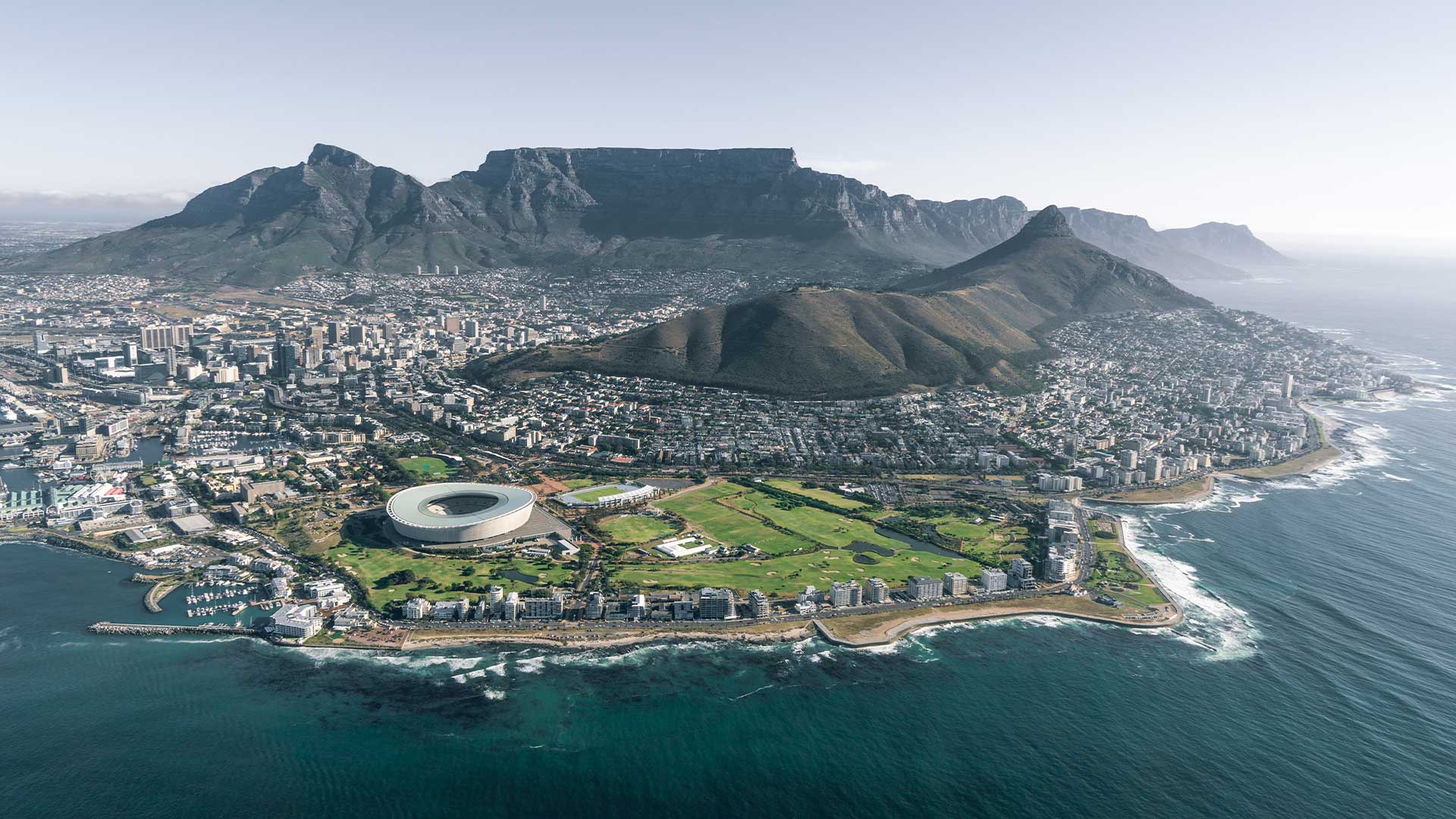
Location: Western Cape: from Betty's Bay east to Cape Agulhas, approx. 2 hours from Cape Town | Access: Self-drive via the R44 and N2 from Cape Town; no domestic flights required |
Size: Approximately 200 km of Indian Ocean coastline | Best time to visit: Year-round; July–November for whale watching; October–April for warmer months |
Nearest airports: Cape Town International Airport (CPT) | Minimum recommended stay: 4–5 nights |
Currency: South African Rand (ZAR) | Malaria risk: None - malaria-free destination |
Why visit the Whale Coast?
The Whale Coast is one of South Africa's most rewarding travel regions - a stretch of rugged Indian Ocean shoreline backed by mountains and fynbos valleys, where marine life, botanical richness and small-town character converge within easy reach of Cape Town. The Whale Route traces the coastline eastward through Betty's Bay and Kleinmond, through Hermanus, Stanford, Gansbaai and De Kelders, arriving at Cape Agulhas, the southernmost point of Africa, where the Atlantic and Indian Oceans meet. It is a journey best taken slowly.
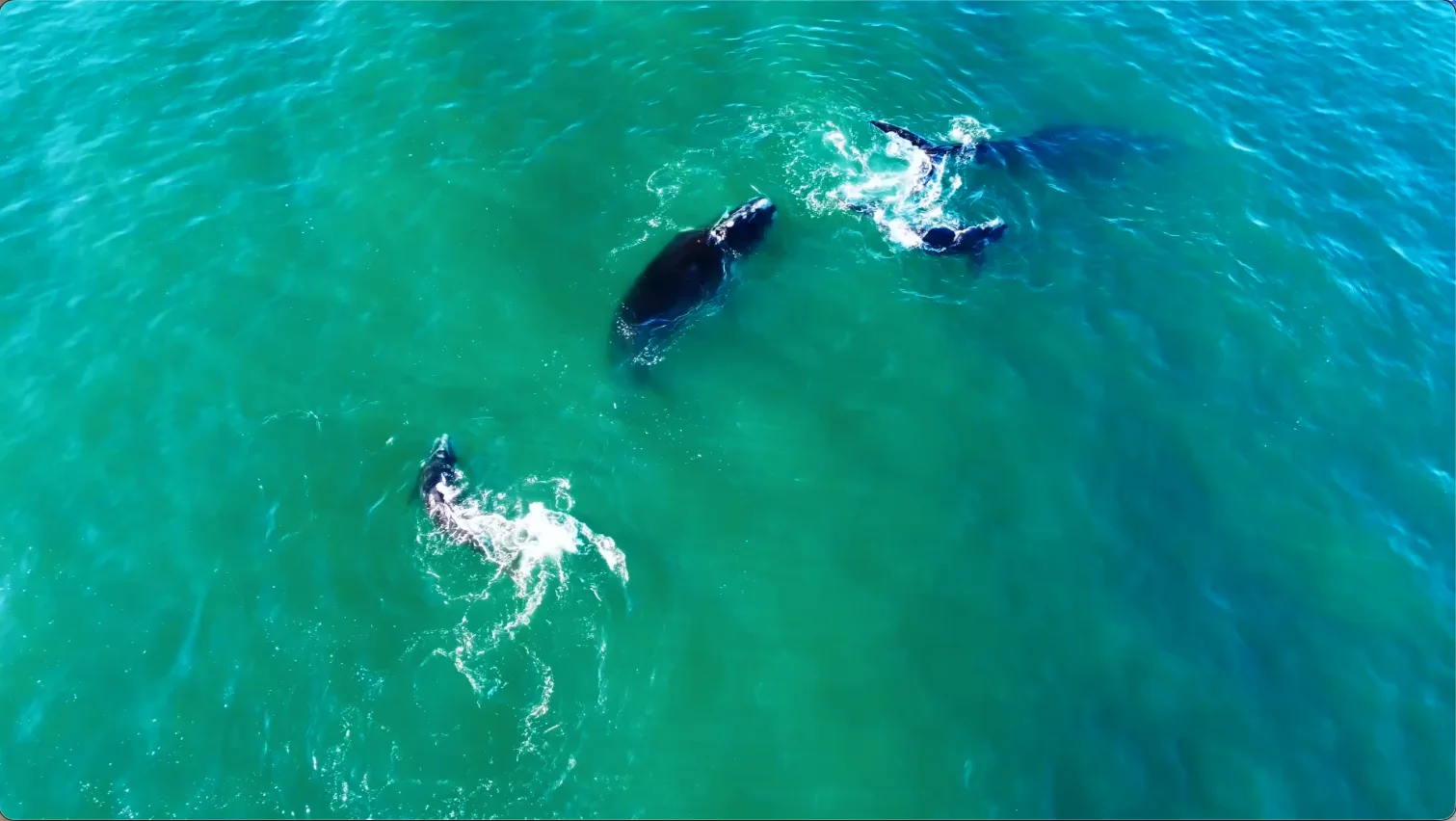
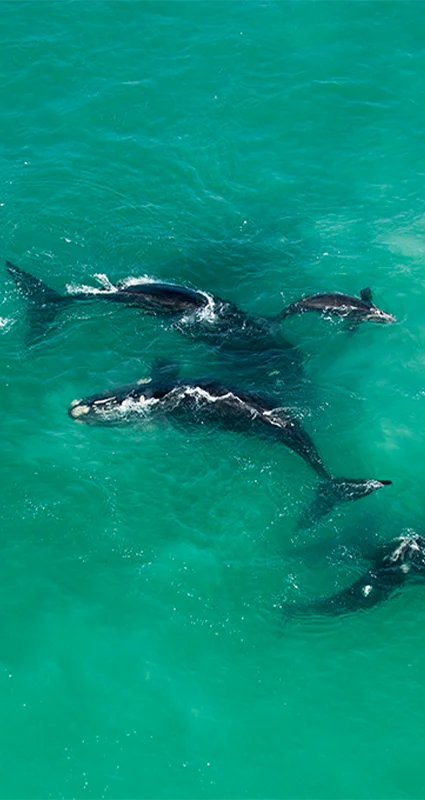
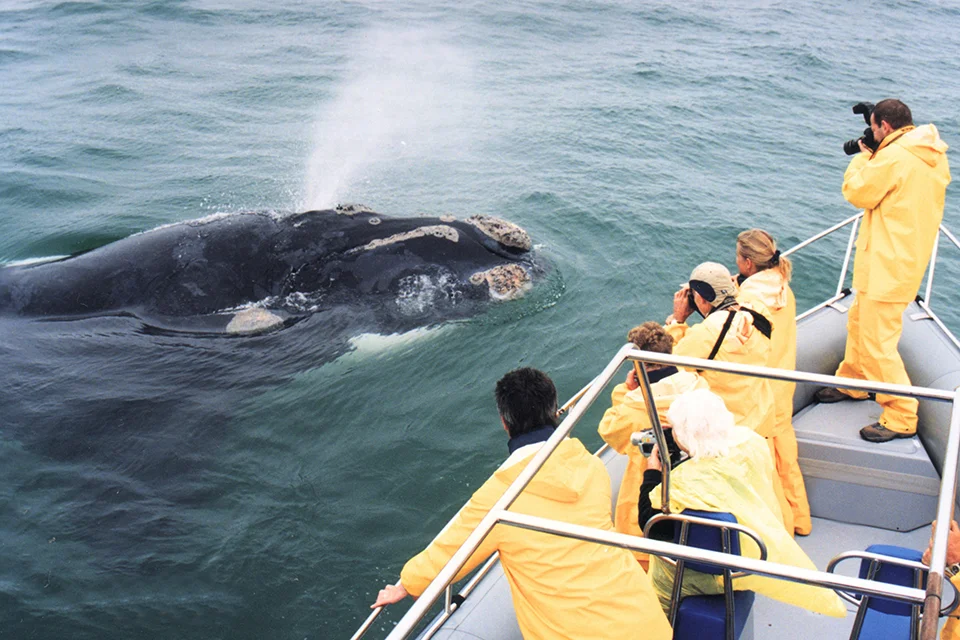
Between July and November, southern right whales migrate to sheltered bays along this coast to mate and calve, creating some of the world's most remarkable land-based whale-watching conditions. Hermanus, at the heart of the Whale Route, is where the famous Whale Crier sounds his kelp horn at the season's first sighting from the sea. Yet this coastline offers far more than cetacean spectacle. Marine wildlife encounters off Gansbaai, cool-climate wine tasting in the Hemel-en-Aarde Valley, hiking through exceptional fynbos in De Hoop Nature Reserve, and exploring ancient sea caves at De Kelders all add to a richer experience. A place of genuine variety, the Whale Coast rewards every traveller who gives it the time it deserves.
5 Reasons We Love the Whale Coast
Southern right whales in Walker Bay: Southern right whales gather in Walker Bay each year between July and November - some of the world's most rewarding land-based whale watching.
Marine wildlife at Gansbaai: Gansbaai's waters draw great white sharks, Cape fur seals and African penguins; some of the Whale Coast's most rewarding marine wildlife encounters.
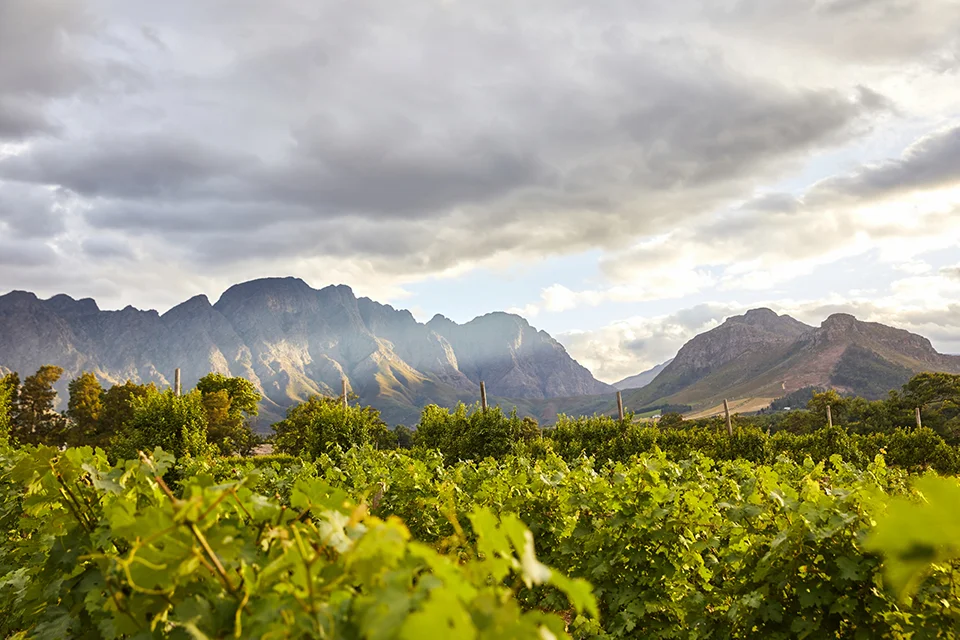
Hemel-en-Aarde wines: The Hemel-en-Aarde wine valley near Hermanus is famed for its cool-climate Pinot Noir and Chardonnay, wines now drawing wide international attention.
De Hoop's wilderness: De Hoop Nature Reserve is a UNESCO World Heritage Site protecting rare fynbos, Cape mountain zebra, bontebok and a southern right whale nursery.
The end of a continent: Cape Agulhas is Africa's southernmost point - the only place on the continent where you can stand where two oceans meet.
Our favourite Whale Coast safari ideas
All you need to know about the Whale Coast
About the Whale Coast
Stretching from the coastal villages east of Cape Town to Cape Agulhas in the south, the Whale Coast forms the Indian Ocean edge of the Overberg - one of South Africa's most botanically and ecologically significant regions. Mountains descend steeply to sea here, shaping a varied coastline of pristine beaches, rocky cliffs and exceptional biodiversity. The entire area sits within the Cape Floristic Region, one of the world's six floral kingdoms and a UNESCO World Heritage Site.
The Whale Route links a series of distinct destinations: the harbourside town of Hermanus, above the arc of Walker Bay; the shark-diving hub of Gansbaai; the ancient sea caves of De Kelders; the river village of Stanford; the coastal wildlands of De Hoop Nature Reserve; and the windswept headland of Cape Agulhas. Together they form a coastal journey of rare variety, where marine, botanical and cultural encounters sit in natural and rewarding company.
Things to do on the Whale Coast
Whale watching from the cliffs: Watch southern right whales from cliff paths above Walker Bay between July and November; some of the world's best land-based whale watching.
Marine wildlife off Gansbaai: Discover the marine life off Gansbaai - great white sharks, Cape fur seals and African penguins gather around Dyer Island in extraordinary numbers.
Wine tasting in Hemel-en-Aarde: Taste cool-climate wines in the Hemel-en-Aarde Valley, celebrated for Pinot Noir and Chardonnay produced on mountain slopes above the sea.
Fynbos hiking in De Hoop: Walk trails in De Hoop Nature Reserve, a UNESCO World Heritage Site protecting rare fynbos, mountain zebra, bontebok and southern right whales.
Sea cave exploration: Explore the ancient coastal sea caves at De Kelders, set within limestone cliffs above the ocean near Gansbaai, of significant archaeological value.
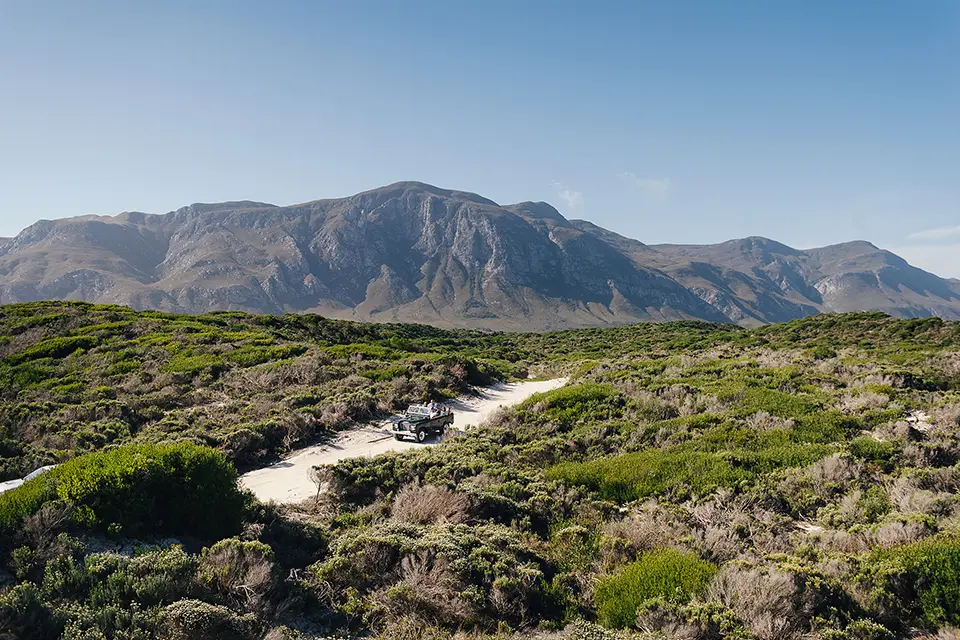
Self-drive the Whale Route: Drive the scenic Whale Route through coastal villages, farm stalls, and seaside hamlets from Cape Town to Cape Agulhas.
What wildlife can I see on the Whale Coast?
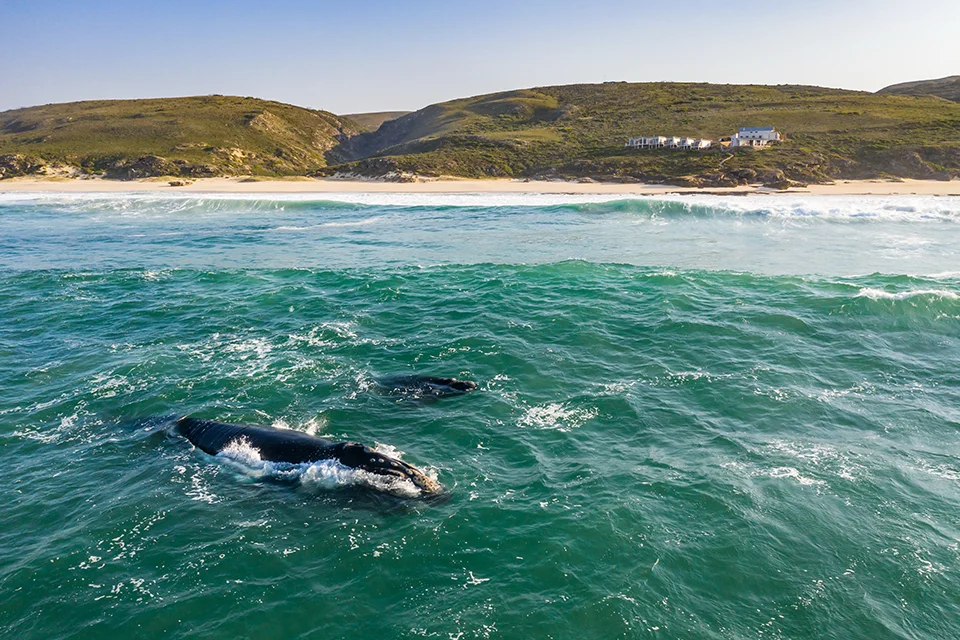
Southern right whales return to Walker Bay and the broader Whale Coast each year from July to November to mate, calve and nurse their young.
Great white sharks are regularly seen in the waters off Gansbaai, particularly around Dyer Island and its large Cape fur seal colony, year-round.
Cape fur seals and African penguins inhabit the Whale Coast, including at the seabird and seal colonies found in the waters near Gansbaai.
Common dolphins are regularly spotted from cliff paths and on boat trips along the Whale Coast year-round, including from Hermanus harbour.
Cape mountain zebra and bontebok are protected within De Hoop Nature Reserve, alongside a remarkable diversity of coastal fynbos birdlife.
Exceptional plant diversity: The Cape Floristic Region supports outstanding biodiversity, with over 650 plant species recorded on Grootbos Private Nature Reserve alone.
About 300 bird species, including African penguin, orange-breasted sunbird, Agulhas long-billed lark, fynbos buttonquail, Cape rockjumper, Victorin’s warbler, Protea canary, Cape siskin, Black harrier, Southern black korhaan, bank cormorant, Damara tern, and Cape sugarbird.
De Hoop Nature Reserve
De Hoop Nature Reserve is the wildest and most ecologically significant stop on the Whale Route - an extensive marine and terrestrial protected area that forms part of the Cape Floral Region World Heritage Site. The reserve stretches from the Potberg mountains down to an unspoiled coastline of towering dunes and empty beaches, and its marine component is recognised as one of the world's most important nurseries for the southern right whale. Sightings from the reserve's coastal walking trails are common from July to November, often at close range and in complete solitude.
The reserve protects a remarkable range of species beyond the whales. Cape mountain zebra, bontebok and caracal lynx roam the interior, rare fynbos plants carpet the landscape in extraordinary density, and an exceptional variety of bird species inhabits the coastal and wetland habitats throughout the reserve. Hiking trails and wildlife drives let you explore independently at your own pace. It is a place that consistently rewards slow travel. For accommodation within the reserve, Lekkerwater Beach Lodge, The Opstal, Morukuru Beach Lodge and Morukuru Ocean House are all covered in the Where to Stay section below.
Grootbos Private Nature Reserve
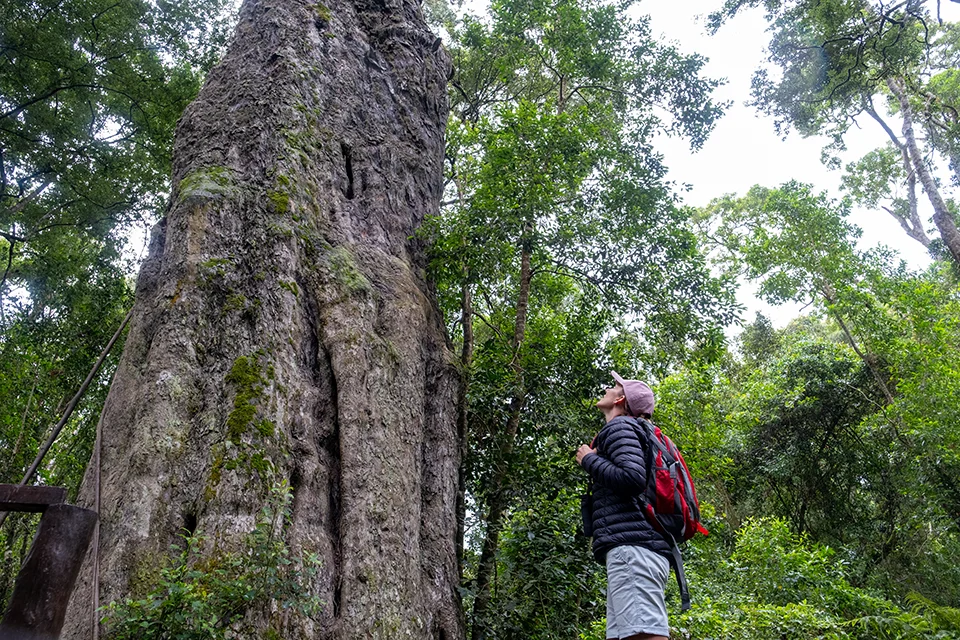
Grootbos Private Nature Reserve sits on a headland between two bays near Gansbaai and is one of the most botanically extraordinary destinations on the Whale Route. More than 650 species of indigenous plants grow across its 2,500 hectares, making it one of the most florally diverse private reserves in the Western Cape. The reserve sits within the Cape Floristic Region, and its ancient milkwood forests, fynbos slopes and coastal habitats support an exceptional range of plant and animal life that shifts visibly with the seasons.
Guided activities here go well beyond what most reserves offer. Fynbos walks, flower safaris, horse riding along coastal trails, and marine tours into Walker Bay are all part of the experience. A working kitchen garden and active community and conservation programmes give the reserve a purposeful identity that extends beyond its boundaries. Grootbos is also well positioned for whale watching during the season, with southern right whales visible from the headland between July and November. Lodge accommodation across the reserve - Forest Lodge, Garden Lodge, Fynbos Villa and Sunbird Villa - is detailed in the Where to Stay section below.
Where to stay on the Whale Coast
Hermanus is the natural starting point for first-time visitors. The Marine sits directly above Walker Bay, with a terrace and many rooms offering some of the finest whale-watching vantage points on the entire Whale Route during peak season, July to November. For a smaller, more personal experience, Hermanus Boutique Guesthouse offers stylish and intimate accommodation in the heart of town, within easy walking distance of both the cliff path and the old harbour.
De Hoop Nature Reserve adds a wilder, more remote dimension. Lekkerwater Beach Lodge sits at the reserve's far eastern boundary overlooking a long, empty beach. The Opstal, at the main camp, offers comfortable self-catering accommodation for guests who prefer to explore the reserve's trails independently and at their own pace. For those seeking an off-grid, exclusive-use experience, Morukuru Ocean House accommodates up to eight adults in four ocean-facing en-suite rooms, with a rooftop terrace, pool and dedicated hosting team. Morukuru Beach Lodge, a five-bedroom oceanfront property, suits couples and small families looking for an immersive coastal nature stay.
Grootbos Private Nature Reserve, perched on a headland near Gansbaai, combines genuine luxury with a serious botanical identity. Forest Lodge, the flagship, offers suites set among ancient milkwood trees with long ocean views. Garden Lodge sits in a more open, light-filled setting. Fynbos Villa and Sunbird Villa provide exclusive-use privacy for small groups. A working kitchen garden, active conservation research and community development give Grootbos an ethical purpose that extends well beyond the accommodation itself.
Stanbos, near Stanford, is home to Coot Club, a relaxed, characterful property on a working farm along the Klein River, offering a quieter base for those who want to explore the area at an unhurried pace.
Towns and places along the Whale Route
Hermanus is the heart of the Whale Coast and the undisputed centre of the Whale Route. The town sits above Walker Bay, a wide and sheltered arc where southern right whales gather every year between July and November to mate and calve. A clifftop walking path stretches along the top of the town above the bay, providing some of the finest free land-based whale watching anywhere in the world. When whales are spotted from the water, the town's famous Whale Crier blows his kelp horn to alert residents and visitors alike. Boat-based whale-watching trips are also available during the season. Beyond whale watching, Hermanus offers hiking in Fernkloof Nature Reserve, surfing on open beaches and wine tasting in the Hemel-en-Aarde Valley - one of the Overberg's most celebrated wine districts, known for cool-climate Pinot Noir and Chardonnay.
Gansbaai is a working fishing port whose surrounding waters are home to great white sharks, Cape fur seals and African penguins - particularly around Dyer Island - making it one of the Whale Coast's most rewarding destinations for marine wildlife. Its natural harbour has a genuine, lived-in character, and the surrounding coastline at De Kelders offers excellent land-based whale sightings during the whale season. Gansbaai is also the nearest town to Grootbos Private Nature Reserve, making it a natural base for those choosing to stay on the botanical headland rather than in Hermanus.
De Kelders is a small and largely undeveloped coastal settlement perched on limestone cliffs, known for the ancient sea caves cut into the cliff face and for providing some of the most reliable land-based whale sightings on the entire Whale Route. Quiet and unhurried, it is one of the Whale Coast's most underrated destinations and a worthwhile stop on any self-drive along the route.
Stanford sits on the banks of the Klein River, a short distance inland from the coast. It is a small Georgian village of whitewashed cottages, local galleries, and artisan food producers, valued by those travelling the Whale Route for its calm, independent character. River kayaking on the Klein River and walking trails in the surrounding farmland are popular activities here.
Walker Bay defines the heart of the Whale Route geographically: a wide, protected bay between Hermanus and Gansbaai that serves as the principal gathering point for southern right whales during their annual migration. Its sheltered waters create the conditions that make land-based whale watching from the surrounding cliffs so consistently remarkable.
Cape Agulhas marks the dramatic conclusion of the Whale Route and the geographic southernmost tip of the African continent, where the Atlantic and Indian Oceans converge. The second oldest working lighthouse in South Africa stands here; visitors can climb its 71 steps for views across the headland. Agulhas National Park surrounds the point, protecting endemic fynbos and a coastal landscape of singular character.
Trusted by thousands of ecstatic travellers
✔️ 5-Star Trustpilot Rating ✔️ Condé Nast Travel Specialist Award Winner
✔️ Accredited by SATSA ✔️ 5,000+ Exceptional Safaris Since 1991
Why choose Africa Geographic to plan your safari?

"Africa Geographic are the ULTIMATE in African trip planning! Thank you so much for our once in a lifetime experience!...It was worth every penny spent!! Every detail about this trip were seamless from each meal to every transfer. We have already recommended Africa Geographic to many folks. God bless you all and thank you again!!..."

"I wanted to celebrate an important birthday and asked AG to come up with an itinerary within a specific budget. They came up with a superb itinerary that meant we were looked after completely in three very different destinations with transfers, tours and accommodation. It was outstanding. They are worthy of trust and will not let you down."

"Wow, we can’t say enough great things about...Africa Geographic...Every place we stayed struck the perfect balance between sustainability, supporting local communities, and ensuring an amazing experience...we highly recommend using Africa Geographic if you’re planning to travel across the continent. Thanks again! :)"
Wish you were here?
Frequently asked questions
The Whale Coast is worth visiting year-round, but timing your visit around the whale season - July to November - gives access to the headline experience. Southern right whales are most reliably present from July to October, with August and September typically offering peak sightings. The warmer months of October to April are best for beaches, swimming and outdoor activities. Wildflowers are at their most spectacular from August to September.
The Whale Route is the coastal driving route along the Whale Coast of the Western Cape, stretching from the seaside villages east of Cape Town through Hermanus, Gansbaai, De Kelders and Stanford, all the way to Cape Agulhas at the southernmost tip of Africa. It is named for the southern right whales that gather along this stretch of coast between July and November to mate and calve in the sheltered bays.
Hermanus, the main town on the Whale Coast and the centrepiece of the Whale Route, is approximately 120 kilometres from Cape Town and roughly 1.5 to 2 hours by road. Cape Agulhas, at the far end of the Whale Route, is approximately 230 kilometres from Cape Town. You can drive the entire route from Cape Town without any domestic flights.
Yes. The entire Whale Coast, including Hermanus, Gansbaai, De Hoop Nature Reserve, Grootbos Private Nature Reserve and Cape Agulhas, is malaria-free. No antimalarial medication is required for travel to this region, making it an excellent destination for families, young children and those with health considerations that preclude malaria prophylaxis.
Land-based whale watching from the clifftop path above Walker Bay in Hermanus is widely regarded as among the finest in the world - free, accessible and requiring no boat trip. The De Kelders cliffs near Gansbaai are also well known for reliable whale sightings during the season. For a closer encounter, licensed boat-based whale-watching trips depart from Hermanus harbour during the season.
The waters around Gansbaai, particularly in the area of Dyer Island, are home to great white sharks, a large Cape fur seal colony, African penguins and a variety of seabirds. Boat-based trips operate from Gansbaai harbour, offering close encounters with this marine community in its natural environment.
The Hemel-en-Aarde (Heaven and Earth) Valley is a wine-producing valley near Hermanus, on the Whale Coast. The valley is wedged between hills, where the cool maritime influence of the Atlantic Benguela current produces distinctly cool-climate wines, primarily Pinot Noir and Chardonnay. The drive through the valley at a leisurely pace, with stops at several estates, is a rewarding half-day excursion for wine travellers.
De Hoop Nature Reserve is a large coastal protected area east of Gansbaai and one of the most ecologically significant destinations on the Whale Route. It is a marine protected area and part of the Cape Floral Region World Heritage Site. It protects rare fynbos, endangered bird species, Cape mountain zebra, bontebok and a southern right whale nursery. The reserve is accessible by self-drive and features several days' worth of hiking trails and coastal walking routes.
Grootbos Private Nature Reserve is a luxury lodge and botanical reserve situated on a headland between two bays near Gansbaai. It protects more than 650 species of indigenous plants across 2,500 hectares and offers guests a range of guided nature activities including fynbos walks, flower safaris, horse riding and marine excursions. It is home to Forest Lodge, Garden Lodge, Fynbos Villa and Sunbird Villa.
Yes. The Whale Coast is an excellent family destination. It is malaria-free, easily accessible by self-drive from Cape Town and offers a wide range of child-friendly activities including whale watching, kayaking, beach walks and nature reserve visits. Grootbos Private Nature Reserve and De Hoop Nature Reserve are both particularly well suited to families with an interest in nature and wildlife. The region is also well served by family-friendly accommodation.
A minimum of four to five nights allows enough time to drive the Whale Route at a meaningful pace, base yourself in Hermanus for whale watching, visit Gansbaai for marine wildlife, explore De Hoop Nature Reserve and stop at Cape Agulhas. Seven nights is more comfortable, allowing time for wine tasting in Hemel-en-Aarde, a night or two at Lekkerwater or Grootbos, and the unhurried stop-and-look pace the coastline rewards.
Cape Agulhas is the southernmost point of the African continent and the official geographic boundary between the Atlantic and Indian Oceans. It lies at the far end of the Whale Route, approximately 230 kilometres east of Cape Town. The Agulhas Lighthouse - the second-oldest working lighthouse in South Africa - stands at the point, and Agulhas National Park surrounds it, protecting endemic fynbos and an ecologically rich coastal landscape.
Yes. The Whale Route is very well suited to self-drive travel. Roads are well maintained and clearly signposted, and the route between Cape Town, Hermanus, Gansbaai, De Kelders, Stanford and Cape Agulhas follows a logical and rewarding coastal arc. Most visitors hire a car at Cape Town International Airport and drive the route over four to seven days, making stops at towns and reserves along the way.
The accommodation options listed here typically cost from R1,600 per person, per night on a B&B basis and R2,550 on a fully catered basis, depending on the accommodation comfort level, time of year and activities.
Click here to schedule a no-obligation call with one of our Safari Experts or fill in our 2-minute form with your questions. Our team of experts are here to help! Whether you’re curious about the best time to travel, want to hear first-hand about an experience or need help planning your safari.
Explore more African destinations
Start planning your dream safari
Our travel experts will craft a no-obligation itinerary just for you. We have crafted over 5,000 safaris since 1991. Your personal details are protected; we only use this information to contact you.
Why book your safari with us?

Deep Experience & Knowledge
Handcrafted experiential safaris since 1991.
Travel in Africa is about knowing when and where to go, and with whom. A few weeks too early/late or a few kilometres off course, and you could miss the greatest show on Earth. And wouldn’t that be a pity?

Trust & Safety

Make A Difference
We donate a portion of the revenue from every safari sold to carefully selected conservation projects that make a significant difference at ground level.
YOUR safari choice does make a difference - thank you!