

Tailor-made safaris. Since 1991

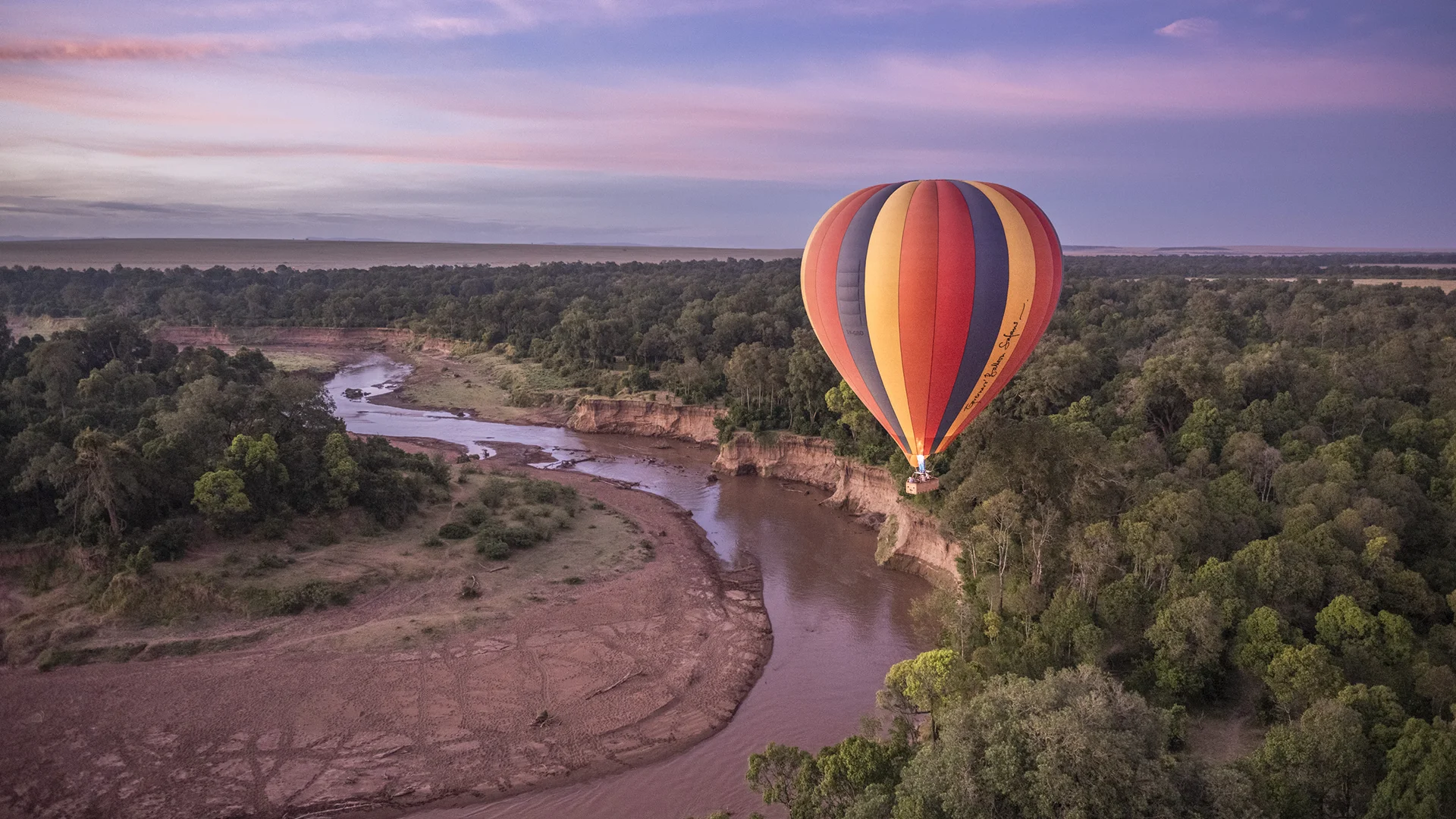


Trust us to find you the rarest animals, the most spectacular wildlife events, the remotest landscapes and deeply meaningful cultural encounters!
Conservancy or reserve – where to stay
Staying inside the Maasai Mara National Reserve gives direct, cost-effective access to the Mara River crossings during the Great Migration and the plains around Musiara Marsh, but activities are limited to standard daytime game drives on established tracks. A private conservancy bordering the reserve, such as Mara North, Naboisho or Olare Motorogi, allows night drives, guided walking safaris and off-road access to sightings, plus far fewer vehicles at each encounter, because bed numbers per conservancy are strictly capped under agreements with Maasai landowners.
Choosing between the two is not a question of which is better - it’s a question of which experiences matter most for your trip.
"One of my favourite moments in the Maasai Mara was setting out at dawn to photograph lions, golden light in their manes, eyes fixed on us and set against the Mara's sweeping savannahs, winding rivers, and dramatic escarpments," says Linda Fox, AG Kenya safari expert. The scene she describes is available across the wider Mara landscape – the difference between a reserve stay and a conservancy stay lies in what happens once the light has gone.
What a conservancy actually unlocks
Night game drives, after dark, when many predators are active
Guided walking safaris on foot, alongside an armed ranger guide
Off-road access, driving directly to a sighting off the track
Far lower vehicle density, thanks to strict bed-number caps
Direct lodge access to the plains, without reserve gate queues
None of this is available inside the national reserve, where driving is confined to daylight hours and marked tracks, and off-road wildlife viewing is not permitted.
Our favourite conservancy + reserve combo safaris
Conservancy versus reserve at a glance
The table below sets out the core differences at a glance, before the detail that follows.
Aspect | National reserve | Private conservancy |
|---|---|---|
Wildlife activities permitted | Daytime game drives only | Day and night drives, walking safaris, off-road access |
Vehicle density per sighting | Higher, especially in peak season | Low, capped by conservancy bed limits |
River crossing access | Direct, inside reserve boundaries | Indirect, short transfer required |
Typical nightly rates | Generally lower | Generally higher |
Community benefit model | Park entry fees to county councils | Land-lease fees paid directly to Maasai landowners |
Best suited to | First safaris, tighter budgets | Repeat visitors, photographers, walking enthusiasts |
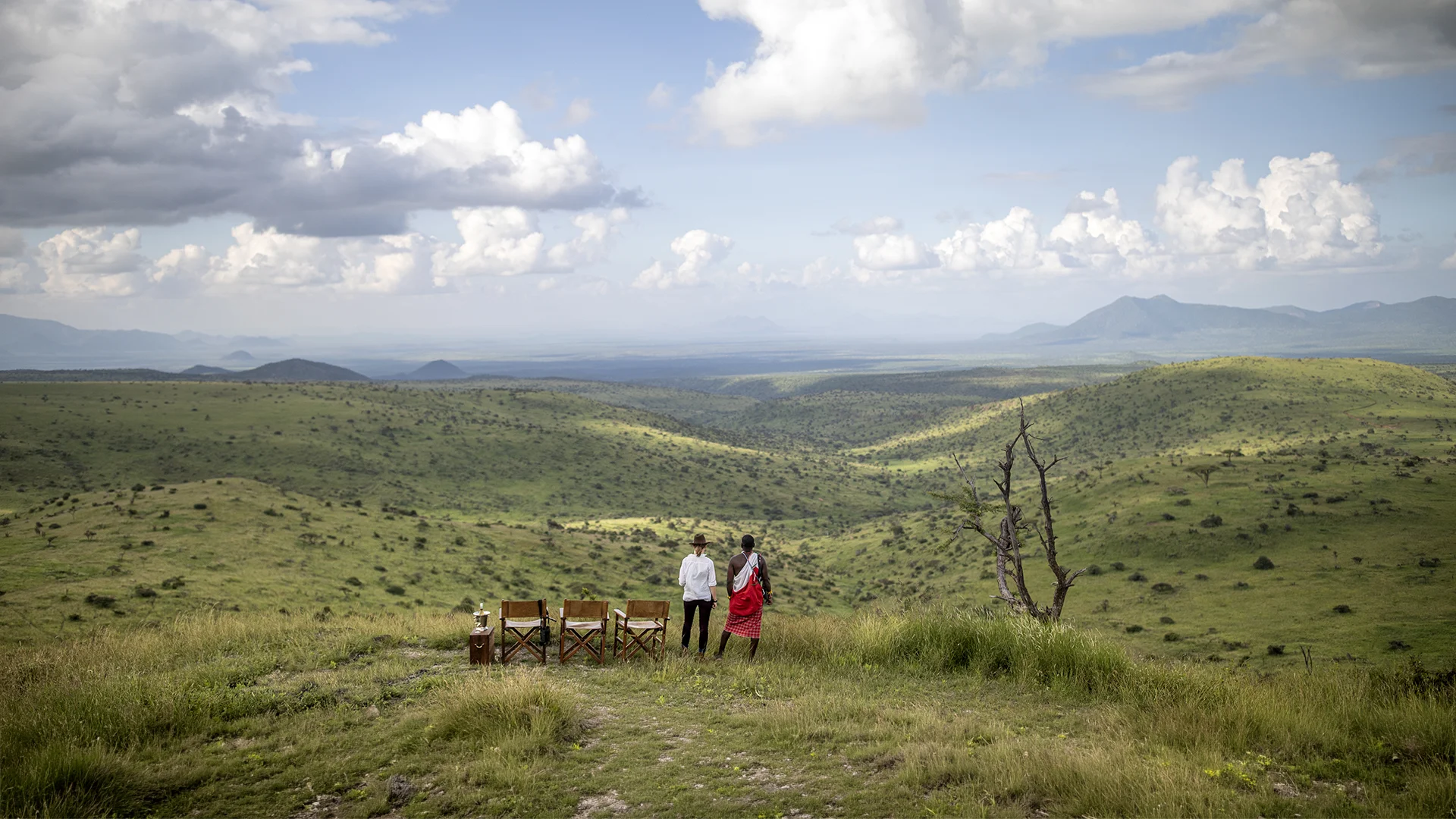
Wildlife activities only found in a conservancy
Night game drives beyond sunset
Reserve rules end wildlife activities at sunset. Inside a conservancy, spotlit night drives reveal leopards on the hunt, aardvarks, porcupines, genets and other nocturnal species that daytime visitors rarely encounter, adding an entirely different rhythm to the safari day.
Walking safaris with an armed ranger
Guided bush walks are permitted only on conservancy land, never inside the national reserve. Tracking spoor, reading dung and learning bush survival skills on foot, alongside an armed Maasai ranger, delivers a slower, more textured wildlife encounter than any vehicle allows.
Off-road access to a sighting
Conservancy vehicles may leave the track to approach a sighting directly, within strict guide-led limits that protect vegetation and reduce disturbance. In the reserve, every vehicle stays on the road, however close the wildlife activity happening nearby.
Staying inside the national reserve
Accessibility and value
The Maasai Mara National Reserve sits closest to the region's domestic airstrips, and lodge rates here are typically lower than conservancy equivalents, since properties inside the reserve do not carry conservancy land-lease fees on top of standard park entry charges. This makes the reserve a practical, well-connected entry point for travellers balancing safari ambitions against budget, particularly on a first visit to Kenya, and it remains the most straightforward option to book.
Wildlife density during migration season
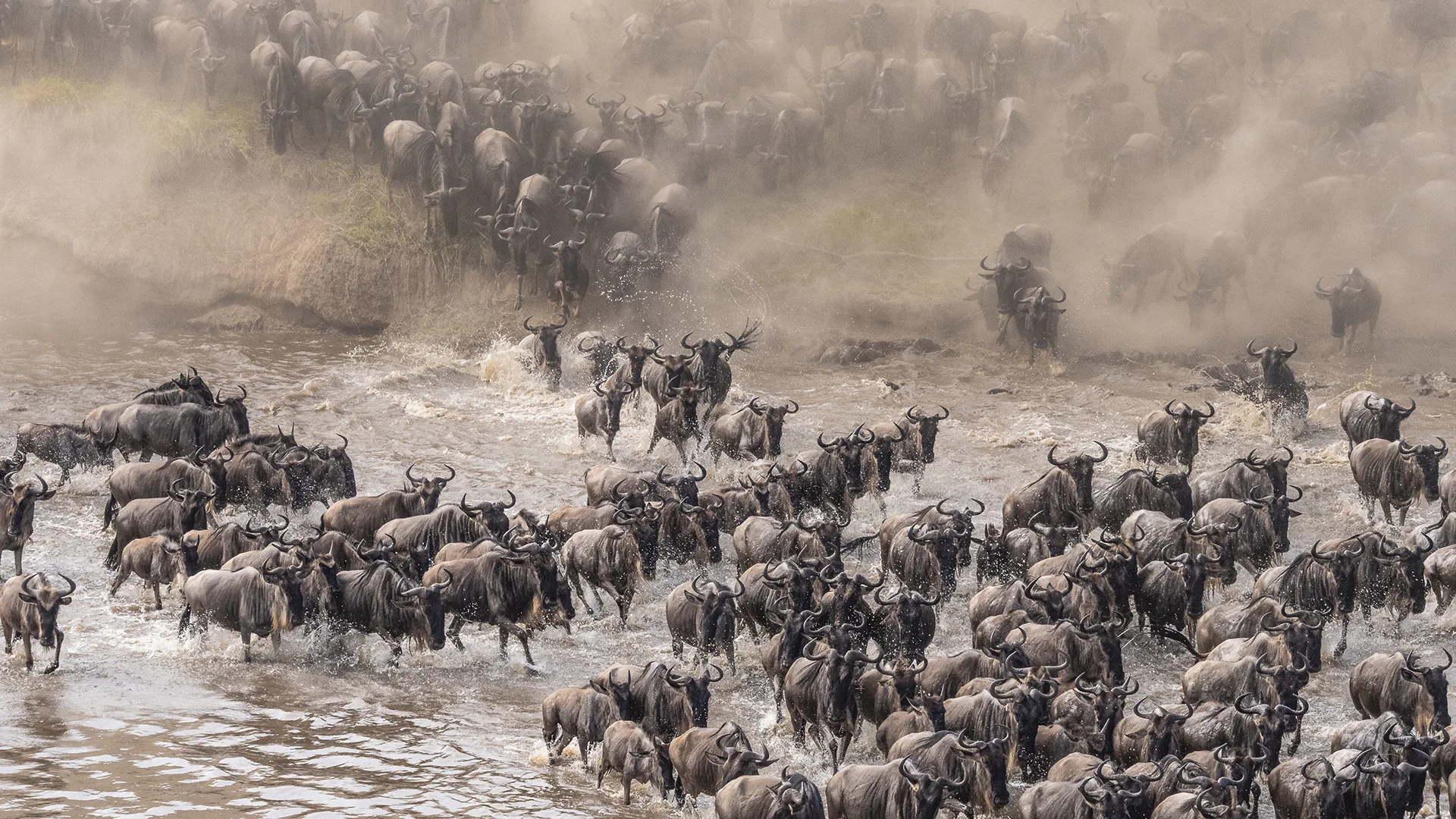
From roughly July to mid-October, the reserve holds one of the highest concentrations of wildebeest and zebra anywhere in the Mara-Serengeti ecosystem, and the main Mara River crossing points sit inside its boundaries. Vehicle numbers at a single crossing can run into double figures during peak weeks, though sightings of the crossing drama itself remain reliably spectacular and worth the shared view for most first-time visitors.
Trade-offs worth weighing
No night drives, walking safaris or off-road wildlife viewing permitted anywhere in the reserve
Higher vehicle numbers gather at popular sightings during the peak migration weeks each year
A wider choice of lodges spans a broad range of price points and comfort levels
Generally the best value option for shorter stays or budget-conscious safari itineraries
Closest option to Nairobi and the region's main domestic airstrips, cutting travel time
Fixed daytime operating hours only, from sunrise to sunset, apply across the whole reserve
Direct, unrestricted access to the main Mara River crossing points during migration season
Wish you were here?
Staying inside a private conservancy
Lower vehicle density at every sighting
Conservancies such as Mara North, Naboisho and Olare Motorogi operate under strict bed-density agreements negotiated directly with Maasai landowners, typically one tent for every 350 to 700 hectares. This cap means far fewer vehicles converge on any single sighting, and guests can often watch a pride of lions or a cheetah hunt without another vehicle in sight, an experience that has become genuinely rare across much of East Africa's safari circuit.
A direct community and conservation benefit
Every bed booked inside a conservancy generates a direct land-lease payment to the Maasai families who own that ground, alongside employment for guides, trackers and lodge staff drawn from surrounding communities. This funding model keeps grazing land intact for wildlife corridors that link the reserve to the wider ecosystem, while giving local landowners a durable, wildlife-based income alternative to converting land for agriculture.
Practicalities worth weighing
Night drives, guided walking safaris and off-road wildlife viewing are all permitted here
Strict bed-density caps mean far fewer vehicles gather at any single wildlife sighting
Conservancy land-lease fees are paid directly to the Maasai families who own the ground
Nightly rates generally run higher than equivalent properties inside the national reserve
Smaller, more intimate lodges operate with a noticeably lower overall bed count per area
Wildlife corridors stay open between conservancy and reserve land, benefiting migration routes
Guiding is often excellent, drawing on trackers raised within the surrounding local community
Combining reserve and conservancy time
Why many itineraries do both
Many itineraries deliberately combine both zones rather than choosing only one. A few nights inside the national reserve capture the sheer density of the Great Migration and its river crossings, while a few nights in an adjoining conservancy add night drives, a guided walking safari and calmer, more intimate wildlife encounters once the crossing drama itself has been witnessed and properly photographed.
Moving between the two areas
Most conservancies border the national reserve directly, so moving between the two typically means a short road transfer of thirty minutes to an hour, arranged by our safari experts as part of a single continuous itinerary. No additional flight is usually required for this short leg, which keeps a combined reserve-and-conservancy stay genuinely straightforward to plan, book and execute.
Choosing what suits your safari
First-time visitors on a tighter budget are generally best served by a lodge inside the national reserve. Photographers, walking enthusiasts and repeat visitors who have already experienced the national reserve on an earlier trip tend to gain the most from a conservancy stay. Families and multi-generational groups often benefit from splitting a longer trip between the two zones.
Frequently asked questions
A private conservancy bordering the Maasai Mara allows night game drives, guided walking safaris and off-road wildlife viewing, none of which are permitted inside the Maasai Mara National Reserve. The national reserve offers direct access to the Mara River crossings during the Great Migration, shorter transfer times from Nairobi and typically lower nightly rates. Conservancies carry far lower vehicle density per sighting, because bed numbers are strictly capped under agreements with Maasai landowners, who receive land-lease payments directly. The right choice depends on whether river-crossing access, night activity, or lower visitor density matters most for a given trip.
Neither option is universally better. Choose the national reserve for direct access to Mara River crossings, lower nightly rates and shorter transfer times from Nairobi, particularly on a first visit. Choose a private conservancy for night drives, guided walking safaris, off-road access and far fewer vehicles at each sighting. Many of our itineraries combine a few nights in each, giving travellers the density of the reserve alongside the exclusivity of conservancy activities.
Night game drives are permitted only inside private conservancies bordering the Maasai Mara National Reserve, such as Mara North, Naboisho and Olare Motorogi. The national reserve itself operates strict daylight-only hours, from sunrise to sunset, with no exceptions. A conservancy stay is therefore the only way to see nocturnal hunters such as leopards, aardvarks and porcupines on a guided drive after dark.
Generally, yes. Conservancy nightly rates are typically higher than comparable national reserve properties, reflecting lower bed density, a dedicated conservancy land-lease fee paid to Maasai landowners, and access to activities such as night drives and walking safaris that reserve properties cannot offer. Reserve lodges remain the more cost-effective starting point, especially for shorter stays or first-time visitors working within a defined budget.
Mara North Conservancy and Naboisho Conservancy are both well suited to a first conservancy stay, offering strong wildlife density, established lodges and easy access to the national reserve for a combined itinerary. Olare Motorogi Conservancy suits travellers prioritising exceptional predator sightings in a smaller, more exclusive area. Our safari experts match the specific conservancy to each traveller's interests, budget and planned dates.
Most private conservancies border the national reserve directly, sharing an open boundary with no fencing between the two areas. A road transfer between a conservancy lodge and a reserve lodge typically takes thirty minutes to an hour, arranged as part of a single continuous itinerary by our safari experts. This makes combining a few nights in each zone genuinely practical, without requiring an additional internal flight or lengthy travel day.
Yes. Conservancy land-lease payments are paid directly to the Maasai families who own the land, under agreements negotiated by community-run conservancy committees. This differs from national reserve entry fees, which are collected by county councils. The conservancy model gives local landowners a durable, wildlife-based income, helping to keep grazing corridors open for wildlife rather than converted to agriculture.
The Mara River crossings occur most reliably from around July through to mid-October, with peak crossing activity typically in August and September. These crossing points sit inside the national reserve boundaries, so travellers focused specifically on this spectacle should plan reserve-based nights during this window, potentially adding conservancy nights before or after for quieter wildlife activities.
No. Guided walking safaris are not permitted inside the Maasai Mara National Reserve itself, only within the private conservancies that border it. Travellers wanting this activity as part of their Mara itinerary need to include at least one conservancy stay, where an armed ranger leads walks focused on animal tracking, bush survival skills and the smaller, often overlooked details of the wider ecosystem.
Black rhino are seen most reliably in the Mara Triangle, a section of the national reserve managed separately by the nonprofit Mara Conservancy rather than Narok County. The Triangle applies conservancy-style rules within the reserve, including a five-vehicle limit per sighting, though off-road driving remains prohibited. Rhino are not deliberately released into the private conservancies for security reasons, making the Triangle the most consistent sighting location in the wider Mara ecosystem.
Start planning your dream safari
Our travel experts will craft a no-obligation itinerary just for you. We have crafted over 5,000 safaris since 1991. Your personal details are protected; we only use this information to contact you.
Why book your safari with us?

Deep Experience & Knowledge
Handcrafted experiential safaris since 1991.
Travel in Africa is about knowing when and where to go, and with whom. A few weeks too early/late or a few kilometres off course, and you could miss the greatest show on Earth. And wouldn’t that be a pity?

Trust & Safety

Make A Difference
We donate a portion of the revenue from every safari sold to carefully selected conservation projects that make a significant difference at ground level.
YOUR safari choice does make a difference - thank you!