

Tailor-made safaris. Since 1991

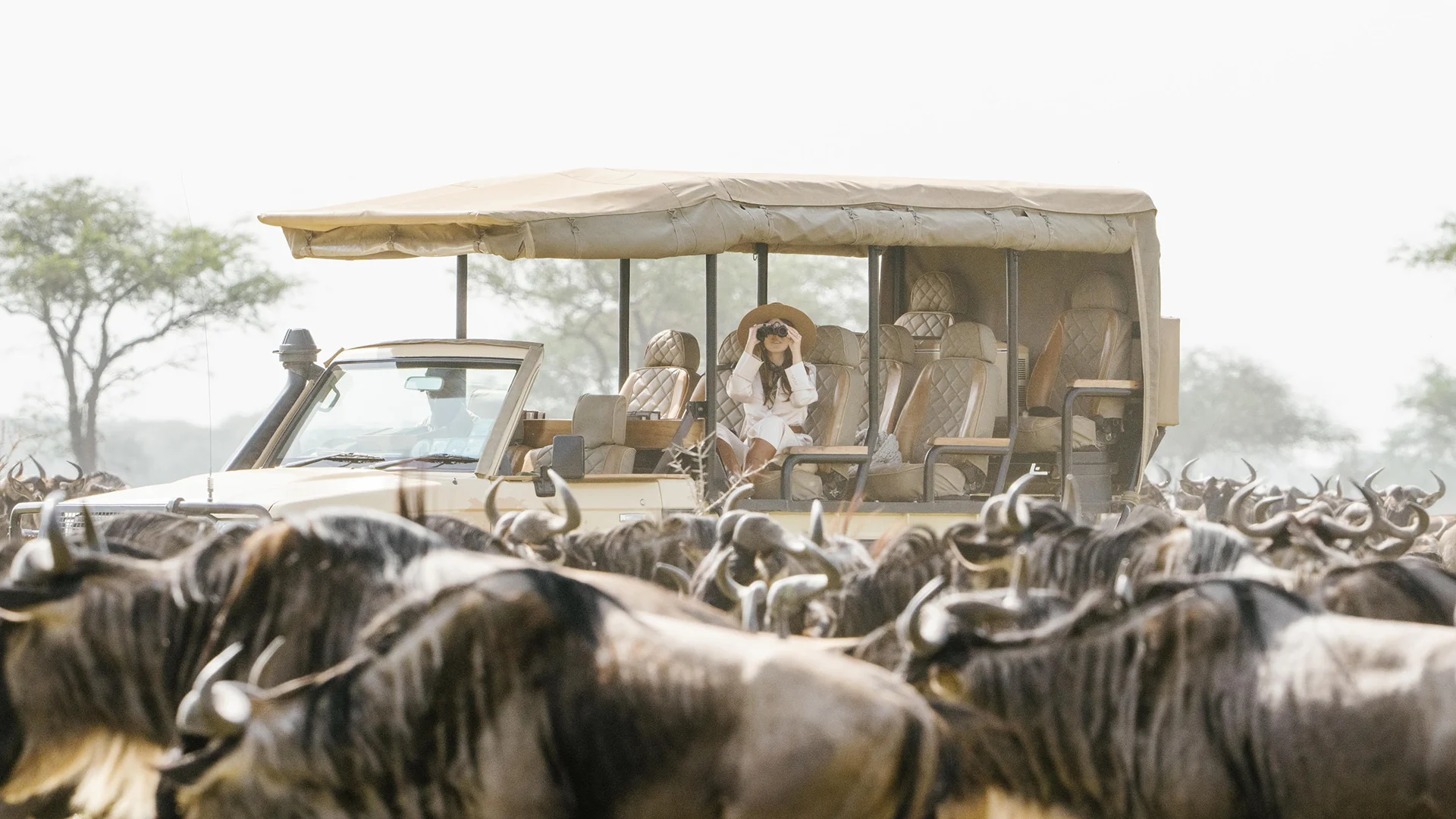


How long to spend in the Maasai Mara?
The Maasai Mara rewards patience: a pride waking in the long grass at first light, a cheetah scanning the plains from a termite mound, the Siria escarpment turning copper as the sun drops. This is a reserve that keeps its best moments for travellers who linger, not those racing through on a single afternoon drive.
The real planning question is not whether to visit, but how long to stay. Three days buys one full day of wildlife activities, workable if the Mara is one stop on a longer Kenya trip. Four days is the practical minimum for an unhurried safari, with room to recover if one drive turns out quiet. Seven days opens up two distinct areas of this ecosystem, plus space for a hot air balloon safari or a visit to a Maasai homestead. These lengths hold year-round, outside the mid-July to mid-October Great Wildebeest Migration, when river crossings rewrite the maths.
Minimum stay versus ideal stay
Three days works if the Mara is one stop on a wider Kenya itinerary. Four days is the practical minimum for a relaxed, uninterrupted safari. Seven days allows two Mara regions or an added activity such as ballooning.
Three days: one full day of wildlife activities, tight but workable
Four days: two to three full days, the most commonly booked length
Seven days: six full days, room for two lodges or two regions
3 things we love about the Maasai Mara
Beyond the wildlife activities, a handful of details set the Mara apart for travellers who give it the time it deserves:
The secret season: from November to June, resident big cats hold the plains without the crowds of migration season, rewarding travellers who stay long enough to find them.
Resident big cats: this is the stage for BBC's Big Cat Diary, home to lion prides, leopards and cheetah coalitions that guides track across seasons, not just one visit.
The Siria escarpment: a dramatic backdrop of sweeping savannah, winding rivers and rugged cliffs, best appreciated from a lodge with time to watch the light change.
Trip length value breakdown
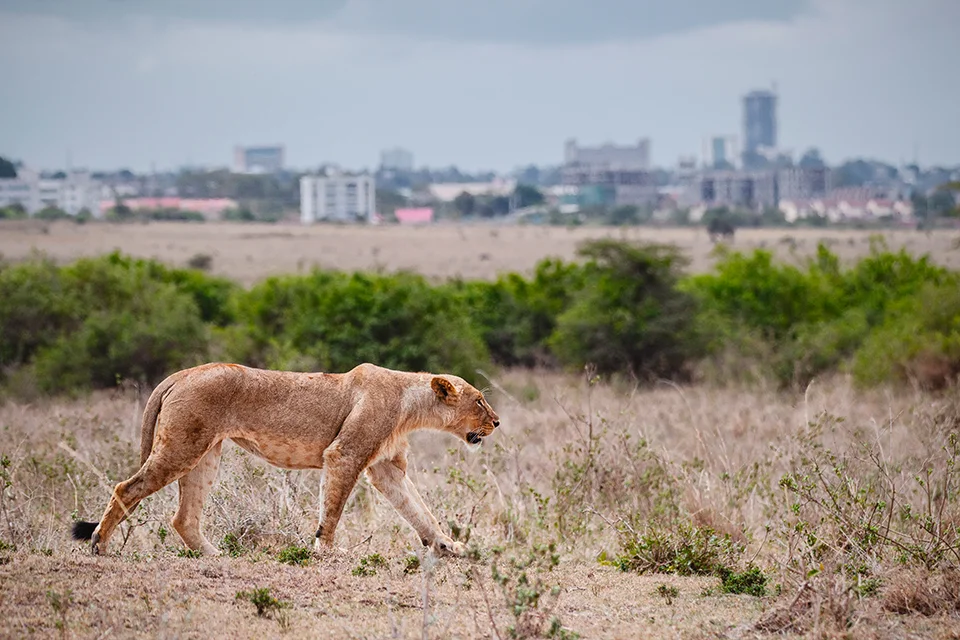
Three days: a fast, focused introduction
Three days works well for travellers who have already spent time elsewhere in Kenya, such as Nairobi or the coast, and want a concentrated taste of the Mara rather than a standalone safari. It also suits business travellers extending a Nairobi trip over a weekend. The trade-off is less flexibility if weather, cloud cover or a slow morning affects sightings, since there is only one full day to work with.
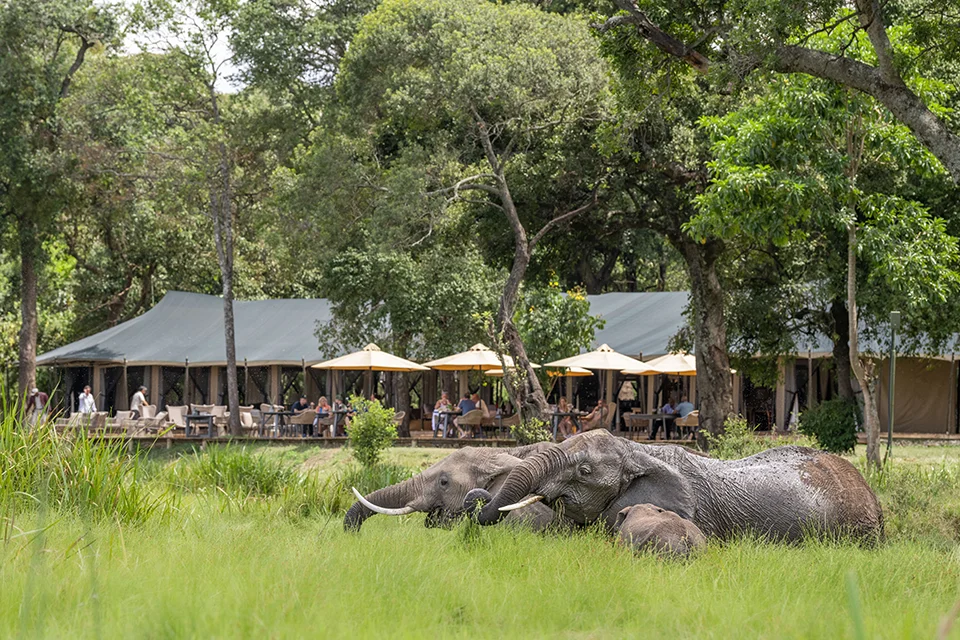
What to expect in three days
Two nights at a single camp, avoiding the time cost of relocating mid-trip
One early-morning and one late-afternoon game drive on the full middle day
A chance of seeing all of the Big Five, though not guaranteed in such a short window
Limited time to explore beyond one section of the reserve or conservancy
No spare day if a flight delay or bad weather disrupts the schedule
Best paired with at least two or three days elsewhere in Kenya
Four days: the sweet spot for most travellers
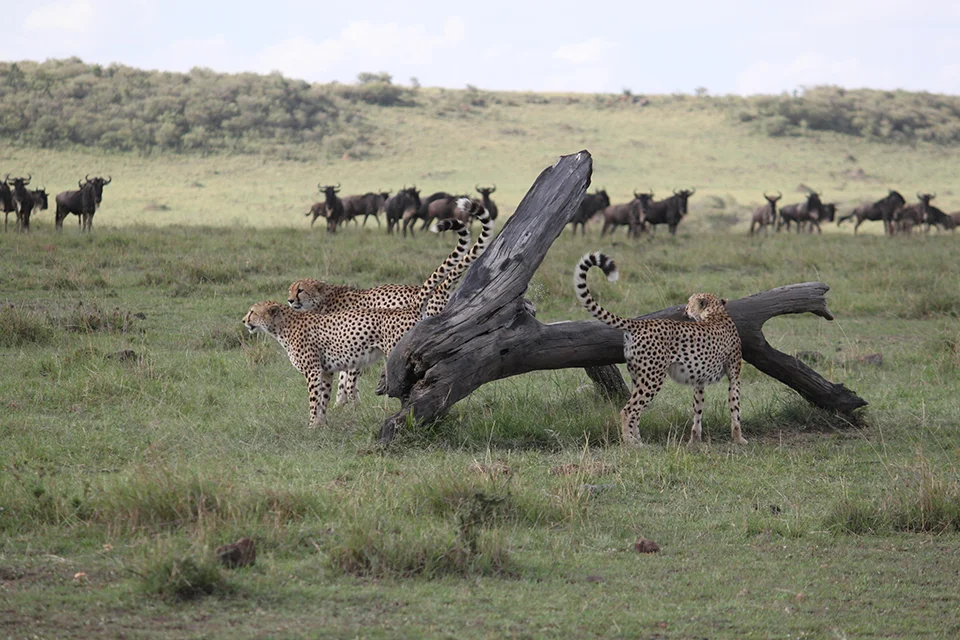
Four nights is the most commonly booked length for a Maasai Mara safari, and for good reason. It absorbs one disrupted drive, whether from weather or a quiet patch of bush, without costing the whole trip. It also allows a guide to build a picture of where prides, cheetah coalitions and other resident animals are currently active, rather than working from a single day's information. Most first-time visitors are comfortable with this pace.
Seven days: room to explore two Mara regions
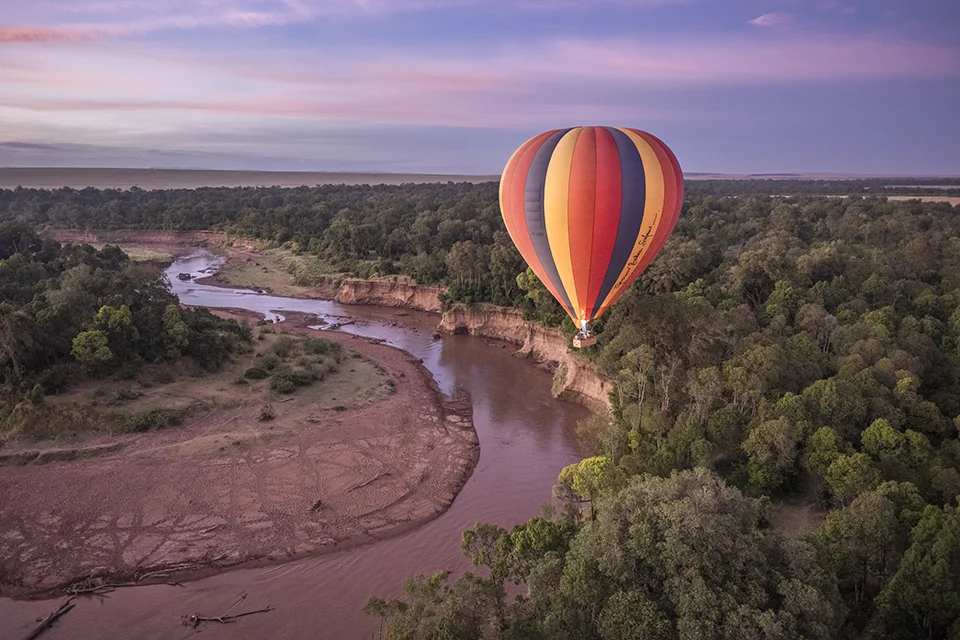
Linda Fox, AG Kenya safari expert, says extra time changes what is possible: "One of my favourite moments in the Maasai Mara was setting out at dawn to photograph lions, golden light in their manes, eyes fixed on us and set against the Mara's sweeping savannahs, winding rivers, and dramatic escarpments." Mornings like that are rarely guaranteed on a first attempt, and a full week gives more chances for light, weather and animal behaviour to align. Seven days also allows added activities like hot air balloon rides, and is the length most likely to produce standout photography.
Frequently asked questions
Most travellers need a minimum of three days for one full day of wildlife activities, though four days is the more comfortable practical minimum. Seven days allows exploration of two areas of the reserve or an added activity such as a hot air balloon safari. These lengths apply outside the mid-July to mid-October Great Wildebeest Migration season, when river-crossing logistics affect the ideal itinerary length.
Three days gives one full day and two partial days of wildlife activities, enough for a realistic chance of good sightings but little room to recover from a quiet drive or bad weather. It works best as one stop within a longer Kenya itinerary rather than a standalone safari, particularly for travellers already in Nairobi or on the coast.
Four nights is the most commonly booked length and suits most first-time visitors. It provides three full days of wildlife activities with a buffer if one drive is quieter than expected, plus enough time for a guide to track where resident prides and cheetah coalitions are currently active, rather than working from a single day of information. You can read more advice here for first time safari travellers
Three-day itineraries are often built for travellers combining the Mara with another Kenyan destination, or as a shorter add-on to a Nairobi business trip. They typically include one full day of wildlife activities either side of the arrival and departure flights, making them workable but tighter than a four or seven-day trip.
Flying from Nairobi's Wilson Airport takes about 45 minutes and lands close to your lodge, while driving takes 5 to 6 hours on a tarred road with a final unpaved stretch into the reserve. Flying preserves wildlife time on shorter itineraries of three or four days; a single road transfer can suit a seven-day trip if the extra hours are planned for in advance.
Yes, though it takes time. A seven-day itinerary allows a stay in the central reserve or Mara Triangle followed by a second camp in a conservancy such as Mara North, or a move to the more remote Sand River area in the reserve's south. Shorter three or four-day trips generally suit a single base.
Extra days beyond the core wildlife activities allow for a hot air balloon safari at sunrise, a half-day visit to a Maasai village, or a scheduled rest day at camp. A seven-day trip also gives your guides more chances to find repeat sightings of the same pride or coalition, which supports patient wildlife photography.
Yes. Between mid-July and mid-October, itineraries are often built around river-crossing sightings on the Mara River, which can mean longer stays or a specific camp location to maximise the chance of witnessing a crossing. Outside these months, itinerary length is driven more by pace and depth of exploration than by a single seasonal event.
Start planning your dream safari
Our travel experts will craft a no-obligation itinerary just for you. We have crafted over 5,000 safaris since 1991. Your personal details are protected; we only use this information to contact you.
Why book your safari with us?

Deep Experience & Knowledge
Handcrafted experiential safaris since 1991.
Travel in Africa is about knowing when and where to go, and with whom. A few weeks too early/late or a few kilometres off course, and you could miss the greatest show on Earth. And wouldn’t that be a pity?

Trust & Safety

Make A Difference
We donate a portion of the revenue from every safari sold to carefully selected conservation projects that make a significant difference at ground level.
YOUR safari choice does make a difference - thank you!