

Tailor-made safaris. Since 1991



Trust us to find you the rarest animals, the most spectacular wildlife events, the remotest landscapes and deeply meaningful cultural encounters!
Solo safari cost – and the single supplement explained
Solo safari travel offers one of Africa's most rewarding wildlife experiences: complete freedom to travel at your own pace, linger at sightings, and immerse yourself fully in the wilderness. Yet many independent travellers assume it is expensive because of the single supplement – the additional charge applied when one person occupies a room priced for two, often adding 25–75% to the nightly rate.
Fortunately, many travellers never have to pay the full additional charge.
With the right timing, the right lodges and a safari planner like Africa Geographic who knows where no single supplements apply, many solo travellers pay far less than the published rates – and gain something that has become genuinely rare: an unhurried, uncompromised encounter with Africa, entirely on their own terms.
What is a single supplement?
Most safari lodges in Africa price their accommodation on the basis that two people will share a room, tent or suite. The advertised nightly rate is therefore quoted per person sharing. When a solo traveller books that same accommodation, the lodge misses out on the income from a second guest, so it applies a single supplement to help make up the difference.
This additional charge is usually added to the nightly rate and varies between lodges, often calculated as a percentage of the standard per-person rate. It is common across the safari industry, from mid-range tented camps to luxury lodges. Rather than a penalty for travelling alone, it reflects the way safari accommodation is typically priced.
Understanding how single supplements work is important because it helps you identify the best ways to reduce – or even avoid – paying them altogether.
Safaris we love for solo travellers
A well-planned solo safari pairs strong wildlife areas with manageable logistics and lodges that suit solo guests – for an experience that is every bit as rewarding as travelling with a companion. Here are three Africa Geographic safaris to consider:
Classic Botswana Big 5 safari: Five days across the Okavango Delta and Chobe, combining private concession wildlife activities with small group dynamics that work well for solo travellers exploring Botswana's waterways and floodplains. Explore this safari →
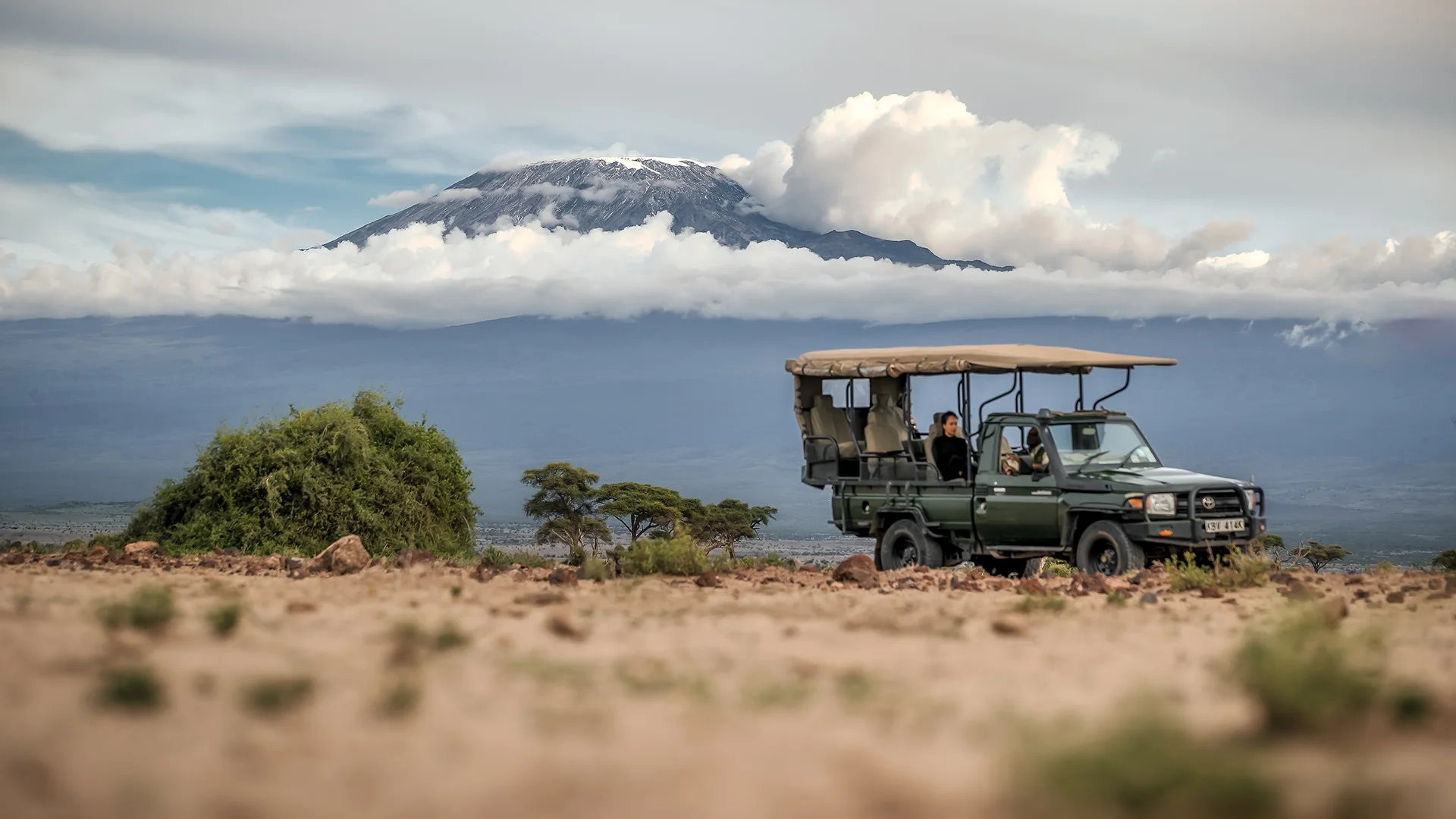
The iconic Kenya safari: A journey through the Maasai Mara and Laikipia, structured around set departure dates that remove the single supplement and place solo travellers in exceptional wildlife terrain. View this safari →
Bush and beach – South Africa: Combines Greater Kruger wildlife activities with Indian Ocean coastline, an itinerary that Africa Geographic builds regularly for solo travellers who want variety without the complexity of managing their own transfers. Read about this safari →
Wish you were here?
Five ways to reduce or avoid the supplement
The single supplement is real, but it is not fixed. These are the five strategies that consistently deliver savings for solo travellers booking through Africa Geographic.
Travel in the low season
Many lodges reduce or waive the single supplement during their low or green season, when lodges are quieter. In East Africa, this typically runs from April to June. In southern Africa, November through March offers comparable advantages. Barbara, an American traveller who spent 53 days solo across Tanzania, Mozambique, Malawi and South Africa on an Africa Geographic safari, planned her trip specifically around this window.
Choose lodges that waive the fee
Some lodges permanently waive the single supplement; others run no-supplement promotions at specific times of year. Identifying these lodges requires current, direct knowledge of lodge pricing – policies change seasonally and are rarely published on booking platforms. This is where working with a specialist makes a measurable financial difference. Africa Geographic's safari planners stay in close contact with lodges across Africa and know which ones are waiving or reducing single supplements at different times of the year. Instead of spending hours comparing rates, you can simply tell us when you'd like to travel, and we'll recommend the best-value options for solo travellers.
Join a group departure
Scheduled group safari departures are designed to share costs across multiple solo travellers. Rooms are sometimes paired among guests, substantially reducing or eliminating the single supplement, but that choice is yours to make. Most group departures cap at 8–12 participants, keeping the experience genuinely intimate. Group departures are available across Southern Africa, particularly Kenya and Tanzania, with more limited options in Botswana and South Africa. These suit travellers who are comfortable with a shared itinerary and set travel dates. They are less suitable for travellers who want a fully private, bespoke experience. For those travellers, lodge selection and low-season timing are the more effective strategies.
Book a twin-share room
Some lodges offer twin-share rooms that can be booked by two solo travellers, matched by the lodge or planner. This removes the supplement when travelling alone and keeps the experience entirely independent. It is more common in East Africa than in southern Africa, and availability varies by lodge and season. It works best when dates are flexible, since matching depends on another solo traveller booking the same lodge at the same time. Ask our team whether twin-share allocation is available for a specific lodge – it is not always advertised, but it is worth checking before assuming the supplement is unavoidable.
Use a specialist planner
If you book directly online, you'll usually see the standard lodge price plus the single supplement. But Africa Geographic, with our direct lodge relationships, can access promotional rates, last-minute availability for solo travellers and no-supplement windows that are never published on public platforms. As Africa Geographic guests Wendy from Canada noted: "I was initially nervous about letting someone else take the reins for such a significant trip... Throughout my trip, I always felt safe, and I could reach out to any team member if I needed assistance." The savings are not always large, but they are consistent – and the logistics, itinerary management and 24/7 in-trip support come with them. You can start planning your safari here with us.
Destination guide for solo travellers
South Africa
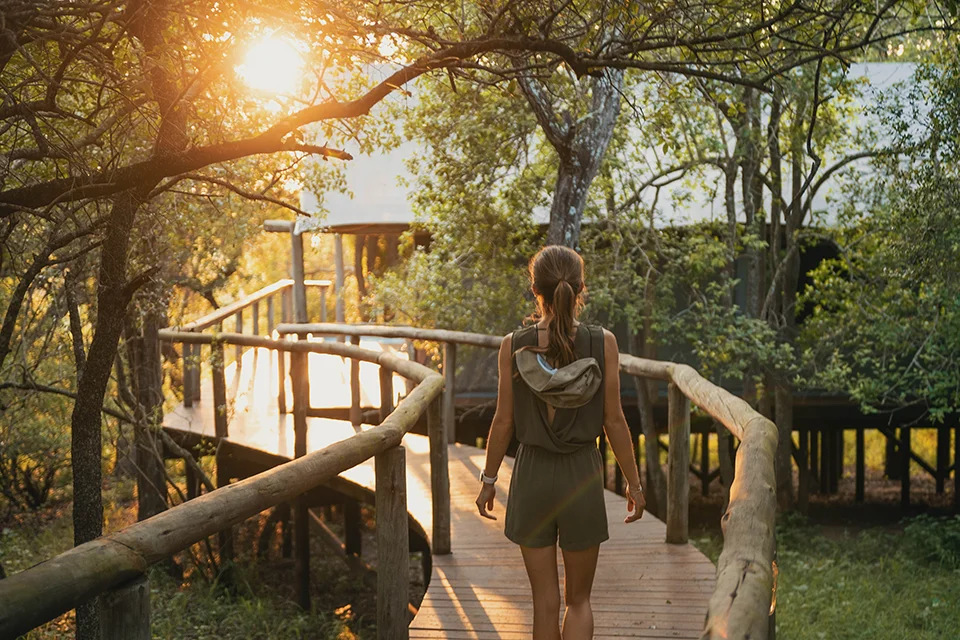
South Africa offers the most accessible entry point for solo safari travellers. Lodges in the Greater Kruger and Madikwe typically charge single supplements of 25–50%, and competition between lodges keeps pricing more negotiable than in East Africa. Malaria-free reserves in the North West and Eastern Cape provinces are also worth considering for solo travellers making a first trip. See our South Africa destination page for full details.
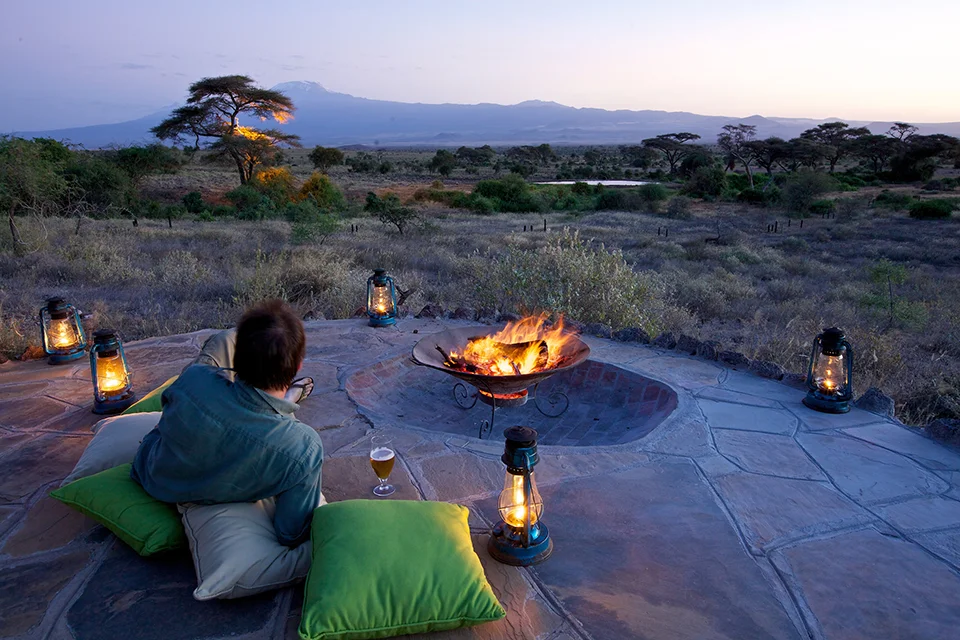
Kenya
Kenya is one of the best-value safari destinations for solo travellers, thanks to its wide choice of lodges and frequent small-group safaris in places like the Maasai Mara and Samburu. Travelling during the shoulder seasons – April to June and October to November – can reduce costs even further, with many lodges offering lower rates and reduced or waived single supplements.
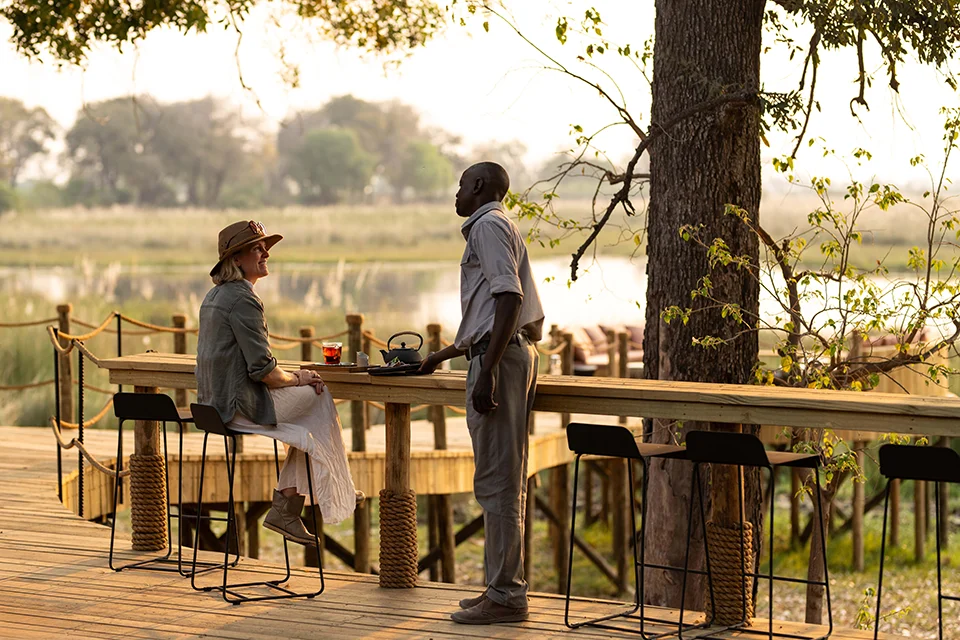
Botswana
Botswana is one of Africa's most exclusive safari destinations, so solo travel can be more expensive than in countries such as Kenya or South Africa. Many lodges in the Okavango Delta, Linyanti and Chobe are small and intentionally host fewer guests, helping to protect these fragile wilderness areas. That exclusivity often comes with higher single supplements. There is an upside, though. Smaller lodges typically offer a more personalised experience, and some have pricing or seasonal offers that make solo travel surprisingly good value. Our experienced safari planners will help identify the lodges and travel dates where those opportunities exist.
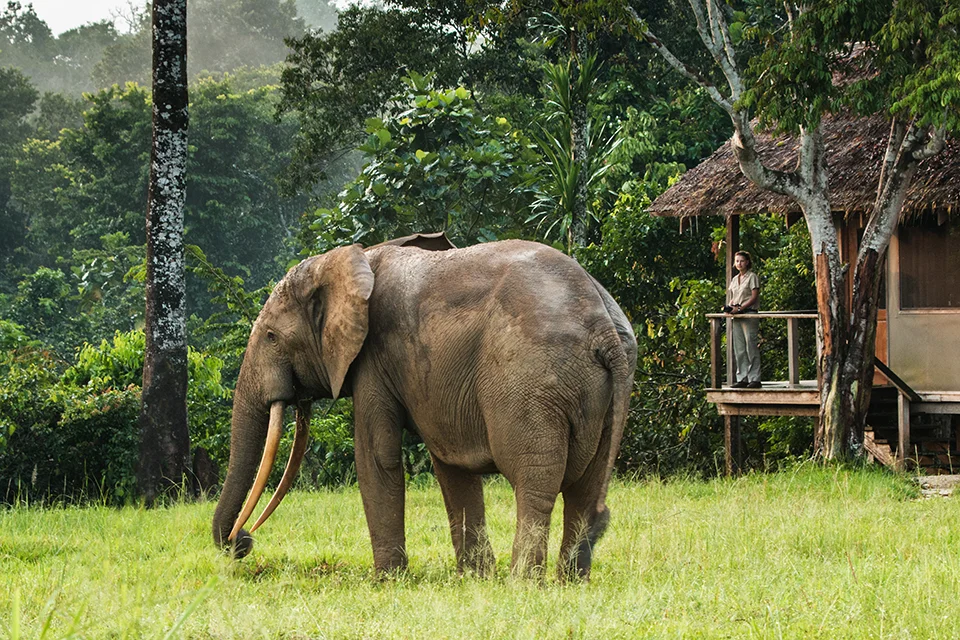
Congo-Brazzaville
Odzala-Kokoua National Park is one of the few destinations in Africa where solo travellers may occasionally find themselves as the only guests in a lodge – particularly in the low season. The low overall visitor volume means lodges are sometimes more flexible on single supplements, and the experience is among the most remote and wildlife-rich on the continent.
FAQs – solo safari cost and supplement
Solo travellers on an African safari often pay an additional charge of 25–75% because most lodges price their rooms on the basis that two people will share them. Fortunately, there are several ways to reduce or avoid this extra cost. Travelling in the low season, joining a small-group safari, or choosing lodges that waive single supplements can all make a significant difference. Working with our experienced safari planners makes all the difference, as they know which lodges are running special offers and where solo travellers receive the best value. With more than 35 years of planning tailor-made safaris across Botswana, Kenya, South Africa, Tanzania, Zambia and beyond, Africa Geographic can help you find the right trip without paying more than you need to.
A single supplement is an extra charge that some safari lodges apply when one person stays in a room or tent designed for two. Because most safari accommodation is priced on the assumption that two guests will share, a solo traveller pays a little more to cover the cost of having the room to themselves. It is a common practice across Africa, from comfortable tented camps to luxury safari lodges.
Single supplements typically range from 25% to 75% of the per-person-sharing rate, added per night. South Africa tends to sit at the lower end of this range (25–50%); Botswana and East Africa can reach 50–75% at high-end lodges. The actual amount depends on the specific lodge, the season, and whether the lodge is running any solo-traveller promotional rates. Africa Geographic can provide current, lodge-specific figures on request.
Yes. There are several proven ways to reduce or avoid a single supplement. Travelling in the low season often means lower rates, with many lodges reducing or waiving the extra charge. Joining a small-group safari, choosing lodges that don't charge a single supplement, or sharing a room with another solo traveller where possible can also keep costs down. Our experienced safari planners will help you find the best offers and identify lodges where solo travellers receive exceptional value.
In many cases, yes. Joining a small-group safari is often the most affordable option because you'll usually pay the standard sharing rate, avoiding the single supplement altogether. These trips are widely available in destinations such as Kenya, Tanzania, South Africa and Botswana. They're a great choice if you're happy to travel on set dates and follow a shared itinerary, while still enjoying an intimate safari experience with a small group – typically no more than 8–12 guests.
South Africa generally offers the lowest single supplements among Africa's leading safari destinations, with many private lodges in the Greater Kruger area charging 25–40% above the sharing rate. Competition between lodges keeps pricing more negotiable. Kenya is also competitive, particularly for travellers joining group trips through the Maasai Mara. Botswana and some East African luxury lodges tend to charge higher supplements due to their exclusive, low-volume model.
The low season varies by destination. In East Africa (Kenya, Tanzania), April, May and early June typically offer the lowest pricing and the greatest flexibility on single supplements. November to March generally offers the best opportunities for reduced single supplements across much of southern Africa, although timing varies by destination. Rain is possible during these periods, but wildlife activity remains strong – and the absence of large tourist groups is an advantage, particularly for solo travellers.
A safari specialist like Africa Geographic knows where solo travellers can get the best value. We keep track of lodges that waive or reduce single supplements, seasonal offers and the best travel dates, helping you avoid paying more than necessary. We can also recommend the right combination of lodges and destinations to make the most of your budget. With more than 35 years of planning tailor-made safaris, Africa Geographic combines this expertise with on-the-ground support before and during your trip, giving you peace of mind from the moment you book.
Yes. Safari travel is structured and guided, which makes it well-suited to solo travellers. Wildlife activities are conducted in vehicles or on foot with professional guides; transfers are arranged and confirmed in advance; and reputable lodges are staffed around the clock. Solo travellers are in good company on the continent: Sarah, an Africa Geographic guest from the United States, described her experience as follows: "As a solo traveller, I felt very safe, and I never felt scared... I can truly say that this has been the best trip that I have taken up to this point." Specific safety considerations for women travelling solo are covered in our women on safari guide.
Start planning your dream safari
Our travel experts will craft a no-obligation itinerary just for you. We have crafted over 5,000 safaris since 1991. Your personal details are protected; we only use this information to contact you.
Why book your safari with us?

Deep Experience & Knowledge
Handcrafted experiential safaris since 1991.
Travel in Africa is about knowing when and where to go, and with whom. A few weeks too early/late or a few kilometres off course, and you could miss the greatest show on Earth. And wouldn’t that be a pity?

Trust & Safety

Make A Difference
We donate a portion of the revenue from every safari sold to carefully selected conservation projects that make a significant difference at ground level.
YOUR safari choice does make a difference - thank you!