

Tailor-made safaris. Since 1991

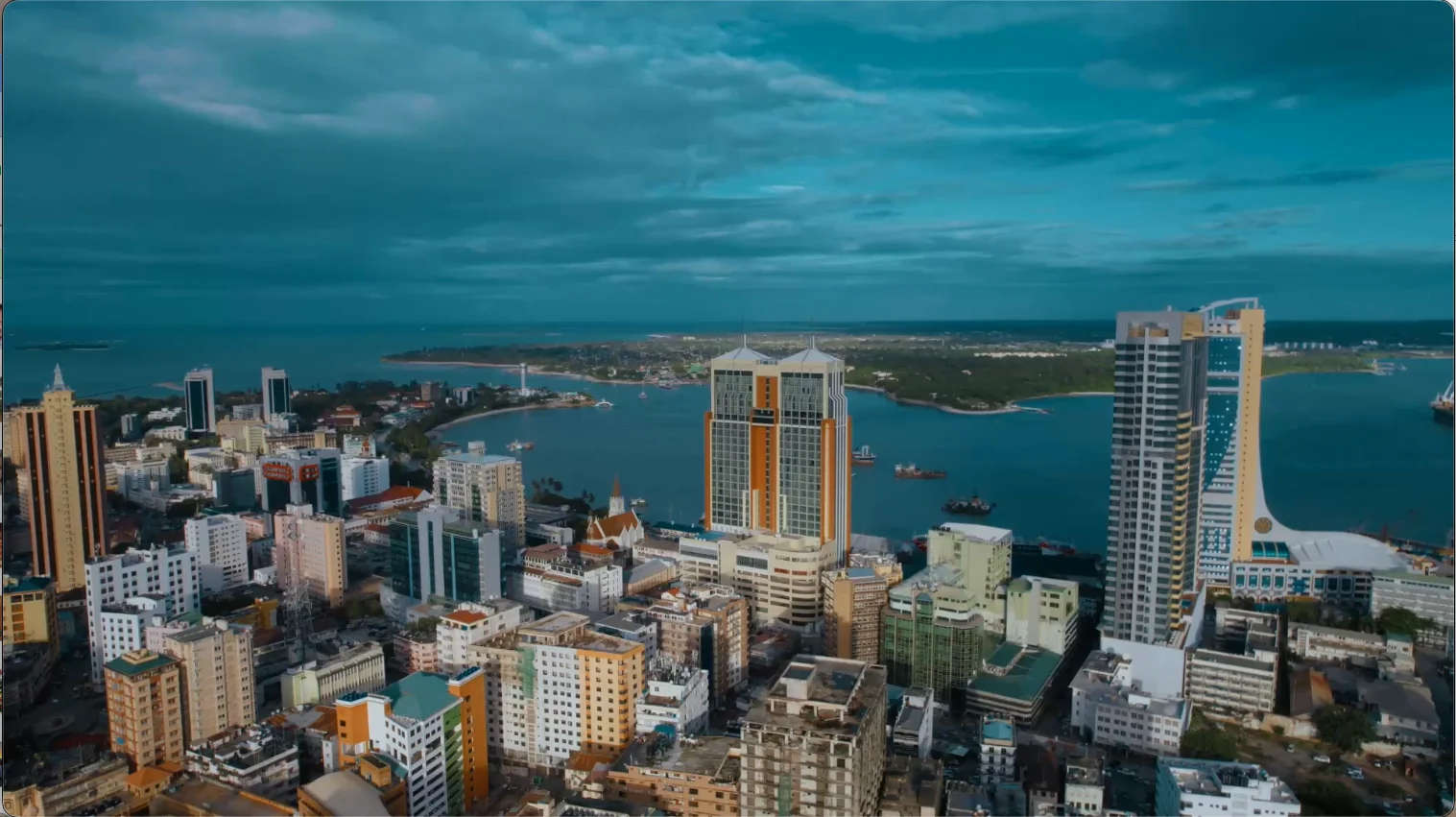


Dar es Salaam: Tanzania's Swahili Coast Capital
Dar es Salaam at a glance:
Location: East coast of Tanzania, on the Indian Ocean | Access: Julius Nyerere International Airport (DAR), about 10 km from the city centre |
Character: Tanzania's largest city; gateway to the Southern Circuit, Zanzibar and the Swahili coast | Best time to visit: June–October (dry season) |
Currency: Tanzanian Shilling (TZS) | Minimum recommended stay: 1–2 nights |
Malaria risk: Yes, prophylaxis recommended | Capital status: No, Dodoma has been the official capital since the 1970s |
Why Visit Dar es Salaam?
Dar es Salaam rarely makes anyone's shortlist of Tanzanian highlights, yet it rewards the traveller willing to pause before pressing on to the Southern Circuit's wilder parks or the beaches of Zanzibar. Founded in 1862 by Sultan Seyyid Majid of Zanzibar on the site of the fishing village of Mzizima, the city grew under German and then British colonial administration into a true Swahili trading port, its streets still carrying the layered imprint of Arab, German, British and Indian merchants alongside its African heart.
Today Dar is Tanzania's largest city and its commercial and cultural engine, even though the capital moved inland to Dodoma decades ago. Walking the city centre brings you past the Askari Monument and the National Museum, with its extraordinary Nutcracker Man skull and a cast of the ancient Laetoli footprints, before the energy of Kariakoo Market and the working waterfront remind you this is still a real port city, not a museum piece.
Crucially, Dar es Salaam is the principal gateway to Tanzania's Southern Circuit, placing travellers within easy reach of Nyerere National Park, Ruaha and the Indian Ocean islands. A night or two spent here, exploring its markets, monuments and harbour before flying onward, makes it a genuinely useful and interesting part of a Tanzanian journey, not merely an unavoidable stopover.
5 Reasons We Love Dar es Salaam
Layered Streetscape: Mosques, colonial-era facades and bustling bazaars sit only streets apart, the legacy of Arab, German, British and Indian traders.
Southern Circuit Gateway: Short flights connect the city onward to the wilder, far less visited national parks of Nyerere, Mikumi, Ruaha and Udzungwa Mountains.
The National Museum: Home to the extraordinary 1.75-million-year-old Nutcracker Man skull and a cast of the famous Laetoli footprints.
Askari Monument & Kariakoo: The chaotic, colourful energy of Tanzania's cheapest market sits just beside this historic First World War memorial.
Island Days: Easy hops to Bongoyo and Mbudya for a day of swimming and seafood, or the short ferry crossing onward to the beaches of Zanzibar.
All you need to know about Dar es Salaam
Things to do in Dar es Salaam
National Museum: See the 1.75-million-year-old Nutcracker Man skull and a cast of the ancient Laetoli footprints, plus a botanical garden nearby.
Askari Monument: This memorial to the Askari soldiers of the First World War stands at the heart of the old colonial city centre, worth a quiet pause.
Kariakoo Market: Haggle for textiles and fresh produce at Tanzania's cheapest, most authentic market, keeping a close eye on your belongings.
Bongoyo Island: Take a short boat across for snorkelling, a coastal hike and a seafood lunch at the small island restaurant, or try quieter Mbudya.
Dhow Harbour: Watch wooden dhows land their daily catch at the old waterfront, where Dar's maritime trade has continued for generations.
Village Museum: See homesteads built in traditional styles from across Tanzania at Makumbusho, with ngoma dance performances on certain days.
Bagamoyo: A Day Trip from Dar
About two hours by road north of Dar es Salaam, Bagamoyo is one of the most historically layered towns on the Swahili coast. Founded at the end of the 18th century as an extension of the older settlement of Kaole, it began as a modest trading centre for fish, salt and rubber before growing, in the first half of the 19th century, into a major port for ivory and the slave trade, and later briefly served as the capital of German East Africa.
The nearby Kaole ruins preserve two mosques and around thirty graves dating to the 13th century, while explorers including Richard Burton, Henry Morton Stanley and David Livingstone all began or ended expeditions here. Bagamoyo's importance faded once the Germans built a railway inland from Dar in 1905, and the town today is a quieter centre for dhow-building. The best time to visit is June through October, when the Arts Festival often falls.
Pugu Hills: A Forest Day Trip
Barely an hour and a half's drive west of Dar es Salaam, close to Julius Nyerere International Airport, the Pugu Kazimzumbwi Nature Forest Reserve offers a genuine change of pace from the city. This 120-square-kilometre reserve protects more than a hundred tree species across a landscape of steep and gentle hills, with a viewpoint that opens onto a breathtaking panorama of Dar es Salaam spread out below.
Inside the forest, ancient caves still used by local residents for prayer sit alongside Lake Minaki, where canoeing is possible, and colobus monkeys and a wide variety of birds move through peaceful stands of bamboo. A full exploration of the reserve, following the lake before climbing to the main viewpoint, takes around four to five hours on foot, making Pugu Hills an easy, rewarding half-day or full-day escape for hikers based in the city.
Where to stay in Dar es Salaam
Dar es Salaam's two featured properties sit within a few streets of one another in the city centre, yet suit genuinely different kinds of traveller rather than simply different budgets. Between the two, the choice comes down to an established name at the edge of downtown or a newer property right inside it.
The Serena Hotel occupies a long-established position on Ohio Road, at the edge of the city centre and directly across from Barclays Bank. Part of the well-regarded, pan-African Serena hotel group, it has for years been one of the city's most dependable fixtures for business and transit travellers passing through Dar. Its appeal lies less in novelty than in consistency: a predictable, established international name close to downtown, suited to travellers who want a reliable base without venturing further out to the quieter hotels of the Msasani Peninsula.
The CBD Hotel, by contrast, is a newer and more contemporary proposition. Built in 2013 and renovated in 2020, it occupies a six-storey tower on Nkurumah Street deep in the Mchafukoge district, within easy walking distance of the Askari Monument, Kariakoo Market and the city's central railway station. On site are a rooftop pool with city views, two restaurants, a spa offering Swedish massage alongside a sauna and steam room, a fitness centre, and conference rooms. It suits business travellers and anyone who wants a modern, full-service hotel planted in Dar's commercial core, rather than out on the peninsula.
Trusted by thousands of ecstatic travellers
✔️ 5-Star Trustpilot Rating ✔️ Condé Nast Travel Specialist Award Winner
✔️ Accredited by SATSA ✔️ 5,000+ Exceptional Safaris Since 1991
Why choose Africa Geographic to plan your safari?

"I had an absolutely incredible experience traveling through...Tanzania with Africa Geographic. From start to finish, everything was seamless and so thoughtfully planned... I always felt like everything was handled. I couldn’t have asked for a better trip or team to plan it. I would absolutely recommend Africa Geographic and will definitely be using them again for future adventures!"
"I cannot imagine a better way to customize a trip to Africa than with Africa Geographic...listened to what we hoped to accomplish and patiently went back and forth with suggestions and itineraries until it was perfect. Our trip to Tanzania...exceeded all of our expectations. The transfers all went smoothly and our guides were exceptional. I wish I could give 10 stars."
"Beautifully organized tanzania trip! Hats of...for seamless integration of the tour while taking care of the minutest of the details....was well experienced in his line of work, knowledgable and thoroughly ethical. After a week together we parted as friends, carrying great memories with a promise to return. I would not hesitate to recomment Africa Geographic to any one!"
Wish you were here?
Frequently asked questions
The dry season, from June through October, brings lower humidity and more comfortable temperatures than the hot, sticky months between December and March, making it the most pleasant time to explore the city on foot.
No. Dar es Salaam is Tanzania's largest city and its commercial and financial hub, but the official capital moved inland to Dodoma in the 1970s, which today functions as the administrative centre of government.
Julius Nyerere International Airport sits roughly 10 kilometres from downtown Dar es Salaam, though traffic can stretch the drive to around half an hour. A taxi or hotel shuttle is the most straightforward option.
Yes. Regular ferries connect Dar es Salaam to Zanzibar in around two hours, making it an easy and popular add-on for travellers who want to combine the city with island time afterwards.
Yes. The city is the main gateway to Tanzania's Southern Circuit, with short flights connecting travellers to Nyerere, Ruaha, Mikumi, and Udzungwa Mountains National Parks, as well as other wilder, far less-visited southern reserves.
The Tanzanian Shilling is the local currency used throughout Dar es Salaam, though many hotels, tour operators and larger shops will also accept payment in US dollars or by card.
Yes. Tanzania as a whole, including Dar es Salaam, carries a malaria risk, so antimalarial prophylaxis, insect repellent and covering up in the evenings are all sensible, commonly recommended precautions for visitors.
Historic Bagamoyo, around two hours north by road, and the Pugu Kazimzumbwi Nature Forest Reserve, about ninety minutes west, are the two most rewarding and accessible day trips from the city.
The National Museum, the Askari Monument and Kariakoo Market are the three essential city-centre stops, with the historic dhow harbour and waterfront well worth a slow, unhurried wander afterwards too.
Most travellers spend one or two nights in Dar es Salaam, using it as a practical stepping stone before or after safari or beach time elsewhere, rather than as a standalone, multi-day destination.
Swahili is the everyday language of Dar es Salaam, though English is widely spoken in hotels, restaurants and tour operations, making the city straightforward to navigate for most international visitors.
Dar es Salaam carries real safety considerations alongside the usual city precautions: muggings and petty theft occur in crowded areas and after dark, so solo travellers, especially women, should take particular care walking alone at night and keep valuables out of sight.
The city grew from Mzizima, a small fishing village, after Sultan Seyyid Majid of Zanzibar founded Dar es Salaam on the same site in 1862, giving it the Arabic name meaning "Haven of Peace."
The Dar es Salaam hotels on this page typically cost from US$62 (CBD Hotel) and US$150 (Serena Hotel) per person, per night, depending on the accommodation comfort level and time of year. This price usually includes accommodation and breakfast.
Click here to schedule a no-obligation call with one of our Safari Experts or fill in our 2-minute form with your questions. Our team of experts are here to help! Whether you’re curious about the best time to travel, want to hear first-hand about an experience or need help planning your safari.
Explore more African destinations
Start planning your dream safari
Our travel experts will craft a no-obligation itinerary just for you. We have crafted over 5,000 safaris since 1991. Your personal details are protected; we only use this information to contact you.
Why book your safari with us?

Deep Experience & Knowledge
Handcrafted experiential safaris since 1991.
Travel in Africa is about knowing when and where to go, and with whom. A few weeks too early/late or a few kilometres off course, and you could miss the greatest show on Earth. And wouldn’t that be a pity?

Trust & Safety

Make A Difference
We donate a portion of the revenue from every safari sold to carefully selected conservation projects that make a significant difference at ground level.
YOUR safari choice does make a difference - thank you!