

Tailor-made safaris. Since 1991



Kilwa Coast & Fanjove Island: Where Swahili history meets the Indian Ocean
Kilwa Coast & Fanjove Island at a glance:
Location: The eastern extreme of Tanzania's Southern Circuit. Kilwa District; Fanjove Island within the Songo Songo Archipelago, Indian Ocean | Access: Kilwa airstrip, a 50-minute flight from Dar es Salaam; Fanjove Island via a 20-minute flight to Songo Songo Island, then dhow or speedboat |
UNESCO World Heritage Site: Ruins of Kilwa Kisiwani and Songo Mnara, designated 1981 | Best time to visit: June–October for settled weather; September–March for optimal snorkelling and diving |
Destination type: Swahili Coast cultural heritage, Indian Ocean island, remote beach and marine wildlife | Currency: Tanzanian Shilling (TZS); US dollars widely accepted; some properties are cash only |
Recommended stay: 3–5 nights to combine mainland heritage with island time | Malaria risk: Yes, antimalarial precautions recommended; consult your doctor before travel |
Why visit the Kilwa Coast & Fanjove Island?
Southern Tanzania's Indian Ocean coast holds two of Africa's most compelling and under-visited travel experiences. The first is Kilwa Kisiwani, a small island just off the mainland that was once the most powerful trading city on the East African coast and today stands as one of the continent's most significant UNESCO World Heritage Sites. The second is Fanjove Island, a privately held reef island in the Songo Songo Archipelago where humpback whales pass, green turtles nest and the nearest crowds are very far away.
Together they make a destination that rewards travellers with a particular appetite: for genuine discovery over rehearsed experiences, for history that has not been packaged into convenience, and for the kind of Indian Ocean solitude that most islands on this coast stopped offering decades ago.
The Kilwa Coast sits well outside the popular northern Tanzania circuit. Reaching it requires a deliberate decision, and that decision is repaid in full. The medieval ruins of Kilwa Kisiwani and Songo Mnara are among the largest monumental ruins in sub-Saharan Africa and remain barely absorbed by mainstream travel. The World Monuments Fund has supported conservation work here since 2008, yet the sites receive only a fraction of the attention their significance warrants. This is a coast where history, architecture, marine life and the Indian Ocean itself still feel genuinely your own.
5 reasons we love the Kilwa Coast & Fanjove Island
Medieval ruins that most travellers never find: Kilwa Kisiwani's Great Mosque and Husuni Kubwa palace represent the apex of Swahili architecture, a UNESCO World Heritage Site still largely unknown to the wider safari world.
Songo Mnara: a near-intact medieval town on an empty island: Eight kilometres south of Kilwa Kisiwani, Songo Mnara's 14th–15th-century ruins preserve five mosques, a palace complex and domestic structures in one of the most complete Swahili town plans on the East African coast.
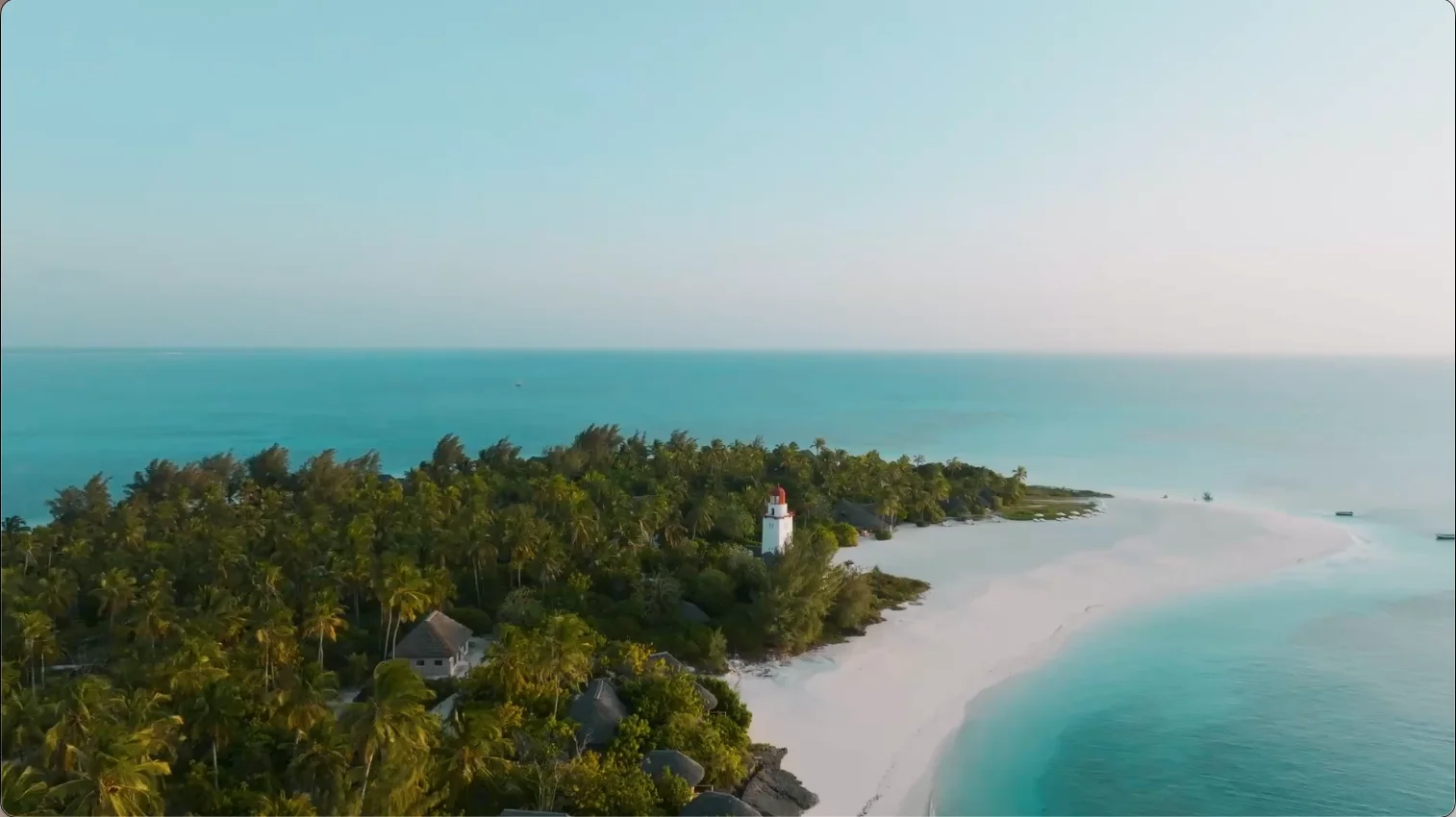
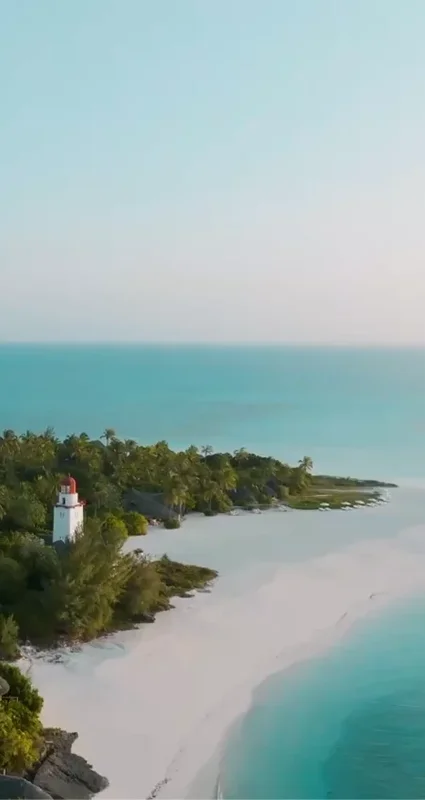
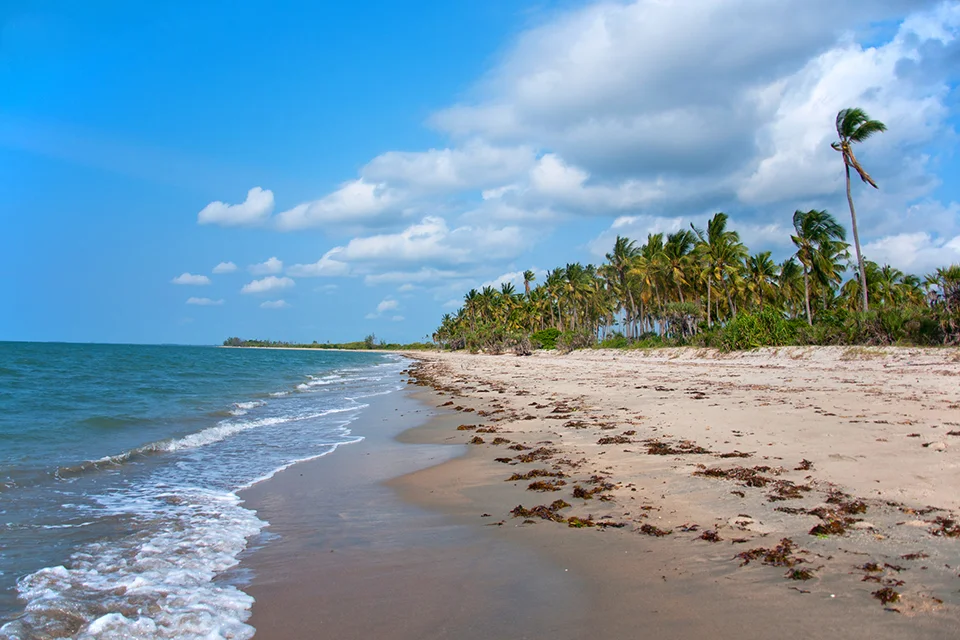
Fanjove Island: a private reef island with six bandas and no crowds: Half a mile long, surrounded by coral and powered by the sun, Fanjove Island offers the rare combination of true remoteness and genuine comfort in one of Tanzania's least-visited marine environments.
Marine wildlife on a seasonal calendar of its own: Humpback whales pass through Fanjove's waters from July to October, green turtles nest on the beach from January to April, and spinner and bottlenose dolphins are resident year-round, with a coral reef for those who want to go below the surface.
A southern Tanzania coast that the tourist circuit has left alone: No queues at the boat crossing, no other vehicles at the ruins, no competition for a stretch of beach. The Kilwa Coast rewards travellers willing to move beyond Tanzania's established routes.
All you need to know about the Kilwa Coast
Things to do on the Kilwa Coast & Fanjove Island
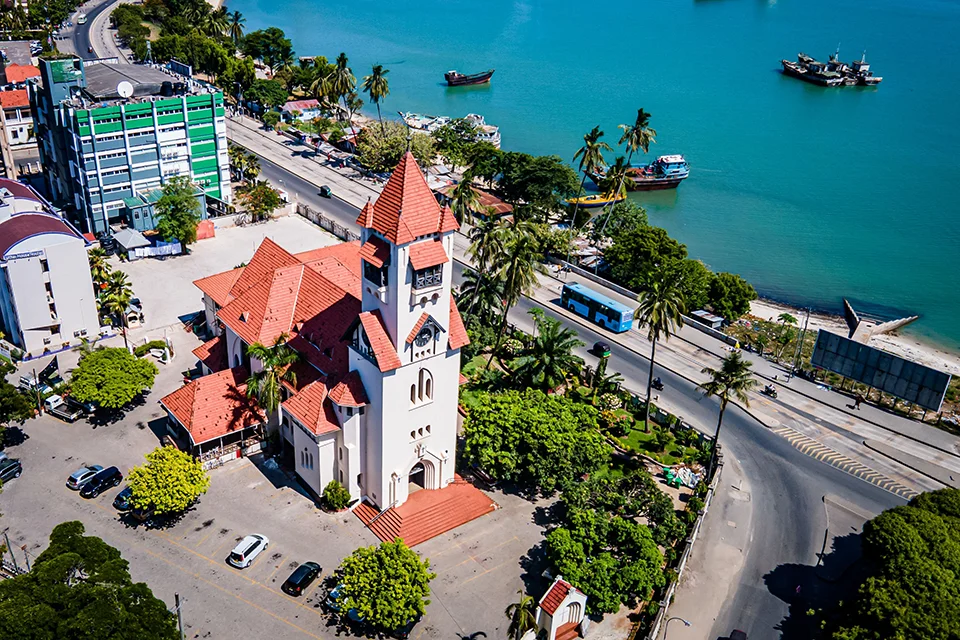
Tour the ruins of Kilwa Kisiwani: Cross from Kilwa Masoko by boat and follow a local guide through the Great Mosque, Husuni Kubwa palace, Gereza Fort and the coral-stone remnants of a medieval Swahili city at its height.
Explore Songo Mnara's medieval town: Eight kilometres south of Kilwa Kisiwani, five mosques, a palace complex and domestic structures survive in remarkable condition; be prepared to wade through mangroves on arrival at the island.
Snorkel and dive the Fanjove reef: The coral reef surrounding Fanjove Island offers snorkelling and diving in warm, clear water; best conditions run September through March, with seasonal winds limiting visibility from June to August. Kayaks are available from the lodge at no extra cost.
Walk Fanjove Island on foot: Coral cliffs, a lighthouse and a calm central lagoon reward a circumnavigation of the island, with resident egrets, herons and weavers to keep you company along the way.
Visit the community on Songo Songo Island: A short boat journey from Fanjove brings you to a working coastal community, school, mosque and market, offering a genuine encounter with everyday Indian Ocean life.
Wander the streets of Kilwa Kivinje: Sixteen kilometres from Kilwa Masoko, this 19th-century Swahili port is scattered with crumbling Omani and German-era mansions from its heyday as a major trading hub.
What wildlife can I see at Kilwa & Fanjove Island?
The Kilwa Coast is primarily a cultural and marine destination. Wildlife here is defined by the Indian Ocean, specifically the waters and reef systems around Fanjove Island in the Songo Songo Archipelago.
Humpback whales: Present in the waters around Fanjove Island from July to October, making this one of the few places on the Tanzanian coast where seasonal whale watching is possible from land or by boat.
Green turtles: Nest on Fanjove Island's beach from January to April; the lodge's low-impact, solar-powered design leaves nesting sites largely undisturbed.
Spinner and bottlenose dolphins: Resident year-round in the waters around Fanjove Island, often visible from the beach or during a snorkel on the house reef.
Migratory and resident birds: Crab plovers, whimbrels and turnstones arrive on passage from November to March; weavers, egrets and herons are present on the island throughout the year.
Tropical reef fish: The coral reef circling Fanjove Island supports a variety of species; snorkelling and diving offer direct access to the reef ecosystem in warm, clear water.
Where to stay on the Kilwa Coast & Fanjove Island?
Fanjove Island Lodge is the most remote: six solar-powered A-frame eco bandas on a private island in the Songo Songo Archipelago, each opening directly onto the sand through large double doors. Four-poster beds with mosquito nets, an open-sky bathroom and an upstairs balcony with ocean views define the rooms; a raised dining deck just metres from the water serves seafood with Arabic and Italian inflexions. Open June through March, reached by a 20-minute flight from Dar es Salaam to Songo Songo Island followed by a short boat crossing.
On the mainland, Kilwa Beach Lodge occupies Masoko Pwani, one of southern Tanzania's finest beaches, on a former coconut plantation. Built in 2012 using earthbag and superadobe construction, the lodge has an eco-conscious character expressed in its architecture as much as its ethos. Sea-view doubles, a treetop banda for couples, a restaurant, bar, swimming pool and family rooms make it well suited to beach stays, safari extensions and families. Accessible by flight to Kilwa airstrip or by road from Dar es Salaam.
Kimbilio Lodge on Jimbazi Beach in Kilwa Masoko is the longest-established base for heritage-focused visitors. Six sea-facing cottages offer honest comfort rather than resort polish. The lodge's experienced local guide arranges excursions to both Kilwa Kisiwani and Songo Mnara, and the seafood cooking draws consistently strong reviews. Open all year.
Trusted by thousands of ecstatic travellers
✔️ 5-Star Trustpilot Rating ✔️ Condé Nast Travel Specialist Award Winner
✔️ Accredited by SATSA ✔️ 5,000+ Exceptional Safaris Since 1991
Why choose Africa Geographic to plan your safari?

"I recently returned from a safari in Tanzania ,I am an 65 year female traveling solo and it was an unforgettable experience. I booked through...Africa Geographic, who took the time to understand my needs and expectations, then tailor-made the entire trip accordingly. Everything ran seamlessly...I’ve already booked another trip..."
"We had an initial discussion with the agent...and he responded with a very well done preliminary itinerary. After a review conference call he made a few tweaks to meet our preferences and that became our final trip. It was a fantastic plan. We really enjoyed each of our three different accomodations...We highly recommend...Africa Geographic."
"Beautifully organized tanzania trip! Hats of to...team for seamless integration of the tour while taking care of the minutest of the details. Our guide...was well experienced in his line of work, knowledgable and thoroughly ethical. After a week together we parted as friends...I would not hesitate to recommend Africa Geographic to any one! ..."
Wish you were here?
Frequently asked questions
Kilwa Kisiwani was once the most powerful city-state on the Swahili Coast, controlling gold trade between the interior of present-day Zimbabwe and markets in Arabia and Asia. Its ruins, including the Great Mosque and Husuni Kubwa palace, became a UNESCO World Heritage Site in 1981.
The Kilwa Coast lies in the Lindi Region of southern Tanzania. Kilwa Masoko is the main access point, reached by a 50-minute flight from Dar es Salaam to Kilwa airstrip. Road access is also possible, with most of the route from Dar es Salaam now paved.
The crossing from Kilwa Masoko takes 10 minutes by motorboat or up to an hour by dhow. Permits and guides are arranged through the tourist information centre or Antiquities Office in Kilwa Masoko; visiting without a guide is not permitted. Expect uneven paths and low walls throughout.
Songo Mnara lies eight kilometres south of Kilwa Kisiwani and is jointly inscribed with it as a UNESCO World Heritage Site. Its 14th–15th-century remains, five mosques, a palace and domestic structures, preserve one of the most complete medieval town layouts on the coast, though it is less visually dramatic.
Visits are arranged through the Kilwa Islands Tour Guides Association in Kilwa Masoko. Entry starts at around US$96 per person, including transport, guide and permit; a combined full-day excursion to both islands costs from US$148. Travel time is 90 minutes to three hours depending on boat type.
Fanjove Island is a small private island in the Songo Songo Archipelago, roughly 140 kilometres south of Dar es Salaam, surrounded by coral reef and warm Indian Ocean water. About half a mile long, it is home to Fanjove Island Lodge, six solar-powered eco bandas in a remote island setting.
Fly from Dar es Salaam to Songo Songo Island, a journey of around 20 minutes by light aircraft, then transfer the five miles to Fanjove Island by dhow or speedboat.
Fanjove Island Lodge is open June through March. Snorkelling and diving are best September through March; seasonal winds limit visibility from June to August, while humpback whales pass July to October and green turtles nest January to April. The mainland ruins can be visited year-round.
Humpback whales are present from July to October, green turtles nest on the beach from January to April, and spinner and bottlenose dolphins are resident year-round. Migratory shorebirds, including crab plovers, whimbrels and turnstones, arrive from November to March. The surrounding coral reef supports a variety of tropical fish.
Yes. Kilwa is well suited to southern Tanzania itineraries alongside Nyerere National Park, and the road from Dar es Salaam is now largely paved, making overland access easier than it once was. The coast also works as a standalone journey for travellers focused on heritage and marine experiences.
The Kilwa Coast sees far fewer visitors than Zanzibar and offers considerably richer medieval Swahili heritage. Accommodation is simpler and more characterful; the experience rewards curiosity and discovery rather than resort infrastructure. Travellers who want authenticity and history over busy beaches will find the Kilwa Coast more rewarding.
The ruins have been a UNESCO World Heritage Site since 1981, placed on the List of World Heritage in Danger in 2004 due to erosion and structural deterioration, and removed from that list in 2014. The World Monuments Fund has supported on-site conservation work since 2008.
Permits and guides are required for both sites, arranged in Kilwa Masoko before departure. Bring your own water and food, especially for Songo Mnara where the village is several miles from the ruins. Terrain is uneven, Kilwa Kisiwani has no roads, and the island runs on solar power alone.
Kilwa Beach Lodge and Kimbilio Lodge are simpler mainland beach options, priced from US$50-60 per person per night, depending on accommodation comfort level and time of year. Fanjove is by far the most expensive because it is a private-island, higher-end, fully inclusive property. The US$995 starting price is again dependent on the time of year.
Click here to schedule a no-obligation call with one of our Safari Experts or fill in our 2-minute form with your questions. Our team of experts are here to help! Whether you’re curious about the best time to travel, want to hear first-hand about an experience or need help planning your safari.

Start planning your dream safari
Our travel experts will craft a no-obligation itinerary just for you. We have crafted over 5,000 safaris since 1991. Your personal details are protected; we only use this information to contact you.
Why book your safari with us?

Deep Experience & Knowledge
Handcrafted experiential safaris since 1991.
Travel in Africa is about knowing when and where to go, and with whom. A few weeks too early/late or a few kilometres off course, and you could miss the greatest show on Earth. And wouldn’t that be a pity?

Trust & Safety

Make A Difference
We donate a portion of the revenue from every safari sold to carefully selected conservation projects that make a significant difference at ground level.
YOUR safari choice does make a difference - thank you!