

Tailor-made safaris. Since 1991

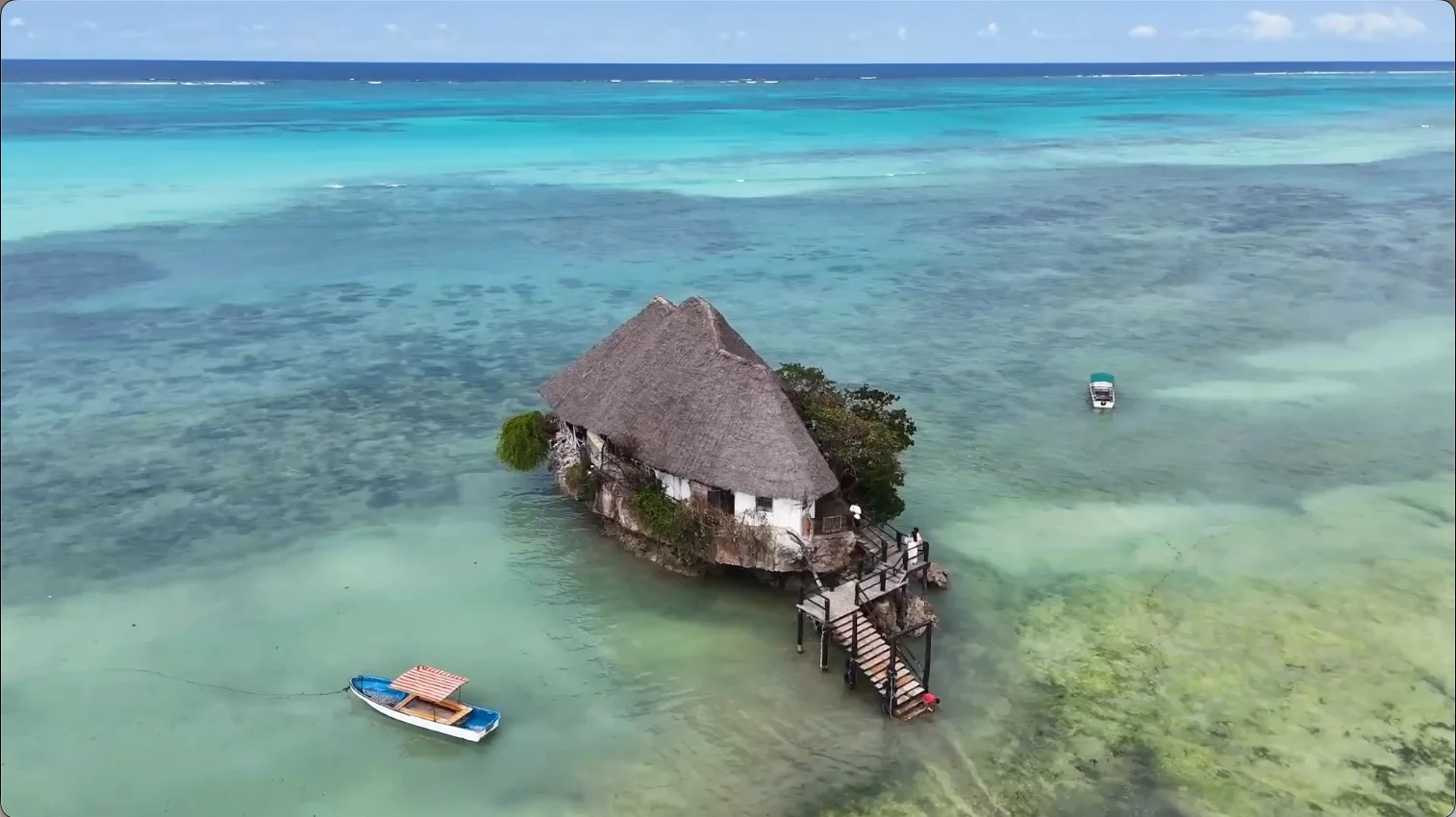



Spice Islands: East Africa's islands of spice, reef and history
Spice Islands at a glance:
Location: Indian Ocean, off the coast of Tanzania; the archipelago includes Zanzibar (Unguja), Pemba and Mafia islands, along with numerous smaller surrounding islands | Main access: Abeid Amani Karume International Airport, Zanzibar (ZNZ); Kilindoni Airport, Mafia (MFA); light aircraft from Dar es Salaam serves all islands |
Best time to visit: June–October (long dry season); December–February (short dry season); whale sharks at Mafia: October–February, most reliable November–January | Malaria risk: Present on all three islands; antimalarial medication strongly recommended; consult your doctor before travel |
Currency: Tanzanian Shilling (TZS); US dollars widely accepted in tourist areas across all three islands | Visa & insurance: Tanzania mainland visa covers all three islands. Compulsory travel insurance required. |
Recommended stay: Zanzibar: 5–7 nights; Pemba: 3–5 nights; Mafia: 3–7 nights; combined multi-island visit: 7–10 nights | Conservation: Mafia Island Marine Park (est. 1995, 822 km²); Pemba Channel Conservation Area (est. 1998); Jozani Chakwa Bay National Park, Zanzibar |
Why visit the Spice Islands?
No other archipelago within easy reach of an African safari circuit offers three such distinct island worlds in one journey. Tanzania's Spice Islands, Zanzibar, Pemba and Mafia, sit in the warm waters of the Indian Ocean off the East African coast, positioned at the ancient crossroads of trade routes connecting Africa, the Middle East and Asia. That history is written into the coral-stone architecture of Zanzibar's Stone Town, the clove plantations of Pemba's interior and the centuries-old ruins scattered across Mafia's bay islands. It is present in the food, the language and the layered Swahili, Arab, Indian, Persian, Portuguese and British influences that shape everyday life across the archipelago.
But the Spice Islands are as much about what lies beneath the water as what stands above it. Zanzibar's Mnemba Atoll is one of the Indian Ocean's finest protected marine reserves. Pemba's coral walls drop into a channel more than 2,000 metres deep, producing some of East Africa's most rewarding diving. Mafia's marine park, Tanzania's oldest, established in 1995, shelters some of the healthiest coral reefs in the western Indian Ocean and hosts seasonal whale shark aggregations that rank among the most intimate and responsibly managed encounters available anywhere in the world.
Each island suits a different kind of traveller. Together, they form a destination with few parallels in the Indian Ocean.
5 Reasons We Love the Spice Islands
Stone Town's living UNESCO heritage: A coral-stone city of 16,000 residents, 500-plus carved wooden doors, and centuries of layered Swahili and Indian Ocean history, still inhabited, still buzzing after dark at the Forodhani night market.
Three marine worlds in one archipelago: Mnemba Atoll's protected reef, Pemba Channel's dramatic coral walls, and Mafia's marine park make the Spice Islands one of East Africa's most rewarding diving and snorkelling destinations.
Whale sharks at Mafia Island: Between October and February, whale sharks feed at the surface in shallow water off Mafia's west coast, offering a rare, responsibly managed encounter with the ocean's largest fish.
The spice heritage that named these islands: Working clove, cinnamon, vanilla and cardamom farms sit 20 to 30 minutes from Stone Town, connecting the archipelago's ancient trading identity directly to the landscape around you.
The most natural Tanzania safari extension: Direct charter flights connect from Serengeti, Kilimanjaro and Ruaha airstrips to Zanzibar, making it the most seamless bush-and-beach pairing in East Africa and one of the continent's great travel combinations.
All you need to know about the Spice Islands
About the Spice Islands
Located in the Indian Ocean off the coast of mainland Tanzania, the Spice Islands form an archipelago that includes three principal islands: Zanzibar (Unguja), Pemba and Mafia, along with numerous smaller surrounding islands. Each occupies its own place in the Indian Ocean and offers a fundamentally different experience.
Zanzibar is the largest and most accessible, lying approximately 35 kilometres from the Tanzanian coast. It is the cultural and commercial centre of the archipelago, shaped by more than a thousand years of Indian Ocean trade. Pemba sits further north, its hilly, agricultural interior earning it the ancient Arab name Al Jazeera al Khadra, The Green Island. Mafia lies approximately 160 kilometres south of Zanzibar, the most remote of the three, its character defined by a protected marine park and the Swahili fishing communities that have worked its coastline for generations.
The islands are fringed by coral reefs and warm, shallow waters that support exceptional marine biodiversity. Together, they offer cultural, coastal and marine experiences that few Indian Ocean destinations can match in one journey.
Things to do in the Spice Islands
Dive or snorkel Mnemba Atoll, Zanzibar: A protected marine reserve off the northeast coast with exceptional visibility, green turtle nesting sites, reef sharks and dolphins, widely regarded as the Zanzibar Archipelago's finest dive destination.
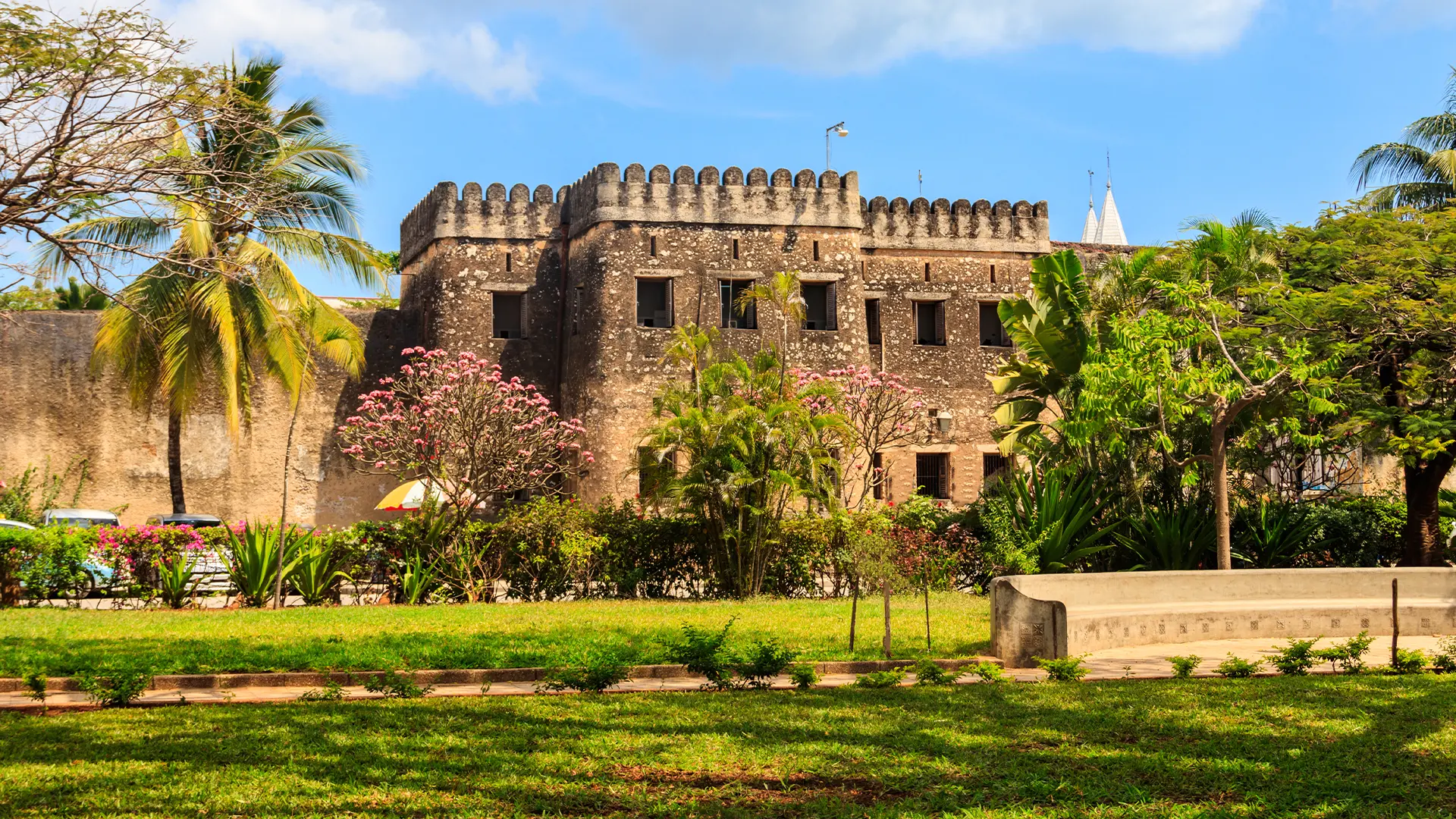
Walk Stone Town's UNESCO-listed historic quarter: Coral ragstone alleyways, the 1690s Old Fort, the slave market memorial and the Forodhani Gardens waterfront market, a living city shaped by more than a millennium of Indian Ocean trade.
Dive Pemba's coral walls and drop-offs: The west coast holds steep walls and dramatic drop-offs sheltering reef sharks, hammerheads and rich pelagic life, with Misali Island, Fundu Gap and Njao Gap among the headline sites.
Take a spice plantation tour from Stone Town: Half-day guided visits to working farms 20 to 30 minutes from Stone Town; cloves, cinnamon, cardamom and vanilla tasted fresh from the plant on the farms that gave these islands their name.
Snorkel with whale sharks off Mafia's west coast: Between October and February, whale sharks feed at the surface in shallow water near Kilindoni, in a snorkel-only encounter managed under a formal conservation code of conduct.
Explore Mafia's bay islands by dhow: A short crossing reaches Chole Island's Omani ruins and working boatyard, Juani's medieval Kua ruins and community turtle programme, and Jibondo's essentially empty tidal beaches.
What wildlife can I see in the Spice Islands?
Whale sharks visit Mafia Island seasonally between October and February, offering rare encounters with the world's largest fish, and dolphins can be frequently spotted along the coastline, often seen in playful pods.
Reef sharks inhabit deeper reef systems, adding to the diversity of marine life, while rays are graceful swimmers found in sandy seabeds and reef channels, and octopuses are well-camouflaged residents of coral reefs and rocky crevices.
Tropical fish are abundant across coral reefs, creating vibrant underwater ecosystems ideal for snorkelling and diving while sea turtles glide through the warm coastal waters around the islands.
Red colobus monkeys are endemic to Zanzibar’s Jozani Forest. These endangered and fascinating creatures are renowned for their distinctive appearance.
Birdlife is a highlight across the archipelago, with over 200 species recorded. Zanzibar's Jozani Forest is home to the striking Fischer's turaco, mangrove kingfisher, East Coast akalat and Zanzibar red bishop. Pemba Island is a birder's prize destination, sheltering four species found nowhere else on Earth: the Pemba sunbird, Pemba scops owl, Pemba green pigeon and Pemba white-eye.
Where to stay in the Spice Islands
Zanzibar, Pemba and Mafia Islands offer a range of accommodation options that showcase each island's character, and where you base yourself is inseparable from which part of the island you experience.
We showcase many of them on each island's page linked below.
Explore the Spice Island destinations
Zanzibar
Also known as Unguja, Zanzibar is the largest island in the archipelago, covering approximately 1,658 square kilometres roughly 35 kilometres off Tanzania's coast. At the heart of its western-shore capital sits Stone Town, a UNESCO World Heritage Site inscribed in 2000 and one of the most rewarding cultural destinations in East Africa. This living city of around 16,000 residents is built from locally cut coral ragstone, its architecture layered with Swahili, Arab, Indian, Persian, Portuguese and British influence accumulated over more than a millennium. More than 500 intricately carved wooden doors survive in its alleyways. The Anglican Cathedral stands on the site of the island's former slave market.
The island's coastline is far from uniform. Tide-free beaches in the north at Nungwi and Kendwa offer swimming at any hour; the quieter northeast shore at Matemwe sits closest to Mnemba Atoll; kitesurfing conditions draw riders to Paje in the southeast; and sheltered coves line the east coast. Jozani Chakwa Bay National Park, the island's only national park, protects the endemic and endangered Zanzibar red colobus monkey, a species found nowhere else on Earth.
Pemba Island
North of Zanzibar, Pemba is the second-largest island in the Zanzibar Archipelago. Its ancient Arab name, Al Jazeera al Khadra, translates as The Green Island, and the interior earns it: clove and mango trees cover undulating slopes, rice paddies thread through the landscape, and dhow-fishing villages line a mangrove coastline that bears little resemblance to the resort shores of its southern neighbour. There are no resort strips here; the island's essential character is quiet, fertile and unhurried, and it remains entirely intact.
Beneath the water, Pemba presents an entirely different proposition. The Pemba Channel drops to more than 2,000 metres between the island and the mainland, producing coral walls, steep drop-offs and reef gardens that consistently rank among East Africa's finest dive sites. The Pemba Channel Conservation Area, established in 1998 in response to El Niño coral bleaching, protects the entire west coast, including Misali Island, a conservation zone reached by speedboat with over 300 fish species, turtle nesting beaches and old-growth coral. For birders, Pemba offers something found nowhere else on the planet: four bird species entirely endemic to this one island, all sheltering in Ngezi Forest Reserve in the north.
Mafia Island
Mafia Island lies approximately 160 kilometres south of Zanzibar in the Pwani Region of mainland Tanzania, the most remote of the three Spice Islands and the one that rewards travellers who want to be in the water rather than beside it. A 30-minute light aircraft flight from Dar es Salaam is the only practical way to arrive. There are no ATMs, no resort infrastructure, and the island's character is shaped as much by its Swahili fishing communities as by its reefs. Mafia is a predominantly Muslim island; modest dress is expected outside lodge grounds, and this is worth understanding before you arrive.
Established in 1995, Mafia Island Marine Park was Tanzania's first. Its 822 km² protect some of the healthiest coral in the western Indian Ocean, sheltered by the horseshoe shape of Chole Bay. Between October and February, juvenile whale sharks gather off the west coast to feed at the surface in shallow water, making Mafia one of the world's most reliably rewarding places to snorkel alongside them.
The island's history is as layered as its reef. Across the archipelago, ruins from successive Swahili, Omani and German occupations span nearly a thousand years, from the 10th-century foundations at Ras Kisimani to the medieval Kua settlement on Juani Island, one of the most significant historical sites on the East African coast.
What's the difference between Zanzibar, Pemba and Mafia and which is best?
The three Spice Islands share an ocean and a history, but they are not interchangeable. Each suits a different kind of traveller, and understanding the differences before you book makes for a significantly better trip.
Zanzibar is the natural starting point for most visitors. It offers the widest range of experiences in one place: a UNESCO-listed historic city, beaches ranging from lively to secluded, reliable diving at Mnemba Atoll, kitesurfing at Paje, and accommodation at every level. Its international airport and direct charter connections from Tanzania's safari airstrips make it the most straightforward beach extension of any mainland itinerary, particularly the northern circuit.
Pemba rewards those who want to go further in every sense. Its west coast diving, shaped by the depths of the Pemba Channel, consistently outperforms Zanzibar's reefs for experienced divers. The island has no resort infrastructure and retains an authentic rural Swahili character. At just 30 minutes by small aircraft from Zanzibar, and requiring no additional mainland connection, it works naturally as an add-on for those who want something quieter and more immersive.
Mafia is in a category of its own. Tanzania's most remote major island, it centres on its marine park and the seasonal whale shark aggregations that draw visitors between October and February. It requires a dedicated flight from Dar es Salaam rather than a connection through Zanzibar, making it most practical as a standalone destination or paired with the southern safari circuit via Ruaha or Nyerere national parks. Come here for the water, not the beaches or the culture.
For a full side-by-side breakdown of all three islands, read our guide to Zanzibar vs Pemba vs Mafia.
Trusted by thousands of ecstatic travellers
✔️ 5-Star Trustpilot Rating ✔️ Condé Nast Travel Specialist Award Winner
✔️ Accredited by SATSA ✔️ 5,000+ Exceptional Safaris Since 1991
Why choose Africa Geographic to plan your safari?

"Our visit to Chole Mjini treehouses on Chole Island was also wonderful. Such a remote part of the world, and staying in a 'real luxury' tree house built into the baobab was a once-in-a-lifetime experience too. All the staff here were excellent and very friendly indeed. Thank you very much."
"I made a trip to East Africa with Africa Geografic...Everything was running flawless...Then I continued travelling to Mafia Island (Tanzania). The lodge in Mafia was well chosen by Africa Geografic according to my interests. I would never have found this lodge without valuable help from...AG."

"We had another amazing experience with Africa Geographic. In Zanzibar, Christian helped us to organise some very down-to-earth cultural excursions, which will be strong family memories forever! We loved biking through the villages, learning how to climb coconut palm trees, meeting and chatting with local kids, and we adored our Swahili cooking lesson!"
Wish you were here?
Frequently asked questions
The Spice Islands is the collective name for Tanzania's Indian Ocean archipelago, comprising three principal islands: Zanzibar (Unguja), Pemba and Mafia, along with numerous smaller surrounding islands. Each offers a distinct experience, from Zanzibar's beaches and culture to Pemba's diving and Mafia's marine wilderness.
June to October is the long dry season and the most reliably good period across all three islands. December to February is also dry and warm. Avoid April and May, when the long rains arrive. October to February is whale shark season on Mafia, with November to January the most reliable window.
Each island suits a different travel style: Zanzibar for culture, beaches and variety; Pemba for world-class diving and seclusion; Mafia for marine wildlife and a remote marine wilderness experience. For a detailed comparison, read our guide to Zanzibar vs Pemba vs Mafia.
Yes, and this is one of East Africa's most natural travel combinations. Charter flights connect Zanzibar directly from the Serengeti, Kilimanjaro and Ruaha airstrips. Zanzibar pairs best with the northern circuit; Mafia pairs best with the southern circuit via Dar es Salaam; Pemba works well as a Zanzibar add-on.
A Tanzania mainland visa covers all three islands and is the most flexible option for multi-island travel.
Yes, and Mafia Island is one of the world's most reliable places for it. Between October and February, whale sharks feed at the surface in shallow water off the west coast. You snorkel alongside them rather than dive, with an operator we work with that follows a clear conservation code of conduct.
Stone Town is the UNESCO-listed historic quarter of Zanzibar City, inscribed in 2000. A living city of around 16,000 residents, it is shaped by more than a millennium of Indian Ocean trade, with coral ragstone architecture, 500-plus carved wooden doors, the Forodhani night market and a slave market memorial.
Fly from Zanzibar: the journey takes around 30 minutes on small turboprop aircraft. Two scheduled flights operate daily and seats fill quickly, so booking ahead is essential. Direct flights from Dar es Salaam are also available. Flying is strongly preferred over the ferry for both safety and efficiency.
Light aircraft from Dar es Salaam is the only practical option, approximately 30 minutes with Auric Air or Coastal Aviation, several times daily. Aircraft are small with real weight limits, so build flexibility into connections. There is no usable ATM on the island, so bring all cash from Dar es Salaam.
Zanzibar is consistently popular with honeymooners. Pongwe Beach Hotel's sheltered cove and Kilindi Zanzibar's secluded north coast beach suit couples seeking privacy. For greater seclusion, Pemba and Mafia both offer exceptional options, with Fundu Lagoon and The Manta Resort on Pemba among the most popular honeymoon choices.
Malaria is present on all three islands; antimalarial medication is strongly recommended, so consult your doctor before travel. On Zanzibar, drink bottled water rather than tap water. Medical facilities are very limited on Pemba and Mafia, making comprehensive travel and medical evacuation insurance essential for all visitors.
A minimum of five to seven nights suits Zanzibar alone. Pemba works well with three to five nights; Mafia requires at least three nights given the logistics, with five nights doing it proper justice. For a multi-island visit combining two or more islands, seven to ten nights is recommended.
Exceptional. Four bird species exist nowhere else on Earth: the Pemba sunbird, Pemba scops owl, Pemba green pigeon and Pemba white-eye. Ngezi Forest Reserve in the island's north is the primary territory for all four, with guided night walks offering the best chance of encountering the Pemba scops owl.
Zanzibar offers the best prices, from US$50 to US$500 per person, per night, Mafia Island prices start from US$160 to US$200 per person, and Pemba Island lodges cost from US$370 to $440 per person, per night. All prices depend on accommodation comfort level, time of year, and activities.
Click here to schedule a no-obligation call with one of our Safari Experts or fill in our 2-minute form with your questions. Our team of experts are here to help! Whether you’re curious about the best time to travel, want to hear first-hand about an experience or need help planning your safari.
Explore more African destinations
Start planning your dream safari
Our travel experts will craft a no-obligation itinerary just for you. We have crafted over 5,000 safaris since 1991. Your personal details are protected; we only use this information to contact you.
Why book your safari with us?

Deep Experience & Knowledge
Handcrafted experiential safaris since 1991.
Travel in Africa is about knowing when and where to go, and with whom. A few weeks too early/late or a few kilometres off course, and you could miss the greatest show on Earth. And wouldn’t that be a pity?

Trust & Safety

Make A Difference
We donate a portion of the revenue from every safari sold to carefully selected conservation projects that make a significant difference at ground level.
YOUR safari choice does make a difference - thank you!