

Tailor-made safaris. Since 1991



Tanzania's Western Circuit: Wild & Remote
Tanzanian Western Circuit at a glance:
Location: Far-western Tanzania, bordering Lake Tanganyika and Lake Victoria | Access: Light aircraft and boat transfers; no roads connect the parks |
Parks: Katavi, Mahale Mountains, Gombe Stream, Rubondo Island | Best time to visit: June–October (dry season) |
Signature wildlife: Wild chimpanzees, elephant, buffalo, hippo, lion | Circuit specialty: Chimpanzee trekking and remote floodplain wildlife |
Malaria risk: Yes – prophylaxis advised across all four parks | Minimum recommended stay: 2–3 nights per park visited |
Why visit the Western Circuit?
Tanzania's Western Circuit is safari country stripped of crowds, a remote arm of the Great Rift Valley where four national parks share forest, lake and floodplain found nowhere else in East Africa. Reached only by light aircraft and, in places, a boat crossing Lake Tanganyika, it is where wild chimpanzees still move through rainforest and montane woodland much as they always have, tracked daily by researchers whose work spans six decades of patient, continuous observation.
Katavi lies southernmost, an unfenced wilderness of golden floodplains where dry-season concentrations of hippo, buffalo and elephant rank among the most dramatic on the continent, drawing lion prides to the last remaining water.
Mahale Mountains and Gombe Stream sit on Lake Tanganyika's eastern shore, each protecting habituated chimpanzee communities against forested peaks rising from pale, sandy beaches.
Rubondo Island floats far north on Lake Victoria, its rainforest sheltering chimpanzees introduced decades ago alongside elephant and giraffe, an unlikely wilderness few travellers reach.
Together these parks reward those willing to fly deep into western Tanzania with encounters that feel genuinely wild, an authenticity increasingly hard to find elsewhere.
5 Reasons We Love the Western Circuit
Genuine remoteness: Fly deep into western Tanzania to reach parks with no roads, few visitors, and wildlife largely unaccustomed to people.
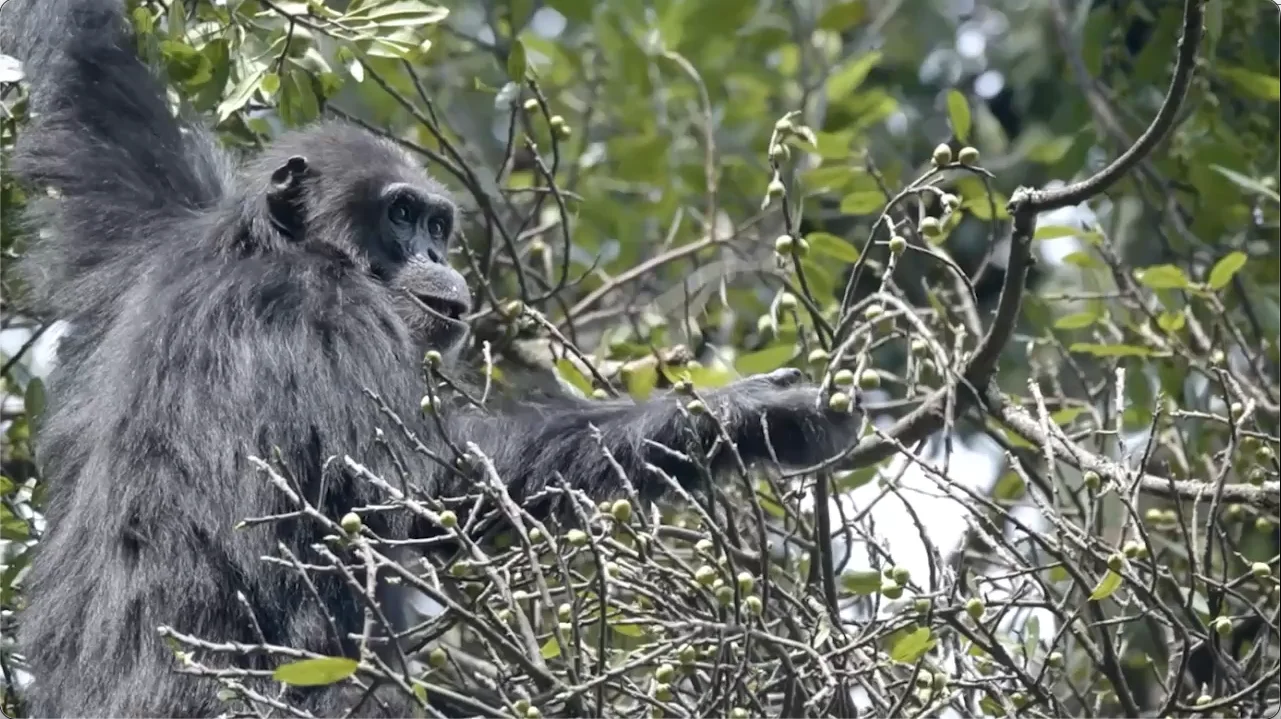
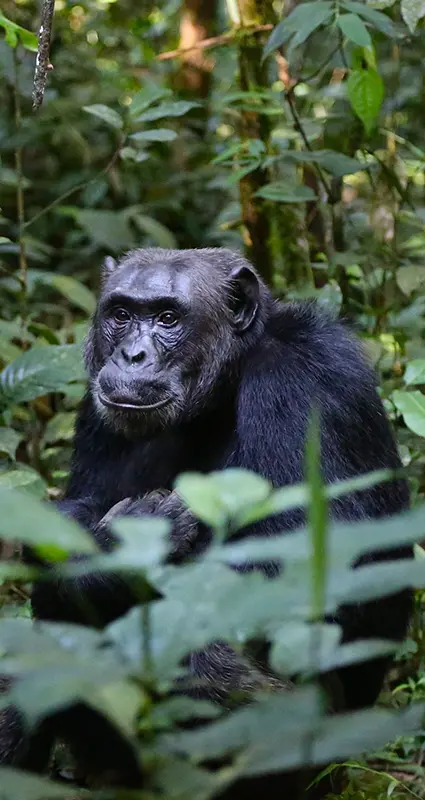
Chimpanzee heartland: Track wild, habituated chimpanzee communities at Mahale, Gombe and Rubondo, each with its own forest, lake or island.
Where primatology began: Walk Gombe's forest paths, where Jane Goodall's 1960 research first revealed wild chimpanzee tool use to the world.
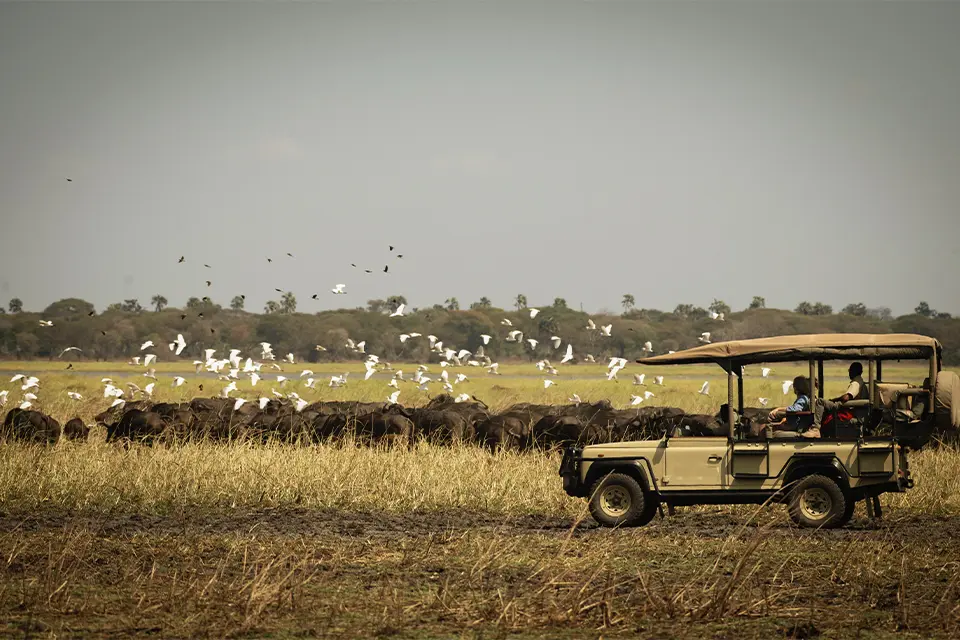
Untamed floodplain drama: Watch Katavi's lion prides confront colossal buffalo herds as the Katuma River shrinks to the last remaining water.
Freshwater lake wilderness: Swim, snorkel or kayak Lake Tanganyika's clear, endemic cichlid-filled waters beneath forested mountain peaks.
All you need to know about the Western Circuit
About the Western Circuit
Tanzania's Western Circuit follows the remote Great Rift Valley, bordering Lake Tanganyika, the world's second-deepest lake, and Lake Victoria, Africa's largest freshwater lake. Mahale Mountains and Gombe Stream National Parks sit on Lake Tanganyika's eastern shore, roughly 150 km apart, both reached only by boat, protecting forested peaks and steep valleys where wild chimpanzees have been studied for six decades by patient researchers. Rubondo Island floats far north on Lake Victoria, a 456.8 km² rainforest isle reached by flight from Serengeti airstrips. Katavi National Park lies further south, a 4,500 km² floodplain wilderness fed by the Katuma River, its area extended by surrounding reserves stretching toward Mahale and Ruaha. No roads link these four parks; each demands its own flight or boat, rewarding travellers with authentic, uncrowded wilderness.
Things to Do in the Western Circuit
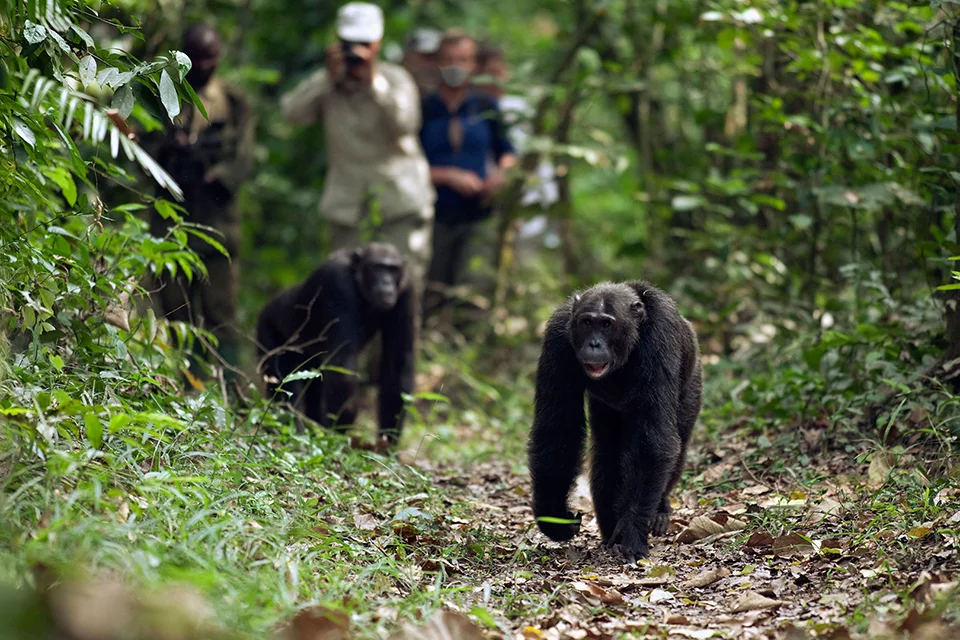
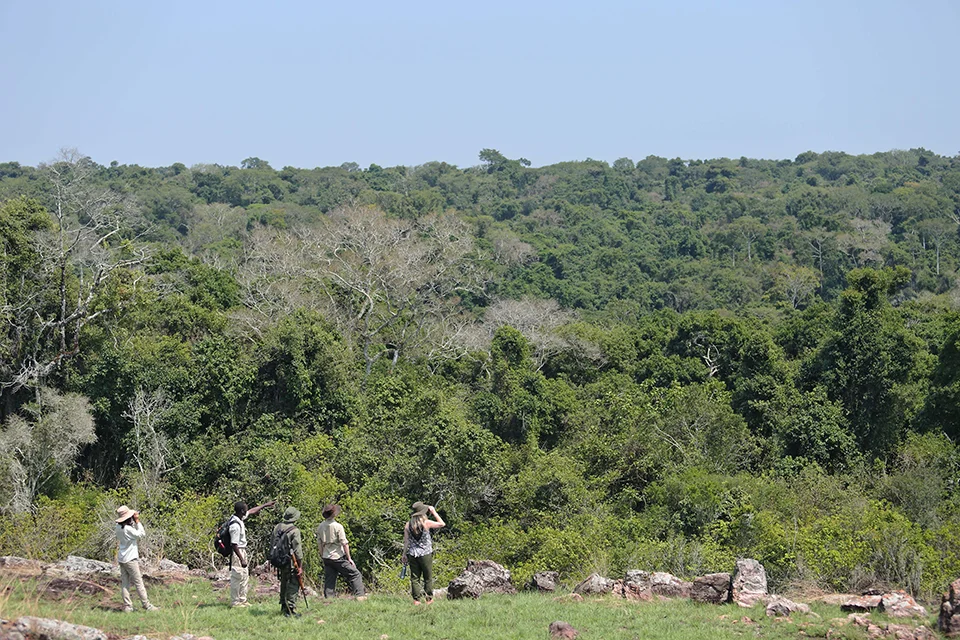
Chimpanzee trekking: Trek through rainforest at Mahale, Gombe or Rubondo to observe habituated chimpanzee communities up close.
Lakes Tanganyika and Victoria cruises: Explore by boat or kayak, spotting hippos, otters, and vivid kingfishers along forested, undisturbed shorelines.
Snorkelling with cichlids: Slip into Lake Tanganyika's clear water to admire hundreds of colourful, endemic cichlid fish species.
Dry-season game drives: Watch lion prides confront massive buffalo herds at Katavi's shrinking waterholes during the driest months and find river caves packed with hibernating crocodiles.
Fly-camping in Katavi: Sleep under open skies in a lightweight mesh tent, one of western Tanzania's most immersive experiences.
Forest walks and birding: Discover mini ecosystems on foot across all four parks, home to hundreds of bird species between them.
What Wildlife Can I See in the Western Circuit?
Chimpanzees: Wild communities range across Mahale, Gombe and Rubondo, some habituated to humans through decades of research.
Elephants and buffalo: Katavi holds some of Tanzania's largest elephant herds and buffalo congregations, numbering in the thousands.
Lions and other predators: Katavi's prides confront buffalo herds at shrinking waterholes, alongside leopard, cheetah and wild dogs (painted wolves).
Hippos and crocodiles: Katavi's dry-season pools crowd with hippos, while riverbank caves shelter dormant crocodile populations.
Forest primates: Colobus, baboon and vervet monkeys share forested slopes at Mahale and Gombe alongside the resident chimpanzees.
Rubondo's reintroduced wildlife: Elephant, giraffe and colobus monkeys thrive on Rubondo Island, descendants of 1960s reintroductions.
Where to Stay in the Western Circuit
Accommodation across Tanzania's Western Circuit is deliberately scarce, a reflection of each park's remoteness and its conservation-first approach to tourism.
In Mahale Mountains National Park: Greystoke Mahale offers an immersive, characterful beach lodge with just six en-suite bandas built almost entirely from materials found around Lake Tanganyika, while Mbali Mbali Mahale provides a smarter, more polished stay on the very same shoreline.
In Gombe Stream National Park: Mbali Mbali Gombe Lodge sits beneath ancient mango trees on the sandy shore, its seven en-suite tented rooms, each separated by a strip of forest for privacy, offering genuine comfort within a wild and remote setting.
In Katavi National Park, Chada Katavi sits deep within the wildlife-rich Chada Plain, with six en-suite tents on elevated wooden platforms offering a rustic, bush-deluxe experience, alongside fly-camping trips further into the wilderness. Katavi Wildlife Camp provides a simpler, understated tented experience with consistently good year-round sightings, while Mbali Mbali Katavi, formerly Katuma Bush Lodge and the only camp in the park with a swimming pool, adds a touch more comfort without losing the destination's unpolished character.
In Rubondo Island National Park: Rubondo Island Camp is the only accommodation within the park, its eight thatch-roofed cottages set in a sheltered cove where hippos are known to graze the lawns after dark.
Western Circuit National Parks
Katavi National Park
Katavi National Park is one of Africa's wildest and most remote parks, hosting some of the largest hippo pods, buffalo herds and elephant congregations found anywhere on the continent today. Covering 4,500 km² in Tanzania's far west, close to Lake Tanganyika, it is Tanzania's third-largest national park, its protected area extended by surrounding game reserves stretching toward the Ruaha ecosystem and Mahale Mountains to the north. Access is fly-in only, with no road access.
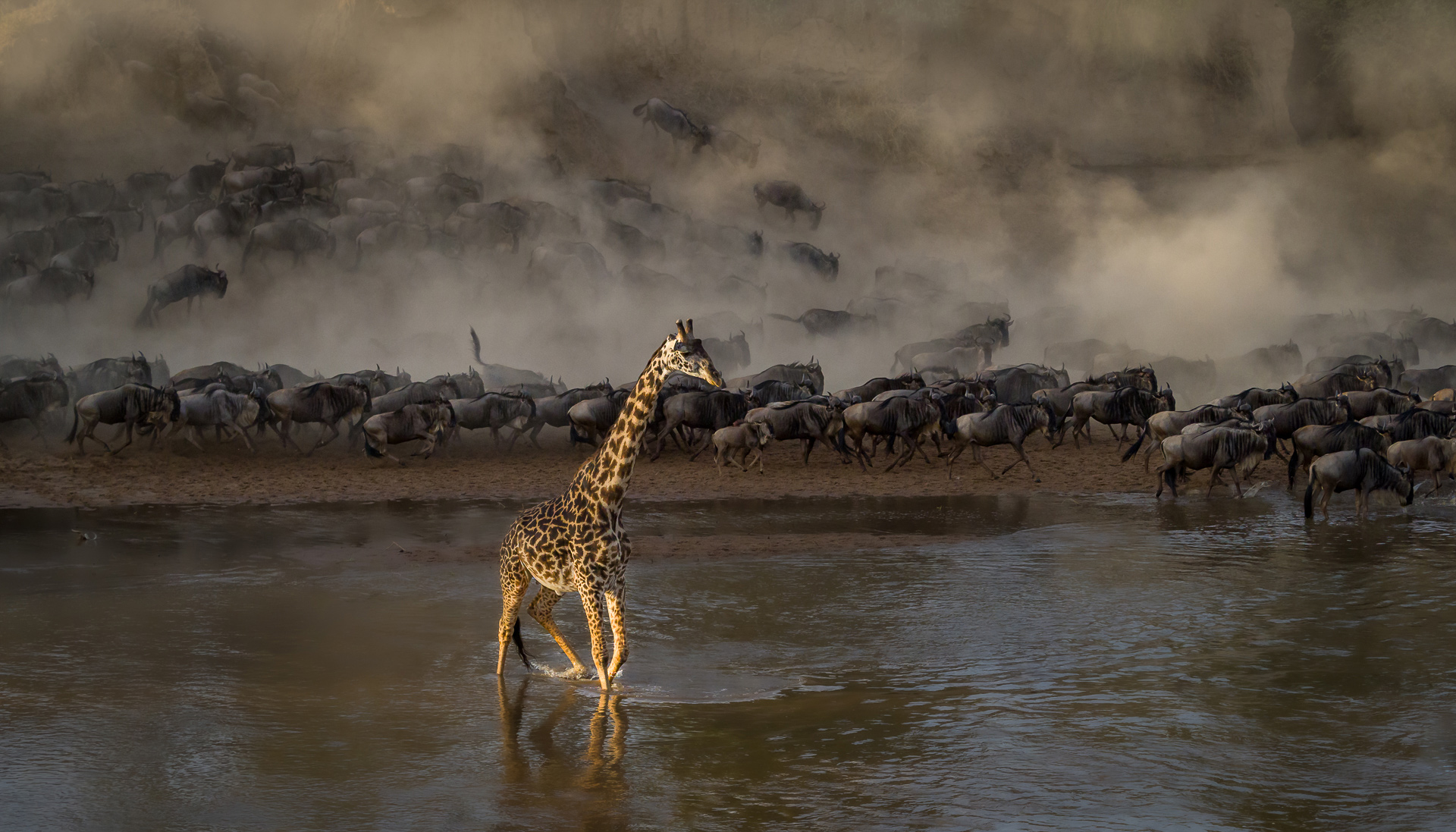
Life here revolves around water. As the dry season tightens its grip, the Katuma River becomes the last reliable source for miles, transforming Katavi into a raw predator-prey theatre where lion prides confront buffalo herds thousands strong. Painted wolves, cheetahs, leopards and spotted hyenas roam the floodplains, while river sandbank caves shelter crowds of dormant crocodiles through the driest months.
Katavi has one of Africa's lowest lodge densities. Chada Katavi offers a rustic, bush-deluxe stay with fly-camping options; Katavi Wildlife Camp provides a simpler, understated tented experience; and Mbali Mbali Katavi, the only camp with a swimming pool, adds comfort without losing the destination's unpolished character.
Mahale Mountains National Park
Mahale Mountains National Park occupies one of Tanzania's remotest corners, reached only by light aircraft and a boat trip along Lake Tanganyika, the world's second-deepest lake. Covering roughly 1,650 km² on the eastern shore, the park is named for the forested Mahale range, whose peak, Mount Nkungwe, rises above 2,400 metres. There are no roads within the park; exploration happens on foot, by kayak or by boat, a rare degree of true wilderness access.
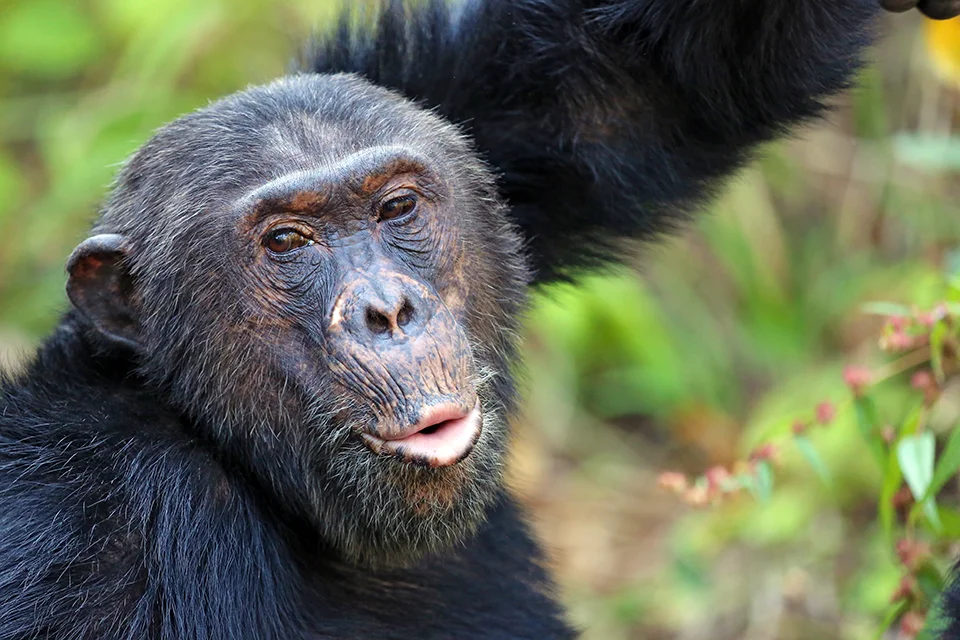
Around 1,000 wild chimpanzees live here, including the habituated M-group, studied by Kyoto University researchers since 1965, one of Africa's longest-running such programmes. Trekking means climbing through miombo woodland and rainforest, guided by trackers who know individual chimpanzees by name and history. Colobus, vervet and red-tailed monkeys share the canopy, and almost 400 bird species have been recorded, including Kungwe apalis and Ross' turaco.
Lake Tanganyika's clear, warm waters invite swimming, snorkelling and kayaking among hundreds of endemic cichlid fish species found nowhere else. Two lodges serve the park: Greystoke Mahale, an immersive beach camp, and Mbali Mbali Mahale, a smarter lakeside stay, both reached only by boat and light aircraft.
Gombe Stream National Park
Gombe Stream National Park is where the study of wild chimpanzees began. In July 1960, a young Jane Goodall arrived on this stretch of Lake Tanganyika's shore with no formal training and, within months, overturned assumptions about the boundary between humans and other animals. Today the Kasakela community she first observed and named remains central to the longest-running study of a wild animal species in its natural surroundings, still yielding new science decades on.
Tanzania's smallest national park at just 56 km², Gombe is a narrow strip of steep, stream-cut valleys squeezed between rift-valley hills and Lake Tanganyika's sandy shores, reached only by boat, with no roads inside. Chimpanzee trekking follows well-worn forest trails to find the habituated Kasakela community, while a resident troop of olive baboons offers constant sightings along the beach. Red-tailed and blue monkeys, red colobus and vervet monkeys move through the canopy, and almost 300 bird species have been recorded here.
Mbali Mbali Gombe Lodge, set beneath ancient mango trees on the sandy shore, is the park's principal accommodation, with seven ensuite tented rooms offering genuine comfort within a remote, forested setting.
Rubondo Island National Park
Rubondo Island National Park rises from the southwestern waters of Lake Victoria, forming Africa's largest island national park, cloaked in equatorial rainforest across roughly 80% of its 456.8 km² area. Reached by scheduled flight from Serengeti airstrips in around 75 minutes, this remote island feels closer to Central Africa than to the open plains most travellers associate with Tanzania, a striking contrast within a single country.
Chimpanzees move through the high canopy, elephants leave tracks along shaded paths, and giraffe step into sunlit clearings in the island's south, descendants of animals introduced between 1966 and 1969 by conservationist Bernhard Grzimek and the Frankfurt Zoological Society. Two troops totalling over 60 chimpanzees are tracked through the forest by guides and researchers today. Sitatunga, vervet and colobus monkeys, hippos and crocodiles round out the island's wildlife.
A single camp, Rubondo Island Camp, operates within the national park, its eight thatch-roofed cottages set in a sheltered cove on the eastern shore. Guests can track chimpanzees, take open-vehicle game drives, walk forest trails, or fish for enormous Nile perch and tilapia.
Trusted by thousands of ecstatic travellers
✔️ 5-Star Trustpilot Rating ✔️ Condé Nast Travel Specialist Award Winner
✔️ Accredited by SATSA ✔️ 5,000+ Exceptional Safaris Since 1991
Why choose Africa Geographic to plan your safari?

"...he recommended Tanzania, and the itinerary he built for us was beautifully balanced and perfectly aligned with what we wanted...everything worked smoothly, and we always felt supported. The safari itself was extraordinary...We would recommend Africa Geographic without hesitation to anyone looking for a safari that is personal, well-designed, and truly special."
"Been traveling with Africa Geographic for some time now and it has always been a fantastic experience. They take really good care of me and present me with awesome destinations. This time was...in Tanzania. The camps were beautifully positioned, the management impeccable ad the food was delicious! Africa Geographic suggested the destination and planned it extremely well."
"Beautifully organized tanzania trip! Hats of to...for seamless integration of the tour while taking care of the minutest of the details. Our guide selected deserves special mention here!...was well experienced in his line of work, knowledgable and thoroughly ethical...I would not hesitate to recomment Africa Geographic to any one!..."
Wish you were here?
Frequently asked questions
The Western Circuit refers to a remote group of national parks in far-western Tanzania, 3 of which border Lake Tanganyika and Lake Victoria: Mahale Mountains, Gombe Stream, and Rubondo Island, while Katavi lies further south. Each is reached only by light aircraft or boat, offering chimpanzee trekking, floodplain wildlife, and freshwater lake experiences away from Tanzania's more-visited northern parks.
Mahale Mountains, Gombe Stream and Rubondo Island all offer chimpanzee trekking. Mahale and Gombe protect wild communities on Lake Tanganyika's shore, while Rubondo's chimpanzees, introduced in the 1960s, are tracked through equatorial rainforest on Lake Victoria.
Gombe is smaller and more accessible, with shorter treks thanks to decades of habituation. Mahale is considerably larger, wilder and more remote, with mountains rising over 2,400 metres, offering a more physically demanding trek within a bigger, more dramatic landscape.
Access varies by park. Mahale and Gombe require light aircraft plus a boat transfer on Lake Tanganyika. Katavi is fly-in only from Dar es Salaam or Arusha. Rubondo Island has its own grass airstrip, reached by scheduled flight from Serengeti airstrips in around 75 minutes.
The dry season, roughly June to October, offers the best wildlife viewing and chimpanzee trekking conditions across all four parks, with Katavi's dry-season drama peaking between August and October. Rubondo suits birdwatching in January and February.
Yes. Many travellers combine Mahale, Gombe and Katavi, given their proximity in western Tanzania, while Rubondo Island is typically linked with a Serengeti safari via its short connecting flight from Serengeti airstrips.
Gombe is where Jane Goodall began her pioneering chimpanzee research in July 1960, discovering tool use in wild animals for the first time. The Kasakela community she first observed remains part of the longest continuous study of a wild animal species today.
Katavi hosts some of Tanzania's largest elephant herds and buffalo congregations, alongside zebra, topi, impala, hartebeest, giraffe and Defassa waterbuck. Roan and sable antelope appear near water, and around 400 bird species have been recorded, including the shoebill.
No. Chimpanzees were introduced to Rubondo between 1966 and 1969 from European zoos and circuses. Genetic research shows their ancestry traces to West and Central African subspecies, distinct from Tanzania's native eastern chimpanzee subspecies.
Treks can involve several hours of steep, humid hiking through dense forest at Mahale, while Gombe's shorter trails are generally easier. A reasonable level of fitness is recommended, and the minimum age for chimpanzee trekking is 15 years old.
Accommodation is deliberately limited throughout. Mahale offers Greystoke Mahale and Mbali Mbali Mahale; Gombe has Mbali Mbali Gombe Lodge; Katavi has Chada Katavi, Katavi Wildlife Camp and Mbali Mbali Katavi; and Rubondo Island Camp is the only camp on its island.
The Western Circuit suits travellers seeking genuine remoteness and specific wildlife encounters, particularly chimpanzee trekking, rather than a first safari. Its fly-in access, limited infrastructure and physically active experiences reward those with some prior safari experience.
Our safaris typically cost from US$700 per person, per night, depending on the accommodation comfort level, time of year and activities. This price usually includes accommodation, all meals, game drives, experienced guides, airport transfers, and 24/7 support from our team.
Click here to schedule a no-obligation call with one of our Safari Experts or fill in our 2-minute form with your questions. Our team of experts are here to help! Whether you’re curious about the best time to travel, want to hear first-hand about an experience or need help planning your safari.
Explore more African destinations
Start planning your dream safari
Our travel experts will craft a no-obligation itinerary just for you. We have crafted over 5,000 safaris since 1991. Your personal details are protected; we only use this information to contact you.
Why book your safari with us?

Deep Experience & Knowledge
Handcrafted experiential safaris since 1991.
Travel in Africa is about knowing when and where to go, and with whom. A few weeks too early/late or a few kilometres off course, and you could miss the greatest show on Earth. And wouldn’t that be a pity?

Trust & Safety

Make A Difference
We donate a portion of the revenue from every safari sold to carefully selected conservation projects that make a significant difference at ground level.
YOUR safari choice does make a difference - thank you!