

Tailor-made safaris. Since 1991



Loliondo: Serengeti's Maasai wilderness
Loliondo at a glance:
Location: Eastern boundary of Serengeti National Park, between Ngorongoro and the Kenyan border | Size: Loliondo Game Controlled Area extends over 4,000 km², roughly a third of the Serengeti's own area |
Access: Via Klein's Gate, 20km north of Lobo | Best time to visit: November–December for the returning migration; year-round for resident wildlife |
Governance: Maasai-owned Game Controlled Area, a buffer zone to Serengeti National Park | Activities unique to Loliondo: Night drives, walking safaris and Maasai village visits |
Great Migration corridor: Southward-moving herds pass through November and December | Livestock: Maasai cattle graze alongside wildlife throughout the area |
Why visit Loliondo?
East of the Serengeti's plains, where the park's boundary gives way to Maasai rangeland, lies Loliondo. This is not a fenced reserve but a living, working landscape, where cattle graze alongside wildlife and pastoral rhythms continue much as they have for generations. The Loliondo Game Controlled Area forms a crucial buffer zone to Serengeti National Park, and for travellers it offers something the park itself cannot: freedom. Here, lodges run night drives and guided walking safaris, activities forbidden inside the national park boundary, often led by experienced Maasai guides whose knowledge of this land runs deep, from tracking wildlife on foot to reading the earliest signs of returning Great Migration herds.
Loliondo's importance extends well beyond tourism alone. It is a vital water catchment area for the wider Serengeti ecosystem, and a corridor the Great Migration's wildebeest herds pass through as they journey south, typically in November and December each year. Elephants move through in strong numbers, resident lion prides frequent the area, and its remoteness means encounters often unfold without another vehicle in sight. Visiting Loliondo means witnessing a functioning Maasai landscape where conservation, tourism and pastoral life remain closely intertwined.
5 reasons we love Loliondo
Night drives and walking safaris: Loliondo's lodges offer night drives and bush walks, activities banned inside Serengeti National Park.
A returning Great Migration corridor: Wildebeest herds pass through Loliondo on their southward journey from the Maasai Mara region each November and December.
Maasai-guided experiences: Local Maasai guides bring deep bush knowledge to walks, drives and village visits across Loliondo.
Uncrowded wilderness: Its remoteness and limited number of lodges mean sightings often unfold in near-total privacy, far from Serengeti's busier circuits.
A living landscape: Cattle and wildlife share the same rangeland, offering a rare view of pastoralist life woven into a functioning ecosystem.
All you need to know about Loliondo
About Loliondo
Loliondo Game Controlled Area lies along the Serengeti's northeastern boundary, stretching between the Kenyan border and the northern edge of the Ngorongoro Conservation Area. Covering more than 4,000 km², it is nearly a third the size of the Serengeti National Park itself. Loliondo is Maasai-owned land, where livestock grazing continues alongside conservation and tourism, and it is reached via Klein's Gate, roughly 20 kilometres north of Lobo in the northern Serengeti.
The western fringe of Loliondo, closest to the park boundary, forms part of the wider Serengeti ecosystem and holds good resident wildlife year-round. Loliondo also serves as a critical water catchment area, and every November and December the southward-moving wildebeest herds of the Great Migration pass through here on their journey south.
Things to do in Loliondo
Night game drives: Search for nocturnal wildlife after dark, permitted in Loliondo's concessions but banned inside the national park.
Guided walking safaris: Explore on foot with experienced Maasai guides, reading tracks and terrain unreachable from a vehicle.
Maasai village visits: Meet local Maasai communities and learn about pastoral traditions that have shaped this landscape for generations.
Uncrowded wildlife viewing: See resident lions and elephants away from the vehicle density found in central Serengeti.
Witness the returning Great Migration: Time a visit for November or December to catch wildebeest herds moving south through the corridor.
What wildlife can I see in Loliondo?
Elephants: Loliondo's woodlands and open country support strong resident elephant numbers, part of the wider northern Serengeti population.
Lion prides: Resident lions frequent Loliondo's concessions, drawn by the same prey base that sustains the neighbouring Serengeti.
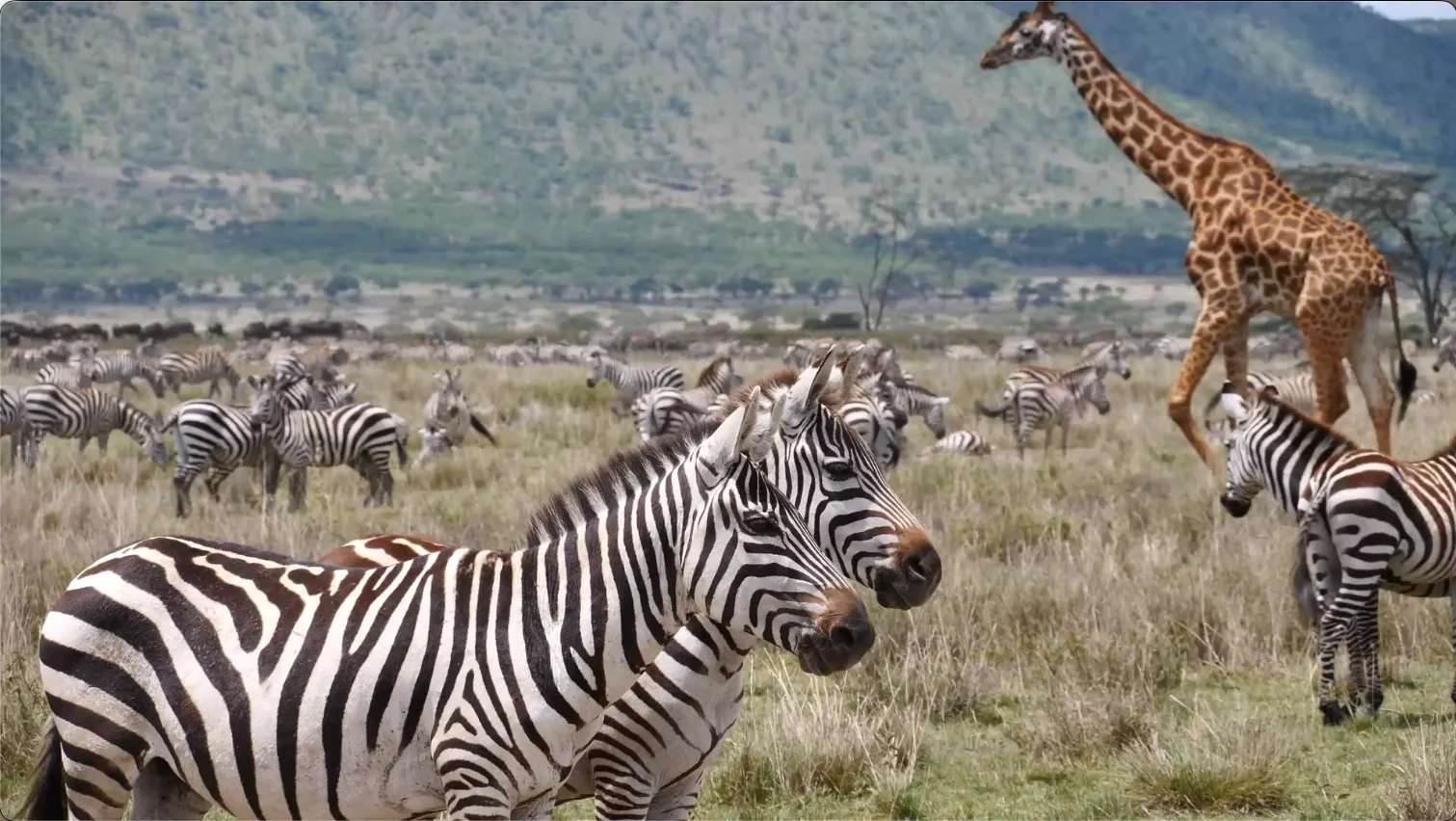
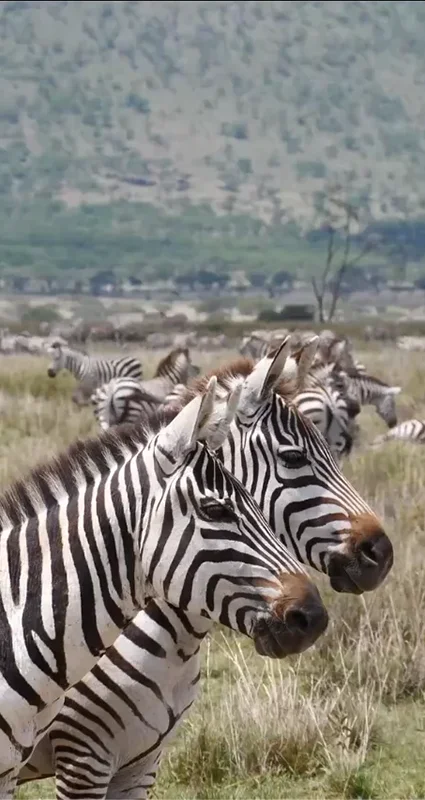
Wildebeest and zebra: The Great Migration's herds move through Loliondo each November and December on their return south.
Leopard, cheetah and hyena: These predators range across Loliondo's private concessions alongside the resident lion population.
Livestock alongside wildlife: Maasai cattle graze throughout the area, a visible reminder that Loliondo remains inhabited, working rangeland.
About 550 bird species can be found, including regional endemics such as Jackson’s widowbird, grey-crested helmetshrike, Usambiro barbet and rufous-tailed weaver.
Where to stay in Loliondo
Accommodation in Loliondo is limited, with a common thread of freedom from national park activity restrictions:
Klein's Camp is perched on the edge of a ravine in the Kuka Hills, with spectacular views over a 10,000-hectare private concession leased from the local Maasai people. Ten stone-and-thatch cottages and a large open-sided lounge and dining area hark back to a vintage colonial style, with polished wooden floors, plush furnishings, and fine linens. Operating on one of the largest concessions in the area, it delivers excellent sightings and organised visits to nearby Maasai villages and communities.
TAASA Lodge offers a slightly more offbeat character altogether - contemporary canvas guest tents with hardwood floors and private lounges paired with a large indoor lounge, dining and bar area providing a boutique hotel feel. There is a large outdoor patio built around a fire pit, an infinity pool, and handmade local crafts for sale.
Serengeti Under Canvas offers a seasonal mobile Meru-style tented experience that follows the Great Migration herds. The style is a deliberate contrast between canvas-and-bucket-shower simplicity and formal table settings. For travellers who want their accommodation to track the herds themselves, this roaming model offers a genuinely more dynamic alternative to a permanent lodge setting.
Community-owned land and the Loliondo evictions
The Maasai-owned Loliondo Game Controlled Area sits on the Serengeti's eastern boundary and is nearly a third of the size of the Serengeti itself, mattering to Maasai life far beyond tourism. This land is crucial for dry-season grazing, sustaining Maasai cattle when other pastures run dry across the wider region, and it serves as a significant water catchment area for the broader Serengeti ecosystem. It also lies directly across the Great Migration's November and December corridor, meaning the same rangeland that supports Maasai herds also supports the wildebeest.
Since 2009, the Tanzanian government has evicted thousands of Loliondo villagers from parts of this land, citing conservation, tourism and trophy-hunting purposes. These evictions have involved the destruction of homes, confiscation of livestock, and reported violence against affected residents. Court proceedings remain ongoing to determine land rights and reparations owed to the displaced communities. Travellers visiting Loliondo today are entering a landscape shaped by this unresolved and deeply contested history.
Trusted by thousands of ecstatic travellers
✔️ 5-Star Trustpilot Rating ✔️ Condé Nast Travel Specialist Award Winner
✔️ Accredited by SATSA ✔️ 5,000+ Exceptional Safaris Since 1991
Why choose Africa Geographic to plan your safari?

"...Based on that conversation, he recommended Tanzania, and the itinerary he built for us was beautifully balanced and perfectly aligned with what we wanted...The safari itself was extraordinary...We would recommend Africa Geographic without hesitation to anyone looking for a safari that is personal, well‑designed, and truly special."
"I cannot imagine a better way to customize a trip to Africa than with Africa Geographic...listened to what we hoped to accomplish and patiently went back and forth with suggestions and itineraries until it was perfect. Our trip to Tanzania...exceeded all of our expectations. The transfers all went smoothly and our guides were exceptional. I wish I could give 10 stars."
"I recently returned from a safari in Tanzania...it was an unforgettable experience. I booked through...Africa Geographic, who took the time to understand my needs and expectations, then tailor-made the entire trip accordingly. Everything ran seamlessly. The guides were deeply in tune with their environment, and...which greatly enriched the experience."
Wish you were here?
Frequently asked questions
It is a Maasai-owned area bordering the eastern edge of Serengeti National Park, covering over 4,000 km² and functioning as a buffer zone where grazing, conservation and tourism coexist.
Loliondo is nearly a third the size of Serengeti National Park, making it a substantial landscape in its own right rather than a minor fringe area.
No. Loliondo is a separately governed Game Controlled Area, owned by the Maasai, and is not subject to the same regulations as the national park.
Yes. Night game drives are permitted on Loliondo's private concessions, an activity that is not allowed inside Serengeti National Park.
The migration's wildebeest herds typically move through Loliondo in November and December as they travel south from the Maasai Mara region in Kenya.
Loliondo supports elephants, lion prides, leopards, cheetahs, hyenas, and seasonal wildebeest and zebra herds, alongside grazing Maasai livestock.
Loliondo is accessed via Klein's Gate, approximately 20 kilometres north of the Lobo area in the northern Serengeti.
Its private concession status allows activities banned in the park, including night drives and guided walking safaris with Maasai trackers.
Yes. Loliondo is Maasai-owned land where communities graze cattle alongside wildlife, and lodges arrange visits to local villages.
Since 2009, the Tanzanian government has evicted thousands of villagers from parts of Loliondo for conservation, tourism and trophy-hunting purposes, with court proceedings ongoing over land rights and reparations.
It serves as a water catchment area, a dry-season grazing reserve for Maasai livestock, and a corridor for the Great Migration's southward return.
Camps include Klein's Camp, TAASA Lodge and the mobile Serengeti Under Canvas, each offering a different style of access to the area.
Yes. Several lodges specialise in guided walks led by experienced, often Maasai, guides, offering an immersive alternative to vehicle-based safaris.
Our Loliondo safaris typically cost from US$1,000 per person, per night, depending on the accommodation comfort level, time of year and activities. This price usually includes accommodation, all meals, game drives, experienced guides, airport transfers, and 24/7 support from our team.
Click here to schedule a no-obligation call with one of our Safari Experts or fill in our 2-minute form with your questions. Our team of experts are here to help! Whether you’re curious about the best time to travel, want to hear first-hand about an experience or need help planning your safari.
Explore more African destinations
Start planning your dream safari
Our travel experts will craft a no-obligation itinerary just for you. We have crafted over 5,000 safaris since 1991. Your personal details are protected; we only use this information to contact you.
Why book your safari with us?

Deep Experience & Knowledge
Handcrafted experiential safaris since 1991.
Travel in Africa is about knowing when and where to go, and with whom. A few weeks too early/late or a few kilometres off course, and you could miss the greatest show on Earth. And wouldn’t that be a pity?

Trust & Safety

Make A Difference
We donate a portion of the revenue from every safari sold to carefully selected conservation projects that make a significant difference at ground level.
YOUR safari choice does make a difference - thank you!