

Tailor-made safaris. Since 1991



Lake Manyara: Tanzania's Safari Launchpad
Lake Manyara National Park at a glance:
Location: Northern Tanzania, at the base of the Great Rift Valley escarpment | Access from Arusha: 90 minutes to two hours by road |
Size: Approximately 325 km² (32,500 hectares), two-thirds of which is lake | Best time to visit: June–October (dry season) |
Nearest town: Mto Wa Mbu, at the park's northern entrance gate | Minimum recommended stay: 1–2 nights |
Known for: Tree-climbing lions, elephants and prolific birdlife | Habitats: Groundwater forest, acacia woodland, floodplain, soda lake |
Why visit Lake Manyara National Park?
Lake Manyara National Park sits where the Great Rift Valley escarpment drops sharply toward a shallow soda lake, packing an outsized diversity of habitats into just 325 square kilometres. Groundwater forest gives way to acacia woodland, floodplain and lakeshore within a single afternoon's drive, and each zone reveals a different cast of wildlife. The park is best known for its elusive tree-climbing lions, which rest in the boughs of acacias and sausage trees for reasons researchers still debate, and for some of Tanzania's highest elephant densities. Vast troops of olive baboons, among the largest in Africa, forage through the forest, while buffalo, wildebeest, zebra and giraffe move across the grassy plains beyond. Birdlife is exceptional too, with over 400 species recorded across the lake, forest and floodplain. Positioned almost exactly between Arusha and the Ngorongoro Conservation Area, Manyara makes an effortless first stop on Tanzania's northern safari circuit, easing travellers into the rhythms of the bush before the vastness of the Serengeti. Its groundwater forest, hot springs and dramatic escarpment views give it a character entirely its own, distinct from its larger, more famous neighbours, and reward visitors willing to spend more than a passing afternoon within its boundaries.
5 reasons we love Lake Manyara
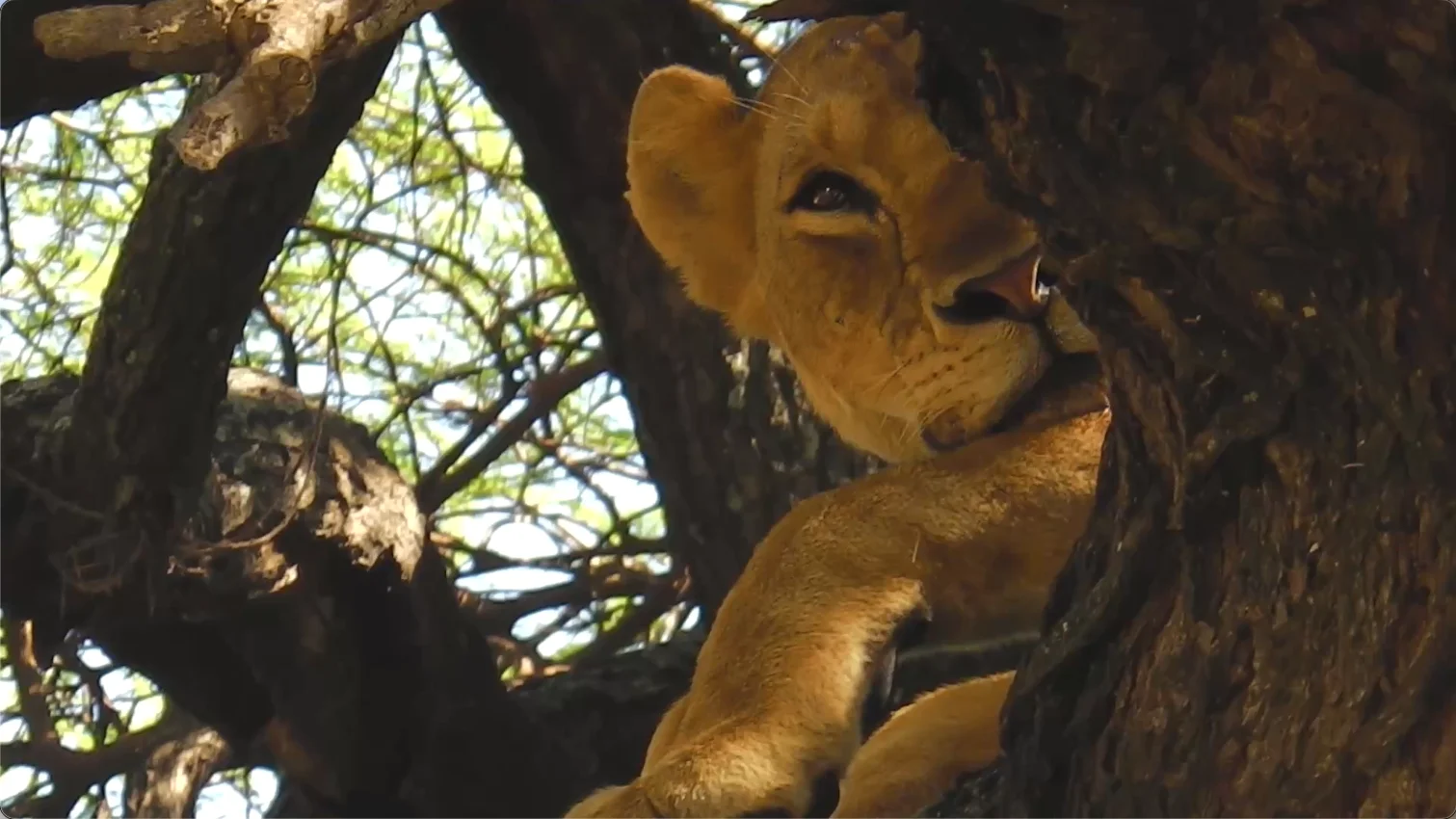
Tree-climbing lions: Watch for the park's famed tree-climbing lions, which rest and doze in acacia and sausage tree branches for reasons still debated by researchers, but probably to do with avoiding pesky tsetse flies and other biting insects.
Elephant encounters: Encounter some of Tanzania's highest elephant densities, with herds often visible wading the lakeshore, forests and grassy floodplains.
Ancient groundwater forest: Explore an unusual groundwater forest of towering mahogany and fig trees, home to blue monkeys, baboon troops and thousands of pink-backed pelicans.
Treetop perspective: Cross the Treetop Canopy Walkway, Tanzania's first suspended forest bridge, offering a rare bird's-eye view of the groundwater forest canopy.
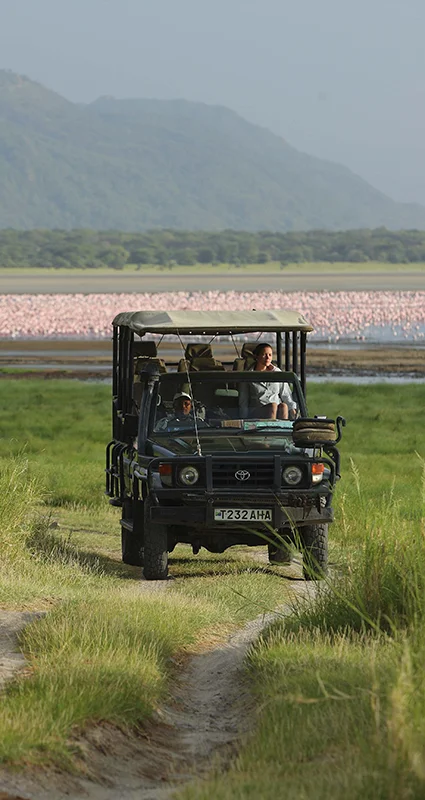
A pink-tinged soda lake: Marvel at a shallow soda lake that can turn pink with thousands of gathering flamingos, framed by the dramatic Rift Valley escarpment.
All you need to know about Manyara
About Lake Manyara National Park
Lake Manyara National Park lies at the base of the Great Rift Valley's western escarpment in northern Tanzania, roughly 90 minutes to two hours from Arusha. The lake itself covers two-thirds of its 325-square-kilometre area; it is a shallow, alkaline soda lake fed by underground springs and streams that tumble off the escarpment in small waterfalls. The park forms part of the wider UNESCO Lake Manyara Biosphere Reserve and connects, via wildlife corridors including Manyara Ranch, to Tarangire National Park to the south-east, forming part of a larger migratory ecosystem. Despite its modest size, the park compresses groundwater forest, acacia woodland, floodplain, hot springs and dramatic escarpment cliffs into one easily explored circuit, making it among Tanzania's most habitat-diverse parks and an ideal, low-key introduction to a northern circuit safari.
Things to do in Lake Manyara National Park
Game drives: Join day or night drives through varied habitats, one of Tanzania's few parks permitting after-dark drives for nocturnal species.
Treetop Canopy Walkway: Walk Tanzania's first suspended bridge, stretching 370 metres through the mahogany and fig groundwater forest canopy.
Canoe safaris: Take to the lake when water levels allow, offering a rare, low vantage point across the water to the escarpment.
Maji Moto hot springs: Visit these hot springs, where underground water bubbles out at over 60 degrees Celsius, and birdwatch along the way.
Southern Manyara: Explore the quieter, less-visited southern section of the park, where the tree-climbing lion pride is most often found.
Walking and cycling: Take a guided nature walk or bicycle ride from lodges outside the park, or visit nearby Mto Wa Mbu village.
What wildlife can I see in Lake Manyara?
Tree-climbing lions: The park's most famous residents are most often found resting in acacia trees in the southern woodland.
Elephants: Occur in some of Tanzania's highest densities, with herds regularly seen along the lakeshore and forest edges.
Olive baboons: Large troops, among Africa's biggest, forage noisily through the groundwater forest and open woodland.
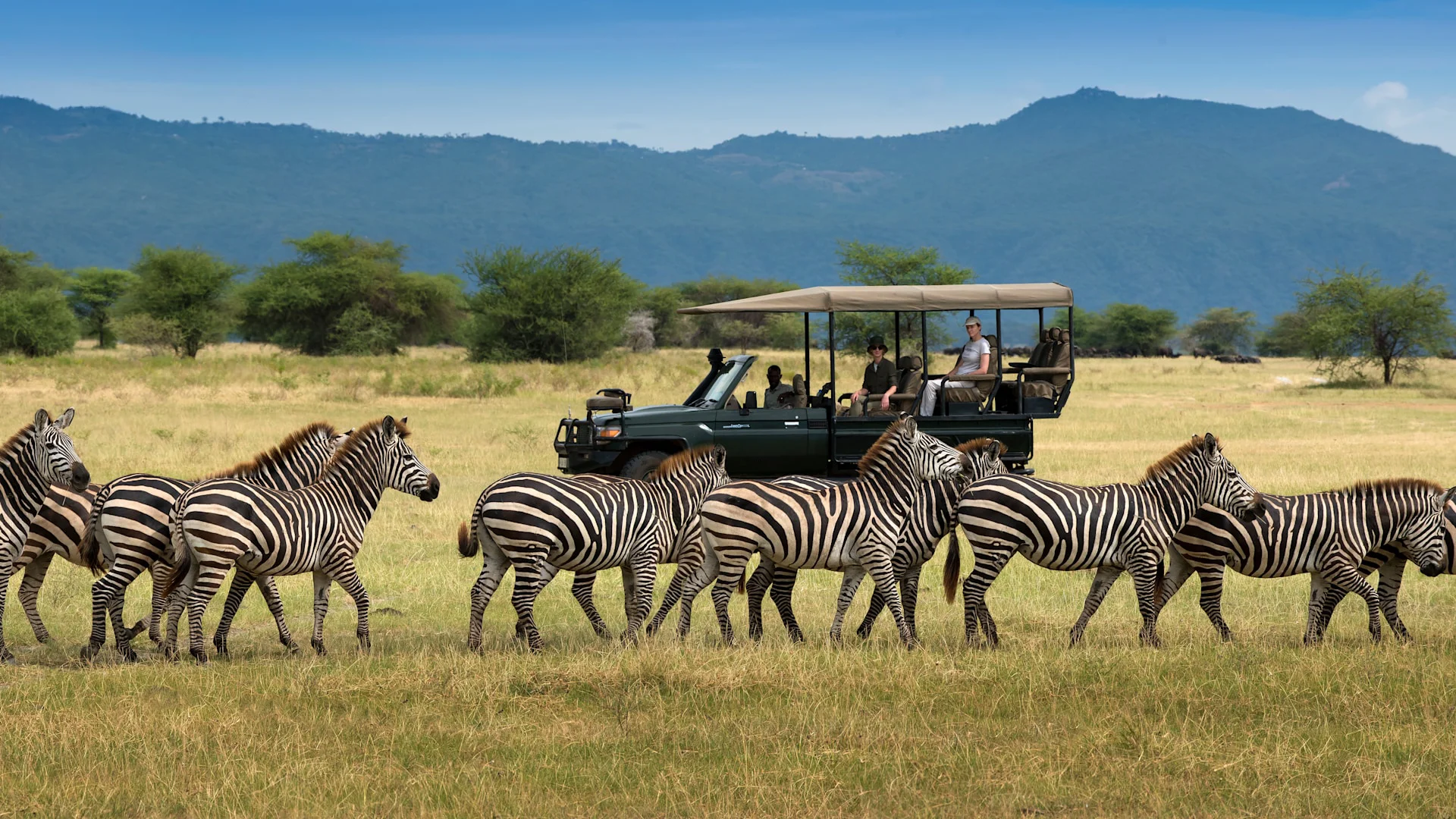
Plains species: Buffalo, wildebeest, zebra, giraffe, waterbuck and impala move across the floodplains between lake and escarpment.
Blue monkeys: Inhabit the shaded groundwater forest, while klipspringers and dik-diks favour the rocky escarpment slopes.
Birdlife: Over 400 species have been recorded, including lesser flamingos, pink-backed pelicans, silvery-cheeked hornbills, palm-nut vultures and crowned eagles.
Where to stay in Lake Manyara
Staying inside the park offers the most immersive experience and early access to its quiet southern section, while escarpment-top lodges outside the park offer lower prices and dramatic views.
Inside the park: Lake Manyara Tree Lodge, the park's most established permanent lodge, offers stylish, elevated suites beneath the groundwater forest canopy along with excellent guiding, night drives and access to the quiet southern reaches of the park. Lake Manyara Green Camp, the only other camp inside the boundary, provides a more adventurous, comfortable-tented experience for travellers seeking a closer connection to the surrounding forest and wildlife corridors.
Outside the park: Along the top of the Rift Valley escarpment, several properties offer sweeping views over the lake and floodplains below. Escarpment Luxury Lodge delivers stylish, modern accommodation and panoramic vistas across the park, making it a comfortable base for early-morning entry. Kirurumu Manyara Lodge takes a simpler, more traditional approach, its tented rooms perched along the escarpment edge offering some of the finest sundowner views in northern Tanzania. Further afield, Manyara Ranch links the park to the Tarangire wildlife corridor, giving guests a genuine sense of the wider migratory landscape connecting the two protected areas.
Trusted by thousands of ecstatic travellers
✔️ 5-Star Trustpilot Rating ✔️ Condé Nast Travel Specialist Award Winner
✔️ Accredited by SATSA ✔️ 5,000+ Exceptional Safaris Since 1991
Why choose Africa Geographic to plan your safari?

"The safari itself was extraordinary. Each place we stayed had its own atmosphere and purpose, and the flow of the trip was perfect...Lake Manyara...We had so many highlights...The journey as a whole was beautifully organised, emotionally rich, and full of unforgettable moments...We would recommend Africa Geographic without hesitation to anyone looking for a safari that is personal, well‑designed, and..."
"...Africa Geographic planned our safari to Tanzania. His on the ground knowledge of Tanzania, professionalism, and responsiveness throughout the process was top notch. The trip went seamlessly. Our guide’s knowledge was excellent. We saw so much wildlife. The accommodations were beautiful...We also appreciate Africa Geographics involvement in conservation efforts. I wouldn’t hesitate to refer..."
"The 2 drivers were with us every day and were knowledgeable and good communicators. Their many years of experience and also skill in driving thru challenging rough terrain allowed us to get to great viewing spots at the right times. The food was abundant and very good quality. Overnight facilities were very good and usually had great views from the front door. The hospitality was excellent everywhere we went."
Wish you were here?
Frequently asked questions
The park is roughly 90 minutes to two hours' drive from Arusha on good roads, making it an easy first stop on a northern Tanzania safari circuit.
It is best known for its tree-climbing lions, high elephant densities, large troops of olive baboons and a soda lake that attracts thousands of flamingos.
The exact reason is unconfirmed, though it may be linked to escaping biting insects such as tsetse flies or seeking cooler, breezier resting spots.
The park covers approximately 325 square kilometres, of which roughly two-thirds is occupied by the lake itself.
The dry season from June to October offers the best wildlife viewing as animals concentrate around remaining water sources, though the park can be visited year-round.
Flamingo numbers vary considerably from year to year and depend on water and algae conditions, so sightings are never guaranteed on any given visit.
Yes, many visitors explore Manyara as a half-day or full-day stop en route to Ngorongoro or the Serengeti, though a longer stay reveals more of the park.
Only two properties lie within the park boundary: Lake Manyara Tree Lodge and Lake Manyara Green Camp, both offering a more immersive, exclusive experience.
Canoe safaris are offered when water levels allow, providing a different perspective on the lake and views up toward the escarpment.
It is a suspended walkway stretching roughly 370 metres through the groundwater forest canopy, giving visitors a unique view of the forest from above.
Yes, Lake Manyara is one of the few Tanzanian parks that permits guided night drives, offering the chance to see nocturnal species.
Visitors can expect buffalo, wildebeest, zebra, giraffe, blue monkeys, klipspringers, dik-diks and hippos, alongside over 400 recorded bird species.
Its central location between Arusha and Ngorongoro makes it a natural first or last stop on a northern circuit safari that continues to the Serengeti.
Our Lake Manyara safaris typically cost from US$400 per person, per night, depending on the accommodation comfort level, time of year and activities. Cheaper lodges are available, but we don't recommend them. This price usually includes accommodation, all meals, game drives, experienced guides, airport transfers, and 24/7 support from our team.
Click here to schedule a no-obligation call with one of our Safari Experts or fill in our 2-minute form with your questions. Our team of experts are here to help! Whether you’re curious about the best time to travel, want to hear first-hand about an experience or need help planning your safari.
Explore more African destinations
Start planning your dream safari
Our travel experts will craft a no-obligation itinerary just for you. We have crafted over 5,000 safaris since 1991. Your personal details are protected; we only use this information to contact you.
Why book your safari with us?

Deep Experience & Knowledge
Handcrafted experiential safaris since 1991.
Travel in Africa is about knowing when and where to go, and with whom. A few weeks too early/late or a few kilometres off course, and you could miss the greatest show on Earth. And wouldn’t that be a pity?

Trust & Safety

Make A Difference
We donate a portion of the revenue from every safari sold to carefully selected conservation projects that make a significant difference at ground level.
YOUR safari choice does make a difference - thank you!