

Tailor-made safaris. Since 1991



Addo Elephant National Park: Africa's Big 7 haven
Addo Elephant National Park at a glance:
Location: Eastern Cape, South Africa, ~72 km from Gqeberha | Access: ~1 hour by road from Chief Dawid Stuurman International Airport, Gqeberha |
Size: ~179,000 hectares (land) + 7,000+ hectares (marine protected area) | Best time to visit: Year-round; winter (June–September) for clearest wildlife viewing |
Nearest airport: Chief Dawid Stuurman International Airport, Gqeberha (PLZ) | Minimum recommended stay: 3 nights |
Currency: South African Rand (ZAR) | Malaria risk: None – Addo is entirely malaria-free |
Why visit Addo Elephant National Park?
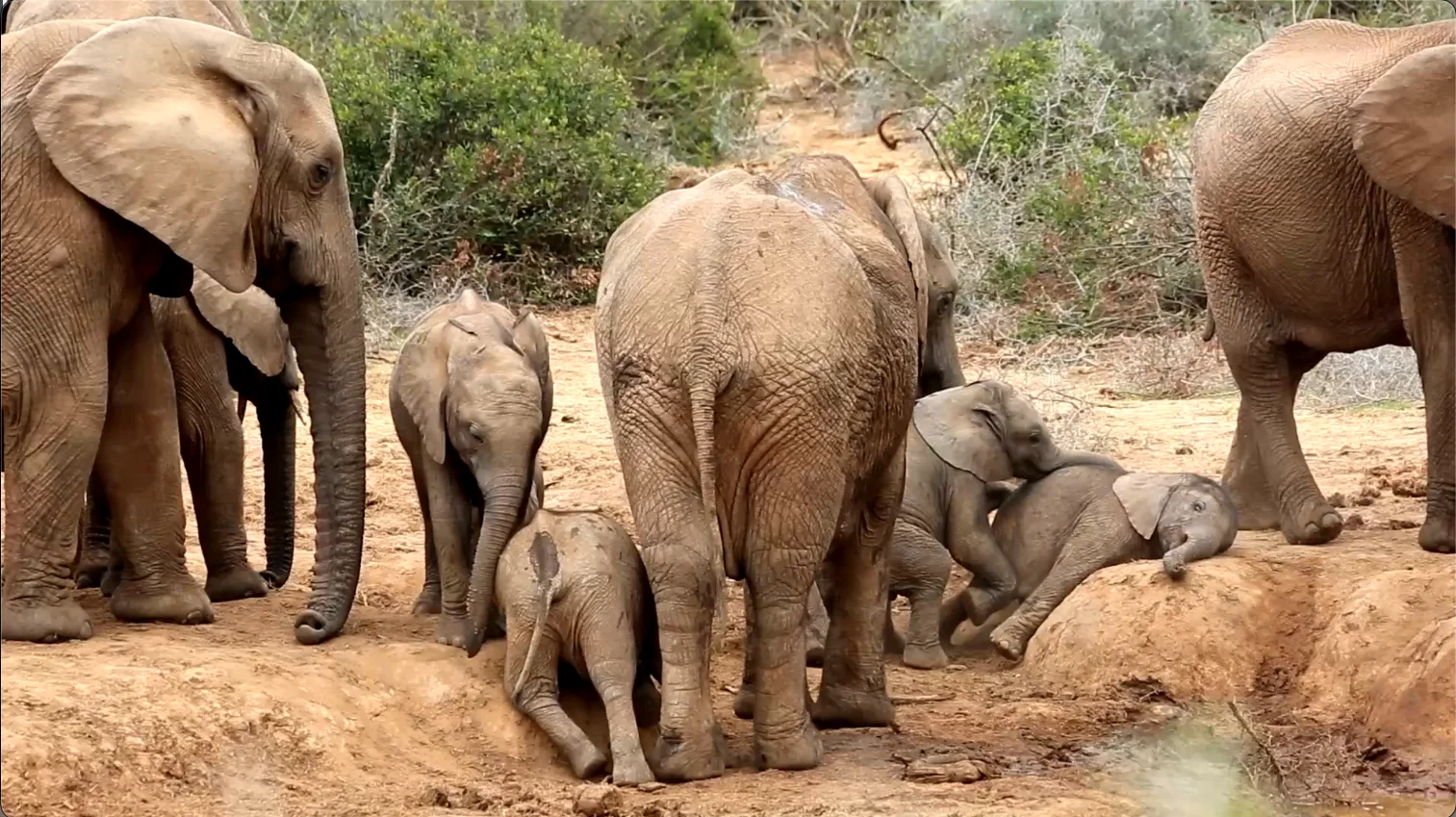
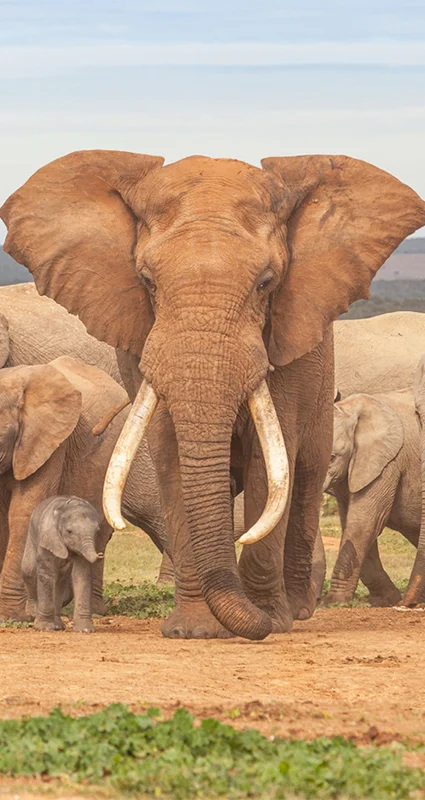
Few South African parks carry the weight of history and hope quite like Addo Elephant National Park. Proclaimed in 1931 to protect just eleven remaining elephants in the Eastern Cape, the park has since grown into one of the continent's most compelling conservation stories. Today, more than 600 elephants move through its landscapes, and the park now encompasses nearly 179,000 hectares of land and over 7,000 hectares of marine reserve.
What makes Addo genuinely distinctive is its scope. Five of South Africa's nine terrestrial biomes meet within the park's boundaries – Albany thicket, fynbos, forest, Nama Karoo, and the Indian Ocean Coastal Belt – meaning every section of the park presents a different world. From dense valley bushveld and rugged Zuurberg mountains to sweeping coastal dune systems and the open waters of Algoa Bay, the landscapes shift constantly.
Addo is entirely malaria-free, making it an exceptional choice for families and first-time safari travellers, as well as those combining wildlife with South Africa's Garden Route. It lies just 30 minutes on excellent roads from Gqeberha (formerly Port Elizabeth), making access straightforward. Crucially, Addo is the only park in South Africa – and one of very few places on earth – to host the Big 7: lion, elephant, black rhino, buffalo, and leopard alongside southern right whales and great white sharks.
5 Reasons We Love Addo Elephant National Park
Elephants fill every road and waterhole: With over 600 individuals in the park, close encounters with relaxed herds are an everyday certainty.
Malaria-free and entirely family-friendly: No prophylaxis needed, and just 30 minutes from Gqeberha – one of Africa's most accessible safaris.
The Big 7 in one place: Southern right whales and great white sharks extend Addo's Big 5 into the ocean, making it uniquely rare worldwide.
Five biomes under one park boundary: Albany thicket, fynbos, forest, Nama Karoo, and coastal belt create an extraordinary variety of habitats and species.
A remarkable conservation triumph: From eleven elephants in 1931 to a thriving park today – proof of what sustained protection can achieve in decades.
Our favourite Addo Elephant National Park safari ideas
All you need to know about Addo Elephant Park
About Addo Elephant National Park
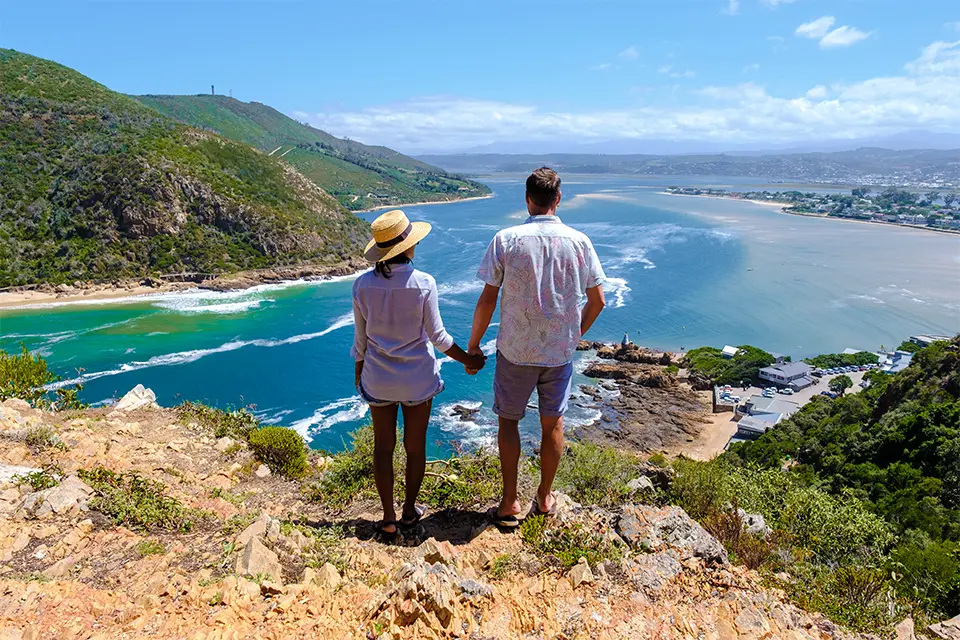
Addo Elephant National Park is in South Africa's Eastern Cape, about 30 minutes east of Gqeberha. Proclaimed in 1931 to save the last eleven elephants in the area, it now ranks as the country's third-largest national park and forms the core of the Greater Addo ecosystem – a broader conservation landscape spanning 179,000 hectares of land and over 7,000 hectares of marine reserve.
Five of South Africa's nine biomes are found here. Albany thicket fills the main wildlife area. Fynbos and forest mark the Zuurberg. Nama Karoo covers the Darlington zone, and the Indian Ocean Coastal Belt takes in coastal dune fields and shore. The marine section protects St Croix and Bird Islands – key breeding sites for African penguins and Cape gannets. Managed by South African National Parks, Addo is a growing, connected park. Its zones are linked so that animals can range across fenced and open sections, and each ecosystem plays its own role in the health of the park throughout the year.
Things to do in Addo Elephant National Park
Self-drive wildlife viewing: on signed road networks, with elephant, kudu, zebra, and warthog encountered in high numbers throughout the main area.
Guided game drives: in open vehicles, led by experienced field guides who provide context on wildlife, ecology, and the park's conservation history.
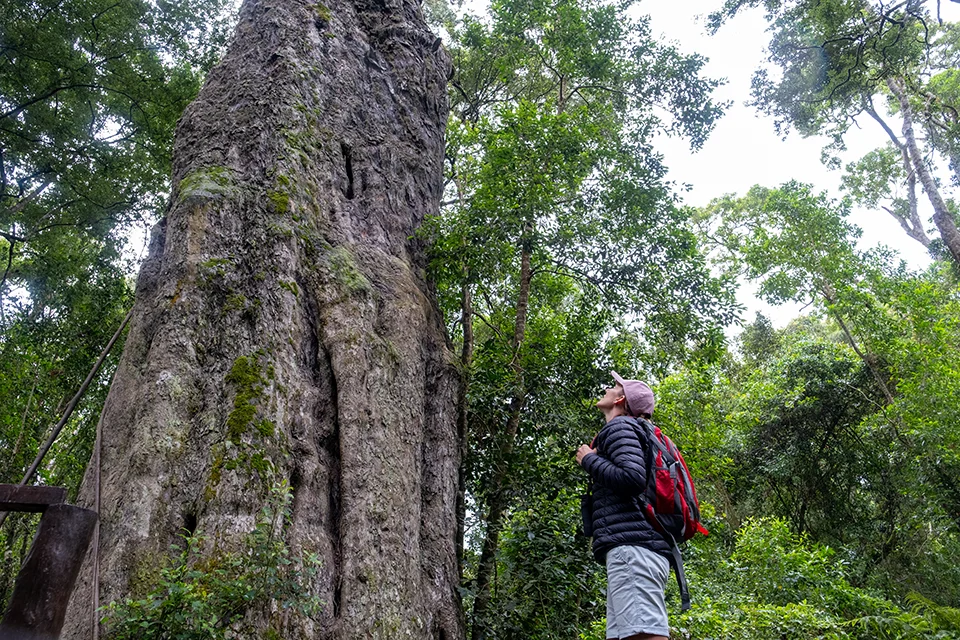
Hiking trails: in the Zuurberg section, including a 2 km Cycad Trail and an 8 km Doringnek route through fynbos, mountain slopes, and valleys.
Explore the Alexandria Hiking Trail: a 36 km coastal route in the Woody Cape section winding through forest, sweeping coastal dune fields, and shoreline.
Visit the underground hide: at Main Camp for close-level wildlife viewing, and the bird hides for over 400 species recorded across the park's biomes.
Drive the Bedrogfontein 4×4 Trail: a 45 km route through Anglo-Boer War remnants, rock art, and dramatic Karoo and valley bushveld terrain.
What wildlife will I see in Addo Elephant Park?
African elephants: seen daily in large numbers. Herds of all sizes move through the thicket, waterholes, and open areas throughout the day.
Lion and Cape buffalo: present in the park, with buffalo sightings particularly reliable and lions most active in the early morning and late afternoon.
Black rhino: present in Addo, though seldom seen. Their survival here reflects the park's long-term commitment to species recovery and protection.
Kudu, eland, Burchell's zebra, red hartebeest, and warthog: all abundant throughout the main park area, offering relaxed and consistent sightings.
The endemic flightless dung beetle: has the right of way on Addo's roads – a small, industrious creature unique to this Eastern Cape ecosystem.
More than 400 bird species: recorded across the park's five biomes, including African penguin, Knysna turaco, Knysna woodpecker, crowned eagle, Narina trogon, Denham's bustard and blue crane.
Addo's "Big 7"
Addo Elephant National Park is South Africa's only Big 7 reserve – the traditional Big 5 extended by the southern right whale and great white shark in the park's adjacent marine protected area. Here is what each species brings to the Addo experience:
Lion: present and most active at dawn and dusk. Early morning game drives offer the best chance of an encounter in the park's dense thicket.
African elephant: the star attraction, encountered reliably throughout the day across the main area, waterholes, and along the park's road network.
Black rhino: survive within the park in low numbers, an extraordinary conservation outcome for one of Africa's most critically endangered large mammals.
Cape buffalo roam the main sections of Addo. Herds are often seen alongside elephants at waterholes and in denser thicket areas. These buffalo do not carry the dreaded foot-and-mouth disease that plagues buffaloes found in other regions.
Leopard: present but elusive; sightings are rare and considered exceptional. Their presence confirms the park's ecological depth and habitat variety.
Southern right whales: visible seasonally in the marine section. A short drive to the coast for a marine safari completes the full Big 7 experience.
Great white sharks: patrol the offshore waters of Algoa Bay. Marine excursions from the coast offer a thrilling extension of the Addo land-based safari.
Where to stay in Addo Elephant National Park
Addo offers accommodation ranging from private in-park concession lodges to well-appointed properties just beyond its boundaries.
Gorah Elephant Camp sits on a private concession within Addo Elephant National Park's core wildlife area. Luxury tented suites with private decks overlook the surrounding thicket, and a floodlit waterhole draws elephants and other species through the night.
River Bend Lodge holds a private concession in the Nyathi section, one of the park's most productive wildlife corridors. River Bend's in-park position sets it apart from peripheral properties and makes it one of the strongest choices for serious wildlife travellers who want maximum time in the field with minimum interruption.
Kuzuko Lodge occupies the Kuzuko Contractual Area, a quieter and more private northern section of the greater Addo system. This five-star property offers dramatic views over open, Karoo-influenced terrain that contrasts markedly with the dense valley thicket of the main park area.
Woodall Country House & Spa lies just outside the park and delivers a genuine country house experience: spa facilities, intimate and well-appointed rooms, and attentive personal service. It works well for those combining self-drive days in the park with slower-paced, more restorative travel.
Camp Figtree sits near the Nyathi section, with easy access to Addo's main gate. Polished interiors and reliable hospitality make it a well-run and comfortable base for travellers who want to explore the park independently during the day and return each evening to a stylish, well-managed lodge.
Trusted by thousands of ecstatic travellers
✔️ 5-Star Trustpilot Rating ✔️ Condé Nast Travel Specialist Award Winner
✔️ Accredited by SATSA ✔️ 5,000+ Exceptional Safaris Since 1991
Why choose Africa Geographic to plan your safari?

"The most amazing bucket list vacation ever. Everything was planned, organized and explained so well. I didn’t have one worry or concern while on another continent. I completely trust the folks at Africa Geographic to plan all future trips!"
"I could not believe how responsive Africa Geographic was during the planning of our 22 day trip...The itinerary they put together was unbelievable!...You will be so happy and thankful to have Africa Geographic plan your exciting safari."
"Africa Geographic are the ULTIMATE in African trip planning! Thank you so much for our once in a lifetime experience!...Every detail about this trip were seamless from each meal to every transfer. We have already recommended Africa Geographic to many folks. God bless you all and thank you again for sharing your incredibly beautiful continent!! "
Wish you were here?
Frequently asked questions
Yes. Addo Elephant National Park is entirely malaria-free. No antimalarial medication is required, and there are no restrictions on the ages of visitors. This makes Addo one of South Africa's most accessible safari destinations for families, children, and travellers with health considerations.
Addo is South Africa's only Big 7 reserve. The Big 7 refers to the traditional Big 5 – lion, elephant, black rhino, Cape buffalo, and leopard – extended by the inclusion of two marine species: the southern right whale and the great white shark, which are found in the park's adjacent marine protected area.
Addo is a year-round destination with relatively even rainfall distribution. Winter (June to September) offers clearer skies, cooler temperatures, and animals concentrating around waterholes, which makes it particularly good for wildlife viewing. Summer (October to March) is warmer and sees the birth of young animals. Whatever time of year you visit, elephant sightings are reliable throughout.
The closest airport is Chief Dawid Stuurman International Airport in Gqeberha (formerly Port Elizabeth), which receives flights from Johannesburg and Cape Town. The park is approximately one hour by road from the airport. Many lodges offer airport transfers, and self-drive access via well-signed roads is straightforward.
The main wildlife-viewing area around Addo Main Camp and the Colchester section offers the highest density of animals and is the best for reliable elephant sightings. The private concession lodges – Gorah Elephant Camp and River Bend Lodge – both operate within this core area. The Kuzuko Contractual Area and Darlington section offer a quieter, more exclusive experience.
Yes. Self-drive is possible and popular in the main area and Colchester section, which have a well-signed road network. Lodges also offer guided game drives in open vehicles. The two options can be combined: self-drive by day, guided drives at dawn and dusk when wildlife is most active.
Over 600 elephants currently live in Addo Elephant National Park, a remarkable recovery from the eleven individuals that survived when the park was first proclaimed in 1931. They are distributed across several sections of the park and are encountered reliably, often at close range, throughout the day.
Beyond elephants, Addo is home to lion, black rhino, Cape buffalo, leopard, kudu, eland, Burchell's zebra, red hartebeest, warthog, springbok, and meerkats. The park's five biomes support over 400 recorded bird species. The endemic Addo flightless dung beetle is one of the park's most distinctive residents and has the right of way on the park's roads.
The marine section – which includes the offshore island groups of St Croix and Bird Island – is only rarely accessible directly. However, private operators can arrange marine excursions from the coast near Gqeberha. St Croix Island is home to the world's largest breeding colony of African penguins. Southern right whale sightings are seasonal, and specialist operators can organise great white shark excursions.
Addo offers a broad range of activities: guided and self-drive wildlife viewing, bird hides, an underground viewing hide at Main Camp, guided nature walks, horse trails, the 36 km Alexandria Hiking Trail through the Woody Cape coastal section, the 45 km Bedrogfontein 4×4 Trail through Anglo-Boer War sites and rock art, and hiking trails in the Zuurberg Mountains.
Yes, Addo is one of South Africa's most family-friendly safari destinations. It is malaria-free, easily accessible, offers self-drive options suited to families, and has a range of activities for different ages. Elephant encounters in Addo are frequent and relaxed. The park's interpretive centre at Main Camp provides additional context for younger visitors.
A minimum of three nights allows time to explore the main area thoroughly and experience at least one guided game drive alongside self-drive viewing. Four to five nights is recommended for travellers wishing to visit multiple sections of the park, including the Woody Cape coastal section and the Zuurberg Mountains.
Yes. Addo combines naturally with the Garden Route, which runs along South Africa's southern coast and ends just west of Gqeberha. Many travellers include Addo as a wildlife finale to a Garden Route road trip. The park can also be paired with a stay in Cape Town and the Cape Winelands, or with time in Johannesburg for visitors flying in from international hubs.
Overnight accommodation in or near Addo costs from R2,000 per person, per night, depending on comfort level, time of year, and activities.
Click here to schedule a no-obligation call with one of our Safari Experts or fill in our 2-minute form with your questions. Our team of experts are here to help! Whether you’re curious about the best time to travel, want to hear first-hand about an experience or need help planning your safari.
Explore more African destinations
Start planning your dream safari
Our travel experts will craft a no-obligation itinerary just for you. We have crafted over 5,000 safaris since 1991. Your personal details are protected; we only use this information to contact you.
Why book your safari with us?

Deep Experience & Knowledge
Handcrafted experiential safaris since 1991.
Travel in Africa is about knowing when and where to go, and with whom. A few weeks too early/late or a few kilometres off course, and you could miss the greatest show on Earth. And wouldn’t that be a pity?

Trust & Safety

Make A Difference
We donate a portion of the revenue from every safari sold to carefully selected conservation projects that make a significant difference at ground level.
YOUR safari choice does make a difference - thank you!