

Tailor-made safaris. Since 1991



Is a guided tour of Cape Point and the Cape of Good Hope worth it, or should I drive myself?
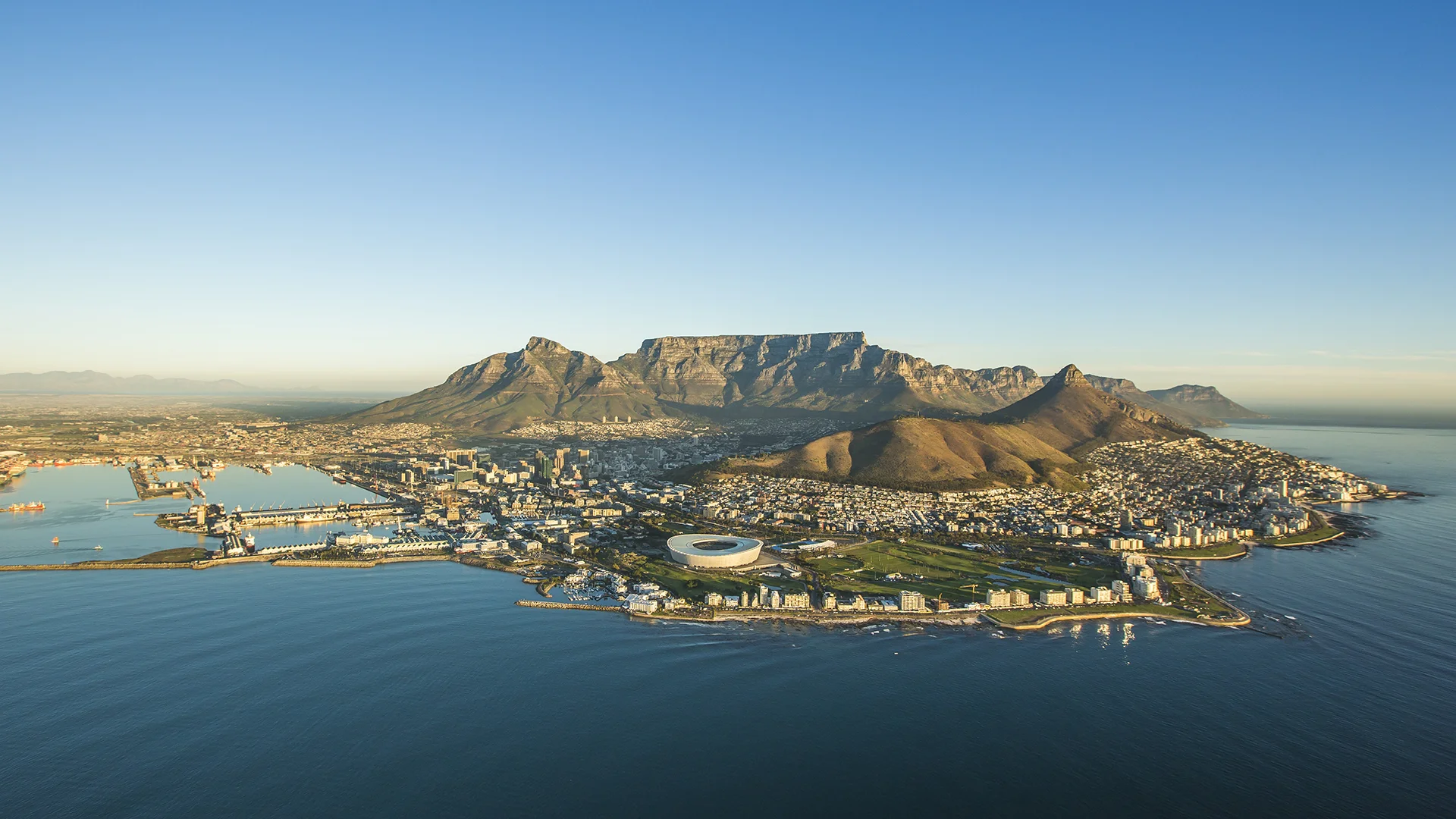
If you’re visiting the Mother City (Cape Town) in South Africa, you’re spoiled for choice of breathtaking sights to see. Cape Point rises dramatically from the sea near the tip of the Cape Peninsula, its cliffs dropping to a swirl of current and kelp where sailing ships once feared to round the point.
Self-drive is possible: visitors can drive themselves to Cape Point Nature Reserve and the Cape of Good Hope, part of Table Mountain National Park on South Africa's Cape Peninsula. Self-drive suits confident independent travellers who value flexibility and are comfortable navigating Cape Town's roads.
However, a private guided tour is the more practical choice for most travellers: an expert guide handles Chapman's Peak Drive's blind cliffside bends, times the Flying Dutchman funicular around wind closures, avoids tour-bus congestion at the viewpoints, and narrates the reserve's history, fynbos and wildlife, including Cape mountain zebra and bontebok, along the way.
Cape Point and Cape of Good Hope in brief
Location: tip of the Cape Peninsula, roughly 60km south of Cape Town
Entry fees: payable at the Cape Point Nature Reserve entrance gates, with rates varying by nationality and residency status
Wildlife: Cape mountain zebra, bontebok, eland, baboon and 250+ bird species
Best combined with: Chapman's Peak Drive and the Boulders Beach penguins
Typical visit length: half a day, as part of a full Peninsula tour
Cape Point Nature Reserve sits within Table Mountain National Park, a UNESCO World Heritage Site. Most visitors combine it with Chapman's Peak Drive and Boulders Beach as a full-day Cape Peninsula outing.
Self-drive versus private guided touring
Factor | Self-drive | Private guided tour |
Driving Chapman's Peak | The blind bends can be daunting | Guide handles the cliffside driving |
Cost | Car hire, fuel, tolls and parking, tallied separately | One fixed rate, no hidden extras |
Weather flexibility | Inexperienced visitors may struggle to adapt plans to changing weather conditions | Experienced guides know how to adjust the route for wind, poor visibility or closures |
Local insight | Explore independently using road signs and online resources | Gain expert insights into wildlife, geology, history and local culture |
3 things we love about Cape Point
Beyond the ticked-off photo stop at the signpost, here’s what makes this stretch of the Cape Peninsula worth the drive south, whatever way you choose to arrive.
Two oceans, one legend: the point is popularly said to mark where the Atlantic meets the Indian Ocean, though the true convergence lies further east, at Cape Agulhas.
Fynbos underfoot: the reserve protects a slice of the Cape Floristic Region, the smallest and richest of the world's six plant kingdoms, found nowhere else on Earth.
A working maritime graveyard: treacherous currents sank ships here for centuries, and one lighthouse still guides vessels around Africa's most feared cape today.
Cape Town safaris we love
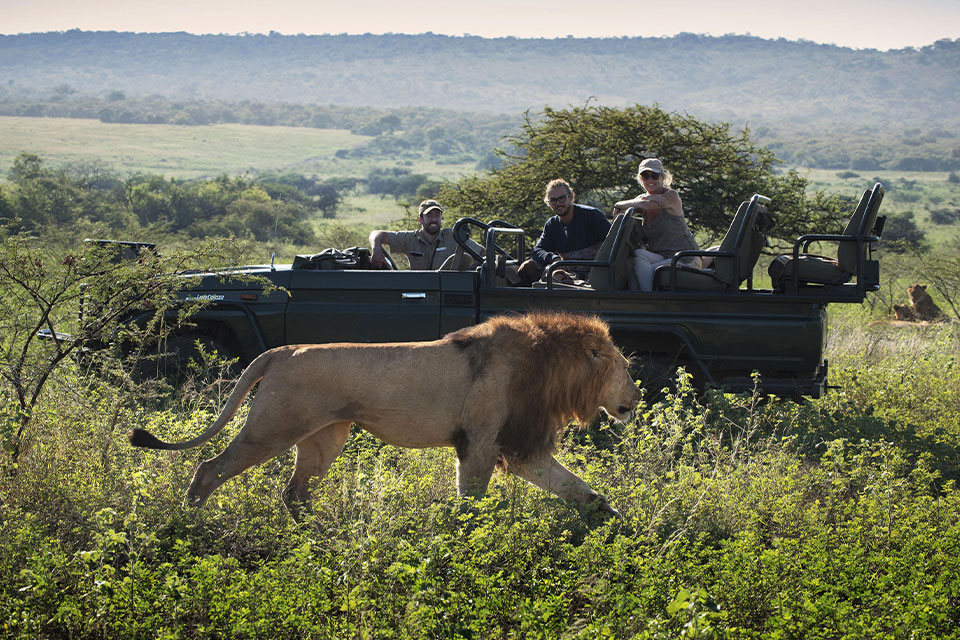
The classic Cape Peninsula touring route
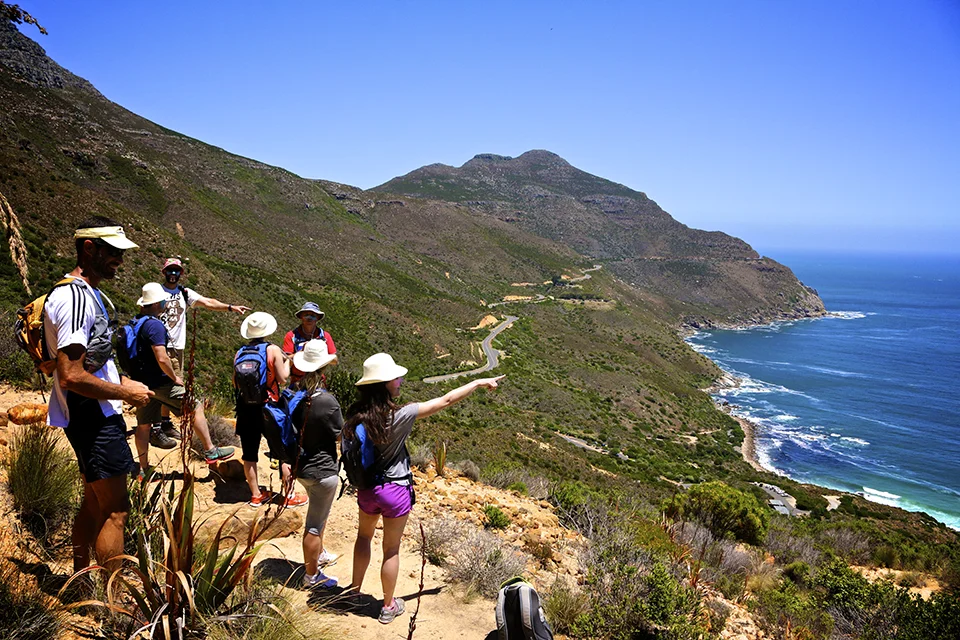
Hout Bay and Chapman's Peak Drive
The day begins in the fishing harbour of Hout Bay before climbing Chapman's Peak Drive, a 9km toll road cut into the cliffs between Hout Bay and Noordhoek. A guide times the crossing for the best light and handles the toll, the bends and the pull-offs for the best views.
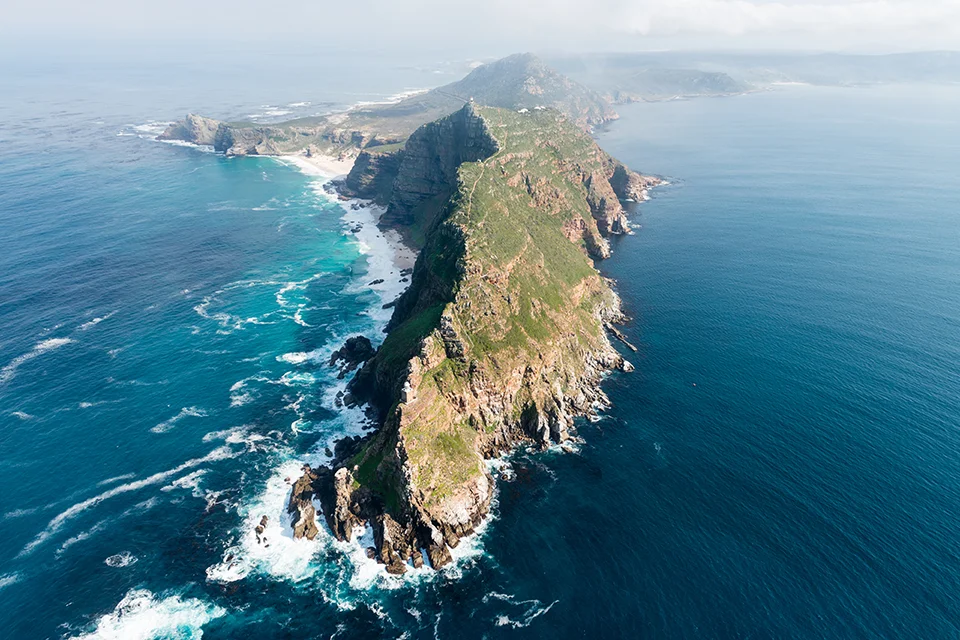
Cape Point and the Cape of Good Hope
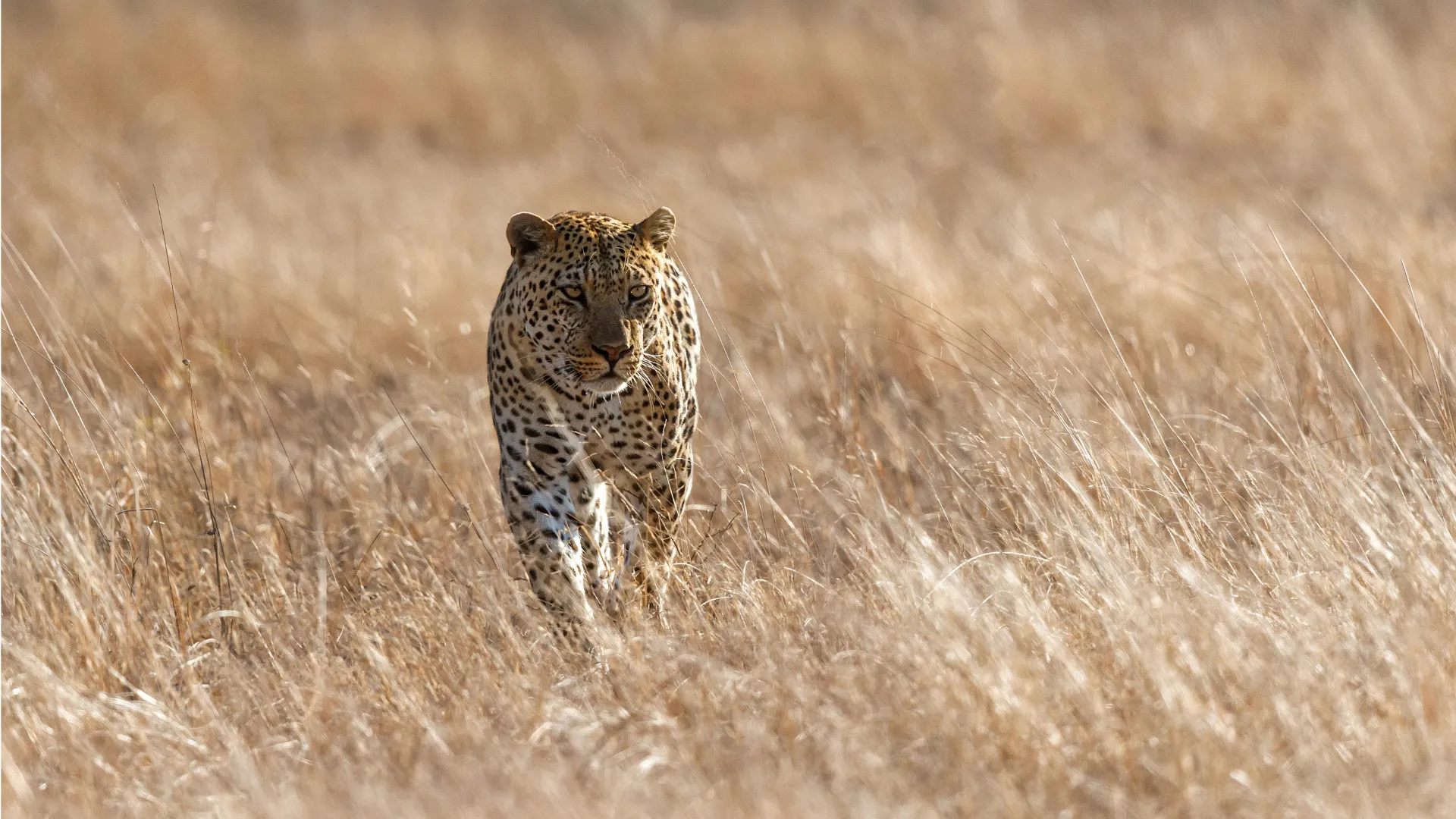
Inside the reserve, the Flying Dutchman funicular climbs to the old lighthouse, while trails lead to the Cape of Good Hope beacon. Cape mountain zebra, bontebok, eland and ostrich graze the fynbos; baboons are common and should never be fed or approached, as they are known to be dangerous.
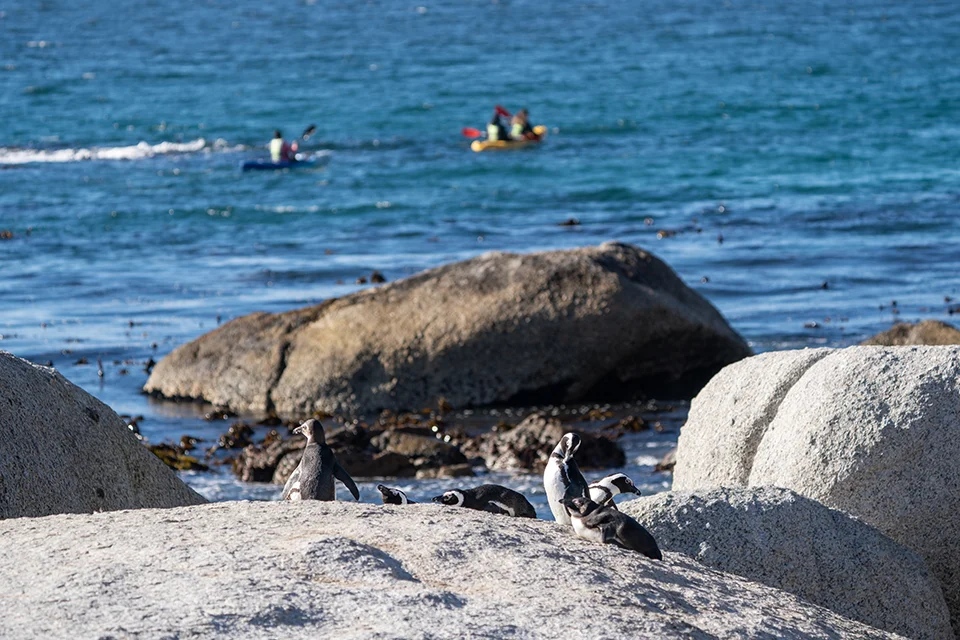
Boulders Beach and Simon's Town
The return leg passes through Simon's Town to Boulders Beach, home to a colony of African penguins nesting among the granite boulders. A guide's timing here avoids the midday tour-bus queues at the boardwalk entrance.
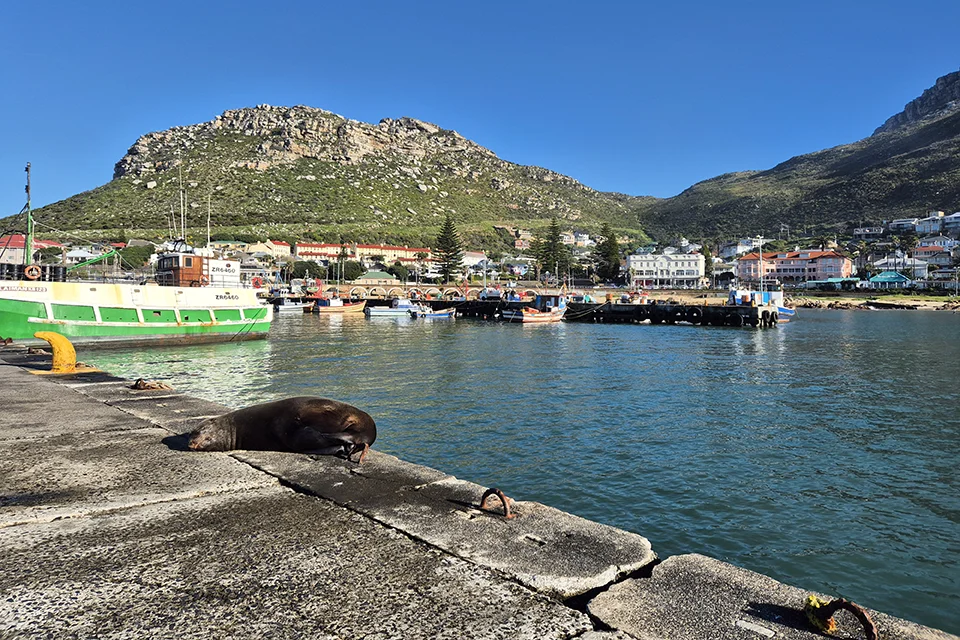
Kalk Bay
Many private tours end in Kalk Bay, a working fishing harbour with galleries, antique shops and some of the country's best fish and chips, before the drive back into central Cape Town.
“Our internal flights to get to Cape Town ran very smoothly and we were then picked up punctually... We visited all the 'to do' sites there including Table Mountain, Boulders Beach and Robben Island... All in all, a fabulous itinerary made to our liking.” – Teresa, Ireland, Trustpilot
Wish you were here?
Self-drive, shared tour or private guide
Self-driving is possible, but demanding
Renting a car and driving the roughly 70km Peninsula route yourself is straightforward on paper: the M4 is well signposted and card-only entry gates keep things simple. The catch is Chapman's Peak Drive, a spectacular but demanding 9km toll road with sheer drops and blind bends, where drivers unfamiliar with driving on the left often find it more stressful than scenic, and it can close without notice in high winds. Add car hire, fuel, tolls and entry fees per person, and the saving over a guided tour narrows quickly.
What a private guide adds
A private guided tour is priced as one rate covering the vehicle, fuel, tolls and driver-guide, and reorders the day in real time if the Flying Dutchman funicular closes due to strong wind gusts. Beyond the driving, a guide:
Narrates the reserve's maritime history, geology and shipwreck stories along the drive
Points out Cape mountain zebra, bontebok and eland that most self-drivers miss entirely
Times the visit to Boulders Beach and Cape Point to avoid the worst tour-bus congestion
Knows which Chapman's Peak viewpoints suit photography
Manages baboon safety, since feeding them is illegal and approaching them can be dangerous
Adjusts the day's pace for guests travelling with young children or limited mobility
Covers every toll, ticket and entry fee in advance, so no cash is needed on the day
Shared coach or private guide
Shared coach tours are the cheapest way to see the Peninsula, running on fixed schedules with 20 or more travellers and capped time at each stop. A private guide, by contrast, starts when it suits the traveller, reorders the day around weather, and lingers wherever guests want to, whether that means extra time with the penguins or a longer stop on Chapman's Peak.
The verdict
For solo travellers happy with a fixed schedule, a shared coach tour covers the highlights affordably. For couples, families and anyone who wants the day paced around them, a private guided tour is the clear choice. A Cape Town itinerary built around Table Mountain, the Winelands and a Peninsula day like this one pairs naturally with an onward Big Five safari.
See what a tailor-made itinerary can add to your Cape Town trip here.
Check out our handy guide ranking the different day tours available around Cape Town.
Frequently asked questions
Yes. Cape Point Nature Reserve and the Cape of Good Hope are reachable by rental car via the M4 coastal road, roughly 70km and under 90 minutes from central Cape Town. Entry gates are cash-free and accept card payment only. Self-driving works well for confident drivers, though Chapman's Peak Drive's blind bends and cliffside sections are demanding for anyone unfamiliar with driving on the left in South Africa.
Entry fees are payable at the Cape Point Nature Reserve entrance gates, with rates varying according to nationality and residency status. The Flying Dutchman funicular to the old lighthouse requires a separate ticket, purchased at the funicular station. Visitors should confirm current fees and payment requirements before travelling.
A full Cape Peninsula day tour, taking in Hout Bay, Chapman's Peak Drive, Cape Point and the Cape of Good Hope, Boulders Beach and Simon's Town, typically runs seven to nine hours from central Cape Town, including stops. Driving alone without stopping covers roughly 130km round trip in under three hours, but the reserve, funicular queue, penguin colony and photo stops account for most of the day.
Chapman's Peak Drive is a spectacular but demanding 9km toll road with sheer drops, sharp bends and limited barriers on some sections. It is safe for attentive drivers, but travellers unfamiliar with driving on the left, in an unfamiliar hired vehicle, often find the road more stressful than scenic. It occasionally closes in high winds, heavy rain or rockfall risk, sometimes with little notice.
Cape Point is busiest between 10am and 2pm, when most shared coach tours and cruise-ship groups arrive at once. Visiting soon after the gates open, or in the last two hours before closing, generally means shorter funicular queues and quieter viewpoints at the beacon and lighthouse. A private guide can also adjust the day's running order in real time to dodge the largest tour groups altogether.
Chacma baboons are common throughout Cape Point Nature Reserve and along the approach roads. They are wild animals and can become aggressive if they associate vehicles or humans with food. Keep windows closed and doors locked when parked, never offer food, and store any food out of sight. Feeding baboons is illegal within the reserve, and rangers actively enforce the rule at the gates and picnic areas.
It is a popular claim, but not strictly accurate. Oceanographers generally place the meeting of the Atlantic and Indian Ocean currents further east, near Cape Agulhas, South Africa's true southernmost point. The Cape of Good Hope does mark a dramatic shift in coastline, current and vegetation, and the scenery, wildlife and maritime history justify the visit regardless of the technical geography.
It is possible but demanding, since both attractions reward unhurried time and their aerial transport (funicular and cable cars) can be affected by strong winds and weather conditions. Most private guides recommend two separate days, using flexible timing to catch Table Mountain when conditions allow, and reserving a full day for the Peninsula route to Cape Point, Boulders Beach and Chapman's Peak without feeling rushed.
Start planning your dream safari
Our travel experts will craft a no-obligation itinerary just for you. We have crafted over 5,000 safaris since 1991. Your personal details are protected; we only use this information to contact you.
Why book your safari with us?

Deep Experience & Knowledge
Handcrafted experiential safaris since 1991.
Travel in Africa is about knowing when and where to go, and with whom. A few weeks too early/late or a few kilometres off course, and you could miss the greatest show on Earth. And wouldn’t that be a pity?

Trust & Safety

Make A Difference
We donate a portion of the revenue from every safari sold to carefully selected conservation projects that make a significant difference at ground level.
YOUR safari choice does make a difference - thank you!