

Tailor-made safaris. Since 1991



Shompole & Lake Magadi - Kenya's Wild South Rift Valley
Shompole & Lake Magadi at a glance:
Location: South Rift Valley, Kajiado County, Kenya. Approximately 170 km south-southwest of Nairobi, on the Kenya–Tanzania border | Main access: Charter flight from Wilson Airport, Nairobi, to Rangers Airstrip (~40–45 min); road transfer via Magadi Road (C58), 4WD essential (~4 hours) |
Conservancies: Shompole Conservancy (~14,165 ha) and Olkiramatian Conservancy (~25,000 ha), both Maasai community-owned group ranches coordinated by SORALO | Best time to visit: January–March and June–October (dry seasons); avoid April–May and November when heavy rains make roads impassable |
Currency: Kenyan Shilling (KES); US dollars widely accepted at lodges | Malaria risk: Yes. Antimalarial medication strongly recommended; consult your doctor before travel |
Recommended stay: 3–4 nights minimum per conservancy; combining both is worthwhile | Visa: Required for most nationalities; Kenya eVisa available online before departure |
Why visit Shompole and Lake Magadi?
Most travellers who reach the South Rift Valley have already visited the Maasai Mara. They have watched the Great Migration, ticked the headline parks, and started looking for something the standard Kenya circuit cannot offer. Shompole and Lake Magadi are that something.
Sitting at the southern end of Kenya's Great Rift Valley on the border with Tanzania, the South Rift is defined by heat, silence, and a kind of remoteness that is rare even by African safari standards. Two Maasai community-owned conservancies, Shompole and Olkiramatian, protect a landscape of volcanic plains, riverine forest and dramatic escarpment that few vehicles ever cross. SORALO, the South Rift Association of Land Owners, coordinates conservation planning and revenue-sharing across the land, ensuring tourism directly benefits the communities whose ancestors have stewarded it for generations.
The wildlife here rewards patience rather than checklists. Dryland-adapted specialists such as gerenuk, fringe-eared oryx and greater kudu move through terrain where lions hunt after dark, leopards follow the river line at night and striped hyenas are occasionally encountered. Lake Magadi, a mineral-rich soda lake that turns rose-pink at dawn, draws flamingos in numbers that make it one of Kenya's most extraordinary natural spectacles. Night drives are permitted across the conservancies, an unusual freedom in much of Kenya, and world-class photographic hides at both camps offer intimate wildlife encounters.
5 reasons we love Shompole & Lake Magadi
A conservation model built on community ownership: Both conservancies are Maasai group ranches governed by their communities through SORALO. Tourism revenue funds schools, water infrastructure and anti-poaching scouts, putting conservation decisions in local hands.
Dryland wildlife specialists that reward the journey: Gerenuk browsing upright on hind legs, fringe-eared oryx crossing open plains, greater kudu moving through the acacia woodland. The South Rift holds dryland-adapted species rarely encountered reliably elsewhere in Kenya.
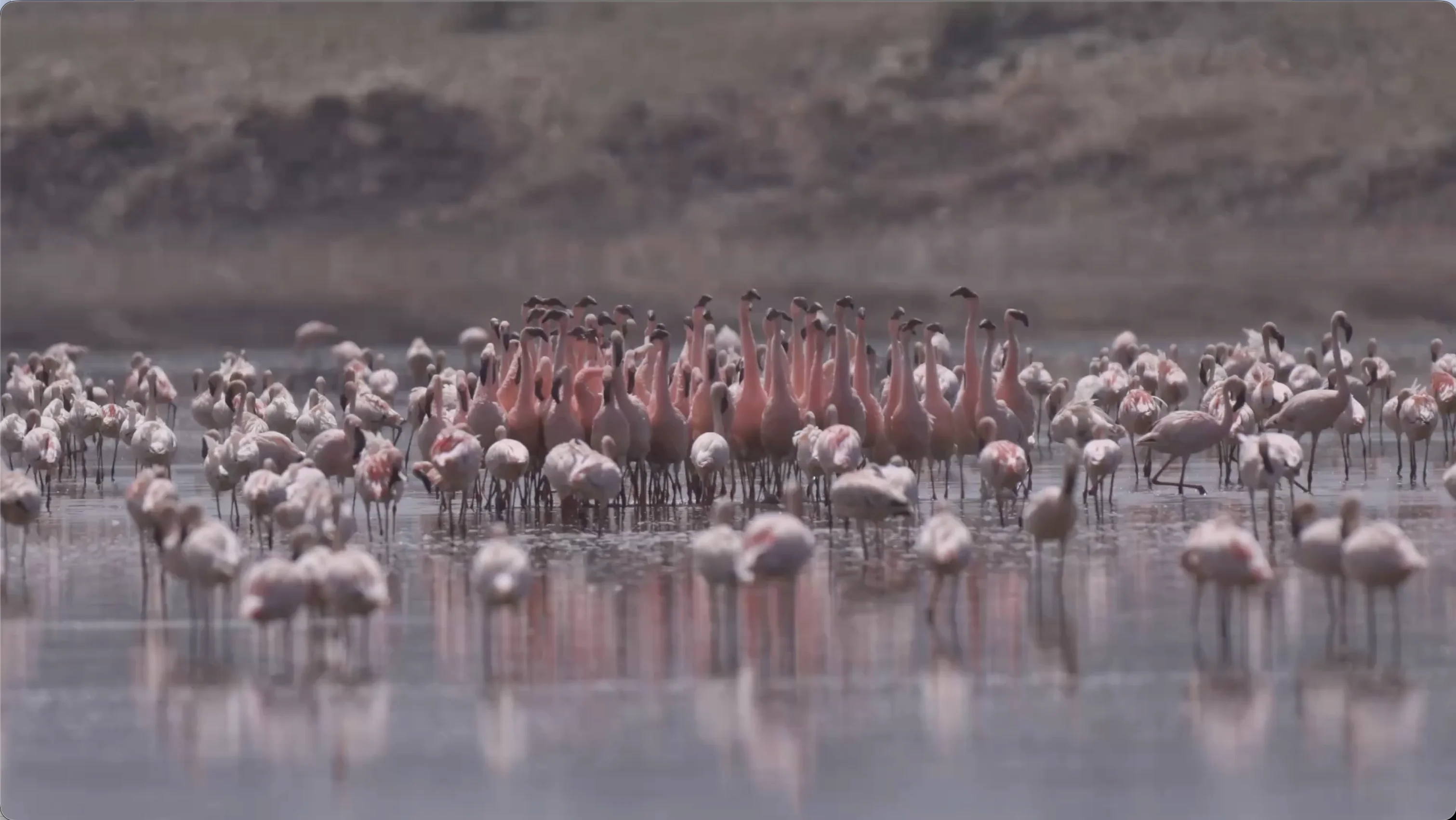
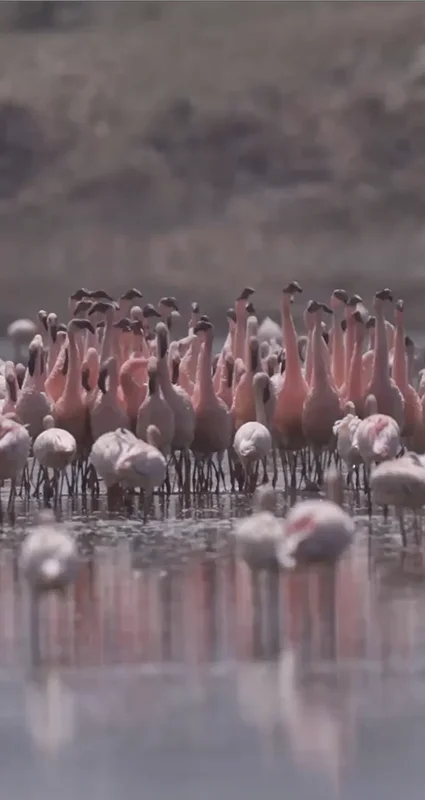
Lake Magadi at dawn: Arrive at the northern shore of this mineral-stained soda lake before sunrise and watch lesser and greater flamingos turn the shallows pink. It is an image that stays with travellers long after they leave.
World-class photography hides: Both camps provide purpose-built, ground-level hides at waterholes, offering intimate, low-impact encounters with lions, caracal, and rare dry-country birds that drive-based safaris cannot replicate.
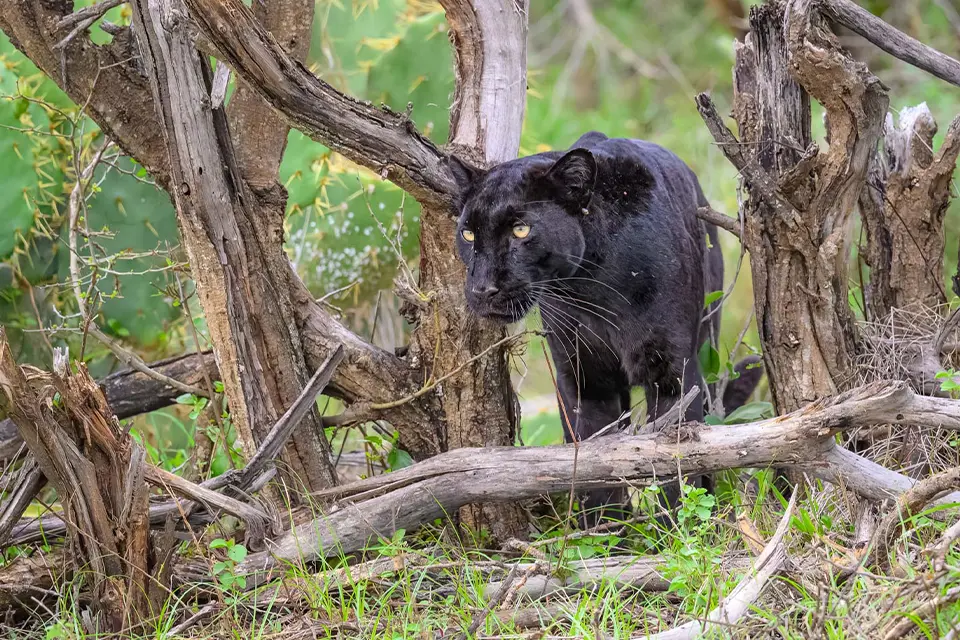
Night drives through genuine wilderness: Night drives are permitted across both conservancies, a rarity in much of Kenya. Leopards appear along the river line after dark, and shy striped hyenas lurk. The near-total absence of other vehicles makes every sighting feel like your own.
All you need to know about Shompole & Magadi
About Shompole and Lake Magadi
The South Rift Valley sits in Kajiado County at the southernmost end of Kenya's Great Rift Valley, where the land drops toward the Tanzanian border, and the horizon fills with volcanic hills and distant escarpments. It is not a national park. Two Maasai community-owned group ranches protect this landscape: Shompole Conservancy, covering approximately 14,165 hectares, and the adjacent Olkiramatian Conservancy, covering approximately 25,000 hectares. SORALO, the South Rift Association of Land Owners, coordinates conservation, grazing and tourism revenue-sharing across both ranches and the wider landscape.
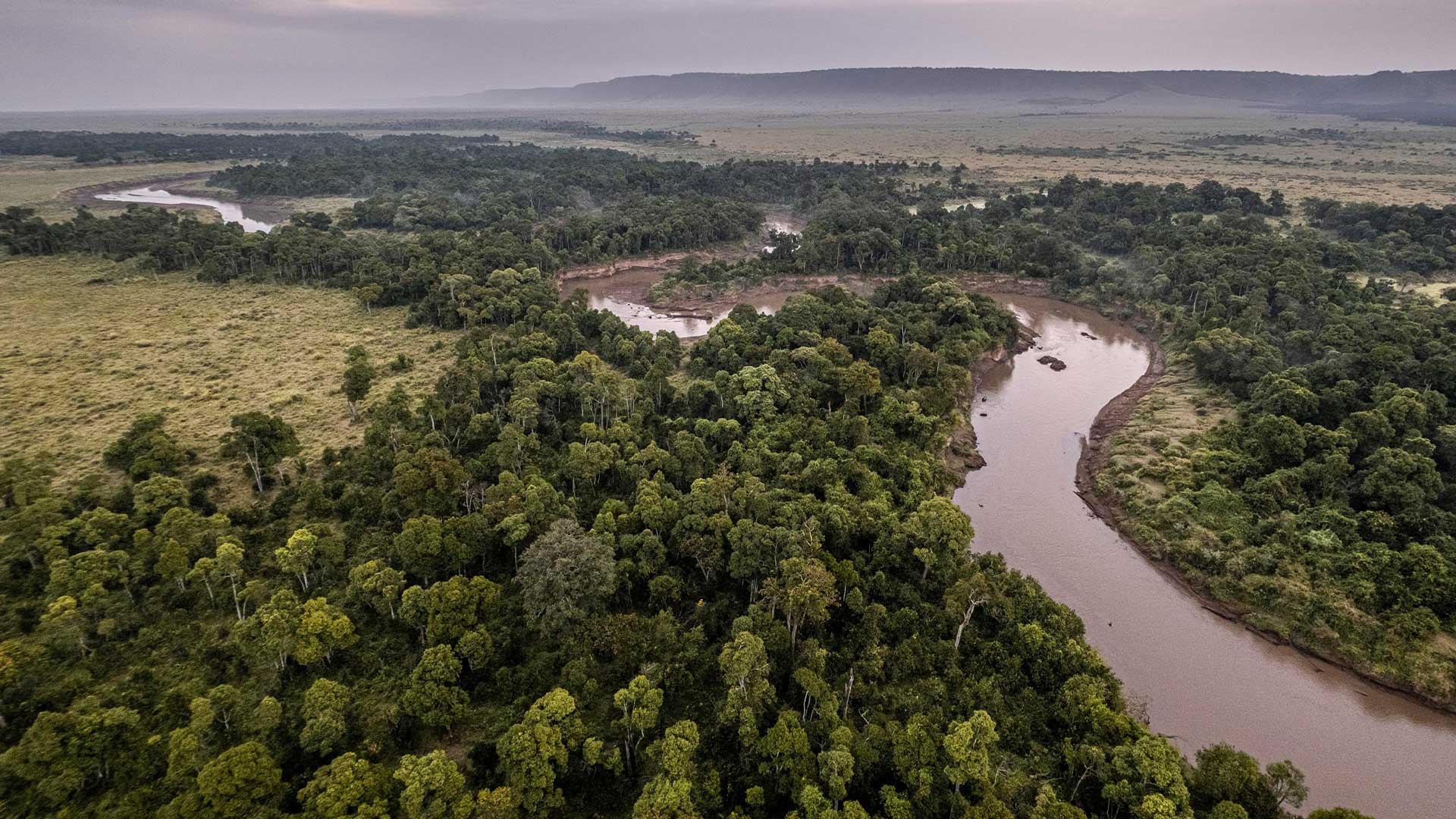
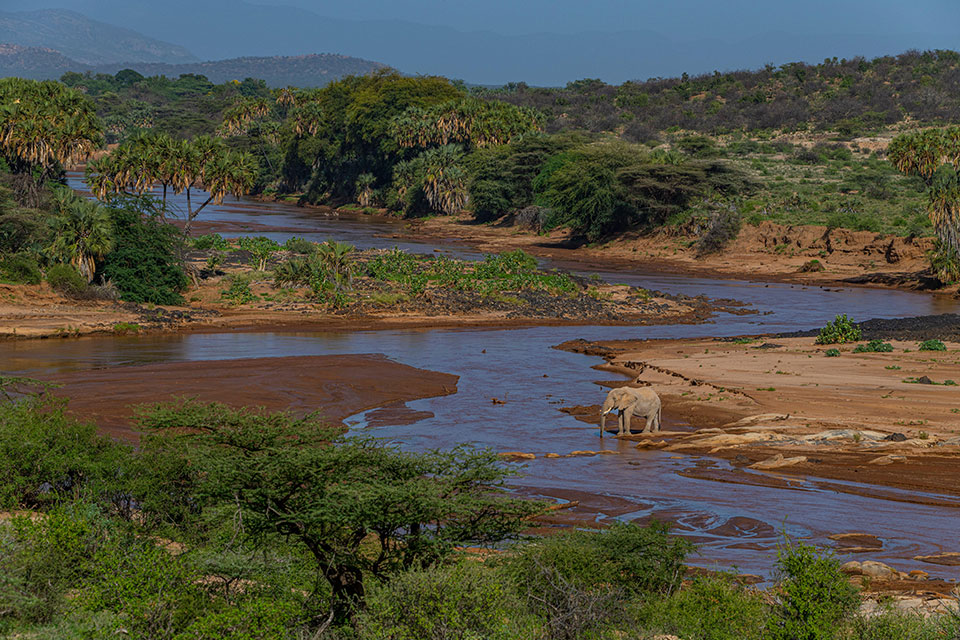
The terrain is shaped by the geology beneath it. Mount Shompole, the extinct volcano that gives the conservancy and destination their name, rises from the Rift Valley floor alongside other volcanic hills; the Nguruman Escarpment forms the western wall. The southern Ewaso Ng'iro River, entirely distinct from the river of the same name flowing through Laikipia and Samburu in northern Kenya, runs steadily south through fig-shaded banks toward Lake Natron in Tanzania. Lake Magadi, a soda lake that turns rose-pink when flamingos mass on its shores, marks the northeastern gateway from Nairobi.
Things to do in Shompole and Lake Magadi
Game drives, day and night: Cross the conservancies at any hour: by day tracking dryland specialists across open plains, by night scanning the riverine woodland for leopards and striped hyenas in the torchlight. Night drives are permitted here, a freedom unavailable in most of Kenya's national parks.
Walking safaris with Maasai guides: Cover the conservancy on foot alongside senior Maasai guides, whose community's land ownership extends walking access into areas that national parks close entirely.
Dawn at Lake Magadi: Leave camp in darkness, reach the lake's shore before sunrise and watch flamingos mass at the water's edge as the mineral-rich shallows turn deep rose in the first light.
Photography hides, day and overnight: Settle into ground-level photographic hides at active waterholes, the only reliable water for kilometres of dry bush, and wait as lions, caracal, gerenuk and dry-country birds come to drink. Both camps offer overnight stays in their hides.
Walking with baboons at Lale'enok: Join primatologists at the South Rift Resource Centre near the Ewaso Ng'iro bridge for a guided morning walk alongside a habituated baboon troop, with up to 90 minutes of close behavioural observation with an active research team.
Visits to a working Maasai boma: As the afternoon cools and livestock returns for the night, travel to a working Maasai village arranged directly with the community and accompanied by a senior Maasai guide from camp.
River tubing and kayaking along the Ewaso Ng'iro River.
What wildlife can I see in Shompole and Lake Magadi?
Dryland antelope specialists: Gerenuk, fringe-eared oryx and greater kudu, all well adapted to this arid Rift Valley landscape, are regularly encountered on game drives and walking safaris across both conservancies.
Predators: Resident lion prides move across the open plains below Mount Shompole; leopards are most reliably encountered on night drives along the Ewaso Ng'iro River line after dark, and shy striped hyenas are there but difficult to find.
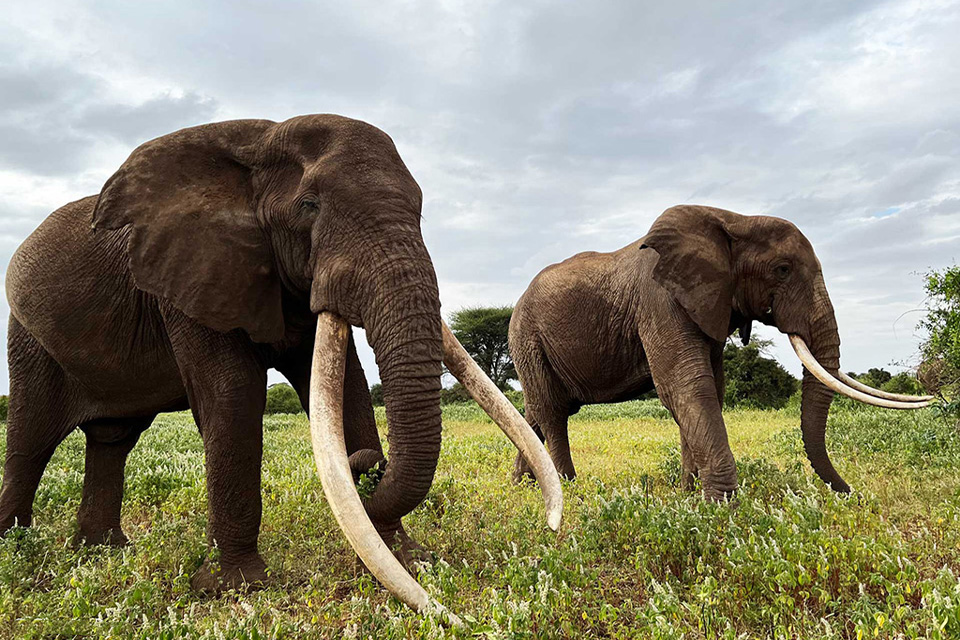
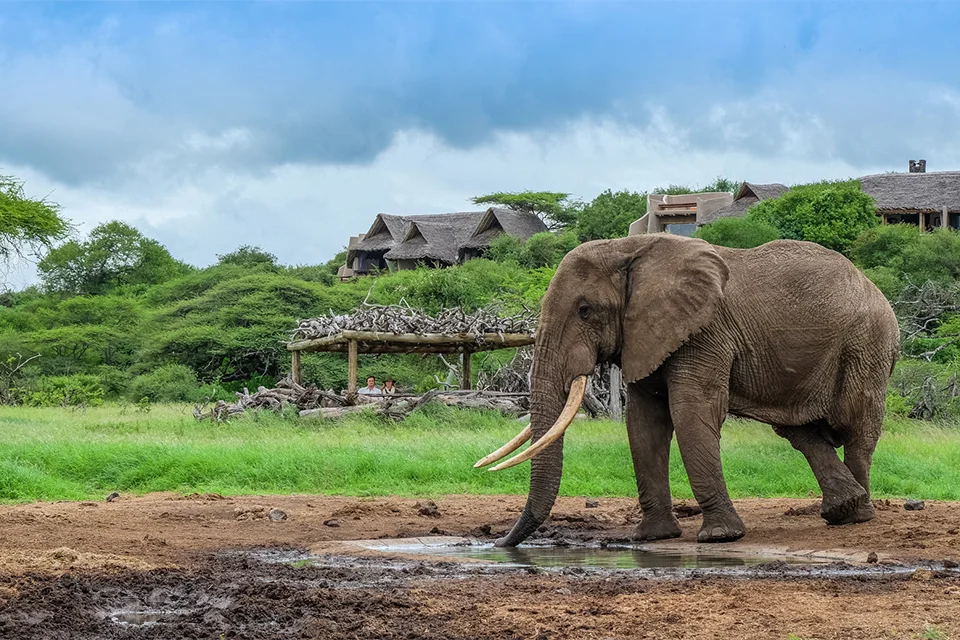
Elephants, giraffes and plains species: Elephants, giraffes, zebra, impala and warthog move through the riverine woodland and open plains, often in the complete absence of other vehicles.
Flamingos at Lake Magadi: Both lesser and greater flamingos congregate in vast numbers on this mineral-rich soda lake, alongside pelicans and numerous waders. The spectacle is most striking at dawn, when the shallows glow rose-pink.
Over 400 bird species, including chestnut sparrow, black-faced and chestnut-bellied sandgrouse, kori bustard, secretarybird, grey crowned crane, Von der Decken’s hornbill and African pygmy kingfisher.
Where to Stay in Shompole and Lake Magadi
Shompole Wilderness occupies the east bank of the southern Ewaso Ng'iro River within Shompole Conservancy, where ancient fig trees shade six spacious canvas tents positioned on raised platforms with private decks facing the river or the open plains. The communal lounge extends over the water on a wooden platform, while an in-camp bird hide with its own eye-level waterhole offers immediate wildlife observation without leaving the main area. Further afield, two remote photographic hides deep in the bush face waterholes that draw lions, gerenuk and an exceptional range of dry-country birds; both are equipped for overnight stays. River tubing and kayaking along the Ewaso Ng'iro River add an unusual dimension to the experience. Managed as part of the community conservancy model, Shompole Wilderness welcomes families with children aged eight and over and closes during May.
Lentorre Lodge sits on a rocky spur of the Nguruman Escarpment within Olkiramatian Conservancy, its six open-fronted architectural suites arranged above sweeping plains with views toward Mount Shompole and Lake Magadi. Each suite has its own private plunge pool. The lodge reflects the vision of founder Raaji Bharij, a passionate wildlife photographer, and its signature hide is a ground-level, air-conditioned chamber below the dining terrace, accessible on foot through a tunnel and equipped for overnight stays, facing an active waterhole with year-round visits from mammals and birds. Lentorre operates year-round, suits travellers aged twelve and over, and can be reached by private charter to Rangers Airstrip or directly by helicopter.
Trusted by thousands of ecstatic travellers
✔️ 5-Star Trustpilot Rating ✔️ Condé Nast Travel Specialist Award Winner
✔️ Accredited by SATSA ✔️ 5,000+ Exceptional Safaris Since 1991
Why choose Africa Geographic to plan your safari?

"Planning this trip...was a great experience, he was very patient and professional as we worked through options...From there the trip was seemless, with so many amazing experiences including: Lentorre Lodge in the Rift Valley - Kenya, wildlife night photography in their purpose built hide...We highly recommend..."

"My trip to...Kenya was one of my best experiences so far. The planning went smoothly – everything was arranged exactly as I had imagined. The accommodations were excellent and met all my expectations. The diversity of landscapes and wildlife was impressive, with new highlights every day. Overall, this was my best trip yet..."

"We had an absolutely incredible trip to Kenya...thanks to Africa Geographic...They made the process so easy from initial planning, to booking and making payments toward out trip to the actual trip itself and throughout our stay in Kenya. Incredible communication, incredible wildlife...We will definitely be using AG again when we return to Africa!"
Wish you were here?
Frequently asked questions
Shompole Conservancy is a Maasai community-owned group ranch in Kajiado County, at the southern end of Kenya's Great Rift Valley on the border with Tanzania. It covers approximately 14,165 hectares, around 170 km south-southwest of Nairobi.
SORALO, the South Rift Association of Land Owners, coordinates conservation planning, grazing management and tourism revenue-sharing across multiple Maasai group ranches of the South Rift, including the Shompole and Olkiramatian conservancies.
The fastest option is a charter flight from Wilson Airport to Rangers Airstrip, approximately 40 to 45 minutes in the air. By road, allow 4 to 5 hours via the Magadi Road (C58) with a 4WD. No roads connect the South Rift directly to the Maasai Mara or Amboseli.
January to March and June to October offer the best game drive conditions and wildlife visibility. Heavy rain in April, May and November can make the Magadi road impassable. Shompole Wilderness also closes during May.
There is no resident rhino population in either conservancy, so this is not a reliable Big Five destination. The South Rift is best suited to experienced safari travellers who want dryland wildlife specialists, genuine remoteness and a community-led conservation model.
Gerenuk, fringe-eared oryx and greater kudu are the standout dryland specialists, rarely encountered reliably elsewhere in Kenya. Lions, leopards, elephants, giraffes, zebra and impala are also present, alongside more than 400 recorded bird species.
Both lesser and greater flamingos gather on Lake Magadi alongside pelicans and numerous waders. Dawn is the best time to visit: birds mass on the northern shore as the mineral-rich water turns pink in the early light.
Shompole Wilderness has two remote bush hides and an in-camp bird hide, all facing active waterholes; Lentorre has a ground-level, air-conditioned hide below its dining terrace. All offer overnight stays and attract remarkable wildlife including lions, caracal and dry-country birds.
The South Rift Resource Centre near the Ewaso Ng'iro bridge runs guided morning walks with a habituated baboon troop as part of a long-running research programme. Groups follow at 30 to 40 metres for up to 90 minutes; advance booking is required from both camps.
Shompole Wilderness welcomes children aged eight and over and offers game drives, guided walks and river tubing. Lentorre has a more adult character and is recommended for older children with a serious interest in wildlife and photography.
The South Rift is drier, quieter and far less visited than the Mara. It offers a community-owned land model, dryland-adapted wildlife not found reliably on the main circuit, and night drives on private conservancy land. It rewards travellers who have already seen the classics.
Malaria is present across the South Rift Valley. Antimalarial medication is strongly recommended and should be discussed with your doctor before departure. The nearest clinic is approximately one hour from both camps; comprehensive medical evacuation insurance is essential.
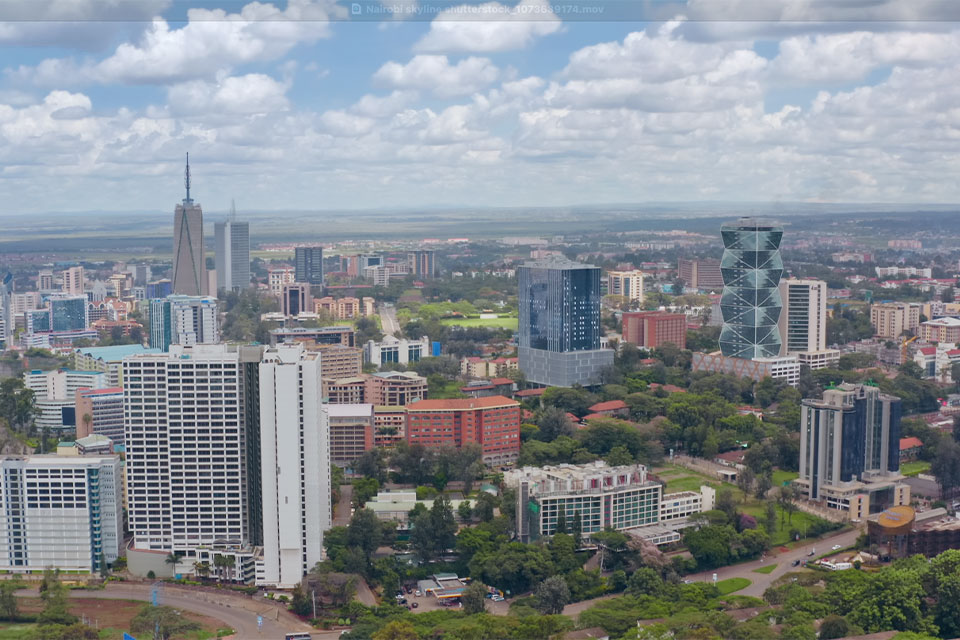
Shompole connects most naturally with a Nairobi stopover, since both road and air access pass through the capital. There are no direct roads to the Maasai Mara or Amboseli, so combining them means returning via Nairobi.
Shompole Wilderness costs US$675–900 per adult sharing per night (plus US$100 conservation/community/hide fee), including full board, activities, drinks (except champagne) and airstrip transfers. Lentorre Lodge costs around US$900 per adult sharing on game packages, covering full board, selected drinks, drives and hide access. Both are per-person-sharing with seasonal and minimum-stay variations—confirm current rates directly.
Click here to schedule a no-obligation call with one of our Safari Experts or fill in our 2-minute form with your questions. Our team of experts are here to help! Whether you’re curious about the best time to travel, want to hear first-hand about an experience or need help planning your safari.
Explore more African destinations
Start planning your dream safari
Our travel experts will craft a no-obligation itinerary just for you. We have crafted over 5,000 safaris since 1991. Your personal details are protected; we only use this information to contact you.
Why book your safari with us?

Deep Experience & Knowledge
Handcrafted experiential safaris since 1991.
Travel in Africa is about knowing when and where to go, and with whom. A few weeks too early/late or a few kilometres off course, and you could miss the greatest show on Earth. And wouldn’t that be a pity?

Trust & Safety

Make A Difference
We donate a portion of the revenue from every safari sold to carefully selected conservation projects that make a significant difference at ground level.
YOUR safari choice does make a difference - thank you!