

Tailor-made safaris. Since 1991



Trust us to find you the rarest animals, the most spectacular wildlife events, the remotest landscapes and deeply meaningful cultural encounters!
How many days should I spend chimp trekking in Africa?
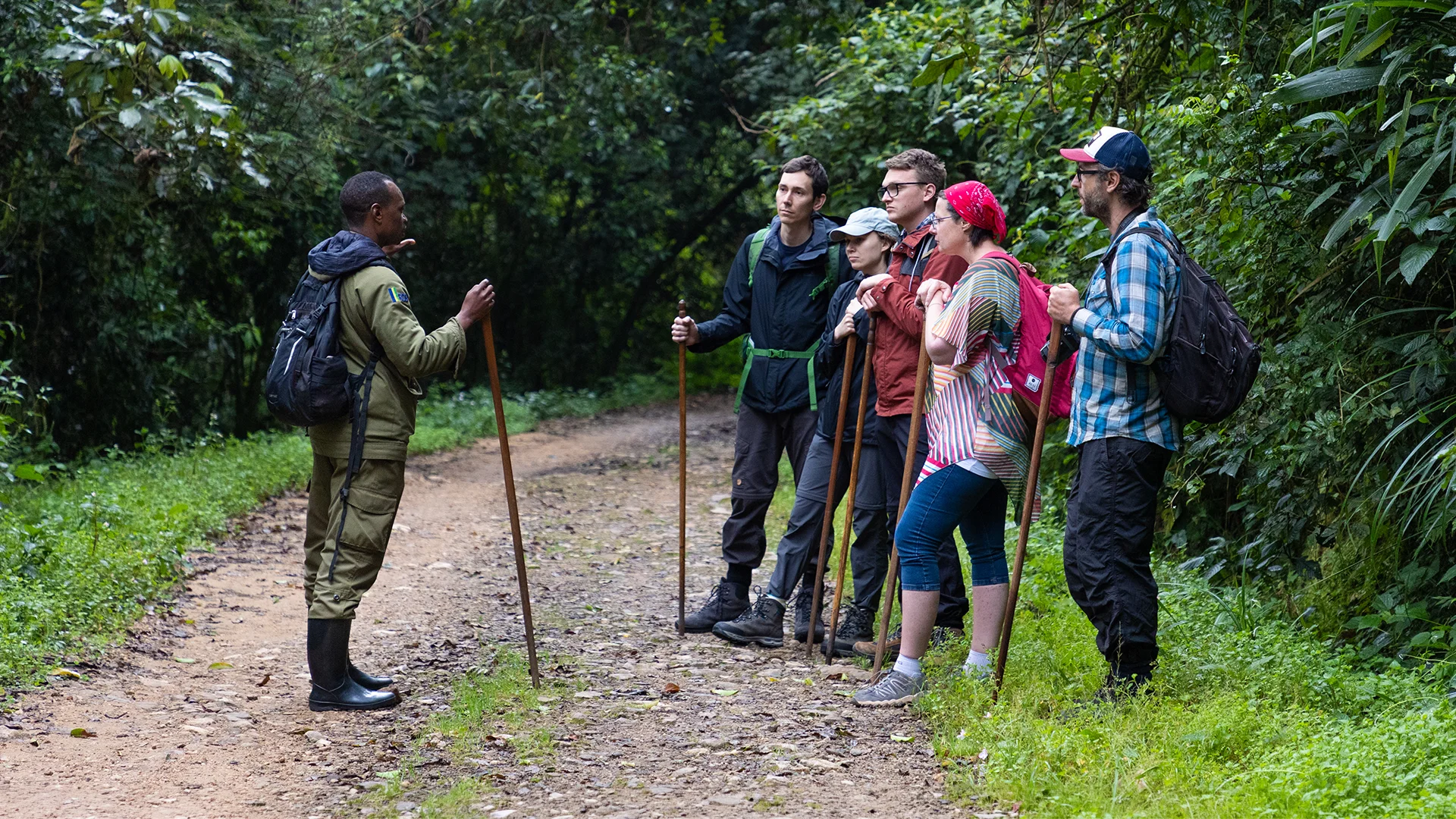
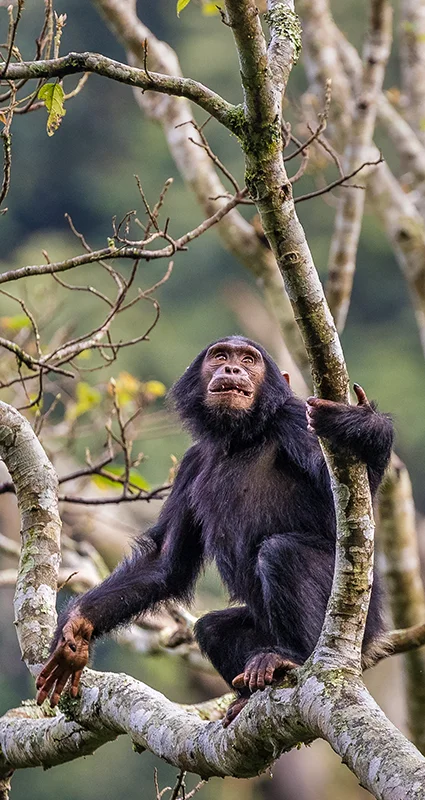
The forest gives no warning. One moment the trail is quiet but for dripping leaves and the distant knock of a woodpecker, then a pant-hoot rises somewhere ahead and your guide breaks into a jog. Chimp trekking is exciting – the search for our closest living relative is far busier than the often-compared gorilla treks. In the same vein, chimps don’t wait to be found in the way gorillas do; you chase their calls and feeding trails through dense, tangled forest, and that restless, physical search is precisely why the question of how many days to set aside matters so much. Kibale in Uganda rewards a short two to three day detour, easily folded into a wider itinerary. Rwanda's Nyungwe asks for three to four, a scenic drive from Kigali built in. Tanzania's Mahale Mountains and Gombe Stream, reached only by light aircraft and boat along the shores of Lake Tanganyika, want five to seven days before the journey feels unhurried rather than rushed. The right length depends entirely on which forest calls you, and what you build around it.
Chimp trekking days at a glance
Every chimp forest sits a different distance from an international airport, and that gap decides how many days your trip actually needs, more than the trek itself.
Uganda's Kibale: shortest add-on, just two to three days minimum
Rwanda's Nyungwe: three to four days including the Kigali drive
Tanzania's Mahale or Gombe: five to seven days, flights and a boat
Habituation experience: add one extra day to any of the above
Minimum trip length by country
Forest | Country | Minimum days | How you get there |
Uganda | 2–3 days | Road transfer from Entebbe | |
Rwanda | 3–4 days | Road transfer from Kigali | |
Tanzania | 5–7 days | Light aircraft, then boat | |
Tanzania | 5–7 days | Light aircraft to Kigoma, then boat |
3 things we love about chimp trekking journeys
Beyond the trek itself, here’s what makes building a few extra days around your chosen chimp forest genuinely worthwhile, wherever in East Africa you go:
A short flight from a Kibale trek lands you inside Uganda's wider primate and Big Five circuit, so two extra days open up an entirely different landscape.
Nyungwe's drive from Kigali runs past tea plantations and volcano views, turning transit time into scenery rather than a delay before reaching the forest.
Mahale and Gombe's remoteness is the reward, not the cost. The extra travel days buy near-total isolation on a Great Lake shoreline no road can reach.
Chimpanzee-trekking safaris we love
Chimp trekking by country
Uganda offers the fastest add-on
Kibale National Park sits close to Queen Elizabeth National Park, both chimp-trekking destinations, and Bwindi Impenetrable National Park for gorilla trekking, and is within a day's drive of Entebbe, so a trek slots into a wider Uganda itinerary with minimal extra travel, often just two to three days including transfers.
Rwanda pairs trekking with a scenic drive
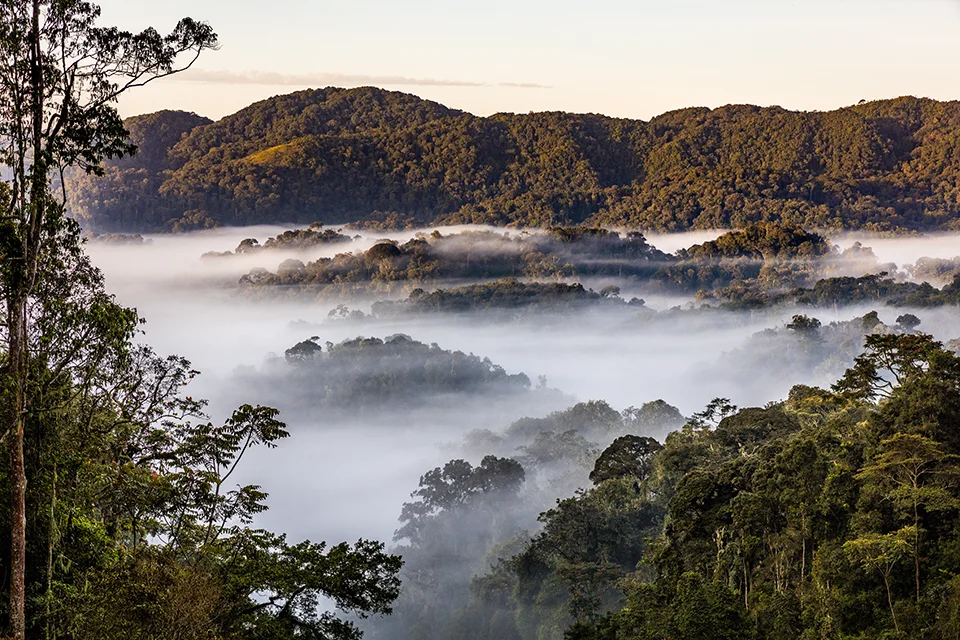
Nyungwe National Park lies roughly five to six hours from Kigali by a good tar road, a scenic drive past tea estates and volcano views. Most itineraries allow three to four days, easily combined with gorilla trekking in Volcanoes National Park.
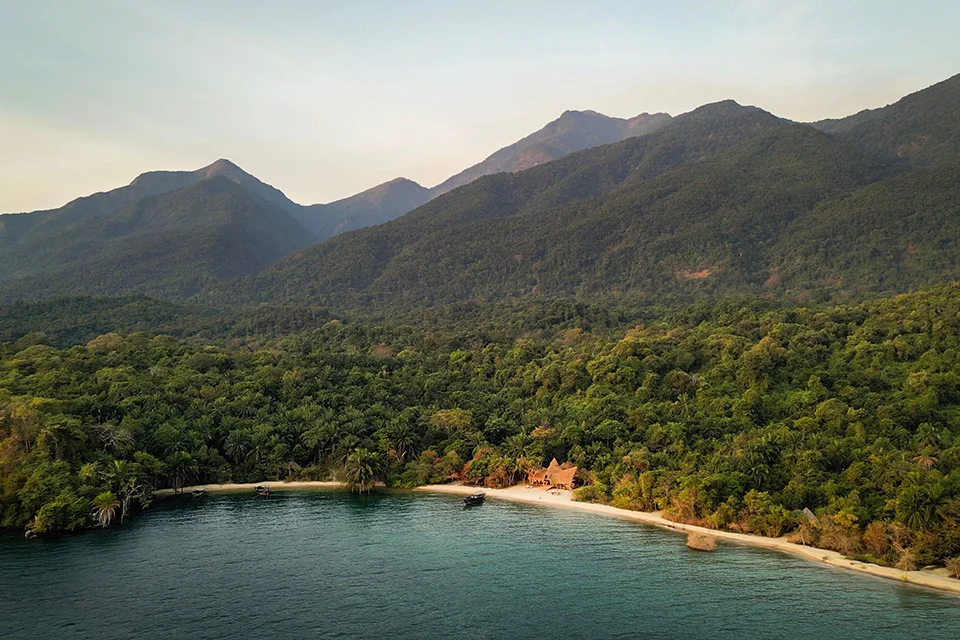
Tanzania demands the most travel time
Mahale Mountains and Gombe Stream sit on Lake Tanganyika's remote eastern shore, reachable only by light aircraft and boat. Building in five to seven days accounts for flight schedules, boat transfers and the odd bad weather delay.
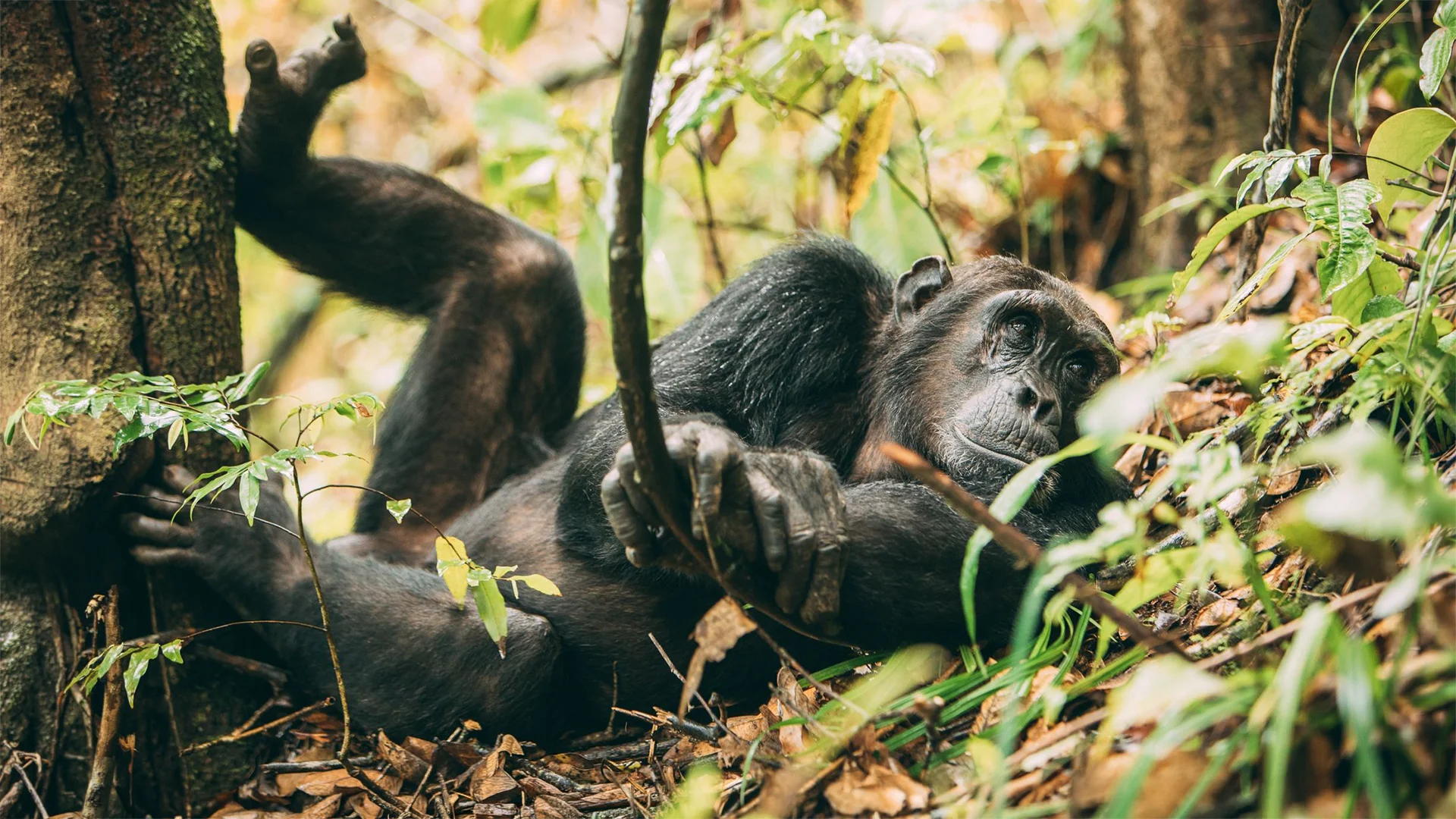
Uganda's flexible short-trek circuit
Kibale slots into a wider itinerary
Kibale National Park, often called the primate capital, holds roughly 1,500 chimps and a dozen primate species, giving it some of the continent's most reliable trekking success rates. It also sits within a day's drive of Queen Elizabeth National Park and Bwindi, so a Kibale trek rarely stands alone. Most travellers add it to an existing Uganda safari rather than building a trip around it, which is why it needs the fewest dedicated days of any chimp destination.
Add a day for Kyambura or gorillas
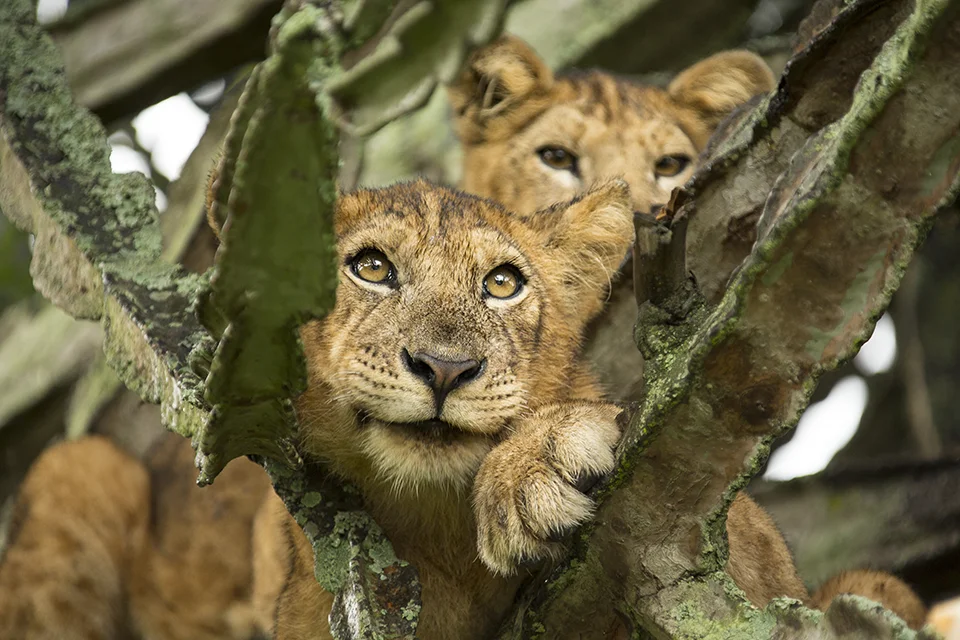
Two nearby additions extend a Kibale-based trip without much extra travel. Kyambura Gorge, in Queen Elizabeth National Park, holds an isolated troop of chimps viewed alongside savannah wildlife such as tree-climbing lions, and needs only one extra day. Gorilla trekking in Bwindi Impenetrable Forest is a longer detour, generally three to four additional days, but the two treks pair naturally into a single primate-focused circuit.
Sample day counts for a Uganda circuit
Kibale only, flying in and out via Entebbe airport: two nights, three days total in Uganda
Kibale plus Queen Elizabeth savannah wildlife viewing: four to five days overall for both parks
Kibale, Queen Elizabeth and Kyambura Gorge chimps together: five to six days total for the circuit
Kibale, Queen Elizabeth and Bwindi gorilla trekking combined: eight to ten days for a full primate trip
Add Murchison Falls for Nile boat cruises and Budongo chimps: ten to twelve days overall
Combine Uganda with Rwanda gorillas via a short regional flight: nine to eleven days total
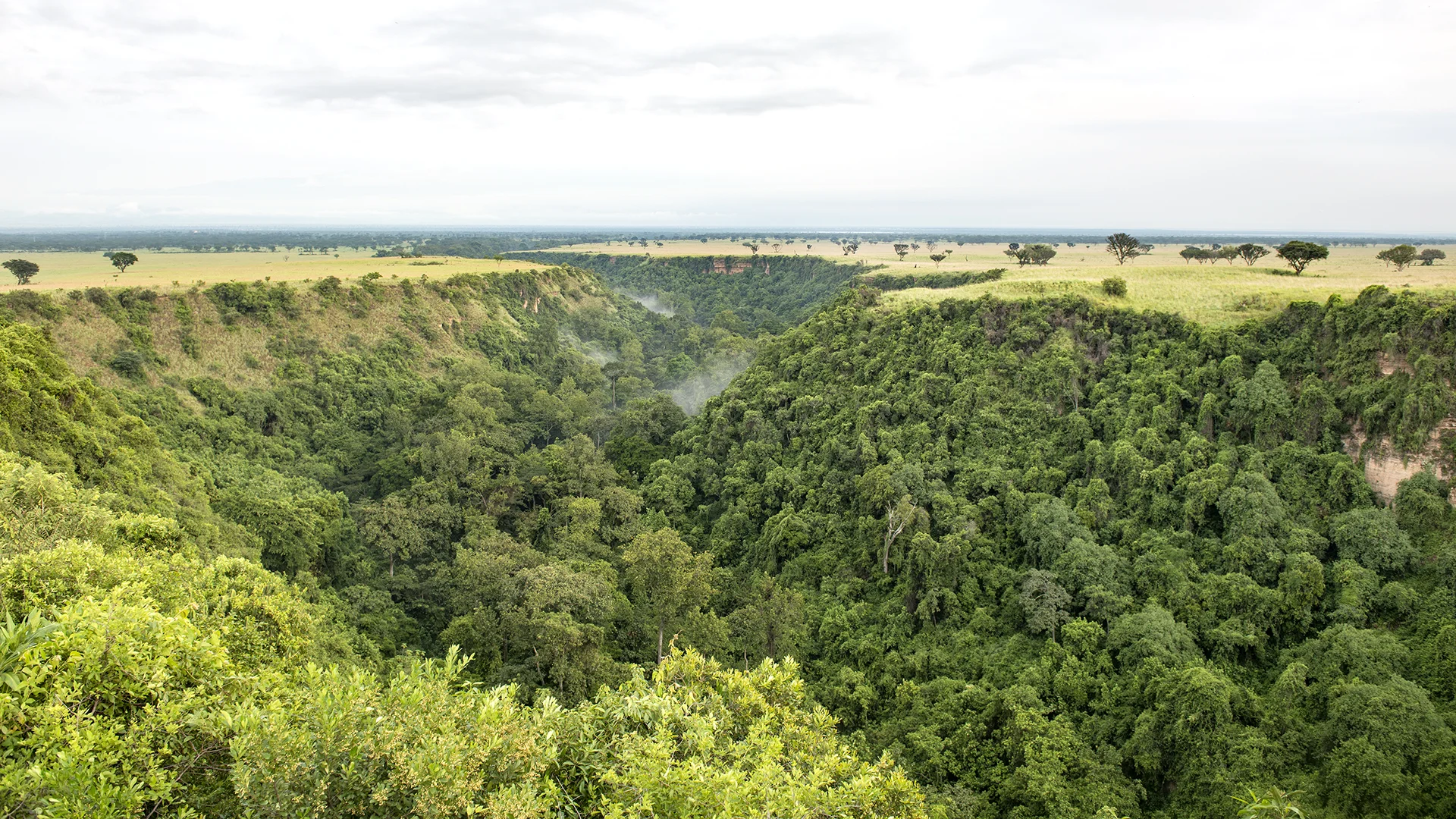
Tanzania's remote lake-forest add-on
Why Mahale and Gombe need more travel days
Mahale Mountains and Gombe Stream sit on Lake Tanganyika's shore in far western Tanzania, with no roads in or out. Both parks are reached by light aircraft followed by a boat transfer, and flight schedules to this remote corner run only a few days a week. Building in five to seven days, rather than the two or three a Kibale trek needs, absorbs these connections comfortably and leaves room for a delayed flight without derailing the rest of the safari.
“A nursing mother firmly rebuffing a curious alpha male one day, and the next, that same male erupting without warning into thirty seconds of raw, chaotic violence before the forest fell silent again. It is this proximity to a wild intelligence so like our own, tender and savage by turns, that makes the experience so unforgettable.”
– Simon Espley, CEO, Africa Geographic, describing a chimp encounter in Mahale Mountains National Park
Pairing with a Katavi or Ruaha safari
Mahale's seldom-visited savannah side, on the far eastern slope of its namesake mountains, connects via several reserves to Katavi National Park, one of Tanzania's least-visited reserves and a genuine stronghold for large predator and buffalo numbers during the dry season. A chimp trek in Gombe or Mahale combines naturally with a few further days in Katavi or Ruaha National Park, turning what could be a single-activity detour into a proper western Tanzania safari circuit worth the extra travel.
What extends a Tanzania chimp itinerary
Two separate light aircraft transfers each way, connecting via Arusha or Dar es Salaam
A further short boat transfer from the airstrip to your chosen lakeshore lodge
A weather buffer day worth adding during the long rains, roughly November to April
Combining Gombe's small forest reserve with a wider Katavi National Park safari extension, requiring a flight.
Allowing a genuine second trekking day in case the chimps range far afield that week
Linking Mahale with Ruaha National Park, requiring a flight, for a longer dry-season predator circuit
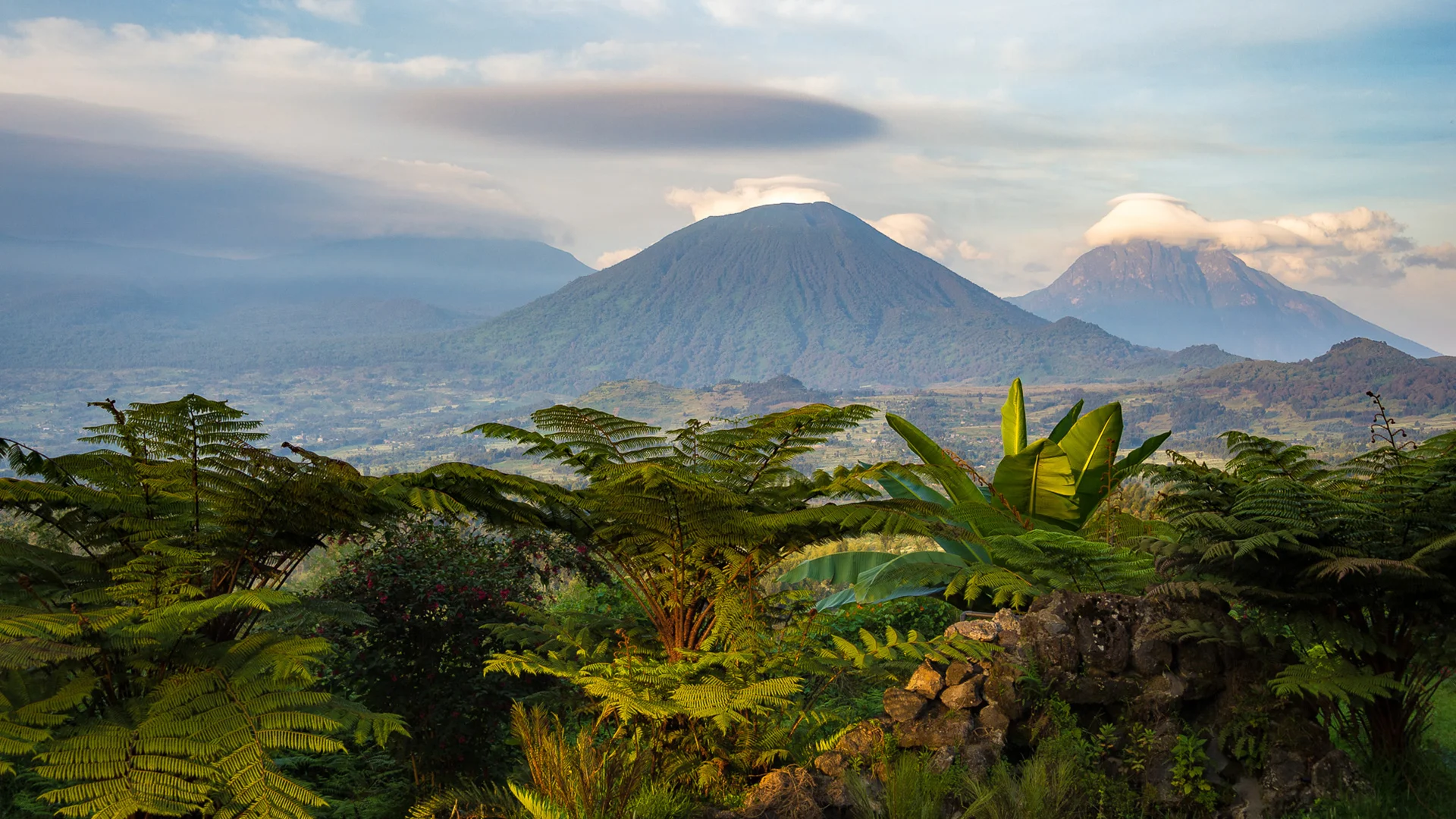
Wish you were here?
Adding a chimpanzee habituation day
What a habituation experience involves
Where the standard trek allows one closely regulated hour once the chimps are found, a habituation experience, offered in Kibale and Budongo (Uganda), Gombe and Mahale (Tanzania) and Nyungwe (Rwanda) lets you spend up to a full day alongside researchers and a semi-habituated community. You follow the slow process by which wild chimps grow accustomed to human presence, learn to recognise individuals and observe group hierarchy in far greater depth than a single hour allows.
Who should build in the extra day
A standard trek satisfies most first-time travellers, delivering a close, memorable encounter without adding to the itinerary. Habituation suits keen photographers, naturalists and repeat visitors who want deeper behavioural insight and are comfortable with a longer, more physically demanding day in the forest. Because only a handful of permits are issued daily, book the extra day well ahead of your intended dates.
Habituation versus a standard trek
Standard trek: one regulated hour with the chimps once your guides have found them
Habituation: up to a full day alongside researchers and a semi-habituated community
Standard trek: takes up a morning or part of a day, so it fits easily into your itinerary
Habituation: takes up a whole day, so allow one extra day compared with a standard trek
Standard trek: well suited to most first-time chimp trekkers on a broader safari
Habituation: best suited to keen photographers, naturalists and returning visitors
Frequently asked questions
Plan for a minimum of three days once travel time either side is included: one day to reach your lodge, one for the trek itself, and one to depart or continue your journey. Uganda's Kibale needs the least, at two to three days, while Tanzania's remote Mahale Mountains or Gombe Stream need five to seven days, because both are reached only by light aircraft and boat. The right figure depends on which forest you choose and how it fits your wider route through East Africa.
For most travellers, the standard one-hour encounter delivers a genuinely memorable sighting and needs no extra time. A habituation experience extends this to up to a full day and suits keen photographers, naturalists, or repeat visitors wanting deeper behavioural insight. It adds one extra day to your itinerary along with a noticeably higher permit cost, so it is worth requesting well ahead of your dates.
Kibale National Park needs the fewest dedicated days of any chimp destination, typically two to three including transfers from Entebbe. It sits close to Queen Elizabeth National Park and Bwindi Impenetrable Forest, so most travellers add a Kibale trek onto a wider Uganda circuit rather than treating it as a standalone trip. Adding gorilla trekking or savannah wildlife viewing naturally extends this to a week or more.
Nyungwe National Park lies roughly five to six hours from Kigali by road, and most itineraries allow three to four days to cover the drive, the trek itself and a comfortable return journey. This pairs easily with gorilla trekking in Volcanoes National Park, extending the trip to a combined primate itinerary of around seven to eight days, since both parks sit within a manageable drive of the capital.
Mahale Mountains and Gombe Stream both require five to seven days, since neither park has road access from the rest of the country. Reaching either involves a light aircraft flight followed by a boat transfer, and flights to this remote part of western Tanzania run only a few days a week. Extra buffer days are worth building in, particularly if you also plan to combine the trek with Katavi or Ruaha National Park.
Yes, and it is one of the most popular East African primate pairings. Uganda lets you do this within a single country, pairing Kibale, Budongo, or Kyambura Gorge chimps with Bwindi gorillas over eight to ten days total. Rwanda offers an equally efficient version, pairing Nyungwe chimps with Volcanoes National Park gorillas in around seven to eight days, since both experiences sit within a short drive of Kigali.
A Kibale-only add-on, flying into and out of Entebbe with one night either side of the trek day, can be completed in three days in total. This is the minimum viable structure for chimp trekking anywhere in East Africa, and it works best as an extension to an existing itinerary, such as a Rwanda gorilla trip or a wider Uganda safari, rather than as a standalone journey on its own. Fewer days than this rarely leave room for flight delays or a second attempt.
A second trekking day is worth considering in Tanzania's Mahale and Gombe, where chimps range more widely across steep, forested terrain and limited flight schedules reduce flexibility if a trek needs to be repeated. In Uganda and Rwanda, where trekking success rates are consistently high, one dedicated trek day is usually sufficient for most travellers, though a spare afternoon never goes to waste on a longer safari.
The dry seasons, broadly June to October and January to February, bring firmer trails, thinner vegetation and higher success rates, so fewer buffer days are generally needed. During the long rains, from roughly November to April, Tanzania's remote parks in particular benefit from an extra day, since wet-weather flight delays to Mahale and Gombe are more common at that time of year than during the drier months either side.
Start planning your dream safari
Our travel experts will craft a no-obligation itinerary just for you. We have crafted over 5,000 safaris since 1991. Your personal details are protected; we only use this information to contact you.
Why book your safari with us?

Deep Experience & Knowledge
Handcrafted experiential safaris since 1991.
Travel in Africa is about knowing when and where to go, and with whom. A few weeks too early/late or a few kilometres off course, and you could miss the greatest show on Earth. And wouldn’t that be a pity?

Trust & Safety

Make A Difference
We donate a portion of the revenue from every safari sold to carefully selected conservation projects that make a significant difference at ground level.
YOUR safari choice does make a difference - thank you!