

Tailor-made safaris. Since 1991



Trust us to find you the rarest animals, the most spectacular wildlife events, the remotest landscapes and deeply meaningful cultural encounters!
Which is the best country for chimp trekking - Uganda, Rwanda or Tanzania?
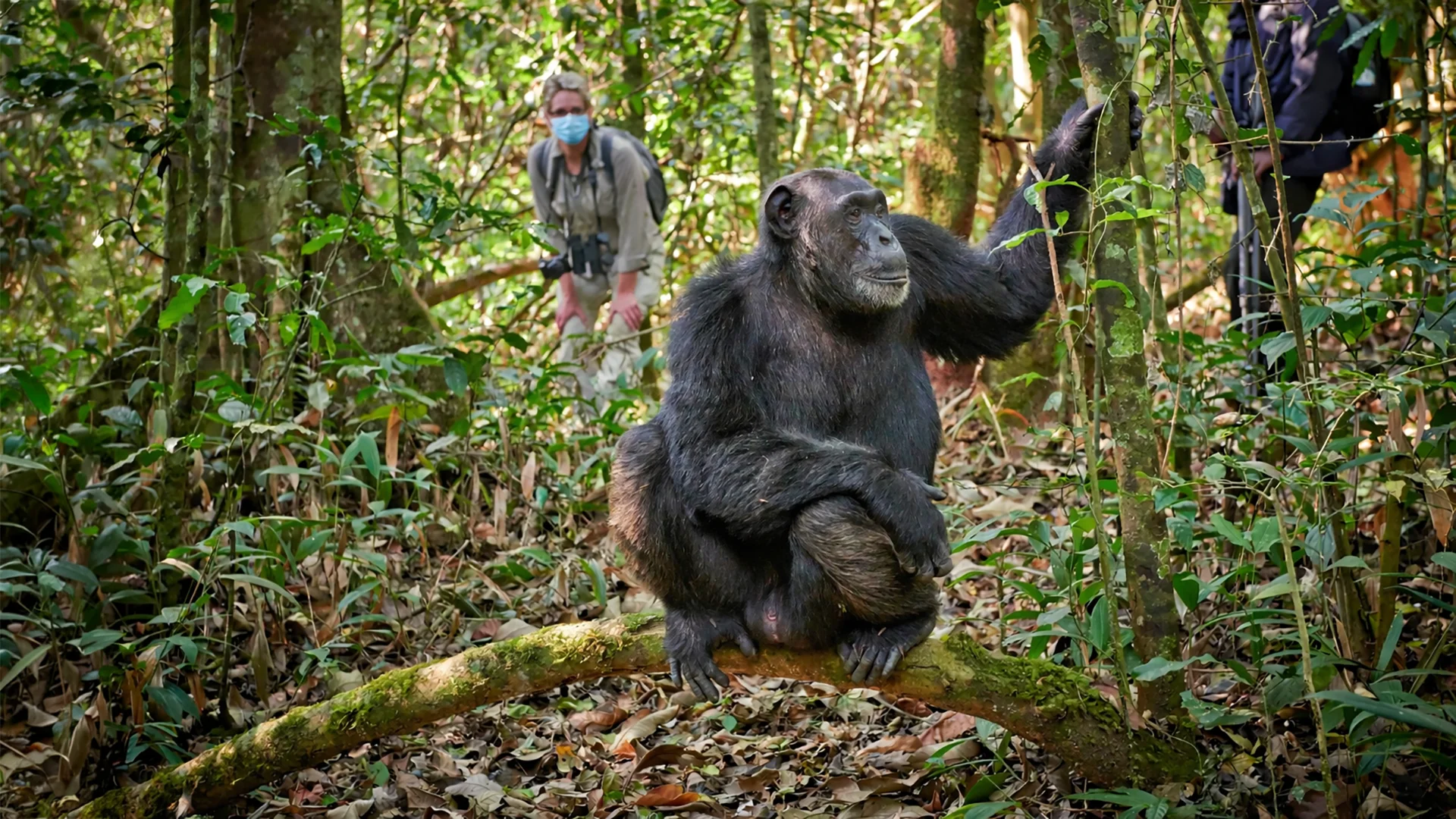
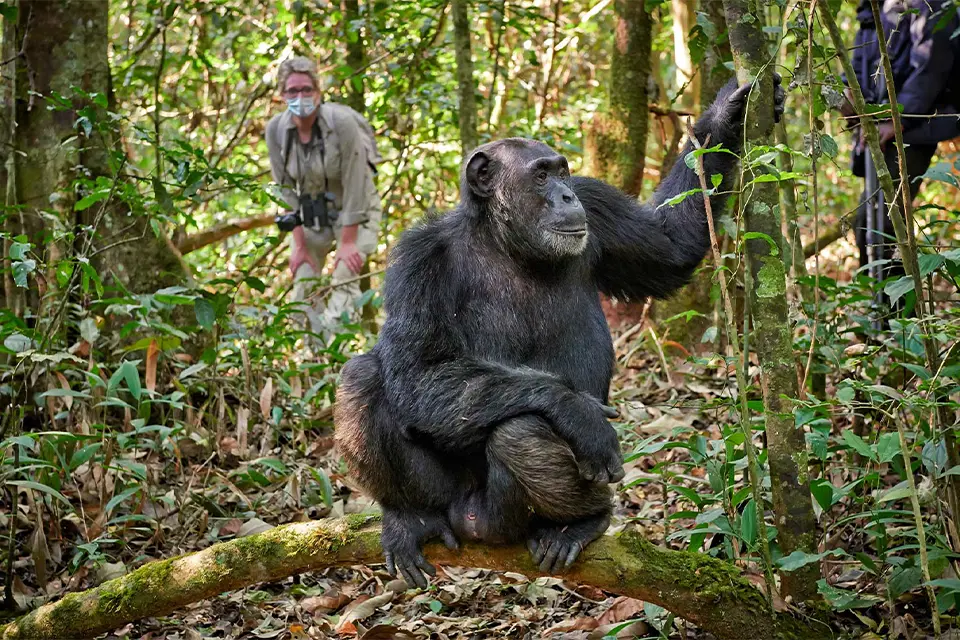
Chimpanzees, our closest wild relatives, are fascinating to watch in their natural habitat. They express emotions similar to our own, and encountering these apes while chimpanzee trekking in the wild is like glimpsing the raw threads of our shared ancestry, played out in Africa's dense forests. There’s no doubt it’s worth it, but where best to see chimpanzees is another question.
There are three main chimpanzee trekking destinations: Uganda, Rwanda and perhaps surprisingly, Tanzania.
Each involves a different forest, a different permit system and a different level of effort, and the right choice depends on budget, fitness, travel dates and what else sits on the itinerary. Kibale's forest alone holds more than 1,000 chimpanzees, while Gombe's slopes have been studied continuously since Jane Goodall first arrived there in 1960. This comparison sets out the practical differences that matter most when deciding where to trek.
Uganda offers some of Africa's best-value and most reliable chimpanzee trekking, with Kibale National Park boasting a 90 to 95 percent chimpanzee sighting success rate and a US$250 permit. Rwanda's Nyungwe National Park delivers a scenic but physically demanding montane forest trek with a US$150 chimpanzee permit. Tanzania's Mahale Mountains and Gombe Stream National Parks offer Africa's most remote and exclusive chimpanzee encounters, with daily park fees of around US$94 and US$118 respectively, typically involving boat transfers on Lake Tanganyika and built on decades of pioneering chimpanzee research.
In short, choose Uganda for the widest choice and consistently strong sightings, Rwanda for an easy primate-safari combination, and Tanzania for the most remote and immersive chimp trekking, particularly in Mahale Mountains.
3 things we love about chimp trekking
Beyond the permit prices and logistics that dominate most comparisons, here is what makes chimp trekking itself worth the effort, wherever you choose to do it:
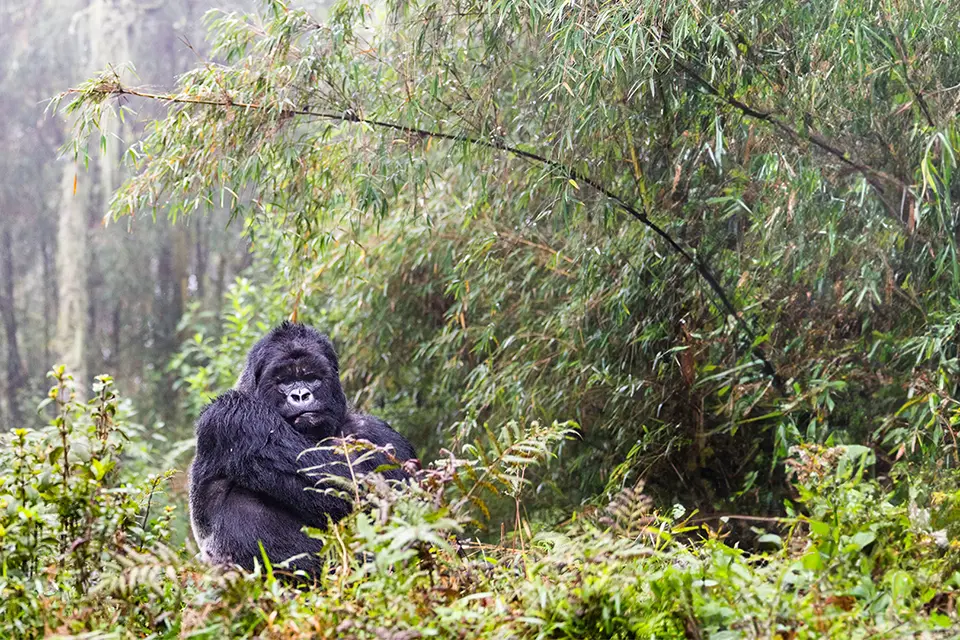
Unscripted encounters: chimps move fast and forage widely, so every trek unfolds differently, unlike the calmer, more predictable behaviour of habituated gorilla families.
Decades of research: Gombe and Mahale hold the world's longest continuous studies of wild chimpanzees, both running since the 1960s under Jane Goodall and Kyoto University teams.
A shared inheritance: chimpanzees share roughly 98 to 99 percent of human DNA, and their expressions, alliances and rivalries are often startlingly familiar to watch.
Discover our chimp trekking safari ideas to help plan your route.
Our favourite chimp trekking safari ideas
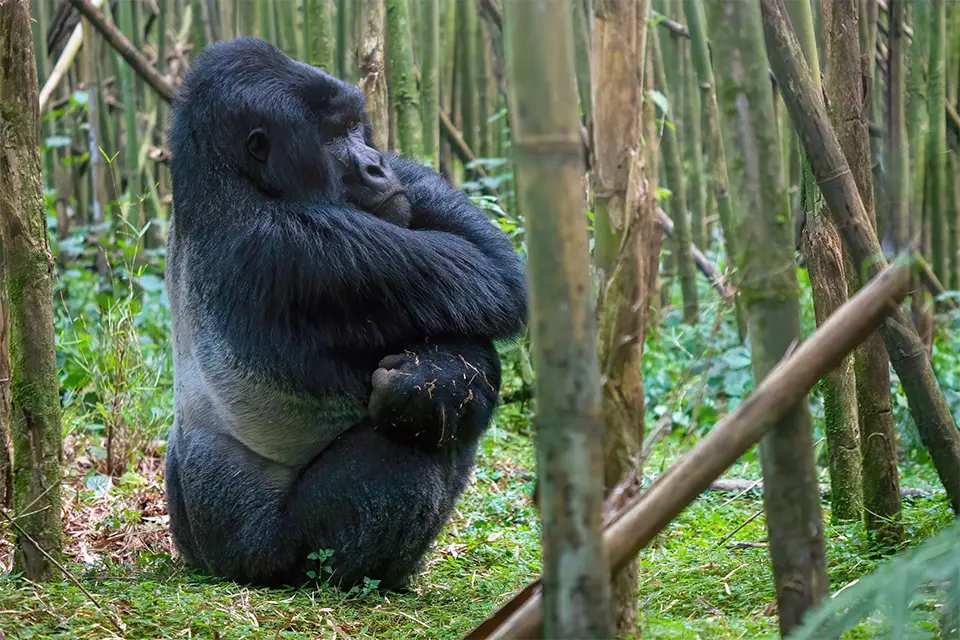
Three countries, three chimp experiences
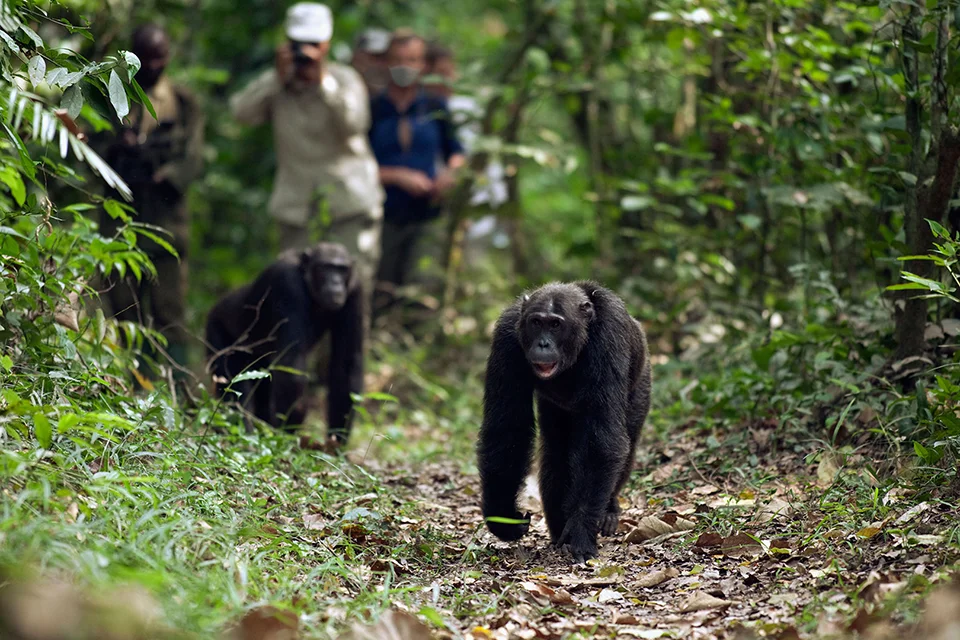
Uganda's accessible forest network
Uganda spreads chimp trekking across several forests, from Kibale, the continent's most reliable site, to the quieter Budongo and the dramatic Kyambura Gorge in Queen Elizabeth National Park. Good roads connect all three to Entebbe and to Uganda's gorilla-trekking parks, making multi-site itineraries straightforward.
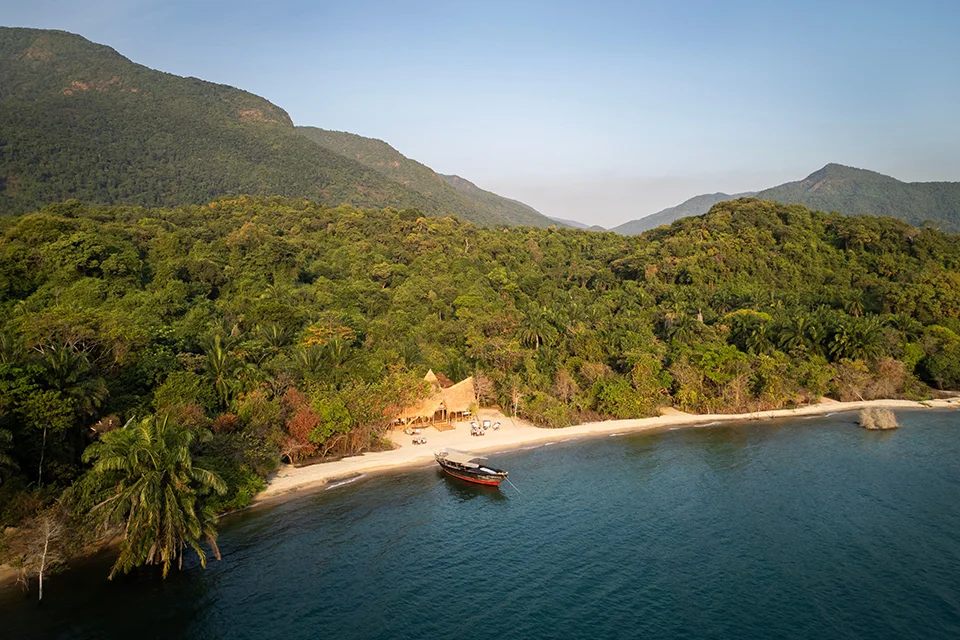
Tanzania's remote lakeshore parks
Mahale Mountains and Gombe Stream National Parks sit on the shores of Lake Tanganyika, reachable only by air and boat. Both protect long-studied chimp communities and offer a genuinely remote, low-density experience unlike anything on the road-based circuits further east. Choose Mahale for the more immersive multi-day wilderness experience; choose Gombe for its extraordinary Jane Goodall research history and a shorter chimp-focused visit.
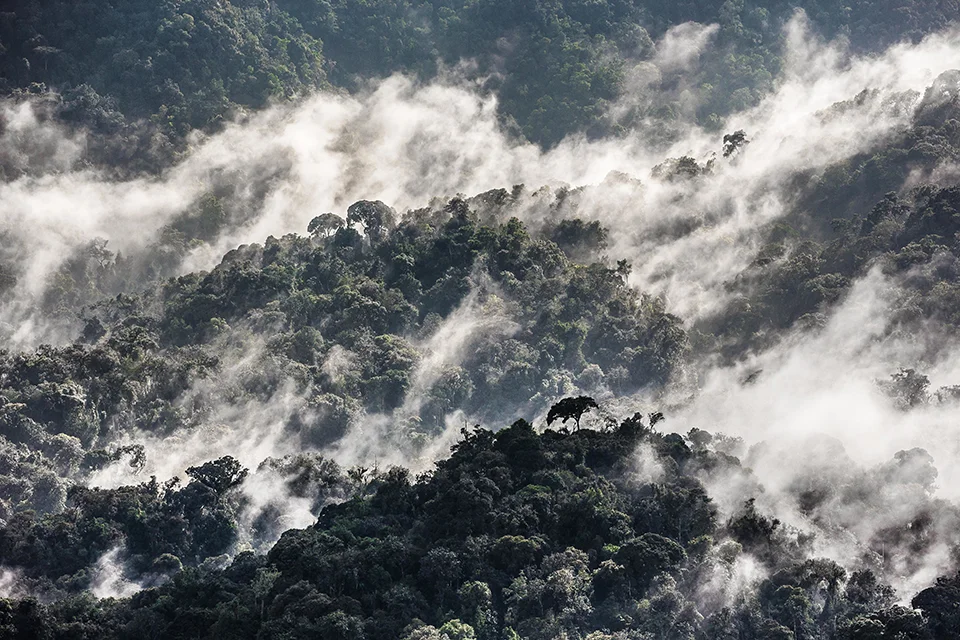
Rwanda's montane forest
Nyungwe National Park is Rwanda's only chimp-trekking destination, protecting East Africa's largest montane rainforest. Two communities are habituated for visitors, including a smaller, more reliable group in the isolated Cyamudongo forest annex a short drive from the main park.
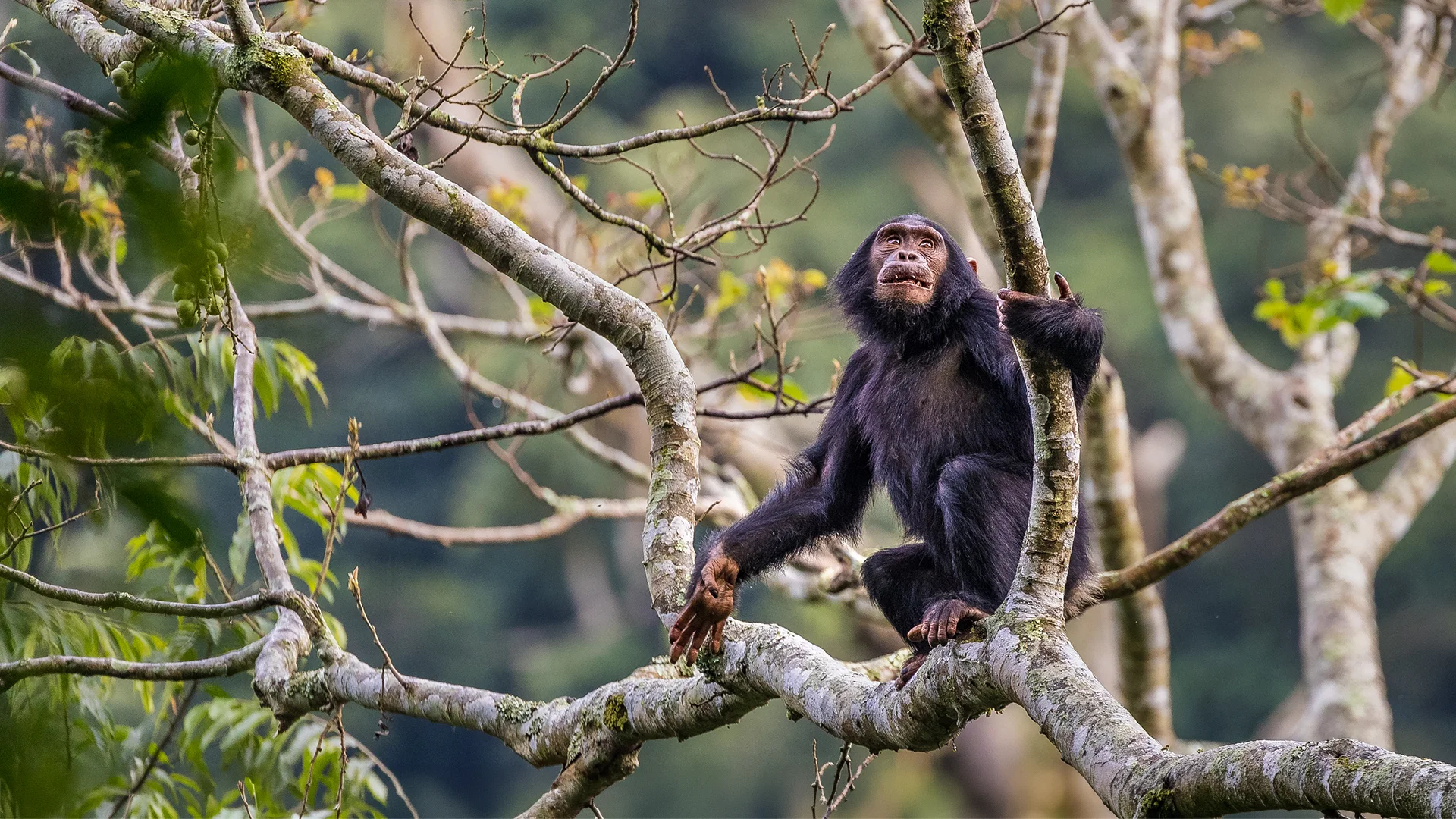
Where are you most likely to see chimps?
Why Kibale leads in reliability
Kibale National Park consistently reports the highest chimp sighting success rate in East Africa, commonly cited at 90 to 95 percent. The park holds more than 1,000 chimpanzees across a dozen communities, spread through gentle, accessible forest, so trackers have a strong chance of locating a group within a few hours. Budongo Forest follows at around 80 percent, while the smaller community at Kyambura Gorge brings that figure down to roughly 60 percent, reflecting its much smaller population.
Rwanda and Tanzania's odds
Nyungwe's success rate sits between 80 and 90 percent, with the isolated Cyamudongo forest annex generally more reliable than the larger main-forest group near Uwinka. In Tanzania, Mahale and Gombe report very high success in the dry season, when chimps stay lower on the slopes closer to the lake, but both parks demand far greater effort to reach, and neither publishes the kind of consistent, audited statistics available for Uganda's forests.
Success rates by destination
Kibale, Uganda: 90 to 95 percent success, the most reliable site in East Africa
Budongo Forest, Uganda: around 80 percent success during a typical standard forest trek
Kyambura Gorge, Uganda: roughly 60 percent, reflecting its small chimp community
Nyungwe, Rwanda: 80 to 90 percent overall, higher again at the Cyamudongo forest
Mahale, Tanzania: very high success rates during the June to October dry season
Gombe, Tanzania: similarly strong in the dry season, weaker during the long rains
These figures are estimates, not independently audited statistics
Wish you were here?
Choosing a country to match your trip
Choose Uganda for value and ease
Uganda suits travellers who want the most reliable sighting odds at the lowest permit cost, and who plan to combine chimps with gorilla trekking in Bwindi Impenetrable National Park and wildlife viewing in Queen Elizabeth National Park.
Choose Rwanda for a compact premium trip
Rwanda suits travellers prioritising a short international gateway, polished lodges and an efficient pairing with Volcanoes National Park's gorilla trekking. Nyungwe's steep, forested terrain rewards a reasonable level of fitness, and Rwanda's community tourism revenue-sharing scheme, along with low-season gorilla permit discounts, adds further incentive to build in a Nyungwe extension rather than treat chimp trekking as an afterthought.
Choose Tanzania for remoteness and research heritage
Tanzania suits travellers for whom the destination itself is the point, not merely a checklist stop. Mahale Mountains and Gombe sit on Lake Tanganyika's shore, reachable only by air and boat, and hold research programmes running since the 1960s under Jane Goodall and Kyoto University teams. Treat either park as a dedicated, multi-day expedition, ideally paired with a Serengeti safari or Zanzibar beach time rather than a brief add-on.
Frequently asked questions
Uganda offers the best balance of cost, reliability and access, with Kibale National Park's 90 to 95 percent sighting success rate and a US$250 permit. Rwanda's Nyungwe National Park suits travellers pairing chimps with Volcanoes gorilla trekking. Tanzania's Mahale and Gombe suit those wanting the most remote, research-rich experience and are best treated as a dedicated expedition rather than a brief safari add-on.
Uganda's Kibale permit costs US$250 for foreign non-residents, with Budongo around US$130 and Kyambura Gorge at US$100. Rwanda charges US$150 for its single Nyungwe permit, plus a separate US$100 daily park fee. Tanzania has no single chimp permit; instead, Mahale charges US$94 and Gombe US$118 in daily park fees, plus a separate guide fee. Uganda's Kibale and Kyambura prices rise annually in January.
Kibale National Park in Uganda reports the highest chimp sighting success rate in East Africa, commonly cited between 90 and 95 percent. The park protects more than 1,500 chimpanzees across roughly a dozen communities in gentle, accessible forest, giving trackers a strong chance of locating a group within a few hours of setting out on a standard morning or afternoon session, weather and season permitting.
Yes. Uganda makes this easiest, since Kibale for chimps and Bwindi Impenetrable National Park for gorillas sit on the same road-based circuit alongside Queen Elizabeth National Park's wildlife activities. Rwanda offers a similarly efficient pairing between Nyungwe's chimps and Volcanoes National Park's gorilla families, both reachable from Kigali. Tanzania's chimp parks sit apart from its gorilla-free northern circuit.
The chimpanzee habituation experience is a full day, typically four to six hours, spent with researchers and a semi-habituated chimp community, rather than the standard one-hour trek. It is offered primarily in Kibale National Park, Uganda, for US$300 for foreign non-residents, limited to four visitors a day. A more limited version exists at Budongo Forest. Book well ahead, as places are scarce.
Nyungwe National Park in Rwanda is considerably more demanding than Kibale, involving steep, often slippery Albertine Rift terrain between 1,600 and 2,950 metres altitude, with early starts around 5am. Kibale's forest is comparatively gentle and rolling, making it a suitable choice for travellers with moderate fitness or families, while Nyungwe rewards those prepared for a genuinely strenuous hike.
Mahale Mountains National Park has no road access at all. Visitors fly by charter or scheduled aircraft from Arusha, Dar es Salaam or Kigoma, then complete the journey by boat along Lake Tanganyika, a transfer that can take several hours depending on conditions and starting point. Budget at least one extra travel day in each direction, and expect charter flight costs alone to run well over US$1,000 per person.
Dry seasons suit all three countries best. In Uganda and Rwanda, June to September and December to February bring firmer trails and easier walking. In Tanzania, June or July to October is preferred, since chimps stay lower on the slopes near Lake Tanganyika and boat transfers to Mahale and Gombe are calmer. Chimp trekking runs year-round, but wet-season trails add real difficulty everywhere, particularly on Rwanda's steep terrain.
Kibale's gentler terrain and high success rate make it the most family-friendly of the three countries, though minimum ages vary by site and park authority, so confirm current rules before booking. Nyungwe's steep Albertine Rift terrain and early starts suit fitter travellers, while Mahale and Gombe's flight-and-boat access and full-day treks are generally better suited to older children and adults.
Yes, permit prices are reviewed periodically, and Uganda's Wildlife Authority has confirmed that further increases are planned for the Kibale and Kyambura Gorge permits. Uganda also periodically offers discounted permits during low-season months, so it is worth asking about current promotions when booking. Because tariffs are updated by each country's park authority rather than fixed indefinitely, always confirm the latest permit prices for Uganda, Rwanda and Tanzania with our safari experts before booking.
Start planning your dream safari
Our travel experts will craft a no-obligation itinerary just for you. We have crafted over 5,000 safaris since 1991. Your personal details are protected; we only use this information to contact you.
Why book your safari with us?

Deep Experience & Knowledge
Handcrafted experiential safaris since 1991.
Travel in Africa is about knowing when and where to go, and with whom. A few weeks too early/late or a few kilometres off course, and you could miss the greatest show on Earth. And wouldn’t that be a pity?

Trust & Safety

Make A Difference
We donate a portion of the revenue from every safari sold to carefully selected conservation projects that make a significant difference at ground level.
YOUR safari choice does make a difference - thank you!