
Tailor-made safaris. Since 1991



Trust us to find you the rarest animals, the most spectacular wildlife events, the remotest landscapes and deeply meaningful cultural encounters!
Best month to visit Botswana
The dry season, from May to October, generally offers Botswana's most reliable wildlife viewing, and Okavango flood levels (not related to local rain) typically build during these months, though they vary by year and location. The wet season brings greener landscapes, zebra movements, newborn animals and lower rates.
When to visit Botswana - quick guide
Botswana rewards visitors year-round, but the dry and wet seasons offer very different safari experiences. Match the timing to what you most want to see.
First-time visitors: June to September for wildlife and Okavango Delta trips
Zebra migration seekers: December to February in Makgadikgadi Pans
Crowd-avoiders: choose May, November or April for quieter safaris
Photographers: February-March for storms, September-October for drama
Dry season versus wet season at a glance
Dry season (May-Oct) | Wet season (Nov-Apr) | Best for | |
Wildlife viewing | Concentrated at water sources | Dispersed, with newborns | Dry season |
Okavango Delta water levels | High, best for mokoro trips | Lower in most channels | Dry season |
Zebra migration | Not present | Dec-Feb, Makgadikgadi | Wet season |
Crowds and prices | Highest Jul-Aug | Lower, best value | Wet season |
3 things we love about Botswana
Beyond the wildlife lists most guides repeat, here is what makes Botswana itself worth building a longer safari trip around, whatever month you choose to travel.
Counter-intuitive flooding: the Okavango Delta floods during the dry Winter months, not the rainy season, because Angolan floodwaters take months to filter south.
A sense of wilderness: Botswana's low-volume tourism model keeps lodges intimate and uncrowded, even in its busiest wildlife areas during peak season.
Two great migrations in one country: zebras cross the Makgadikgadi Pans in Summer while elephant herds converge on the Chobe riverfront through Winter.
Botswana's key safari regions at a glance
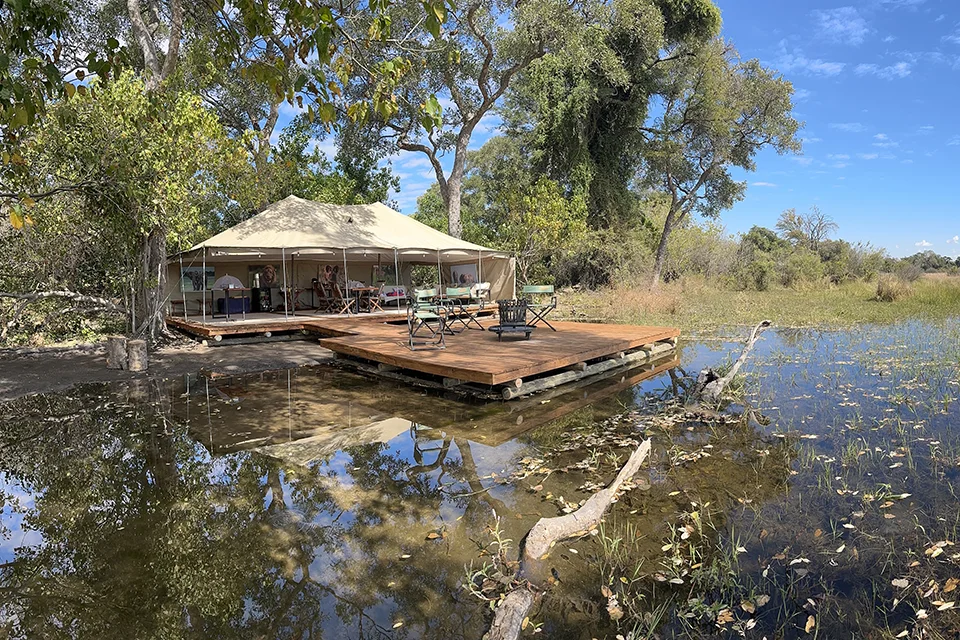
Okavango Delta
An unfenced wetland wilderness where water levels peak counter-intuitively during the dry Winter, making June to October the prime window for mokoro trips through the Delta's channels, lagoons and islands.
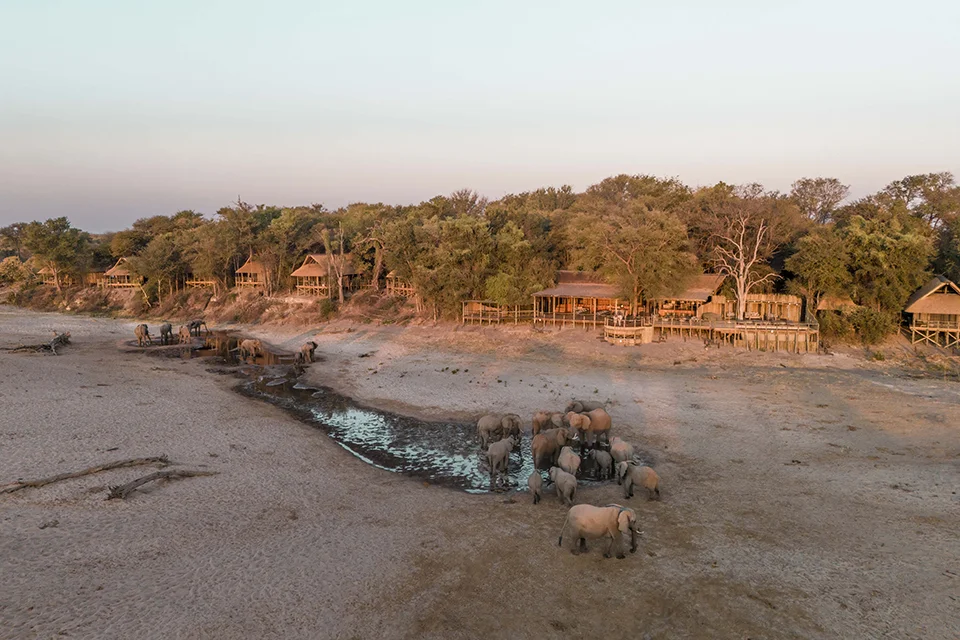
Chobe National Park
Home to one of Africa's highest elephant concentrations. Herds gather along the Chobe riverfront from May onwards, building to spectacular daily numbers between the peak months of August and October.
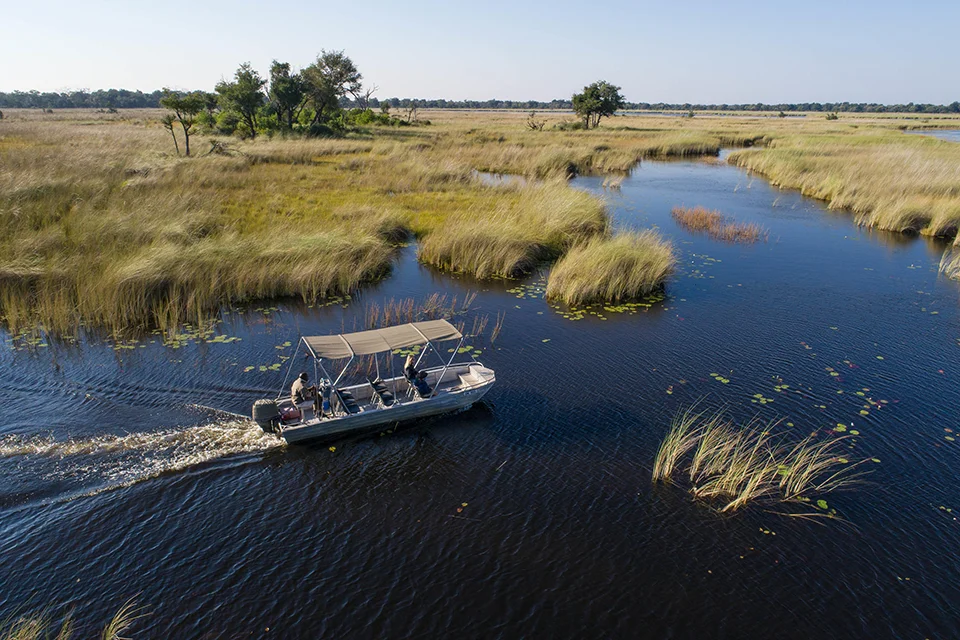
Moremi Game Reserve
Part of the greater Okavango system, Moremi offers consistently strong leopard sightings year-round, with the clearest visibility coming during the thinner dry-season vegetation between May and October.
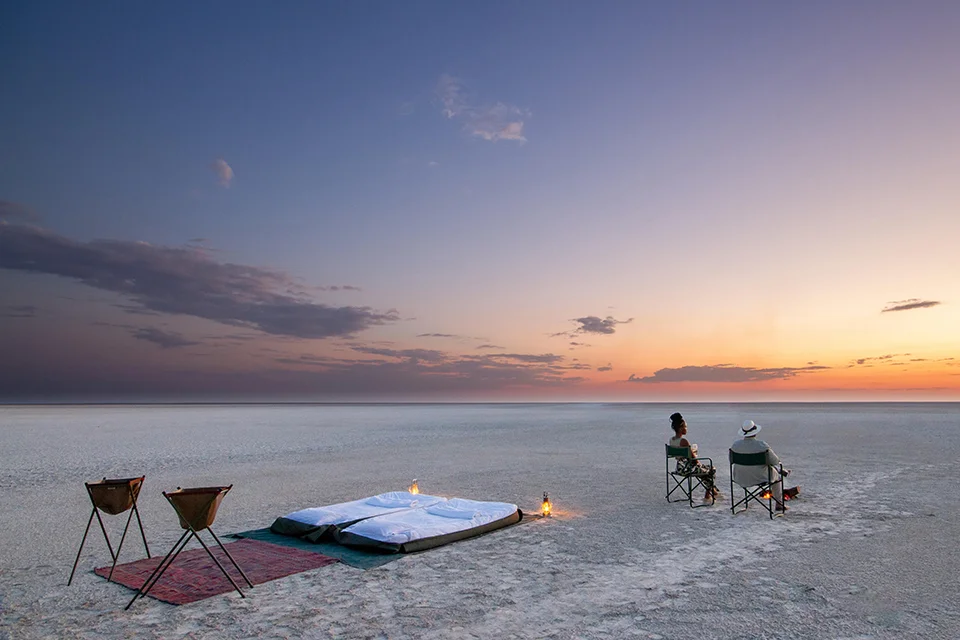
Makgadikgadi Pans
Timing here follows the annual zebra migration rather than the usual dry-wet pattern, with more than 20,000 animals feeding on the seasonal green grasses of the Pans from December through to March each year.
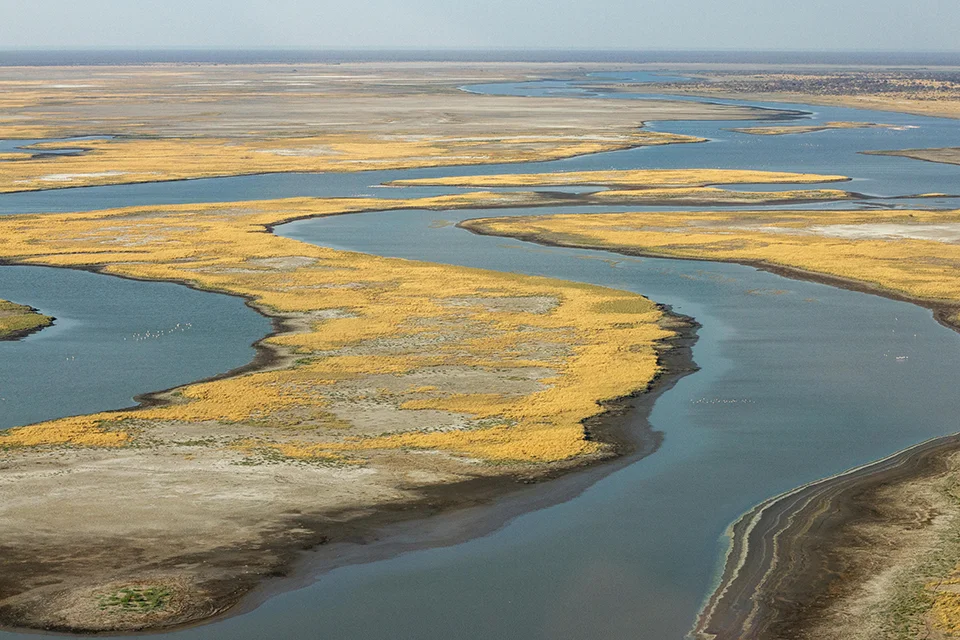
Central Kalahari Game Reserve
Runs on a reversed calendar to the Delta - visit November to April for newborn animals and a flowering green landscape, or May to October for concentrated wildlife activity at the remaining waterholes.
Understanding Botswana's two seasons
How the dry and wet seasons differ
Botswana's climate follows a straightforward pattern that shapes every safari itinerary. The dry season runs from May to October, bringing cooler temperatures, clear skies and increasingly arid conditions as Winter progresses across the country. Interestingly, the dry season also heralds the arrival of the renowned floodwaters from Angola, creating a stark contrast between parched landscapes and huge floodplains with deep pools.
The wet season, often called the green season, spans November to April, when local Summer rains transform the landscape into a lush, verdant wilderness across most of Botswana's key safari regions, from the Kalahari to the Okavango Delta. At this stage, the floodwaters have subsided.
How wildlife responds to the seasons
During the dry months, wildlife concentrates around permanent water sources as seasonal pans dry up and vegetation thins, making animals considerably easier to spot on game drives and boat safaris. The wet season disperses wildlife across a wider area as water becomes plentiful throughout the bushveld, but it also brings newborn animals, migratory birds and dramatic afternoon storms that photographers particularly value for their moody, cloud-filled skies looming over the savannah.
Some of our favourite Botswana safaris
The dry season month by month
May and June - excellent value
May and June deliver excellent wildlife viewing without the crowds of peak season. The Okavango Delta enters its flood season during these cooler, mostly rain-free months, as floodwaters that fell in Angola months earlier finally reach Botswana. Elephant herds begin spending the harshest part of the dry season on the Chobe River floodplains, and Kalahari nights can turn bitterly cold, occasionally dropping below freezing well into the early morning hours.
July and August - peak season
July and August see the highest visitor numbers of the year, coinciding with Northern Hemisphere Summer holidays and school breaks. Wildlife viewing reaches exceptional levels as animals crowd around ever-shrinking water sources across the drying bush. Rising floodwaters fill the Okavango Delta channels and lagoons during these months, making July and August the prime window for mokoro and motorboat safaris through the wetland's papyrus-lined waterways.
September and October - intense heat
September and October push temperatures upward, with October often ranking as the hottest month, sometimes exceeding 40 degrees Celsius by midday. The heat intensifies the drama of the safari, as waterholes shrink to muddy pools and the struggle for survival plays out in plain view. Toward the end of the flood season, thousands of catfish begin their annual upstream migration in the Okavango as water levels finally start to fall.
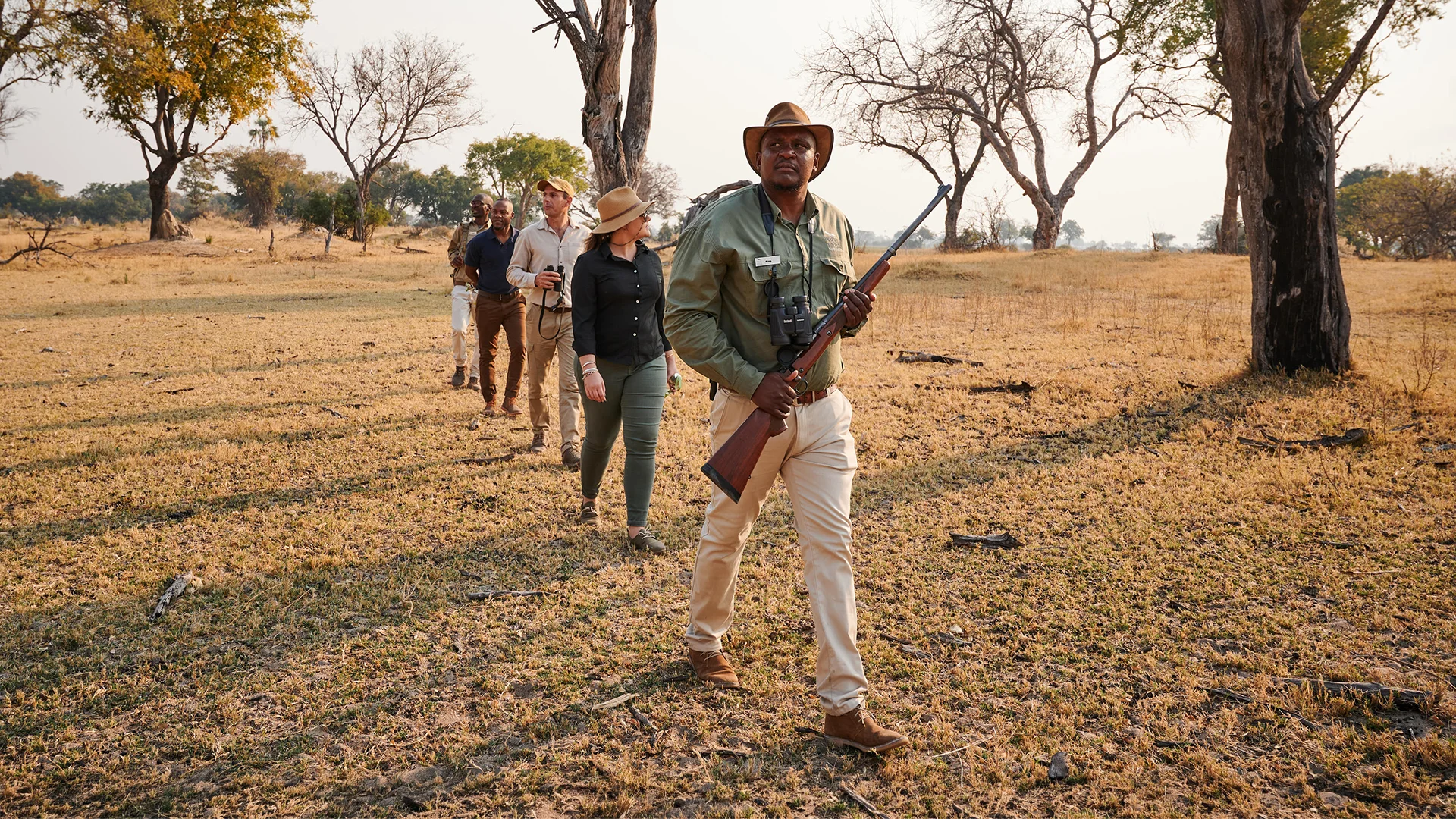
The wet season month by month
November - the unpredictable transition
November sits in an unpredictable space between seasons and can still offer excellent wildlife viewing before the first rains arrive, though conditions vary considerably from year to year and across regions. Migratory birds begin returning from Central Africa, and if early rains do fall, they can trigger the start of the zebra migration, when more than 20,000 animals begin their journey south from Chobe toward the Nxai Pan area in search of fresh grazing.
December to February - the green season
This period marks the height of Botswana's green season and its most prosperous months for newborn wildlife. Zebra herds disperse through Nxai Pan National Park for around three months, making December to February the best window to witness the migration in full swing. January and February bring the heaviest rainfall of the year, with afternoon storms that clear to reveal lush landscapes, newborn antelope and a flowering Kalahari transformed by the Summer rains.
March and April - the shoulder season
Zebra herds begin massing at Nxai Pan for their long return journey north and east
Heavy Summer rains taper off gradually, leaving the landscape green yet accessible
Prices offer genuinely excellent value compared with the busy July to August peak season
Visitor numbers stay noticeably lower than during Botswana's busiest dry-season months
The landscape visibly shifts from saturated wet-season conditions toward dry winter
Birding remains strong as migratory species prepare for their northward departure
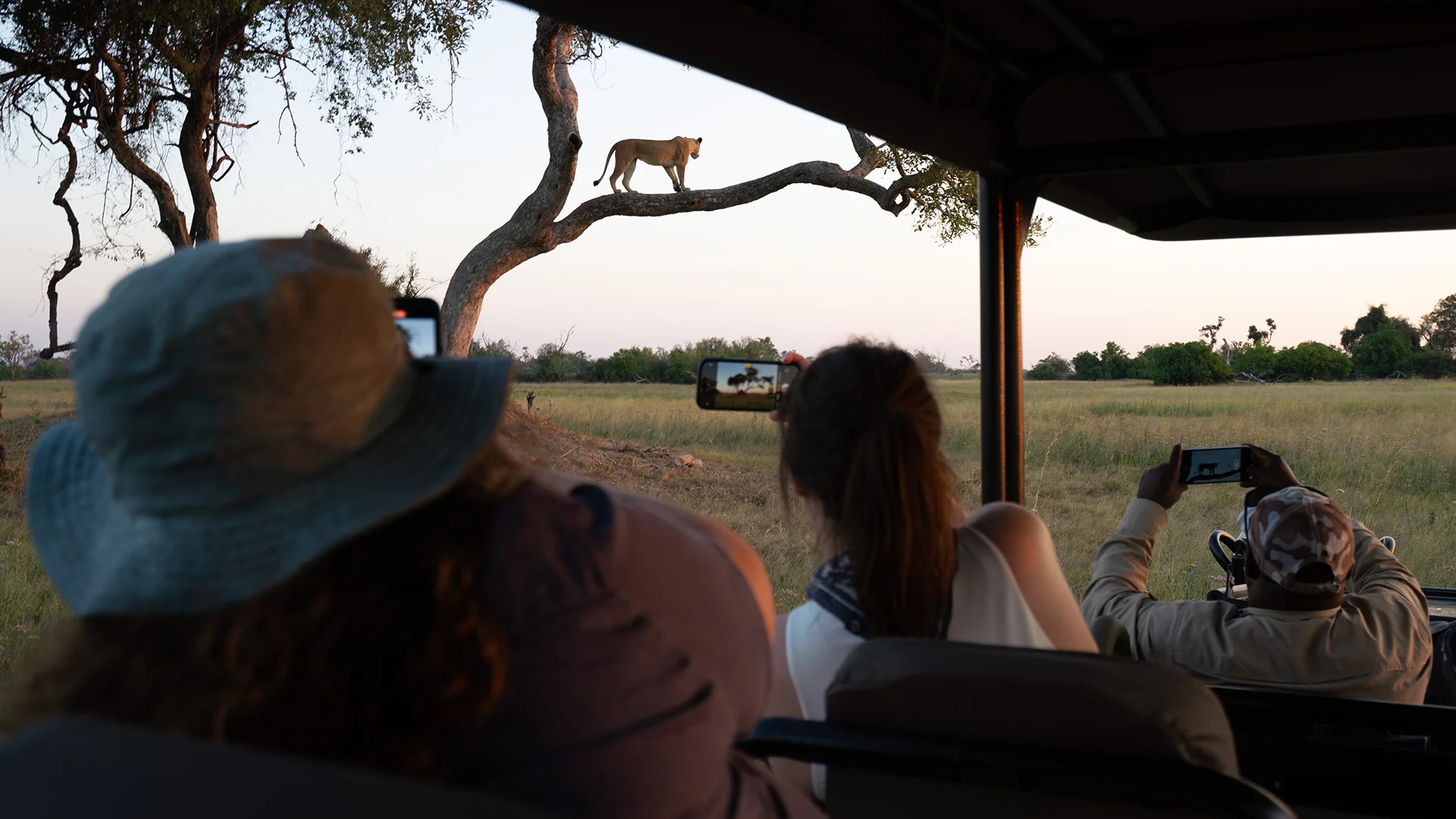
Wish you were here?
Planning the right time for your trip
Matching timing to your priorities
Choosing when to visit Botswana depends largely on what you most want to see and experience during your safari. Concentrated wildlife viewing around shrinking water sources and high Delta floods point firmly to the dry season from May to October, with the cool, comfortable peak typically running from June to September. Travellers seeking the zebra migration, dramatic storm-lit landscapes and strong birding should instead consider the wet months of December through to March.
Why the shoulder months are worth considering
The shoulder seasons of May, November and April offer a genuinely compelling middle ground of reasonable weather, good wildlife viewing and noticeably fewer crowds at popular lodges. These transitional months can feel like insider windows, when conditions shift just enough to create unique safari opportunities without the bustle and higher rates that define Botswana's traditional July and August peak season.
Frequently asked questions
The dry season from May to October offers Botswana's most reliable wildlife viewing, with animals concentrating around shrinking water sources and the Okavango Delta floodwaters reaching their highest levels for mokoro trips. The peak window of June to September combines cooler, comfortable weather with strong wildlife viewing, though rates and visitor numbers both rise sharply during the busy July and August school-holiday period at most safari lodges.
Botswana's rainy season runs from November to April and is often called the green season by safari experts. Afternoon thunderstorms are common, particularly in January and February, transforming the Kalahari and surrounding bush into lush grassland dotted with wildflowers. Wildlife disperses across a wider area during this period, but newborn animals, migratory birds and dramatic storm-lit skies make it a genuinely rewarding time for photography and birding.
Botswana's zebra migration typically begins in early December, when more than 20,000 zebras move south from the Chobe River toward Nxai Pan National Park, triggered by the year's first meaningful rains. The herds remain feeding on fresh green grasses in the Makgadikgadi and Nxai Pan area through January and February, before beginning their long return journey north and east again during March and April each year.
Yes, Botswana rewards visitors year-round, though the safari experience changes considerably by season. The dry months from May to October suit concentrated wildlife viewing around shrinking waterholes and Okavango Delta water activities, while the wet months from November to April suit the zebra migration, strong birding and noticeably lower shoulder-season rates at many of the country's safari lodges and wilderness camps.
The Okavango Delta floods peak counter-intuitively during the dry Winter months, typically rising in March or April in the upper panhandle and peaking further south in August, as floodwaters that fell in Angola many months earlier finally filter south through the panhandle and into the Delta's channels. This delayed flooding makes June to October the prime window for mokoro and motorboat safaris through the Delta's flooded lagoons, reed-lined channels and permanent islands.
Chobe National Park offers strong elephant viewing from May onwards, with numbers building steadily as the dry season progresses and surrounding water sources begin to dry up. The peak months of August to October bring hundreds of elephants to the riverfront daily, creating one of Africa's most concentrated wildlife spectacles as herds converge on the Chobe River from the surrounding Savute and Linyanti floodplains.
Botswana operates a low-volume, higher-cost tourism model designed to protect its wilderness areas, and prices do shift noticeably with the seasons. The July and August peak season carries the highest prices and strongest demand at most safari lodges, while the shoulder months of May, November and April, along with the green season from December to March, typically offer considerably better value alongside genuinely good wildlife viewing.
For the dry season from May to October, pack warm layers for cold early mornings and game drives alongside lighter clothing for hot afternoons, particularly during September and October when temperatures climb sharply. For the wet season from November to April, pack breathable clothing, a reliable rain jacket and insect repellent, as afternoon storms and higher humidity are common across most of Botswana's safari regions.
First-time visitors are generally well suited to a combination safari pairing the Okavango Delta with Chobe National Park, ideally travelling between June and September for the most comfortable weather. This combination delivers classic water-based Delta activities such as mokoro trips alongside exceptional elephant viewing along the Chobe riverfront, all during Botswana's most reliable and rewarding season for wildlife.
Start planning your dream safari
Our travel experts will craft a no-obligation itinerary just for you. We have crafted over 5,000 safaris since 1991. Your personal details are protected; we only use this information to contact you.
Why book your safari with us?

Deep Experience & Knowledge
Handcrafted experiential safaris since 1991.
Travel in Africa is about knowing when and where to go, and with whom. A few weeks too early/late or a few kilometres off course, and you could miss the greatest show on Earth. And wouldn’t that be a pity?

Trust & Safety

Make A Difference
We donate a portion of the revenue from every safari sold to carefully selected conservation projects that make a significant difference at ground level.
YOUR safari choice does make a difference - thank you!