

Tailor-made safaris. Since 1991



Central Kalahari Game Reserve reveals its ancient soul
Central Kalahari Game Reserve at a glance:
Location: Centre of Botswana, at the heart of the Kalahari Basin | Size: 52,800 km², the largest, most remotely situated reserve in Southern Africa |
Access: fly-in to lodges from Maun. Four entrance gates (Matswere, Xade, Tsau, and South gate) | Best time to visit: April–May (post-rains); June–October (dry season wildlife) |
Minimum recommended stay: 3–4 nights | Activities: Game drives, guided walks, San cultural experiences, night drives at certain lodges, wilderness drives, stargazing |
Currency: Botswana Pula (BWP); USD accepted at most lodges | Accommodation types: Luxury lodges (inside and on reserve boundaries), self-drive public campsites |
Why visit Central Kalahari Game Reserve?
The Central Kalahari Game Reserve lies at the heart of Botswana, covering 52,800 km² of arid bushveld. The Botswana Tourism Organisation calls it the largest, most remote reserve in Southern Africa and the second-largest wildlife reserve in the world. Nothing prepares a visitor for its scale: golden grasses to every horizon, empty white pans flat as boards, and a night sky so thick with stars it feels less like an observation than an immersion.
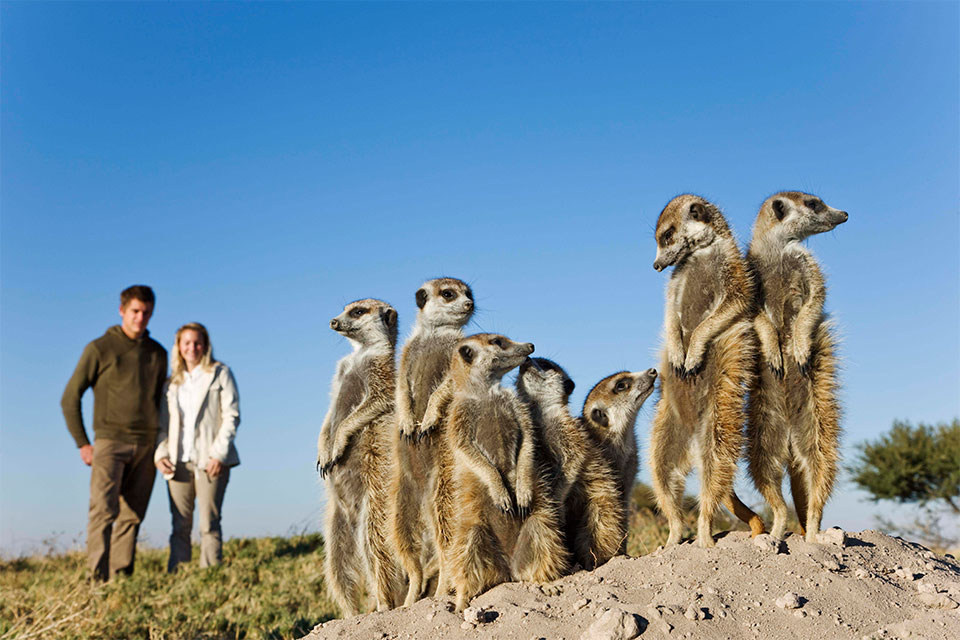
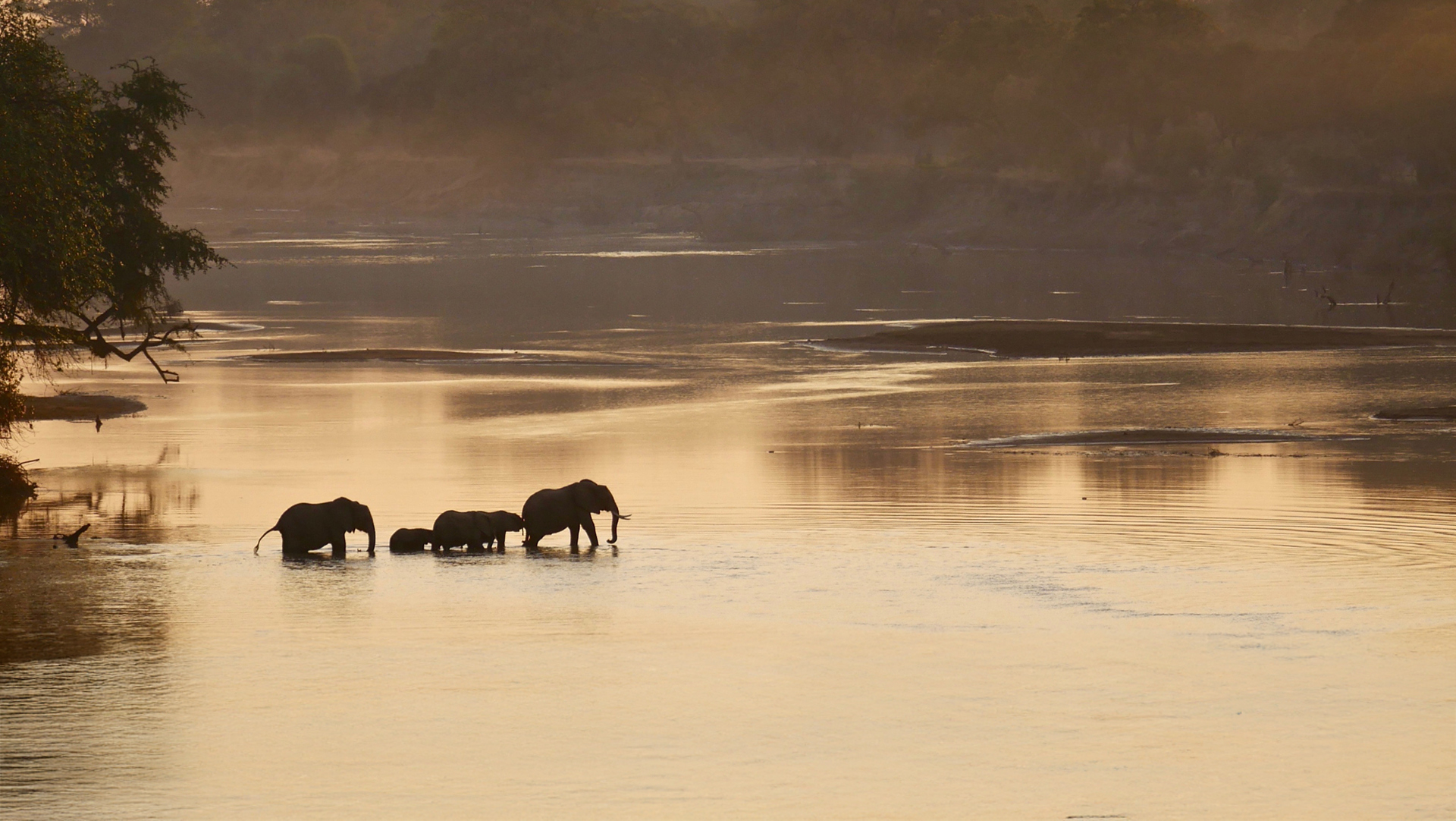
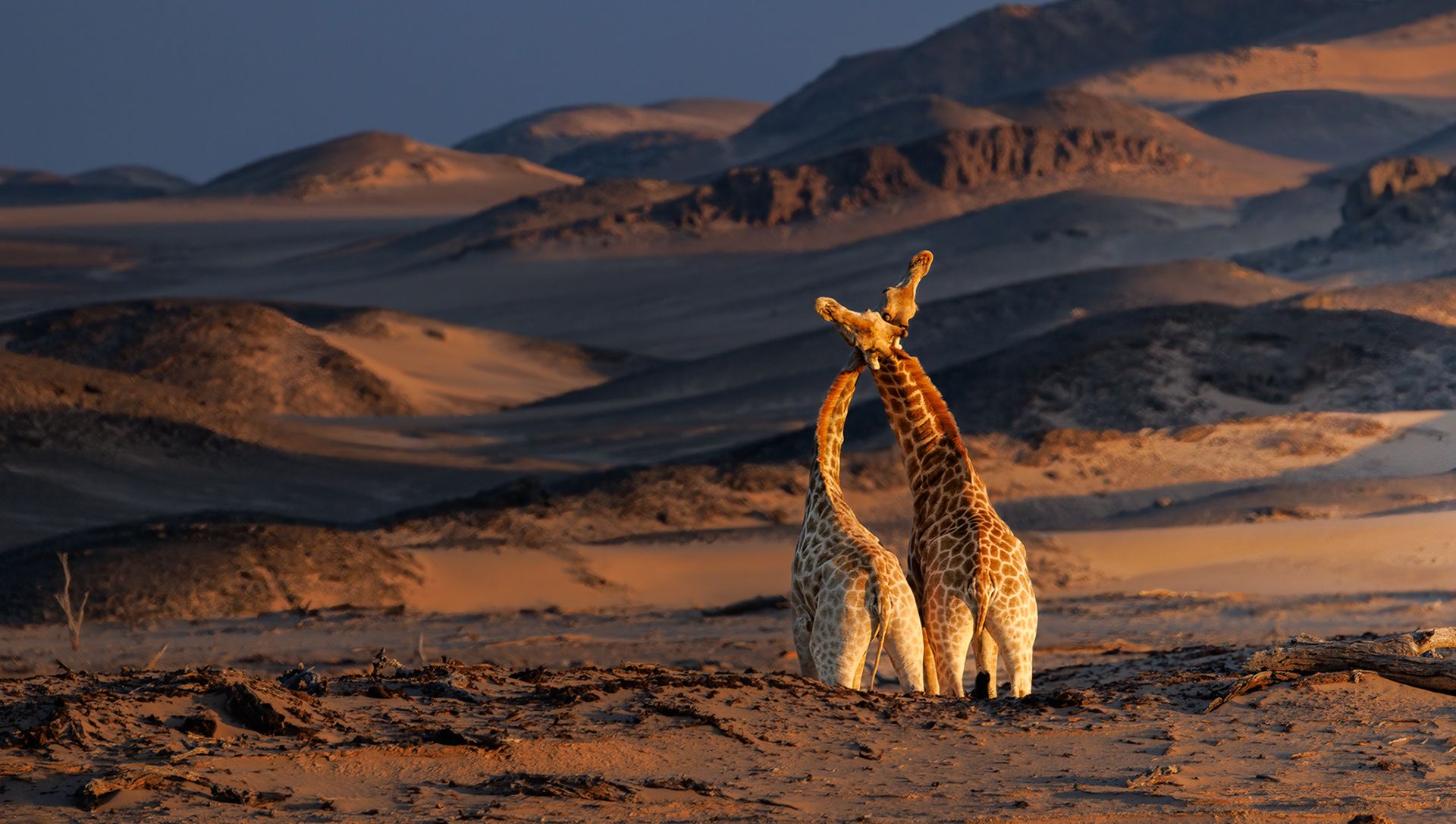
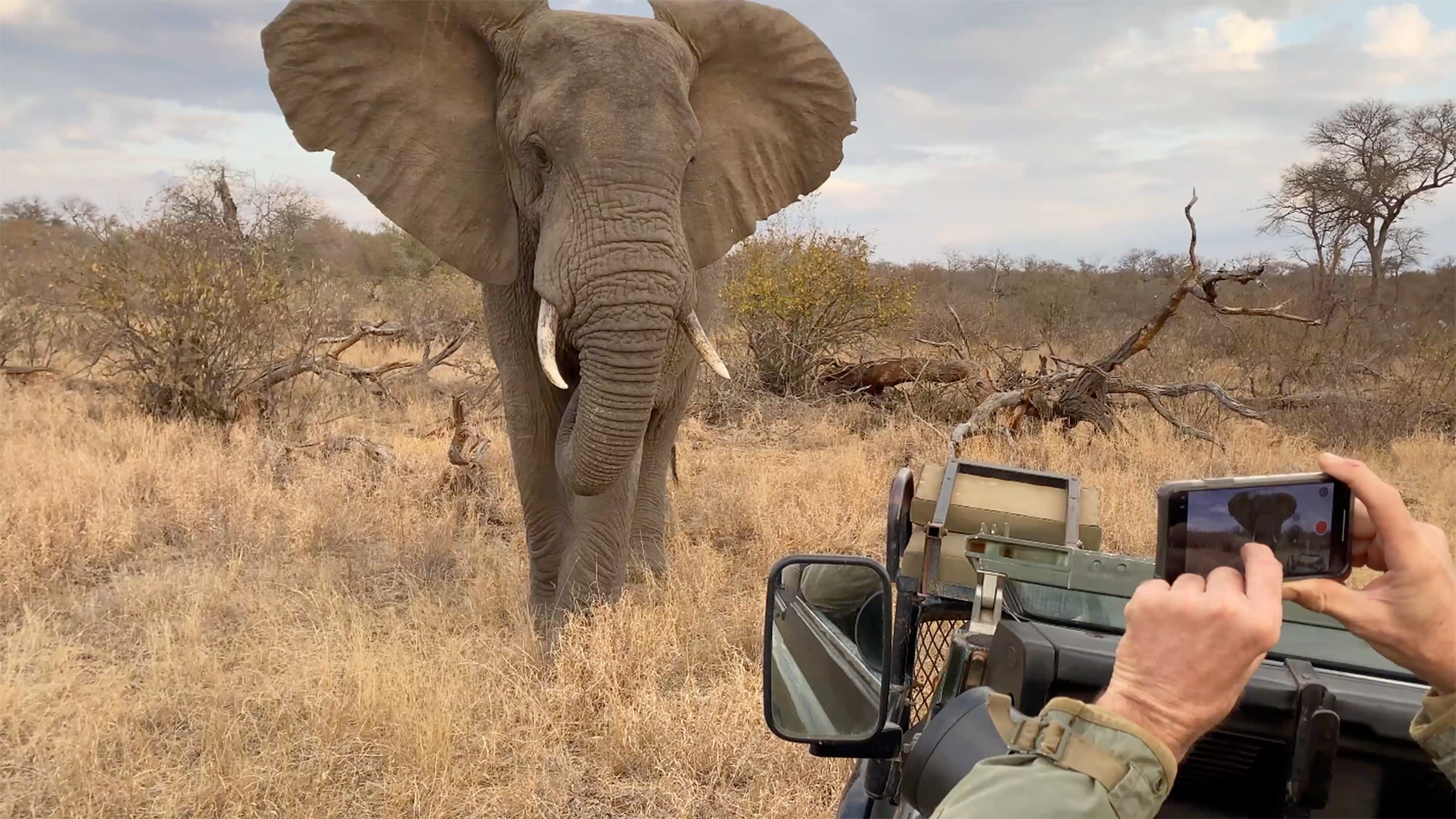
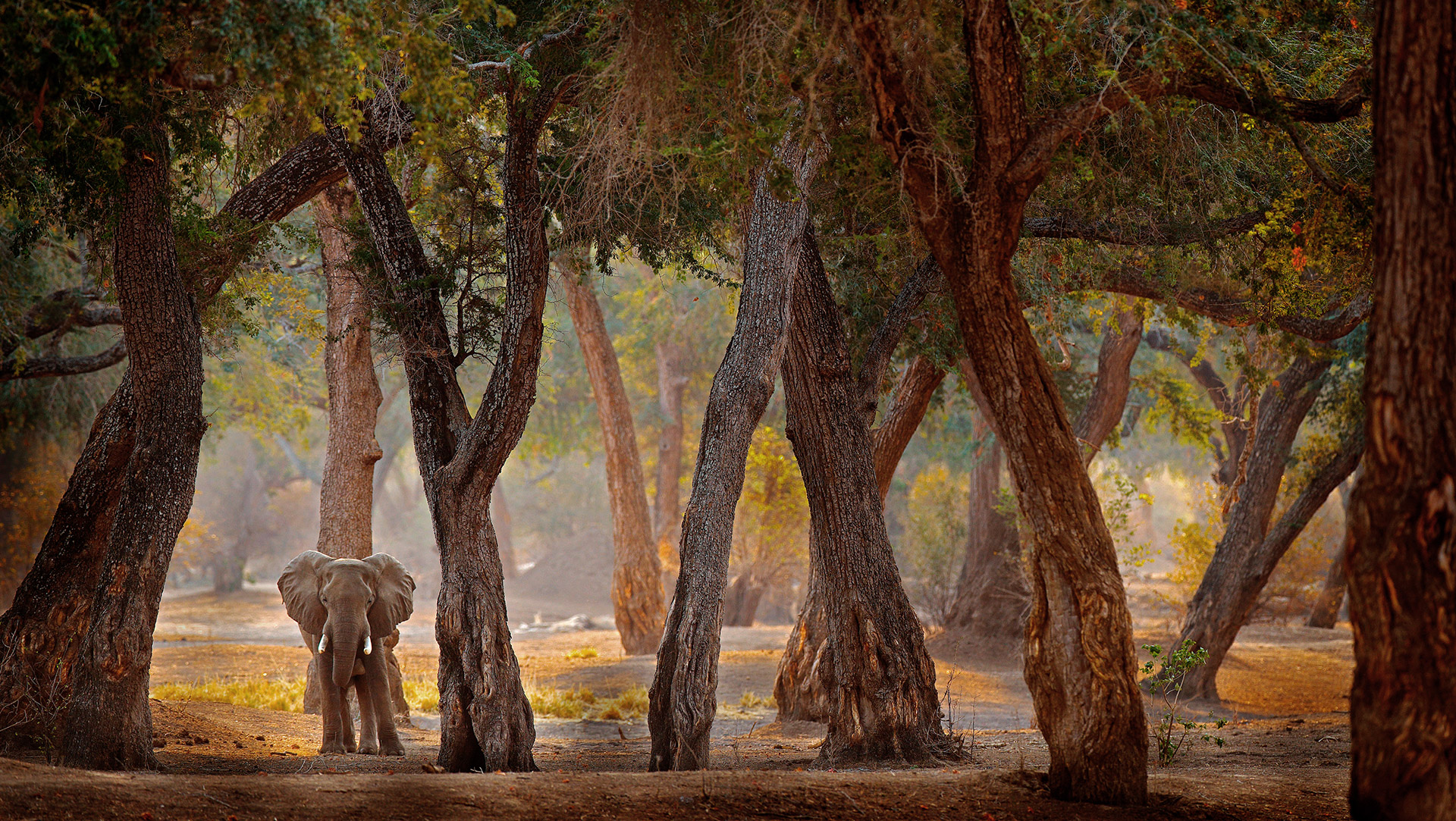
The CKGR is renowned for its abundant desert-adapted wildlife, including iconic black-maned Kalahari lions, cheetahs, leopards, brown hyenas, wild dogs, springbok, oryx, and giraffes. Elephants move through the reserve, but are seldom seen. Brown hyenas slink through the ancient riverbeds, and smaller carnivores like jackal, caracal, and honey badger are always a highlight. The families of bat-eared foxes are a source of constant entertainment, sporting ridiculously oversized ears and somewhat sardonic expressions, while charismatic meerkats and ground squirrels forage through the undergrowth.
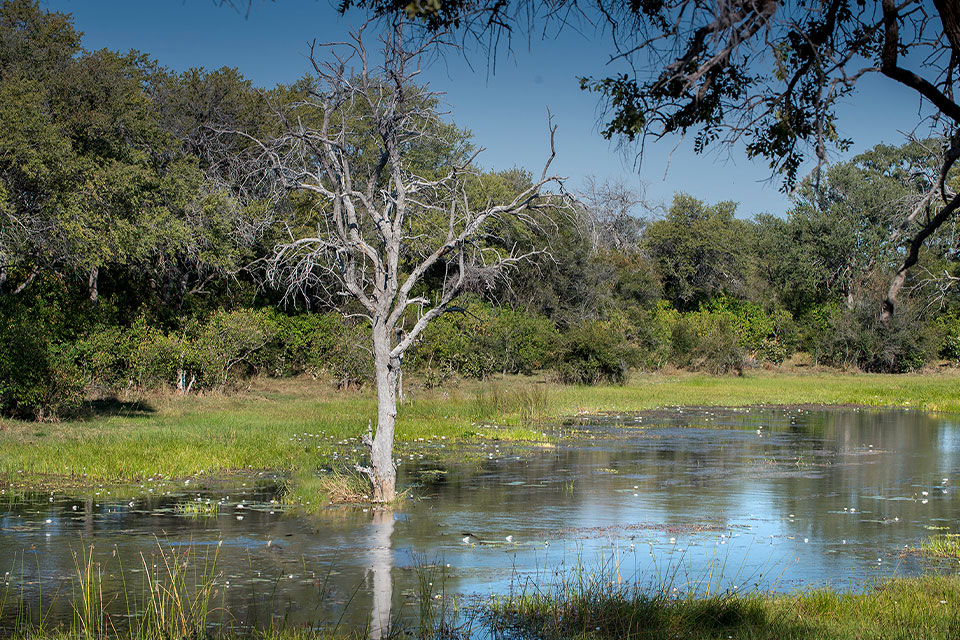
During the summer rains, the salt pans in the north fill with water, and herbivores gather in large numbers as the desert transforms into a green paradise. Many give birth during the height of the green season, much to the delight of tourists and predators.
In the words of our CEO
“My room overlooked a busy dry-season Central Kalahari waterhole, with swarms of restless quelea arriving in droves and scaring the nervous kudu that were wary of nearby lions that had been calling all night.“ Simon Espley - CEO of Africa Geographic
6 Reasons We Love the Central Kalahari
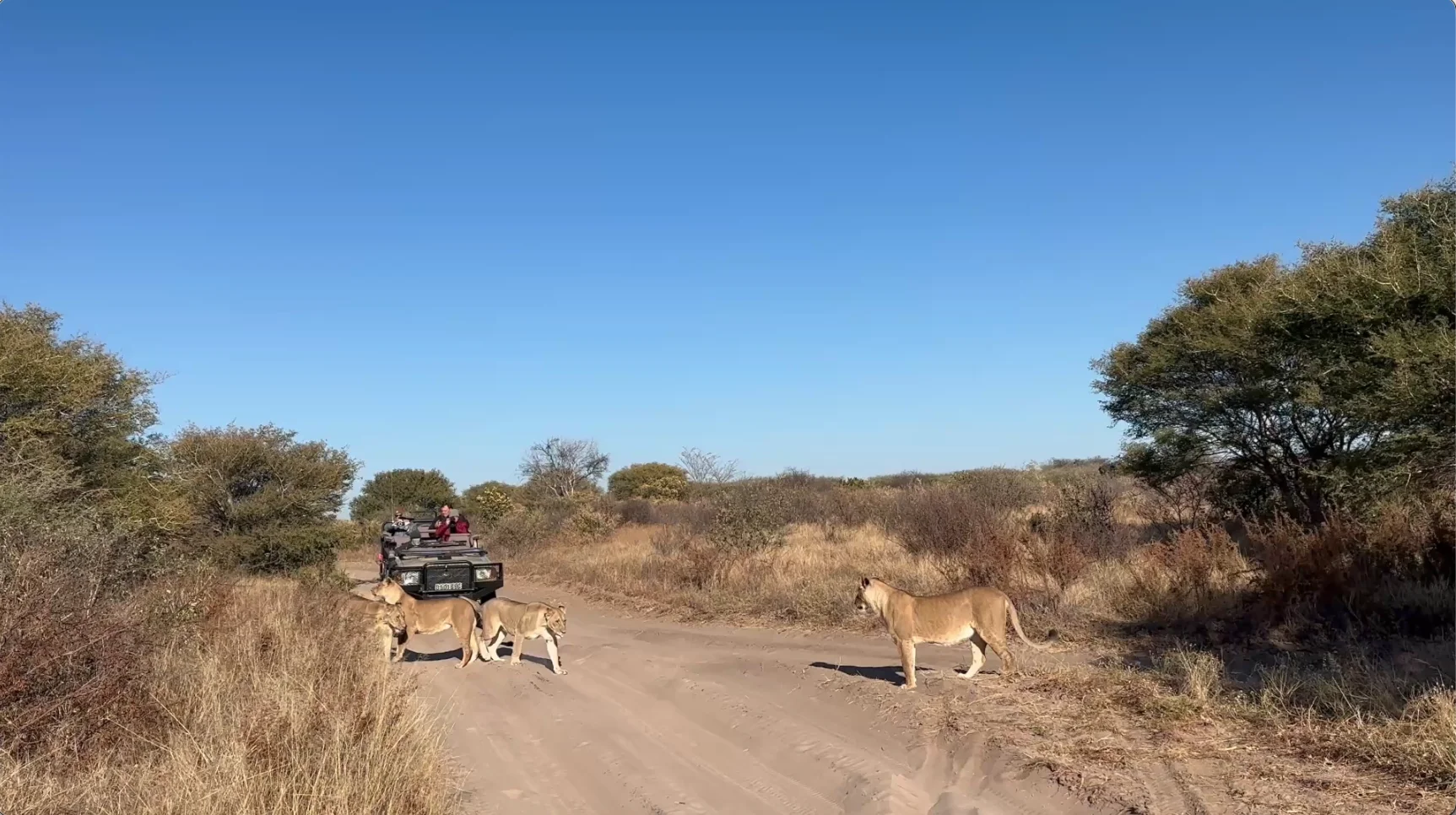
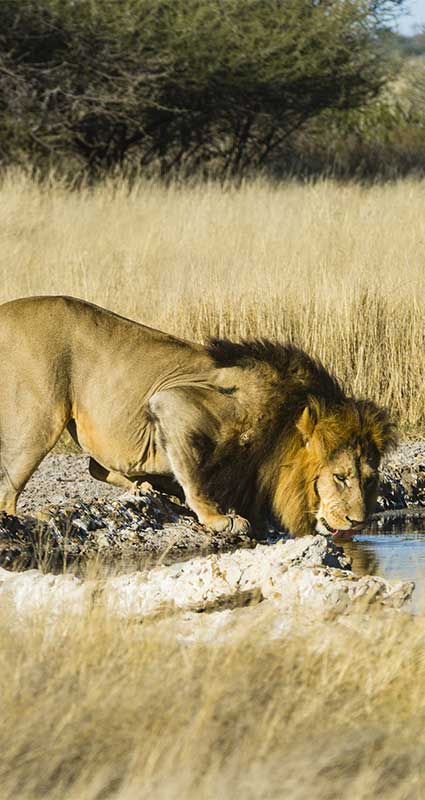
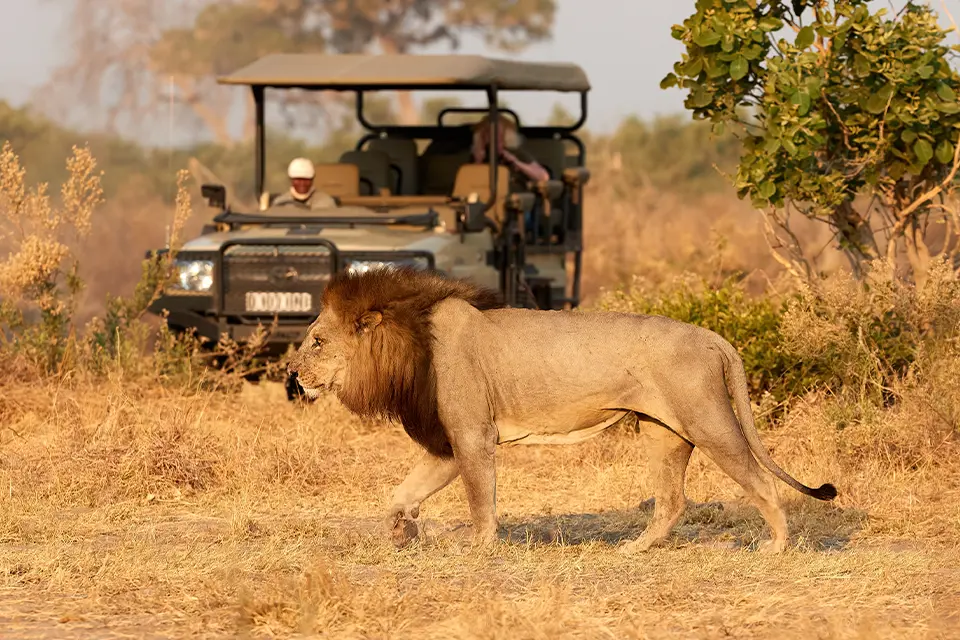
Black-maned Kalahari lions, larger and darker-maned than savannah counterparts, patrol fossil riverbeds; sightings are earned and invariably memorable.
Cheetahs thrive in open terrain. Up to 90% of travellers report seeing cheetahs, making CKGR one of Africa's most reliable destinations for this species.
Brown hyena and bat-eared fox are more reliably encountered here than almost anywhere else in Botswana; these species define the Kalahari's distinctive ecology.
The San connection: guided walks with Basarwa (San) guides offer an encounter with thousands of years of desert knowledge, tracking, water-finding, and bush medicine.
Huge flocks of queleas descend on waterholes to drink, while lanner falcons, shikra and other agile raptors swoop in to grab a quick meal.
The night sky above the CKGR is among the darkest in southern Africa. Stars crowd the heavens with an immediacy that feels more immersive than astronomical.
Our favourite Central Kalahari safari ideas
All you need to know about the Central Kalahari
About Central Kalahari Game Reserve
The CKGR covers 52,800 km² in the centre of Botswana. The neighbouring 2,500 km² Khutse Game Reserve extends the protected area to the south, and private conservancies along the boundaries have converted former farmland to natural habitat. Habitats range from grassland and scrubland to rich arid savanna, interspersed with dunes, pans, and fossil river valleys. Silver terminalia veldt, Kalahari sand acacias, and Kalahari apple leaf dominate the landscape.
The name "Kalahari" traces to the Tswana word "kgala", which means "thirst" or "to dry up." Despite that, the Kalahari is more of a semi-desert than a true desert. Fossil riverbeds cross the landscape: evidence of a wetter past. The most famous is Deception Valley in the northeast, named for the mirage above its salt pan. Others include Sunday Pan, Leopard Pan, Passarge Valley, and Piper's Pan.
The reserve was gazetted in 1961 as a sanctuary for the San people and was closed for three decades before the first self-drive visitors arrived in the 1980s and 1990s. Lodge concessions were later allocated at the periphery and inside the reserve. A small number of luxury lodges and isolated campsites now serve two kinds of traveller: those arriving by light aircraft for a guided lodge stay, and the fully self-sufficient 4x4 overlander. Both find one of the wildest, most remote landscapes in southern Africa.
Things to do in Central Kalahari Game Reserve
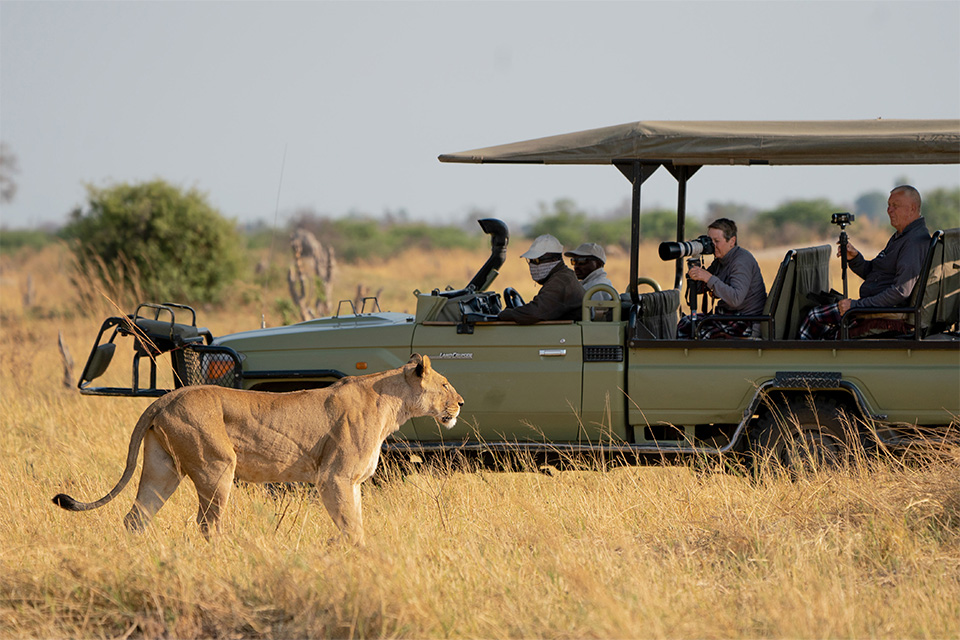
Game drives through fossil riverbeds and open pans — the CKGR rewards patient exploration across vast, empty terrain where wildlife encounters are never guaranteed but always immensely rewarding.
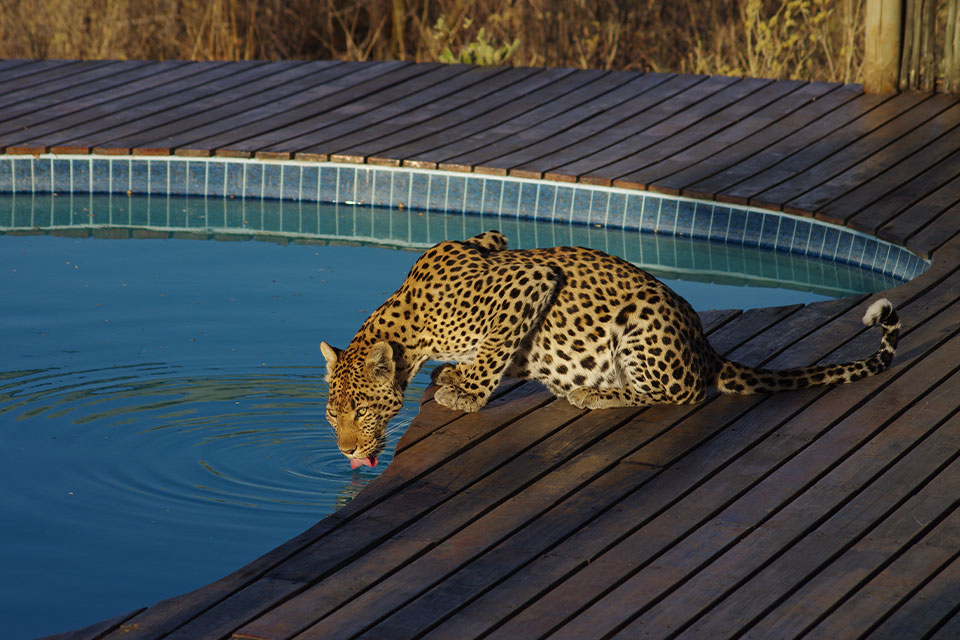
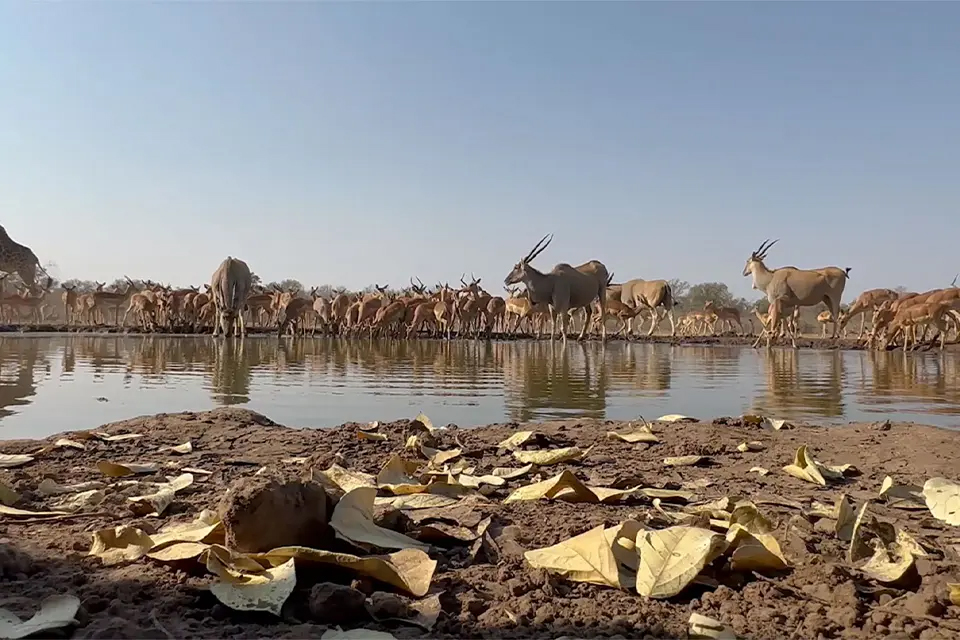
Waterhole watching at lodges and underground photo hides. During the dry winter months, the waterholes attract a constant stream of thirsty antelope and predators while huge flocks of birds descend to drink. Waterholes are a popular hunting target for the region's big cats and birds of prey.
Wilderness drives: extended journeys across rarely visited terrain, often passing a full day without encountering another vehicle or human settlement.
Nature walks with Basarwa (San) guides, learning ancient knowledge of water-finding, tracking, plant medicine, and desert survival across open country.
Cultural experiences: traditional San dances and craft demonstrations at lodges connect guests directly to Kalahari knowledge spanning many thousands of years.
Stargazing: the CKGR's total remoteness eliminates light pollution, delivering some of Africa's most spectacular and unobstructed night skies.
What wildlife will I see in CKGR?
The CKGR's desert-adapted wildlife assemblage is fundamentally different from northern Botswana's water-dependent ecosystems, and several species are more reliably encountered here than anywhere else in the country:
Black-maned Kalahari lion: resident but wide-ranging. Night lodge visits are a common, memorable occurrence unique to the CKGR experience.
Cheetahs are regularly seen; the open terrain allows extended views and full hunting sequences across the flat pans.
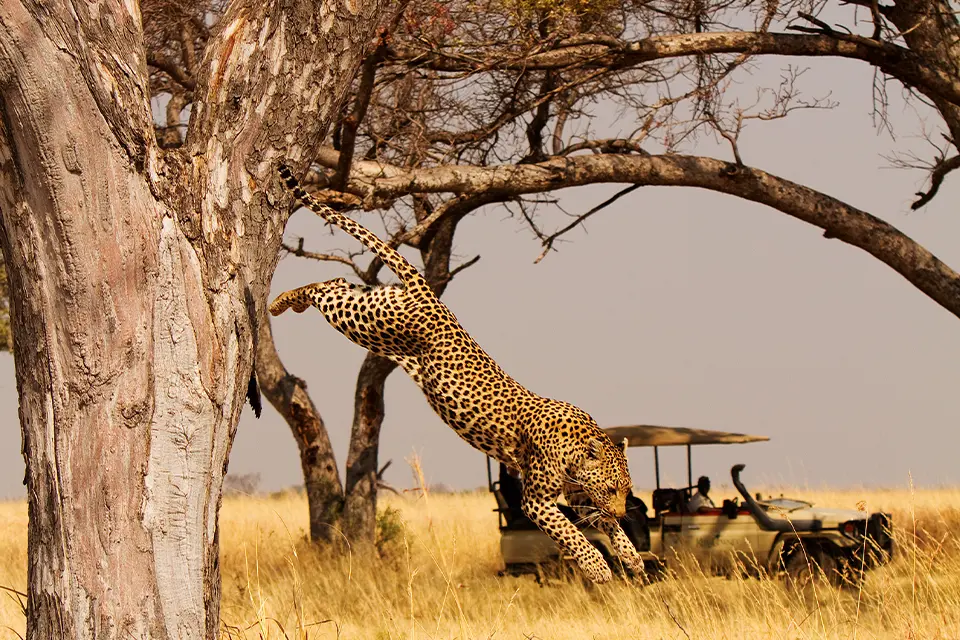
Leopards are present in lower densities in wooded margins, but are still regularly seen by guests.
Brown hyena and aardwolf are more reliably seen here than almost anywhere else in Botswana. The CKGR is a recognised stronghold for both species.
Oryx and springbok are desert-adapted antelope built for heat. Oryx have an inbuilt temperature regulator that helps them withstand the most extreme conditions.
Bat-eared foxes and meerkats are reliably entertaining and frequently encountered. Ground squirrels use their bushy tails as parasols against the midday heat.
Where to stay in Central Kalahari Game Reserve
Inside CKGR
Tau Pan Camp was the very first permanent camp built within CKGR. It is situated in the northern part of the reserve, beautifully positioned on an elevated sand ridge overlooking the massive, starkly stunning Tau Pan.
Great Tsau Hill is located in a private concession in the northwestern sector of CKGR. The lodge sits on a prominent rocky hill, offering uninterrupted 360-degree panoramic views. It is one of the only places in the reserve where you can look down on the Kalahari landscape.
Outside CKGR
Dinaka is situated within a private reserve on the northern boundary of CKGR, overlooking a very active waterhole, ensuring year-round wildlife viewing from the comfort of your private verandah.
Deception Valley Lodge and Dune Camp are located on a private reserve on the northern boundary of the CKGR. The private reserve is named after the famous fossilised riverbed within the CKGR, known for its incredible summer wildlife gatherings.
Feline Fields Lodge lies northwest of CKGR, on land owned by Africa's First People, the San Bushmen, whose fascinating culture permeates every aspect of this incredible destination.
Trusted by thousands of ecstatic travellers
✔️ 5-Star Trustpilot Rating ✔️ Condé Nast Travel Specialist Award Winner
✔️ Accredited by SATSA ✔️ 5,000+ Exceptional Safaris Since 1991
Why choose Africa Geographic to plan your safari?

"AG arranged the perfect trip to Botswana for my family. The consultant really listened to our brief and arranged an awesome itinerary within our budget. We had a good variety of accomodation, activities and locations. All transports were on time - we did not have a single hiccup or moment of stress. Organising the trip was also easy with good communication and support. I have travelled a lot and this would be one of my greatest travel experiences. Thanks Africa Geographic for organising it!"

"Could not recommend Africa Geographic highly enough! We decided to go for a mobile camping safari in Botswana and, to date, this has got to be one of our best trips! We saw 70 lions, 14 Hyena, 7 African wild dogs, 5 Leopards (including a cub!), 2 Cheetah and 1 African wild cat - and that's not even beginning on the numbers of zebra, deers, bucks, elephants, wildebeest and buffalo. Thank you so much for helping us have an unbelievably amazing trip!"

"Exceeded all expectations! Great communication and organization of the itinerary. Gave us two very experienced and personable guides. Lodging met all our requirements. All transfers and pick ups were right on time, seamless and worry free. Hundreds of great photo memories! Enjoyed learning about the history, culture and customs from our guides as well as exploring and experiencing the vast wilderness and seeing all the wildlife!"
Wish you were here?
Frequently asked questions
The CKGR is the largest, most remote reserve in Southern Africa and the second-largest wildlife reserve in the world, covering 52,800 km². Visitor density is extraordinarily low; it is common to spend an entire day exploring without seeing another vehicle. The reserve offers species not reliably found elsewhere in Botswana, including the black-maned Kalahari lion and brown hyena, and combines wildlife encounters with San cultural experiences and some of the darkest, most spectacular skies in Africa.
The best time for wildlife viewing is the dry season, from June to October, when thinning vegetation and reduced water make wildlife easier to spot. March and April, shortly after the rainy season, are also good months, when pans are green and full of water, and there are large concentrations of herbivores and predator activity.
The CKGR is home to black-maned Kalahari lions, leopards, cheetahs, and African wild dogs (painted wolves), though at lower densities than in northern Botswana. Brown hyena, aardwolf, oryx, bat-eared fox, springbok, giraffe, and meerkats are present; several of these are more reliably seen here than anywhere else in Botswana. Elephants move through but are seldom seen. Huge flocks of queleas in the dry season attract a multitude of raptors.
The black-maned lions of the CKGR are iconic and draw many visitors to the reserve. The thick, black manes are a bit of an enigma in the hot desert climate, because they cause the lions to absorb more heat and therefore suffer more. Scientists argue that this signals to lionesses that the males are strong and fit and will pass those genes on to their cubs. Male Kalahari lions have adapted to conserve energy by being leaner than other lions, and moving around mainly at night.
The CKGR covers 52,800 km², over five million hectares. The Botswana Tourism Organisation describes it as the largest, most remote reserve in Southern Africa and the second-largest wildlife reserve in the world. The protected area is supplemented by the 2,500 km² Khutse Game Reserve to the south, and private conservancies along the boundaries.
The CKGR was initially established in 1961 as a sanctuary for the San people, the Basarwa, who are the earliest inhabitants of the Kalahari. The reserve provided space for traditional lifeways without outside intrusion. It was closed to tourist access for approximately three decades, before limited self-drive and organised tours became possible in the 1980s and 1990s.
Deception Valley is located in the northeast of the reserve, close to the Matswere Gate. It is the most famous fossil riverbed in the CKGR, named for the mirage that forms over its salt pan. The area attracts dense concentrations of herbivores that gather to feed on sweet grasses after the rains, attracting predators.
Most lodges offer nature walks with Basarwa (San) guides and culture-based dances as activity highlights. Visitors have the chance to learn about the San way of life, including seeking out water, building shelters, and other traditional practices.
The dry season from June to October offers the advantage of thinning vegetation and fewer water sources, making animals easier to locate, though they are more dispersed than during and just after the rains. March and April, just after the summer rains, are also good times to visit, with large concentrations of herbivores on the freshly green pans and strong predator-prey interactions. Summer (November–March) is the best period for birdwatching, when the reserve's avian diversity peaks.
Yes — the CKGR combines naturally with Botswana's northern destinations to create a complete cross-country circuit. The contrast between the Kalahari's arid desert landscape and the Okavango Delta's waterways is one of the most compelling destination combinations in the region.
Luxury lodge stays in the CKGR typically cost from US$700 per person per night, all-inclusive of accommodation, meals, activities, and transfers, with 24/7 support from Africa Geographic. The peak dry season (July–September) requires advance booking; the green season (November to March) offers lower rates, better availability, and distinct but genuinely rewarding wildlife and photographic conditions.
All payments are processed through Flywire, a leading international payment gateway with high security standards.
Click here to schedule a no-obligation call with one of our Safari Experts or fill in our 2-minute form with your questions. Our team of experts are here to help! Whether you’re curious about the best time to travel, want to hear first-hand about an experience or need help planning your safari.
Start planning your dream safari
Our travel experts will craft a no-obligation itinerary just for you. We have crafted over 5,000 safaris since 1991. Your personal details are protected; we only use this information to contact you.
Why book your safari with us?

Deep Experience & Knowledge
Handcrafted experiential safaris since 1991.
Travel in Africa is about knowing when and where to go, and with whom. A few weeks too early/late or a few kilometres off course, and you could miss the greatest show on Earth. And wouldn’t that be a pity?

Trust & Safety

Make A Difference
We donate a portion of the revenue from every safari sold to carefully selected conservation projects that make a significant difference at ground level.
YOUR safari choice does make a difference - thank you!