

Tailor-made safaris. Since 1991



Little Karoo: Route 62 and where the Karoo meets the Cape
Little Karoo at a glance:
Location: Western Cape, South Africa, a valley between the Swartberg and Langeberg/Outeniqua mountain ranges | Access from Cape Town: ~3–4 hours by self-drive via Route 62 (N1 to R60, joining R62 at Robertson) |
Also known as: Klein Karoo ('klein' meaning 'small' in Afrikaans); widely referred to as Route 62 | Best time to visit: Year-round; spring (Sep–Oct) for wildflowers; summer for wine harvest |
Nearest airport: George Airport (GRJ), approximately 1 hour from Oudtshoorn | Minimum recommended stay: 3 nights |
Currency: South African Rand (ZAR) | Malaria risk: None, the Little Karoo is a malaria-free destination |
Why visit the Little Karoo and Route 62?
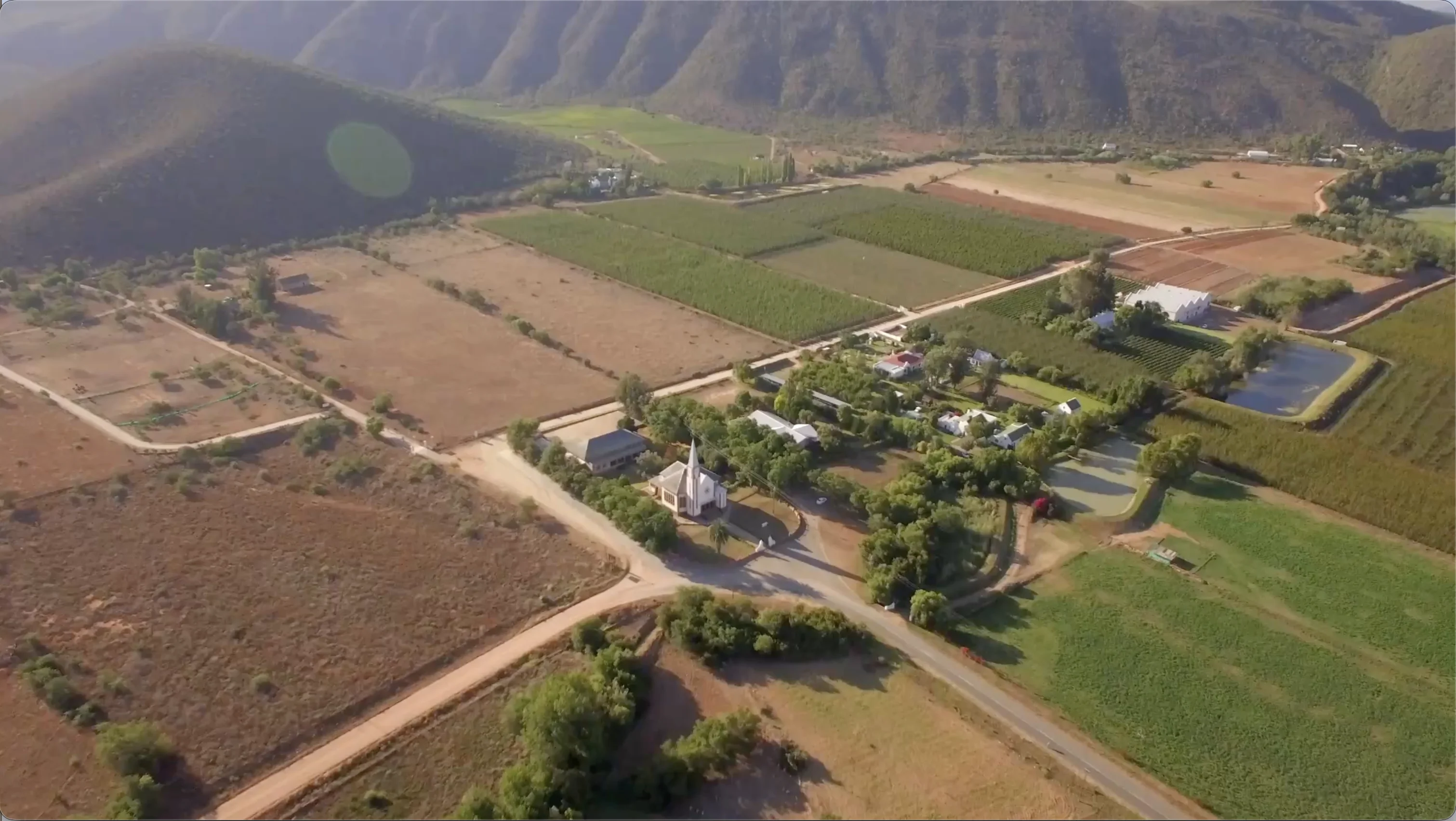
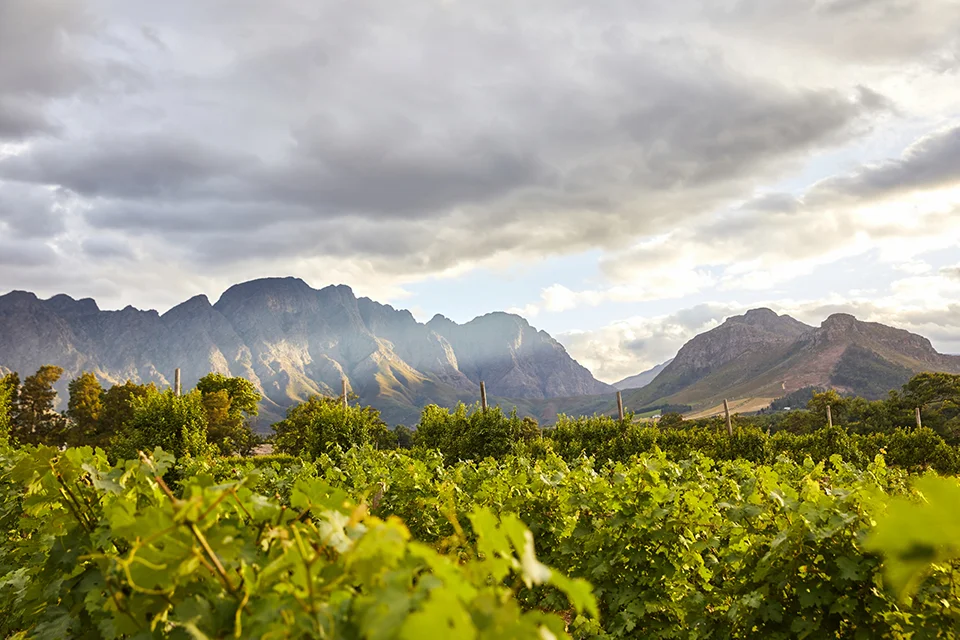
The Little Karoo – known in Afrikaans as the Klein Karoo, meaning 'small ' – is a narrow, semi-arid valley tucked between the Swartberg Mountains to the north and the Langeberg and Outeniqua ranges to the south. Often referred to as Route 62, after the tar road that threads through many of its towns, it should not be confused with the vast, flat Great Karoo that stretches beyond the Swartberg. This is a smaller, more intimate landscape: dramatically folded sandstone mountains, fertile valleys laced with vineyards and fruit orchards, and a string of historic towns that have changed little since the N2 highway drew traffic away in 1958.
Visitors come for many reasons – the ancient dripstone chambers of the Cango Caves, the working ostrich farms of Oudtshoorn, sunrise encounters with habituated wild meerkats, Big Five game reserves and a wine route reputed to be one of the longest in the world. Calitzdorp is celebrated as South Africa's port wine capital; Barrydale has become a hub for artisan producers and craft brewers; and Robertson grows some of South Africa's most recognised wines in its lime-rich, Langeberg-sheltered soils.
But what lingers is something harder to name: a quality of light on the mountain passes, the smell of fynbos and dust on a warm afternoon, and the sense of a landscape that rewards those who slow down.
6 Reasons We Love the Little Karoo
The Cango Caves: a vast subterranean world of stalactites and dripstone formations, carved over millions of years into the Swartberg Mountains near Oudtshoorn.
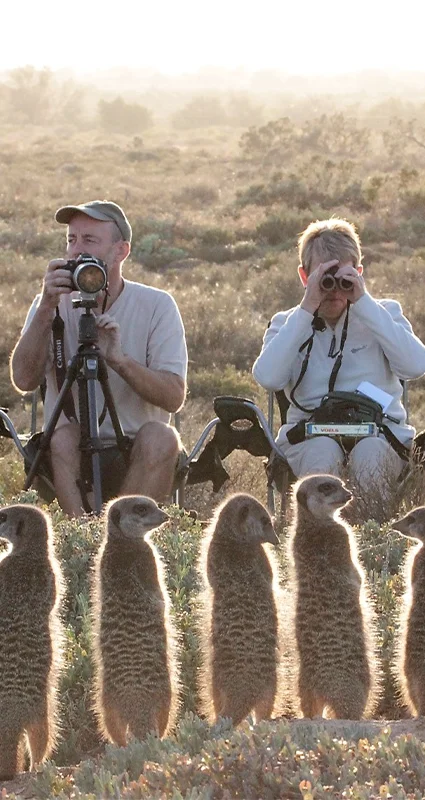
Habituated wild meerkats: join a sunrise tour to watch these sociable animals emerge from their burrows in the semi-desert landscape around Oudtshoorn.
Route 62 wine route: one of the longest in the world, winding through Robertson, Montagu and Barrydale, with tasting rooms set against mountain backdrops.
Ostrich farms: Oudtshoorn's Victorian heritage lives on at working farms, where grand feather palaces recall the extravagant boom years of the 1880s.
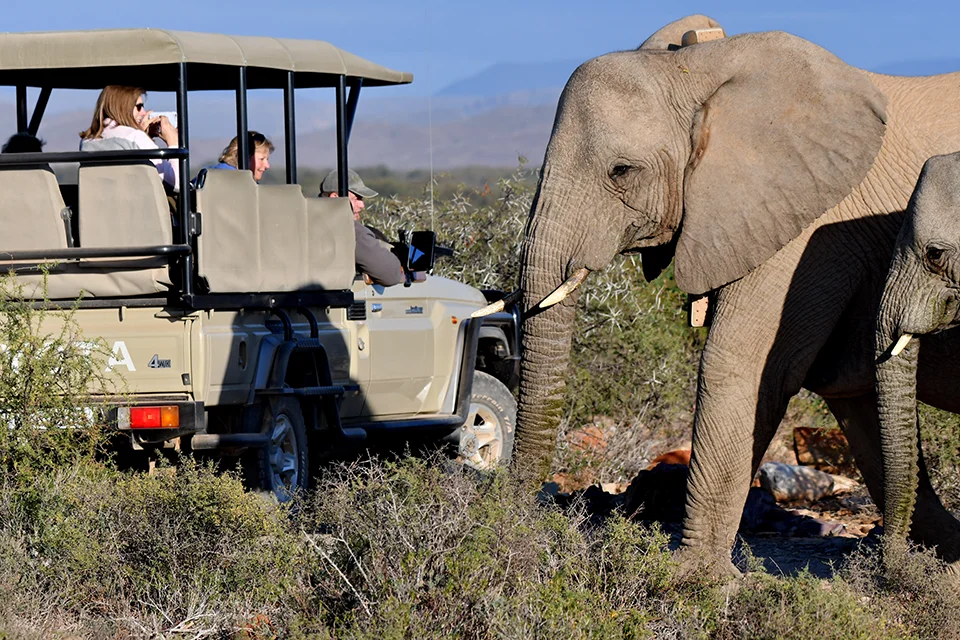
Big Five encounters in Sanbona Wildlife Reserve near Montague.
Mountain passes: Swartberg Pass and Cogmanskloof cut through intensely folded sandstone, offering some of South Africa's most dramatic road scenery.
Our favourite Little Karoo safari ideas
All you need to know about the Little Karoo
About the Little Karoo
The Little Karoo stretches roughly 245 kilometres east to west between the Langeberg and Swartberg mountain ranges, bounded to the south by the Outeniqua Mountains. Several rivers – the Gourits, Groot and Kammanassie – flow through the valley, feeding orchards and vineyards alongside dry fynbos and succulents.
The name 'Karoo' derives from the KhoiKhoi language, meaning 'arid place'. Summers are hot and dry; winters mild by day but cold at night, with low rainfall. Mountain passes connect the Little Karoo to the Garden Route in the south and to the Great Karoo beyond the Swartberg. Route 62 threads through beautifully preserved towns where time has slowed. It is an accessible self-drive destination with well-maintained roads and a compelling mix of experiences – from cave systems and ostrich farms to wine cellars and Big Five wildlife reserves – across fourteen distinct towns.
What wildlife can I see in the Little Karoo?
Ostriches: the Little Karoo is the world's foremost ostrich-farming region, and large flocks remain a defining feature of the Oudtshoorn landscape.
Meerkats: Visit habituated colonies on guided sunrise tours in semi-desert scrubland around Oudtshoorn for a memorable, photogenic encounter.
Birdlife: The Klein Karoo's varied habitats support about 300 species, including Cape rockjumper, cinnamon-breasted warbler, Karoo eremomela, orange-breasted sunbird and Karoo korhaan.
Mountain wildlife: rocky outcrops and passes are home to klipspringers, chacma baboons, porcupines, rare Cape leopards and caracals.
Big Five at Sanbona Wildlife Reserve near Barrydale. This malaria-free Big Five reserve is accessible along the Route 62 corridor.
Where to stay in the Little Karoo
The Little Karoo's accommodation spans boutique hotels, wildlife reserves and working farm stays, including:
Sanbona Wildlife Reserve (near Barrydale) stands apart as one of the very few malaria-free reserves in South Africa where visitors can encounter the Big Five. The reserve encompasses extraordinary succulent fynbos flora and protects significant Khoisan rock art, adding cultural and botanical depth to the wildlife experience. Guided drives, bush walks and exceptional night-sky stargazing are among the activities available.
TheLAB Robertson (Robertson) occupies the heart of the wine route, where the sun-soaked Langeberg foothills produce vineyards and rose farms in equal measure. This design-led boutique property pairs considered rooms with wine-country immersion: guests explore the valley by bicycle and on foot, visit family-owned cellars and farm delis, and return to a property that feels like an expression of the landscape it sits in.
De Zeekoe Guest Farm (Oudtshoorn), seven kilometres from Oudtshoorn, offers guided wild meerkat experiences alongside working-farm warmth that defines the region at its most authentic. Set between the Swartberg and Outeniqua mountains, it is the ideal base for the Cango Caves, ostrich farms and the Swartberg Pass.
The Montagu Country Hotel (Montagu) is one of South Africa's few surviving art deco hotels. Set in gardens with a swimming pool, spa and evening piano accompaniment at dinner, it combines old-world character with genuine comfort. Chauffeured classic car drives add a layer of romance in keeping with Montagu's heritage.
The towns of Route 62
The towns strung along Route 62 are one of the Little Karoo's great pleasures. Each has its own character, pace and particular draw.
Oudtshoorn is the capital and most visited town in the Little Karoo. In the Victorian era it became the world centre for ostrich farming, and the wealth generated by the global plume trade built ornate sandstone mansions known as feather palaces, many of which survive in excellent condition. The CP Nel Museum, housed in a former feather palace, examines this heritage in depth. Today Oudtshoorn remains the ostrich capital of the world and the nearest large town to the Cango Caves. Its dramatic setting between the Swartberg and Outeniqua ranges makes it a natural base for exploring the wider region. The Klein Karoo National Arts Festival, held annually in Oudtshoorn, is one of South Africa's best-known arts events.
Robertson sits at the foot of the Langeberg Mountains at the western edge of the Little Karoo. Hot, dry summers and lime-rich soils produce wines that have earned Robertson a firm place on South Africa's wine map. Vineyards and rose farms share the valley floor, and tasting rooms and farm stalls are popular stops along Route 62. Robertson is closely linked in geography and character to the Cape Winelands, making it a natural first stop for travellers arriving from Cape Town.
Montagu is a charming, well-preserved town roughly two hours from Cape Town and twenty minutes from Robertson. Famous as the 'gateway to the Little Karoo', it is celebrated for its natural hot springs at Avalon Springs, where mineral water surfaces at 43 degrees Celsius. The scenic Cogmanskloof Pass leads into the town through intensely folded sandstone mountains. Montagu shares much of its winelands character with the Cape Winelands and is popular for wine tasting, mountain hiking, cycling and rock climbing.
Barrydale is a small town known for its artist community, craft producers and the Joubert-Tradouw wine cellar, a third-generation family estate producing wines in the traditional manner. Several well-regarded restaurants and characterful accommodation options have made Barrydale a destination in its own right, and it is the nearest Route 62 town to Sanbona Wildlife Reserve.
The Little Karoo's signature experiences
The Little Karoo's most iconic attractions cluster around four distinctive themes: wine, subterranean wonder, ostriches, meerkats and the Big Five.
Wine along Route 62
The Route 62 wine route is reputed to be one of the longest in the world, stretching from the Breede River Valley through Robertson, Montagu and Barrydale into the heart of the Klein Karoo. Robertson is at its productive core, with lime-rich soils and a hot, dry climate that suit a wide range of cultivars. Family-owned estates offer tastings in working farm settings, often accompanied by locally produced olive oils, cheeses and charcuterie. Calitzdorp, further east, is celebrated as South Africa's port wine capital, and the Joubert-Tradouw cellar in Barrydale is a third-generation family estate still using traditional methods. The Klein Karoo also forms part of the Breede River wine route.
The Cango Caves
Near Oudtshoorn, the Cango Caves are a sprawling complex of caverns, tunnels and passages that reach deep into the Swartberg Mountains. Inhabited during the Palaeolithic era and rediscovered in the 1800s, they offer two distinct visitor experiences: the Heritage Tour, which moves through the grandest chambers of stalactites, stalagmites and dripstone formations; and the more demanding Adventure Tour, which requires crawling and squeezing through narrower passages. Neither requires prior caving experience.
Ostrich farms
Oudtshoorn's identity is inseparable from the ostrich. In the 1880s and early 1900s, demand for ostrich plumes generated extraordinary wealth and led to the construction of the ornate sandstone feather palaces that still line the town's streets. Working ostrich farms today offer tours covering the history of the feather trade, the bird's life cycle, and the full range of ostrich products, including leather, eggs and lean meat, which features on almost every restaurant menu in the area.
Habituated wild meerkats
Meerkat encounters around Oudtshoorn are among the most memorable experiences on Route 62. These are not captive animals: habituated wild colonies have been accustomed to the presence of guides and allow close observation of natural behaviour. Tours begin at sunrise and are weather-dependent, as meerkats will not venture from their burrows in cold or rainy conditions. The experience, watching a colony emerge, sun themselves and begin foraging in the semi-desert scrubland, is photogenic, intimate and entirely wild in character.
Big Five
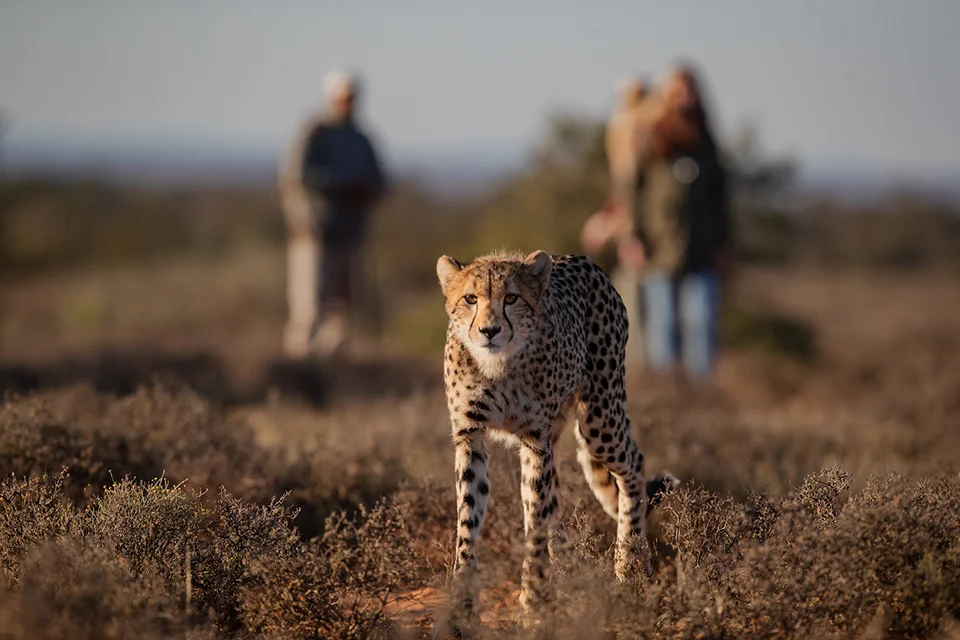
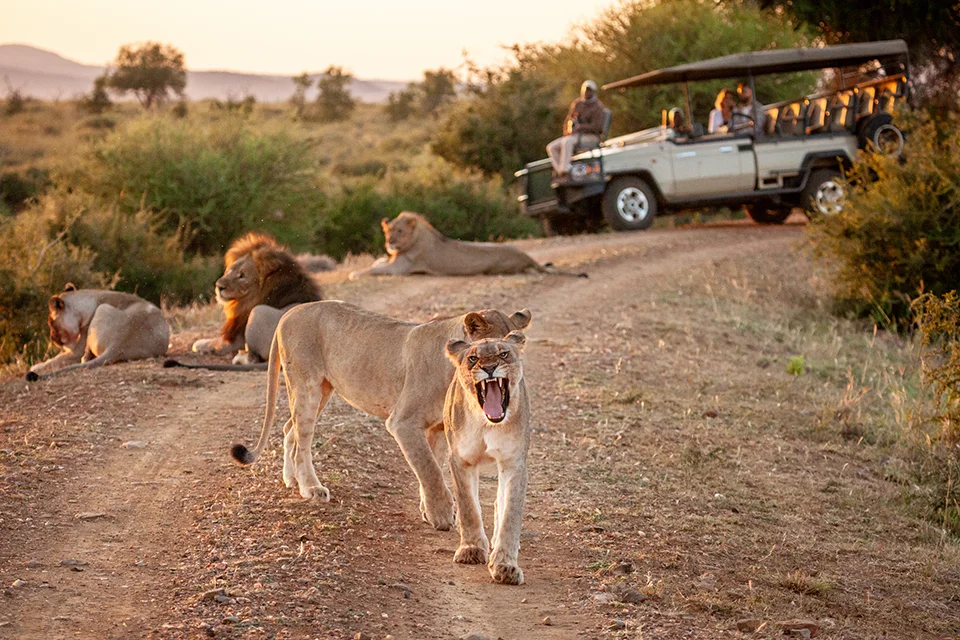
Sanbona Game Reserve near Montagu is a large, malaria-free reserve that offers the chance to spot rhinos, elephants, lions, leopards, and buffalo, in addition to other species such as brown hyenas, cheetahs, oryx, and ostriches.
Trusted by thousands of ecstatic travellers
✔️ 5-Star Trustpilot Rating ✔️ Condé Nast Travel Specialist Award Winner
✔️ Accredited by SATSA ✔️ 5,000+ Exceptional Safaris Since 1991
Why choose Africa Geographic to plan your safari?

"The most amazing bucket list vacation ever. Everything was planned, organized and explained so well. I didn’t have one worry or concern while on another continent. I completely trust the folks at Africa Geographic to plan all future trips!"
"I could not believe how responsive Africa Geographic was during the planning of our 22 day trip...The itinerary they put together was unbelievable!...You will be so happy and thankful to have Africa Geographic plan your exciting safari."
"Africa Geographic helped craft the perfect 60th Birthday trip for my husband. All the arrangements were made exactly as we asked and when we had a query during the trip they were immediately available with an answer. We'll definitely be using them again for future safaris!"
Wish you were here?
Frequently asked questions
The Little Karoo (also called the Klein Karoo - 'klein' meaning 'small' in Afrikaans) is a narrow, semi-arid valley in the Western Cape province of South Africa. It lies between the Swartberg Mountains to the north and the Langeberg and Outeniqua Mountains to the south, and should not be confused with the much larger Great Karoo that stretches beyond the Swartberg.
Route 62 is the tar road that threads through most of the Little Karoo's towns, connecting Cape Town to Port Elizabeth via an inland route. The name has become synonymous with the destination itself. Route 62 passes through towns including Robertson, Montagu, Barrydale, Calitzdorp and Oudtshoorn, and is widely regarded as South Africa's most scenic self-drive road.
The Little Karoo is best known for the Cango Caves near Oudtshoorn, the ostrich farms and feather palaces of Oudtshoorn, guided wild meerkat encounters, and one of the longest wine routes in the world. The Swartberg Pass is considered one of South Africa's most spectacular mountain roads.
The Cango Caves are a vast system of caverns, tunnels and dripstone formations carved into the Swartberg Mountains near Oudtshoorn. Inhabited during the Paleolithic era and rediscovered in the 1800s, they offer a Heritage Tour through the grandest chambers and a more demanding Adventure Tour for those wanting a physical challenge. The caves are open year-round.
Feather palaces are the ornate sandstone mansions built by Oudtshoorn's ostrich farmers during the Victorian feather boom of the 1880s to early 1900s. At the height of the feather trade, ostrich plumes were among the most valuable commodities in the world. Several of these grand buildings survive and can be visited in and around Oudtshoorn today, including the CP Nel Museum.
Yes. Habituated wild meerkat colonies near Oudtshoorn allow guided sunrise observation of natural behaviour in the semi-desert landscape. These are not captive animals: the colonies have been slowly accustomed to the presence of guides. Tours are weather-dependent and begin at sunrise.
Yes. Sanbona Wildlife Reserve, accessible from Barrydale on Route 62, is one of the very few malaria-free Big Five reserves in South Africa. It protects lions, elephants, leopards, rhinos and buffalo, alongside significant Khoisan rock art and succulent fynbos. Sanbona offers guided wildlife drives and bush walks.
Yes, the Little Karoo is malaria-free. No antimalarial medication is required, making it suitable for families travelling with children and for travellers who prefer to avoid medication.
The Little Karoo can be visited year-round. Spring (September–October) brings wildflowers and mild temperatures. Summer (November–February) is hot and ideal for wine harvest visits and ostrich farm tours. Autumn (March–May) offers pleasant temperatures. Winter (June–August) can be cold, particularly at night, but the mountain scenery is at its most dramatic and accommodation is often quieter.
The most common approach is by self-drive from Cape Town, taking approximately three to four hours via the N1 and R60 to join Route 62 near Robertson. The route is well-signposted and the roads are in excellent condition. George Airport (on the Garden Route) is approximately one hour from Oudtshoorn and offers a useful alternative access point.
A minimum of three nights allows time for the Cango Caves, an ostrich farm visit and a meerkat sunrise. Four to five nights gives scope to explore the wine route, drive the Swartberg Pass and spend time in two or three towns. Seven nights or more allows for a full Route 62 self-drive with time to explore at leisure.
Yes, and the combination is highly recommended. Robertson and Montagu – the westernmost towns on Route 62 – share much of their winelands character with the Cape Winelands, and many travellers incorporate the Little Karoo as part of a broader Cape Town, Winelands and Route 62 itinerary.
Yes. Oudtshoorn is approximately one hour from George on the Garden Route via the Outeniqua Pass, making the Little Karoo a natural add-on to a coastal Garden Route journey. Many travellers drive one direction on the N2 coastal highway and return via Route 62, or vice versa.
Little Karoo accommodation typically costs from R850 per person per night on a bed-and-breakfast basis at a good town hotel to R9,500 per person per night at Sanbona, depending on comfort level, time of year, and activities.
Click here to schedule a no-obligation call with one of our Safari Experts or fill in our 2-minute form with your questions. Our team of experts are here to help! Whether you’re curious about the best time to travel, want to hear first-hand about an experience or need help planning your safari.
Explore more African destinations
Start planning your dream safari
Our travel experts will craft a no-obligation itinerary just for you. We have crafted over 5,000 safaris since 1991. Your personal details are protected; we only use this information to contact you.
Why book your safari with us?

Deep Experience & Knowledge
Handcrafted experiential safaris since 1991.
Travel in Africa is about knowing when and where to go, and with whom. A few weeks too early/late or a few kilometres off course, and you could miss the greatest show on Earth. And wouldn’t that be a pity?

Trust & Safety

Make A Difference
We donate a portion of the revenue from every safari sold to carefully selected conservation projects that make a significant difference at ground level.
YOUR safari choice does make a difference - thank you!