

Tailor-made safaris. Since 1991



Choosing a Namibia family safari
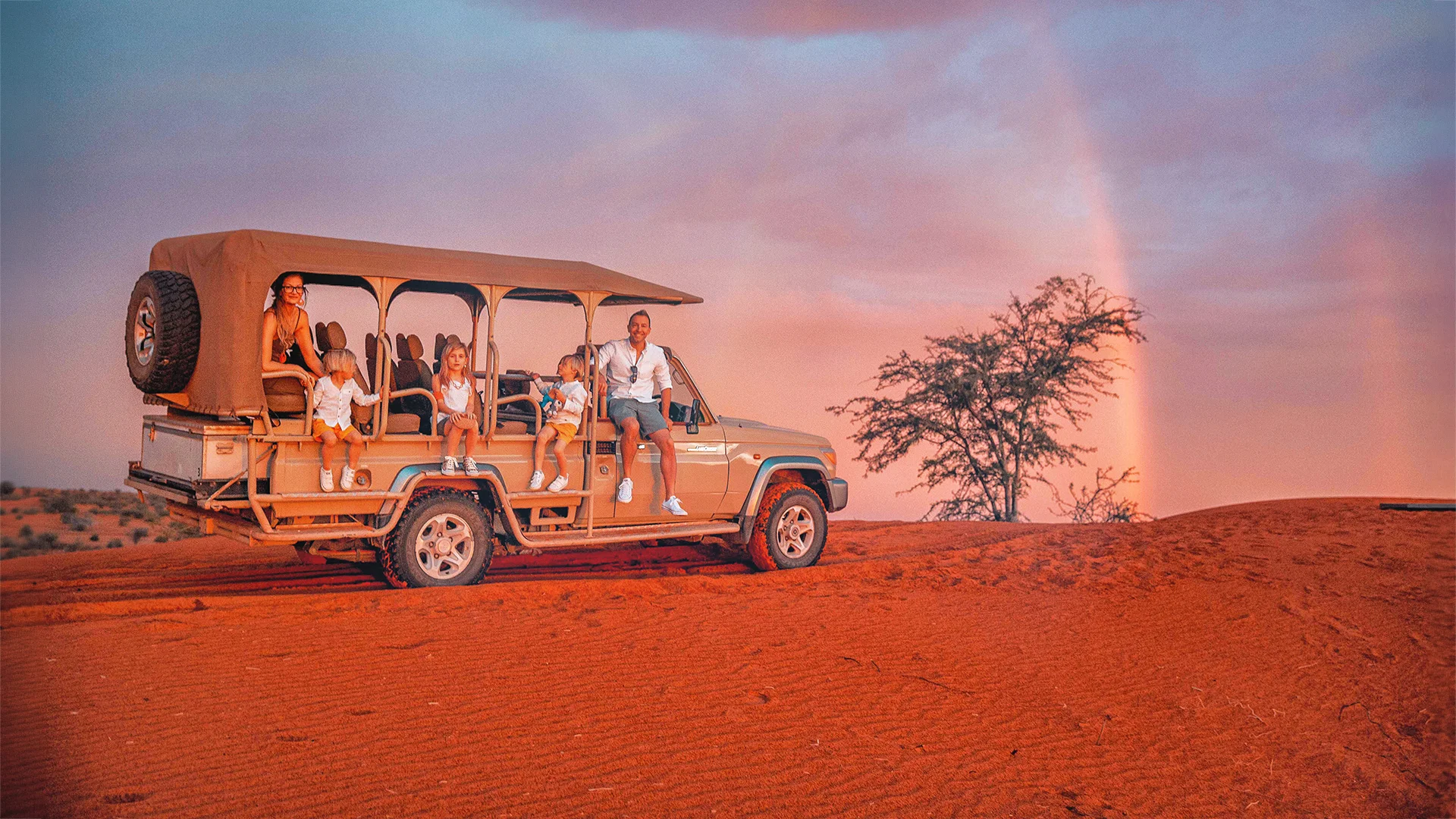
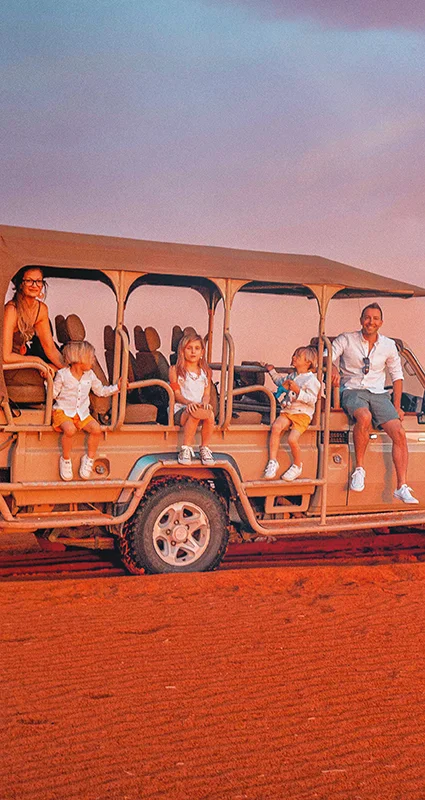
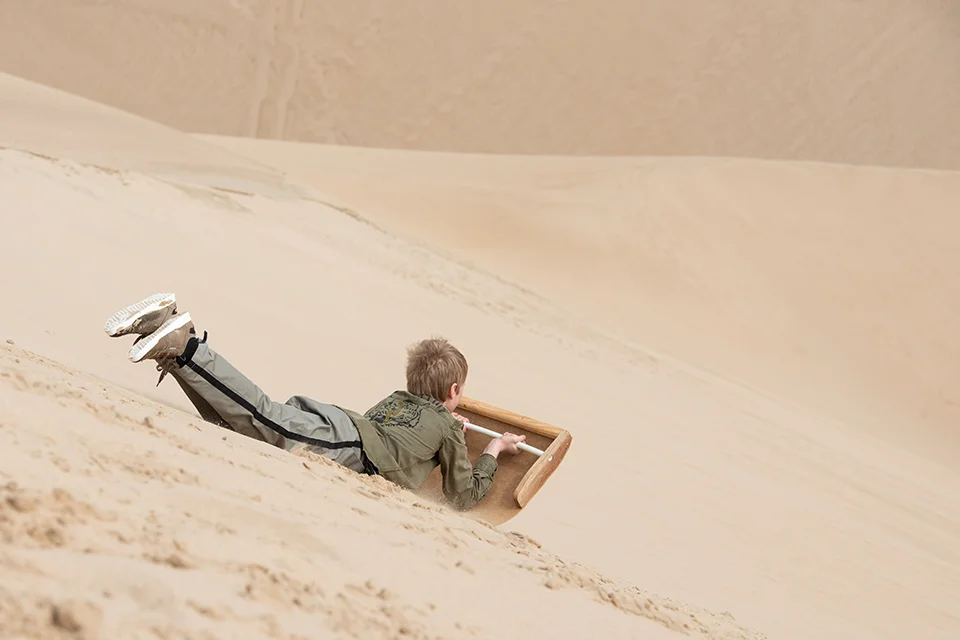
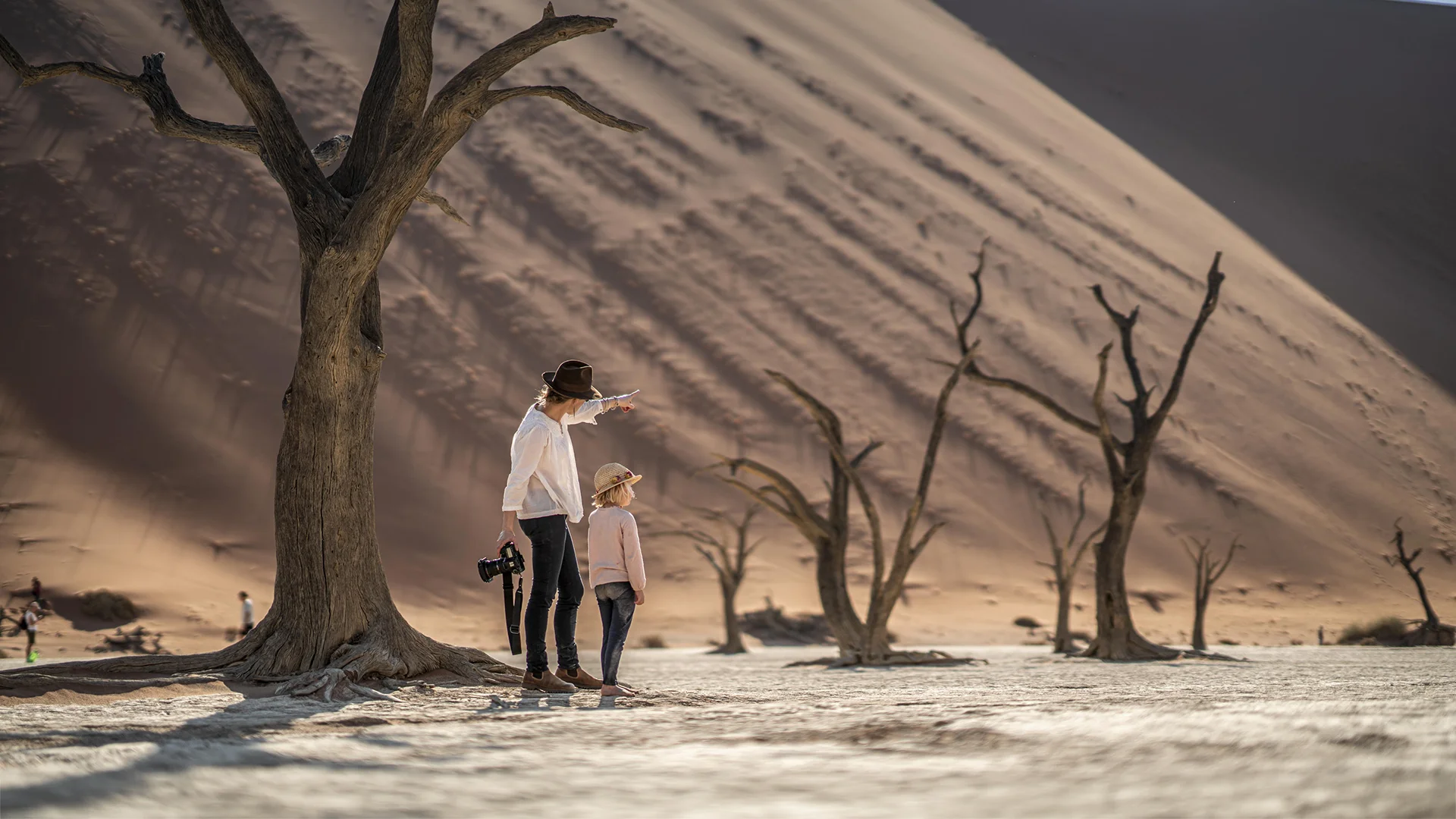
In Namibia, the family safari does not end when the vehicle stops. Children can climb the red ridges of Sossusvlei, race down coastal dunes on a sandboard, watch seals crowd the shoreline and search the gravel plains for desert-adapted wildlife. After dark, the desert offers one final spectacle: a sky so clear that the Milky Way appears close enough to touch.
This variety makes Namibia particularly rewarding for families, but the right route changes as children grow. Younger travellers need shorter journeys, flexible meals and accommodation suited to early bedtimes. Primary-school children are often captivated by Etosha’s busy waterholes and the tracks left across Damaraland’s dry riverbeds. Teenagers tend to embrace the physical challenge of dune climbing and Swakopmund’s adventure activities, while multigenerational families benefit from a slower itinerary with fewer long driving days.
Age restrictions, private-vehicle requirements and rules around unfenced camps can shape where a family stays and which activities everyone can join. Plan for these from the beginning, and Namibia becomes less a conventional game-drive safari than a shared journey through dunes, wildlife country, Atlantic coastline and immense desert skies.
Namibia family safaris at a glance
Under-sixes: malaria-free south and coast, short drives
Six to twelve: Etosha and Damaraland, private vehicle helps
Teenagers: Sossusvlei and Swakopmund adventure activities
Grandparents: fly-in legs reduce long driving days
Every age: self-drive culture makes private vehicles the norm
Namibia rarely forces one age group to compromise for another, provided the route is built around the ages actually travelling.
Age band against Namibia region
Age band | Works best in | Typical constraint |
|---|---|---|
Under six | Windhoek, Swakopmund, southern Namib | Malaria caution north of the veterinary line |
Six to twelve | Etosha, Damaraland, Sossusvlei | Private vehicle often needed under twelve |
Teenagers | Sossusvlei, Swakopmund, Damaraland | Few restrictions beyond walking safaris |
Grandparents | Any region, fly-in recommended | Fitness rather than age itself |
3 things we love about family safaris here
Beyond the wildlife, here is what actually keeps children of every age engaged in Namibia specifically:
Sand becomes an adventure playground: dune climbing, sandboarding and quad biking hold attention no game drive can match.
Wildlife feels earned, not passive: tracking desert elephants on foot turns children into active participants, not spectators.
The night sky does the rest: NamibRand's dark skies and desert stargazing captivate children long after screens would have lost them.
Why Namibia's format suits every generation
Self-drive sets its own pace
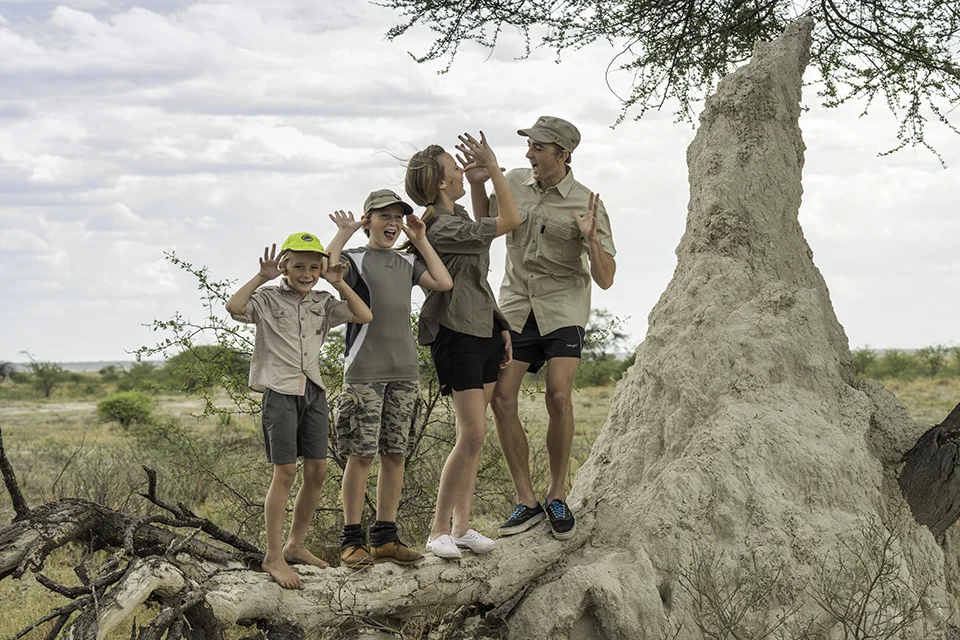
A family free to stop, extend a break, or cut a drive short without disrupting anyone else finds Namibia unusually forgiving. This flexibility, more than any single lodge, is what makes multigenerational Namibia trips work.
Private guiding is the norm, not the exception
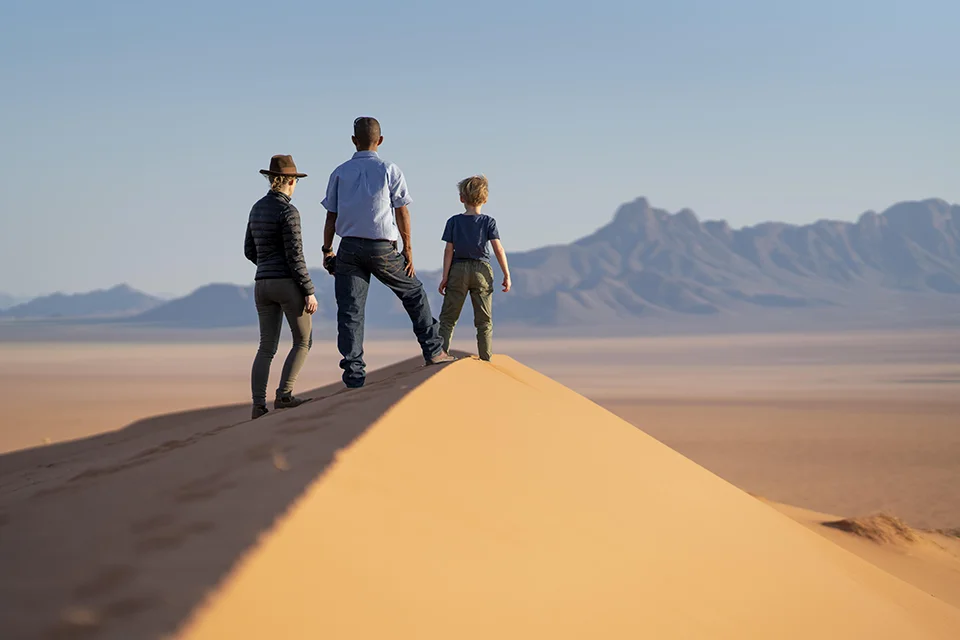
Because so much of Namibia is explored by road, hiring a private vehicle and guide for a guided-safari leg is common practice rather than a rare upgrade, which matters enormously once a restless child is involved.
Distances mean fewer forced early starts
Compared with destinations built around dawn game drives every single day, Namibia's mix of driving, dune activities and coastal stops naturally varies the daily rhythm, giving tired legs and short attention spans regular breaks built in.
Matching Namibia to each age band
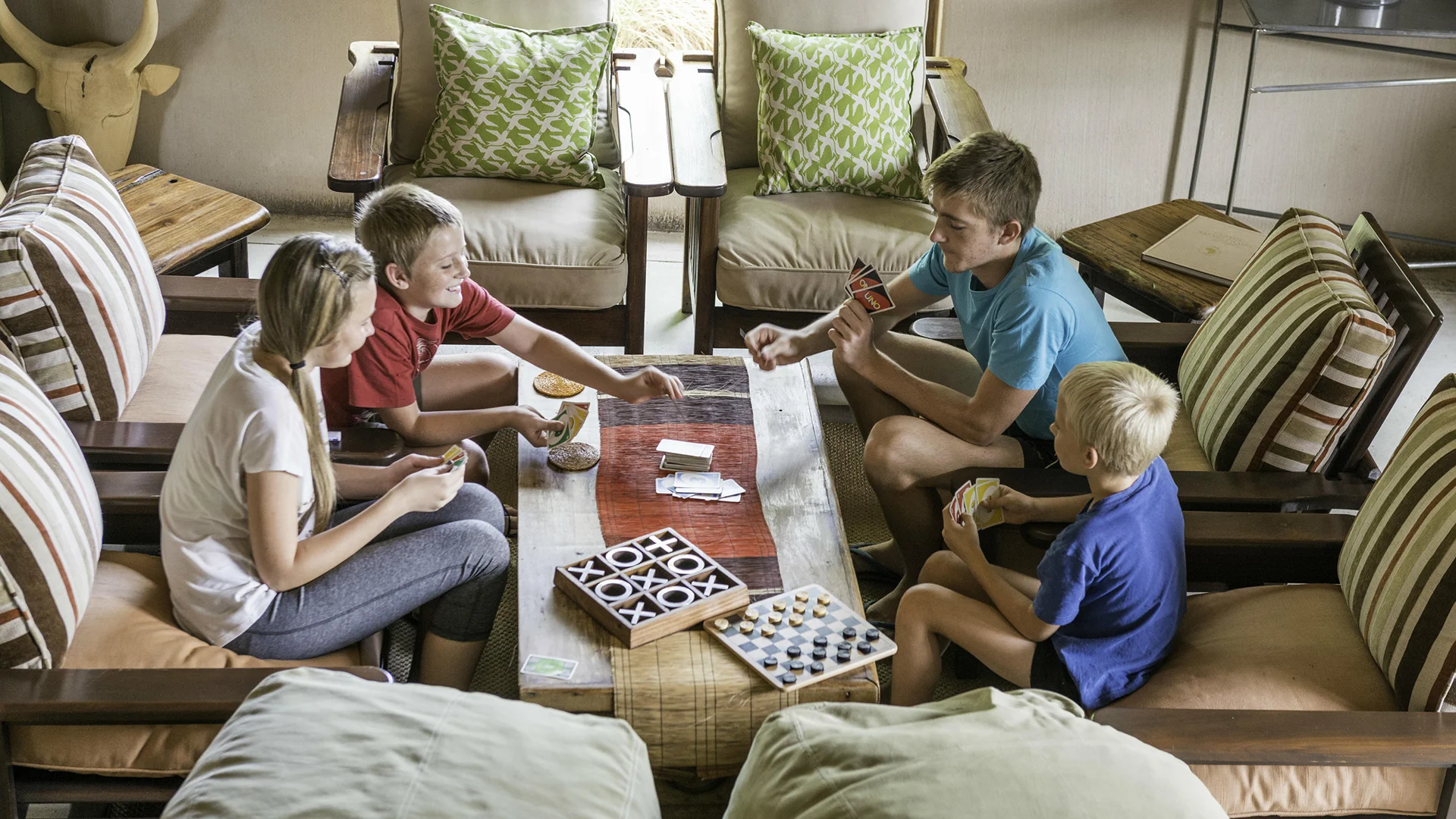
Under-sixes: keep it short and malaria-free
Very young children generally cannot take antimalarial medication until around age five, so basing a trip in Windhoek, Swakopmund and the southern Namib around Sossusvlei, all low malaria risk, avoids the question entirely. Short drives, a lodge with a family suite, and plenty of pool or beach downtime matter more here than wildlife density.
Six to twelve: Etosha and Damaraland come into their own
This age group handles Etosha's waterhole game drives and Damaraland's shorter wildlife-tracking outings comfortably, and is old enough to genuinely enjoy the desert-adapted elephant story rather than simply endure it. A private vehicle is worth arranging, since several camps require one for children under twelve on shared game drives.
Teenagers: built for Namibia's adventure side
Sandboarding and quad biking around Swakopmund and Sossusvlei, dune climbing at Dune 45 or Big Daddy, and the sheer scale of the Skeleton Coast suit teenagers looking for adrenaline rather than another game drive. Few Namibia activities carry restrictions above twelve, aside from longer walking safaris, which some lodges reserve for sixteen and over.
Grandparents and multigenerational groups
Fitness, not age itself, is the real constraint for grandparents, and Namibia's terrain is generally forgiving: waterhole sitting at Etosha and gentle Sossusvlei walks ask little of anyone. Building in a flown leg between two distant regions, rather than a long self-drive day, is the single change that most improves comfort for older travellers.
Wish you were here?
The constraints behind the policies
Why lodges set minimum ages
Minimum ages at remote lodges typically exist for safety reasons specific to that property - an unfenced walkway near a waterhole, a boat transfer, or activities that demand sustained concentration from every guest in a shared vehicle. They are set by the property itself and do vary, which is why checking directly before booking matters more than following a general rule.
Why unfenced camps require an escort
Many of Namibia's most rewarding lodges are deliberately unfenced, since fencing would interrupt the wildlife movement that makes the location special in the first place. This means camp staff escort guests between tents and communal areas after dark, and children are expected to remain with an adult at all times within the property, not because of excessive caution but because dangerous animals genuinely do pass through.
Which regions carry malaria risk
Namibia's malaria risk sits mainly in the north and northeast, including parts of Etosha and the Zambezi region, and rises somewhat during the rainy season. Windhoek, the central highlands, the southern Namib around Sossusvlei, and the coast around Swakopmund and Walvis Bay are low risk year-round, making a south-and-coast-only route a genuine option for families avoiding malaria prophylaxis altogether.
How vehicle exclusivity changes the day
A shared game-drive vehicle asks every guest to tolerate the same pace, which rarely suits a tired six-year-old or a teenager who would rather be climbing a dune. A private vehicle removes that friction entirely, letting a family cut a drive short, add an extra stop, or turn back the moment anyone has had enough.
What one guest found with the right guide
"As we were travelling with 2 young kids (8 and 11) it was not easy, but Christian chose the best places to stop, to walk, to sleep, to eat and to visit ... explained us thousands of things about the african ecosystems, plants, ecology, mammals, and other wildlife ... We absolutely recommend Christian and African Geographic." - Ponç, Spain, Africa Geographic guest travelling with children aged 8 and 11, on the value of guide-led pacing.
Frequently asked questions
There is no single best answer; it depends on your children's ages. Under-sixes suit the malaria-free south and coast, six-to-twelves suit Etosha and Damaraland, and teenagers suit Sossusvlei and Swakopmund's adventure activities.
Minimum ages exist for safety reasons specific to each property, often tied to unfenced terrain, boat transfers or activities requiring sustained concentration. They vary by lodge, so always confirm directly before booking.
Windhoek, the central highlands, the southern Namib around Sossusvlei, and the coast around Swakopmund and Walvis Bay are low malaria risk year-round, making a south-and-coast route a genuine malaria-free option.
Sandboarding and quad biking around Swakopmund and Sossusvlei, dune climbing at Dune 45 or Big Daddy, and desert-adapted wildlife tracking in Damaraland all suit teenagers looking for more than a standard game drive.
Not always, but many camps require one for children under twelve on shared game drives, and it is worth arranging regardless, since it lets a family adjust pace and stops around their children's energy levels.
Both exist. Unfenced camps, common in Damaraland and the Kunene, allow wildlife to move through freely and require children to stay with an adult at all times within the property, particularly after dark.
Start planning your dream safari
Our travel experts will craft a no-obligation itinerary just for you. We have crafted over 5,000 safaris since 1991. Your personal details are protected; we only use this information to contact you.
Why book your safari with us?

Deep Experience & Knowledge
Handcrafted experiential safaris since 1991.
Travel in Africa is about knowing when and where to go, and with whom. A few weeks too early/late or a few kilometres off course, and you could miss the greatest show on Earth. And wouldn’t that be a pity?

Trust & Safety

Make A Difference
We donate a portion of the revenue from every safari sold to carefully selected conservation projects that make a significant difference at ground level.
YOUR safari choice does make a difference - thank you!