

Tailor-made safaris. Since 1991

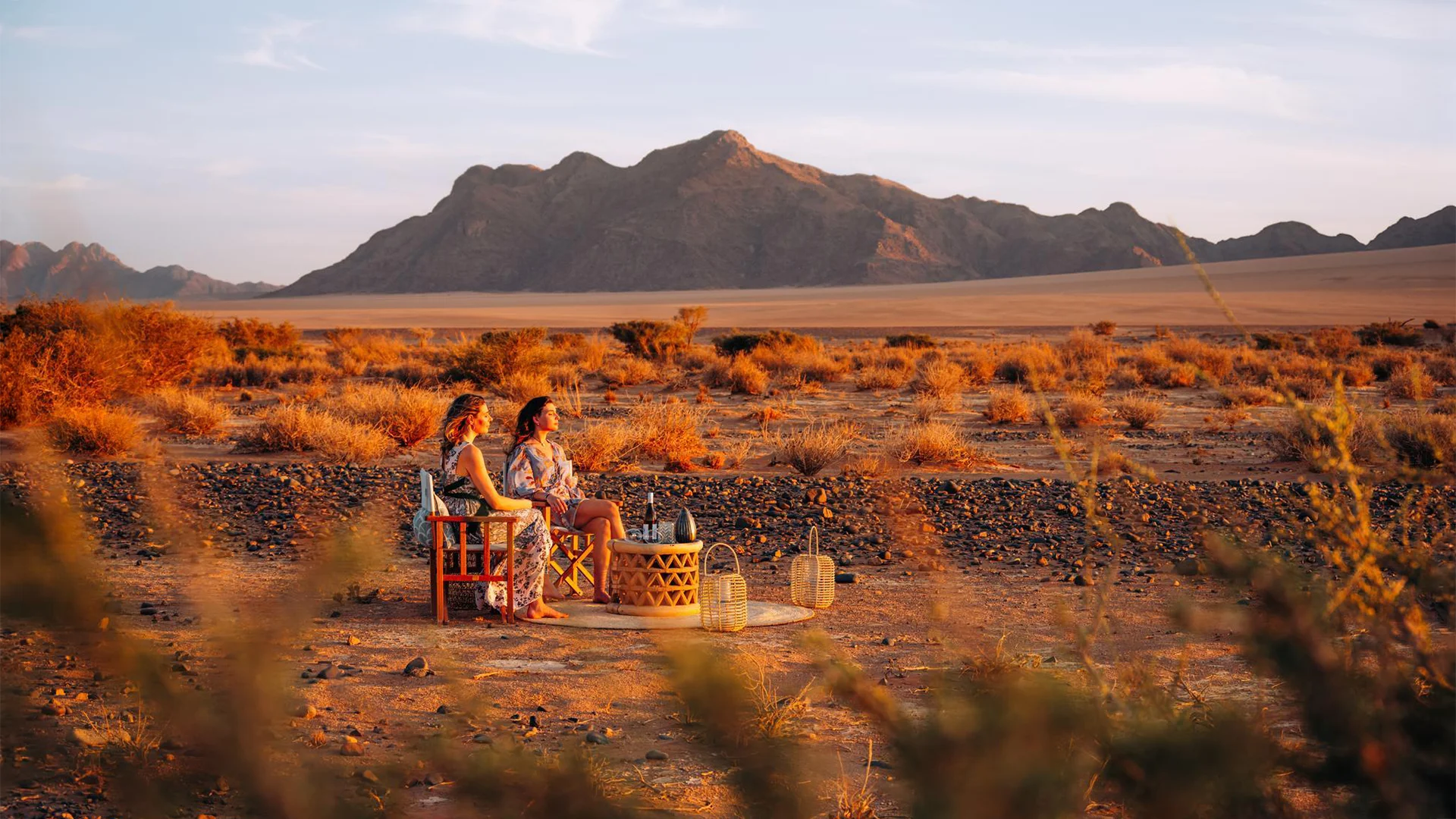


Can you see Namibia's highlights in a week?
Most travellers need 10–14 days to experience Namibia properly. Ten days works for a focused journey through two regions, usually Sossusvlei and Etosha, with an internal flight helping to shorten the distance between them. Fourteen days allows time for a third region, such as Swakopmund or Damaraland, without rushing. With three weeks, you can follow a fuller circuit through Sossusvlei, the coast, Damaraland, the remote Kunene and Etosha at a more relaxed pace.
Namibia looks deceptively manageable on a map. In reality, its great red dunes, wildlife-rich waterholes and desert mountains are separated by long stretches of gravel road and vast, empty landscapes. The drive from Sossusvlei towards Damaraland or Etosha can take most of a day, especially once you factor in stops for fuel, photos, and roadside wildlife.
The most common mistake is trying to cover too many regions in one trip. Namibia rewards travellers who slow down: mornings spent among the dunes, afternoons tracking desert-adapted elephants through dry riverbeds and evenings watching the light fade across an apparently endless horizon. If time is limited, choose fewer places and give each one room to unfold.
Three Namibia route lengths compared
10 days: Sossusvlei and Etosha, one internal flight recommended
14 days: Sossusvlei, Swakopmund and Etosha, fully self-drivable
21 days: the full circuit including Damaraland and the Kunene
Under 10 days: fly between two anchor regions rather than drive
Each route below names its regions in sequence, not individual lodges, so it stays useful regardless of which properties you choose.
Route length against regions covered
Route length | Regions covered | Travel style | Pace |
|---|---|---|---|
10 days | Sossusvlei, Etosha | Fly-in or hybrid | Focused |
14 days | Sossusvlei, Swakopmund, Etosha | Self-drive or guided | Comfortable |
21 days | Sossusvlei, Swakopmund, Damaraland, Kunene, Etosha | Hybrid, self-drive plus flying | Unhurried |
3 things we love about Namibia
The journey is part of the safari. Long roads cross gravel plains, rust-red dunes and mountain passes where another vehicle may not appear for hours. In Namibia, travelling between places is rarely just a transfer.
Every region feels like a different country. Sossusvlei’s towering dunes give way to the cool Atlantic coast, Damaraland’s rocky valleys and Etosha’s wildlife-filled waterholes. Few destinations offer so much contrast within one journey.
There is space to travel at your own pace. Namibia suits unhurried self-drives, remote fly-in safaris and routes combining the two. With enough time, the silence and scale become as memorable as the places themselves.
Namibia routes for 10, 14 and 21 days
10 days: Namibia’s two great contrasts
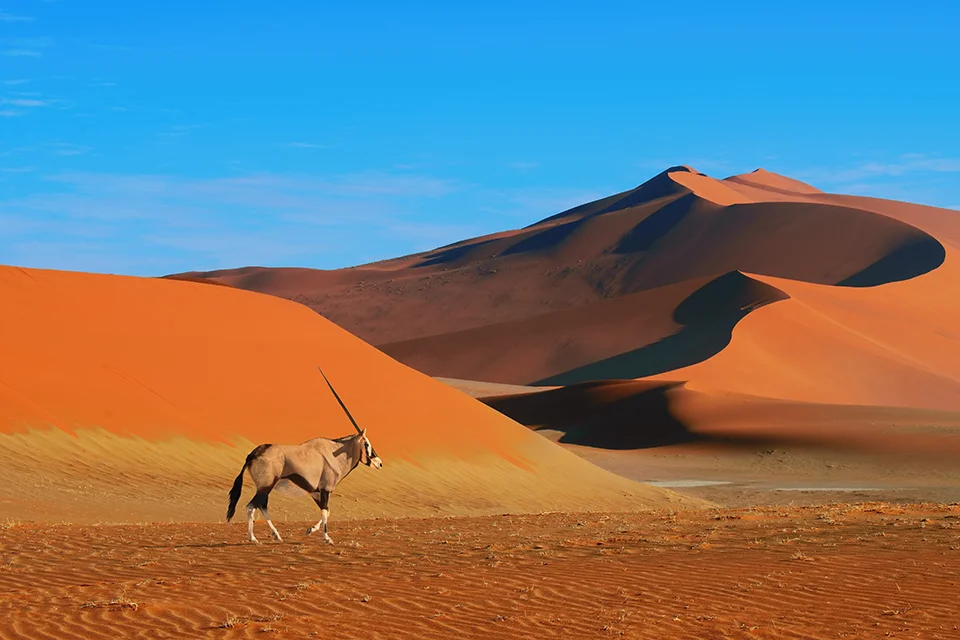
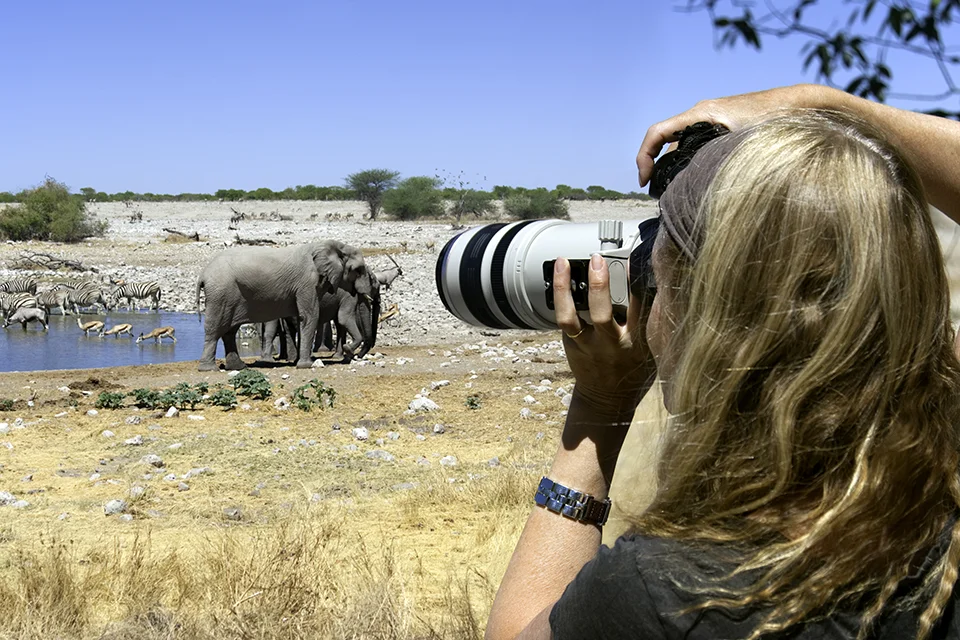
Pair Sossusvlei’s red dunes with the wildlife-filled waterholes of Etosha. Ten days allows around three nights in each region, giving you time to explore rather than simply arrive, photograph the landscape and leave again.
10 days: Plan the journey north carefully
The distance between Sossusvlei and Etosha is the pressure point in a shorter itinerary. Driving it in one day is possible, but tiring. Breaking the journey near Windhoek or flying one leg preserves more time and energy for the places you came to experience.
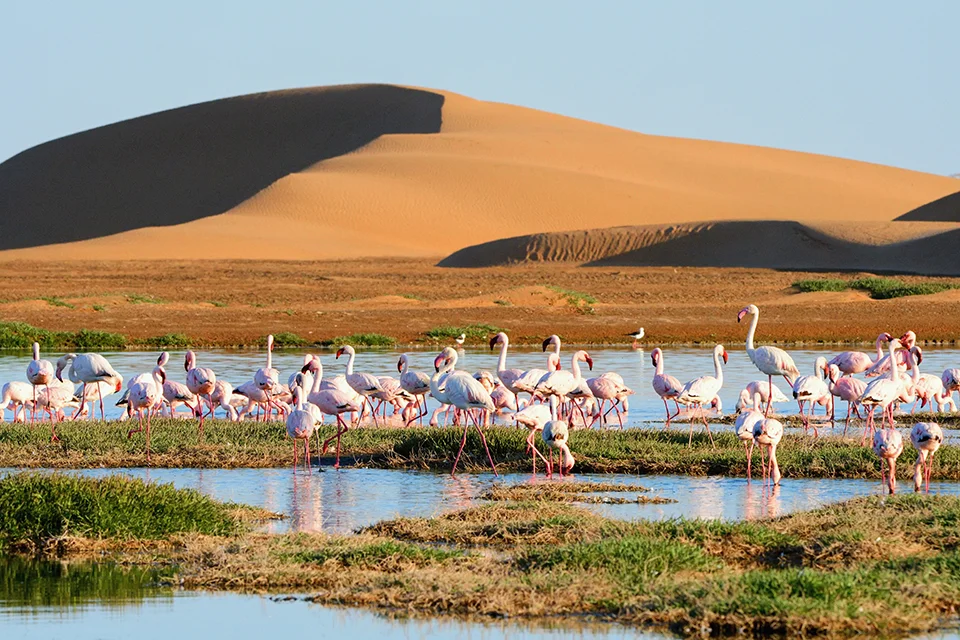
14 days: Add the Atlantic coast
Two weeks creates a natural self-drive route from Windhoek to Sossusvlei, north to Swakopmund and Walvis Bay, and then inland towards Etosha. Each region feels markedly different, giving the journey a sense of discovery as the desert, ocean and wildlife areas unfold.
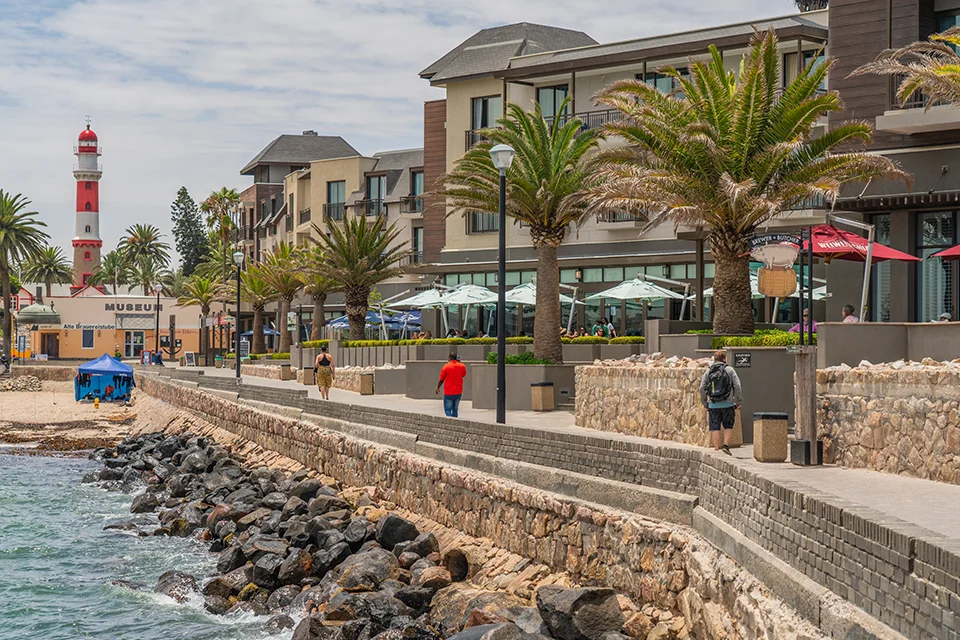
14 days: Pause in Swakopmund
The coast offers more than a convenient stop between the desert and Etosha. Cooler air, marine cruises from Walvis Bay and adventures among the dunes change the mood of the trip, while two nights here provide a welcome pause between longer driving days.
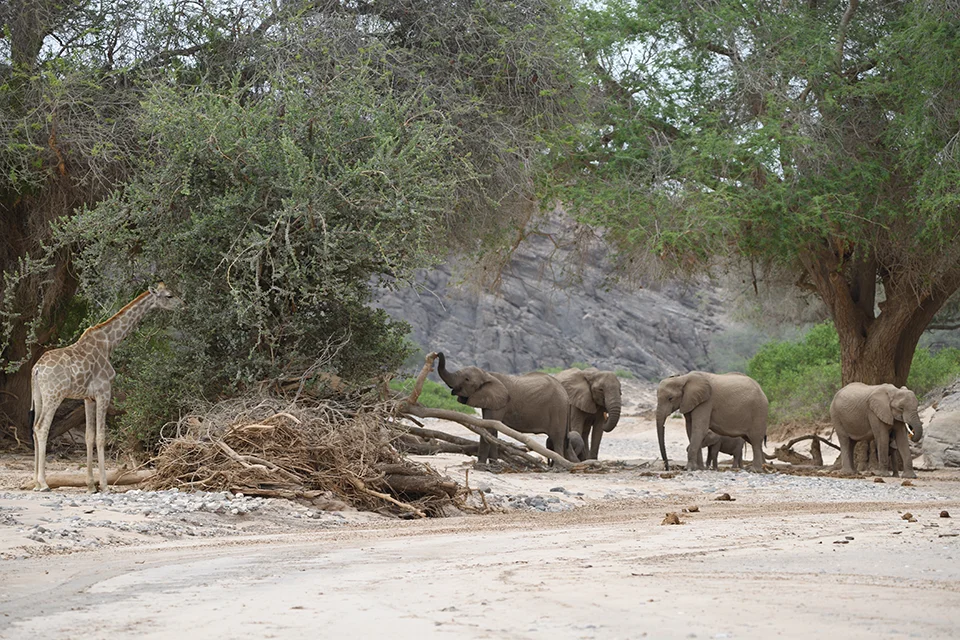
21 days: Travel deeper into the northwest
Three weeks allows you to continue from the coast into Damaraland, where desert-adapted elephants move through dry riverbeds and ancient rock art survives among rugged mountains. From there, the route can extend into the remote Kunene before turning east towards Etosha.
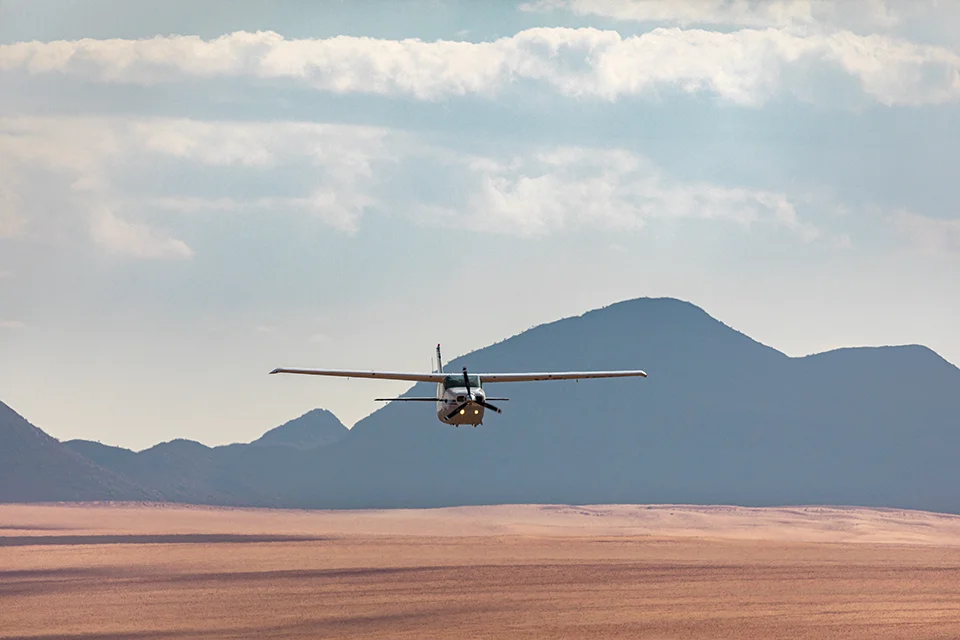
21 days: Let the distances shape the journey
The northwest is Namibia at its wildest, but reaching it takes time. A carefully chosen flight can shorten one of the longest northern legs, while driving the rest preserves the freedom and sense of scale that make a Namibia road trip so memorable.
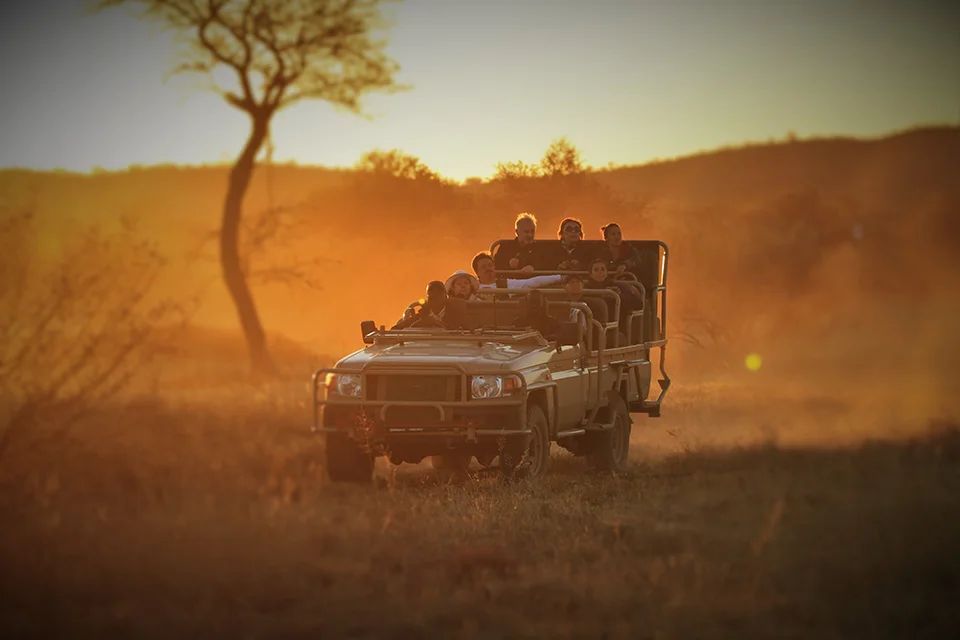
A traveller’s 12-day route
“This was a 12-day itinerary including Windhoek, Sossusvlei, Walvis Bay, Brandberg, Etosha and Okonjima. Excellent planning, communication, information and advice. Our accommodation was exactly as expected, our private guide was superb and the vehicle was excellent. A fabulous experience.”
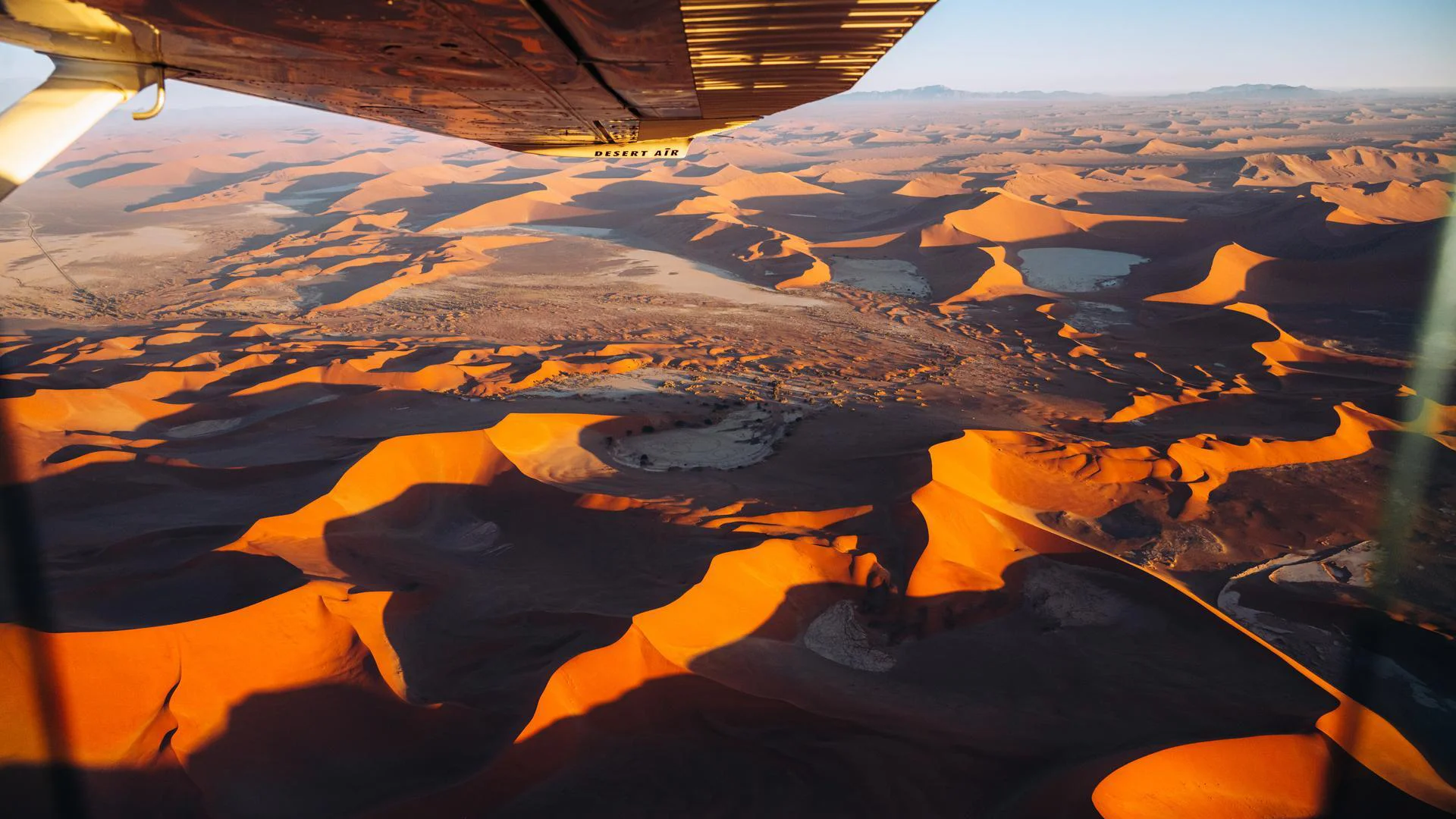
Wish you were here?
Building your own route length
Start from regions, not nights
Decide which two, three or five regions matter most to you before assigning nights to each. This avoids the common trap of spreading too few days across too many stops, which leaves every region feeling rushed and every drive feeling like a chore rather than part of the trip. A route built this way also makes it far easier to extend later, since each additional region simply slots into the existing sequence.
When to fly instead of drive
If your total trip is under 10 days, flying between two anchor regions almost always beats trying to self-drive the same route, since road transfers alone can consume several of those days. See our guide to choosing between self-drive, guided and fly-in safaris for the full decision framework.
Frequently asked questions
Ten days is the practical minimum for a focused trip covering two regions, typically Sossusvlei and Etosha, ideally with one internal flight to avoid a very long driving day between them.
A week is workable only if you focus on one region, such as Sossusvlei alone, or fly between two anchor points. Self-driving multiple regions in seven days leaves little time beyond the road.
A comfortable 14-day self-drive covers Sossusvlei, Swakopmund and Walvis Bay, and Etosha, following Namibia's main road corridor with reasonable daily drive times throughout.
Yes. Twenty-one days comfortably adds Damaraland and often the remote Kunene region to the 14-day coastal route, usually with one flight north of Damaraland to save driving time.
The stretch between Sossusvlei and the north, whether to Etosha or Damaraland, is the leg most itineraries misjudge. It is long enough to consume a full day and is best flown or carefully sequenced.
Self-drive suits routes of 14 days or more, where distances can be absorbed comfortably. Shorter trips generally benefit from flying at least one long leg, particularly north of Damaraland.
Start planning your dream safari
Our travel experts will craft a no-obligation itinerary just for you. We have crafted over 5,000 safaris since 1991. Your personal details are protected; we only use this information to contact you.
Why book your safari with us?

Deep Experience & Knowledge
Handcrafted experiential safaris since 1991.
Travel in Africa is about knowing when and where to go, and with whom. A few weeks too early/late or a few kilometres off course, and you could miss the greatest show on Earth. And wouldn’t that be a pity?

Trust & Safety

Make A Difference
We donate a portion of the revenue from every safari sold to carefully selected conservation projects that make a significant difference at ground level.
YOUR safari choice does make a difference - thank you!