

Tailor-made safaris. Since 1991



How Namibia safaris fund wildlife
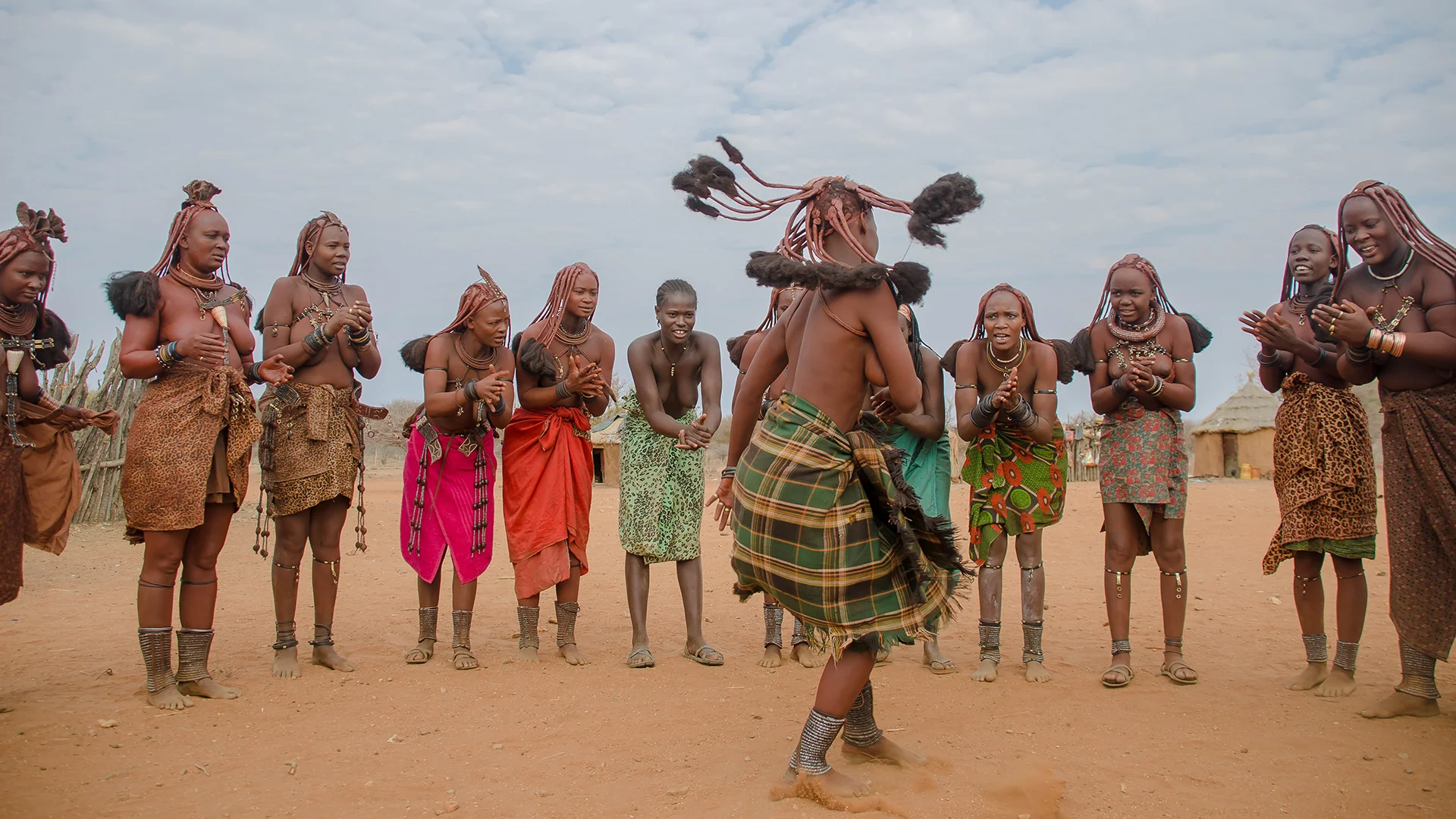
Money spent on a Namibia safari supports conservation through two main channels. In state-run national parks such as Etosha, entrance fees go to the park authority. Across the communal conservancies of Damaraland and the Kunene, tourism income flows through lodge payments, conservancy levies and bed-night fees, helping to fund community game guards, wildlife monitoring, anti-poaching patrols and local projects.
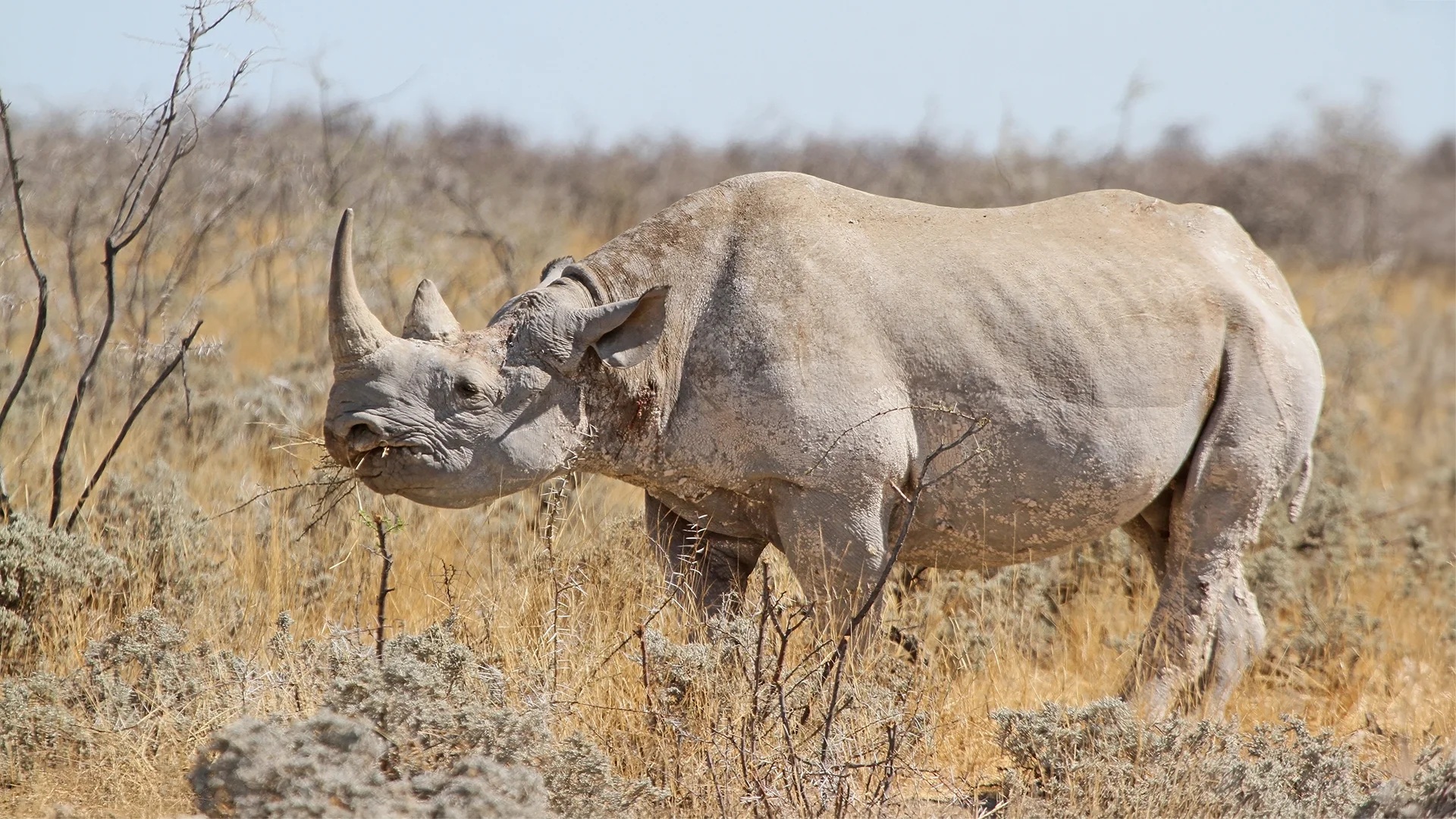
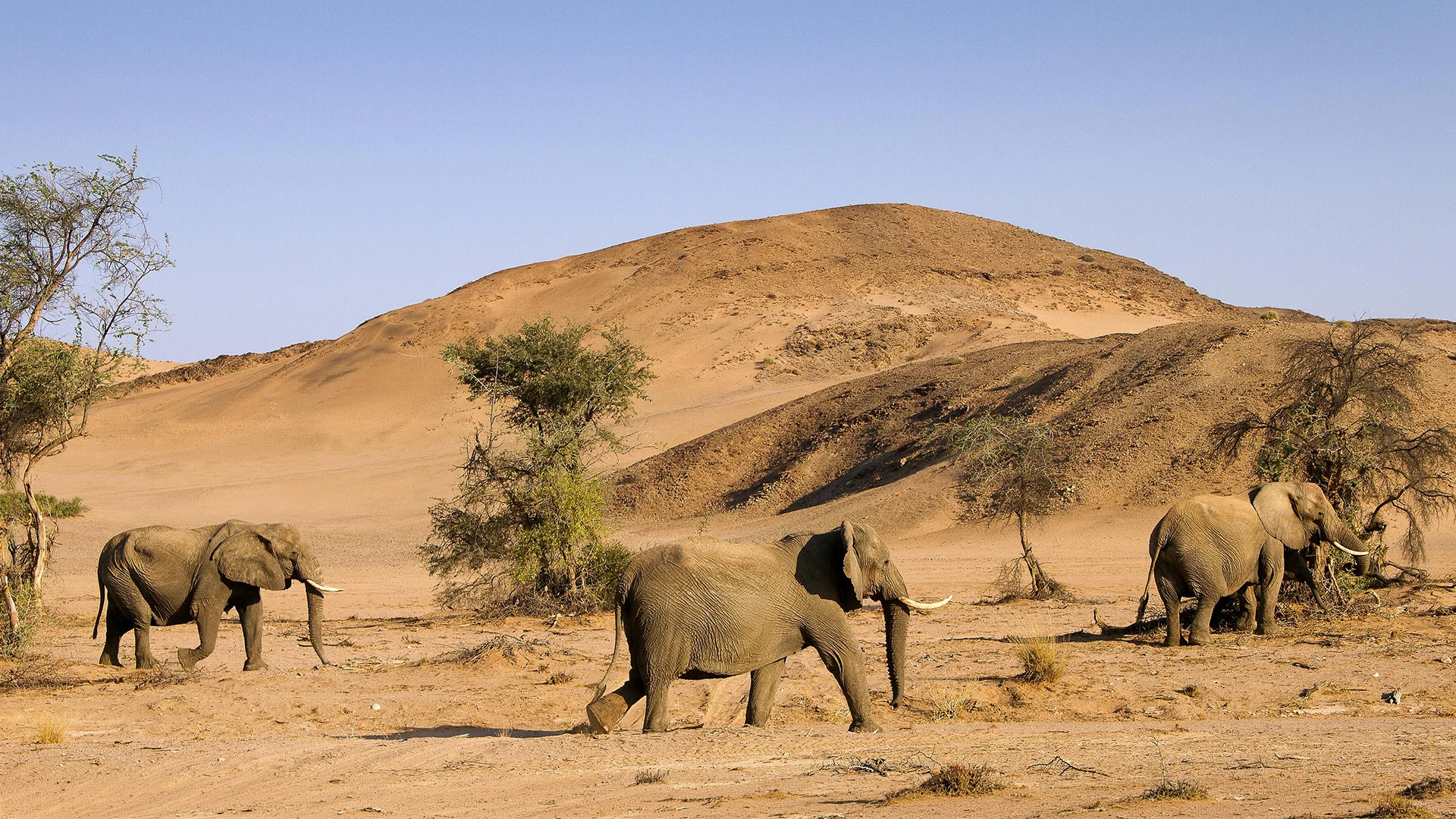
This matters in a landscape where an elephant may cross a dry riverbed between scattered settlements, or a black rhino may leave the only tracks seen for kilometres. Much of this wildlife lives beyond national park boundaries, on land where people, livestock and wild animals share scarce water and grazing. Its survival depends partly on local communities receiving a tangible benefit from keeping wildlife on the land.
The foundations of this model were laid in 1996, when a change to Namibia’s conservation law allowed rural communities to establish conservancies and gain rights to manage and benefit from wildlife and tourism on communal land. Some conservancies also receive income from regulated hunting concessions – a contested part of the system, but one that contributes to wildlife monitoring and conservancy operations in certain areas. Namibia’s wildlife recovery has many causes, but giving communities a legal and financial stake in conservation has been central to it.
Where the money goes, at a glance
Park entry fees fund state-run parks such as Etosha directly
Conservancy levies fund community-employed game guards
Bed-night fees at conservancy lodges fund anti-poaching patrols
Some conservancies also earn income from regulated hunting concessions
Two different systems operate side by side in Namibia, depending on whether you are inside a national park or on communal conservancy land.
State parks against communal conservancies
Aspect | State-run parks (e.g. Etosha) | Communal conservancies |
|---|---|---|
Who manages the land | Government park authority | Local community, via elected committee |
Main funding source | Park entry fees | Conservancy levies, bed-night fees |
What it funds | Park operations, ranger salaries | Game guards, patrol fuel, community projects |
Legal basis | National park legislation | 1996 conservancy legislation |
3 things we love about Namibia’s conservancy model
Conservation begins with the people who live there. Registered conservancies give communities a formal role in deciding how wildlife and tourism are managed on their land, often with support from conservation organisations and private partners.
Wildlife creates local livelihoods. Tourism revenue helps fund community game guards, conservancy staff and local enterprises. Protecting wildlife is therefore connected to employment and household income, rather than existing as an outside ideal.
Animals can move beyond park boundaries. Desert-adapted elephants, lions and black rhinos range across vast communal landscapes. Conservancies help keep these areas connected, giving wildlife space to survive beyond fenced or formally protected parks.
The 1996 shift that changed everything
From no rights to real ownership
Before 1996, rural Namibians had no legal right to benefit from wildlife on their own communal land, which gave them little incentive to protect it and every incentive to view it as a threat to crops and livestock. That year, a change to national conservation legislation allowed communities to register conservancies and gain conditional rights to manage and profit from wildlife through both tourism and regulated hunting, provided they met membership and management requirements.
Why this, not any single project, drove recovery
Individual anti-poaching projects matter, but the legislative shift changed incentives at scale across the country. Once communities had a direct stake in wildlife numbers, poaching tolerance fell, and reporting rose, because a healthy conservancy population translated into tourism income and employment for residents themselves, not just for outside operators or the state.
What the money funds on the ground
Game guards and patrols
Conservancy levies and lodge bed-night fees fund locally recruited game guards, who patrol on foot and by vehicle to monitor wildlife and deter poaching. These patrols depend on reliable transport, fuel, boots and basic field equipment, which conservancy income covers directly - support that becomes especially critical after drought years, when livestock losses raise the temptation to poach for meat.
When conservancies rebuild after drought
"Now that the drought has broken, the conservancies can start rebuilding their wildlife populations - if they can ensure that poaching is kept to a minimum. Since the people living here have lost most of their livestock, the temptation to poach for meat is higher than ever." - Boas Hambo, Kunene Region conservation guide, on the period following Namibia's 2025 rains.
Addressing the hunting question honestly
Tourism and hunting can coexist in the same conservancy
Some Namibian conservancies earn income from both photographic tourism and regulated trophy hunting concessions, a dual model that remains genuinely debated within conservation circles. Hunting concessions can fund conservation in areas with too little tourism infrastructure to sustain game guards alone, though individual cases have drawn significant public criticism when specific management decisions or individual animals are involved.
What to ask before you book
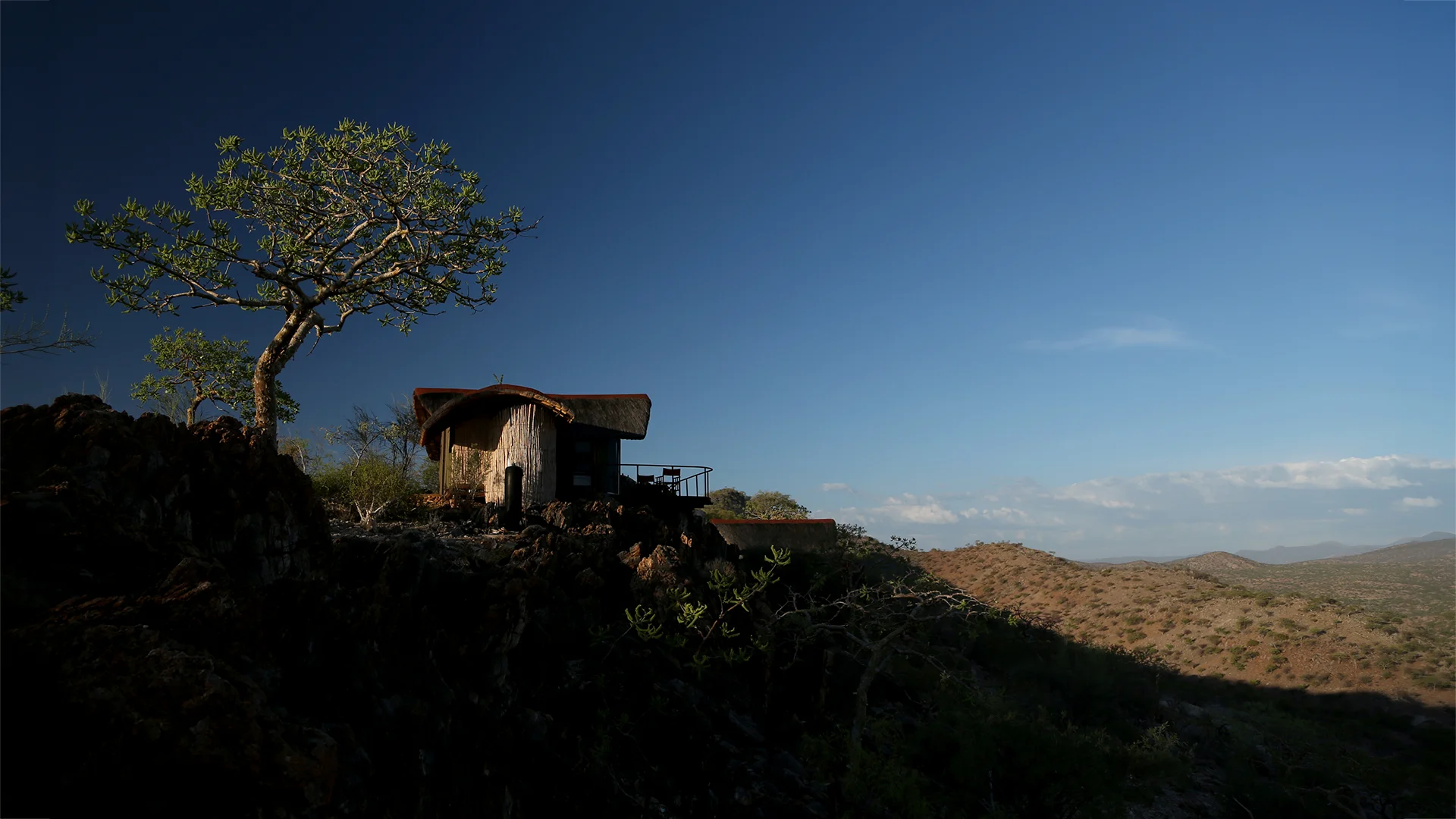
Travellers who want their safari to support conservation directly should ask how a specific lodge's fees are structured, whether it operates on communal or private land, and how conservancy income is allocated. Our safari experts can answer these questions for any property under consideration.
Wish you were here?
How this compares to national park funding alone
Two systems, one shared goal
State-run parks and communal conservancies are often assumed to work the same way, but they answer to different authorities and different funding cycles. Etosha's park fees flow into government-managed park operations, while conservancy income is managed locally by an elected committee accountable to conservancy members themselves, not to a central government department.
Why this distinction matters to travellers
Understanding which system you are supporting on any given night of your trip helps make sense of why a private reserve bordering Etosha can offer night drives while the park itself cannot, and why a conservancy lodge in Damaraland can fund a dedicated rhino ranger team that a government park department, spread across a much larger area, may not be able to match at the same local level.
Frequently asked questions
A communal conservancy is an area of communal land where residents have registered collectively to manage and benefit from wildlife, under legislation introduced in 1996. Namibia has dozens of these, mostly across its arid north and west.
Game guards are recruited from local communities and paid through conservancy income, which comes primarily from lodge bed-night fees and conservancy levies charged to tourism operators using the land.
In some conservancies, yes. Regulated hunting concessions and photographic tourism can operate within the same conservancy boundaries, generating separate income streams that both, in principle, fund conservation.
Primarily because of the 1996 legislative change giving communities legal rights over wildlife on their own land, which shifted incentives away from poaching tolerance and toward active protection.
Yes. Park entry fees at state-run parks such as Etosha fund the park authority's operations directly, including ranger salaries and infrastructure, separately from the conservancy system on communal land.
Ask directly how the lodge's bed-night fees and conservancy levies are structured and allocated. Reputable properties in Damaraland and the Kunene are typically transparent about this and can explain it clearly.
Start planning your dream safari
Our travel experts will craft a no-obligation itinerary just for you. We have crafted over 5,000 safaris since 1991. Your personal details are protected; we only use this information to contact you.
Why book your safari with us?

Deep Experience & Knowledge
Handcrafted experiential safaris since 1991.
Travel in Africa is about knowing when and where to go, and with whom. A few weeks too early/late or a few kilometres off course, and you could miss the greatest show on Earth. And wouldn’t that be a pity?

Trust & Safety

Make A Difference
We donate a portion of the revenue from every safari sold to carefully selected conservation projects that make a significant difference at ground level.
YOUR safari choice does make a difference - thank you!